The Best Neighborhoods in Cary, North Carolina for Families: A Comprehensive Guide
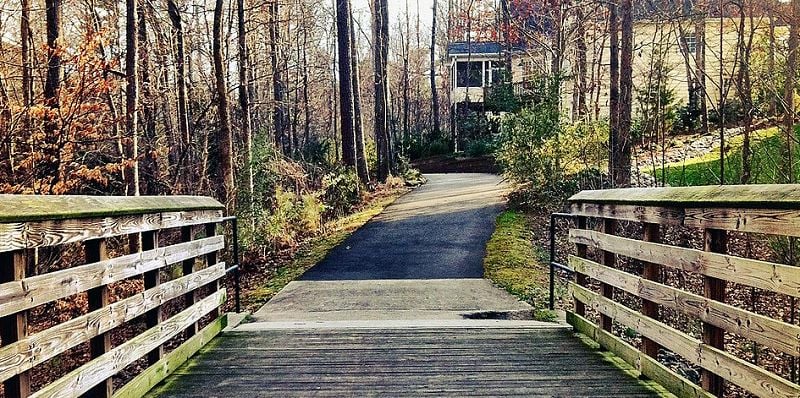
Cary, North Carolina has earned recognition as one of the most family-friendly towns in the Research Triangle area, combining excellent schools, low crime rates, and abundant recreational amenities.
Located between Raleigh and Durham, this growing suburb offers families the advantages of modern development while maintaining a strong sense of community. Understanding which neighborhoods best match your family’s priorities can make your move to Cary more successful.
The top family-oriented neighborhoods in Cary include Preston, Amberly, Lochmere, MacGregor Downs, and Cary Park, each offering distinctive features like neighborhood pools, proximity to highly-rated schools, and access to greenways.
These communities range from established neighborhoods with mature trees to newer master-planned developments with updated amenities.
When choosing where to settle in Cary, you’ll want to consider factors beyond home prices, including school assignments, walkability, commute times, and the types of community activities available.
This guide examines what makes each neighborhood appealing for families and provides practical information about schools, real estate trends, and daily life across Cary’s residential areas.
Did your neighborhood make the cut? Let’s find out!
Overview of Cary for Families
Cary has established itself as a premier destination for families seeking suburban comfort with urban conveniences, supported by steady population expansion, strong educational systems, and exceptional safety metrics.
Population Growth and Demographics
Cary is home to over 192,000 residents and stands as the third-largest municipality in the Triangle area, following Raleigh and Durham. The town’s population has grown consistently over the past decades, driven by families relocating for employment opportunities in the Research Triangle Park and the area’s technology sector.
The demographic makeup reflects a diverse, educated community with a substantial proportion of residents holding college degrees. You’ll find a mix of young professionals, established families with school-age children, and retirees throughout Cary’s neighborhoods.
This growth has been managed through planned development patterns, which has resulted in organized neighborhoods and well-maintained commercial areas. The town’s infrastructure has kept pace with population increases, ensuring that services and amenities remain accessible.
Quality of Life Indicators
Cary ranks among the best places to live in North Carolina, supported by consistent municipal investment in services and infrastructure. The town offers excellent public schools that attract families prioritizing education, with many schools receiving top ratings.
You’ll have access to abundant green spaces, parks, and recreational facilities throughout the community. The town’s location between Raleigh and Research Triangle Park provides convenient commuting options while maintaining a suburban environment.
Healthcare facilities, shopping centers, and dining options are readily available. The competitive real estate market reflects demand from families seeking quality neighborhoods with modern amenities.
Safety and Family-Friendly Atmosphere
Cary has been named one of the safest places to live in the country, which makes it particularly attractive for families with children. The town maintains a low crime rate compared to national averages, providing peace of mind for parents.
Key safety features include:
- Active neighborhood watch programs
- Well-lit streets and public spaces
- Responsive police and emergency services
- Maintained sidewalks and bike paths
The family-oriented culture extends beyond safety statistics. You’ll find community events, youth sports leagues, and family programming throughout the year that foster connections between residents.
Key Factors for Families Choosing a Neighborhood
Selecting a neighborhood in Cary requires evaluating schools, outdoor spaces, and daily conveniences that shape your family’s routine. These elements determine how comfortable and practical your daily life becomes.
School Quality and Educational Resources
Cary’s top-rated schools represent one of the primary reasons families relocate to the area. The Wake County Public School System serves Cary, offering access to highly ranked elementary, middle, and high schools with dedicated teaching staff.
When evaluating neighborhoods, you should research specific school assignments for each address. Test scores, student-teacher ratios, and specialized programs vary between schools. Many neighborhoods feature proximity to multiple educational options, including magnet schools and STEM-focused programs.
Beyond public schools, Cary provides private and charter school alternatives. Some families prioritize neighborhoods within walking distance of their chosen school, reducing morning commute stress. You’ll also find strong parent-teacher organizations and community involvement in Cary schools, creating supportive learning environments that extend beyond classroom walls.
Parks, Recreation, and Green Spaces
Cary maintains an extensive parks system that gives families outdoor activity options year-round. Your neighborhood choice affects which parks and greenways become part of your regular routine.
Look for neighborhoods near greenway connections that allow safe biking and walking to schools or shopping areas. Many Cary communities include their own parks, playgrounds, and sports fields within neighborhood boundaries. You’ll find facilities for soccer, tennis, swimming, and other activities scattered throughout different areas.
Consider how often your family will use these amenities. Some neighborhoods back up directly to wooded trails, while others sit closer to community recreation centers. The Town of Cary manages multiple aquatics centers, baseball complexes, and nature preserves that serve residents across all neighborhoods.
Community Amenities and Services
Daily conveniences like grocery stores, medical facilities, and retail centers impact your family’s quality of life. Cary’s neighborhoods vary in their proximity to shopping districts and essential services.
Key amenities to evaluate:
- Grocery stores and pharmacies
- Pediatric and family medical practices
- Libraries and community centers
- Restaurants and entertainment venues
Some neighborhoods feature walkable town centers with shops and dining options. Others require short drives to commercial areas but offer quieter residential settings. You should also consider commute times to your workplace, as Cary’s location in the Triangle area provides access to employment centers in Raleigh, Durham, and the Research Triangle Park.
Homeowners association amenities differ significantly between neighborhoods. Some include pools, clubhouses, and organized social events, while others maintain minimal shared facilities with lower fees.
Best Neighborhoods in Cary for Families
Cary’s family-friendly neighborhoods offer strong school systems, extensive parks, and active community engagement. Preston, Amberly, and Lochmere stand out for their combination of amenities, safety, and lifestyle options that support families at different life stages.
Preston
Preston ranks among Cary’s most desirable neighborhoods for families seeking established communities with mature landscaping and comprehensive amenities. You’ll find homes ranging from traditional colonials to custom estates, typically priced in the mid-to-upper range.
The neighborhood features multiple swimming pools, tennis courts, and miles of walking trails that connect to Cary’s greenway system. Your children can attend highly-rated schools within the Wake County Public School System, which consistently earn recognition for academic performance.
Preston’s location provides convenient access to Research Triangle Park and major highways without the noise and traffic of main roads. The community hosts regular events throughout the year, including holiday celebrations and summer concerts, which help families connect with neighbors. You’ll appreciate the well-maintained common areas and active homeowners association that preserves property values.
Amberly
Amberly offers a more affordable entry point for families while maintaining the quality amenities that define Cary living. This popular family neighborhood features a mix of single-family homes with varying architectural styles and price points.
The community centers around Fred G. Bond Metro Park, one of Cary’s largest recreational areas with lake access, playgrounds, and sports fields. Your family can enjoy the neighborhood pool, clubhouse, and basketball courts without leaving the community.
Schools serving Amberly receive strong ratings, and you’ll find the neighborhood attracts young professionals and growing families. The tree-lined streets create a suburban feel while keeping you close to shopping centers and restaurants along Cary Parkway. Amberly’s location also provides quick access to major employers in the Research Triangle area, reducing commute times for working parents.
Lochmere
Lochmere combines golf course living with family-friendly features across its 1,200-acre community built around a 175-acre lake. You’ll find diverse housing options from townhomes to lakefront properties, accommodating various family sizes and budgets.
The neighborhood provides extensive recreational facilities including swimming pools, tennis courts, a golf course, and a clubhouse. Your children can participate in youth sports programs and summer camps organized through the community association. The lake offers opportunities for fishing and kayaking right in your neighborhood.
Lochmere’s established reputation draws families who value both active amenities and natural surroundings. The neighborhood’s mature trees and well-maintained common areas create an appealing environment for outdoor activities. You’re positioned near excellent schools and have easy access to Highway 64 for commuting throughout the Triangle region.
Family Life in Preston
Preston stands out as Cary’s largest upscale neighborhood, centered around the Prestonwood Country Club and offering families access to highly-rated schools, multiple recreational facilities, and a strong sense of community. Homes in this area typically start in the $400,000s and extend into the million-dollar range.
Schools and Childcare Options
Your children will attend some of Wake County’s top-performing schools when you live in Preston. The neighborhood feeds into Green Hope High School, which consistently ranks among the best public high schools in North Carolina.
Elementary and middle school students benefit from well-resourced campuses with strong academic programs and active parent-teacher organizations. Class sizes remain manageable, and teachers often have advanced degrees in their subject areas.
For younger children, you’ll find several licensed childcare centers within a short drive of the neighborhood. Many families also participate in cooperative preschool programs organized through the neighborhood association.
Local Parks and Community Events
The Prestonwood Country Club serves as the social hub for many Preston residents, offering golf, tennis, swimming, and dining facilities. Your family can participate in junior golf programs, swim team activities, and seasonal social events throughout the year.
Preston includes well-maintained parks and playgrounds scattered throughout the community. Walking trails connect different sections of the neighborhood, making it easy for you to reach amenities on foot or by bike.
The neighborhood association organizes regular events including summer concerts, holiday celebrations, and community yard sales. You’ll also have access to multiple neighborhood pools where families gather during warmer months.
Housing Styles and Affordability
Preston features a mix of architectural styles including traditional colonial, craftsman, and contemporary designs. Most homes were built between the 1990s and 2010s, offering updated amenities while maintaining mature landscaping.
You’ll find both single-family homes and townhomes in Preston, with lot sizes varying from quarter-acre to half-acre parcels. Three to five-bedroom floor plans are most common, accommodating growing families who need space for home offices and recreational areas.
The price range reflects the neighborhood’s premium location and amenities. Entry-level homes start around $400,000, while larger properties with golf course views or custom features can exceed $1 million. Property values have remained stable, making Preston a solid investment for families planning to stay long-term.
Amberly: A Growing Family Community
Amberly is a master-planned community spanning over 1,100 acres in west Cary, designed to accommodate approximately 5,155 residential units including both townhomes and single-family homes. The development includes dedicated commercial space, recreational amenities, and serves families of various life stages.
Neighborhood Facilities and Clubs
You’ll find extensive recreational facilities centered around the residents club in Amberly. The community features a 19-acre lake that serves as a focal point for outdoor activities and scenic views. Walking trails wind throughout the neighborhood, providing safe routes for exercise and family walks.
The Peninsula at Amberly is known for its quiet trails and family-friendly atmosphere. The neighborhood also includes Carolina Preserve by Del Webb, an active adult community designed for residents aged 55 and older, which allows multi-generational families to live in close proximity while maintaining age-appropriate amenities.
The Town Center encompasses approximately 75 acres reserved for commercial and office space, giving you convenient access to shops and services without leaving the community.
Proximity to Tech Hubs and Employment
Your commute to Research Triangle Park takes approximately 25 minutes from Amberly, making it practical for professionals working in the technology and research sectors. The neighborhood is positioned in west Cary with convenient access to south Durham employment centers, including the Southpointe area.
You’ll need about 25 minutes to reach Downtown Cary and 30 minutes to Downtown Raleigh. The location provides a balance between suburban living and reasonable access to major employment hubs throughout the Research Triangle region.
Residential Developments and Home Options
Home prices in Amberly range from $300,000 to $1.5 million, reflecting the variety of housing types available. You can choose from townhomes for more affordable entry points or larger single-family homes depending on your family’s needs and budget.
The community currently contains 2,500 townhomes and single-family homes, with ongoing development adding new options. Multiple neighborhoods exist within Amberly, each with distinct characteristics and home styles. Additional acreage was incorporated into the development to accommodate the Northwest Cary UNC Wellness Center, enhancing healthcare access for residents.
Living in Lochmere
Lochmere stands out for its natural beauty centered around three scenic lakes, strong community amenities including pools and parks, and convenient access to both Cary and Raleigh’s shopping and dining destinations.
Lakes, Trails, and Outdoor Activities
Lochmere is built around three lakes that define the neighborhood’s character and lifestyle. The largest lake permits motorized boats, and many lakefront homes feature private docks where you can moor your watercraft.
You’ll find ample parks and scenic lakes throughout the community, creating opportunities for walking, jogging, and outdoor recreation. The neighborhood features walking trails that wind through green spaces and along the water’s edge.
Beautiful landscaping and green spaces complement the natural lake features. The community maintains two pools for residents, offering additional recreational options during warmer months. A golf course is also available within the neighborhood for golf enthusiasts.
Access to Shopping and Dining
Your location in Lochmere puts you about 10 miles from Downtown Raleigh, making commutes into Downtown Cary and Downtown Raleigh straightforward. This positioning on the southern portion of Cary, south of US-1, gives you quick access to major roadways.
You can reach shopping centers, restaurants, and entertainment venues throughout the Research Triangle area within a reasonable drive. The neighborhood’s proximity to Cary’s commercial districts means grocery stores, retail shops, and dining options are readily available for daily needs.
Community Safety and Well-Being
The neighborhood attracts families seeking a peaceful, family-friendly environment. You’ll find a mix of single-family homes and townhouses, with most properties being owner-occupied residences.
Strong schools serve the area, which contributes to the neighborhood’s appeal for families with children. The community fosters a welcoming atmosphere where residents know their neighbors and participate in neighborhood activities.
Other Notable Family-Friendly Neighborhoods
Beyond the most popular areas, Cary offers several established communities that provide strong schools, recreational amenities, and tight-knit environments where families thrive.
Carpenter Village
Carpenter Village stands out as one of the best neighborhoods in Cary for families seeking a blend of convenience and community. This neighborhood features traditional homes on tree-lined streets, creating a welcoming atmosphere for children to play and neighbors to connect.
You’ll find homes here primarily built in the 1990s and early 2000s, offering a range of styles from traditional colonials to craftsman designs. The community includes several pocket parks and green spaces where kids gather for informal play.
Key Features:
- Multiple neighborhood pools and tennis courts
- Walking distance to highly-rated elementary schools
- Active homeowners association with family events
- Mature landscaping and established trees
Your daily needs are easily met with shopping centers and restaurants within a short drive. The neighborhood’s central location puts you close to major employers in the Research Triangle while maintaining a suburban feel that families appreciate.
Cary Park
Cary Park delivers an affordable entry point for families without sacrificing quality schools or community amenities. This neighborhood appeals to young families and first-time homebuyers looking to establish roots in Cary’s school system.
The homes here typically range from townhomes to single-family residences built between the 1980s and 2000s. You’ll notice the neighborhood maintains a well-kept appearance with sidewalks that encourage walking and biking.
The community pool serves as a summer gathering spot where children make friends and families socialize. Nearby greenways connect you to Cary’s extensive trail system, perfect for family bike rides and nature walks.
Schools in this area consistently receive strong ratings, and you’re positioned near parks with playgrounds and sports fields. The neighborhood’s location provides quick access to downtown Cary’s shops and restaurants while keeping you connected to major highways for commuting.
MacGregor Downs
MacGregor Downs centers around a private golf course and country club, creating an upscale environment for families who value recreational amenities. This established community attracts families seeking larger homes and extensive facilities beyond standard neighborhood offerings.
You’ll find spacious homes on generous lots, many featuring updated interiors and premium finishes. The golf course provides scenic views and open space that enhances the neighborhood’s appeal even for non-golfers.
Community Amenities:
- Golf Course: 18-hole championship course
- Clubhouse: Dining facilities and event spaces
- Pool Complex: Junior Olympic pool and splash areas
- Tennis Courts: Multiple courts with lighting
The country club membership offers youth programs, summer camps, and family activities throughout the year. Your children can participate in swimming teams, tennis lessons, and junior golf programs that build skills and friendships.
Schools serving MacGregor Downs rank among Cary’s highest-performing, drawing families who prioritize education. The neighborhood’s mature trees and well-maintained properties create a prestigious setting while fostering a genuine sense of community among residents.
Education Options Across Cary’s Neighborhoods
Cary provides access to highly rated Wake County public schools alongside established private institutions, while early childhood programs operate throughout residential areas close to family neighborhoods.
Public and Private School Overview
The Wake County Public School System serves Cary families with elementary, middle, and high schools distributed across neighborhoods. You’ll find schools like Green Hope High School, Cary High School, and Middle Creek High School serving different attendance zones throughout the town.
School ratings vary by neighborhood location, so you should research which schools serve specific communities before choosing where to live. Many families prioritize neighborhoods in Amberly, Preston, and MacGregor Downs based on their assigned schools.
Private school options include religious and independent institutions. The Cary Academy, Pinnacle Classical Academy, and Grace Christian School offer alternatives to public education. These schools draw students from across Cary and surrounding areas, giving you flexibility in neighborhood selection.
You can access detailed school information for Cary neighborhoods through rating platforms that compare test scores, student-teacher ratios, and parent reviews.
Access to Early Childhood Programs
Preschools and daycare centers operate in most Cary neighborhoods, with both independent providers and chain facilities available. You’ll find programs near residential areas in central Cary, western developments, and communities along major corridors.
The Wake County public school system offers pre-kindergarten programs at select elementary schools for eligible families. Private preschools include Montessori programs, faith-based options, and play-based learning centers.
Many family-focused neighborhoods in Cary position homes within short drives of multiple childcare options. Neighborhoods like Lochmere and Cary Park provide proximity to established early learning centers that have served local families for years.
Community Life and Cultural Opportunities
Cary provides families with year-round events that bring neighbors together and multiple venues where children can explore arts and learning. The town’s commitment to community programming creates natural opportunities for families to connect while enriching their daily lives.
Family Events and Festivals
Cary hosts weekly events throughout the year that cater specifically to families with children. During summer months, you can attend free outdoor concerts at Koka Booth Amphitheatre and other parks, where kids can play on the lawn while enjoying live music performances.
The town organizes seasonal festivals including Lazy Daze Arts & Crafts Festival each August, which features over 300 artisans and provides activities designed for young children. Spring Daze in April offers similar family-friendly entertainment with local vendors and interactive exhibits.
You’ll find farmers markets operating from spring through fall at multiple locations, including Downtown Cary and Waverly Place. These markets often include cooking demonstrations, face painting, and educational activities about local agriculture that engage children while you shop for fresh produce.
Local Libraries and Arts Centers
The Cary Regional Library system operates multiple branches throughout town, each offering extensive children’s programming. You can access storytimes for toddlers, STEM workshops for elementary students, and teen reading programs at no cost.
The Cary Theater downtown screens family-friendly films and hosts youth theater productions throughout the year. This historic venue provides an intimate setting where children can experience performing arts in a walkable downtown environment.
The Page-Walker Arts & History Center offers art classes specifically designed for different age groups, from preschool craft sessions to advanced teen workshops. Your family can also visit rotating exhibits that showcase local artists and Cary’s history.
Transportation and Commute Considerations
Cary’s location within the Research Triangle provides excellent highway access for professionals commuting to major employment centers, while public transit options remain limited and car-dependent for most families.
Major Roads and Highways
Cary offers strong connectivity to the Research Triangle through several major transportation corridors. US-1 runs north-south through the town, providing direct access to Raleigh and areas south. I-40 forms the northern boundary, connecting you to Research Triangle Park, Durham, and Chapel Hill within 20-30 minutes.
NC-540 (the Triangle Expressway) is a toll road that loops around western Cary, offering quick connections to the airport and RTP. Most neighborhoods prioritize proximity to major highways when evaluating commute times to workplaces across the region.
Key Highway Access Points:
- US-1: Central corridor through Cary
- I-40: Northern edge, RTP access
- NC-540: Western loop, toll road
- NC-55: East-west connector
Peak traffic occurs during typical rush hours (7-9 AM and 4-6 PM) on these routes. You should expect 15-25 minute commutes within Cary and 25-40 minutes to downtown Raleigh or Durham depending on your specific neighborhood location.
Public Transit Accessibility
Public transit in Cary remains car-forward in most areas with limited bus service. GoTriangle and GoCary provide some routes, but frequency and coverage don’t support daily commuting for most families. Most households require at least one vehicle for school runs, shopping, and work commutes.
The town does invest in greenways and sidewalks within neighborhoods, but these primarily serve recreational purposes rather than transportation needs. Downtown Cary offers the most walkable environment with local shops and restaurants accessible on foot. You’ll find strategic pockets of walkability in master-planned communities, though these don’t eliminate the need for a car in daily life.
Healthcare and Family Wellness Resources
Cary provides comprehensive medical facilities within close proximity and maintains extensive recreational amenities that support active family lifestyles. The town’s healthcare infrastructure includes major hospital systems and specialized pediatric practices, while its parks and fitness centers offer year-round programming for all ages.
Local Hospitals and Pediatric Care
WakeMed Cary Hospital serves as the primary medical facility in the area, offering emergency services, maternity care, and specialized pediatric units. The hospital sits conveniently along Kildaire Farm Road and provides 24/7 emergency care for families.
Duke Health and UNC Health systems both operate satellite facilities throughout Cary, giving you access to specialized pediatric services without traveling to Raleigh or Durham. These networks include dedicated pediatric practices with evening and weekend appointments.
You’ll find numerous independent pediatric clinics scattered across Cary’s neighborhoods, particularly concentrated near major residential areas like Cary Park and Preston. Many practices offer same-day sick appointments and comprehensive well-child visits. The town’s reputation as one of the safest places in the country extends to healthcare access, with short wait times and high provider-to-patient ratios compared to larger metropolitan areas.
Recreation and Fitness Facilities
Cary operates over 30 parks covering more than 900 acres, with greenway trails connecting neighborhoods to schools and shopping areas. The town’s Parks, Recreation and Cultural Resources department manages year-round programming including youth sports leagues, summer camps, and family fitness classes.
Bond Park stands as Cary’s flagship recreational facility, featuring a community center, boathouse, athletic fields, and playground areas. The WakeMed Soccer Park hosts youth tournaments and offers public field rentals for organized sports.
You can access multiple YMCA locations throughout Cary that provide childcare, swim lessons, and family membership options. The town prioritizes parks, greenways, and transportation projects as it continues expanding, ensuring new developments include recreational infrastructure alongside residential construction.
Real Estate Trends and Home Values in Cary
The average home value in Cary stands at $620,401, reflecting a slight decline of 1.8% over the past year. The market shows signs of normalization with projections for modest growth ahead.
Recent Market Developments
The Cary housing market has entered a stabilization phase after years of constrained inventory and rapid price increases. Current conditions indicate existing home sales are projected to increase by 2-14% in 2026, with the exact trajectory depending on interest rate movements.
Median home prices in Cary continue to exceed national averages, driven by the town’s strong job market and highly-rated school systems. The market represents a normalization rather than a downturn, with real estate experts anticipating sustainable growth patterns.
Days on market and inventory levels have shifted from the extreme seller’s market conditions of previous years. You’ll find more balanced conditions now, giving families additional time to evaluate properties and neighborhoods before making decisions.
Buying vs. Renting for Families
Purchasing a home in Cary requires significant upfront capital, with the current median price point approaching $620,000. You gain equity over time and benefit from stable monthly housing costs through fixed-rate mortgages.
Renting offers flexibility if you’re uncertain about long-term plans or need time to explore different neighborhoods in Cary. Monthly rental costs may be lower initially, though you won’t build equity or benefit from potential appreciation.
For families planning to stay in Cary for five years or more, buying typically makes financial sense given the area’s strong property values and quality of life factors. Those relocating for shorter-term job assignments or still evaluating whether Cary fits their needs may find renting more practical.
Conclusion
Cary stands out as a destination where family priorities align with community resources. The town’s consistently recognized neighborhoods offer different combinations of amenities, school access, and housing options that fit various family needs.
Your choice among Cary’s neighborhoods depends on what matters most to your household. Some families prioritize walkability and lake access, while others focus on proximity to specific schools or shorter commutes to Research Triangle Park.
Key factors to evaluate include:
- School district boundaries and performance ratings
- Neighborhood amenities like pools, trails, and community centers
- Home sizes and architectural styles available
- Price ranges and property tax implications
- Commute times to your workplace
The family-focused communities throughout Cary maintain active homeowner associations that organize events and manage shared spaces. These organizations help create the connected feeling many families seek when relocating.
Safety remains a consistent advantage across Cary’s residential areas. The town’s infrastructure, parks, and greenways support active lifestyles and outdoor recreation year-round.
Before making your final decision, visit neighborhoods during different times of day. You’ll get a better sense of traffic patterns, noise levels, and how residents use community spaces. Speaking with current residents can provide insights that listings and statistics don’t capture.
Your experience in Cary will reflect the specific neighborhood you choose. Each area has distinct characteristics that appeal to different family structures and lifestyles.