The 30 Best High Schools in New England: Rankings and Academic Excellence
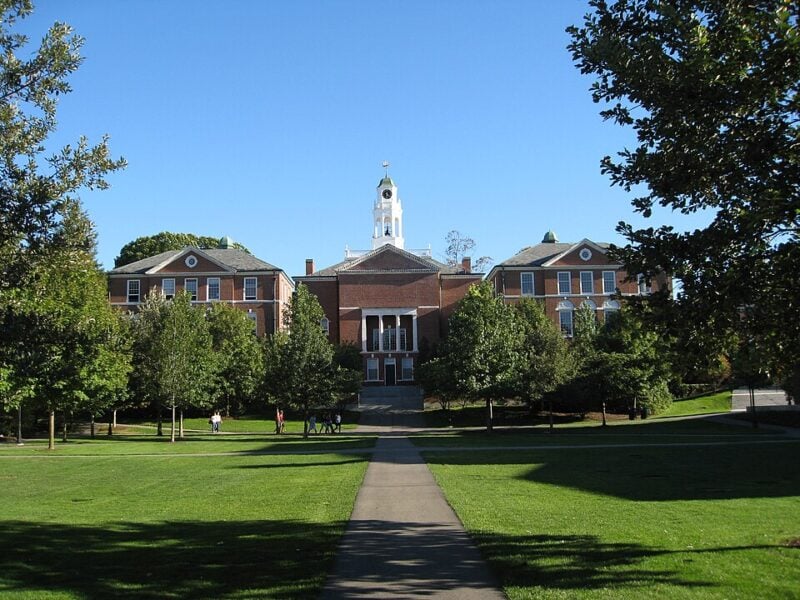
New England stands as a cornerstone of American educational excellence, housing some of the nation’s most distinguished high schools across Massachusetts, Connecticut, and New Hampshire.
The region combines centuries-old academic traditions with modern educational innovation, creating institutions that consistently rank among the top performers nationally.
These thirty exceptional schools represent the pinnacle of secondary education in New England, offering students unparalleled academic rigor, extensive extracurricular opportunities, and pathways to the nation’s most prestigious universities.
The selection includes both renowned private preparatory schools with storied histories and outstanding public institutions that serve their local communities with distinction.
Each school demonstrates excellence through different strengths, from specialized STEM programs to comprehensive liberal arts education, providing families with diverse options for exceptional academic preparation.
Here are the 30 best high schools in New England:
1. Boston Latin School, MA
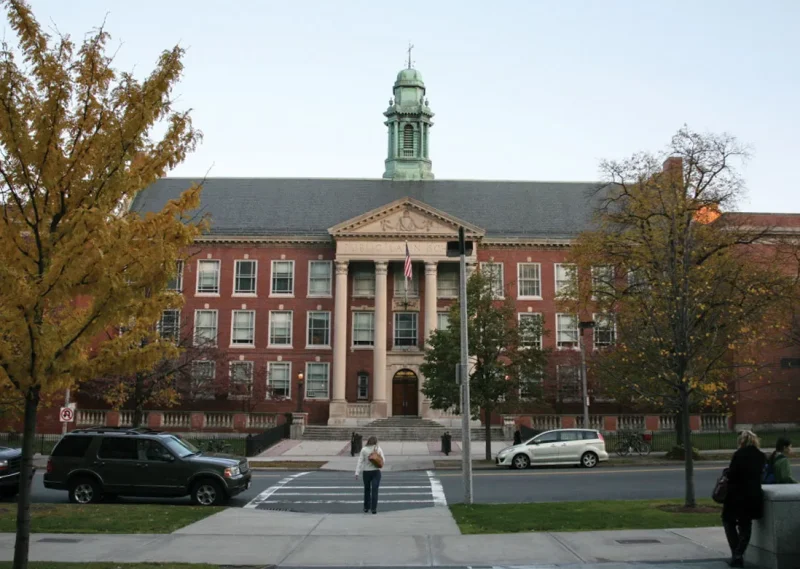
Boston Latin School consistently ranks as the top public high school in Massachusetts. The school earned recognition as the best public high school in New England according to U.S. News & World Report rankings.
Located in Boston, the institution serves approximately 2,401 students across grades 7-12. Boston Latin School operates as a selective public school with admission based on entrance examinations and academic performance.
The school ranks within the top 5% of all public schools in Massachusetts. National rankings have placed Boston Latin School between 26th and 46th position among public high schools across the United States.
Boston Latin School maintains its reputation through rigorous academic programs and college preparatory curricula. The institution has established itself as a leader in public education within the New England region.
2. Phillips Academy Andover, MA
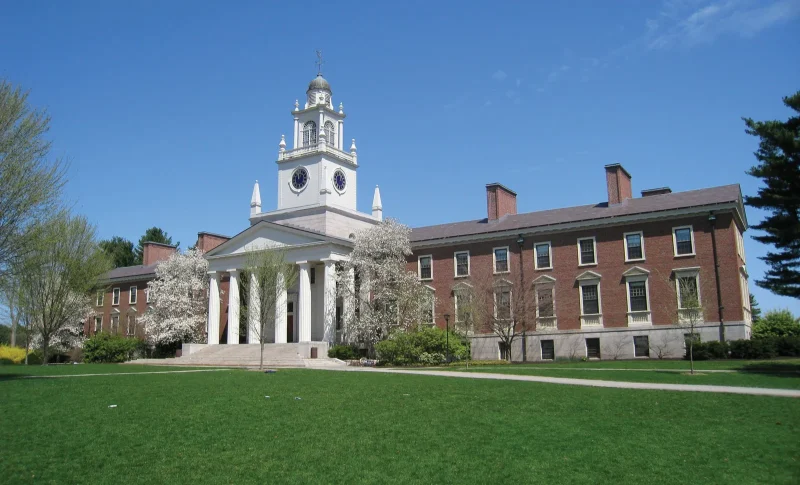
Phillips Academy Andover stands as one of New England’s most prestigious boarding schools. Founded in 1778, this independent coeducational institution serves students in grades 9-12 and postgraduate year.
The school consistently ranks as the top private high school in Massachusetts. Recent rankings place it among the best private high schools nationally according to educational research platforms.
Phillips Academy operates on a selective admissions process. The school seeks students from diverse cultural, racial, socioeconomic and geographic backgrounds who demonstrate both intelligence and integrity.
The institution maintains an expansive 500-acre campus in Andover, Massachusetts. Students benefit from small class sizes and a low student-teacher ratio that supports individualized attention.
Academic excellence defines the Phillips Academy experience. The curriculum prepares students for admission to top-tier colleges and universities across the country.
3. St. Paul’s School, NH
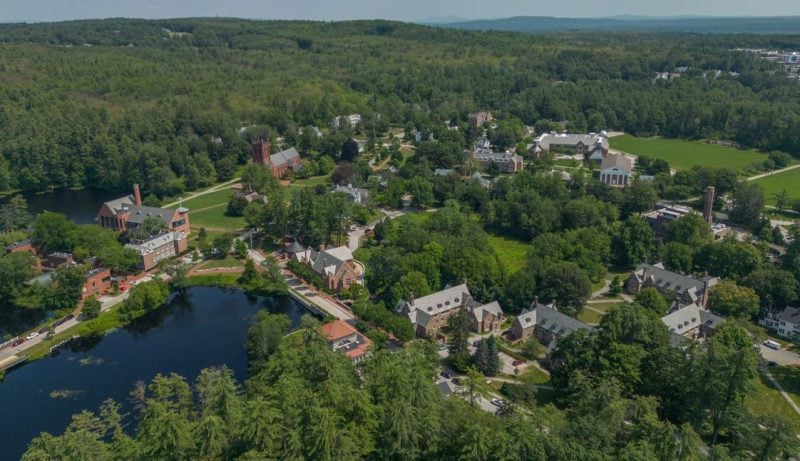
St. Paul’s School stands as New Hampshire’s most selective private institution with a 16% acceptance rate. Founded in 1856, this Episcopal boarding school maintains exceptional academic standards in Concord.
The school enrolls 538 students from 37 states and 30 countries across grades 9-12. This diverse community lives alongside 112 faculty members on campus.
Nearly 40% of students receive financial aid. Families earning up to $150,000 annually typically qualify for full tuition support.
St. Paul’s ranks as the best Christian high school and most diverse private high school in New Hampshire. The institution serves as a Princeton University feeder school based on college placement data.
Students benefit from rigorous college preparation programs. The school’s 100% boarding model creates an immersive academic environment focused on character development and scholarly excellence.
4. Hotchkiss School, CT
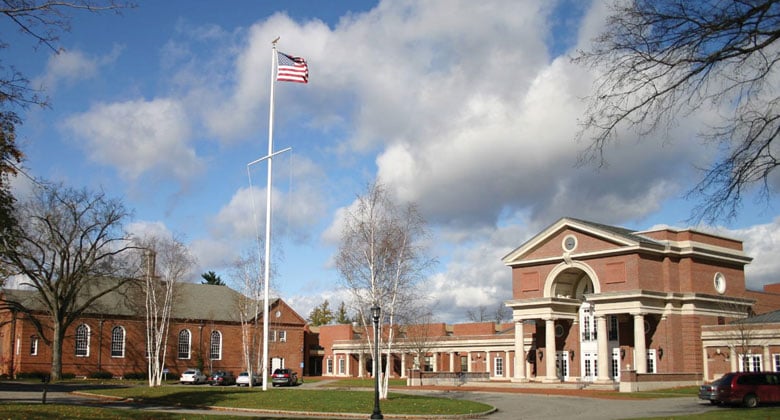
The Hotchkiss School in Lakeville, Connecticut ranks as the top private high school in America according to Niche’s 2026 rankings. Founded in 1891, this prestigious boarding and day school serves approximately 600-627 students in grades 9-12.
The school maintains a competitive 4:1 student-to-teacher ratio and earned an A+ overall grade from Niche. Its acceptance rate of 21% makes it one of the most selective private schools in the nation.
Hotchkiss operates as a college-preparatory institution, continuing the tradition that gave birth to the term “preppie.” The school was among the first English-style boarding schools in the United States.
Since its inception, Hotchkiss has promoted accessibility through financial aid programs. This commitment to both academic excellence and student support has established its reputation as a leading New England preparatory school.
5. Hopkins School, CT
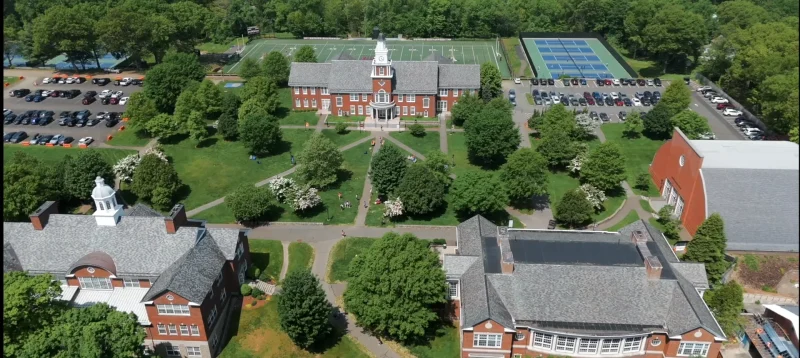
Hopkins School stands as America’s third oldest independent school, serving 724 students in grades 7-12. The institution ranks within the top 20% of private schools in Connecticut.
Located on a campus overlooking New Haven, the school emphasizes intellectual curiosity and academic excellence. Students demonstrate high achievement levels while engaging in rigorous coursework.
The gender-inclusive day school attracts students who love to think and learn. Faculty and staff maintain dedication to fostering an environment where students challenge one another academically.
Hopkins School offers a comprehensive program designed for intellectually passionate students. The campus setting provides an ideal backdrop for the collective pursuit of educational excellence that defines the school’s culture.
6. Taft School, CT
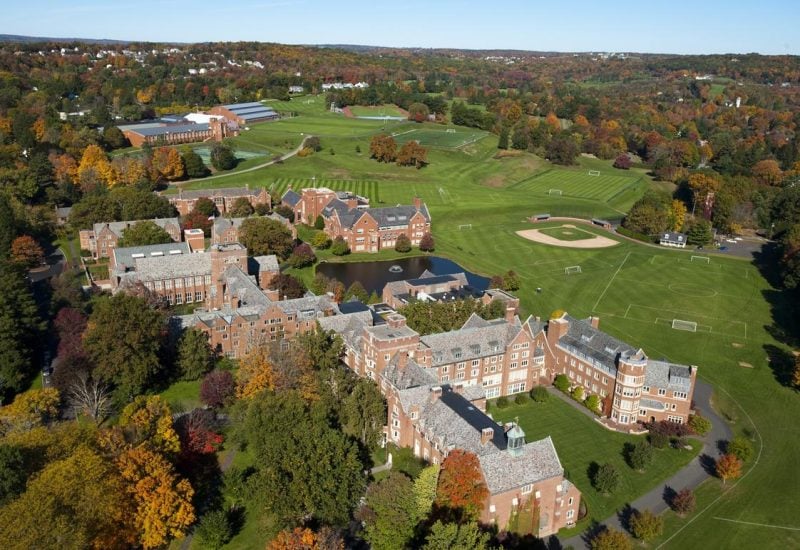
The Taft School stands as one of Connecticut’s premier boarding and day schools. Located in Watertown on a 226-acre campus, this co-educational institution serves approximately 580 students in grades 9-12.
Founded in 1890, Taft maintains rigorous academic standards with an average class size of 11 students. The school offers more than 200 academic courses, providing extensive educational opportunities for its diverse student body.
Students arrive from 44 countries and 33 states, creating an international learning environment. The school operates as both a boarding and day school, with the majority of students living on campus.
Taft ranks within the top 20% of private schools in Connecticut. The campus sits strategically between major metropolitan areas, positioned 95 miles from New York City and 125 miles from Boston.
The New England Association of Schools and Colleges provides full accreditation to the institution.
7. Groton School, MA
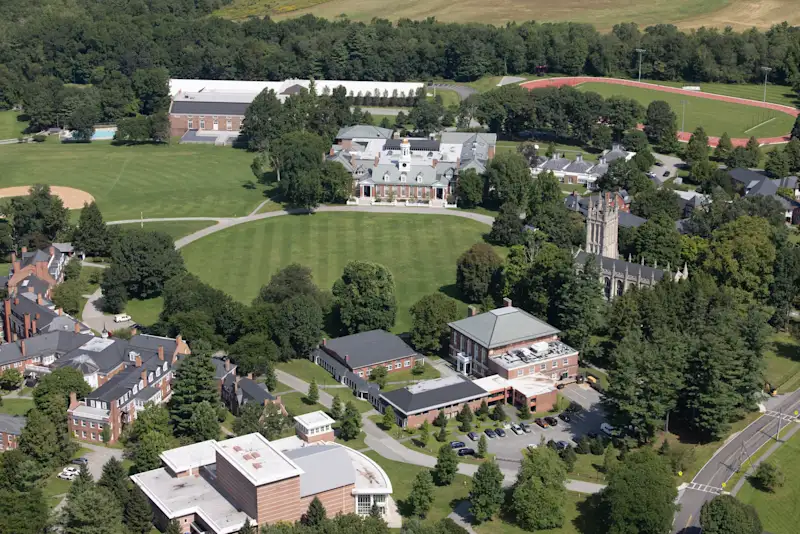
Groton School stands as one of Massachusetts’ premier boarding institutions. The school maintains its position among America’s most prestigious preparatory schools.
Located in Groton, Massachusetts, this historic institution serves students in grades 8-12. The school has built a reputation for academic excellence and rigorous college preparation.
Groton School demonstrates leadership in tuition cost containment among American boarding schools. This approach makes elite education more accessible to qualified students.
The institution places inclusion and belonging at the center of campus life. Students experience a close-knit community centered around “the Circle,” the school’s iconic campus layout.
The school’s commitment to academic rigor attracts students from across the nation and internationally. Groton maintains strong college placement records with top-tier universities.
Faculty members provide personalized attention in small class settings. This approach ensures students receive individualized support for their academic and personal development.
8. Middlesex School, MA
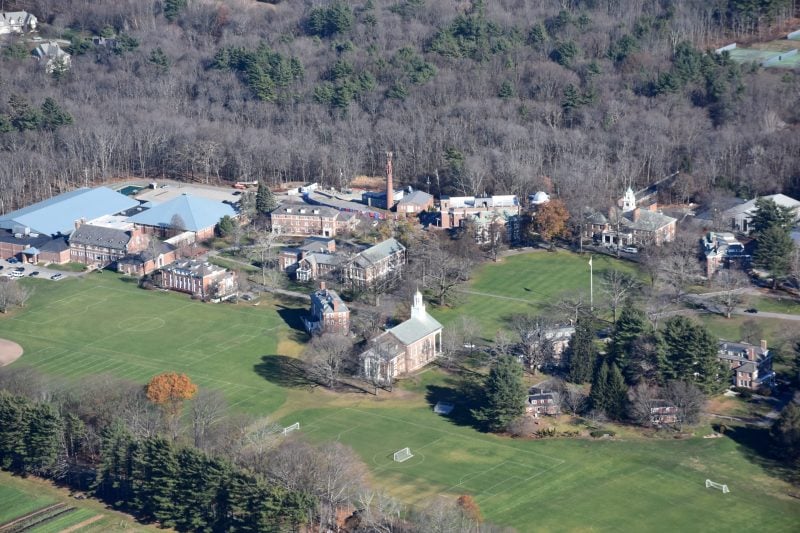
Middlesex School stands as one of Massachusetts’ premier private boarding institutions in Concord. The school serves grades 9-12 with a coeducational student body of approximately 400 students.
Founded in 1901, Middlesex maintains rigorous academic standards across its college preparatory curriculum. The school offers over 100 courses including Advanced Placement options and innovative interdisciplinary programs.
The 350-acre campus features state-of-the-art facilities including modern science laboratories, athletic complexes, and residential halls. Students benefit from a 5:1 student-to-faculty ratio that enables personalized attention and mentorship.
Middlesex emphasizes character development alongside academic excellence through its honor code and community service requirements. The school’s athletic program competes in the Independent School League with offerings in traditional and non-traditional sports.
College matriculation rates remain consistently high, with graduates attending top-tier universities nationwide. The school’s endowment supports generous financial aid programs for qualified students.
9. The Governor’s Academy, MA
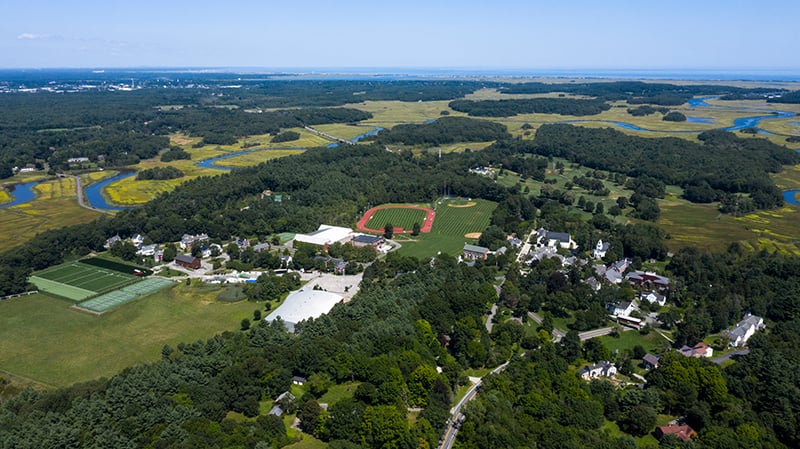
The Governor’s Academy stands as the oldest boarding school in New England, educating students for over 250 years. Located in Byfield, Massachusetts, the campus sits thirty-three miles north of Boston.
The school serves 408 students in grades 9-12 on an expansive campus bordered by the Parker River and the Great Marsh. This independent institution ranks within the top 20% of private schools in Massachusetts.
Governor’s Academy attracts students from around the world who seek rigorous academic preparation. The historic school combines traditional educational values with modern teaching approaches.
The Byfield location provides students with both natural beauty and proximity to Boston’s educational and cultural resources. Five miles south of Newburyport, the campus offers a balanced environment for learning and growth.
10. Noble and Greenough School, MA
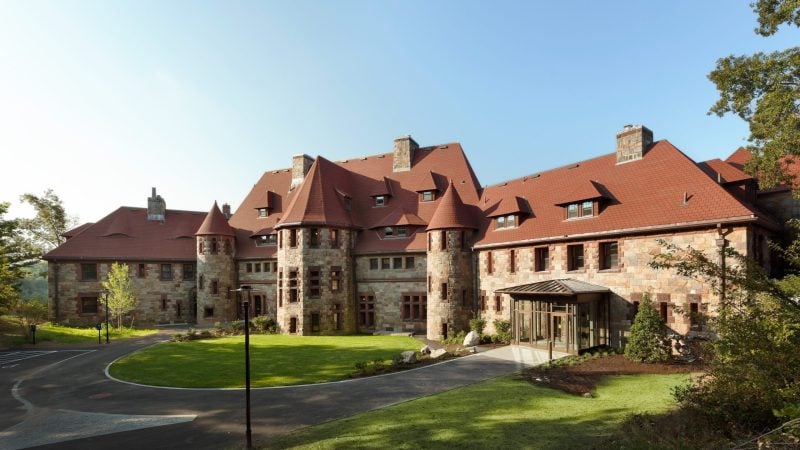
Noble and Greenough School stands as one of Massachusetts’ premier private institutions. Founded in 1866, this coeducational school serves 620 students in grades 7-12.
The school operates as both a day and five-day boarding program. Located in Dedham, a Boston suburb, Nobles offers convenient access to urban resources while maintaining a focused academic environment.
Noble and Greenough ranks within the top 20% of Massachusetts private schools. The institution maintains a student-teacher ratio of 5:1, enabling personalized attention and strong academic support.
The school offers Advanced Placement courses as part of its college preparatory curriculum. This nonsectarian institution welcomes boarding students in grades 9-12 and day students throughout all grade levels.
Noble and Greenough School represents the 11th largest private high school in Massachusetts. Its long-standing reputation and comprehensive programs make it a notable choice for New England families seeking quality secondary education.
11. Amistad Academy, CT
Amistad Academy stands as a distinguished public charter school in New Haven, Connecticut. The institution serves 1,125 students across grades K-12 with an impressive student-teacher ratio of 11 to 1.
The school operates as part of the Achievement First network. Founded in 1999 as Amistad Academy Middle, it has grown significantly over the years.
Amistad Academy offers Advanced Placement courses and maintains a college-preparatory focus. The school specifically aims to serve urban students throughout New Haven.
According to state assessments, 21% of students demonstrate proficiency in mathematics while 40% achieve proficiency in reading. The Connecticut Board of Education has recognized the school for its efforts in closing achievement gaps.
The institution has gained national attention, with U.S. News and World Report ranking it among the top 100 high schools nationally. This recognition places Amistad Academy as one of only two New England public schools to achieve this distinction.
12. Westminster School, CT
Westminster School stands as one of Connecticut’s premier private institutions. Located in Simsbury, this coeducational boarding and day school serves grades 9-12 and postgraduate students.
The school maintains high academic standards with selective admissions. Westminster accepts approximately 20% of applicants who apply each year.
Founded in 1888, Westminster began as a boys-only boarding school in Dobbs Ferry, New York. The institution later relocated to its current Connecticut campus and expanded to welcome female students and day pupils.
Westminster consistently ranks within the top 20% of private schools in Connecticut. The college-preparatory curriculum prepares students for admission to leading universities across the United States.
The school enrolls approximately 390-412 students total. This relatively small student body allows for personalized attention and close faculty-student relationships throughout the academic experience.
13. Kingswood-Oxford School, CT
Kingswood-Oxford School stands as one of Connecticut’s premier independent day schools. Located in West Hartford, the institution serves approximately 510 students in grades 6-12.
The school ranks within the top 20% of private schools statewide. Founded in 1885, it originally operated as two separate institutions before merging into a coeducational college preparatory school.
The academy maintains accreditation from the New England Association of Schools and Colleges. Students experience rigorous academics alongside comprehensive arts and athletics programs.
Kingswood-Oxford emphasizes developing confident communicators and ethical leaders. The school’s minority enrollment represents 32% of the student body.
The institution focuses on preparing students for college success through challenging coursework. Its day-only structure allows students to maintain home connections while pursuing academic excellence.
14. Choate Rosemary Hall, CT
Choate Rosemary Hall stands as one of Connecticut’s most prestigious boarding and day schools. Located in Wallingford, the institution serves 868 students in grades 9-12 and postgraduate programs.
The school maintains a 7:1 student-teacher ratio, enabling personalized attention and rigorous academics. Niche ranks Choate as the third-best private high school in America and the top private school in Connecticut.
Students benefit from extensive opportunities for exploration and self-discovery. The campus provides both boarding and day school options for academically talented students.
Tuition for the highest grade reaches $69,370 according to recent data. The school’s selective admissions process attracts students seeking challenging academic environments.
Choate consistently ranks among New England’s elite educational institutions. The school’s reputation extends nationally, drawing students from across the United States and internationally.
15. Milton Academy, MA
Milton Academy stands as one of Massachusetts’ most distinguished educational institutions. This co-educational, independent school serves students from kindergarten through grade 12 in Milton, Massachusetts.
The academy operates as both a boarding and day school with a college-preparatory focus. Students benefit from rigorous academic programs designed to prepare them for higher education.
According to recent rankings, Milton Academy holds the top position among private K-12 schools in Massachusetts. Nationally, it ranks 16th among all private schools in the United States.
For boarding schools specifically, Milton Academy ranks 13th nationally out of 418 institutions. Within Massachusetts, it places 6th among 36 boarding schools.
The school’s proximity to Boston provides unique opportunities for students. Musicians can access resources like the New England Conservatory and Boston Youth Symphony Orchestras to enhance their skills and cultural experiences.
16. Winchester High School, MA
Winchester High School serves as the sole high school in Winchester, Massachusetts. Founded in 1850, the school moved to its current location in 1972.
The school consistently ranks among Massachusetts’ top high schools. Recent rankings place it 23rd among 351 Massachusetts schools on the U.S. News & World Report list.
Winchester High School maintains impressive graduation rates with close to 98% of students graduating in 2023. Approximately 96% of graduates continue to higher education.
The comprehensive 9-12 high school delivers academic performance that exceeds state averages in core subjects. Students demonstrate proficiency rates in English Language Arts, Mathematics, and Science that surpass Massachusetts benchmarks.
The school underwent a major three-phase reconstruction and expansion project to modernize its facilities. This comprehensive educational institution serves students throughout Winchester with rigorous academic programs and college preparation focus.
17. Wellesley High School, MA
Wellesley High School serves approximately 1,500 students in grades 9-12 in the affluent suburb of Wellesley, Massachusetts. The school maintains a graduation rate consistently above 95%.
In the 2024 U.S. News & World Report rankings, Wellesley High School placed 28th among Massachusetts public high schools. This represents a decline from its 15th position in 2023.
The school ranked 703rd nationally in 2024, down from 539th the previous year. Despite these ranking changes, Wellesley High School continues to demonstrate strong academic performance.
The institution benefits from its location in a well-resourced community. Students have access to comprehensive educational programs and facilities that support academic achievement.
Wellesley High School remains a competitive public high school option in Massachusetts. The school’s consistent high graduation rates reflect its commitment to student success.
18. Lexington High School, MA
Lexington High School ranks among Massachusetts’ top public high schools, consistently placing in the top five statewide. The school serves approximately 2,200 students in grades 9-12 in the historic town of Lexington.
The institution maintains a remarkable 99% graduation rate, well above state averages. Its dropout rate remains exceptionally low at just 0.3%, demonstrating strong student support systems.
Lexington High School achieved third place in Massachusetts according to U.S. News & World Report rankings. This makes it the highest-ranked traditional public high school in the state, trailing only specialized magnet and charter schools.
The school maintains a student-to-teacher ratio of 13 to 1, providing adequate individual attention for students. Its diverse student population of over 2,300 learners benefits from comprehensive academic programs and resources.
Lexington High School has earned recognition on multiple national ranking lists, reflecting its commitment to academic excellence and student achievement.
19. New Canaan High School, CT
New Canaan High School serves grades 8-12 with an enrollment of 1,294 students. The school consistently ranks among Connecticut’s top educational institutions.
The school earned a 5-star rating from SchoolDigger and ranked 1st out of 145 schools in Connecticut for the 2023-2024 school year. It also placed among the top 50 high schools in the state according to U.S. News & World Report.
New Canaan High School offers Advanced Placement courses and Project Lead The Way curriculum. The school also provides a Gifted & Talented program for high-achieving students.
Test scores significantly exceed state averages. The school’s combined math and reading proficiency scores reach 70% compared to Connecticut’s 33% average.
The institution serves as the sole high school within the New Canaan School District. Its academic performance contributes to the district’s statewide recognition for educational excellence.
20. Darien High School, CT
Darien High School serves grades 9-12 in Darien, Connecticut. The school consistently ranks among the top public high schools in the state.
U.S. News & World Report ranked Darien High School second in Connecticut and 169th nationally. The publication reviewed 25,000 public high schools across the United States for its rankings.
Niche also recognizes the school’s academic excellence, placing it among the top 25 high schools in Connecticut. The platform analyzed data from over 94,000 public schools nationwide.
The school demonstrates strong performance across multiple areas. It ranked 40th nationally for best high schools for athletes according to Niche rankings.
Darien High School stands as the sole high school in the city of Darien. The institution maintains its reputation through consistent academic achievement and comprehensive programs for its student body.
21. Exeter High School, NH
Exeter High School stands as one of New Hampshire’s top-performing educational institutions. The school serves students in grades 9-12 from six communities including Exeter, Stratham, Kensington, Newfields, Brentwood, and East Kingston.
The institution consistently ranks among the state’s best high schools. It maintains a 4-star rating from SchoolDigger and has held a top 15 position for three consecutive years.
Academic excellence defines the school’s reputation. Strong test scores and high graduation rates contribute to its standing in state rankings.
College preparation remains a central focus. The school’s programs effectively prepare students for post-secondary education opportunities.
Exeter High School operates within the Exeter Region Cooperative School District. This public institution provides comprehensive educational services to its diverse student population across multiple New Hampshire towns.
22. Portsmouth High School, NH
Portsmouth High School stands as one of New Hampshire’s premier educational institutions. The school ranks 4th out of 87 high schools statewide and maintains a 5-star rating from SchoolDigger.
The institution has consistently performed at an elite level. Portsmouth High School has held a top 20 ranking in New Hampshire for the past three years.
Students benefit from exceptional academic programs and strong college preparation. The school’s test scores and graduation rates reflect its commitment to educational excellence.
Portsmouth High School serves the coastal community with comprehensive educational offerings. Faculty and staff focus on developing well-rounded students through rigorous academics and diverse extracurricular activities.
The school’s sustained high performance demonstrates its dedication to student success. Portsmouth High School continues to attract families seeking quality public education in New Hampshire’s Seacoast region.
23. Hanover High School, NH
Hanover High School consistently ranks among the top two high schools in New Hampshire. The school serves as the sole high school for Hanover and operates within SAU 70, which earned recognition as the state’s best school district in 2024.
The institution demonstrates strong academic performance with high graduation rates and college preparation programs. Students benefit from diverse extracurricular offerings that extend beyond traditional academics.
The school’s theatre program receives particular recognition for its inclusive environment and quality productions. This arts focus provides students with creative outlets alongside rigorous academic coursework.
Hanover High School maintains a supportive learning environment that serves a diverse student population. The school’s location in Hanover provides students with unique educational opportunities and resources.
The institution’s consistent high rankings reflect its commitment to academic excellence and student development across multiple areas of study.
24. Windsor School, MA
Windsor School serves students in Windsor, Massachusetts, contributing to the state’s educational landscape. The school operates within Massachusetts’ public education system, which includes 366 high schools recognized in recent state rankings.
Massachusetts maintains high educational standards across its secondary institutions. Schools throughout the state demonstrate strong academic performance through rigorous coursework and solid graduation rates.
Windsor School participates in standardized testing and reporting requirements mandated by the Massachusetts Department of Education. These assessments help measure student progress and school effectiveness.
The school provides educational services to local families in the Windsor community. Students have access to core academic subjects required by state curriculum standards.
Massachusetts public schools consistently rank among the top performers nationally. This educational environment supports student preparation for post-secondary education and career readiness throughout the state system.
25. The Rivers School, MA
The Rivers School stands as a distinguished private institution in Weston, Massachusetts. Founded in 1915, this coeducational day school serves approximately 515 students across grades 6-12.
The school operates on a scenic 55-acre campus in one of Massachusetts’ most affluent communities. Rivers maintains small class sizes with a student-teacher ratio of 6.0 to 1, enabling personalized attention for each student.
The academic program emphasizes college preparation with Advanced Placement courses available. Students benefit from rigorous coursework designed to challenge them across academics, arts, and athletics.
Rivers ranks within the top 20% of private schools in Massachusetts. The institution offers 27 different sports programs alongside its comprehensive academic curriculum.
The school’s combination of strong academic standards, extensive extracurricular opportunities, and intimate learning environment attracts families seeking exceptional secondary education in the Greater Boston area.
26. Brimmer and May School, MA
Brimmer and May School is a co-educational private day school located in Chestnut Hill, Massachusetts. Founded in 1939, the institution serves approximately 400 students from prekindergarten through 12th grade.
The school ranks within the top 20% of private schools in Massachusetts. It offers Advanced Placement courses as part of its college preparatory curriculum.
Brimmer and May operates as an inclusive community that welcomes students from diverse backgrounds. The school does not discriminate based on race, religion, gender, sexual orientation, or other protected characteristics.
The campus has undergone significant improvements in recent years. A new athletics center is currently under construction, adding to the school’s facilities.
The institution maintains a day school format without boarding options. Its location in Chestnut Hill provides access to the greater Boston metropolitan area while offering a dedicated learning environment for students pursuing rigorous academic preparation.
27. Belmont Hill School, MA
Belmont Hill School serves as an all-boys private institution in Belmont, Massachusetts. The school educates approximately 470 students across grades 7-12.
The institution operates as both a day school and offers a five-day boarding option. Students are divided into Middle School (grades 7-9) and Upper School (grades 10-12).
Founded in 1923, Belmont Hill maintains selective admissions with a 28% acceptance rate. The school ranks within the top 20% of private schools in Massachusetts.
The curriculum emphasizes college preparatory education with a focus on developing critical thinking and character. Belmont Hill functions as a feeder school to Harvard University according to national rankings.
The school’s mission centers on educating boys in mind, body, and spirit. Students receive encouragement to pursue academic excellence while building resilience and discovering personal passions.
28. Concord Academy, MA
Concord Academy ranks among the top 20% of private schools in Massachusetts. The independent boarding and day school serves 416 students in grades 9-12.
Founded in 1922, the school maintains high academic standards while emphasizing individual growth. The coeducational institution operates from its historic Concord campus.
Students benefit from rigorous coursework designed for college preparation. The school’s faculty focuses on developing critical thinking and analytical skills.
Concord Academy offers diverse extracurricular opportunities through numerous clubs and organizations. Students can explore personal interests while developing leadership abilities.
The school’s location in Middlesex County places it within one of Massachusetts’ most academically competitive regions. This environment contributes to the institution’s reputation for academic excellence.
Graduates typically continue to prestigious colleges and universities. The school’s alumni network reflects its commitment to developing future leaders across various fields.
29. The Roxbury Latin School, MA
The Roxbury Latin School stands as America’s oldest boys’ school in continuous operation. Founded in 1645 by Puritan missionary John Eliot, the institution has educated boys for nearly four centuries.
Located in West Roxbury, Boston, the school serves approximately 310 students across grades 7-12. The campus spans 117 acres in this established Boston neighborhood.
Roxbury Latin ranks within the top 20% of private schools in Massachusetts. The school has earned recognition as the number one all-boys high school in the state.
The institution maintains a need-blind admissions policy and meets full demonstrated financial need. Tuition runs approximately $15,000 less than comparable Boston-area independent schools.
Each student receives individual attention through the school’s one-on-one advisor system. Every boy works with a dedicated faculty or staff advisor throughout his enrollment.
30. Salem High School, NH
Salem High School serves 1,134 students in Salem, New Hampshire. The school operates within the Salem School District as the district’s sole high school.
The institution’s statewide ranking has varied between 37th and 51st out of 85-87 high schools in recent years. SchoolDigger awarded the school a 3-star rating based on its performance metrics.
Niche ranked Salem High School 20th out of 90 public high schools in New Hampshire in their 2023 Best Schools and Districts rankings. This placement reflects the school’s academic standing among state institutions.
Salem offers two high school options for families. Besides Salem High School, the city hosts Arts Academy of New Hampshire Chartered Public High School, which earned higher rankings and a 4-star rating.
Salem High School provides standard high school education for grades 9-12. The school serves as the primary public high school option for Salem residents.
Factors That Define Top High Schools in New England
New England’s top high schools distinguish themselves through rigorous academics, comprehensive college preparation programs, and exceptional faculty support. These institutions combine strong standardized test performance with diverse extracurricular offerings that prepare students for competitive college admissions.
Academic Performance and Curriculum
High-performing New England schools maintain Advanced Placement (AP) course offerings that typically include 15-25 subjects. Students at these institutions regularly achieve AP pass rates exceeding 85%, compared to the national average of 60%.
SAT and ACT scores serve as primary indicators of academic excellence. Top schools report average SAT scores between 1400-1550, with many students scoring above 1500. These scores place graduates in competitive positions for Ivy League and elite college admissions.
Graduation rates at premier New England high schools consistently reach 95-99%. The curriculum emphasizes critical thinking, advanced mathematics, laboratory sciences, and humanities courses that exceed state requirements.
Schools integrate STEM programs with partnerships to local universities and research institutions. Many offer specialized tracks in engineering, computer science, and biotechnology that prepare students for technical fields.
Extracurricular Opportunities
Athletic programs at top New England schools compete in prestigious leagues and conferences. Many schools field 20-30 varsity sports teams, with student participation rates reaching 70-80% of the student body.
Arts programs include theater productions, concert bands, orchestras, and visual arts studios. Students regularly win state and regional competitions in music, drama, and fine arts categories.
Academic clubs and competitions cover debate teams, Model United Nations, robotics, and subject-specific honor societies. These schools frequently place students in national competitions and Olympiad programs.
Community service requirements range from 40-100 hours annually. Students engage with local nonprofits, environmental projects, and tutoring programs that develop leadership skills.
College Preparation and Guidance
College counseling ratios at premier schools maintain 1 counselor per 50-100 students, significantly better than the national average of 1 per 250 students. Counselors begin college planning during sophomore year.
College acceptance rates demonstrate the effectiveness of preparation programs. Top schools report 95-100% four-year college acceptance rates, with 60-80% of graduates attending highly selective institutions.
Standardized test preparation includes dedicated courses and individual tutoring. Schools provide multiple opportunities for SAT, ACT, and SAT Subject Test administration on campus.
Application support includes essay workshops, interview preparation, and financial aid guidance. Many schools maintain relationships with college admissions officers who visit campuses regularly.
Faculty Expertise and Student Support
Teacher qualifications include advanced degrees, with 60-80% of faculty holding master’s degrees or higher. Many teachers possess specialized certifications in their subject areas and participate in ongoing professional development.
Student-to-teacher ratios average 8:1 to 12:1 at top institutions. Small class sizes enable individualized attention and personalized learning approaches.
Academic support services include tutoring centers, study skills workshops, and learning specialists. Schools provide accommodations for students with learning differences and maintain comprehensive support systems.
Mental health resources feature on-campus counselors, stress management programs, and peer support networks. These services address the academic pressures associated with rigorous coursework and college preparation.
Regional Education Trends and Insights
New England’s high schools demonstrate distinct patterns in public versus private performance, with Massachusetts and Connecticut leading innovative diversity programs. Technology integration and project-based learning initiatives have accelerated across the region since 2020.
Public vs. Private School Strengths
Public schools in New England show exceptional performance in STEM programs and college preparation. Boston Latin School and other top-ranked public institutions consistently outperform national averages in standardized testing.
Massachusetts public schools benefit from substantial per-pupil funding, averaging $17,000 annually. This investment supports advanced placement programs and specialized curricula.
Private preparatory schools maintain advantages in class size and individualized attention. The average student-teacher ratio in New England prep schools is 8:1 compared to 13:1 in public schools.
Key Public School Strengths:
- Comprehensive STEM programming
- Diverse student populations
- Advanced placement course availability
- Athletic and extracurricular programs
Private School Advantages:
- Smaller class sizes
- Extensive alumni networks
- College counseling resources
- Boarding options for international students
Diversity and Inclusion Initiatives
New England schools have implemented targeted programs to address historical equity gaps. Connecticut leads the region with mandatory diversity training for educators and administrators.
Charter schools in urban areas show promising results for underrepresented students. Boston’s charter institutions report 15% higher college enrollment rates among minority graduates.
Several districts have adopted need-blind admissions policies for selective programs. These changes have increased minority representation by 23% in gifted and talented programs since 2022.
Schools are expanding multilingual support services to accommodate growing immigrant populations. Translation services and ESL programs now operate in over 40 languages across the region.
Innovation in Teaching and Learning
Technology integration accelerated dramatically following remote learning periods. Students now access digital platforms for collaborative projects and virtual laboratory experiences.
Project-based learning has become standard practice in top-performing schools. Students engage in real-world problem solving through partnerships with local businesses and universities.
Many institutions have adopted competency-based assessment models. These systems evaluate student mastery rather than traditional time-based progression through curricula.
Schools increasingly offer dual enrollment opportunities with regional colleges. High school students can earn college credits while completing their secondary education, reducing future tuition costs.
Maker spaces and innovation labs provide hands-on learning environments. These facilities support engineering design challenges and entrepreneurship programs that prepare students for modern workforce demands.