The 30 Best High Schools in Northern Arizona: Rankings and Academic Performance
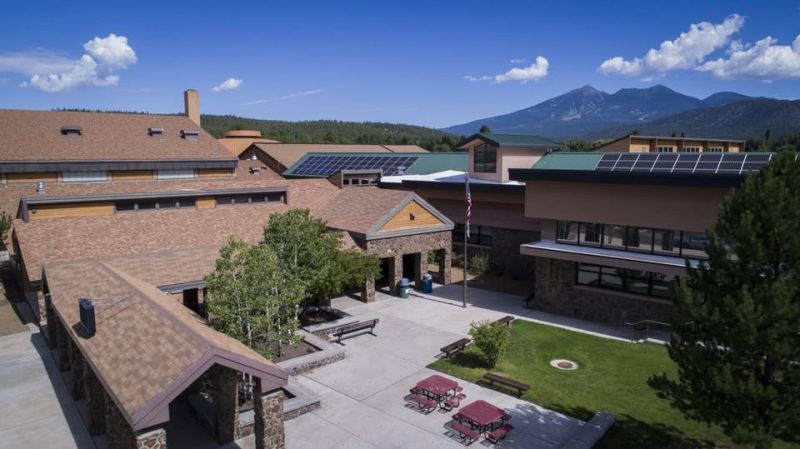
Northern Arizona’s educational landscape offers diverse opportunities for high school students across vast geographical regions that include urban centers, rural communities, and Native American reservations.
The region encompasses everything from Flagstaff’s mountain communities to remote desert schools, each serving unique populations with distinct educational needs and cultural backgrounds.
These 30 exceptional high schools represent the strongest academic institutions in Northern Arizona, providing quality education despite challenges like geographic isolation and limited resources.
The schools featured range from traditional public institutions in established towns like Flagstaff and Sedona to specialized programs serving tribal communities and small rural districts.
Each school contributes to the region’s educational mission while maintaining its own character and serving its specific community demographics.
Here are the 30 best high schools in Northern Arizona:
1. Flagstaff High School
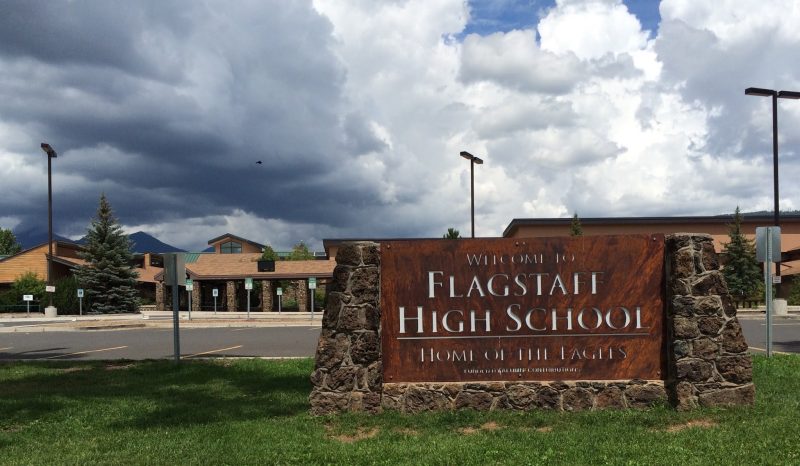
Flagstaff High School serves as one of the primary public high schools in the Flagstaff Unified School District. The school educates students in grades 9-12 in northern Arizona’s largest city.
Located in Flagstaff, the school operates within a district that maintains four high schools total. This provides families with multiple educational options in the area.
The school participates in state testing and college readiness programs. Academic performance data gets tracked through standardized assessments and graduation rates.
Flagstaff High School offers traditional high school coursework and extracurricular activities. Students can access various programs designed to prepare them for post-secondary education or career paths.
The school serves a diverse student population reflective of Flagstaff’s community demographics. Class sizes and teacher-to-student ratios vary by subject and grade level.
School rankings place it among the educational institutions evaluated in northern Arizona. The school competes academically with other public and charter schools in the region.
2. Sedona Red Rock High School

Sedona Red Rock High School serves grades 6-12 in Arizona’s red rock country. The school operates as part of the Sedona-Oak Creek Unified School District.
The institution enrolls 444 students across middle and high school grades. This smaller enrollment creates a close-knit community environment.
The school offers Advanced Placement courses for college-bound students. These programs provide opportunities for academic advancement and college credit.
Located in one of Arizona’s most scenic areas, the school benefits from its unique setting. The red rock landscape provides a distinctive backdrop for education.
Students at Sedona Red Rock High School have access to both academic and extracurricular programs. The school maintains its position within Arizona’s public school system while serving the local Sedona community.
3. Coconino High School
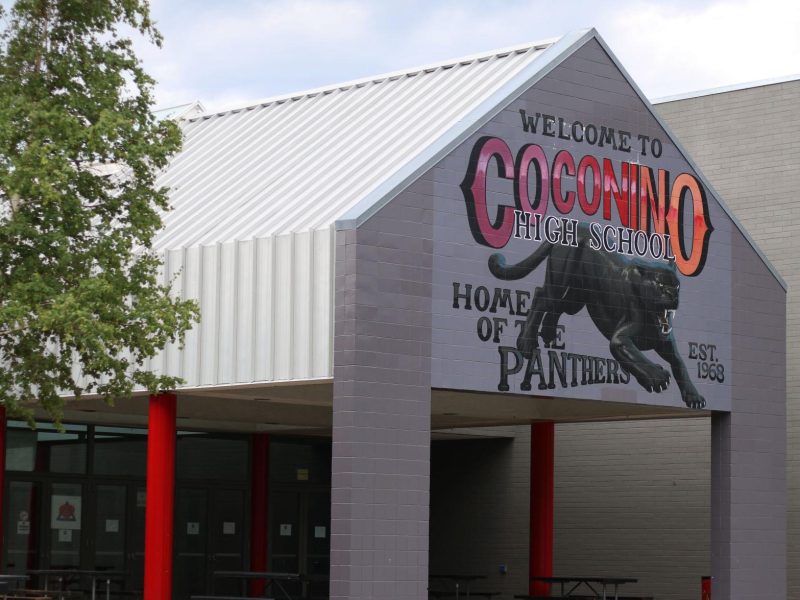
Coconino High School stands as a distinguished educational institution in Flagstaff, Arizona. The school operates as an International Baccalaureate World School within the Flagstaff Unified School District.
Students have access to a comprehensive curriculum that includes Advanced Placement courses, International Baccalaureate programs, and Honors classes. The school also offers Career & Technical Education programs and JROTC.
Coconino High School consistently ranks among the top high schools in Coconino County based on test scores and academic performance. The institution maintains strong graduation rates and college readiness metrics.
The school serves a diverse student body and provides extensive educational opportunities. Students can choose from various academic pathways to match their career goals and interests.
Coconino High School’s commitment to academic excellence makes it a competitive option for families in the Flagstaff area.
4. Fredonia High School
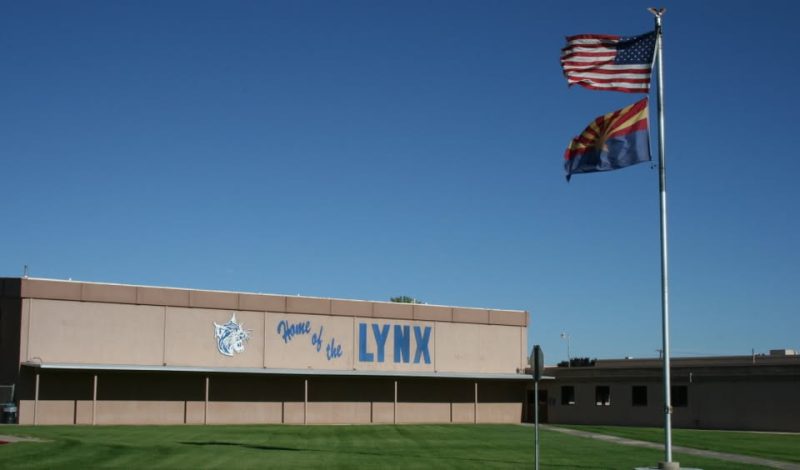
Fredonia High School serves students in grades 9-12 in Fredonia, Arizona. The school operates under the Fredonia-Moccasin Unified School District jurisdiction.
The institution maintains a small student population of 71 students. This creates a favorable student-to-teacher ratio for personalized attention.
Fredonia High School faces academic challenges with proficiency rates on state assessments below Arizona state averages. The school’s performance spans across all subjects and grade levels.
The school serves the rural community of Fredonia in northern Arizona. It represents the sole high school option for local families in the area.
Despite its academic struggles, the school’s small size allows for close-knit community relationships. Teachers can provide individualized support to students in this intimate learning environment.
5. Page High School
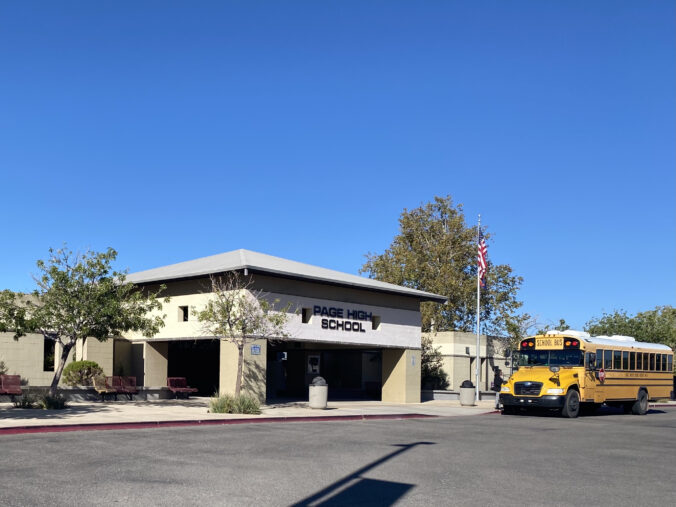
Page High School serves the Page Unified School District in Page, Arizona. The school is part of a community focused on college and career readiness for all students.
The district emphasizes preparing students for success in a global society. Their mission centers on directing resources toward each child’s unique learning needs.
Page is home to three high schools total, with Page High School being one of the primary institutions. The city’s schools show varying academic performance and student populations.
Page High School participates in state testing assessments and maintains enrollment data tracked by educational ranking organizations. The school operates within Arizona’s public education system.
The Page Unified School District describes itself as a community of learners. They focus on ensuring every student receives appropriate educational support and opportunities.
6. Chinle High School
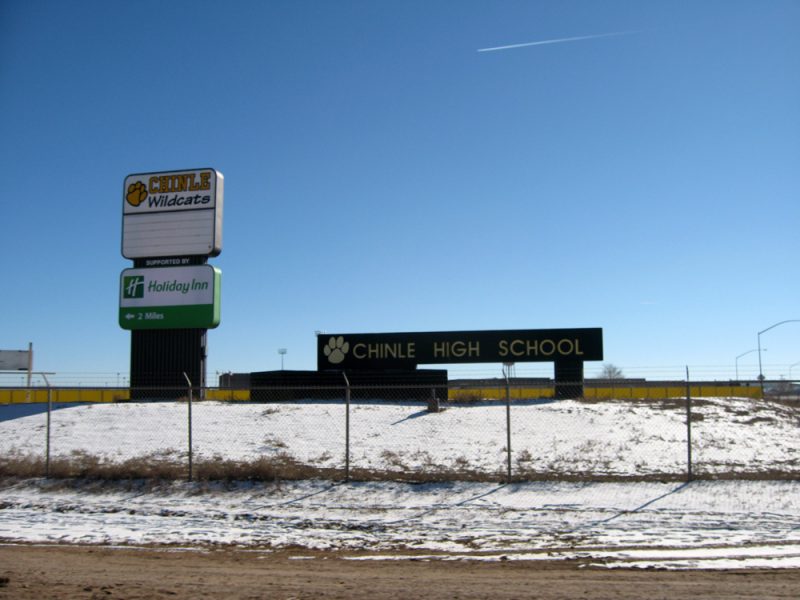
Chinle High School serves grades 9-12 in the unincorporated area of Apache County, Arizona. The school operates as the sole high school within the Chinle Unified School District.
The school maintains a 15% AP participation rate among its student body. All elementary and middle schools in the district feed into this single high school facility.
Chinle High School reports 100% minority enrollment, reflecting the demographics of its local community. The institution is one of two high schools operating within the Chinle Unified District.
The school offers specialized programs including heavy equipment training. Students in this program achieved recognition as the first youth group to attend the National Transportation in Indian Country Conference.
Chinle High School provides educational services to students in northern Arizona’s Apache County region. The school focuses on serving its local community through traditional academics and career-focused programs.
7. Williams High School
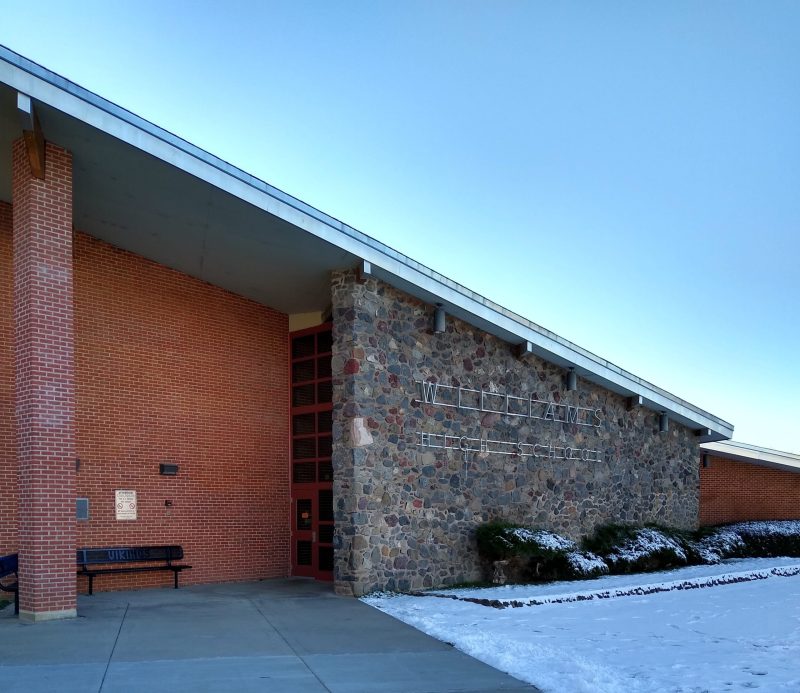
Williams High School serves as the sole high school in the Williams Unified School District. The school enrolls 242 students in grades 9-12, creating an intimate learning environment in northern Arizona.
The student body reflects community diversity with 50.83% White students and 39.67% Hispanic students. This demographic composition contributes to a multicultural educational experience.
Williams High School achieves a 90.4% four-year graduation rate, which exceeds the Arizona state average. This graduation rate demonstrates the school’s commitment to student completion and success.
Academic performance shows mixed results across subject areas. The school’s science scores align with both district and state averages, indicating competency in STEM education.
However, English Language Arts and Mathematics performance falls below state benchmarks. These areas present opportunities for academic improvement and focused intervention programs.
The school operates within a unified district that also includes a combined elementary and middle school, creating educational continuity for local students.
8. Pine Forest High School
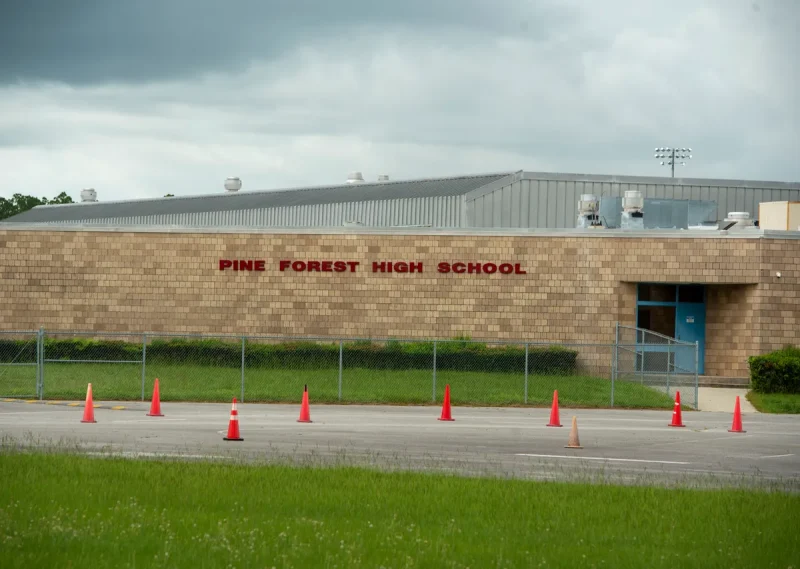
Pine Forest School operates as a public K-8 institution serving 224 students in Flagstaff, Arizona. The school ranks within the top 30% of all public schools throughout the state.
Pine Forest Education Association Inc. experienced significant improvement this year. The district jumped 60 positions in statewide rankings and now performs better than 72.2% of Arizona districts.
The school’s location in Flagstaff positions it within one of Northern Arizona’s primary educational hubs. Students benefit from the community’s emphasis on academic achievement and educational resources.
Pine Forest demonstrates consistent performance metrics that contribute to its strong state ranking. The institution maintains standards that place it among Arizona’s more successful public schools.
The school serves elementary and middle school students exclusively. Families in the Flagstaff area recognize Pine Forest as a reliable educational option within the public school system.
9. Holbrook High School
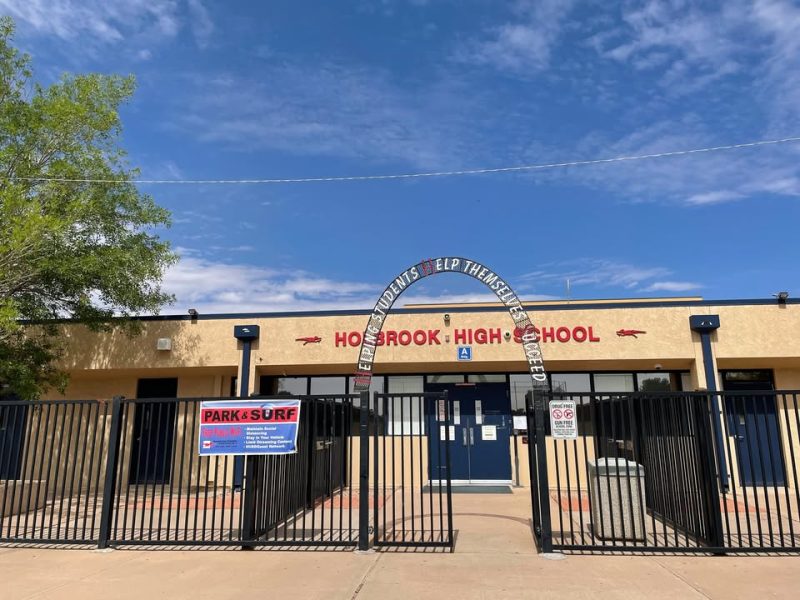
Holbrook High School ranks 270 out of 469 Arizona high schools with a 2-star rating. The school serves students in Holbrook, Arizona as part of the Holbrook Unified District.
The school maintains an 81.1% four-year graduation rate. This graduation rate demonstrates the school’s ability to help students complete their high school education.
Holbrook High School operates within the Holbrook Unified District, which has faced challenges in recent rankings. The district dropped 51 positions in statewide rankings and performs worse than 67.8% of Arizona districts.
Students at Holbrook High School have access to standard high school curriculum and programs. The school continues to serve its community despite district-wide performance concerns.
The school provides educational opportunities for students in the Holbrook area. Families in the 86025 zip code consider Holbrook High School among their local public school options.
10. Tonalea K-12 School
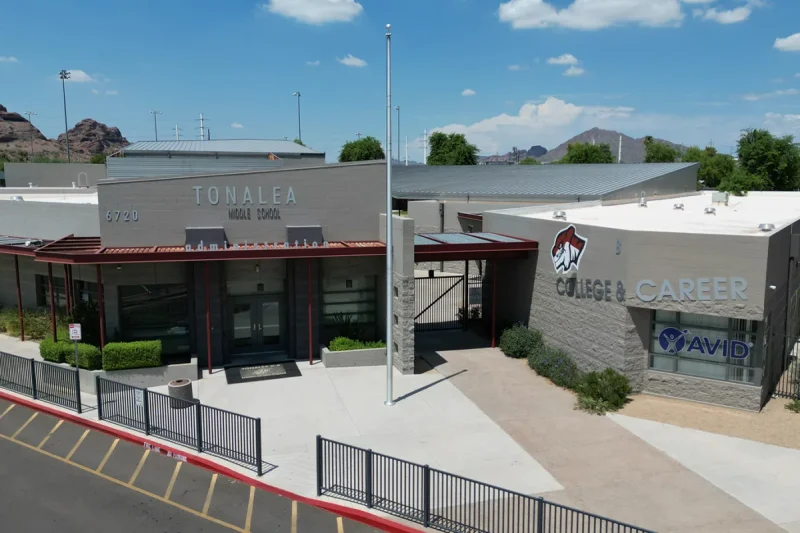
Tonalea K-12 School serves the small community of Tonalea, located within the Navajo Nation in Coconino County. The school operates under the Chinle Unified School District and provides education for students from kindergarten through twelfth grade.
The Arizona Department of Education rates the school district favorably. The institution offers core academic classes across all grade levels, serving the educational needs of this rural northern Arizona community.
As a K-12 facility, the school consolidates elementary, middle, and high school education under one roof. This structure allows for continuity in education and strong relationships between students and faculty across different grade levels.
The school serves students in a culturally rich environment within the Navajo Nation. Its location provides unique opportunities for students to connect with their heritage while receiving comprehensive academic preparation.
11. Tuba City High School
Tuba City High School serves students in the Tuba City Unified School District in northern Arizona. The school operates within the 86045 zip code area alongside other educational institutions.
The school maintains a four-year graduation rate of 74.4%. Its dropout rate stands at 7.3%, which is lower than some other schools in the district.
Tuba City High School ranks among the top performers within its local district. The school serves a diverse student population in the Tuba City community.
The campus hosts community events throughout the year. Recent activities have included Halloween celebrations and family-oriented gatherings.
Students at Tuba City High School have access to standard high school curriculum and programs. The school continues to serve as an important educational institution for families in the Tuba City area.
12. Show Low High School
Show Low High School serves 836 students in grades 9-12 in Show Low, Arizona. The school ranks within the top 30% of all public schools statewide.
The school holds the 194th position among Arizona high schools. It maintains a diverse student body with 28% minority enrollment.
Approximately 31% of students qualify as economically disadvantaged. The school operates within the Show Low Unified School District.
Students and families rate the school an average of 3.7 stars based on 200 reviews. Many students appreciate the school community despite mixed opinions about academic programs.
Show Low High School provides educational opportunities in the White Mountains region. The campus serves as one of the primary high school options for families in the Show Low area.
13. Shonto Preparatory School
Shonto Preparatory Technology High School serves as the sole high school in Shonto, Arizona. The school educates students in grades 9-12 with enrollment numbers varying between 59-130 students according to different reports.
The student body is 100% Native American, making it unique among Arizona high schools. The school’s mission focuses on nurturing positive character while instilling Diné language and culture.
Academic performance presents challenges, with only 5% of 11th-grade students achieving proficiency in Science on state assessments. This falls significantly below Arizona’s statewide averages.
The graduation rate stands at 84.6%, which exceeds many expectations given the academic testing results. The school ranks within the top 50% of Arizona public schools despite performance concerns.
Shonto Preparatory Technology High School operates as a public charter school under the Shonto Governing Board of Education Inc. district.
14. Kayenta High School
Monument Valley High School serves as Kayenta’s primary high school in the Kayenta Unified School District. The school educates students in grades 9-12 within Arizona’s scenic northern region.
The student body consists predominantly of Native American students, representing 95.6% of the enrollment. This demographic composition reflects the local community’s cultural heritage.
Academic performance presents challenges for the school. Only 10% of students meet state academic benchmarks in standardized testing. The school continues working to improve these educational outcomes.
Despite academic concerns, the district allocates above-average per-pupil spending compared to state levels. These financial resources support various educational programs and initiatives.
The school operates as part of the broader Kayenta Unified School District system. Students from the surrounding Monument Valley area attend this institution for their high school education.
15. Ganado High School
Ganado High School serves as the educational cornerstone of Ganado, Arizona, located in Apache County in the state’s northeastern region. The school operates under the Ganado Unified School District and serves students in grades 9-12.
The student body is predominantly Native American, with 95.98% of students identifying as such. This reflects the school’s deep connection to traditional Navajo values and culture.
The district serves multiple communities beyond Ganado, including Burnside, Cornfields, Klagetoh, Steamboat, and Toyei. This broad service area makes the school a regional educational hub.
Ganado High School emphasizes cultural preservation while preparing students for future academic and career pursuits. The school provides modern technology and instructional resources to ensure students are ready for post-secondary education.
The institution focuses on developing well-rounded students who maintain their cultural roots while expanding their academic horizons.
16. St. Johns High School
St. Johns High School serves 310 students in grades 9-12 in the rural community of Saint Johns, Arizona. The school opened in 1926 and moved to its current campus in 1981.
The school ranks within the top 20% of all public schools in Arizona. It holds the 155th position statewide among Arizona high schools according to recent rankings.
St. Johns High School is the primary high school in the St Johns Unified School District. The district operates two high schools total, with the second being an alternative school option.
The student body has a total minority enrollment of 35%. The school serves students in northeastern Arizona’s rural region.
St Johns Unified School District ranks better than 77.8% of districts statewide in Arizona. The district has shown improvement in recent rankings, jumping seven slots in state comparisons.
17. Valley High School (Desert View)
Desert View High School serves as a significant educational institution in Tucson, Arizona. The school operates as part of the Sunnyside Unified School District.
The campus houses 2,157 students across grades 9 through 12. This enrollment makes it the 49th largest public high school in Arizona.
Desert View maintains a student-teacher ratio of 21.4 to 1. The school provides comprehensive educational programs for its diverse student population.
Located at 4101 East Valencia Road, the school offers standard high school curriculum and services. Students have access to various academic programs designed to prepare them for post-secondary education.
The institution ranks among Arizona’s public high schools based on multiple educational metrics. Desert View focuses on providing quality education within the greater Tucson metropolitan area.
18. Hopi Junior/Senior High School
Hopi Junior/Senior High School serves 484 students in grades 7-12 in Keams Canyon, Arizona. The school operates as a tribal institution in cooperation with the Bureau of Indian Education as a grant day school.
The student body is predominantly Native American, reflecting its role in serving the local Hopi community. The school maintains a strong focus on providing educational services to indigenous students in the region.
HJSHS competes as the Bruins in 2A North athletics with school colors of royal blue, silver, and white. The institution emphasizes creating a safe and positive learning environment for academic achievement.
Nearly all students at the school receive free and reduced lunch assistance, with 99.4% participating in the program. This rate significantly exceeds Arizona’s state average of 37.6%.
The school stands as one of two high schools serving Keams Canyon and plays an important role in educating students within the Hopi tribal community.
19. Little Singer Community School
Little Singer Community School serves as a tribally controlled Navajo grant school located on the Little Colorado River Basin. The institution operates in the southwestern region of the Navajo Reservation near Winslow, Arizona.
The school currently enrolls 67 students in grades Kindergarten through 6. This makes it a smaller educational institution focused on elementary-age learners within the community.
Little Singer Community School maintains its physical location 6 miles south of the Birdsprings Chapter House. The school’s mission centers on helping students develop positive self-image and creating unlimited lifelong opportunities.
As a tribally controlled institution, the school serves the local Navajo community with culturally relevant education. The school operates under tribal governance rather than traditional public school district oversight.
The institution focuses on early childhood and elementary education rather than high school programming. Students typically transition to other schools for secondary education after completing their elementary years at Little Singer Community School.
20. Blue Ridge High School
Blue Ridge High School serves students in grades 9-12 in Pinetop-Lakeside, Arizona. The school operates under the Blue Ridge Unified School District No. 32 and enrolls approximately 672 students.
The school offers Advanced Placement courses to challenge academically motivated students. Blue Ridge provides a Gifted and Talented program for students with exceptional abilities.
Students can participate in two sports programs. The school’s mascot is the Yellow Jacket, with purple and gold as the official school colors.
Blue Ridge High School receives a B+ rating on Niche and a 6/10 rating from GreatSchools. The campus is located at 1200 W White Mountain Blvd in Lakeside.
The school serves as the only traditional high school in the Blue Ridge Unified School District. It provides educational services to the mountain communities of northern Arizona.
21. Round Valley High School
Round Valley High School serves students in Eagar, Arizona, as the sole high school in the Round Valley Unified School District. The school enrolls approximately 416-445 students in grades 9-12.
The school ranks within the top 50% of all public high schools in Arizona for overall academic performance. Math proficiency rates reach 25-29%, while reading proficiency also falls in the top 50% statewide.
Round Valley High School offers Advanced Placement courses and maintains a Gifted & Talented program for academically advanced students. These programs provide opportunities for college-level coursework and specialized learning.
The Round Valley Unified District has shown improvement in recent years, jumping 12 positions in statewide rankings. The district now performs better than 61.3% of school districts across Arizona.
The school benefits from infrastructure improvements, including field replacements funded through water conservation grants at multiple campus locations.
22. Snowflake High School
Snowflake High School consistently ranks in the top 20% of Arizona high schools. The school maintains a 4-star rating from SchoolDigger.
The school achieves an 89.7% four-year graduation rate. Its dropout rate remains low at 3.8%.
Students at Snowflake High School perform well on standardized assessments. The 11th-grade proficiency rates in English Language Arts, Mathematics, and Science exceed state averages.
The school serves the 85937 zip code area in Snowflake, Arizona. It operates as the larger of two high schools in the community.
Snowflake High School ranks among the top 78 high schools statewide. The institution demonstrates strong academic performance across multiple metrics.
23. Alchesay High School
Alchesay High School serves the community of Whiteriver, Arizona, with a student population of approximately 600-800 students in grades 9-12. The school was founded in 1956 with its first graduating class of about 12 students.
The school operates with a student-teacher ratio of 22.5 and spends $13,645 per student annually. This spending level exceeds the state average for public high schools.
Alchesay High School currently ranks in the bottom 50% of Arizona public schools for academic performance. Both math and reading proficiency scores fall below state averages based on standardized testing results.
The school’s mascot is the Falcons, and it maintains athletic facilities including a dedicated football field. Despite facing academic challenges, the school continues to serve students in the White Mountain Apache community.
The institution operates under the Whiteriver Unified School District and provides educational services to local families in this rural northern Arizona location.
24. Corporation High School
Corporation High School serves students in northern Arizona with a focus on academic achievement and college preparation. The school maintains strong graduation rates and offers various advanced coursework opportunities.
Students can participate in Advanced Placement courses across multiple subject areas. The school’s science and mathematics programs prepare students for post-secondary education in STEM fields.
Corporation High School provides extracurricular activities including athletics, drama, and student government. These programs help develop leadership skills and community engagement among students.
The faculty emphasizes individualized attention and support for diverse learning needs. Small class sizes allow teachers to work closely with students on academic goals.
The school’s college counseling services assist students with university applications and scholarship opportunities. Many graduates continue their education at four-year colleges and universities throughout Arizona and beyond.
25. Pinon High School
Pinon High School serves grades 9-12 in the small community of Pinon, Arizona. The school operates within the Pinon Unified District 4390.
The student body consists almost entirely of Native American students, with 98.11% identifying as Native American. This creates a highly homogeneous learning environment that reflects the local community demographics.
The school serves as the sole high school option for families in Pinon. Students receive their secondary education in a setting that closely mirrors their cultural background and community values.
Pinon High School faces the typical challenges of rural Arizona schools, including limited resources and geographic isolation. The school works to provide essential educational services to its student population despite these constraints.
The institution maintains its focus on serving the specific needs of its predominantly Native American student body while meeting state educational requirements.
26. Heber-Overgaard High School
Heber-Overgaard High School serves students in the White Mountains region of Arizona. The school operates as part of the Heber-Overgaard Unified School District, which educates approximately 500 students across four campuses.
The district includes two elementary schools, one middle school, and one high school. This structure provides educational continuity for families in the area.
The school district ranks better than 74.4% of districts in Arizona. However, it experienced a decline of 23 positions in recent statewide rankings.
Heber-Overgaard High School serves a community known for its mountain setting and small-town atmosphere. The location in Navajo County provides students with a rural educational experience.
The district emphasizes providing quality education while incorporating modern learning approaches. Students benefit from smaller class sizes typical of rural mountain communities.
27. Winslow High School
Winslow High School serves 670 students in grades 9-12 in Winslow, Arizona. The school ranks within the bottom 50% of all public high schools statewide.
The student body reflects significant diversity. Nearly 50% of students are Native American, while 29% identify as Hispanic.
Academic performance presents challenges for the institution. Proficiency rates in science, English language arts, and mathematics fall below Arizona state averages.
Despite academic struggles, the school maintains a strong graduation rate. The four-year graduation rate reaches 93.7%, indicating student persistence through completion.
Winslow High School operates as the primary high school serving the Winslow community. The school faces ongoing work to improve academic outcomes while supporting its diverse student population.
Rankings consistently place the institution in lower performance tiers compared to other Arizona high schools. The school continues efforts to address educational gaps.
28. Holbrook Junior High School
Holbrook Junior High School serves students in grades 6-8 in the city of Holbrook, Arizona. The school enrolls approximately 390 students within the Holbrook Unified School District.
Academic performance at the school places it in the bottom 50% of Arizona schools for overall test scores. Both math and reading proficiency rates fall below state averages based on recent assessments.
The school focuses on helping students transition from elementary to high school education. It provides foundational coursework across core academic subjects for middle grade students.
Holbrook Junior High School operates as part of a district that includes elementary and high school options. The school serves as a stepping stone for students who typically advance to Holbrook High School.
The institution maintains its commitment to serving the educational needs of middle school students in this northern Arizona community.
29. Flagstaff Junior Academy
Flagstaff Junior Academy serves students in the Flagstaff area with a focus on academic excellence and diverse learning opportunities. The school ranked 228 out of 1,000 Arizona elementary schools in the 2021-2022 school year.
This ranking places the academy in the top 23% of schools statewide. SchoolDigger awarded the institution a 4-star rating based on its performance metrics.
The school provides students with opportunities to explore academics, arts, and sciences through its curriculum. Faculty members create an engaging learning environment that supports student growth across multiple subject areas.
Flagstaff Junior Academy maintains a diverse student population that contributes to the school’s community atmosphere. The institution has demonstrated consistent academic performance over recent years.
Students benefit from small class sizes and personalized attention from teachers. The school emphasizes both traditional academic subjects and creative arts programs.
30. Marble Canyon High School
Marble Canyon High School serves students in the remote northern Arizona community near the Colorado River. The school operates as a small rural institution within Coconino County.
The school provides basic academic programs required by Arizona state standards. Students must complete 22 credits to graduate, including core subjects and electives.
Due to its small size, the school offers limited extracurricular activities compared to larger urban schools. The student body consists primarily of local residents from the Marble Canyon area.
The school faces typical rural education challenges including limited resources and smaller teaching staff. Geographic isolation affects access to advanced placement courses and specialized programs.
Marble Canyon High School serves an important role in providing education access to students in this remote region of northern Arizona.
Academic Excellence in Northern Arizona
Northern Arizona high schools maintain exceptional academic standards through comprehensive curriculum design, extensive advanced coursework options, and robust college preparation programs. These institutions consistently deliver measurable outcomes that prepare students for post-secondary success.
Rigorous Curriculum Standards
Northern Arizona high schools implement state-aligned curriculum frameworks that exceed minimum graduation requirements. Schools typically require four years of English, mathematics through Algebra II or higher, and three years each of science and social studies.
Many institutions mandate additional coursework in fine arts, career and technical education, and foreign languages. This approach ensures students develop well-rounded academic foundations.
Core Subject Requirements:
- English Language Arts: 4 credits
- Mathematics: 4 credits (including advanced algebra)
- Science: 3-4 credits (biology, chemistry, physics)
- Social Studies: 3 credits
- Additional electives: 6-8 credits
Schools maintain rigorous assessment protocols with quarterly benchmarks and standardized testing. Teachers receive ongoing professional development to implement evidence-based instructional methods.
The curriculum emphasizes critical thinking, problem-solving, and analytical writing across all subject areas. Students engage with complex texts and authentic problem-solving scenarios that mirror real-world applications.
Advanced Placement and Honors Programs
Top Northern Arizona high schools offer extensive AP course catalogs with 15-25 subjects available. Popular offerings include AP Calculus, AP Biology, AP English Literature, AP History, and AP Psychology.
Honors-level courses provide accelerated pacing and increased depth in core subjects. These classes typically serve as prerequisites for AP enrollment and maintain smaller class sizes.
Typical AP Course Availability:
- Mathematics: Calculus AB/BC, Statistics
- Sciences: Biology, Chemistry, Physics, Environmental Science
- English: Language and Literature
- Social Studies: US History, World History, Government
- Foreign Languages: Spanish, French
- Arts: Studio Art, Music Theory
Schools provide AP exam preparation through dedicated review sessions and practice testing. Many institutions achieve pass rates above state and national averages.
Dual enrollment partnerships with Northern Arizona University and community colleges allow students to earn college credit. These programs often include transferable courses in mathematics, English, and general education requirements.
College Preparation Resources
Northern Arizona high schools employ dedicated college counselors who guide students through application processes, scholarship opportunities, and career planning. Counselors maintain ratios of approximately 250-300 students per advisor.
Schools host regular college fairs, campus visits, and information sessions with university representatives. Students receive assistance with FAFSA completion, essay writing, and application deadlines.
College Preparation Services:
- Individual college counseling sessions
- SAT/ACT preparation courses
- Scholarship database access
- Application fee waivers for qualifying students
- Career interest assessments
Many schools partner with local universities to provide on-campus experiences and mentorship programs. Students participate in summer research programs and academic camps.
Technology integration includes college planning software and online portfolio systems. Students track graduation progress, explore career pathways, and research post-secondary options through digital platforms.
Schools maintain detailed college acceptance and enrollment data, with many institutions achieving 90% or higher post-secondary enrollment rates among graduates.
Enriching Student Life
Northern Arizona’s top high schools provide comprehensive programs that extend learning beyond traditional classrooms through diverse activities, community partnerships, and dedicated support systems. These institutions prioritize holistic development by offering extensive extracurricular programs and wraparound services that prepare students for college and career success.
Extracurricular Activities
Students at leading northern Arizona high schools access robust programs spanning athletics, arts, and academic competitions. Most schools offer 15-20 varsity sports including football, basketball, cross country, and tennis.
Popular Activity Categories:
- Academic Clubs: National Honor Society, debate teams, robotics, STEM competitions
- Arts Programs: Theater productions, choir, band, visual arts exhibitions
- Student Leadership: Student government, peer mentoring, school newspaper
- Specialized Interest Groups: Environmental clubs, cultural organizations, volunteer societies
Many schools maintain state-championship athletic programs and award-winning performing arts departments. Students regularly compete in regional and state-level academic competitions including Science Olympiad and mock trial tournaments.
Drama programs typically produce 2-3 theatrical performances annually. Music ensembles participate in district festivals and state competitions. Visual arts students display work in school galleries and community venues.
Community Involvement Opportunities
Northern Arizona high schools establish partnerships with local businesses, nonprofits, and government agencies to create meaningful service learning experiences. Students complete mandatory community service hours while developing civic responsibility.
Key Partnership Programs:
- Healthcare Internships: Local hospitals and clinics offer shadowing opportunities
- Environmental Conservation: Partnerships with national forest services and park systems
- Senior Citizen Programs: Regular visits to assisted living facilities and meal delivery services
- Youth Mentoring: High school students mentor middle and elementary school children
Many schools require 20-40 community service hours for graduation. Students participate in food drives, blood donation campaigns, and habitat restoration projects. Some schools operate student-run businesses that benefit local charities.
Career exploration programs connect students with professionals in engineering, healthcare, education, and public service sectors specific to northern Arizona’s economy.
Support Services for Student Success
Comprehensive counseling services address academic planning, college preparation, and personal development needs. Most schools maintain counselor-to-student ratios between 1:250 and 1:350.
Academic Support Services:
- Tutoring Programs: Peer tutoring and teacher-led study sessions
- College Planning: SAT/ACT prep, scholarship guidance, application assistance
- Mental Health Resources: Licensed counselors and crisis intervention protocols
- Special Needs Support: Individualized education plans and accommodation services
Schools provide free breakfast and lunch programs for qualifying families. Many offer after-school transportation and extended library hours. Technology lending programs ensure all students have device access for remote learning.
Career counselors help students explore trade programs, community college pathways, and four-year university options. Dual enrollment opportunities allow students to earn college credits while completing high school requirements.