The 30 Best School Districts in Arizona: Rankings and Performance Guide

Arizona’s education system encompasses diverse districts serving communities across the state, from metropolitan areas to smaller towns. Families relocating to or within Arizona often prioritize finding quality educational environments that align with their children’s needs and academic goals.
Understanding which school districts consistently deliver strong academic outcomes, comprehensive programs, and effective support systems helps families make informed decisions about where to live and enroll their students.
District performance varies based on factors including graduation rates, standardized test scores, available resources, and extracurricular offerings.
This guide examines 30 notable school districts throughout Arizona, highlighting their characteristics and what sets them apart in the state’s educational landscape.
The districts featured represent different geographic areas and community types, providing options for families with varying priorities and circumstances.
Here are the 30 best school districts in Arizona:
1. Scottsdale Unified School District

Scottsdale Unified School District serves over 20,000 students across 30 schools, including 19 elementary schools, 5 middle schools, 5 high schools, and 1 alternative school. The district has earned an “A” rating and consistently demonstrates strong academic performance across all grade levels.
SUSD ranks first among all Arizona districts and charters serving more than 10,000 students in both English Language Arts and Mathematics. The district achieved the highest overall performance in Maricopa County on the Spring 2025 state assessments.
With an average testing ranking of 9 out of 10, SUSD places in the top 20% of public schools statewide. The district’s concentration of highly-rated schools contributes to Scottsdale having one of the highest percentages of top-ranked public schools in Arizona.
2. Chandler Unified School District
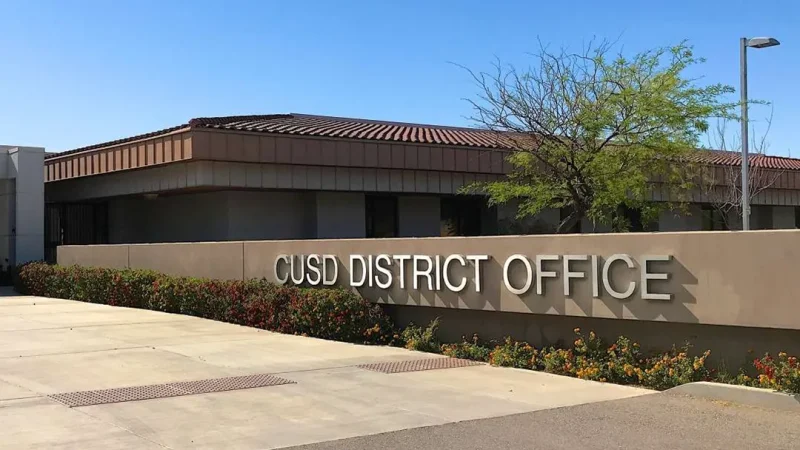
Chandler Unified School District serves approximately 43,000 students, making it the second-largest school district in both Maricopa County and Arizona. The district maintains strong academic standards and continues to rank favorably among Arizona’s public school systems.
CUSD operates numerous elementary, middle, and high schools throughout the Chandler area. The district includes several highly rated institutions, such as Arizona College Prep Middle School, Knox Gifted Academy, and Arizona College Prep High School.
Financial stability remains a key strength for the district. It holds an AA+ rating from Fitch, reflecting solid fiscal management and operational reliability.
The district recently initiated a national search for its next superintendent following the current leader’s planned retirement. This transition marks a significant moment as CUSD continues serving one of Arizona’s fastest-growing communities.
3. Gilbert Public Schools
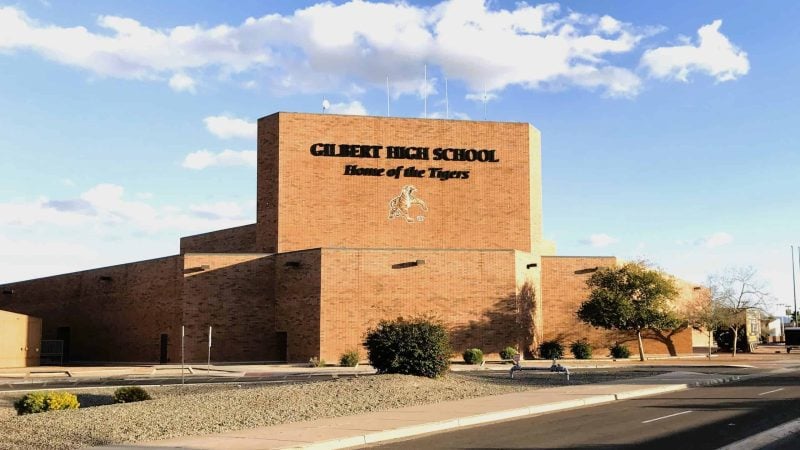
Gilbert Public Schools stands out as one of Arizona’s premier districts, consistently earning recognition for academic achievement and student success. The district operates multiple schools that rank among the state’s best performers.
Gilbert Classical Academy 7-12 recently earned recognition as the second-highest-ranking public school district high school in Arizona. The academy achieved a 100% graduation rate, tying for the top graduation spot nationally. Weinberg Gifted Academy and Neely Traditional Academy also rank among the district’s top-performing schools.
The district serves students from pre-kindergarten through twelfth grade across Gilbert’s growing community. Schools like Centennial Elementary, Carol Rae Ranch Elementary, and Quartz Hill Elementary have gained recognition for academic rigor and supportive learning environments.
Parents and educators value the district’s commitment to educational excellence and community engagement, making it a popular choice for families in the Phoenix metropolitan area.
4. Kyrene School District

Kyrene School District has served Arizona communities for over 135 years, establishing itself as a leading public school system in the state. The district operates 25 schools, including 17 elementary schools, six middle schools, and two K-8 campuses.
District boundaries cover all of Ahwatukee and portions of Chandler, Guadalupe, Tempe, and the Gila River Indian Community. Kyrene enrolls approximately 14,000 students from preschool through 8th grade.
The district demonstrates strong academic performance, with schools regularly outperforming peer districts, charter schools, and state averages on standardized assessments. Recent rankings show Kyrene performing better than approximately 60% of districts statewide.
Kyrene’s track record of consistent academic achievement across its 25 campuses reflects a sustained commitment to educational quality throughout the district.
5. Oro Valley Elementary School District
Oro Valley’s elementary schools consistently outperform state and national averages across multiple academic categories. The district serves students through the Amphitheater School District (District 10), which oversees educational programs throughout the Oro Valley area.
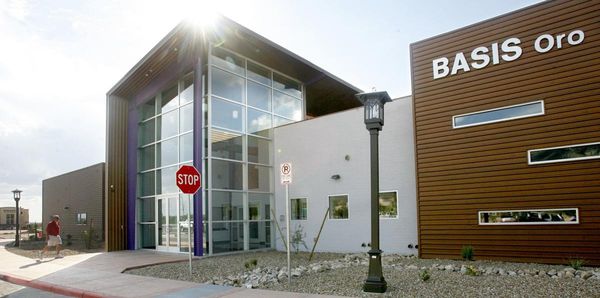
BASIS Oro Valley Primary stands as a notable institution, ranking 17th out of 904 Arizona elementary schools with a 5-star rating. The school demonstrates strong academic performance, with over 70% of students achieving proficiency or better in English Language Arts and Mathematics.
The district benefits from qualified teachers and well-developed curriculums that support student achievement. Schools in Oro Valley provide educational opportunities that meet rigorous standards while maintaining accessible learning environments.
Parents and families find comprehensive educational resources throughout the district, with schools offering programs designed to support various learning needs and academic goals.
6. Peoria Unified School District
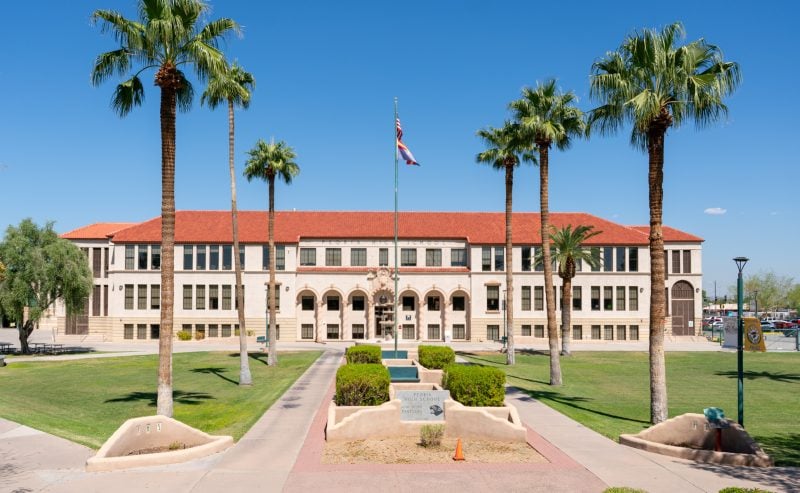
Peoria Unified School District serves 35,466 students across 44 public schools in the Sun City area. The district ranks better than 52.2% of districts statewide and holds a 3-star rating from SchoolDigger.
The district’s average testing ranking places it in the top 50% of public schools in Arizona. Its schools include 34 elementary schools, 8 high schools, and 2 alternative schools, offering families diverse educational options.
Peoria Traditional School and Sunset Heights Elementary School stand out as top performers, ranking among the best elementary schools in the state. The district offers free all-day kindergarten programs designed to provide a strong educational foundation for young learners.
With 44 schools serving students from varied backgrounds, Peoria Unified demonstrates a range of academic performance across its campuses.
7. Paradise Valley Unified School District
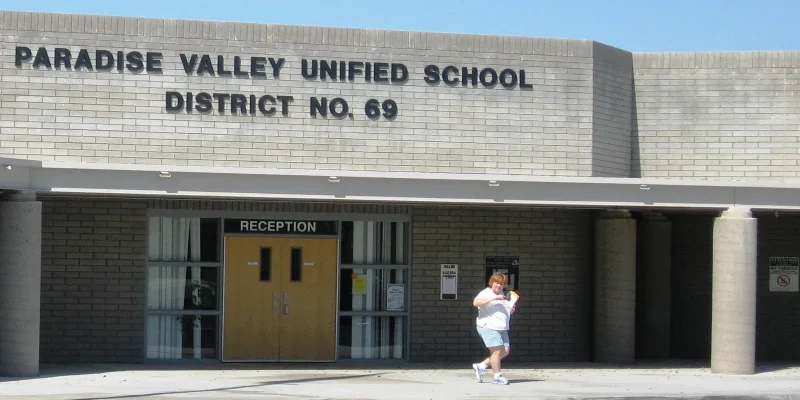
Paradise Valley Unified School District serves over 27,000 students across 45-46 schools in the Phoenix and Scottsdale areas. The district ranks in the top 30% of Arizona public schools with an average testing ranking of 8/10.
The district operates five of the best high schools in Arizona and nearly 30 elementary schools. Its performance has remained consistently strong, ranking better than approximately 63-70% of districts statewide.
Paradise Valley Unified includes standout institutions like Fireside Elementary School, which ranks among the top-performing schools in the district. The variety of schools provides families with multiple options for quality education.
The district serves diverse communities throughout its coverage area, maintaining academic standards across different school levels from kindergarten through high school.
8. Mesa Public Schools
Mesa Public Schools stands as Arizona’s largest school district by enrollment, serving more than 64,500 students across 82 schools and programs. The district operates elementary, middle, and high schools throughout the city, along with alternative education options and specialized programs.
Academic performance in Mesa Public Schools aligns closely with state averages. Math proficiency stands at 35%, slightly above Arizona’s 34% statewide average. Reading proficiency reaches 42%, compared to the state’s 41% average.
The district has earned national recognition for student achievement across multiple areas, including academics, athletics, and career and technical education programs. Mesa Public Schools also receives acknowledgment for its creative and performing arts offerings.
Schools within the district receive an average ranking of 8 out of 10, placing them in the top 30% of Arizona public schools. This consistent performance across numerous campuses demonstrates the district’s commitment to educational quality at scale.
9. Washington Elementary School District
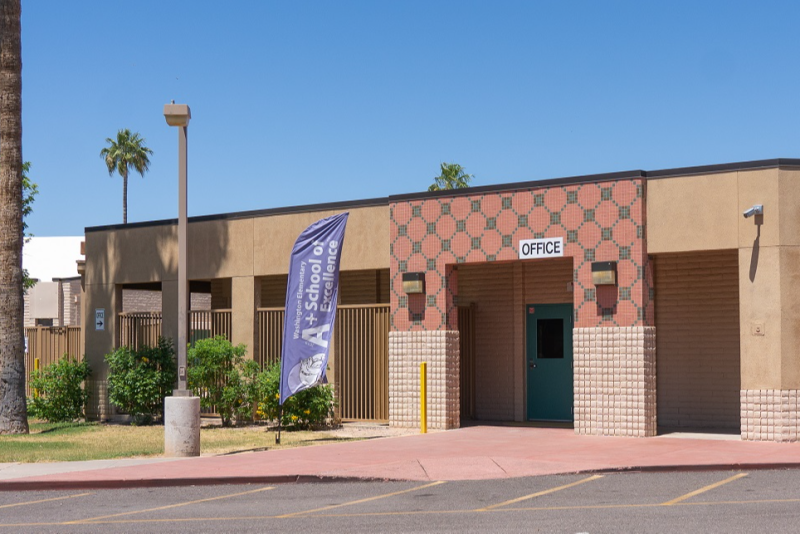
Washington Elementary School District serves the north central Phoenix and east Glendale areas, operating 33 schools with approximately 19,328 students enrolled in pre-kindergarten through eighth grade. The district includes 28 elementary schools and 5 middle schools, making it one of the largest elementary districts in Arizona.
WESD has received recognition as an award-winning public school district. The district focuses on serving a diverse student population across its extensive network of campuses.
SchoolDigger currently ranks the district 212 out of 289 districts in Arizona with a 1-star rating. The district’s performance varies across its individual schools, with some campuses showing stronger academic outcomes than others.
Washington Elementary School District’s size and geographic coverage provide families in the Phoenix and Glendale areas with multiple school options within the same district system.
10. Deer Valley Unified School District
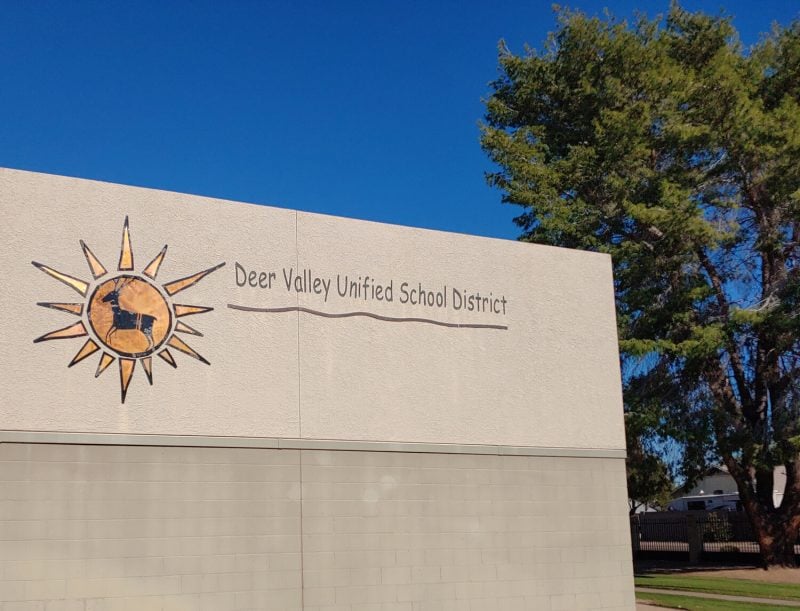
Deer Valley Unified School District serves over 32,000 students across more than 40 schools in the Phoenix area. The district ranks in the top 30% of Arizona school districts, demonstrating consistent academic performance.
The district’s average testing ranking places it in the top 20% of public schools statewide. Deer Valley Unified operates schools from elementary through high school levels, providing comprehensive educational services throughout North Phoenix.
Located at 20402 N. 15th Ave in Phoenix, the district maintains a 4-out-of-5-star rating. School performance varies across individual campuses, giving families multiple options to consider.
The district’s administrative offices operate Monday through Friday from 8 a.m. to 4:30 p.m. Dr. Curtis Finch serves as superintendent, leading the educational programs and initiatives throughout Deer Valley Unified.
11. Higley Unified School District
Higley Unified School District serves the communities of Gilbert and Queen Creek with 16 public schools educating approximately 12,900 students. The district maintains an “A” rating and ranks in the top 20% of Arizona public schools with an average testing ranking of 9/10.
The district offers a comprehensive educational program spanning preschool through high school. Students have access to academics, music, arts, foreign languages, athletics, physical education, and technology programs.
Higley Unified performs better than approximately 76% of districts in Arizona according to current rankings. The district has shown upward movement in statewide rankings, demonstrating continued improvement in educational outcomes.
The schools provide continuity throughout a student’s educational journey while maintaining a focus on achievement and student well-being. Families in Gilbert and Queen Creek benefit from this well-rounded public education option.
12. Maricopa Unified School District
Maricopa Unified School District serves students in Maricopa, Arizona, operating as a comprehensive K-12 district. The district has shown recent improvement in statewide rankings, moving up eight positions in recent assessments.
Located in one of Arizona’s growing communities, the district manages multiple elementary, middle, and high schools across the area. It provides educational services to families in the Maricopa region.
The district operates within Maricopa County, which contains 58 school districts serving over 750,000 students total. These districts are classified as elementary, union high school, or unified districts based on grade levels served.
Maricopa Unified faces the challenges typical of districts in rapidly developing areas. The schools continue to adapt their programs and facilities to meet community needs as the region grows.
13. Flagstaff Unified School District
Flagstaff Unified School District serves the northern Arizona community with 15 comprehensive school sites. The district offers a range of educational programs designed to meet diverse student needs.
Flagstaff High School features an International Baccalaureate (IB) program for academically focused students. The district also includes Puente de Hózhó Elementary School, a trilingual institution that provides instruction in English, Spanish, and Navajo while emphasizing cultural preservation.
Students in the district have access to various academic pathways and extracurricular activities. The schools maintain programs in STEM fields, performing arts, and athletics.
The district operates in a city known for its proximity to Northern Arizona University, which provides additional educational resources and cultural opportunities for students. Families choosing Flagstaff Unified benefit from the area’s mountain community setting and emphasis on comprehensive education.
14. Tolleson Union High School District
The Tolleson Union High School District serves approximately 13,665 students across eight public schools in the 2025-26 school year. The district operates exclusively as a high school district, focusing on secondary education for students in the Tolleson area.
The district’s mission centers on developing the potential of all students, staff, and community members. Their vision statement emphasizes “learning today, leading tomorrow” as a guiding principle for educational programming.
Testing rankings place the district at 5 out of 10 among Arizona public schools, positioning it in the bottom 50 percent statewide. Notable schools within the district include University High School, West Point High School, and Maricopa Institute of Technology.
The district has shown some movement in state rankings, though it continues to face challenges in overall performance metrics compared to other Arizona school districts.
15. Sierra Vista Unified School District
Sierra Vista Unified School District serves 4,461 students across 11 public schools for the 2025-26 school year. The district has earned an average testing ranking of 7/10, placing it in the top 50% of public schools in Arizona.
Located in southeastern Arizona, the district operates elementary, middle, and high schools throughout the Sierra Vista area. The district ranks better than 59.8% of school districts statewide according to recent data.
Notable schools within the district include Huachuca Mountain Elementary School and Pueblo Del Sol Elementary School, which have received recognition in local rankings. The district provides educational services to families in Sierra Vista and surrounding communities, maintaining a focus on academic achievement and student support programs.
16. Queen Creek Unified School District
Queen Creek Unified School District serves over 14,500 students across 15 public schools in the rapidly growing East Valley region. The district ranks in the top 20% of Arizona public schools, with an average testing ranking of 9/10 for the 2025-26 school year.
Both of the district’s high schools demonstrate strong academic performance. Queen Creek High School and Eastmark High School rank 49th and 50th respectively out of 259 Arizona high schools. The district has climbed in statewide rankings, now performing better than approximately 67% of districts across the state.
QCUSD schools are recognized for their modern facilities and community engagement. Top-ranked elementary schools like Katherine Mecham Barney Elementary and Faith Mather Sossaman Elementary contribute to the district’s reputation as a key factor for families relocating to the area.
17. Coolidge Unified School District
Coolidge Unified School District serves students across six schools in Coolidge, Arizona. The district is located at 450 N Arizona Blvd and provides education from kindergarten through high school.
According to recent rankings, the district faces performance challenges compared to other Arizona school systems. SchoolDigger ranks Coolidge Unified District 282 out of 289 districts in the state with a 0 out of 5 stars rating.
The district has experienced a decline in statewide rankings, dropping 55 positions in recent evaluations. Current data shows it ranks below approximately 80% of Arizona districts.
Student-to-teacher ratios average around 19:1 in district schools. The district continues to operate multiple campuses serving the Coolidge community despite its lower performance metrics relative to other Arizona school systems.
18. Amphitheater Public Schools
Amphitheater Public Schools, established in 1893, serves approximately 11,835 students across 22 schools in Tucson. The district includes 14 elementary schools, 3 middle schools, 3 high schools, and 2 alternative schools.
The district ranks in the top 50% of Arizona public schools with an average testing ranking of 7/10. Recent performance data shows Amphitheater Unified District has improved its statewide standing, now ranking better than 54.7% of districts in Arizona.
Students benefit from free all-day kindergarten and preschool programs available at all elementary schools. The district emphasizes creative and innovative approaches across its curriculum.
With a staff of around 2,000 employees, Amphitheater Public Schools stands as the third largest school district in Tucson by enrollment. The district serves a diverse student population with varying levels of academic performance across its schools.
19. Cave Creek Unified School District
Cave Creek Unified School District serves 4,214 students across eight public schools in the Scottsdale area. The district maintains an average testing ranking in the top 20% of Arizona public schools, with a student-teacher ratio of 18 to 1.
Academic performance shows 58% of students achieving proficiency in math and 62% in reading based on state test scores. The district ranks better than 73% of school districts statewide.
Notable schools within the district include Horseshoe Trails Elementary School, Lone Mountain Elementary School, and Cactus Shadows High School. These institutions consistently receive recognition for their educational programs.
The district operates in Cave Creek and surrounding communities, providing educational services from pre-kindergarten through 12th grade. Cave Creek Unified School District demonstrates consistent performance metrics that place it among Arizona’s competitive public school systems.
20. Balsz Elementary School District
Balsz Elementary School District serves the east Phoenix area with six schools, including Orangedale Early Learning Center, Crockett Elementary, Griffith Elementary, Brunson-Lee Elementary, Pat Tillman Middle School, and Balsz Online Academy. The district enrolls approximately 2,092 students for the 2025-26 school year.
The district’s academic performance places it in the lower tier of Arizona school districts based on state testing rankings. Recent evaluations show the district has faced challenges in standardized test performance compared to other districts statewide.
Balsz Elementary School District focuses on serving students from pre-kindergarten through eighth grade. The district maintains an average student-to-teacher ratio that allows for classroom instruction across its campus locations. While the district has room for improvement in academic metrics, it continues to provide educational services to families in its designated area of Phoenix.
21. Flowing Wells Unified School District
Flowing Wells Unified School District serves approximately 5,300 students across 11 public schools in Tucson. The district includes two preschools, six elementary schools, one junior high, one traditional high school, and two alternative high schools.
The district’s average testing ranking places it in the top 50% of public schools in Arizona. This smaller district emphasizes a family-oriented atmosphere within its school communities.
Flowing Wells maintains a physical address at 1556 W Prince Road in Tucson. The district can be reached at (520) 696-8901 for inquiries about enrollment and programs.
The district’s size allows for a more personalized approach to education while still offering diverse school options. Families seeking alternatives to larger districts may find Flowing Wells’ community-focused environment appealing.
22. Apache Junction Unified School District
Apache Junction Unified School District serves approximately 3,021 students across seven schools in the Apache Junction area. The district includes Peralta Trail Elementary, Cactus Canyon Junior High, and Apache Junction High School as its main institutions.
The district ranks #411 out of 601 school districts in Arizona based on combined math and reading proficiency data from the 2022-2023 school year. While this places it in the bottom 50% statewide for academic performance, the district stands out for having one of the largest student bodies in Arizona, ranking in the top 1% for enrollment size.
Apache Junction Unified has shown improvement in recent years, with notable gains in state rankings. The district offers families multiple school options and maintains active parent communication through platforms like ParentSquare to keep families engaged in student learning and school activities.
23. Alhambra Elementary School District
Alhambra Elementary School District serves approximately 9,854 students across 16 public schools in Phoenix. The district operates as a K-8 system, providing education to elementary and middle school-aged children in the Alhambra area.
The district’s testing performance places it in the bottom half of Arizona public schools, with an average testing ranking of 4 out of 10. This indicates room for improvement in academic outcomes compared to other districts statewide.
The district includes various school options for families in the Phoenix area. Alhambra Traditional School stands among the higher-performing schools within the district boundaries.
Recent rankings show the district has experienced fluctuations in its statewide position among Arizona school districts. Parents considering this district should research individual schools, as performance can vary between campuses within the same district.
24. Coconino County School District
Coconino County serves over 20,000 students across 21 school districts with 62 schools. The county encompasses a diverse geographic area that includes Flagstaff and surrounding communities.
The largest district in the county is Flagstaff Unified, which serves as the primary educational provider for the region. Schools in Coconino County offer varied educational approaches, including traditional public schools and charter options like Haven Montessori Charter School and Basis Flagstaff.
Educational outcomes across the county vary considerably due to the rural nature of many communities and the challenges of serving dispersed populations. The district system works to provide adequate resources despite geographic limitations.
Parents can access detailed school ratings and performance data to compare options within the county. The area continues developing its educational infrastructure to meet the needs of its student population.
25. Embonfoil Elementary School District
Embonfoil Elementary School District serves students in the East Valley region of Arizona. The district operates as a smaller educational system focused on elementary-level instruction.
The district maintains standard Arizona state curriculum requirements and participates in statewide assessment programs. Class sizes and student-teacher ratios align with typical elementary districts in the area.
Embonfoil Elementary offers core academic programs in reading, mathematics, science, and social studies. The district provides additional support services for students who require specialized instruction or assistance.
Families in the district have access to parent-teacher conferences and communication channels to stay informed about student progress. The district follows the traditional school calendar common to Arizona public schools.
26. Kingman Unified School District
Kingman Unified School District serves 7,263 students across 14 public schools in the 2025-26 school year. The district operates in Kingman, Arizona, providing education from elementary through high school levels.
The district’s schools have an average testing ranking of 4 out of 10, placing it in the bottom 50% of Arizona public schools. Math proficiency in Kingman stands at 26%, below the state average of 34%. Reading proficiency reaches 30%, compared to Arizona’s 41% average.
Recent rankings show the district dropped 60 positions in statewide comparisons. Schools in the district maintain an average ranking of 5 out of 10 among Arizona public schools.
The district offers families a structured academic calendar that includes intersession weeks, minimum days, and scheduled breaks. Kingman Unified has also partnered with Cartwheel to enhance family engagement and communication.
27. Littleton Elementary School District
Littleton Elementary School District has served the Avondale area since 1912, establishing itself as a longstanding educational institution in the region. The district currently operates 9 public schools serving approximately 5,940 students across elementary and middle school grades.
The district’s average testing ranking sits at 4 out of 10, placing it in the bottom 50% of public schools statewide. This performance indicates room for improvement in academic achievement metrics compared to other Arizona districts.
Despite these challenges, Littleton Elementary School District maintains its commitment to core educational principles including trust, respect, and collaboration. The district has focused on creating school choice options within the community, allowing families to select programs that best fit their children’s needs.
Parents considering this district should evaluate individual school performance and visit campuses to determine the best fit for their students.
28. Mesa Unified School District
Mesa Unified School District serves over 58,000 students across 79 schools throughout the Mesa area. The district offers diverse educational programs ranging from elementary through high school, including specialized charter options and advanced academic programs.
The district operates several notable schools, including Red Mountain High School, which has gained recognition for its academic and athletic programs. Franklin at Brimhall Elementary School has built a reputation for its back-to-basics curriculum approach and strong test performance.
Recent rankings show Mesa Unified performing in the middle tier among Arizona school districts. The district provides access to various educational pathways, including the East Valley Institute of Technology for career and technical training.
Mesa Unified emphasizes both traditional academic instruction and specialized programs designed to meet different student needs and learning styles across its extensive network of schools.
29. Peoria Unified School District – Sunrise Campus
Peoria Unified School District serves 35,466 students across 44 schools in the Sun City area. The district maintains an average testing ranking of 7/10, placing it in the top 50% of Arizona public schools.
Sunrise Mountain High School stands out as an A-rated campus within the district. The school has produced multiple National Merit and Flinn Scholarship recipients, demonstrating strong academic performance.
The campus is recognized for its academic rigor and dedicated teaching staff. Its marching band program and Unified Sports initiative have gained notable attention within the community.
The district overall holds a ranking of 138 out of 289 districts in Arizona. This placement reflects the varied academic outcomes across its network of schools, which includes 34 elementary schools, 8 high schools, and 2 alternative schools.
30. Tempe Elementary School District
Tempe Elementary School District operates 21 campuses across Tempe, east Phoenix, and the Town of Guadalupe. The district serves students from kindergarten through 8th grade in a community positioned near Arizona State University.
This location provides students access to unique educational partnerships with university educators and local business leaders. The district offers outside classroom experiences that extend beyond traditional learning environments.
Recent rankings show the district placed 189 out of 289 school districts in Arizona with a 2 out of 5-star rating. While the district’s overall performance reflects moderate achievement levels, several individual schools within the system perform above district averages.
The proximity to ASU and Fortune 500 companies creates opportunities for specialized programs and community connections. Families considering the district should research individual school performance, as quality varies significantly between campuses.
Academic Excellence in Arizona School Districts
Arizona’s top school districts demonstrate strong academic performance through rigorous curriculum standards, extensive Advanced Placement programs, and comprehensive integration of STEM and arts education. These districts consistently produce high test scores in mathematics and English proficiency while offering diverse learning opportunities.
Curriculum Standards
Arizona school districts follow state-mandated curriculum standards while top-performing districts often exceed these baseline requirements. The best districts implement curriculum frameworks aligned with college and career readiness benchmarks, ensuring students develop critical thinking and problem-solving skills across all grade levels.
Districts like BASIS Charter Schools and Higley Unified School District maintain elevated expectations for student performance. These schools emphasize mastery-based learning approaches where students must demonstrate proficiency before advancing to more complex concepts.
Assessment methods in high-performing districts extend beyond standardized testing. Teachers utilize formative assessments, project-based evaluations, and portfolio reviews to measure student understanding. This multi-faceted approach provides a more complete picture of academic achievement and helps identify areas where individual students need additional support.
Advanced Placement Offerings
Top Arizona school districts provide extensive Advanced Placement course catalogs, with leading districts offering 15-25 different AP subjects. Students can access AP courses in core subjects like calculus, biology, and English literature, as well as specialized areas including computer science, foreign languages, and art history.
Participation rates in AP programs serve as a key indicator of district quality. High-performing districts report AP enrollment rates exceeding 40% of eligible students, with many offering support programs to help students succeed in these challenging courses.
Districts invest in teacher training to maintain qualified AP instructors. Many provide stipends for teachers to attend College Board workshops and pursue AP certification in their subject areas.
STEM and Arts Integration
Arizona’s leading school districts balance technical education with creative development through comprehensive STEM and arts programs. Many districts operate dedicated STEM academies or magnet schools featuring specialized laboratories, maker spaces, and technology centers equipped with 3D printers and robotics equipment.
Arts integration appears prominently in top districts through music programs, visual arts studios, theater departments, and digital media courses. Districts allocate funding for dedicated arts teachers and maintain partnerships with local cultural organizations to enhance student experiences.
Several districts implement interdisciplinary approaches where STEM concepts connect with arts education. Students might design architectural models combining engineering principles with aesthetic considerations, or create data visualizations that merge mathematical analysis with graphic design skills.
Supporting Student Success
Top Arizona school districts provide comprehensive support systems that extend beyond classroom instruction, combining diverse extracurricular programs with professional counseling services to address academic, social, and emotional needs.
Extracurricular Opportunities
Arizona’s leading school districts offer extensive extracurricular programs spanning athletics, arts, STEM competitions, and student organizations. These districts typically provide 20-30 different clubs and activities per high school, allowing students to explore interests ranging from robotics and debate teams to theater productions and competitive sports.
Athletic programs in top districts include multiple varsity and junior varsity teams across traditional sports like football, basketball, and soccer, as well as emerging activities such as lacrosse and water polo. Many districts maintain dedicated fine arts facilities supporting band, orchestra, choir, visual arts, and drama programs.
Common extracurricular offerings include:
- Academic clubs (National Honor Society, Math Olympiad, Science Bowl)
- Leadership organizations (Student Government, Key Club)
- Career-focused groups (DECA, Future Business Leaders of America)
- Special interest clubs (Coding, Environmental Action, Cultural Awareness)
Districts assess extracurricular access as a key performance metric, ensuring students across all campuses have equitable opportunities for participation regardless of location or socioeconomic status.
Counseling and Student Services
Arizona’s best-performing districts employ comprehensive counseling programs with ratios typically ranging from 1 counselor per 250-400 students. School counselors provide academic planning, college and career guidance, and social-emotional support through individual meetings and group sessions.
Mental health services have expanded significantly, with many districts now employing dedicated social workers, psychologists, and behavioral health specialists. These professionals work alongside counselors to address anxiety, depression, and other mental health concerns through evidence-based interventions.
Support services also include specialized programs for students with learning differences, English language learners, and gifted students. Districts maintain partnerships with community organizations to provide additional resources such as crisis intervention, family counseling referrals, and wraparound services for students facing significant challenges outside school.