
The 30 Best School Districts Maryland: Rankings and Performance
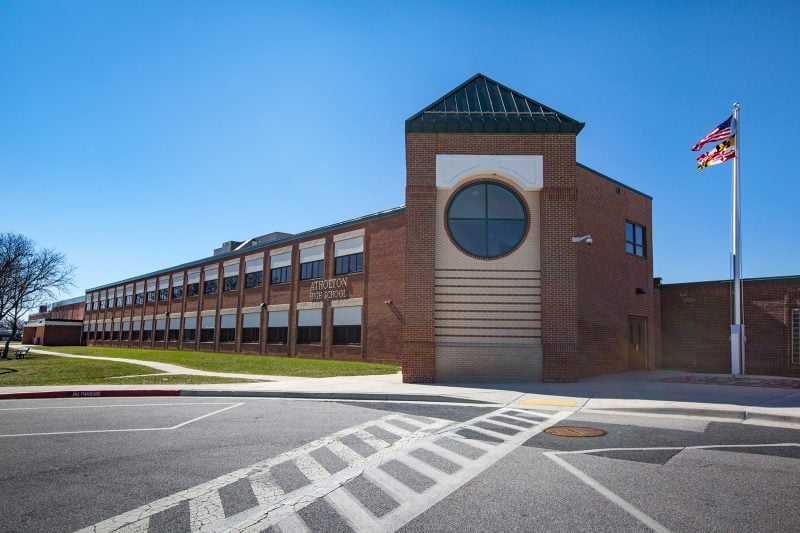
Maryland’s education system consistently ranks among the strongest in the nation, with school districts across the state demonstrating notable academic achievement and educational innovation.
Families considering relocation or seeking optimal educational opportunities for their children often evaluate school districts based on multiple factors including test scores, graduation rates, teacher quality, and available programs.
This comprehensive ranking examines the 30 best school districts in Maryland, analyzing their academic performance, specialized programs, and unique strengths to help families make informed educational decisions.
The state operates 24 local school systems that serve its 23 counties and Baltimore City, each offering distinct approaches to curriculum, extracurricular activities, and student support services.
The following analysis explores individual district profiles and examines the specific programs that distinguish top-performing school systems, from STEM initiatives to career readiness training.
Understanding what makes these districts successful provides valuable insight for parents, educators, and community members interested in Maryland’s educational landscape.
Here are the 30 best school districts in Maryland:
1. Howard County Public Schools
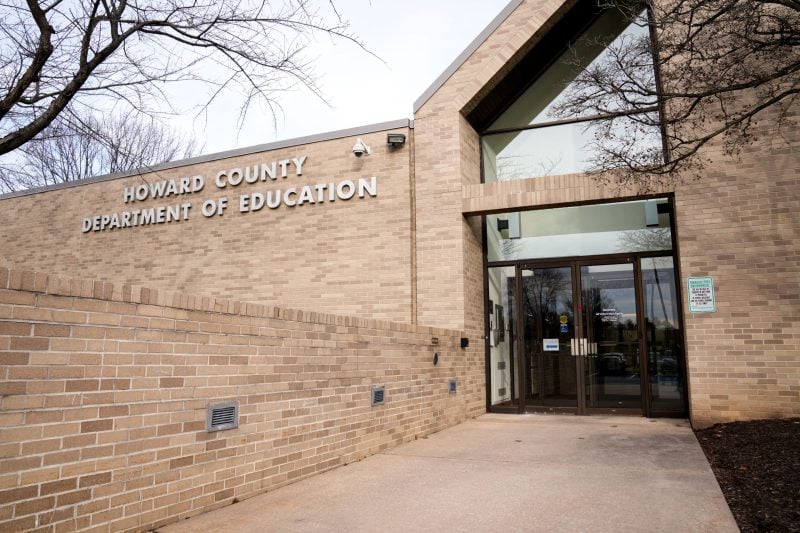
Howard County Public Schools consistently ranks as the top school district in Maryland. The district operates 75-78 schools serving approximately 54,000-57,600 students across the county for the 2025-26 school year.
The system includes elementary, middle, and high schools, along with alternative education options. Students in this district regularly score above national averages on standardized tests and perform well on state assessments.
The district’s average testing ranking places it in the top 10% of public schools across Maryland. This level of academic achievement has made Howard County Public Schools a recognized source of pride within the community.
About 88% of all K-12 students in Howard County attend public schools, slightly above the state average. The district serves a diverse student population while maintaining strong academic standards across its schools.
2. Montgomery County Public Schools
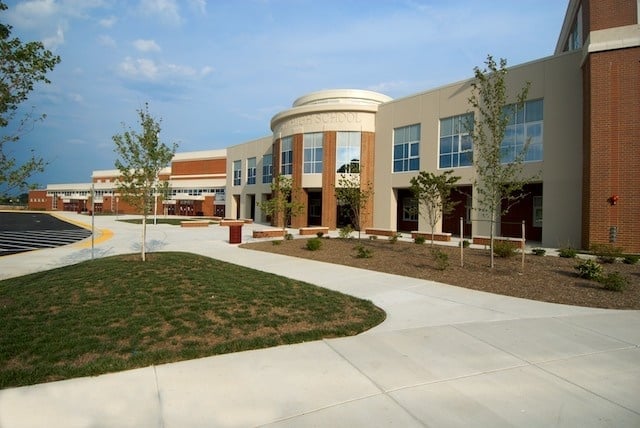
Montgomery County Public Schools stands as one of Maryland’s premier educational systems, consistently ranking among the top districts in the state. The district demonstrates strong academic performance with a 54% reading proficiency score and 36% math proficiency score, both exceeding state averages of 45% and 27% respectively.
Schools within the district maintain an average ranking of 8 out of 10, placing them in the top 30% of Maryland public schools. Recent rankings show 18 MCPS schools across elementary, middle, and high school levels securing positions in the top 10 for Maryland’s best public schools in 2025.
The district serves Montgomery County with comprehensive educational programs and resources. Its sustained performance and broad representation in state rankings reflect the system’s commitment to quality education across multiple school levels.
3. Talbot County Public Schools
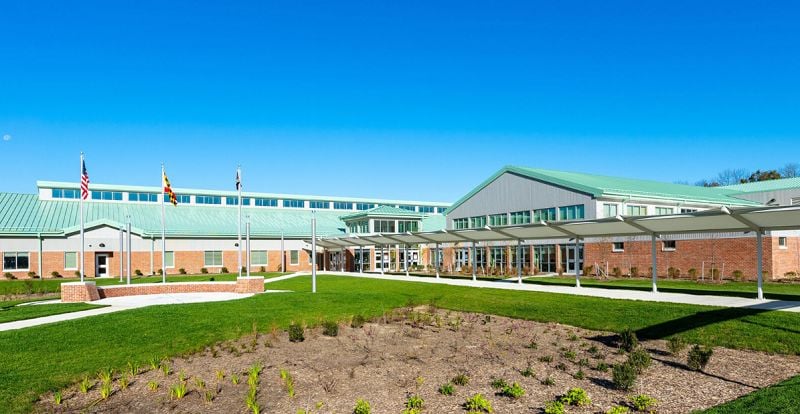
Talbot County Public Schools operates eight schools serving approximately 4,502 students in the Easton area. The district includes five elementary schools, one middle school, and two high schools.
Several schools within the district demonstrate strong academic performance. Chapel District Elementary and White Marsh Elementary consistently rank among the top performers, exceeding both district and state averages. Tilghman Elementary School also receives recognition for its educational outcomes.
The district’s average testing ranking places it at 5/10 among Maryland public schools. About 81% of K-12 students in Talbot County attend public schools, slightly below the state average of 86%.
The district serves students from diverse backgrounds across the county. School performance varies considerably between individual campuses, with certain elementary schools showing notably stronger results than others in standardized assessments.
4. Anne Arundel County Public Schools
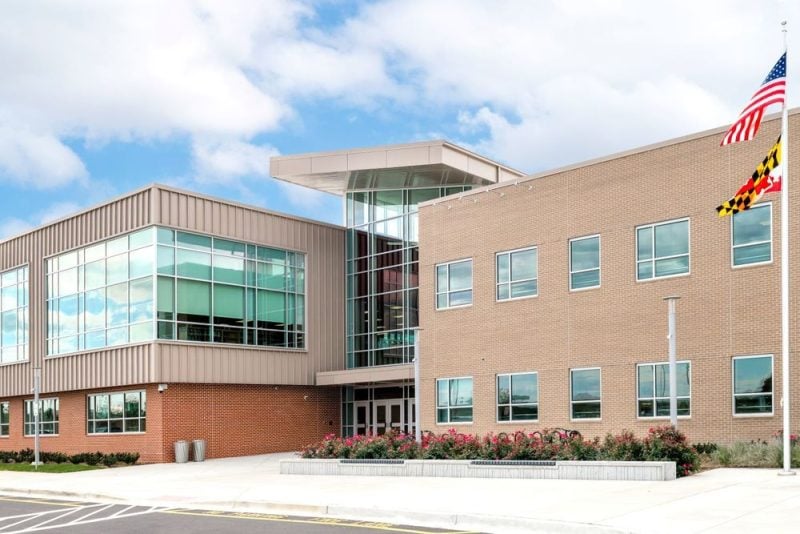
Anne Arundel County Public Schools serves approximately 84,000 students across 125-127 schools throughout the district. The system includes 81 elementary schools, 20 middle schools, 14 high schools, and 6 alternative schools.
The district has shown recent improvement in state accountability measures. In the 2024-25 school year, 15 schools earned five-star ratings on the Maryland Report Card, representing a 36 percent increase from the previous year. Overall, 53 percent of comprehensive schools across the county hold four or five stars.
The district’s average testing ranking places it in the top 50 percent of public schools in Maryland. Anne Arundel County serves a diverse student population across various socioeconomic backgrounds, with performance varying considerably between schools.
5. Baltimore County Public Schools
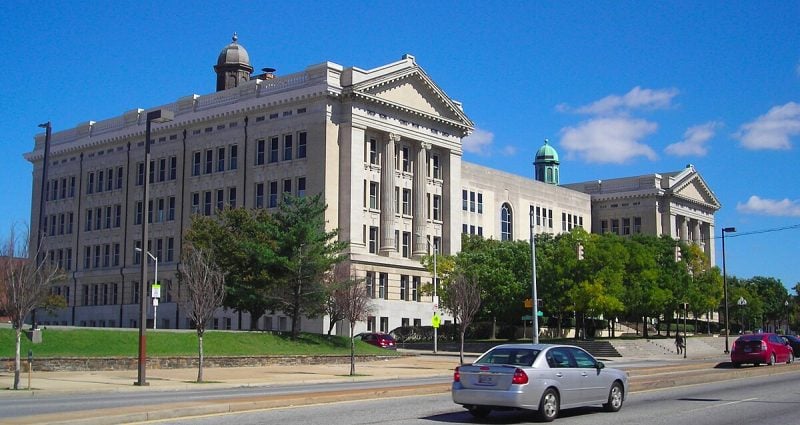
Baltimore County Public Schools serves over 109,000 students across 177 schools, making it one of Maryland’s largest districts. The system includes 64 high schools, 30 middle schools, and 157 elementary schools throughout the county.
Several schools in the district have earned recognition in statewide rankings. Eastern Technical High School, Pinewood Elementary School, and West Towson Elementary School rank among the top-performing institutions in Baltimore County.
The district’s average testing ranking places it in the middle tier of Maryland public school systems. U.S. News and World Report has highlighted multiple Baltimore County high schools as some of the best in the state.
The district provides educational services to students in Essex and surrounding Baltimore County communities, offering diverse academic programs across its extensive network of schools.
6. Frederick County Public Schools
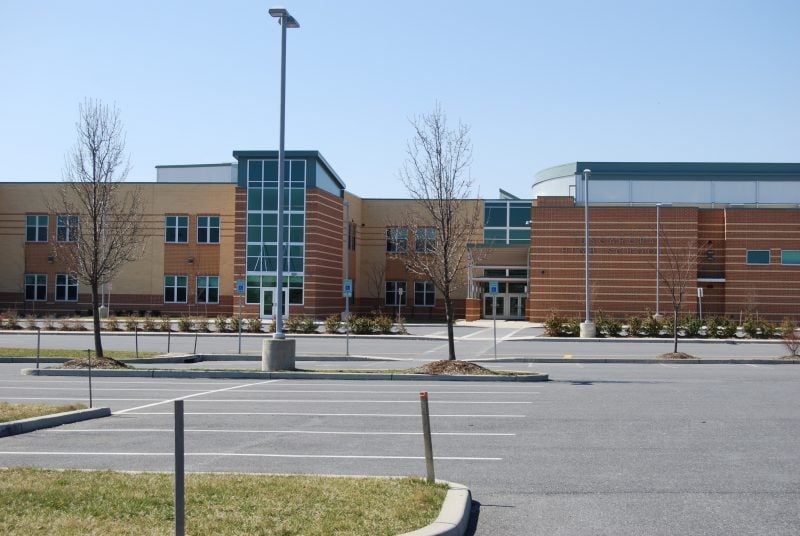
Frederick County Public Schools serves approximately 47,681 students across 69 public schools in the district. The system includes 41 elementary schools, 13 middle schools, 11 high schools, and 2 alternative schools.
The district maintains strong academic performance, with an average testing ranking of 8 out of 10. This places Frederick County in the top 30% of public school districts across Maryland.
Several schools within the district rank among the state’s top performers. Urbana High School, Sugarloaf Elementary School, and Centerville Elementary School consistently receive high marks for academic achievement.
The district serves a diverse student population across varying socioeconomic backgrounds. Students from pre-kindergarten through 12th grade benefit from the system’s commitment to educational quality and comprehensive programming.
7. Prince George’s County Public Schools
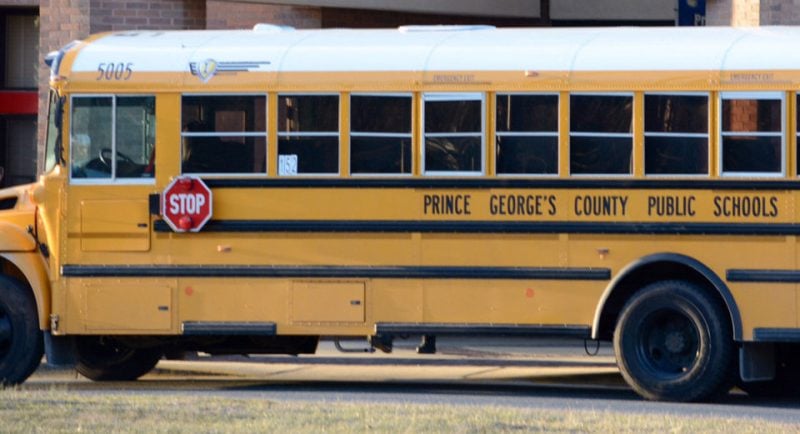
Prince George’s County Public Schools serves over 131,000 students across 259 schools in grades PreK through 12. The district maintains a student-teacher ratio of 15 to 1, providing reasonable class sizes for instruction.
According to state test scores, 35% of students demonstrate proficiency in reading while 11% meet proficiency standards in math. The district operates 172 elementary schools, 30 middle schools, and 48 high schools throughout the county.
Top-performing schools in the district include Glenarden Woods Elementary School, Academy of Health Sciences at PGCC, and Heather Hills Elementary School. The district has implemented interactive data dashboards that allow families and community members to track school performance and student progress in real time.
Prince George’s County Public Schools is headquartered in Upper Marlboro and represents one of the largest school systems in Maryland.
8. Carroll County Public Schools
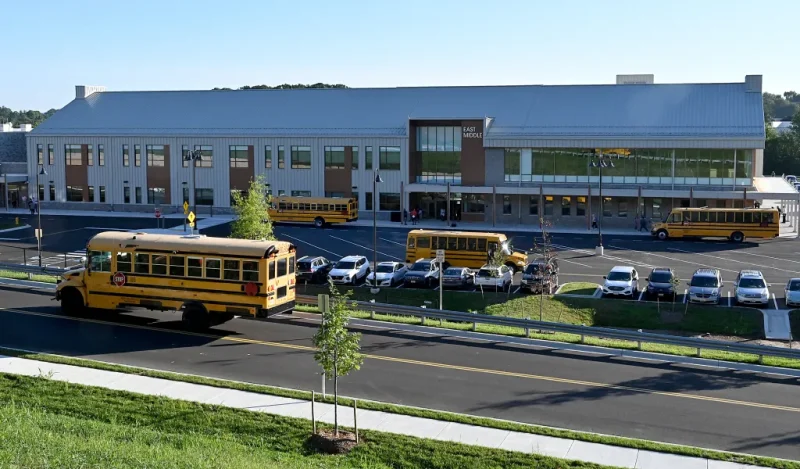
Carroll County Public Schools operates 44 public schools serving over 26,000 students across the district. The system has earned a 5-star rating and ranks in the top 20% of Maryland public schools based on testing performance.
The district’s average testing ranking stands at 9 out of 10, reflecting strong academic achievement in both math and reading proficiency. Several schools have garnered recognition, including Marriotts Ridge High School, Freedom District Elementary School, and Mount View Middle School.
Carroll County’s instructional staff received recognition as having the best teachers in Maryland according to Niche’s 2025 rankings. The district’s educators regularly earn state and national awards for their performance.
The school system includes 23 elementary schools, 9 middle schools, 10 high schools, and 1 alternative school, providing educational options throughout the county.
9. Harford County Public Schools
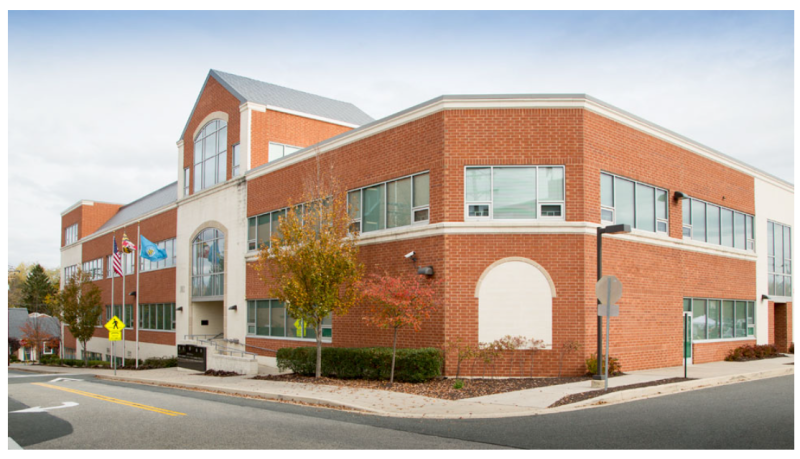
Harford County Public Schools operates 55 schools serving approximately 38,000 students across the district based in Bel Air. The district includes 33 elementary schools, 9 middle schools, 11 high schools, and 2 alternative schools.
The district achieved a 90.8% graduation rate for the class of 2023. With an average testing ranking of 7/10, Harford County Public Schools places in the top 50% of Maryland public school districts.
The district employs 5,675 total staff members for the 2024-2025 school year. Seven schools within the system have earned Maryland Blue Ribbon recognition from the Maryland State Department of Education for high performance and significant improvement in student achievement.
The district demonstrates varied academic performance across its schools, with several high-performing institutions alongside schools working to meet state standards.
10. Calvert County Public Schools
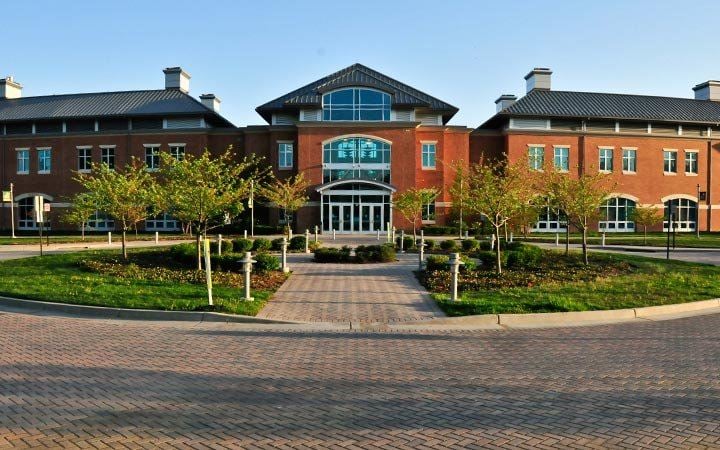
Calvert County Public Schools serves over 15,000 students across 25 schools in southern Maryland. The district operates 12 elementary schools, 6 middle schools, 4 high schools, and 1 alternative school.
The district ranks as the 13th largest by enrollment among Maryland’s 24 school systems. Its average testing ranking places it in the top 20% of public schools statewide, with a 9/10 rating for the 2025-26 school year.
The Maryland State Department of Education released 2024 Report Card data in December, which evaluates schools on academic achievement, progress, and school quality metrics. Top-performing schools in the district include Northern High School, Mount Harmony Elementary School, and Huntingtown Elementary School.
The district consistently demonstrates strong performance on state assessments, maintaining its position among Maryland’s higher-ranked school systems.
11. Charles County Public Schools
Charles County Public Schools operates 40 schools serving approximately 27,765 students across the district. The district includes 22 elementary schools, 9 middle schools, and 7 high schools located in the Waldorf area and surrounding communities.
The district’s average testing ranking stands at 3 out of 10, placing it in the bottom half of Maryland public school systems. Several schools demonstrate notable performance, including Walter J. Mitchell Elementary School and Dr. James Craik Elementary School, which rank among the top performers in the district.
North Point High School and La Plata High School represent the district’s highest-ranked secondary institutions. The Maryland State Department of Education releases annual report card data that tracks academic growth, student performance, school quality and climate, and attendance rates for Charles County schools.
12. Washington County Public Schools
Washington County Public Schools serves over 22,000 students across 43 public schools in western Maryland. The district operates 25 elementary schools, 7 middle schools, 9 high schools, and 1 alternative school. As the largest employer in Washington County, the district employs approximately 3,700 staff members.
The district’s average testing ranking places it in the top 50% of public schools across Maryland. Several schools within the system stand out as top performers in the state, including Boonsboro Elementary School, Barbara Ingram School For The Arts, and Fountaindale Elementary School.
Located in the tri-state area near Pennsylvania and West Virginia, the district manages 49 school facilities total. The system serves a diverse student population while maintaining competitive academic standards and graduation rates.
13. Worcester County Public Schools
Worcester County Public Schools serves 6,848 students across 14 public schools for the 2025-26 school year. The district has earned recognition as one of Maryland’s top-performing school systems, with an average testing ranking of 10/10, placing it in the top 5% of public schools statewide.
The district achieved a notable distinction in Maryland’s latest school report card, with all schools receiving four or five-star ratings. This consistent performance across every school in the system demonstrates the district’s commitment to educational excellence.
Worcester County Schools operates with a family-oriented approach, focusing on putting students first. The district’s strong academic outcomes reflect both effective teaching practices and dedicated community support throughout the county.
14. Queen Anne’s County Public Schools
Queen Anne’s County Public Schools serves 7,502 students across 14 schools in the 2025-26 school year. The district includes 8 elementary schools, 4 middle schools, and 2 high schools.
The district ranks 7th out of 25 school districts in Maryland and holds a 4-star rating. Its average testing ranking places it in the top 30% of public schools statewide.
Top-performing schools in the district include Matapeake Elementary School, Bayside Elementary School, and Grasonville Elementary School. The district demonstrates consistent academic performance across its schools.
Located in Queen Anne’s County, the district serves families throughout the area with a comprehensive educational program. The combination of strong test scores and district rankings reflects its commitment to student achievement.
15. Garrett County Public Schools
Garrett County Public Schools serves approximately 3,455 students across 12 schools in Oakland, Maryland. The district covers all of Garrett County, providing educational services throughout this western Maryland region.
The district’s average testing ranking stands at 6/10, placing it in the top 50% of Maryland public schools. Math proficiency scores reach 30%, slightly above the state average of 27%. Reading proficiency sits at 44%, just below Maryland’s 45% statewide average.
In statewide rankings, Garrett County Public Schools performs better than 58.3% of districts in Maryland. The district headquarters operates from the Dennett Road Educational Complex in Oakland.
The school system maintains consistent academic performance across its relatively small student population. This district serves a geographically distinct area of Maryland with unique educational needs and community characteristics.
16. Somerset County Public Schools
Somerset County Public Schools serves approximately 2,894 students across 8 public schools in the district. The system includes 4 elementary schools, 1 middle school, and 2 high schools spread throughout the county.
The district is located on Maryland’s Eastern Shore and ranks 23rd out of 25 school districts statewide. About 84% of K-12 students in Somerset County attend public schools, slightly below the state average of 86%.
The district’s testing performance places it in the bottom 50% of Maryland public schools, with an average testing ranking of 2 out of 10. Somerset County Public Schools maintains compliance with Maryland Special Education Laws and provides services across its rural service area.
The district faces challenges common to smaller, rural school systems but continues to serve its community’s educational needs.
17. Kent County Public Schools
Kent County Public Schools serves 1,732 students across five public schools in the Rock Hall area. The district maintains a student-teacher ratio of 11 to 1, providing relatively small class sizes for individualized attention.
According to state test scores, 15% of students demonstrate proficiency in math while 37% reach proficiency in reading. The district’s average testing ranking places it at 3 out of 10 among Maryland public schools.
Kent County Public Schools operates as one of Maryland’s 24 local school systems, covering educational needs from pre-kindergarten through 12th grade. The district faces challenges in academic performance compared to other Maryland school systems.
Recent rankings indicate the district falls in the bottom half of Maryland’s public school districts. However, the small community setting and favorable student-teacher ratio offer certain advantages for families seeking a more intimate educational environment.
18. Allegany County Public Schools
Allegany County Public Schools operates 22 schools throughout the northwestern region of Maryland, serving approximately 8,300 students. The district includes 14 elementary schools, 4 middle schools, 3 high schools, 1 technical center, and 1 alternative placement program.
The schools are organized into feeder systems based on geographic location, which helps create continuity as students progress through grade levels. All schools are staffed by qualified teachers who serve a predominantly white student population with a significant percentage of economically disadvantaged students.
As of the 2020 census, Allegany County had a population of 68,106, with Cumberland serving as the county seat. The district educates 87% of all K-12 students in the county, slightly exceeding the state average of 86% for public school enrollment.
19. Dorchester County Public Schools
Dorchester County Public Schools serves approximately 4,600 students across 13 public schools in the district. The system includes seven elementary schools, two middle schools, and two high schools.
The district ranks 22 out of 24 school systems in Maryland. Despite this placement, recent data shows measurable improvement in academic performance. Two schools in the district have achieved four out of five stars in the latest Maryland School Report Card ratings.
Superintendent Dr. Jymil Thompson has implemented initiatives focused on raising the district’s academic standing. These efforts have begun to show results, with countywide performance metrics moving upward. The district serves a community where 97% of K-12 students attend public schools, higher than the state average of 86%.
The school system continues working toward improvement goals as it addresses longstanding educational challenges in the county.
20. St. Mary’s County Public Schools
St. Mary’s County Public Schools serves over 17,000 students across 27 public schools in southern Maryland. The district includes 19 elementary schools, 4 middle schools, and 3 high schools.
White Marsh Elementary stands out as one of the top-performing schools in the system, consistently ranking among the state’s best elementary schools. The district maintains a balance between offering diverse academic programs and preserving a personalized learning environment.
Approximately 86% of K-12 students in St. Mary’s County attend public schools, matching the state average. The district focuses on preparing graduates for both college and career pathways.
With its combination of strong individual schools and comprehensive programming, St. Mary’s County Public Schools provides quality education while maintaining the accessibility of a mid-sized school system.
21. Cecil County Public Schools
Cecil County Public Schools serves students across Maryland’s northeastern region. The district has experienced some challenges in recent statewide rankings, currently performing below approximately 64% of Maryland school districts according to recent assessments.
The system includes several notable institutions such as Calvert Elementary School, Rising Sun High School, and Bohemia Manor High School. These schools represent the district’s efforts to provide educational opportunities throughout the county.
Test scores and performance metrics indicate room for improvement when compared to other Maryland school systems. The district continues to operate schools across Cecil County, serving families in this predominantly rural area of the state.
Parents considering Cecil County Public Schools can access detailed information about individual school performance, rankings, and community reviews through various educational rating platforms.
22. Caroline County Public Schools
Caroline County Public Schools serves approximately 5,676 students across 10 schools in the district. The system includes five elementary schools, two middle schools, and two high schools located throughout the county.
The district’s average testing ranking places it in the bottom 50% of public schools in Maryland. However, several individual schools demonstrate strong performance. Greensboro Elementary School and Colonel Richardson High School stand out as top performers within the district.
In the 2025 Report Card data released by the Maryland State Department of Education, multiple schools maintained three-star ratings. These include Denton, Federalsburg, Greensboro, and Ridgely Elementary Schools, along with Colonel Richardson Middle School and both North Caroline and Colonel Richardson High Schools.
The district serves students from diverse socioeconomic backgrounds, with notable variation in academic performance across its schools.
*The remaining selections are subsets of some of the districts above
23. Baltimore City Public Schools
Baltimore City Public Schools serves the urban core of Maryland with a diverse student population. The district has shown recent progress in its Maryland State Department of Education star ratings, with an increased percentage of schools earning 3-, 4-, and 5-star designations in 2024.
The district operates numerous elementary, middle, and high schools throughout Baltimore City. Notable institutions include Baltimore Polytechnic Institute, which consistently ranks among the top public schools in the area.
Baltimore City Public Schools faces unique challenges associated with urban education, including varied resources across campuses. The district maintains a focus on both academic achievement and student support services.
School quality varies significantly within the district. Families researching schools should examine individual campus ratings, test scores, and specialized programs when making enrollment decisions.
24. Howard County Public Schools STEM Programs
Howard County Public Schools operates 78 public schools serving over 57,000 students for the 2025-26 school year. The district maintains a strong focus on STEM education through dedicated programs and competitive opportunities.
Students regularly participate in the Maryland State MESA Day competition at Johns Hopkins University Applied Physics Laboratory. These events bring together participants from eight Maryland school districts across various science, technology, engineering, and mathematics disciplines. Howard County students have earned top honors in multiple categories at these state-level competitions.
The district offers STEM programs both during and after school hours. Local schools host after-school classes, while weekend workshops provide additional opportunities for K-12 students to develop skills in engineering and scientific fields.
Howard County Public Schools ranks in the top 10% of Maryland public school districts with an average testing ranking of 10/10.
25. Montgomery County Public Schools Advanced Placement Courses
Montgomery County Public Schools maintains an extensive Advanced Placement program across its 25 high schools. The district offers students access to rigorous college-level coursework designed to challenge academically motivated learners.
Fifteen high schools in the district provide 30 or more AP and International Baccalaureate courses. Richard Montgomery High School leads with 70 course offerings, followed by Bethesda-Chevy Chase with 64 courses and John F. Kennedy with 59 courses.
Nearly half of all high school students enrolled in at least one AP or IB course in 2024. The district encourages all students with the ability and motivation to enroll in these advanced courses, which are available at every MCPS high school.
Students can earn college credits while completing their secondary education through these programs. The Maryland Virtual School also provides online AP courses for additional flexibility.
26. Talbot County Public Schools Outdoor Education
Talbot County Public Schools serves approximately 4,502 students across eight public schools in Easton, Maryland. The district has distinguished itself through its commitment to environmental education and outdoor learning experiences.
Maryland’s Outdoor Learning Partnership includes Talbot County as a participating district, emphasizing hands-on environmental education for students. This initiative allows students to engage with their natural surroundings while developing scientific knowledge and ecological awareness.
The district earned recognition as one of the few in Maryland to achieve three or more stars for all its schools in the 2023 Maryland School Report Card. This performance reflects the district’s comprehensive approach to education, which integrates outdoor learning with traditional academics.
Talbot County’s location on Maryland’s Eastern Shore provides natural resources that support outdoor educational programming throughout the school year.
27. Anne Arundel County Public Schools Fine Arts Programs
Anne Arundel County Public Schools maintains a comprehensive visual arts program designed to serve students at multiple skill levels. The program offers personal enrichment opportunities alongside sequential coursework for students pursuing art-related careers.
The Apex Arts program represents a flagship initiative within the district’s fine arts offerings. During the 2024-25 school year, the program recorded notable achievements across student cohorts. Both individual students and collaborative groups demonstrated measurable progress in their artistic development.
The district emphasizes accessibility in its arts education approach. Students can explore various artistic disciplines while receiving structured instruction from dedicated faculty members. Brooklyn Park Middle School, home to the Apex Arts Magnet Program, exemplifies the district’s commitment to specialized arts instruction.
The Arts Council of Anne Arundel County provides additional support through community partnerships. These collaborations enhance visual arts, performing arts, and historic preservation initiatives throughout the county’s educational system.
28. Frederick County Public Schools Career Readiness
Frederick County Public Schools operates a comprehensive career readiness system that serves its 47,681 students across 69 schools. The district maintains dedicated programs including the Career & Technology Center, Academy for the Fine Arts, and Frederick Community College Dual Enrollment options.
The Blueprint for Maryland’s Future legislation mandates individualized career coaching for all middle and high school students. FCPS meets this requirement through 22 Career Coaches who work across 10 high schools and 13 middle schools. This program operates as a partnership between the school district, Frederick County Workforce Services, and Frederick Community College.
Students can explore various career pathways while earning college credits and industry certifications. The district ranks in the top 30% of Maryland public schools with an 8/10 testing ranking for the 2025-26 school year.
29. Prince George’s County Public Schools Technology Integration
Prince George’s County Public Schools has established comprehensive technology support systems for its 202 schools serving over 130,000 students. The district provides multiple forms of training and troubleshooting to help teachers integrate technology into their instruction effectively.
PGCPS maintains a dedicated technology infrastructure team that ensures information systems remain available for both instructional and administrative programs. The district expanded technology access during the COVID-19 pandemic using state and federal funds, providing students with devices and at-home internet connectivity.
The school system now offers interactive data dashboards that give families and community members real-time insights into school performance and growth metrics. Students receive ongoing support to leverage their devices for learning, while educators access continuous professional development for technology integration.
30. Harford County Public Schools Special Education Services
Harford County Public Schools provides comprehensive special education services for students with disabilities from birth through age 21. The district uses a collaborative team approach to determine eligibility, with parents serving as essential members of the evaluation process.
The Individual Education Program (IEP) Team conducts comprehensive assessments to identify students requiring specialized instructional supports. Services are designed to ensure equal access to curriculum through specially designed instruction in the least restrictive environment possible.
HCPS offers a full service delivery continuum that includes consultative supports, parent coaching, family-centered services, and community-based programs. The district operates programs across elementary, middle, and high school levels, with additional vocational-technical options available.
The special education department focuses on improving performance for all children with disabilities while working to narrow achievement gaps. Students receive individualized support based on their specific educational needs and goals.
What Sets Top Maryland School Districts Apart
Maryland’s highest-performing school districts distinguish themselves through rigorous academic offerings, highly qualified teaching staff, diverse extracurricular programs, and strong partnerships between schools and families.
Academic Programs and Curriculum
Top Maryland districts offer Advanced Placement (AP) and International Baccalaureate (IB) programs that challenge students and prepare them for college-level work. These schools maintain high proficiency rates in mathematics and English assessments, reflecting their commitment to core academic standards.
Districts like Howard County and Montgomery County provide specialized programs in STEM fields, humanities, and the arts. Students access dual enrollment opportunities that allow them to earn college credits while still in high school. Gifted and talented programs identify high-achieving students early and provide accelerated learning pathways.
The curriculum in leading districts extends beyond traditional subjects to include technology integration, foreign language instruction starting in elementary grades, and career and technical education programs. Schools regularly update their course offerings to align with current educational standards and workforce demands.
Teacher Qualifications
The best Maryland school districts employ educators with advanced degrees and specialized certifications in their subject areas. Teachers in these systems participate in ongoing professional development that keeps them current with educational research and instructional methods.
Competitive salaries and comprehensive benefits packages help these districts attract and retain experienced educators. Many teachers hold National Board Certification, demonstrating their commitment to professional excellence. Low teacher turnover rates contribute to instructional consistency and stable learning environments.
Districts invest in mentorship programs that pair new teachers with experienced colleagues. This support structure helps educators refine their skills and maintain high teaching standards across all grade levels.
Extracurricular Opportunities
Leading school districts provide extensive athletic programs, performing arts groups, academic clubs, and student organizations. Students participate in robotics teams, debate clubs, music ensembles, and competitive sports at regional and state levels.
These activities develop leadership skills, teamwork, and time management abilities that complement classroom learning. Schools offer before and after-school programs that extend learning opportunities and provide safe environments for students.
Fine arts programs include visual arts, theater, band, orchestra, and chorus. Students compete in science olympiads, mathematics competitions, and Model United Nations conferences. Service learning projects connect students with their communities through volunteer work and civic engagement.
Community and Parental Engagement
Strong school districts establish partnerships with local organizations, businesses, and higher education institutions. Parent-teacher associations actively participate in school governance and fundraising efforts that support educational programs.
Schools maintain open communication channels through digital platforms, regular newsletters, and parent conferences. Families receive timely updates about student progress, school events, and opportunities for involvement. Districts host community forums where parents provide input on policies and initiatives.
Volunteer programs welcome parents and community members into classrooms and school activities. This collaboration creates support networks that enhance student learning and foster positive school climates. Local businesses sponsor internship programs and provide resources that enrich educational experiences.
Factors Influencing School District Rankings
School district rankings in Maryland rely on measurable academic indicators and resource allocation metrics. These factors provide quantifiable comparisons across districts while reflecting institutional capacity to support student achievement.
Standardized Test Performance
State assessment scores form the foundation of most ranking systems. Maryland uses mathematics and English proficiency tests to evaluate student performance across its school districts. Organizations like U.S. News and Niche weight these test results heavily in their methodologies.
Test scores offer direct comparisons of academic achievement between districts. Rankings often examine the percentage of students meeting or exceeding proficiency standards in core subjects. Some platforms calculate district scores by averaging performance across all schools within the system.
The emphasis on standardized testing reflects its role as a consistent measure applicable to all districts. However, test scores represent a single snapshot of student knowledge rather than the complete educational experience.
Student-to-Teacher Ratio
Lower student-to-teacher ratios typically indicate more individualized attention for each student. This metric suggests the level of resources a district allocates toward classroom instruction. Districts with smaller ratios can provide more personalized feedback and support.
The ratio affects classroom management and instructional quality. Teachers working with fewer students can dedicate more time to addressing individual learning needs and adapting their teaching methods. This factor appears in multiple ranking methodologies as an indicator of district resource commitment.
Maryland districts vary in their ratios based on funding levels and staffing priorities. The metric serves as a proxy for the quality of student-teacher interactions.
Access to Advanced Placement Courses
AP course availability demonstrates a district’s commitment to college-level academic opportunities. Districts offering extensive AP programs provide students with chances to earn college credit and strengthen university applications. The breadth of AP offerings reflects curriculum sophistication and teacher expertise.
Access extends beyond course availability to include enrollment rates and exam performance. Rankings consider what percentage of students participate in AP programs and how many earn qualifying scores. Districts with robust AP programs typically show higher college readiness indicators.
The variety of AP subjects available matters as much as total course numbers. Districts offering AP courses across disciplines—from sciences to humanities to languages—provide students with diverse pathways for advanced study.
Graduation and College Readiness Rates
Graduation rates measure a district’s ability to guide students to high school completion. Maryland districts report these figures annually, and ranking organizations incorporate them as key success indicators. Rates above 90% generally signal strong student support systems.
College readiness extends beyond graduation to assess preparation for postsecondary education. This includes SAT/ACT performance, college enrollment rates, and participation in preparatory programs. Districts track how many graduates enroll in two-year and four-year institutions.
These metrics capture long-term educational outcomes rather than single-year performance. They reflect district effectiveness in preparing students for post-graduation pathways, whether academic or career-focused.


