The 30 Best School Districts in the Northern U.S.: Academic Excellence and Student Achievement
The northern United States houses some of the nation’s most academically distinguished public school districts, consistently ranking among the top performers in standardized testing, college preparation, and overall educational excellence.
These districts span across diverse states from the Pacific Northwest to New England, representing communities that have prioritized educational investment and innovation.
Educational researchers and ranking organizations evaluate thousands of school districts nationwide, with northern regions frequently dominating the highest tiers due to factors including robust funding, qualified teaching staff, and strong community support.
The performance of these districts reflects broader regional trends in educational policy, demographic advantages, and long-standing commitments to academic achievement that benefit students from elementary through high school graduation.
Here are the 30 best school districts in the Northern U.S.
1. Adlai E. Stevenson High School District 125, Illinois
Adlai E. Stevenson High School District 125 in Lincolnshire, Illinois operates as a single-school district serving grades 9-12. The district has earned recognition as one of the top-performing school systems in the United States.
The district maintains a 93.6% four-year graduation rate, significantly above the state average. Students consistently achieve high academic performance on standardized assessments.
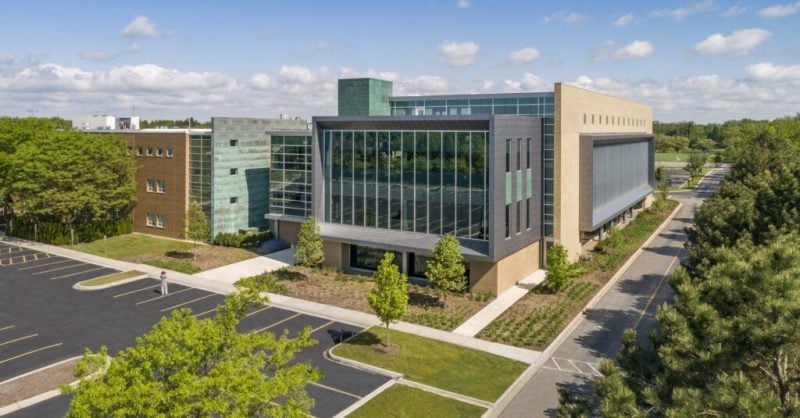
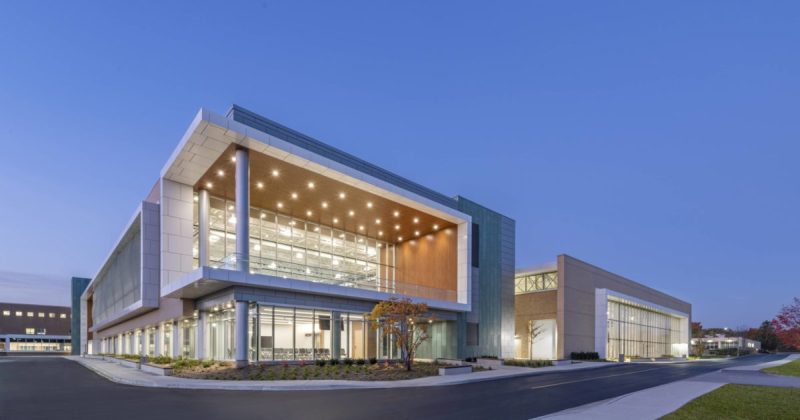
Located on a 76-acre campus in suburban Lincolnshire, the school features modern facilities connected by glass-enclosed walkways. The district serves students from the northern Chicago metropolitan area.
Adlai E. Stevenson High School has received a 5-star rating from School Digger and ranks among the top 10 high schools in Illinois. The district’s focus on academic excellence and comprehensive programming contributes to its strong reputation.
Recent rankings have placed the district among the best school systems nationwide, reflecting consistent performance in student achievement metrics.
2. Scarsdale Union Free School District, New York
The Scarsdale Union Free School District serves 4,703 students across seven schools in Westchester County. The district includes five elementary schools, one middle school, and one high school.
Scarsdale ranks 14th out of 865 school districts in New York State. The district earned a 5 out of 5 star rating from SchoolDigger, reflecting strong academic performance.
The district achieved a 10/10 average testing ranking, placing it in the top 1% of public schools statewide. Niche ranked Scarsdale as the 5th best school district in New York for 2026.
Among New York’s top 10 districts, Scarsdale stands as the only non-Long Island district to make the list. The district has consistently earned recognition for preparing students for college success and maintaining high academic standards.
3. Lake Washington School District, Washington
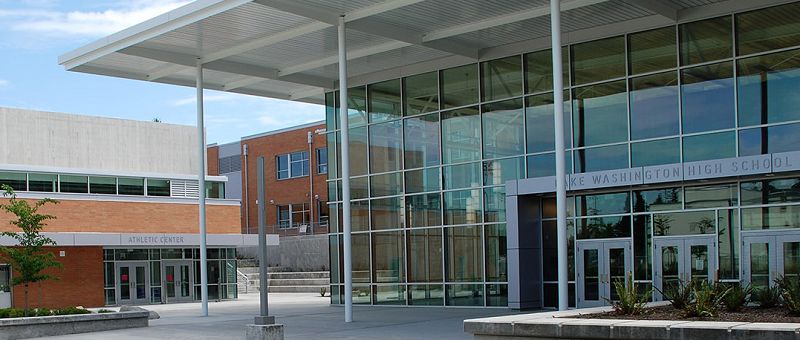
Lake Washington School District ranks better than 98.4% of districts in Washington state. The district serves communities nestled between Lake Washington and the Cascade Mountains.
Notable schools include Nikola Tesla STEM High School, Northstar Middle School, and International Community School. These institutions consistently receive top rankings for academic performance.
The district’s vision focuses on preparing every student for college, global workplace success, and personal achievement. This comprehensive approach guides educational programs and initiatives.
Lake Washington School District has earned recognition for college preparation programs. Schools within the district excel at helping students enroll in and complete higher education.
The district emphasizes educational excellence through innovative teaching methods and strong academic standards. Students benefit from world-class facilities and experienced faculty members who prioritize student success.
4. Minnetonka Public Schools, Minnesota
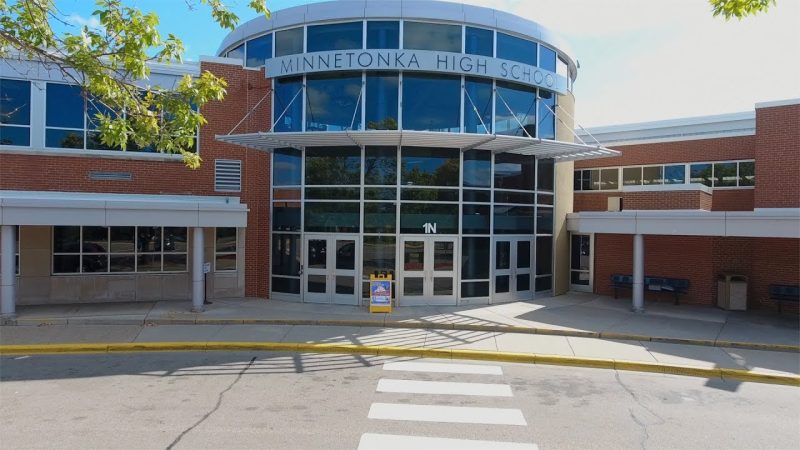
Minnetonka Public Schools consistently ranks among Minnesota’s top educational systems. The district holds a 12th place ranking out of 446 districts statewide and receives a 5-star rating from SchoolDigger.
The district serves 11,248 students across multiple grade levels. It operates 17 schools including 8 elementary schools, 3 middle schools, and 6 high schools throughout the Minnetonka area.
Minnetonka Senior High School demonstrates exceptional performance. The school ranks 3rd out of 480 Minnesota high schools and maintains an 84.2% four-year graduation rate.
Notable schools within the district include Scenic Heights Elementary, Groveland Elementary, and Minnetonka East Middle School. These institutions contribute to the district’s reputation for educational excellence.
The district has received recognition from Niche.com as the top-rated school system in Minnesota for multiple categories. This includes best overall district, best teachers, and best places to teach among public schools.
5. Shaker Heights City School District, Ohio
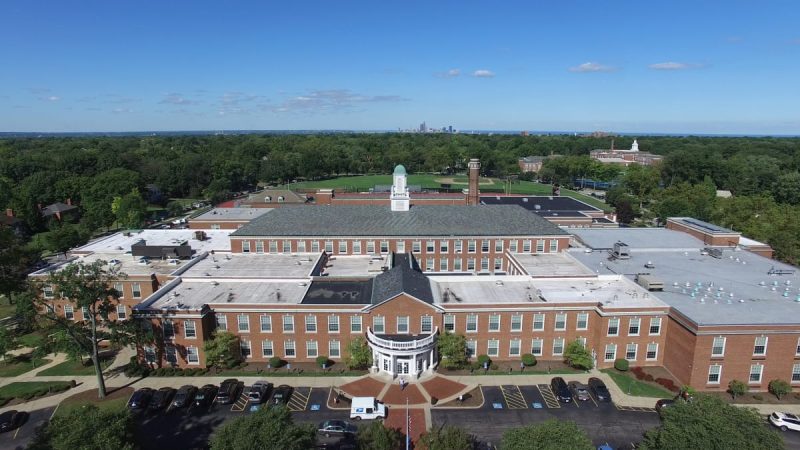
The Shaker Heights City School District serves approximately 4,434 students across eight public schools. The district includes five elementary schools, two middle schools, and one high school.
Located near Cleveland, the district covers Shaker Heights and a small portion of Cleveland near Shaker Square. This encompasses roughly 7.5 square miles of residential area.
SchoolDigger ranks the district 372 out of 828 school districts statewide in Ohio. The district receives a 3 out of 5 star rating from the organization.
The district’s average testing ranking stands at 6 out of 10, placing it within the top 50 percent of Ohio public schools. This performance demonstrates solid academic achievement compared to other districts across the state.
Shaker Heights maintains a reputation for educational quality within the Greater Cleveland metropolitan area. The district continues to serve families seeking strong public education options in northeastern Ohio.
6. Edina Public Schools, Minnesota
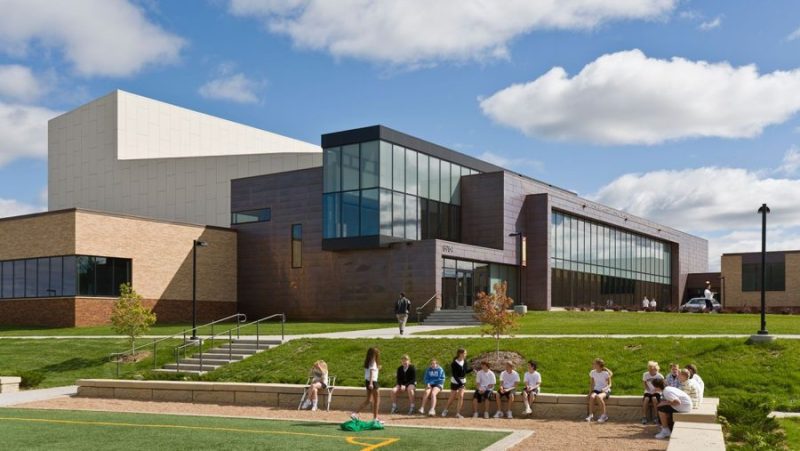
Edina Public Schools serves approximately 8,609 students across 14 public schools in the Minneapolis area. The district maintains an exceptional academic reputation with a 10/10 testing ranking.
This performance places Edina in the top 5% of Minnesota public schools. The district operates nine elementary schools, two middle schools, and three high schools.
Edina High School ranks fifth among Minnesota’s public non-charter high schools according to U.S. News and World Report. The school also achieved a national ranking of 428 out of approximately 17,680 public high schools.
The district received an A+ overall rating and ranks among Minnesota’s top five school districts. Students benefit from Advanced Placement courses, International Baccalaureate programs, and comprehensive extracurricular activities.
Edina Public Schools demonstrates strong college preparation outcomes, earning recognition for helping students succeed in higher education.
7. Westport Public Schools, Connecticut
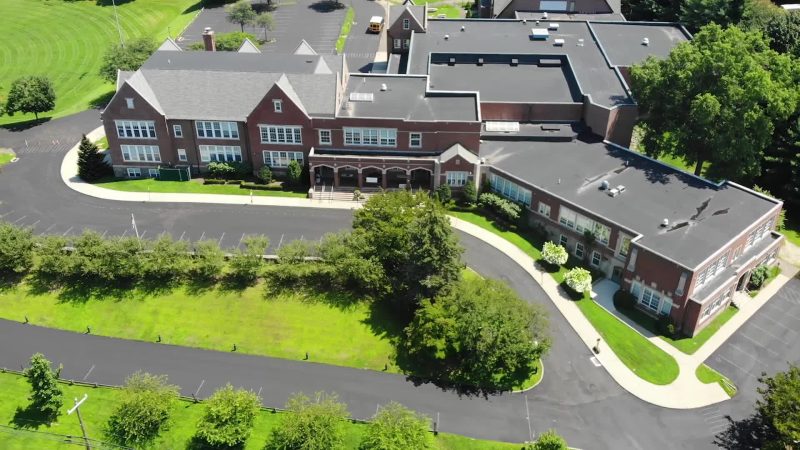
Westport Public Schools ranks among Connecticut’s top-performing districts. The district earned second place in Niche.com’s 2025 Best Schools and Districts rankings for the state.
The district serves 5,222 students across eight schools. These include five elementary schools, two middle schools, and one high school.
Westport achieved a perfect 10/10 average testing ranking. This places the district in the top 5% of public schools statewide.
The district ranks fourth out of 158 districts in Connecticut according to SchoolDigger. It maintains a five-star rating from the organization.
Staples High School stands out as the top-ranked public high school in Connecticut. The school receives recognition for college preparation and diverse opportunities across academics, arts, and athletics.
Westport previously held the number one position among Connecticut school districts in 2022.
8. North Shore School District 112, Illinois
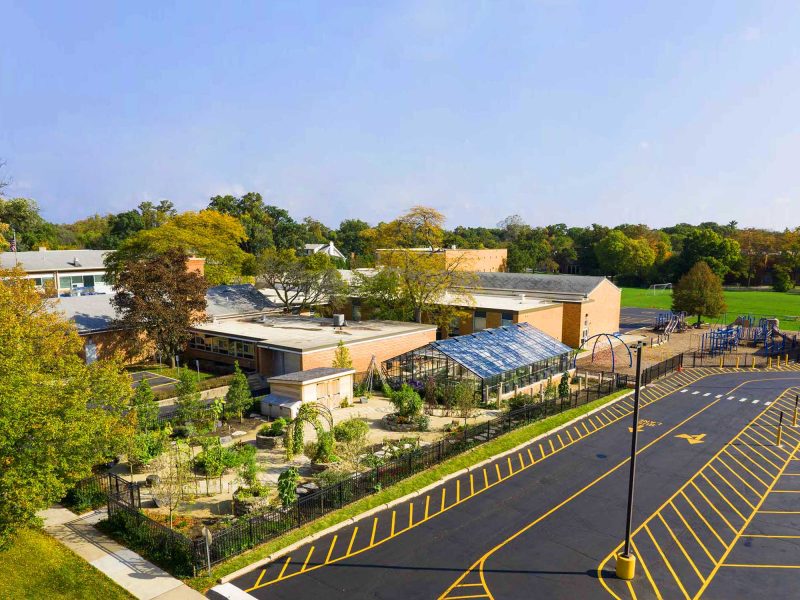
North Shore School District 112 serves the Highland Park area in Illinois. The district operates 10 schools serving 3,942 students from preschool through eighth grade.
The district ranks better than 86% of school districts in Illinois. It maintains a student-to-teacher ratio of 12 to 1 with 325 teachers across all schools.
According to Illinois state assessment results, 51% of students demonstrate proficiency in academic standards. The district focuses on fostering innovation, respect, and intellectual growth throughout its educational programs.
North Shore School District 112 emphasizes creating a connected community committed to academic excellence. The district serves students exclusively through elementary and middle school levels, with no high school programs offered within the system.
9. New Trier Township High School District 203, Illinois
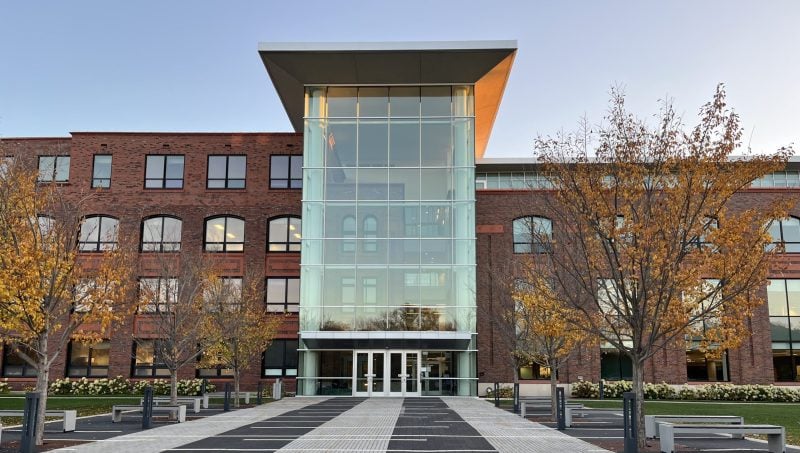
New Trier Township High School District 203 operates in the affluent Chicago suburbs of Winnetka and Northfield. Founded in 1901, the district serves students approximately 16 miles north of Chicago along Lake Michigan’s shore.
The district maintains two campuses within its comprehensive four-year high school system. Freshmen attend classes at the Northfield campus, while sophomores through seniors study at the main Winnetka location.
New Trier consistently ranks among Illinois’s top-performing districts. Recent rankings show the district performing better than 99% of school districts statewide, reflecting its academic excellence and resource availability.
The district emphasizes rigorous academics combined with extensive extracurricular opportunities. Students benefit from advanced coursework, comprehensive arts programs, and competitive athletics that prepare them for selective colleges nationwide.
10. School District of University City, Missouri
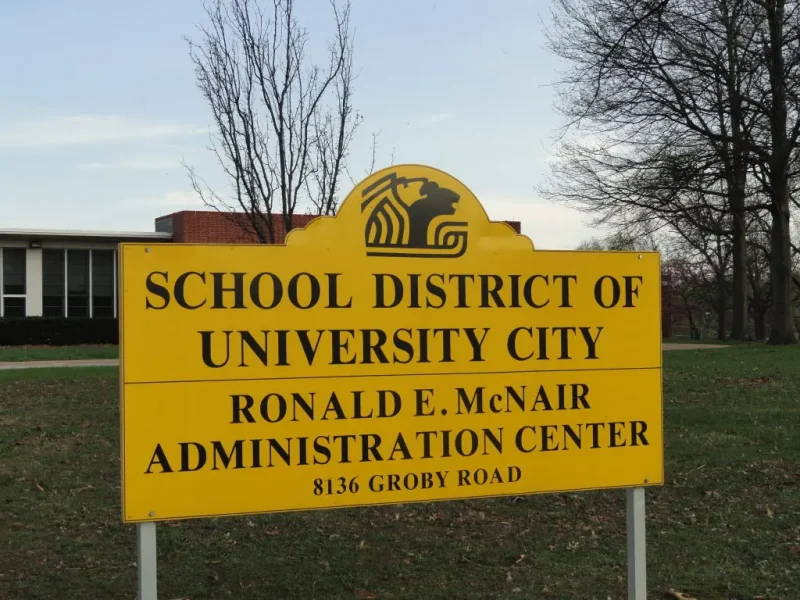
The School District of University City serves 2,672 students across seven public schools in the 2025-26 school year. Located in the Saint Louis metropolitan area, this district operates in a diverse community setting.
The district has an average testing ranking of 2 out of 10 compared to other Missouri public schools. This places University City in the bottom 50% of districts statewide for academic performance metrics.
Recent data shows the district jumped eight positions in Missouri’s statewide rankings. However, it still ranks lower than approximately 77% of school districts across the state.
The district acknowledges past challenges with institutional barriers that have affected educational opportunities. Leadership has made public commitments to address these systemic issues moving forward.
University City offers elementary, middle, and high school programs within its public school system.
11. Meriden Public Schools, Connecticut
Meriden Public Schools serves 8,129 students across 13 public schools in central Connecticut. The district operates elementary, middle, and high schools throughout the community.
The district’s academic performance falls below Connecticut state averages in English Language Arts, Mathematics, and Science. Testing rankings place the district at 3 out of 10, positioning it in the bottom 50% of Connecticut public schools.
Recent data shows the district improved its statewide ranking by jumping 5 slots. However, it still ranks lower than approximately 70% of other Connecticut school districts.
Thomas Hooker School, Israel Putnam School, and Benjamin Franklin School represent some of the higher-performing institutions within the district. These schools demonstrate stronger academic outcomes compared to other district schools.
The performance gaps across different schools highlight the need for targeted support and interventions to address varying educational challenges within the district.
12. West Linn-Wilsonville School District, Oregon
The West Linn-Wilsonville School District serves 9,057 students across grades PK-12 in the Portland metropolitan area. The district spans approximately 42 miles throughout Clackamas County.
The district covers the cities of West Linn and Wilsonville completely. It also includes portions of Tualatin and the Stafford community along the Willamette River.
Academic performance shows 46% of students achieving proficiency in math and 58% in reading based on state test scores. The district maintains a student-teacher ratio of 17 to 1.
Recent rankings place West Linn-Wilsonville as the third-best school district in Oregon. The district ranks better than 95.7% of other Oregon school districts.
Students and families rate the district 4.2 out of 5 stars based on community reviews. The district offers extensive extracurricular programs and academic resources to support student development.
13. Upper St. Clair School District, Pennsylvania
Upper St. Clair School District consistently ranks among Pennsylvania’s top educational systems. The district holds the number two position out of 678 school districts statewide based on combined math and reading proficiency scores.
The district ranks better than 99.8% of all Pennsylvania school districts. U.S. News & World Report recognized Upper St. Clair’s elementary and middle schools among the state’s best in 2025.
Pittsburgh Business Times named Upper St. Clair the top regional school district for four consecutive years through 2023. The district has maintained exceptional performance since 2005, spending eight years in the number one regional spot from 2006-2013.
Upper St. Clair earned third place among Pittsburgh area districts and sixth statewide in recent comprehensive rankings. The district’s sustained excellence across all grade levels demonstrates its commitment to academic achievement and student success.
14. Carmel Clay Schools, Indiana
Carmel Clay Schools ranks as the #2 public school district in Indiana and #84 nationally out of more than 10,000 districts. The district serves approximately 16,116 students across 15 schools in Carmel, Indiana.
The district operates 11 elementary schools, 3 middle schools, and 1 high school. All schools maintain consistently high academic performance with testing rankings in the top 1% statewide.
Elementary schools in the district achieve a 10/10 rating, significantly outperforming state averages. Students score 70% compared to the 41% Indiana average for public elementary schools.
Carmel Clay Schools holds the top ranking in the Indianapolis metropolitan area and leads Hamilton County. The district encompasses nearly all of Carmel, which merged with Clay Township in 2018.
Academic excellence remains consistent across all grade levels within the district’s 15 institutions.
15. Bloomington Public Schools, Minnesota
Bloomington Public School District serves over 10,000 students across 23 schools throughout the Minneapolis suburb. The district operates 12 elementary schools, 4 middle schools, and 6 high schools.
The district employs more than 2,800 teachers, paraprofessionals, and support staff. Student-to-teacher ratios average 15:1 across the system.
Academic performance places the district in the middle tier of Minnesota schools. The district receives a 5/10 testing ranking, positioning it in the bottom 50% of state public schools.
Graduation rates remain strong with 90.4% of students completing high school. Additionally, 91.3% of students successfully complete 8th grade.
The district serves students from preschool through 12th grade in this established suburban community. Bloomington’s location provides access to higher education institutions including Normandale Community College and Northwestern Health Sciences University.
16. Syosset Central School District, New York
Syosset Central School District stands as one of America’s premier educational systems. The district consistently ranks among the top school districts nationally.
Recent rankings place Syosset as the second-best school district in the United States according to Niche. The district also holds the top position in New York State.
The district serves 6,967 students across 10 public schools for the 2025-26 school year. Its average testing ranking reaches 10/10, placing it in the top 5% of New York public schools.
Syosset’s academic excellence stems from strong educational programs and dedicated resources. The district ranks better than 95.5% of districts statewide.
Long Island’s educational leadership shines through districts like Syosset. The community’s commitment to education creates an environment where students consistently achieve high academic standards.
17. Naperville Community Unit School District 203, Illinois
Naperville Community Unit School District 203 serves over 16,000 students across 22 public schools in Illinois. The district operates 14 elementary schools, 5 middle schools, and 2 high schools.
District 203 maintains exceptional academic standards with an average testing ranking of 10/10. This places the district in the top 5% of public schools statewide.
The district earned recognition as the 10th best school district in Illinois and 32nd nationally in recent rankings. Niche.com ranked District 203 as the 25th best school district in America for 2023.
This represents a significant improvement from the previous year’s ranking of 40th. The district consistently demonstrates high performance across all grade levels.
District 203’s schools receive strong ratings from parents and education evaluators. The combination of academic excellence and comprehensive programming makes it one of Illinois’ premier educational systems.
18. Wayzata Public Schools, Minnesota
Wayzata Public Schools has earned recognition as Minnesota’s top school district for three consecutive years. The district serves 12,465 students across 18 public schools in the Minneapolis metropolitan area.
The district maintains exceptional academic standards with a 10/10 testing ranking. This performance places Wayzata in the top 1% of Minnesota public schools.
Wayzata operates 17 schools spanning elementary through high school levels. The district holds a 5-star rating from SchoolDigger and ranks 16th out of 446 districts statewide.
Niche has consistently rated Wayzata as the number one school district in Minnesota. The district’s commitment to academic excellence attracts families seeking quality education in the Twin Cities suburbs.
The school system demonstrates strong performance across all grade levels. Students benefit from comprehensive educational programs and resources that support both academic achievement and student development.
19. San Ramon Valley Unified School District, California (Northern Bay Area)
San Ramon Valley Unified School District serves approximately 30,000 students across 35 schools in the Northern Bay Area. The district covers communities including Alamo, Blackhawk, Danville, Diablo, and San Ramon.
SRVUSD ranks as the second-best school district in Contra Costa County according to Niche. The district also holds the 30th position statewide in California rankings.
The district operates 22 elementary schools serving kindergarten through fifth grade students. These schools consistently deliver strong academic outcomes across the San Ramon and Danville areas.
SRVUSD ranks better than 94.5% of districts in California. The district maintains its position among the highest achieving school systems in the Bay Area and throughout the state.
20. Evanston/Skokie School District 65, Illinois
Evanston/Skokie School District 65 serves students from pre-K through 8th grade in Evanston and a small section of Skokie. The district operates 15 schools total, including 12 elementary schools and 3 middle schools.
The district ranks 217 out of 813 school districts in Illinois. SchoolDigger rates the district 4 out of 5 stars for overall performance.
District 65 enrolls 6,273 students with a favorable student-teacher ratio of 10 to 1. State test scores show 37% of students are proficient in math and 40% in reading.
Orrington Elementary School stands out as a top performer, consistently ranking in the top 15% of Illinois elementary schools. The district’s location north of Chicago provides access to urban resources while maintaining a smaller community feel.
21. Plymouth-Canton Community Schools, Michigan
Plymouth-Canton Community Schools operates 26 public schools serving 16,079 students across the district. The system includes 15 elementary schools, 6 middle schools, and 4 high schools.
The district ranks in the top 5% of public schools in Michigan with an average testing ranking of 10/10. It performs better than 83.6% of districts statewide.
All three high schools – Plymouth, Canton, and Salem – rank among the top 36 public high schools in Michigan. They also place within the top 5% of more than 24,000 schools nationwide.
High school students receive random assignment to one of the three main campuses. Starkweather Academy serves as an alternative high school option.
The district demonstrates strong college preparation programs. Schools receive recognition for helping students successfully enroll in and complete college coursework.
22. Greenwich Public Schools, Connecticut
Greenwich Public Schools operates as the seventh best school district in Connecticut according to Niche rankings. The district serves approximately 8,500 students across 15 schools throughout the community.
The system includes 6 elementary schools, 2 middle schools, and 1 high school. SchoolDigger rates the district 4 out of 5 stars and ranks it 32nd among 158 Connecticut school districts.
Greenwich Public Schools achieves a 10/10 average testing ranking. This places the district in the top 10% of public schools statewide for academic performance.
The district stands out as the largest among Connecticut’s top ten school systems. Top-performing schools within the system include North Street School, Parkway School, and Glenville School.
23. Roseville Area Schools, Minnesota
Roseville Area Schools District 623 serves seven communities including Roseville, Arden Hills, Falcon Heights, Little Canada, Lauderdale, Maplewood, and Shoreview. This geographic diversity creates a unique educational environment across multiple municipalities.
The district operates alongside Mounds View School District 621 to serve the Roseville area. Both districts maintain strong reputations within Minnesota’s educational landscape.
Roseville Area Schools has demonstrated measurable academic progress in recent rankings. The district jumped 20 positions in statewide comparisons and now ranks better than 50.4% of Minnesota school districts.
Students in the district attend schools that emphasize college preparation and success. The district’s high schools have earned recognition for effectively preparing students for post-secondary education and supporting college enrollment rates.
The multi-community structure allows the district to draw from diverse populations while maintaining consistent educational standards across all served areas.
24. Palo Alto Unified School District, California
Palo Alto Unified School District consistently ranks among the top school districts in California and the nation. The district earned the number 8 spot on Niche’s 2025 Best School Districts in America list.
The district spends approximately $31,608 per student annually, among the highest funding levels in the state. This substantial investment supports comprehensive staffing, curriculum development, and operational expenses.
Palo Alto Unified maintains strong academic performance across both English Language Arts and mathematics. The district ranks better than 97.3% of all districts in California based on standardized test scores and overall school performance metrics.
The district serves the Palo Alto community in the heart of Silicon Valley. Its location provides unique educational opportunities and resources that contribute to its exceptional academic reputation.
Students benefit from well-funded programs and experienced teaching staff throughout the district’s schools.
25. St. Paul Public Schools, Minnesota
St. Paul Public Schools serves as Minnesota’s second-largest public school district. The district operates 149 schools across Saint Paul, providing educational services to a substantial student population.
The system includes 78 elementary schools, 22 middle schools, and 40 high schools. Nine alternative schools offer additional educational pathways for students with diverse needs.
Students have access to public, public charter, and public magnet school options. This variety allows families to select educational approaches that align with their preferences and requirements.
The district emphasizes critical thinking skills and academic achievement. Schools within the system aim to prepare students for college enrollment and career success.
St. Paul Public Schools offers programs designed to serve students from various socioeconomic backgrounds. Several schools have received recognition for effectively supporting low-income students in their transition to higher education.
26. Grosse Pointe Public Schools, Michigan
Grosse Pointe Public Schools stands as one of Michigan’s premier educational districts. The system ranks 41st out of 613 school districts statewide and earns a perfect 5-star rating from SchoolDigger.
The district serves 6,344 students across 12 schools, spanning elementary through high school levels. Their average testing ranking reaches 10/10, placing them in the top 10% of Michigan public schools.
Founded in 1921, the district has maintained consistent excellence for over a century. They perform better than 89.6% of all U.S. school districts nationally.
Individual schools within the system excel significantly. Lewis Maire Elementary School ranks among the top 31 elementary schools in Michigan with a 5-star rating. George Defer Elementary and Richard Elementary also receive top rankings.
The district’s strong academic performance and high ratings make it a standout choice for families in southeastern Michigan.
27. Burlington-Edison School District, Washington
Burlington-Edison School District serves 3,336 students across nine public schools in Washington state. The district operates elementary, middle, and high schools in the Burlington area.
The district’s academic performance ranks in the bottom 50% of Washington public schools. It received an average testing ranking of 3 out of 10 for the 2025-26 school year.
Notable schools include Burlington Edison High School, Burlington-Edison Alternative School, and Bay View Elementary School. These institutions serve students from diverse backgrounds within the community.
The district maintains a non-discrimination policy covering race, ethnicity, religion, gender identity, military status, and other protected characteristics. This commitment extends to all educational programs and activities.
Burlington-Edison School District faces challenges in academic achievement compared to other Washington districts. Parents can access school ratings and statistics to evaluate educational options within the district boundaries.
28. Bergen County Technical Schools, New Jersey
Bergen County Technical Schools serves as the vocational and technical education system for all 70 municipalities within Bergen County. The district operates six high schools serving grades 9-12.
These schools combine rigorous academics with career-focused education programs. Students receive preparation for both college enrollment and immediate workforce entry.
The district ranks among New Jersey’s top-performing school systems. Multiple schools within BCTS have earned positions in statewide rankings for academic excellence.
Bergen County Academies stands out as the district’s flagship institution. This highly competitive magnet school attracts students from across the county.
The technical schools offer specialized programs in various fields including engineering, health sciences, and information technology. Students gain hands-on experience through industry partnerships and modern facilities.
BCTS schools consistently demonstrate strong graduation rates and college readiness metrics. The district’s unique approach blends traditional academic coursework with practical skill development.
29. Amherst Central School District, New York
Amherst Central School District serves 2,972 students across 4 public schools in Amherst, New York. The district maintains a favorable student-teacher ratio of 11 to 1.
The district demonstrates strong academic performance with an average testing ranking of 9/10. This places it in the top 20% of public schools throughout New York state.
Student achievement data shows 61% of students are at least proficient in mathematics. Reading proficiency also reaches 61% across the district.
Amherst Central School District ranks better than 81.5% of districts statewide. The district jumped 21 positions in recent state rankings, indicating improving performance.
The district serves students from pre-kindergarten through 12th grade. Its mission focuses on preparing students to excel through developing reasoning, problem-solving, and communication skills.
Located in Erie County, the district operates from its headquarters at 55 Kings Highway in Amherst.
30. Richfield Public Schools, Minnesota
Richfield Public Schools serves 4,043 students across 10 public schools in the Minneapolis metropolitan area. The district operates four elementary schools, including two neighborhood schools and two magnet programs.
The district’s academic performance ranks in the bottom 50% of Minnesota public schools with an average testing ranking of 3/10. Recent state rankings show the district jumped 9 positions but still trails many Minnesota districts.
Richfield High School stands out for its extensive University of Minnesota College in the Schools program. This partnership offers students advanced coursework and college-level academic opportunities.
The district provides families with multiple school choice options at the elementary level. Parents can select between traditional neighborhood schools or specialized magnet programs based on their children’s needs.
All schools within Richfield Public Schools maintain consistent educational standards while offering diverse programming approaches to serve the community’s student population.
What Sets Northern U.S. School Districts Apart
Northern U.S. school districts benefit from established educational infrastructures and strong community partnerships that create distinct advantages. These regions typically maintain higher per-pupil spending rates and offer comprehensive programming that extends beyond traditional academics.
Regional Educational Standards
Northern states consistently implement rigorous academic standards that exceed federal minimums. States like Massachusetts, Connecticut, and New Jersey maintain some of the most demanding graduation requirements in the nation.
These districts emphasize STEM education integration starting in elementary grades. Many northern schools require four years of mathematics and science coursework for graduation, compared to three years in other regions.
Advanced Placement course availability reaches higher rates in northern districts. Students access an average of 18-22 AP courses compared to 12-15 in southern and western districts.
College readiness metrics show northern districts producing graduates with higher SAT and ACT scores. The average SAT score in northeastern districts exceeds the national average by 80-120 points.
Teacher certification requirements are more stringent in northern states. Most require master’s degrees within five years of initial certification and mandate ongoing professional development credits.
Community Involvement and Support
Property tax funding creates stronger financial foundations for northern school districts. Higher property values in suburban northern communities generate more local revenue per student.
Parent participation rates in school governance reach 65-75% in northern districts versus 45-55% nationally. PTA membership and school board meeting attendance demonstrate active community engagement.
Local businesses frequently partner with northern schools through internship programs and career mentoring. Technology companies in states like Washington and Massachusetts provide equipment donations and curriculum support.
Volunteer programs thrive in northern communities where residents contribute over 2.5 million hours annually to school activities. This includes tutoring, coaching, and administrative assistance.
Municipal governments often coordinate with school districts on shared facilities and resources. Public libraries, recreation centers, and transportation systems integrate with educational programming.
Access to Extracurricular Activities
Northern districts offer extensive athletic programs with 85-90% of students participating in at least one sport or activity. Winter sports programs are particularly robust given regional climate advantages.
Arts education funding receives priority in northern budgets. Music, theater, and visual arts programs maintain full-time specialized teachers and dedicated performance spaces.
Academic competition teams flourish in northern schools. Math olympiad, debate, and science bowl participation rates exceed national averages by significant margins.
Transportation infrastructure supports broader activity access. Comprehensive bus systems enable students from rural areas to participate in after-school programs and weekend events.
Technology clubs and coding programs receive substantial support from regional tech industries. Many northern districts offer robotics teams, computer science competitions, and engineering challenges as standard programming.
Factors That Influence School District Rankings
School district rankings depend on measurable academic outcomes, staffing effectiveness, and infrastructure quality. These three core areas determine how districts compare nationally and influence family relocation decisions.
Academic Performance Metrics
State test scores serve as the foundation for most school district rankings. Districts track student performance on standardized assessments in mathematics and reading across grade levels.
College readiness indicators measure how well schools prepare students for higher education. This includes Advanced Placement participation rates, SAT and ACT average scores, and dual enrollment program availability.
Graduation rates provide insight into district effectiveness. Top-performing northern districts typically maintain graduation rates above 95 percent, significantly higher than the national average of 87 percent.
Key Academic Metrics:
- State assessment proficiency percentages
- College entrance exam scores
- AP course offerings and pass rates
- Four-year graduation completion rates
Districts receive additional credit for closing achievement gaps between student subgroups. This includes performance differences based on socioeconomic status, race, and English language proficiency levels.
Student-Teacher Ratios
Lower student-teacher ratios correlate with better individual attention and academic outcomes. The most highly ranked districts maintain ratios between 12:1 and 15:1, compared to the national average of 16:1.
Class size impact extends beyond simple ratios. Smaller classes allow teachers to provide personalized instruction, identify learning difficulties earlier, and build stronger relationships with students.
Teacher qualifications significantly influence rankings. Districts with higher percentages of teachers holding advanced degrees and relevant certifications typically score better in evaluation systems.
Staffing Quality Indicators:
- Percentage of teachers with master’s degrees
- Years of teaching experience
- Teacher retention rates
- Professional development investment
Northern districts often compete for qualified educators by offering competitive salaries and comprehensive benefits packages. This competition helps maintain teaching quality but creates disparities between wealthy and less affluent communities.
Resource Allocation and Facilities
Per-pupil spending varies dramatically across northern school districts. Wealthy suburban districts may spend $25,000 or more per student annually, while urban districts often operate with $15,000 or less.
Technology infrastructure has become increasingly important for rankings. Districts providing one-to-one device programs, high-speed internet access, and modern educational software receive higher scores from evaluation platforms.
Facility quality affects both student learning and district perception. Modern science laboratories, well-equipped gymnasiums, and updated libraries contribute to positive ranking outcomes.
Resource Categories:
- Financial: Per-pupil expenditures, budget allocation efficiency
- Physical: Building condition, safety features, accessibility compliance
- Educational: Textbook currency, technology access, extracurricular programs
Districts that effectively balance spending across academics, facilities, and student services typically achieve higher overall rankings than those focusing resources in single areas.