The 30 Most Expensive Places to Live in the United States: A Complete Cost Analysis
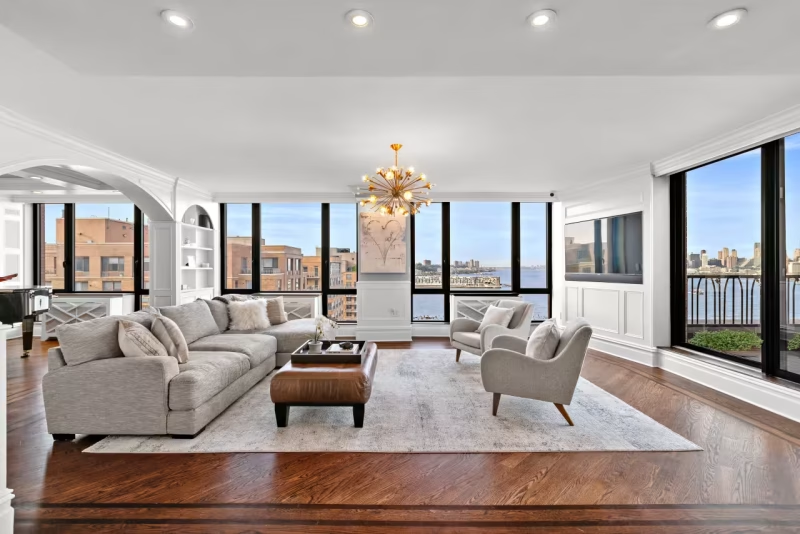
Living costs across America vary dramatically, with certain cities commanding significantly higher expenses than others due to factors like housing markets, job opportunities, and regional economic conditions.
Understanding which metropolitan areas require the highest income levels helps individuals and families make informed decisions about relocation, career planning, and financial preparation.
The most expensive places to live span from major West Coast technology hubs to East Coast financial centers, with additional costly markets found in tourist destinations and rapidly growing metropolitan areas.
These locations typically feature strong job markets and desirable amenities, but residents face elevated costs for housing, transportation, and everyday necessities that can substantially impact household budgets and lifestyle choices.
Here are the 30 most expensive places to live in the U.S.
1. San Francisco, California
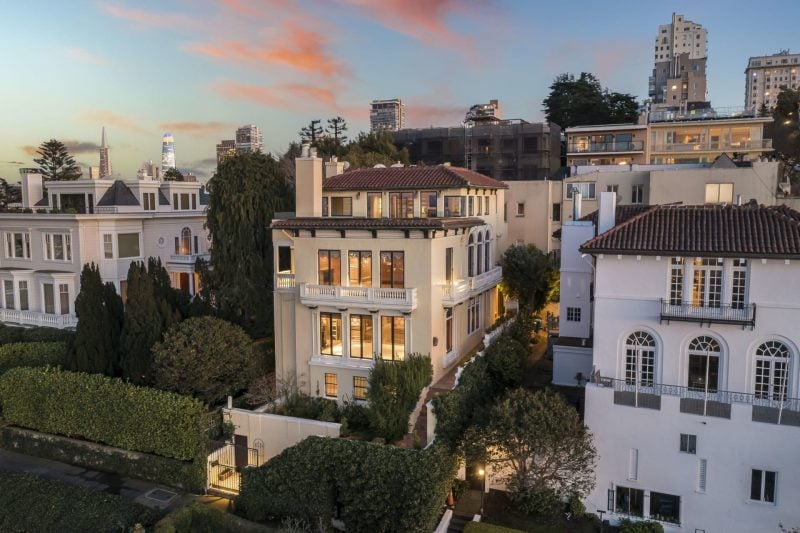
San Francisco stands as one of America’s most expensive cities to live in. The median home price reaches approximately $1.29 million citywide, with luxury neighborhoods commanding significantly higher prices.
Housing costs drive the city’s expensive reputation. The average home price hits $1.35 million according to cost of living indices. Rental prices in premium neighborhoods rank among California’s highest.
A family of four requires a salary of $366,829 to live comfortably in San Francisco. This makes it the second most expensive city for families nationwide, trailing only San Jose.
The median income sits at $126,730, creating a substantial gap between earnings and living costs. This disparity affects residents across various income levels.
San Francisco’s desirable location, cultural attractions, and job opportunities in tech maintain high demand for housing despite elevated costs.
2. New York City, New York
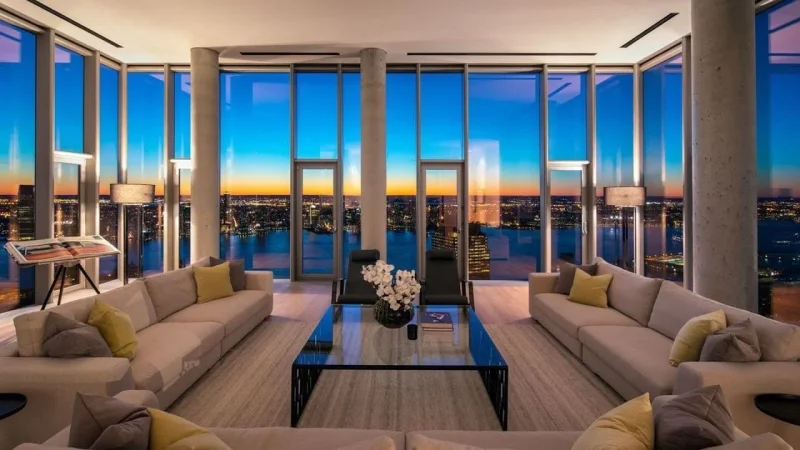
New York City consistently ranks among America’s most expensive places to live. The city’s median home sale price reached $748,000 in 2024, representing a 3% increase year-over-year.
Hudson Yards holds the distinction as the city’s most expensive neighborhood. The area recorded a median sale price of $4.99 million in the third quarter of 2025.
Other premium neighborhoods include Noho, Tribeca, Central Park South, and Nolita. All of these areas maintain median sales prices exceeding $3 million.
Manhattan dominates the luxury real estate market. The borough contains most of the city’s highest-priced residential areas.
Housing costs represent just one component of New York’s expensive living situation. Residents also face elevated prices for groceries, utilities, healthcare, and transportation compared to national averages.
3. Honolulu, Hawaii

Honolulu ranks among America’s most expensive cities due to its isolated Pacific location and limited land availability. The city’s high cost of living stems from importing most goods across thousands of miles of ocean.
Housing costs drive much of Honolulu’s expense. Real estate prices remain elevated due to strong demand and geographic constraints on new development.
Daily expenses exceed mainland averages significantly. Groceries, utilities, and transportation all carry premium pricing compared to continental United States cities.
The median household income struggles to keep pace with rising living costs. Many residents face affordability challenges despite Hawaii’s economic opportunities.
Honolulu’s desirable climate and island lifestyle attract wealthy residents and investors. This demand pressure continues pushing costs upward across all sectors of the local economy.
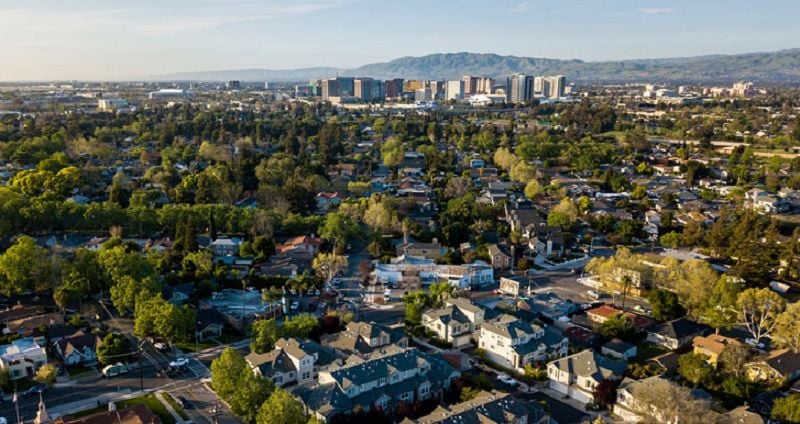
4. San Jose, California
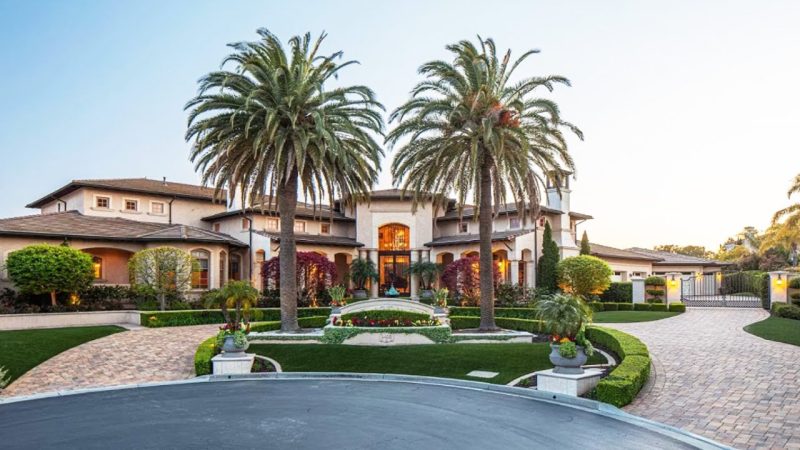
San Jose consistently ranks as one of America’s most expensive housing markets. The median home price reaches approximately $1.43 million, making it the costliest major city for homebuyers nationwide.
Monthly rental costs average $3,331 for median properties. This places significant financial pressure on residents across all income levels.
The city requires the highest salary in the United States to live comfortably. Recent studies show San Jose has surpassed even New York City in overall living expenses.
Housing costs dominate the expense calculations. Groceries, goods, and services also carry premium price tags compared to national averages.
Silicon Valley’s tech industry drives much of the demand. High-paying jobs attract workers who compete for limited housing inventory, pushing prices upward consistently.
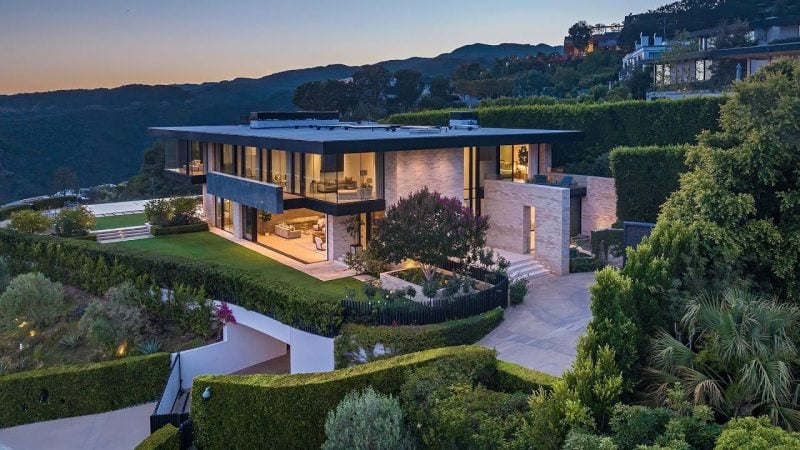
5. Los Angeles, California
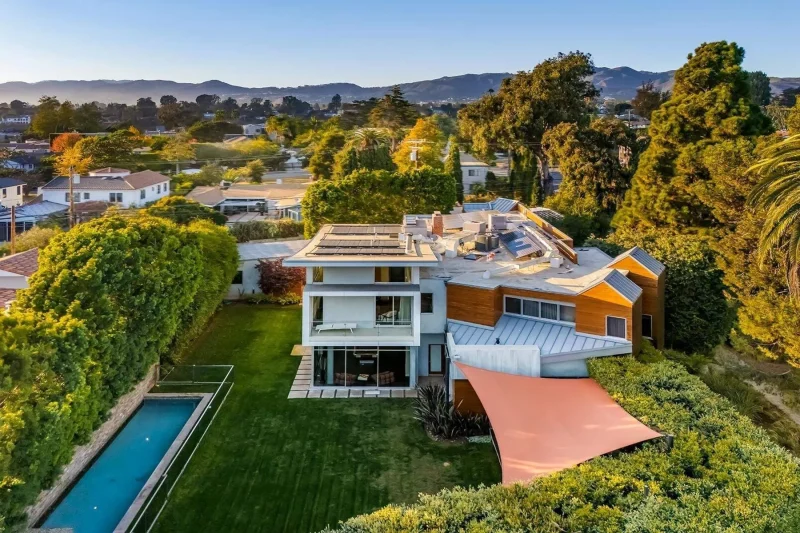
Los Angeles ranks among America’s most expensive cities, driven by its luxury neighborhoods and celebrity appeal. The city attracts residents with year-round sunshine, pristine beaches, and proximity to the entertainment industry.
Beverly Hills, Malibu, and Santa Monica contain the county’s priciest residential areas. These neighborhoods feature sky-high median home prices that exceed national averages by significant margins.
The City of Angels offers exclusive zip codes where wealthy residents enjoy stunning views and premium amenities. Downtown accessibility adds convenience for professionals working in the metropolitan area.
Real estate values remain elevated due to limited inventory and high demand from affluent buyers. The combination of luxury lifestyle, prime location, and entertainment industry presence keeps housing costs at premium levels throughout the region.
6. Seattle, Washington
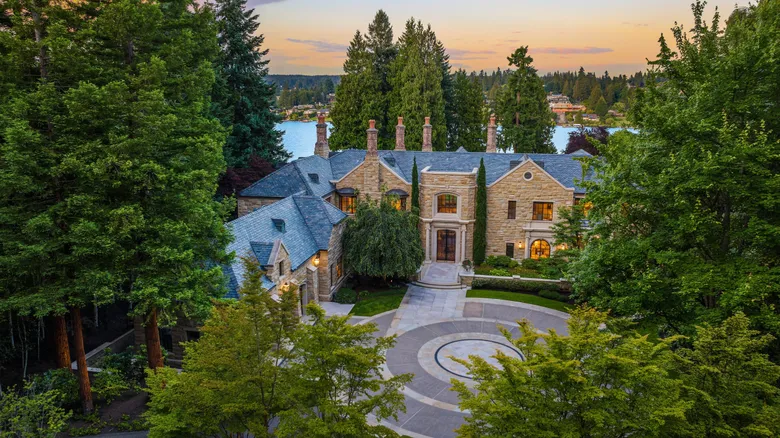
Seattle ranks as the ninth most expensive city to live in the United States. Housing costs exceed double the national average, making it a significant financial challenge for residents.
The city’s elevated expenses extend beyond housing. Utilities, food, and healthcare all carry premium price tags compared to other metropolitan areas.
Seattle ranked eighth among the ten most expensive places nationally. Two other Puget Sound region cities, Kent and Everett, also made the top 25 most expensive places list.
Despite the high costs, Seattle continues attracting residents. The city offers strong economic opportunities, natural beauty, and cultural attractions that justify the investment for many people.
Monthly living expenses require substantial income to maintain a comfortable lifestyle in this Pacific Northwest metropolis.
7. Boston, Massachusetts

Boston ranks among the most expensive cities in the United States and globally. The city placed fifth on Numbeo’s Cost of Living Index by City 2024 Mid-Year worldwide rankings.
Housing costs drive Boston’s high cost of living. The Boston metro area contains numerous communities where typical home prices exceed $1 million. Massachusetts real estate markets have experienced dramatic appreciation over the past decade.
Newton and Cambridge, both part of the greater Boston area, rank as the most expensive cities in Massachusetts for 2025. The Boston-Cambridge-Newton metro area dominates the state’s priciest housing markets.
Multiple factors contribute to Boston’s expensive housing market. The city’s strong job market, educational institutions, and coastal location increase demand. High mortgage rates compound affordability challenges for potential buyers in the region.
8. Washington, D.C.
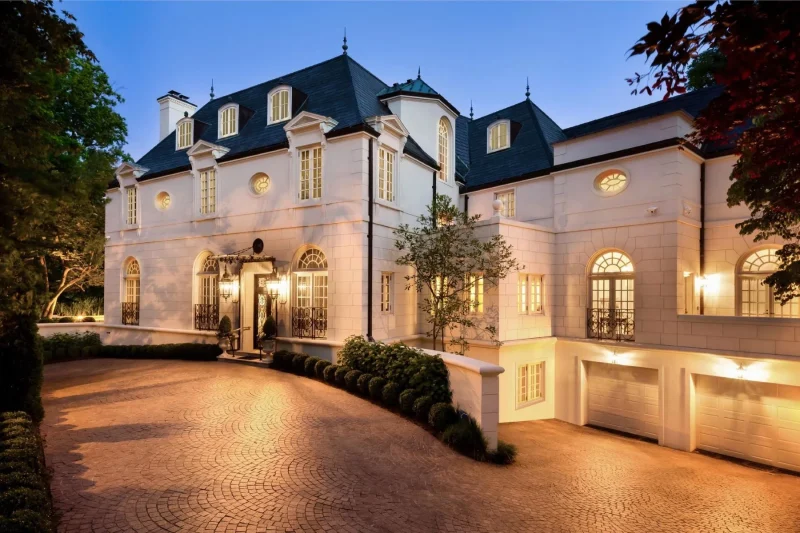
Washington D.C. ranks among the most expensive cities in the United States. Living costs in the nation’s capital are 47% higher than the national average.
Housing represents the biggest expense for D.C. residents. Housing costs exceed the national average by 140%, making homeownership and rentals particularly expensive.
The city holds the fourth position on national cost of living rankings. This places D.C. among the top five most expensive places to live in America.
Washington D.C. also ranks as one of the most expensive cities globally. Seven U.S. cities made the top 10 worldwide list for cost of living, with D.C. included among them.
The high costs extend beyond housing to groceries, goods, and services throughout the metropolitan area.
9. San Diego, California
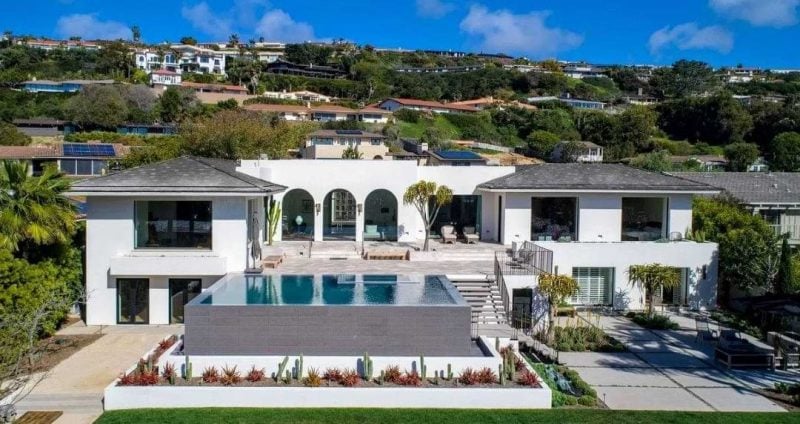
San Diego has emerged as one of America’s most expensive cities to live in. The city holds the ninth position according to The Council for Community and Economic Research’s Cost of Living Index.
U.S. News & World Report ranked San Diego as the most expensive place to live in the United States for 2023-2024. This ranking surpassed traditionally costly cities like Los Angeles and New York City.
Housing costs drive much of San Diego’s high expense rating. The city’s desirable climate and coastal location contribute to elevated real estate prices throughout the metropolitan area.
Within San Diego County, neighborhoods like Rancho Santa Fe command premium prices. This area features median home prices exceeding $4 million, making it one of the most expensive ZIP codes nationally.
The city’s cost of living affects residents across multiple categories including housing, groceries, and services.
10. Oakland, California
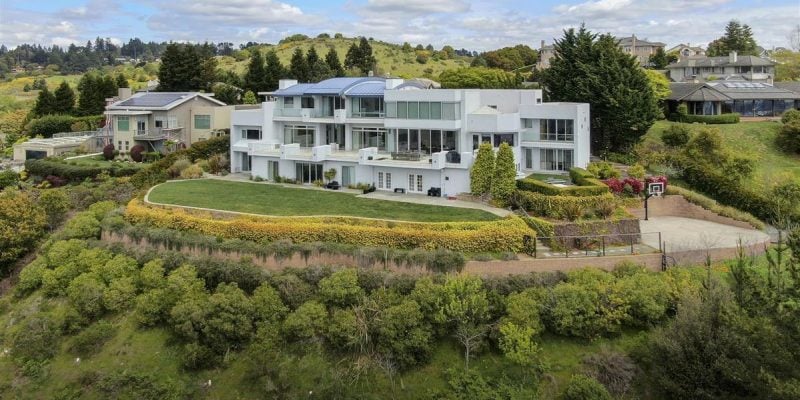
Oakland ranks among California’s most expensive cities with a cost of living 95.5% higher than the national average. The East Bay city receives a BestPlaces Cost of Living score of 195.5.
Housing costs drive much of Oakland’s expensive reputation. The city’s proximity to San Francisco Bay makes real estate particularly costly for residents.
Oakland sits 30.4% lower than California’s average cost of living despite its high national ranking. This positioning reflects the extreme expense levels found throughout the Golden State.
The city’s cultural diversity and industrial significance contribute to its desirability. Oakland serves as an important center for African-American culture and maintains strong historical roots.
Transportation, healthcare, and daily necessities all cost significantly more than typical American cities. Residents face elevated expenses across multiple spending categories beyond just housing costs.
11. Fremont, California
Fremont ranks among the most expensive places to live in the United States. The city earns a cost of living score of 195.5, making it 95.5% higher than the national average.
Housing costs drive Fremont’s high expenses. A typical home costs $1,348,500, which is 298.8% more expensive than the national average of $338,100.
Rental prices also reflect the city’s premium location. The average rent for a two-bedroom apartment reaches $3,140 per month.
Fremont’s position in California’s Bay Area contributes to its high costs. The city sits near Silicon Valley, attracting tech workers and professionals who can afford premium housing prices.
The overall cost of living averages $3,328 monthly. This places Fremont in the top tier of expensive American cities, ranking 59th out of 2,202 cities nationwide.
12. Jersey City, New Jersey
Jersey City stands as one of New Jersey’s most expensive urban centers. The city’s proximity to Manhattan makes it highly desirable for professionals working in New York City.
Housing costs drive much of the expense in Jersey City. Waterfront properties and high-rise condominiums command premium prices due to stunning Manhattan skyline views.
The city’s transportation infrastructure adds significant value. Multiple PATH train lines and ferry services provide direct access to Manhattan within minutes.
Jersey City’s downtown area has experienced rapid development over the past decade. New luxury residential towers and upscale amenities have transformed formerly industrial neighborhoods.
Property taxes in Jersey City remain substantial, reflecting New Jersey’s overall high tax environment. These costs contribute to the city’s ranking among America’s priciest places to live.
The local job market includes finance, technology, and healthcare sectors. Many residents commute to higher-paying positions across the Hudson River in Manhattan.
13. Miami, Florida
Miami ranks as the fourth most expensive city in the United States according to recent analyses. The city features a median home price of $490,162 while residents earn an average salary of $54,790.
The Miami metro area contains some of the nation’s most exclusive neighborhoods. Star Island leads with average home prices reaching $25.4 million, attracting celebrities and international business leaders.
Miami-Dade County includes several villages that consistently appear on national lists of expensive areas. These neighborhoods offer suburban luxury experiences that differ from the city’s urban environment.
Rising rental costs contribute significantly to Miami’s high living expenses. Average monthly rent reaches approximately $2,930, making housing affordability a primary concern for residents.
The city draws young professionals despite elevated costs. Miami’s combination of waterfront properties, exclusive communities, and luxury amenities drives its position among America’s priciest metropolitan areas.
14. Denver, Colorado
Denver ranks among the most expensive cities in the United States according to U.S. News and World Report. The Mile High City attracts residents with its combination of urban amenities and proximity to outdoor recreation.
Housing costs drive much of Denver’s high living expenses. The median home price hovers around $580,000, requiring buyers to have substantial incomes to afford homeownership.
Colorado’s cost of living stands at $2,586 monthly, which is 15% higher than the national average. The state ranks as the 11th most expensive in the nation.
Denver’s expensive neighborhoods reflect the city’s overall high costs. Groceries, goods, services, and rent prices all contribute to the elevated cost of living index compared to other metropolitan areas.
The average after-tax salary in Colorado is $4,818, providing coverage for living expenses for approximately 1.9 months.
15. Portland, Oregon
Portland ranks as the second most expensive city in Oregon State. The Portland-Vancouver-Hillsboro metro region places eighth among the most expensive large metropolitan areas in the United States.
The average cost of living in Portland reaches $2,684 monthly. This figure positions the city in the top 6% of the most expensive cities worldwide.
Housing costs drive much of Portland’s expensive reputation. The typical home value in the Portland metro area has reached record heights, making affordability a significant concern for potential buyers.
The city’s desirability stems from its quality of life and job market opportunities. Portland’s location in the Pacific Northwest contributes to its premium living costs compared to other Oregon cities.
Surrounding affluent suburbs like Lake Oswego and Happy Valley feature some of the highest housing prices in the state.
16. Chicago, Illinois
Chicago ranks among the most expensive places to live in the United States for 2024. The city’s high cost of living stems from expensive housing markets and premium urban amenities.
Housing costs drive much of Chicago’s expensive reputation. The metropolitan area contains numerous high-priced suburbs that consistently rank among Illinois’s most costly places to live.
The Chicago-Naperville-Elgin metro area dominates Illinois’s expensive housing market. All top-tier expensive cities in the state fall within this metropolitan region.
Living expenses in Chicago reflect its status as a major metropolitan hub. The city offers luxury amenities and premier neighborhoods that command premium prices.
Chicago’s suburbs particularly contribute to the area’s expensive reputation. Cities like Winnetka and other affluent communities surrounding Chicago maintain some of the highest home values in Illinois.
17. Austin, Texas
Austin ranks as the most expensive city to live in Texas. The average cost of living reaches $2,416 monthly, placing it in the top 11% of the world’s most expensive cities.
Housing costs drive much of Austin’s high expenses. The median home price sits at $480,000 with a property tax rate of 3.13%. Monthly housing costs average $1,213 for single residents and $2,225 for families of four.
The city attracts professionals, entrepreneurs, and affluent individuals nationwide. This influx has created premier neighborhoods offering luxury amenities and exclusive lifestyles.
Austin’s desirability as a tech hub and cultural center continues pushing prices upward. The combination of limited housing supply and growing demand maintains the city’s position among America’s costliest places to live.
18. Atlanta, Georgia
Atlanta’s metropolitan area ranks among Georgia’s most expensive places to live. The Atlanta-Sandy Springs-Alpharetta metro area dominates the state’s high-cost housing market.
Home values in the region have reached significant heights. The metro area contains 21 of Georgia’s top 30 most expensive cities according to recent data.
Neighborhoods like Sandy Springs and Milton represent some of the costliest areas. These communities showcase sustained demand and remarkable growth patterns.
The city attracts residents with its economic opportunities and urban amenities. High-paying jobs in technology, finance, and corporate headquarters drive housing demand upward.
Mortgage rates exceeding 7% have increased monthly housing costs. Combined with elevated home prices, this creates affordability challenges for many buyers.
Atlanta’s desirability stems from its business climate and cultural offerings. The combination of economic growth and limited housing supply continues pushing costs higher across the metropolitan region.
19. Minneapolis, Minnesota
Minneapolis stands out as one of Minnesota’s most expensive housing markets. The city’s strong economy and cultural attractions drive demand for real estate across its diverse neighborhoods.
Home values in Minneapolis vary significantly by location. Premium neighborhoods command substantially higher prices than the metro average.
The city’s lakefront properties and established luxury districts attract affluent buyers. Areas near downtown and exclusive residential zones see particularly high real estate values.
Minneapolis benefits from its position as a major economic center in the upper Midwest. The presence of Fortune 500 companies and strong job growth supports higher housing costs.
Living expenses beyond housing also contribute to the city’s overall cost profile. Goods, services, and utilities reflect the metropolitan premium typical of major urban centers.
The Twin Cities metro area consistently ranks among the nation’s more expensive housing markets. Minneapolis plays a central role in driving these elevated costs throughout the region.
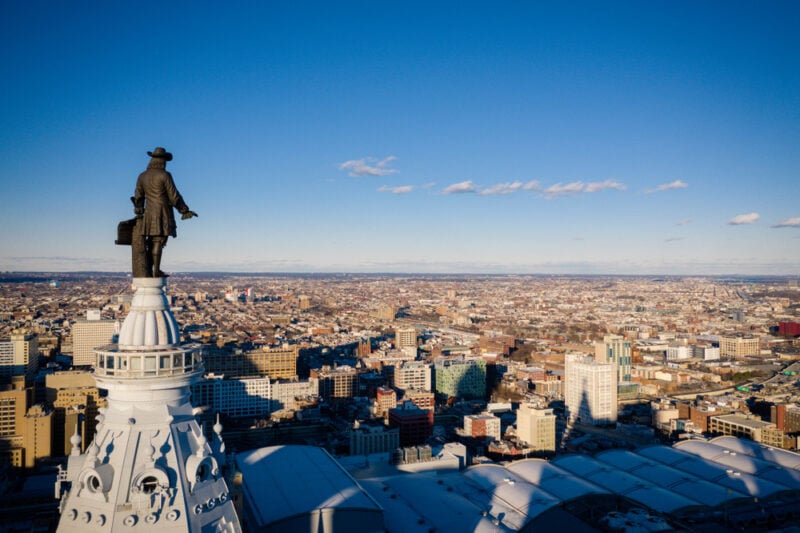
20. Philadelphia, Pennsylvania
Philadelphia ranks among the nation’s most expensive cities, with housing costs driving the high cost of living. The median home sale price in the city’s priciest neighborhood reached $751,000, representing a 7% increase from the previous year.
The city’s luxury real estate market features high-rise condominiums alongside historic townhouses and renovated brownstones. Some upscale areas average $564,000 for homes, making them the second-most expensive neighborhoods in the metropolitan area.
Philadelphia’s expensive suburbs also contribute to the region’s high living costs. Areas like Penn Wynne maintain median home values that require substantial household incomes, though affordability ratios vary by location.
Housing prices in Philadelphia hit a two-year high, reflecting broader market trends. The city’s real estate costs, combined with other living expenses, place it among America’s most expensive metropolitan areas.
21. Sacramento, California
Sacramento ranks as the 15th most expensive place to live in the United States according to U.S. News and World Report. As California’s capital city, it maintains higher living costs compared to many other cities nationwide.
The city’s thriving economy and flourishing job market drive these elevated expenses. Government employment and related industries contribute significantly to the local economic landscape.
Housing costs represent the largest expense factor for Sacramento residents. The typical home values have increased substantially, making homeownership challenging for many buyers.
Sacramento features several neighborhoods known for luxurious homes and premium amenities. These areas command some of the highest real estate prices in the metropolitan region.
High mortgage rates compound the affordability challenges facing potential homebuyers. Current rates make monthly housing payments more expensive than in previous years.
22. Raleigh, North Carolina
Raleigh ranks 23rd among the most expensive cities in the United States. A single adult needs a median salary of $102,752 to live comfortably in North Carolina’s capital.
The city’s booming economy and excellent schools drive high living costs. Raleigh’s growth has fueled a competitive real estate market with luxury neighborhoods commanding premium prices.
The city offers sophisticated living options that combine urban amenities with North Carolina charm. These high-end areas feature some of the highest real estate and rental prices in the state.
Raleigh’s thriving luxury market attracts buyers seeking prestigious neighborhoods. The combination of economic opportunity and quality of life makes it one of the most desirable cities in the region.
Housing costs represent the primary expense factor for residents. The strong investment potential in desirable locations continues to push property values higher throughout the metro area.
23. Las Vegas, Nevada
Las Vegas extends far beyond its famous Strip casinos. The city features numerous gated communities with multimillion-dollar properties throughout the valley.
These exclusive neighborhoods attract celebrities and business executives. Privacy and security rank as top priorities for residents in these areas.
Skye Canyon represents one of the newest master-planned communities. Current home valuations approach $590,000, reflecting exceptional market acceptance.
The Las Vegas metro area includes multiple cities with expensive housing markets. Summerlin South ranks among Nevada’s most costly places to live.
Luxury communities offer private golf courses and world-class amenities. These neighborhoods provide premium lifestyle options for wealthy residents.
Home prices in the region have reached record heights. The investment potential remains strong despite affordability challenges for many buyers.
24. Baltimore, Maryland
Baltimore stands out as one of Maryland’s most expensive housing markets. The city’s real estate prices have reached significant heights, making homeownership challenging for many residents.
Several neighborhoods command premium prices within the metropolitan area. These upscale communities offer luxury amenities and prime locations that justify their elevated costs.
The city’s proximity to Washington D.C. contributes to its high living expenses. This strategic location attracts professionals willing to pay more for convenient access to the nation’s capital.
Baltimore’s housing market reflects broader trends across Maryland. The state ranks as the 15th most expensive in the United States, with living costs exceeding the national average by a considerable margin.
Home values continue rising throughout the Baltimore metro area. This trend places the city among America’s most costly places to establish residence.
25. Orlando, Florida
Orlando has become one of Florida’s most expensive metropolitan areas for homebuyers. The city’s real estate market reflects the broader trend of rising home values across the state.
High mortgage rates significantly impact monthly housing payments for Orlando residents. Current rates make homeownership increasingly challenging for many potential buyers in the area.
The Orlando metro area features several neighborhoods with exceptionally high property values. These exclusive areas rank among the most expensive real estate markets in Florida.
Living costs in Orlando’s premium neighborhoods extend beyond housing prices. Groceries, goods, and services also carry higher price tags in these upscale areas.
Orlando’s expensive neighborhoods may exceed the financial reach of many residents. The combination of elevated real estate prices and rental costs creates affordability challenges throughout the metropolitan region.
The city’s housing market continues to attract investors despite high costs. Property values in Orlando reflect the area’s desirability and economic growth.
26. Houston, Texas
Houston stands out as Texas’s most populous city and a major economic hub. The city attracts wealthy residents with its thriving energy sector and diverse business opportunities.
The metropolitan area houses approximately 20 billionaires and over 90,000 millionaires. This concentration of wealth drives demand for luxury housing and premium amenities.
Houston’s most expensive neighborhoods consistently rank among the nation’s elite residential areas. These communities feature top-tier amenities, excellent schools, and proximity to major business districts.
Housing costs in affluent Houston areas reflect the city’s economic strength. Premium neighborhoods command high prices due to their desirable locations and luxury features.
The city’s cost of living varies significantly by neighborhood. Upscale areas require substantial budgets for housing, while the broader metropolitan region offers more affordable options for residents.
27. Dallas, Texas
Dallas ranks among America’s most expensive metropolitan areas, driven by rapid population growth and strong economic fundamentals. The city serves as a major business hub in Texas with significant corporate presence.
Housing costs represent the primary expense factor in Dallas. Home values have increased substantially in recent years, particularly in suburbs surrounding the city center.
Neighborhoods like Preston Hollow command premium prices. The area currently hosts some of Texas’s most expensive residential properties, with luxury homes reaching multi-million dollar valuations.
The Dallas-Fort Worth metropolitan area encompasses numerous high-cost communities. Cities such as Highland Park and University Park within the metro area rank among Texas’s most expensive places to live.
Employment opportunities in finance, technology, and energy sectors attract high-earning professionals. This demand continues to drive up living costs across the metropolitan region.
28. Newark, New Jersey
Newark stands out for its expensive neighborhoods that rank among New Jersey’s priciest residential areas. The city’s high-end districts feature some of the steepest real estate and rental prices in the state.
Property values in Newark’s premium neighborhoods reflect the broader New Jersey housing market trends. These areas command prices that place them well beyond the reach of most residents.
The cost of living in Newark’s upscale sections encompasses more than housing. Groceries, goods, and services contribute to the overall expense of residing in these neighborhoods.
Newark’s position in one of America’s most expensive states amplifies its housing costs. New Jersey consistently ranks among the top states for cost of living nationwide.
The city’s expensive neighborhoods attract residents despite the premium prices. These areas offer proximity to major metropolitan centers and urban amenities.
29. Tampa, Florida
Tampa ranks as the 18th most expensive city among the 50 largest cities in the United States. This ranking considers household bills and overall living costs.
The city’s housing market contributes significantly to its expensive reputation. Home values in Tampa have risen substantially, making homeownership challenging for many residents.
Living costs in Tampa exceed the national average in most categories. A single person can expect monthly housing costs around $1,184, while families of four face approximately $2,171 in housing expenses.
Tampa’s position as Florida’s third-largest city drives demand for housing and services. The metropolitan area includes several cities with particularly high home prices, pushing up regional costs.
The city’s growing job market and coastal location attract new residents consistently. This population growth creates additional pressure on housing supply and living costs throughout the Tampa Bay area.
30. Pittsburgh, Pennsylvania
Pittsburgh stands out as one of the most affordable major cities in the United States. The city offers significantly lower living costs compared to other metropolitan areas of similar size.
Luxury real estate exists in select neighborhoods throughout the metro area. These high-end districts feature historic mansions, modern penthouses, and upscale condominiums that command premium prices.
The most expensive neighborhoods include areas that developed around the Pennsylvania Railroad’s Main Line. These communities attracted affluent families seeking suburban living while maintaining city business connections.
Pennsylvania’s flat state income tax rate benefits all residents. This tax structure contributes to the overall affordability compared to other major metropolitan regions.
Housing costs decrease substantially as distance from the city center increases. This pattern allows residents to find affordable options in surrounding areas while accessing urban amenities.
Factors Influencing High Living Costs
Housing markets, government policies, and economic conditions create the foundation for elevated living expenses in America’s most expensive cities. These interconnected elements drive costs significantly above national averages.
Real Estate Market Trends
Limited housing supply serves as the primary driver of elevated real estate costs in expensive metropolitan areas. Cities like San Francisco and Manhattan face geographical constraints that restrict new development opportunities.
Supply and demand imbalances create bidding wars among potential buyers and renters. When job growth outpaces housing construction, prices increase rapidly.
Zoning regulations often limit high-density development in desirable neighborhoods. Single-family zoning requirements prevent apartment buildings in areas with strong demand.
Construction costs have risen due to material prices and skilled labor shortages. Building permits and approval processes can take months or years in major cities.
Investment activity from domestic and international buyers adds pressure to local housing markets. Cash purchases from investors often outcompete traditional homebuyers.
Taxation and Cost of Services
State and local tax structures significantly impact residents’ overall living expenses. High-tax states like Massachusetts and California impose substantial income tax burdens alongside property taxes.
Property taxes vary dramatically between municipalities. Areas with excellent schools and services command higher property tax rates to fund these amenities.
Sales taxes on goods and services add to daily expenses. Cities may impose additional taxes on restaurant meals, hotel stays, and retail purchases.
Utility costs reflect regional energy markets and infrastructure investments. Massachusetts has the third-highest electricity rates nationally, increasing monthly household expenses.
Municipal fees for parking, permits, and services accumulate quickly in dense urban areas. These costs often exceed similar fees in smaller cities by substantial margins.
Local Economic Drivers
High-paying industries concentrate in expensive metropolitan areas, creating wage competition that drives up all local costs. Technology centers like San Jose attract workers willing to pay premium housing costs.
Financial services hubs generate substantial disposable income among residents. Banking and investment professionals bid up housing prices in cities like New York.
Job market strength sustains high living costs even during economic downturns. Cities with diverse, resilient economies maintain elevated price levels.
Tourism and entertainment industries create service sector jobs while increasing demand for housing and commercial space. Popular destinations face constant pressure from both residents and visitors.
Economic growth attracts new residents faster than housing construction can accommodate them. This population influx perpetuates the cycle of rising costs.
Economic and Lifestyle Impacts
High living costs in America’s most expensive cities create measurable shifts in population patterns, business operations, and daily life experiences. These changes affect everything from local workforce demographics to the types of services and amenities available to residents.
Changes in Demographics
Expensive cities experience significant population sorting based on income levels. Young professionals often leave after establishing careers due to housing costs that can exceed 50% of income.
Families with children frequently relocate to suburban areas or less expensive metros. This creates a concentration of high-earning professionals and empty nesters in city centers.
The departure of middle-income residents leads to a bifurcated population structure. Cities retain wealthy individuals and essential workers who qualify for subsidized housing programs.
Age demographics shift toward older, established residents. Younger workers may commute from affordable surrounding areas rather than live within city limits.
These patterns reduce economic diversity within expensive metropolitan cores. The result is communities with higher average incomes but less varied socioeconomic representation.
Implications for Local Businesses
High commercial rents force businesses to adjust pricing and operations. Restaurants, retail stores, and service providers must charge premium prices to cover location costs.
Small businesses struggle to compete with chains that can absorb higher overhead expenses. This leads to reduced entrepreneurship and fewer locally-owned establishments.
Labor costs increase significantly as businesses must offer competitive wages to attract workers. Many employees require salaries 20-40% above national averages to afford local housing.
Service businesses often reduce staff or operating hours to manage expenses. Some relocate administrative functions to lower-cost areas while maintaining customer-facing operations in expensive locations.
Retail businesses shift toward luxury goods and high-margin services. Basic consumer goods become more expensive, affecting residents’ purchasing power for everyday items.
Quality of Life Considerations
Residents gain access to superior healthcare systems, cultural institutions, and educational facilities. These cities typically offer world-class museums, theaters, and dining options.
Career opportunities expand significantly in expensive metros. Higher salaries and networking possibilities can accelerate professional advancement and long-term earning potential.
Transportation infrastructure tends to be more developed. Public transit systems, walkable neighborhoods, and reduced car dependency appeal to many residents despite higher costs.
Housing compromises become necessary for most residents. People often accept smaller living spaces or longer commutes to remain in expensive areas.
Social activities and entertainment carry premium pricing. Daily expenses like dining out, fitness memberships, and recreational activities require larger portions of household budgets.