The 30 Richest Places to Live in North Dakota: The State’s Most Affluent Communities
North Dakota’s economic landscape offers a diverse range of communities where affluence and prosperity have taken root across the state.
From small towns with just a handful of households to larger metropolitan areas, wealth distribution varies significantly throughout the Peace Garden State.
Understanding which communities rank among the wealthiest provides valuable insight for potential residents, investors, and those interested in North Dakota’s economic patterns.
The state’s richest communities span from oil-rich western regions to thriving agricultural centers and growing suburban developments near major cities.
These areas demonstrate varying characteristics, from tiny enclaves with exceptionally high per-capita income to established towns offering premium amenities and lifestyle advantages.
Factors contributing to wealth in these communities include energy sector growth, agricultural prosperity, proximity to major employment centers, and strategic geographic positioning within the state’s economic framework.
Here are the 30 richest places to live in North Dakota:
1. Briarwood
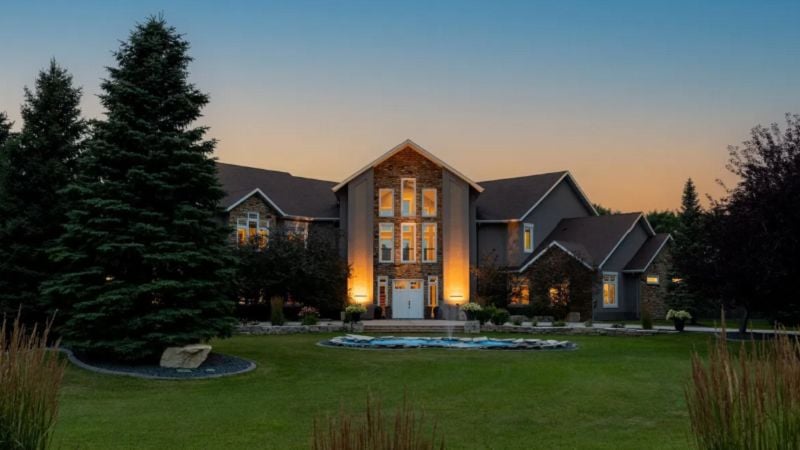
Briarwood claims the top spot as North Dakota’s wealthiest city. This small community in Cass County has an average household income of $417,683 as of 2023.
The city sits directly adjacent to Fargo’s southern edge. With a population of just 52 residents, Briarwood maintains its status as one of the state’s smallest yet most affluent communities.
Despite having only 21 households, the city consistently ranks first in wealth rankings across North Dakota. The community’s proximity to Fargo provides residents access to urban amenities while maintaining a quiet, exclusive atmosphere.
Briarwood’s population has remained stable in recent years. The city’s small size contributes to its exclusivity and high property values in the region.
2. Calio
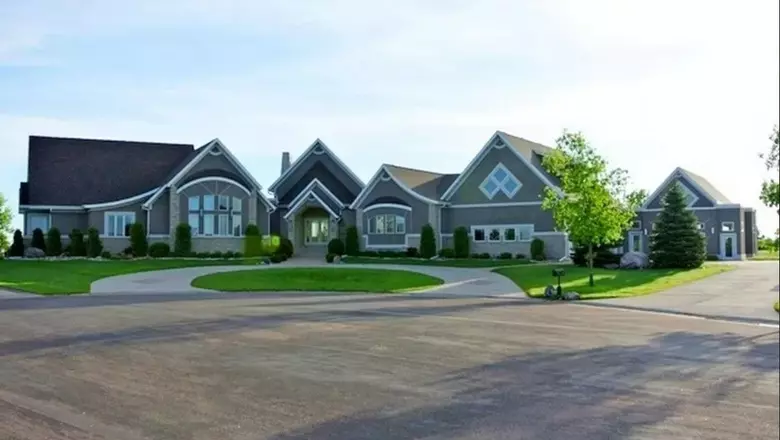
Calio stands out as one of North Dakota’s wealthiest communities despite its extremely small size. This tiny town has just 13 residents with a median age of 62.8 years.
The community boasts impressive financial statistics that place it among the state’s most affluent areas. The median household income reaches $159,167, significantly above the national average.
Per capita income in Calio hits $146,831, demonstrating the concentrated wealth within this small population. These figures reflect the economic prosperity that characterizes many of North Dakota’s energy-rich regions.
The town’s demographics show an aging population, which is common in rural North Dakota communities. Between 2022 and 2023, Calio maintained its small population base while preserving its high income levels.
3. Springbrook
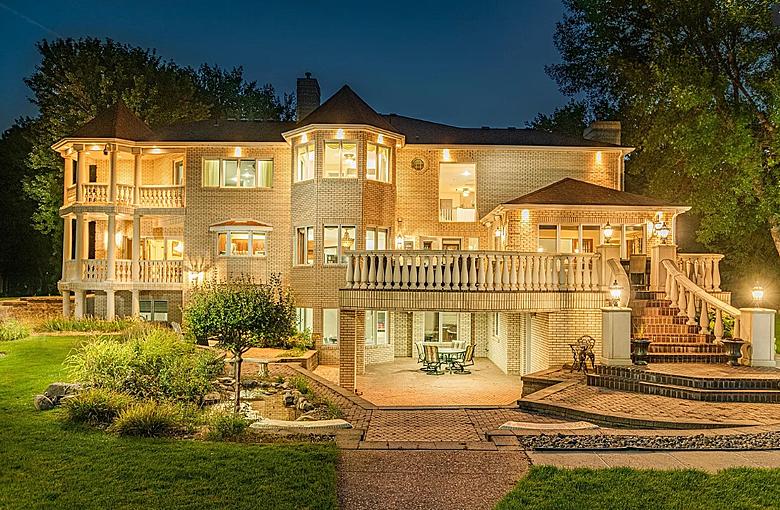
Springbrook stands as one of North Dakota’s most surprising wealth concentrations. This small community in Williams County ranks third among the state’s richest cities.
The town maintains a population of only 32 residents. Despite its tiny size, Springbrook demonstrates remarkable economic strength that defies typical rural patterns.
Located in the heart of the Bakken oil region, Springbrook benefits from energy industry proximity. The community’s wealth stems largely from oil-related economic activities in Williams County.
Property values in Springbrook reflect the area’s economic prosperity. The town’s small population allows for concentrated wealth distribution among its few households.
Springbrook represents how North Dakota’s energy boom transformed even the smallest communities into unexpected wealth centers.
4. Horace
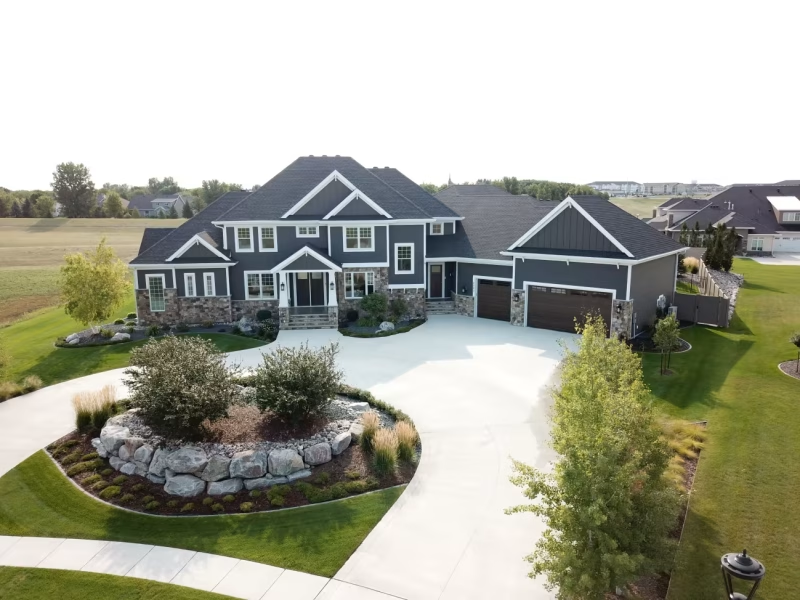
Horace stands out as one of North Dakota’s wealthiest communities. This small town in Cass County has established itself as an economically prosperous area.
The median household income in Horace reaches $138,636, significantly above state averages. This places the community among the top earners in North Dakota.
Homeownership rates in Horace are exceptionally high. The town attracts residents who value stability and property investment.
The community benefits from its proximity to the Fargo metropolitan area. This location provides access to urban amenities while maintaining a small-town atmosphere.
Horace has experienced steady growth in recent years. New residential developments continue to attract affluent families to the area.
The town’s economic foundation remains strong. Local businesses and commuters to nearby cities contribute to the area’s overall prosperity.
5. Nash
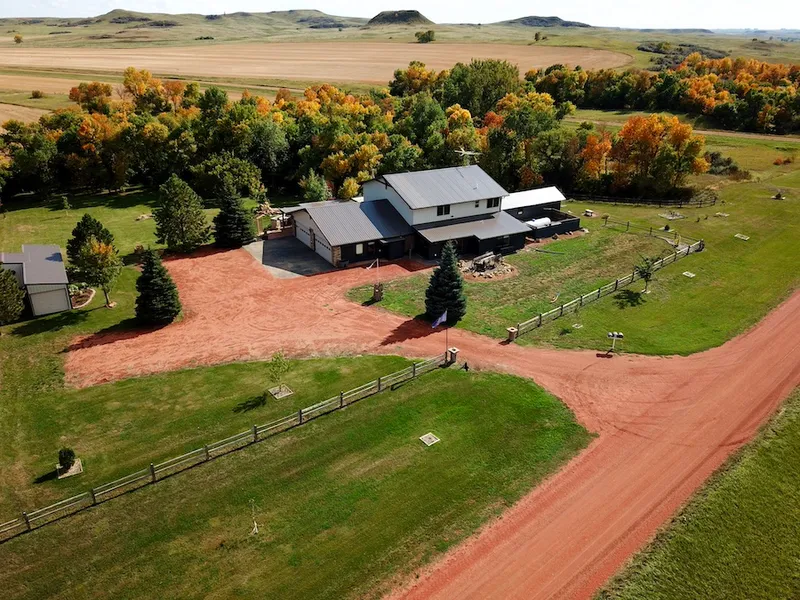
Nash is a small community located in Walsh County in northeastern North Dakota. The town sits near the Minnesota border and maintains a rural character typical of the region.
The community has experienced steady property values due to its proximity to larger regional centers. Nash benefits from its location along transportation corridors that connect it to economic opportunities in nearby areas.
Residents of Nash enjoy lower cost of living compared to urban centers while maintaining access to essential services. The town’s agricultural heritage continues to influence its economy and lifestyle.
Housing in Nash typically consists of single-family homes on larger lots. The real estate market remains stable with modest appreciation over recent years, making it attractive for families seeking affordable homeownership in a quiet setting.
6. Cass County
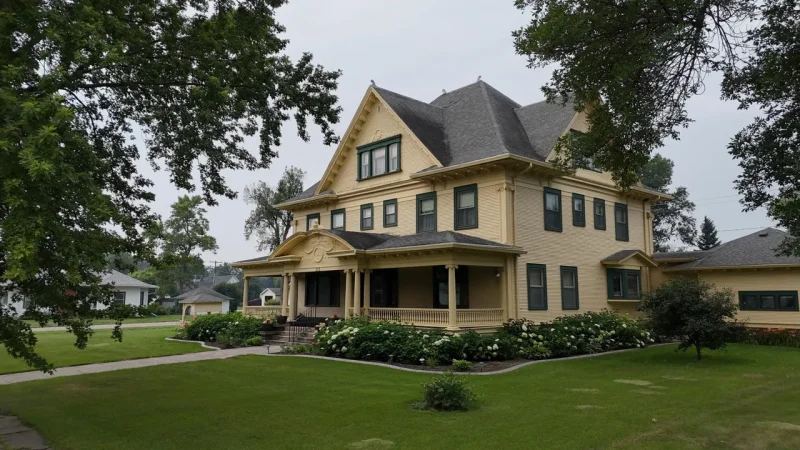
As stated, Briarwood stands as North Dakota’s wealthiest community with an average household income of $417,683 as of 2023. This small city in Cass County sits directly adjacent to Fargo’s southern edge.
But Cass County as a whole doesn’t lag far behind. While Briarwood, contains just 49 residents across 21 households. Cass County commands significant economic influence in the region.
Average per capita income reaches $111,250, while the median household income sits at $181,250. The poverty rate registers at zero percent.
Property values remain relatively modest compared to the high incomes. The median home value hovers around $175,000, creating an attractive cost of living for residents.
Cass County provides convenient access to Fargo’s amenities while maintaining its exclusive residential character.
7. Calvin
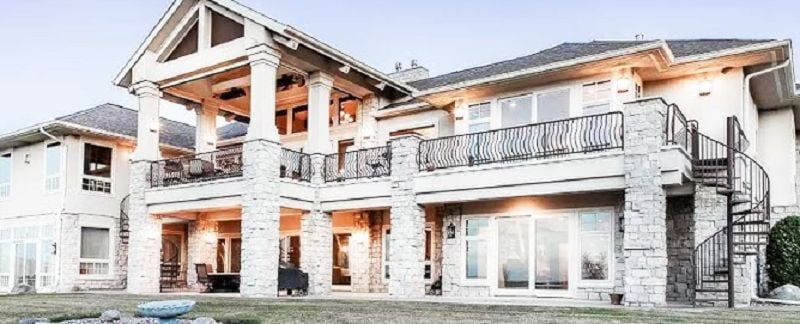
Calvin stands as one of North Dakota’s most affluent small communities. This tiny city maintains its position among the state’s wealthiest areas through strong economic fundamentals.
The community benefits from North Dakota’s energy sector prosperity. Many residents work in oil and gas industries that have transformed the state’s economy over recent decades.
Calvin’s small population contributes to its high per-capita wealth measurements. The concentrated nature of affluent households elevates the community’s overall economic profile significantly.
Property values in Calvin reflect the area’s economic strength. Real estate prices remain elevated compared to many other North Dakota communities of similar size.
The city attracts residents seeking small-town living with strong financial opportunities. Calvin offers a quiet lifestyle while maintaining access to North Dakota’s broader economic advantages.
8. Harmon
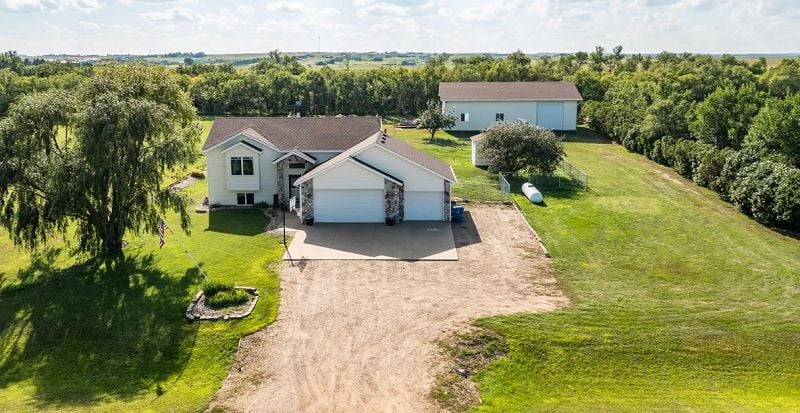
Harmon is a small census-designated community located in Morton County, positioned just southwest of Mandan. This quiet residential area maintains a population of under 300 residents.
The community offers a peaceful rural atmosphere while providing reasonable access to larger urban centers. Its proximity to Mandan and Bismarck gives residents access to employment opportunities and amenities.
Harmon’s location in Morton County places it within one of North Dakota’s more economically stable regions. The area benefits from the broader economic activity generated by the state capital region.
Property values in Harmon reflect the desirability of living in a small community setting with access to metropolitan resources. The low population density contributes to larger lot sizes and more spacious residential properties.
Residents typically enjoy a suburban lifestyle with lower traffic volumes and a close-knit community feel.
9. Kramer
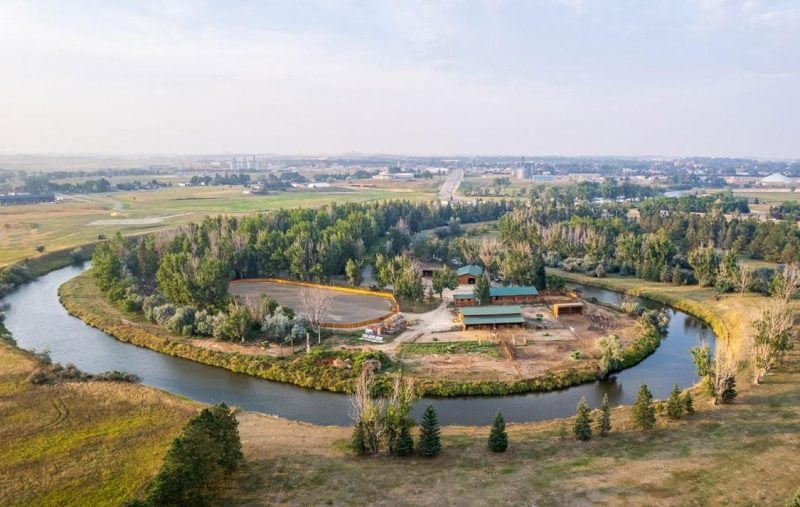
Kramer is a small community located in Bottineau County in north-central North Dakota. The town sits along Highway 5, providing convenient access to larger regional centers.
This rural community has maintained economic stability through agricultural activities and local businesses. Property values in Kramer reflect the area’s steady rural economy and affordable cost of living.
The town offers residents a quiet, small-town lifestyle with close-knit community connections. Local amenities serve the basic needs of residents while maintaining the charm of rural North Dakota living.
Kramer’s location provides access to outdoor recreational opportunities typical of the northern Great Plains region. The surrounding agricultural landscape contributes to the area’s economic foundation and scenic rural character.
10. Grand Forks
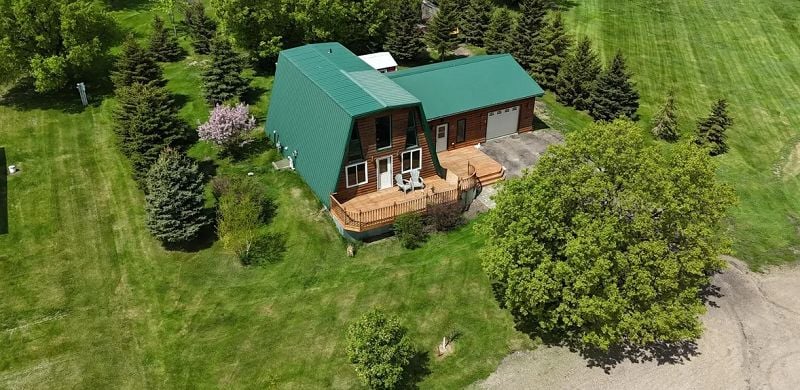
Grand Forks stands as one of North Dakota’s most prosperous cities, with typical home values reaching approximately $284,000 to $286,000. The city has experienced steady growth with home prices increasing over 5% in the past year.
Located in Grand Forks County, the city serves as a regional economic center. Average household income reaches around $88,000 annually, significantly above state averages.
The metropolitan area spans into Minnesota, creating a diverse economic base. Property taxes remain relatively modest at roughly $2,400 median annually.
Grand Forks offers residents short commute times averaging just 12 minutes. The city’s population of nearly 59,000 provides urban amenities while maintaining manageable living costs compared to national standards.
11. Taylor
Taylor is a small city located in Stark County in southwestern North Dakota. The community sits in the heart of the Bakken oil region, which has contributed significantly to local economic prosperity.
The city experienced substantial growth during the oil boom years. Property values and household incomes rose as energy sector workers moved to the area seeking employment opportunities.
Taylor’s economy relies heavily on oil extraction and related services. Many residents work in petroleum production, pipeline operations, or supporting industries that serve the energy sector.
The cost of living remains relatively affordable compared to larger North Dakota cities. Housing options include single-family homes and newer developments built to accommodate population growth.
Local amenities include essential services and businesses that cater to residents and workers in the energy industry.
12. Burlington
Burlington stands as a small but historically significant city in Ward County. The community has built a reputation for blending economic opportunity with deep-rooted local traditions.
Property values in Burlington have shown consistent strength compared to many rural North Dakota communities. The city benefits from its location within a county that has experienced steady economic growth over recent years.
Residents enjoy a quiet lifestyle while maintaining access to employment opportunities in the surrounding region. The local economy draws support from agriculture and regional business activities.
Burlington’s housing market reflects the stability that attracts families seeking affordable homeownership. The community offers a slower pace of life without sacrificing access to essential services and amenities that residents need for daily living.
13. Lincoln
Lincoln stands as one of North Dakota’s wealthier communities, located in Burleigh County near the state capital of Bismarck. The city attracts residents seeking upscale suburban living within commuting distance of major employment centers.
The community features well-maintained neighborhoods with newer construction and higher property values compared to many other North Dakota cities. Many residents work in government, healthcare, and professional services in nearby Bismarck.
Lincoln’s proximity to the capital provides access to cultural amenities, shopping centers, and educational institutions while maintaining a quieter residential atmosphere. The city offers quality schools and family-friendly neighborhoods.
The per capita income reflects middle-income levels, though housing costs and overall living standards place Lincoln among the state’s more affluent communities. Property values have remained stable due to consistent demand from professionals working in the Bismarck area.
14. Davenport
Davenport stands as one of North Dakota’s smallest communities to achieve premium home prices. The city is located in Cass County in southeastern North Dakota.
Despite its small size, Davenport commands impressive property values that place it among the state’s wealthiest areas. The community benefits from its location within Cass County, which houses several of North Dakota’s most affluent places.
The town’s real estate market reflects the broader prosperity found throughout the Fargo metropolitan area. Davenport residents enjoy the advantages of living in a high-value housing market while maintaining a small-town atmosphere.
Property values in Davenport demonstrate the economic strength present in southeastern North Dakota. The community’s inclusion among the state’s richest places highlights how smaller towns can achieve significant wealth concentration.
15. Fargo
Fargo ranks as North Dakota’s largest city and serves as a major economic center in the region. The city’s median household income reaches $73,718, which exceeds the national median income.
The Fargo metropolitan area dominates North Dakota’s expensive housing market. Eleven cities within the Fargo metro area appear among the state’s top 30 most expensive places to live.
Fargo’s typical home value sits at $319,220 as of recent data. Property values have increased by 21.3% over the past five years, showing steady appreciation in the local real estate market.
The city benefits from active new construction and planned development projects. This building activity helps meet housing demand while maintaining relatively stable price growth compared to other markets.
Fargo’s strongest neighborhoods include areas near North Dakota State University and established districts like Rose Creek and Deer Creek.
16. Casselton
Casselton stands out as one of North Dakota’s wealthier communities with strong real estate appreciation. The city experienced a 42% home price increase since 2010, reflecting significant growth in property values.
The per capita income in Casselton reached $47,694 in 2022. This figure represents wealth relative to both North Dakota and national standards, equating to an annual household income of approximately $190,776.
Located along Interstate 94, Casselton offers residents convenient access to urban amenities. The city sits just 30 minutes from the Fargo metropolitan area, providing small-town living with metropolitan proximity.
Despite its wealth indicators, Casselton maintains a cost of living that is 10% lower than the national average. This combination of higher incomes and lower living costs contributes to the city’s appeal among affluent residents seeking value.
17. South Heart
South Heart stands as one of North Dakota’s most prosperous communities, located in Stark County. The city has experienced remarkable economic growth over the past decade.
Property values in South Heart have surged dramatically since 2010. The typical home value now reaches approximately $321,000, reflecting strong local economic conditions.
The housing market shows consistent upward momentum. Recent data indicates home prices increased by over 8% in just one year, with five-year growth exceeding 19%.
South Heart’s population of around 400 residents enjoys a median household income of approximately $160,000. This income level places the community among North Dakota’s wealthiest cities.
The city’s prosperity stems largely from the regional energy boom. Oil industry activities in western North Dakota have created substantial employment opportunities and economic benefits for local residents.
18. Dickinson
Dickinson stands as one of North Dakota’s most prosperous cities, driven largely by the Bakken oil boom. The city has approximately 12,150 households with 985 millionaire households, creating a concentration of 7.6% millionaires.
This western North Dakota hub attracts wealth through its strong energy sector connections. Oil industry professionals and related businesses have established significant economic presence in the area.
The city offers urban amenities while maintaining reasonable living costs compared to larger metropolitan areas. Dickinson serves as a regional center for commerce and services in the oil-rich Bakken formation.
Several smaller wealthy communities like South Heart benefit from Dickinson’s proximity and economic influence. The metro area ranks fourth among North Dakota regions for expensive housing markets with four cities in the state’s top 30.
19. Berthold
Berthold stands out as an affordable community in North Dakota with attractive living conditions. The median home price sits at $255,800, making it accessible for many families.
The town offers very low humidity levels throughout the year. This creates a comfortable climate for residents who prefer drier conditions.
Property crime rates remain notably low in Berthold. This factor contributes to the community’s appeal for families seeking safe neighborhoods.
Located in rural North Dakota, Berthold provides a small-town atmosphere. The community maintains its character while offering modern amenities.
Housing costs in Berthold remain reasonable compared to larger North Dakota cities. This affordability allows residents to enjoy quality of life without excessive financial burden.
The town’s low crime statistics and affordable housing make it attractive to young professionals and retirees alike.
20. Gladstone
Gladstone is a small community in Stark County, North Dakota. The city serves residents in the southwestern region of the state.
The area benefits from North Dakota’s energy sector development. Oil and gas activities in the Bakken formation have influenced local economic conditions.
Gladstone’s location provides access to larger employment centers. Residents can commute to Dickinson and other regional hubs for work opportunities.
The community maintains a rural character with modest population numbers. Housing costs tend to be lower than in major metropolitan areas.
Local infrastructure supports basic residential needs. The city connects to regional transportation networks through nearby highways.
Gladstone offers a quiet lifestyle for those preferring smaller communities. The area attracts residents seeking affordable housing options in western North Dakota.
21. Coleharbor
Coleharbor is a small community located in McLean County, North Dakota. The city sits along the shores of Lake Sakakawea, providing residents with waterfront access and recreational opportunities.
The eastern regions of Coleharbor contain the most expensive residential areas. These neighborhoods feature higher property values compared to other parts of the city.
The western portions of Coleharbor offer more affordable housing options. This geographic division creates distinct price zones within the community.
Riverdale serves as a nearby city to Coleharbor. The proximity to other communities provides additional amenities and services for residents.
Lake Sakakawea’s presence significantly influences the local real estate market. Properties with lake access or views command premium prices in the area.
The small-town atmosphere attracts residents seeking a quieter lifestyle. Coleharbor offers rural living while maintaining reasonable access to larger North Dakota cities.
22. Mapleton
Mapleton stands as one of North Dakota’s oldest communities, originally settled in 1870 along the Maple River. The city was renamed Mapleton in 1875 and has maintained steady growth ever since.
Located just west of Fargo in Cass County, Mapleton serves as both an agricultural center and a bedroom community. This dual role contributes to its housing market stability and property value appreciation.
The city’s population exceeds 1,300 residents. Its proximity to Fargo provides access to employment opportunities while maintaining a smaller community atmosphere.
Mapleton’s ZIP code 58059 previously ranked tenth for highest household income in North Dakota at $110,682. The housing market reflects the area’s appeal to families seeking suburban living near urban amenities.
The community benefits from its strategic location and agricultural heritage. Property values continue rising due to demand from Fargo area workers seeking residential options.
23. West Fargo
West Fargo stands out as North Dakota’s fastest-growing city and one of its most desirable residential markets. The city has experienced remarkable population growth in recent years.
The typical home value in West Fargo reaches $351,232. Property values have increased by 2.1% over the past year and 27.5% over five years.
West Fargo ranks among North Dakota’s wealthiest communities with a median household income of $96,929. The city’s proximity to Fargo contributes to its economic strength and appeal.
The community offers upscale neighborhoods including McMahon Estates, Shadow Wood-Shadow Creek, and The Preserve. These areas attract affluent residents seeking quality housing options.
West Fargo’s real estate market reflects the broader Fargo metropolitan area’s economic vitality. The city continues attracting new residents drawn to its combination of suburban amenities and economic opportunities.
24. Moorhead
Moorhead sits across the Red River from Fargo, forming part of the greater Fargo-Moorhead metropolitan area. The city benefits from its strategic location and strong economic ties to North Dakota’s largest urban center.
Residents enjoy lower crime rates compared to neighboring Fargo. The community maintains a reputation for safety and family-friendly neighborhoods.
Housing costs in Moorhead reflect its desirable location within the metro area. The city offers access to regional employment opportunities while providing a stable residential environment.
Educational institutions and healthcare facilities serve the broader metropolitan region. Moorhead’s economy benefits from cross-border commerce and shared resources with Fargo.
The city’s position in the Fargo-Moorhead metro contributes to its economic stability. Residents have access to urban amenities while maintaining a more controlled cost of living than some North Dakota communities.
25. Valley City
Valley City stands as one of North Dakota’s more affordable communities while maintaining solid economic foundations. The city offers residents a cost of living that runs 19% below the national average.
Housing costs remain particularly attractive in Valley City. Median rent sits at approximately $850 per month, making it accessible for many households.
The community maintains its historic character with well-preserved turn-of-the-century architecture. This gives Valley City a distinctive appeal compared to newer developments across the state.
Despite being recognized as one of North Dakota’s cheaper places to live, Valley City provides essential amenities and services. The city balances affordability with quality of life factors that attract residents seeking value.
Local economic conditions support steady household incomes. Valley City’s position reflects its role as a practical choice for those prioritizing cost-effective living in North Dakota.
26. Minot
Minot stands as North Dakota’s fourth-largest city and a significant economic hub in the state’s northwest region. The city benefits from its proximity to Minot Air Force Base, which provides substantial economic stability and employment opportunities.
The oil boom in the Bakken formation has positively impacted Minot’s economy and property values. This energy sector growth has attracted workers and businesses to the area.
Minot’s metro area ranks fourth among North Dakota metros for having cities with expensive homes. The city itself appears among the top 30 most expensive housing markets in the state.
The presence of the air force base creates a steady population of military personnel and civilian contractors. This military connection contributes to consistent housing demand and economic activity in the region.
27. Jamestown
Jamestown serves as a regional economic center in south-central North Dakota. The city functions as the county seat of Stutsman County and maintains a stable economic base.
The community benefits from its position along major transportation corridors. Agricultural processing and healthcare services provide employment opportunities for residents.
Housing costs in Jamestown remain below national averages. The city offers affordable living options compared to larger North Dakota metropolitan areas.
Jamestown’s economy includes manufacturing, retail, and service sectors. The presence of the University of Jamestown adds educational and cultural resources to the community.
The city maintains essential amenities including medical facilities, shopping centers, and recreational opportunities. Jamestown provides a balance of small-town living with access to regional services and employment.
28. Wahpeton
Wahpeton sits in Richland County along the Bois de Sioux River in southeast North Dakota. The city is positioned at the confluence with the Otter Tail River.
The community offers a significantly lower cost of living compared to national standards. Wahpeton is 22% less expensive than the national average for daily expenses.
Housing costs remain affordable in this regional center. The city maintains 7% lower living expenses than the average North Dakota community.
Wahpeton serves as an economic hub for the surrounding agricultural region. The city benefits from its strategic location near the Minnesota border.
The community provides access to educational institutions and regional services. Local industries support steady employment opportunities for residents in this southeast North Dakota location.
29. Devils Lake
Devils Lake ranks among North Dakota’s notable communities with a population of 7,170 residents. The city sits in Ramsey County and offers a dense suburban living environment.
The median household income in Devils Lake reaches $42,755. Per capita income averages $38,425 for residents in the area.
Devils Lake attracts attention from high-income buyers seeking lakefront properties. The natural water features make it appealing for second homes and recreational investments.
The poverty rate stands at 24.04% among residents. About 11.4% of the population lives on less than $10,000 annually.
The community promotes itself as a place where connection, creativity, and community converge. Devils Lake emphasizes being more than just a residential location for its inhabitants.
30. Rugby
Rugby ranks as the 30th richest place to live in North Dakota. The city recorded a per capita income of $37,488 in 2022.
This income level places Rugby in the middle income range for North Dakota standards. Compared to the rest of the United States, Rugby residents earn upper middle income wages.
The city serves as the geographic center of North America. Rugby has maintained steady economic conditions despite fluctuations in the broader state economy.
Housing costs in Rugby remain reasonable compared to other North Dakota communities. The local economy benefits from agriculture and small business operations that provide stable employment opportunities for residents.
Rugby’s position on this list reflects its consistent income levels rather than dramatic wealth concentration seen in other North Dakota locations.
Understanding Wealth in North Dakota
North Dakota’s wealthy communities are concentrated in oil-producing regions and metropolitan areas, with property values and household incomes varying dramatically based on local economic drivers. The state maintains an overall cost-of-living index of 94.6, making it the sixth most affordable state nationwide.
Economic Drivers Behind Affluent Communities
The oil industry serves as the primary wealth generator in North Dakota’s richest communities. Western regions rich in oil resources have created significant property value increases and elevated household incomes for residents in these areas.
Metropolitan areas also drive wealth concentration across the state. Fargo leads with 11 cities among the top 30 most expensive communities, followed by Bismarck with 5 cities, Dickinson with 4, and Minot with 3.
Small communities often show the highest per-capita wealth due to concentrated resources. Calio, consisting of only three households in Cavalier County, ranks as the state’s richest city by median household income.
Geographic proximity to Devils Lake and other resource-rich areas contributes to elevated property values. These locations benefit from both natural resource extraction and strategic positioning near economic hubs.
Trends in Property Values and Household Incomes
Property values in North Dakota show significant variation between small and large communities. Briarwood, with just 53 residents, represents the richest city for 2025, while larger communities like Horace lead among cities with populations exceeding 5,000 residents.
Household income disparities reflect community size and economic base. Horace maintains an average household income of $186,206 as of 2023, making it the wealthiest substantial community in the state.
Cass County dominates the wealth rankings with multiple high-income communities. This concentration reflects the county’s proximity to Fargo and established economic infrastructure.
The Zillow Home Value Index indicates that affluent communities span from western oil regions to thriving metropolitan areas. This geographic spread demonstrates how different economic sectors contribute to wealth distribution across the state.
Lifestyle and Amenities in North Dakota’s Wealthiest Areas
Wealthy communities in North Dakota offer residents access to top-tier educational institutions and diverse recreational activities that reflect the state’s energy-driven prosperity. These areas combine modern amenities with North Dakota’s natural landscapes and cultural heritage.
Education and School Quality
North Dakota’s affluent communities typically feature well-funded school districts with smaller class sizes and comprehensive academic programs. Cities like Horace and other wealthy Fargo metro suburbs benefit from strong property tax bases that support educational excellence.
Private school options expand in wealthier areas. Many families access specialized programs including advanced STEM curricula and college preparatory courses.
Key Educational Features:
- Lower student-to-teacher ratios
- Enhanced technology integration
- Expanded extracurricular offerings
- Higher college enrollment rates
Wealthy families often supplement local education with tutoring services and specialized programs. The proximity to universities in Fargo and Bismarck provides additional educational resources and cultural opportunities.
Recreational Opportunities and Local Culture
Energy wealth has transformed recreational landscapes in North Dakota’s richest communities. Golf courses, country clubs, and wellness centers cater to affluent residents seeking premium leisure activities.
Outdoor recreation remains central to the lifestyle. Wealthy areas offer enhanced access to hunting preserves, fishing clubs, and recreational vehicle facilities. Winter sports facilities including skiing and snowmobiling attract residents year-round.
Cultural amenities include:
- Private clubs with dining and event spaces
- Art galleries featuring regional and contemporary works
- Community centers hosting social events
- Farmers markets showcasing local agriculture
The oil boom created dining scenes featuring upscale restaurants and craft breweries. Many wealthy communities host annual festivals celebrating local heritage while incorporating modern entertainment options.