
The 30 Richest Places to Live in South Dakota: The State’s Most Affluent Communities
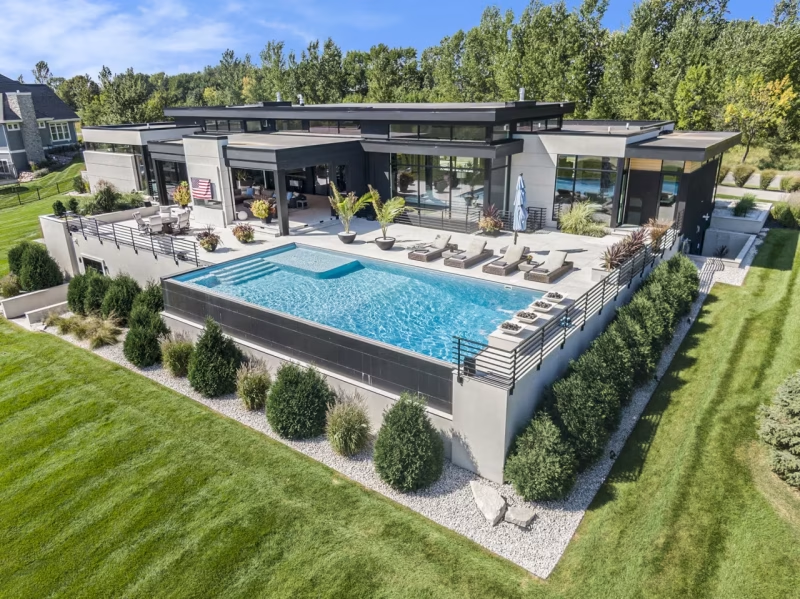
South Dakota’s wealth distribution reflects a diverse economic landscape where urban centers, strategic geographic locations, and regional economic drivers create distinct pockets of prosperity.
The state’s wealthiest communities range from suburbs near major cities like Sioux Falls and Rapid City to smaller towns that have leveraged unique economic advantages or natural resources.
These affluent areas demonstrate varying paths to prosperity across the Mount Rushmore State.
Understanding the economic characteristics of South Dakota’s most prosperous places reveals important patterns about income distribution, housing markets, and quality of life factors.
The state’s richest communities include established cities, emerging suburban areas, and counties that have attracted residents through favorable economic conditions and lifestyle amenities.
Here are the 30 richest places to live in South Dakota:
1. Brandon
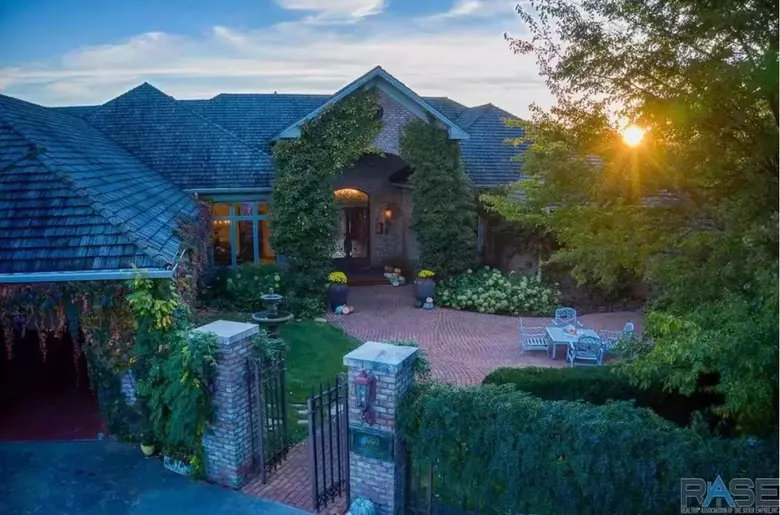
Brandon stands as South Dakota’s wealthiest city with a population of at least 5,000 residents. The city boasts an average household income of $134,315 as of 2023.
Located in Minnehaha County, Brandon has earned recognition for its exceptional financial prosperity. The median household income reaches $101,747, significantly above state averages.
The city maintains remarkably low poverty rates at just 2.7%. This statistic reflects the strong economic foundation that supports most residents.
Brandon’s proximity to Sioux Falls contributes to its economic advantages. Many residents benefit from employment opportunities in the larger metropolitan area while enjoying suburban living.
The community of 10,837 people represents stability and growth. Brandon consistently ranks among the top places to live in South Dakota due to its combination of wealth and quality of life factors.
2. Pine Lakes Addition
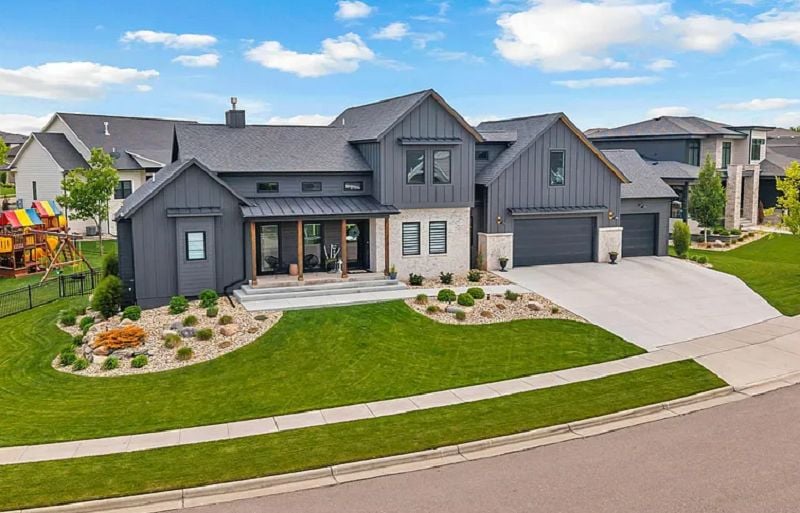
Pine Lakes Addition stands as one of South Dakota’s most exclusive residential areas. The neighborhood features a median real estate price of $595,129.
This places Pine Lakes Addition among the most expensive neighborhoods in the state. The area costs significantly more than 96.5% of other South Dakota neighborhoods.
Located in Sioux Falls, Pine Lakes Addition attracts affluent residents seeking premium housing. The neighborhood’s home values exceed the state average of $199,518 by a substantial margin.
The community represents a milestone in South Dakota’s luxury real estate market. Pine Lakes Addition surpasses the half-million dollar threshold that defines true luxury territory in the region.
Real estate demand remains strong in this upscale area. The neighborhood’s high property values reflect its desirability among homebuyers seeking quality locations.
3. Hartford
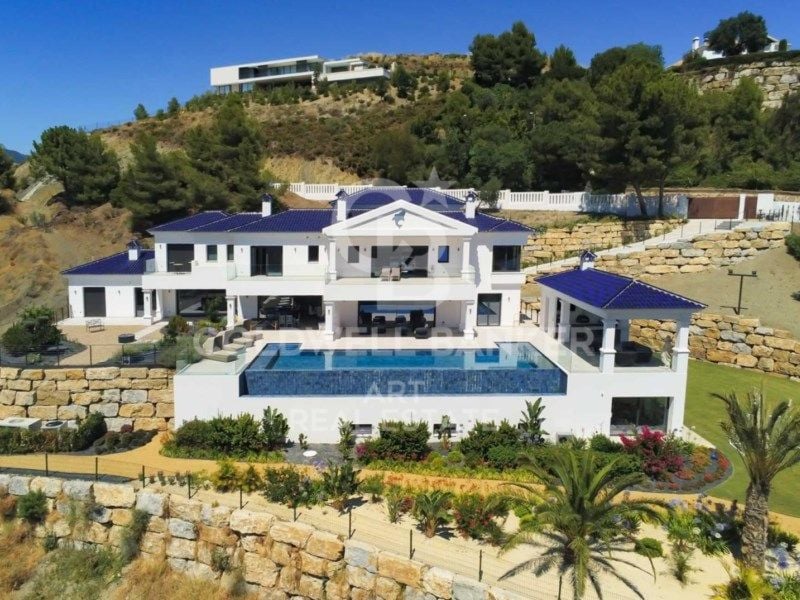
Hartford stands among South Dakota’s most affluent communities, consistently ranking in the top tier of wealthy cities statewide. The city attracts high-income residents with its combination of suburban amenities and proximity to Sioux Falls.
Located in southeastern South Dakota, Hartford benefits from its strategic position near major employment centers. Many residents commute to professional positions in healthcare, finance, and technology sectors in the greater Sioux Falls metropolitan area.
The community maintains low unemployment rates, typically below state averages. Hartford’s economic stability stems from its educated workforce and diverse income sources.
Housing values in Hartford reflect the area’s desirability among affluent families. The city offers quality schools and family-friendly neighborhoods that appeal to high-earning professionals seeking suburban living.
Hartford’s wealth concentration places it consistently among the state’s top economic performers alongside neighboring communities like Brandon and Tea.
4. Tea
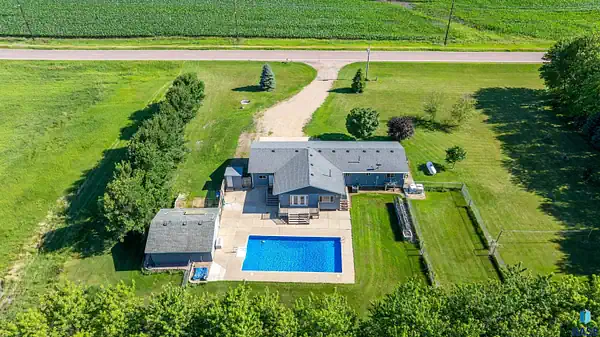
Tea ranks among South Dakota’s most affluent communities, located in the southeastern region of the state. The city sits in Lincoln County, which benefits from its proximity to Sioux Falls and the economic opportunities this major urban center provides.
This growing community has attracted wealthy residents due to its combination of suburban amenities and rural charm. Tea offers a high quality of life while maintaining easy access to employment centers in the Sioux Falls metropolitan area.
The city’s strategic location has contributed to steady population growth and rising property values. Many residents commute to Sioux Falls for work while enjoying Tea’s quieter residential environment.
Tea’s wealth concentration reflects broader patterns in South Dakota, where prosperity clusters around major urban centers. The community continues to develop as more affluent families seek alternatives to city living without sacrificing economic opportunities.
5. Harrisburg
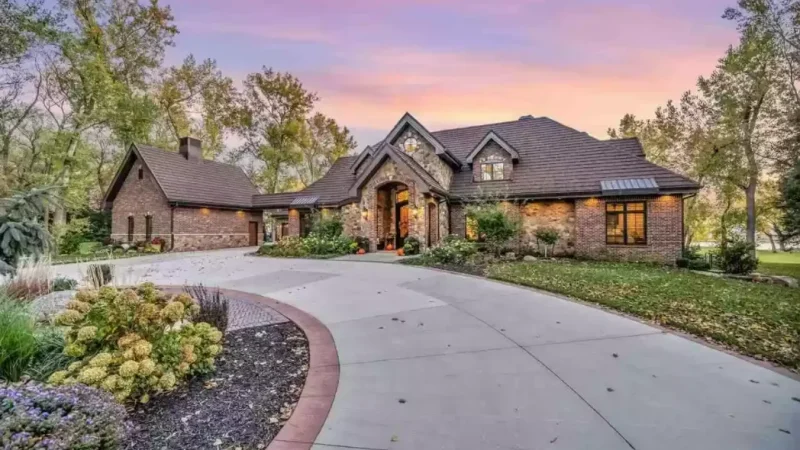
Harrisburg ranks among South Dakota’s wealthiest communities with consistently high household incomes. The city attracts affluent residents seeking quality suburban living near major employment centers.
Located in Lincoln County, Harrisburg benefits from its proximity to Sioux Falls. This strategic position provides residents access to metropolitan job opportunities while maintaining a smaller city atmosphere.
The community features well-maintained neighborhoods with modern housing developments. Property values reflect the area’s desirability among higher-income families and professionals.
Harrisburg’s economic stability stems from its educated workforce and diverse employment base. Many residents commute to Sioux Falls for work in finance, healthcare, and technology sectors.
The city offers excellent schools and family-oriented amenities. These factors contribute to Harrisburg’s appeal among affluent households with children.
Strong municipal services and infrastructure support the community’s high standard of living. The combination of economic opportunity and quality amenities solidifies Harrisburg’s position among South Dakota’s richest places.
6. Dell Rapids
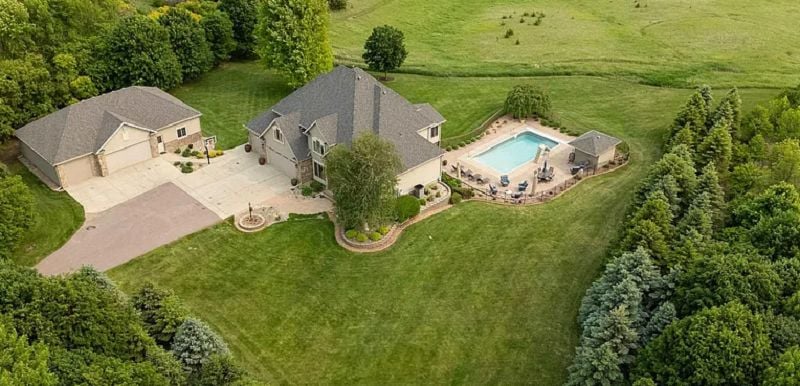
Dell Rapids ranks among South Dakota’s wealthiest communities with a population of 3,940 residents. The small town maintains a median property value of $224,400, reflecting its appeal to homeowners seeking affordable yet comfortable living options.
Located in the southeastern region of the state, Dell Rapids benefits from its proximity to larger economic centers. The town attracts residents looking for reasonably priced housing while maintaining access to urban amenities.
The community’s tranquil atmosphere combined with solid property values makes it an attractive destination for families and professionals. Dell Rapids offers a balance between small-town living and economic stability that contributes to its position among the state’s richest places.
7. Box Elder
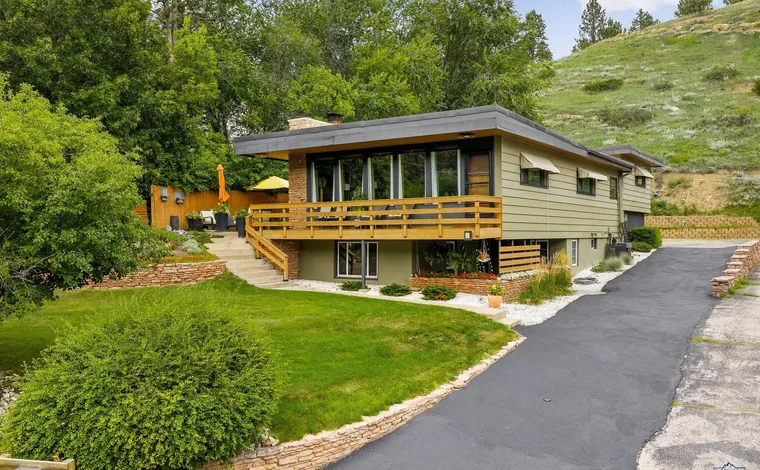
Box Elder stands as one of South Dakota’s wealthiest communities with a population of 9,937 residents. The city maintains a notably low poverty rate of 8.6%, which is 39% below the national average.
Located near Rapid City, Box Elder benefits from its strategic positioning in western South Dakota. The community has earned recognition for its family-friendly environment and economic stability.
The typical household in Box Elder earns $56,429 annually. While this figure sits below the national median of $67,500, it represents solid earning potential within South Dakota’s economic landscape.
Box Elder ranks highly in several quality-of-life categories across the state. The city places fifth among the best places for young professionals in South Dakota and ranks 24th for overall livability.
The community’s combination of steady incomes, low poverty rates, and high livability rankings contributes to its position among South Dakota’s most prosperous places to live.
8. Spearfish
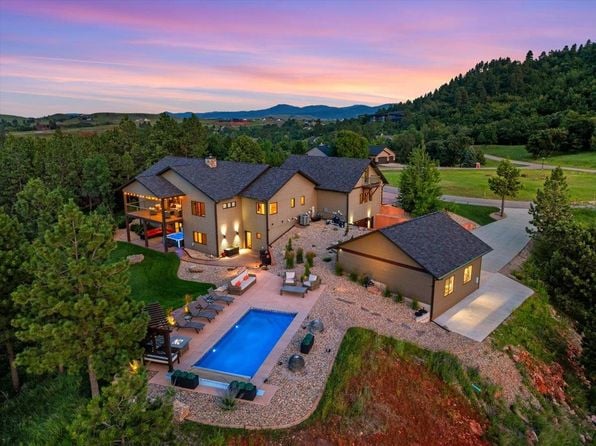
Spearfish stands as one of South Dakota’s most affluent communities, combining economic prosperity with natural beauty. The city boasts a typical home value of $429,544 as of March 2024.
Located in the Black Hills region, Spearfish attracts wealthy residents seeking both luxury and outdoor recreation. The area offers scenic landscapes and proximity to numerous recreational activities.
The local economy benefits from tourism, education, and regional commerce. Black Hills State University provides economic stability and attracts educated professionals to the area.
Housing costs reflect the city’s desirability and limited inventory of premium properties. The real estate market remains strong due to consistent demand from affluent buyers.
Spearfish residents enjoy access to quality amenities while maintaining a connection to South Dakota’s natural environment. The community successfully balances growth with preservation of its distinctive character.
9. Sioux Falls
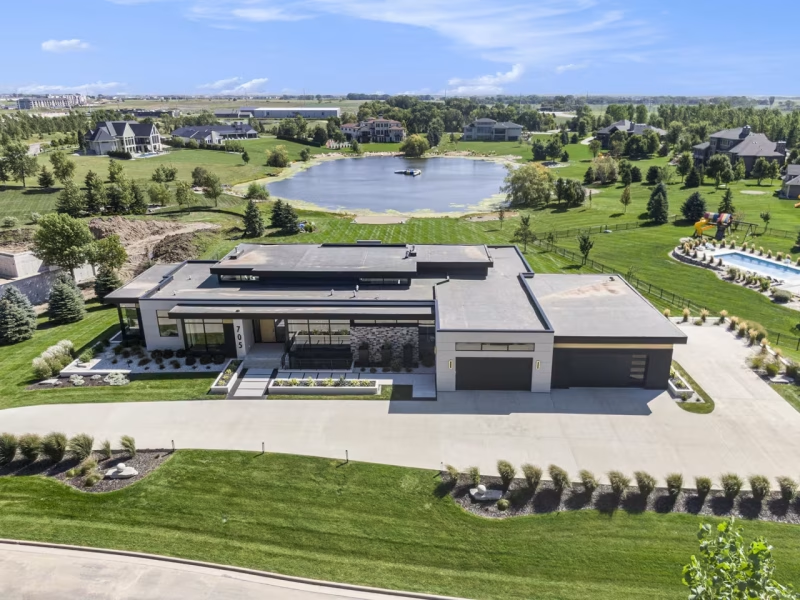
Sioux Falls stands as South Dakota’s largest city and one of its most prosperous communities. The city attracts affluent residents with its strong economy and growing job market.
The median household income reaches $96,164, significantly higher than many other South Dakota locations. This economic strength draws professionals and families seeking financial opportunities.
Real estate values reflect the city’s desirability among wealthy residents. The most expensive neighborhoods cluster in the southern and eastern sections of Sioux Falls.
Memorial Park and Kuehn Park rank among the city’s priciest residential areas. These neighborhoods feature upscale homes and well-maintained properties.
The eastern part of Sioux Falls particularly appeals to high-income residents. Pheasant Run represents one of the state’s most exclusive communities in this area.
10. Rapid City
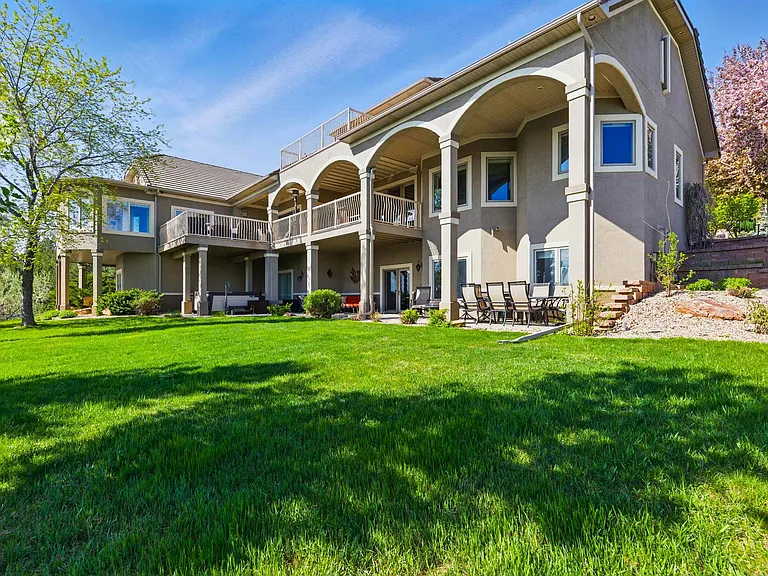
Rapid City stands as South Dakota’s second-largest city and serves as a major economic hub in the western region. The city attracts wealth through tourism, healthcare, and government employment opportunities.
Home values in Rapid City exceed the state average of $246,998. The market reflects strong demand as people choose to live in this desirable location.
The city benefits from its proximity to popular attractions like Mount Rushmore and the Black Hills. This geographic advantage creates sustained economic activity year-round.
Rapid City’s neighborhoods vary in price and amenities. The surrounding area includes some of the state’s most expensive communities, with nearby Keystone showing typical home values of $579,718.
The city’s stable job market and quality amenities make it attractive to professionals and families. Its position as a regional center ensures continued economic growth and property value appreciation.
11. Keystone
Keystone stands out as South Dakota’s most valuable real estate market. The town serves as the gateway to Mount Rushmore National Memorial.
Home values in Keystone have tripled since 2010. By 2025, the median home value reached $593,606.
The town’s location drives its economic success. Keystone sits surrounded by mountains and forests in the Black Hills region.
Tourism forms the backbone of Keystone’s economy. The proximity to Mount Rushmore attracts millions of visitors annually.
Recreation opportunities abound in the area. Hiking, camping, and outdoor activities support local businesses year-round.
The natural setting creates strong demand for real estate. Limited developable land contributes to higher property values.
Keystone’s unique position makes it attractive to wealthy residents. The combination of natural beauty and tourist appeal sustains the local economy.
12. Deadwood
Deadwood stands among South Dakota’s most expensive housing markets with median home values reaching $414,725. The historic Black Hills community has experienced remarkable growth, doubling home values since 2015.
The city’s wealth stems from its thriving tourism economy centered around Victorian architecture and gaming establishments. Deadwood’s proximity to natural attractions like Spearfish Canyon and Terry Peak adds to its residential appeal.
Historic charm defines this former mining town, now transformed into an upscale destination. The combination of preserved 1800s architecture and modern amenities attracts affluent residents seeking mountain living.
Year-round economic activity supports higher property values compared to many South Dakota communities. The tourism industry provides stable employment and business opportunities for local residents.
Deadwood ranks as the 8th best place for young professionals in South Dakota. The city offers luxury mountain homes with panoramic views of the surrounding Black Hills landscape.
13. Valley Springs
Valley Springs sits in Minnehaha County as a charming community with strong property values. The typical home value in this area reaches $248,878, which stands 8.0% above the typical home value throughout South Dakota.
The town has experienced notable growth in its housing market. One-year rent changes show an increase of 7.1%, reflecting the area’s desirability among residents.
Valley Springs offers picturesque landscapes that contribute to its appeal. The close-knit atmosphere creates a sense of community that attracts families and professionals seeking quality living.
The eastern parts of Valley Springs tend to be the most desired areas for homebuyers. These sections command higher property values due to their location and amenities.
The community’s strategic location in Minnehaha County provides residents with access to regional opportunities while maintaining a small-town environment.
14. Baltic
Baltic sits in Minnehaha County as a small but prosperous community in southeastern South Dakota. The city benefits from its strategic location near Sioux Falls, providing residents access to major employment opportunities while maintaining a quieter residential atmosphere.
The town’s economy centers around agriculture and small businesses. Many residents commute to Sioux Falls for work in healthcare, finance, and manufacturing sectors.
Baltic’s median household income reflects its position as an affluent community within the state. The city attracts families seeking affordable housing with proximity to urban amenities.
Housing costs remain moderate compared to larger cities. Property values have shown steady growth due to the area’s desirability and limited housing inventory.
The community features well-maintained neighborhoods and local amenities. Baltic offers residents a blend of rural charm and suburban convenience that appeals to middle and upper-middle-class families.
15. Sturgis
Sturgis stands as one of South Dakota’s notable communities, particularly recognized for its annual motorcycle rally that draws visitors worldwide. The city benefits from its strategic location in the western part of the state.
The community offers diverse neighborhoods with varying price points and amenities. Residents can choose from different areas based on their preferences for cost of living and home prices.
Sturgis provides access to local amenities that serve both permanent residents and seasonal visitors. The city’s economy receives significant boosts from tourism and related businesses.
The area attracts people seeking a balance between small-town living and access to recreational opportunities. Its proximity to the Black Hills region adds to the location’s appeal for outdoor enthusiasts.
Housing options in Sturgis cater to different income levels and lifestyle preferences. The city maintains its character while accommodating growth and development needs.
16. Astoria
Astoria stands out as one of South Dakota’s most expensive places to live, despite its small size. This tiny community in Deuel County has experienced remarkable real estate growth in recent years.
Home values in Astoria reached $397,921 by 2025. This represents significant appreciation driven by growing demand for eastern South Dakota properties.
The town’s location near Lake Hendricks on the Minnesota border makes it particularly attractive. Lake properties command premium prices throughout the region.
Limited housing inventory contributes to Astoria’s elevated property values. The small population creates statistical anomalies that can inflate average home prices.
Astoria’s proximity to the Minnesota border provides residents access to additional economic opportunities. This cross-border advantage helps sustain the area’s real estate market.
17. Eden
Eden stands as the wealthiest city in South Dakota with an average household income of $335,600 as of 2023. This small community is located in Marshall County.
The city’s exceptional affluence makes it unique among South Dakota municipalities. Despite its impressive wealth statistics, Eden maintains a very small population of just 91 residents.
This combination of high income and low population creates an exclusive community atmosphere. The city’s wealth concentration significantly exceeds that of larger urban areas in the state.
Eden’s economic profile demonstrates that prosperity in South Dakota isn’t limited to major metropolitan centers. The community represents one of the most affluent residential areas in the entire state.
The city’s small size allows for a tight-knit community of high-income residents. Eden’s wealth levels place it at the top of South Dakota’s income rankings.
18. Lincoln County
Lincoln County stands as South Dakota’s wealthiest county by multiple measures. The county reports a median household income of $82,473, which exceeds the next wealthiest county by more than $12,000.
Located in southeastern South Dakota, Lincoln County benefits from its proximity to Sioux Falls. This strategic location provides residents access to economic opportunities in the region’s largest city.
The county attracts affluent residents seeking suburban living near urban amenities. Many of South Dakota’s wealthiest neighborhoods are concentrated within Lincoln County boundaries.
Housing values in Lincoln County reflect the area’s economic prosperity. The combination of higher incomes and property values contributes to the county’s top ranking among South Dakota’s wealthiest locations.
Lincoln County consistently ranks as one of the best counties to live in South Dakota. The area offers a blend of economic opportunity and quality of life that appeals to high-income residents.
19. Union County
Union County stands out as one of South Dakota’s wealthiest areas, particularly in its southeastern region. The county benefits from its strategic location and proximity to major economic centers.
Dakota Dunes represents the crown jewel of Union County’s affluent communities. This unincorporated community has approximately 3,000 residents and boasts a median household income of $118,966.
The median home value in Dakota Dunes reaches $266,000, reflecting the area’s desirability and economic strength. These housing values indicate substantial property wealth within the county.
Union County’s wealth concentration stems from its location in South Dakota’s southeastern corner. The area attracts residents seeking upscale living options while maintaining access to regional economic opportunities.
The county demonstrates consistent wealth indicators across multiple metrics. Investment income, per capita earnings, and property values all contribute to Union County’s ranking among the state’s most prosperous areas.
20. Minnehaha County
Minnehaha County stands as one of South Dakota’s most prosperous regions. The county benefits from its proximity to Sioux Falls, the state’s largest city and economic hub.
Brandon, located within Minnehaha County, ranks as the richest city in South Dakota with at least 5,000 residents. The city maintains an average household income of $134,315 as of 2023.
The county offers a mix of urban amenities and suburban living. New housing developments provide spacious lots and access to excellent school systems.
Interstate 90 provides convenient transportation access throughout the region. This connectivity supports continued growth as residents seek balance between city conveniences and smaller community atmospheres.
Minnehaha County’s wealth stems from diverse economic opportunities and strategic location. The area continues attracting families and professionals seeking higher income potential in South Dakota.
21. Brookings
Brookings serves as a major economic center in eastern South Dakota, anchored by South Dakota State University. The city’s economy benefits from the university’s presence, creating jobs in education, research, and related services.
Founded in 1879 as a railroad stop, Brookings has evolved into a modern city with diverse economic opportunities. The university brings stability and attracts educated professionals to the area.
The city offers residents access to cultural amenities and recreational facilities associated with a college town. Healthcare services and retail options provide additional employment opportunities for locals.
Brookings maintains lower living costs compared to many urban areas while offering amenities typically found in larger cities. The combination of educational resources and economic stability contributes to the community’s overall prosperity.
22. Watertown
Watertown serves as the county seat of Codington County in northeastern South Dakota. The city sits along the Big Sioux River and functions as a regional economic center for the surrounding agricultural area.
The community has a population of approximately 22,000 residents. Watertown’s economy relies heavily on agriculture, manufacturing, and retail trade.
Major employers include Terex Corporation, which manufactures utility equipment, and Prairie Lakes Healthcare System. The city also benefits from its position as a transportation hub.
Watertown features Lake Kampeska, which provides recreational opportunities and attracts seasonal residents. The area around the lake contains some of the city’s more upscale housing developments.
The median household income in Watertown typically falls above the state average. Housing costs remain relatively affordable compared to larger metropolitan areas while offering access to quality schools and healthcare facilities.
23. Aberdeen
Aberdeen stands as one of South Dakota’s most prosperous cities with a population that enjoys solid economic stability. The city serves as a regional hub for northeastern South Dakota.
Located in Brown County, Aberdeen benefits from its position as a center for agriculture, healthcare, and education. These industries provide steady employment opportunities for residents.
The median household income in Aberdeen places it among the state’s wealthier communities. Housing costs remain reasonable compared to coastal cities while offering good value.
Aberdeen’s economy relies heavily on agricultural processing and related services. The presence of Northern State University adds educational and cultural resources to the community.
The city offers residents access to quality healthcare facilities and recreational opportunities. Aberdeen’s location provides convenient access to both urban amenities and outdoor activities throughout the region.
24. Mitchell
Mitchell serves as the county seat of Davison County in south-central South Dakota. The city has built a stable economy around agriculture, healthcare, and education sectors.
Dakota Wesleyan University provides economic stability through employment and student spending. The institution attracts families and professionals to the area, contributing to local prosperity.
Mitchell’s agricultural processing facilities support the regional farming economy. The city benefits from its location along Interstate 90, facilitating commerce and business development.
Healthcare services centered around Avera Queen of Peace Hospital create well-paying jobs. These positions attract medical professionals and support staff to the community.
The famous Corn Palace draws tourism revenue to Mitchell annually. This unique attraction helps sustain local businesses and restaurants throughout the year.
Housing costs remain reasonable compared to larger South Dakota cities. The combination of steady employment opportunities and affordable living attracts middle-class residents seeking economic stability.
25. Pierre
Pierre serves as South Dakota’s capital city and ranks among the state’s wealthier communities. The city benefits from its role as the seat of state government, providing stable employment opportunities for residents.
Located along the Missouri River, Pierre has a population of approximately 14,000 residents. Government jobs form the backbone of the local economy, contributing to higher median incomes compared to many rural South Dakota communities.
State employees, including legislators, administrators, and support staff, help drive the area’s economic stability. This creates a consistent income base that elevates Pierre’s financial standing within the state.
The city’s strategic location and political importance attract professionals and families seeking steady employment. Pierre’s combination of government sector jobs and small-town amenities makes it an attractive place for middle and upper-middle-class residents.
26. Yankton
Yankton ranks lower among South Dakota’s wealthiest communities with a median household income of $54,278. This falls below the national median of $67,500 but remains competitive within the state.
The city maintains a 12% poverty rate, which sits 14% lower than the national average. This indicates solid economic stability for most residents.
Yankton earned a livability score of 75 out of 100, placing it at number 20 statewide. The ranking reflects balanced amenities, housing costs, and quality of life factors.
Home prices in Yankton align closely with South Dakota’s average of $246,998. The housing market offers affordability compared to many similarly-sized cities nationwide.
With a population of 14,619 residents, Yankton provides small-city living with reasonable economic opportunities. The community maintains steady employment levels and moderate cost of living.
27. Rapid Valley
Rapid Valley stands out as one of the wealthiest areas in western South Dakota. The community has experienced remarkable property value growth over recent years.
Home values in Rapid Valley surged from $206,770 to $314,158 in just five years. This represents an impressive 51.9% appreciation rate during that period.
Property owners in the area gained over $107,000 in absolute dollar value. This substantial increase demonstrates the strength of western South Dakota’s real estate market.
Rapid Valley offers residents affordable housing options compared to national averages. The community maintains a strong sense of local connection among neighbors.
The area provides abundant outdoor recreational opportunities due to its proximity to the Black Hills. However, job opportunities remain more limited than in larger metropolitan areas.
Rapid Valley’s position near Rapid City provides access to urban amenities while maintaining a smaller community atmosphere.
28. Madison
Madison serves as the county seat of Lake County in eastern South Dakota. The city sits along the shores of Lake Madison, providing residents with recreational opportunities and scenic waterfront properties.
The community benefits from its location along Highway 34, offering convenient access to larger metropolitan areas. Madison’s economy centers around agriculture, manufacturing, and local services that support the surrounding rural region.
Housing costs in Madison remain relatively affordable compared to the state’s wealthiest communities. The median household income reflects the area’s agricultural and small-business foundation.
Dakota State University’s presence in Madison contributes to the local economy and provides educational opportunities. The university brings jobs and attracts families seeking educational resources for their children.
Lake Madison offers boating, fishing, and swimming activities that enhance the area’s appeal. These recreational amenities add value to nearby residential properties and attract seasonal visitors to the community.
29. Vermillion
Vermillion offers residents an affordable cost of living compared to many South Dakota communities. The city maintains home prices below the state average of $199,518, making it accessible for families and professionals.
The local economy benefits from the University of South Dakota’s presence. This creates employment opportunities in education, healthcare, and related sectors throughout the region.
Vermillion’s housing market reflects stable growth patterns. The community attracts residents seeking quality amenities without premium pricing found in larger metropolitan areas.
The city provides essential services and infrastructure that support middle-income households. Local schools and recreational facilities contribute to the area’s appeal for families considering relocation to southeastern South Dakota.
30. Hill City
Hill City represents one of South Dakota’s more expensive housing markets despite its smaller size. The community sits in the Black Hills region, where natural beauty drives property values higher than many other areas of the state.
Home prices in Hill City significantly exceed South Dakota’s average of $199,518. This premium reflects the area’s desirable location and scenic surroundings.
The city benefits from its proximity to popular tourist destinations and outdoor recreation opportunities. These factors contribute to sustained demand for residential properties.
Hill City’s housing costs align with similar-sized communities in desirable locations. The market demonstrates stability based on the area’s consistent appeal to both residents and visitors.
Property values reflect the community’s unique position in the Black Hills. Buyers often pay premium prices for access to the region’s natural amenities and recreational opportunities.
Economic Factors Influencing Wealth in South Dakota
South Dakota’s wealth distribution stems from specific industries driving high incomes, property appreciation in desirable locations, and educational attainment levels that create distinct economic advantages across different communities.
High-Income Industries and Employment Opportunities
Financial services represent South Dakota’s most significant wealth driver. Major credit card companies like Citibank and Capital One maintain substantial operations due to favorable banking regulations.
The healthcare sector provides high-paying positions for physicians, specialists, and administrators. Sanford Health and Avera Health Systems employ thousands in well-compensated roles.
Agriculture technology and precision farming create wealth through equipment manufacturing and agricultural innovation. Companies developing GPS-guided tractors and crop monitoring systems generate substantial revenue.
Government employment offers stability and competitive benefits. Federal facilities and state agencies provide middle to upper-middle-class incomes with strong pension systems.
Tourism related to Mount Rushmore and the Black Hills generates wealth through hospitality management and related services. Seasonal businesses often supplement year-round income sources.
Impact of Property Values on Affluence
Property values in counties near Sioux Falls experience consistent appreciation. Lincoln County shows median home values significantly above state averages due to proximity to employment centers.
The Black Hills region maintains elevated property values through tourism appeal and recreational amenities. Rapid City suburbs benefit from both natural beauty and economic activity.
Rural agricultural land provides wealth through ownership rather than high cash flow. Multi-generational farm families often possess substantial net worth through land holdings.
Commercial real estate in county seats and regional hubs creates wealth for property owners. Retail and office spaces in growing communities appreciate steadily.
Energy development areas see property value fluctuations tied to oil and gas activity. Mineral rights ownership can generate significant passive income.
Role of Education and Demographics
Higher education levels correlate strongly with wealth concentration in South Dakota communities. Areas with more college graduates show higher median incomes and property values.
Professional degree holders in law, medicine, and engineering cluster in specific cities. These demographics drive up local economic indicators and support premium housing markets.
Age demographics influence wealth patterns significantly. Communities with younger working-age populations often show higher growth potential and investment activity.
Educational institutions create economic anchors in their communities. Universities and technical schools support local economies through employment and student spending.
Skilled trades education through vocational programs fills high-demand positions in construction, manufacturing, and energy sectors with competitive compensation packages.
Quality of Life in South Dakota’s Wealthiest Communities
South Dakota’s affluent communities offer residents exceptional access to premium amenities, top-tier educational institutions, and comprehensive public safety services. These well-established neighborhoods consistently demonstrate superior infrastructure and community resources.
Access to Amenities and Services
Wealthy South Dakota communities like Brandon, Tea, and Summerset provide residents with convenient access to shopping centers, healthcare facilities, and recreational amenities. These areas feature well-maintained parks, golf courses, and community centers that serve as gathering spaces for families.
Summerset residents benefit from modern infrastructure and planned community amenities located between Rapid City and Sturgis. The city’s strategic location offers easy access to both urban conveniences and outdoor recreation opportunities.
Premium Services Available:
- Private healthcare clinics and specialized medical facilities
- High-end retail shopping and dining establishments
- Country clubs and fitness centers
- Professional landscaping and maintenance services
Maple Grove showcases manicured streets and well-maintained properties that reflect the community’s commitment to quality living standards. Residents enjoy proximity to essential services while maintaining a peaceful suburban environment.
Education and School Systems
South Dakota’s wealthiest communities typically feature highly-rated school districts with lower student-to-teacher ratios and advanced academic programs. These districts often receive higher per-pupil funding due to local property tax revenues.
Cities like Sioux Falls and Rapid City offer access to both excellent public schools and private educational institutions. Many affluent families choose these locations specifically for educational opportunities available to their children.
Educational Advantages:
- Advanced Placement courses and college preparatory programs
- Extracurricular activities including sports, arts, and academic competitions
- Technology integration with modern classroom equipment
- Higher graduation rates compared to state averages
Vermillion benefits from university influence, creating an educational environment that extends beyond K-12 schooling. This academic atmosphere contributes to the community’s overall intellectual and cultural development.
Community Safety and Public Services
Affluent South Dakota communities maintain low crime rates through well-funded police departments and community watch programs. These areas typically experience property crime rates well below state and national averages.
Emergency response services in wealthy communities feature shorter response times and better-equipped departments. Fire departments often include advanced medical response capabilities and modern equipment.
Safety Features:
- Regular police patrols and community policing initiatives
- Modern emergency communication systems
- Well-lit streets and maintained public spaces
- Active neighborhood watch programs
Public works departments in these communities provide superior snow removal, road maintenance, and utility services. Residents benefit from reliable infrastructure that supports their quality of life expectations throughout all seasons.


