The 30 Richest Places to Live in Vermont: The State’s Most Affluent Communities

Vermont’s affluent communities offer a unique blend of rural charm and economic prosperity, creating some of New England’s most desirable residential areas.
These wealthy enclaves span from ski resort towns to historic villages, each providing distinct advantages that attract high-income residents.
Understanding which Vermont communities rank among the state’s wealthiest provides valuable insight for those considering relocation, investment opportunities, or simply exploring the economic landscape of the Green Mountain State.
The following analysis examines thirty of Vermont’s most prosperous places, considering factors such as median household income, property values, and overall community wealth indicators.
Here are the 30 richest places to live in Vermont:
1. West Haven
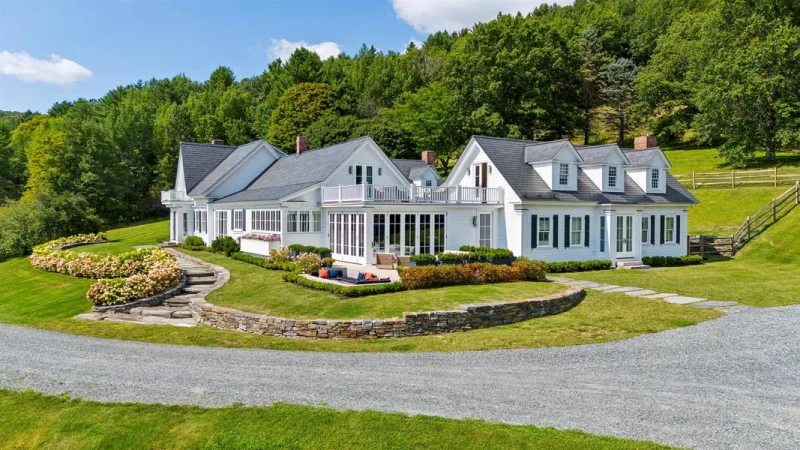
West Haven leads Vermont’s wealthiest communities with an average household income of $230,774 according to 2025 census data. This small town consistently ranks at the top of Vermont’s affluent municipalities.
The community attracts high-earning professionals and retirees seeking Vermont’s rural tranquility. West Haven offers residents a peaceful environment away from urban congestion while maintaining proximity to essential amenities.
Located in Rutland County, West Haven benefits from Vermont’s scenic landscape and outdoor recreation opportunities. The town’s demographic profile reflects a well-educated population with substantial disposable income.
Property values in West Haven reflect the community’s economic status. Residents enjoy low crime rates and quality municipal services typical of Vermont’s wealthier towns.
The town’s economic prosperity stems from a combination of remote workers, business owners, and retirees who value Vermont’s lifestyle offerings.
2. Essex Junction
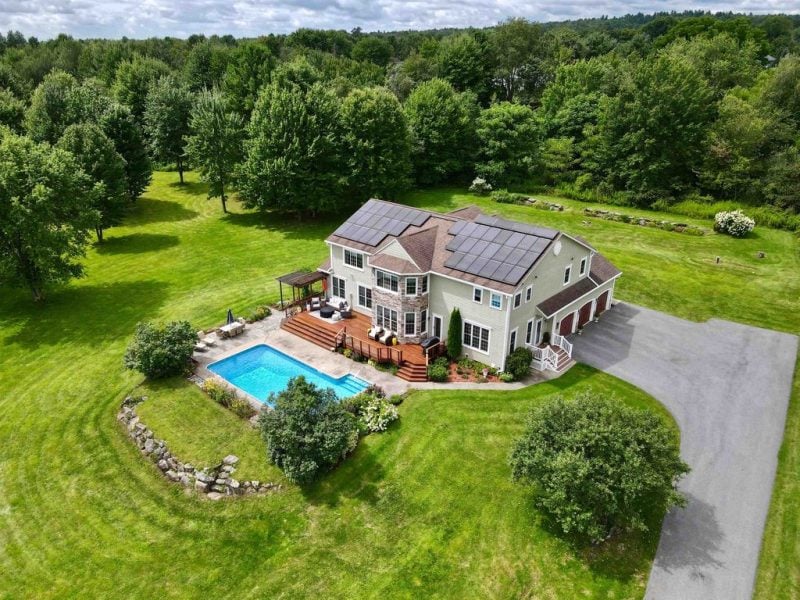
Essex Junction stands as one of Vermont’s wealthiest communities with a median household income of $92,589. The city maintains an exceptionally low poverty rate of just 10.3%.
Located in Chittenden County, Essex Junction attracts affluent residents seeking suburban living near Burlington. The community offers excellent schools and well-maintained neighborhoods.
Housing costs reflect the area’s desirability, with median home prices around $450,000. This significantly exceeds Vermont’s state average of $260,894.
The city provides strong public services while maintaining reasonable property tax rates. Residents benefit from quality infrastructure and community amenities.
Essex Junction’s economic stability stems from its proximity to major employers in the Burlington metropolitan area. Many professionals choose to live here while commuting to nearby job centers.
3. South Burlington
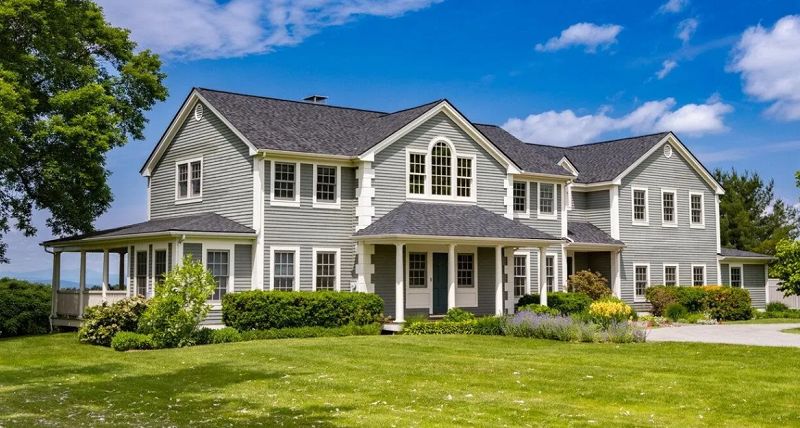
South Burlington ranks among Vermont’s top destinations for wealthy residents. The city consistently appears on lists of the state’s most affluent communities.
Located adjacent to Burlington, South Burlington offers convenient access to urban amenities while maintaining its distinct character. The community sits in Chittenden County along Lake Champlain’s eastern shore.
Recent rankings place South Burlington as the best place to live in Vermont according to multiple studies. The city attracts high-income residents with its quality schools and low crime rates.
South Burlington’s economy benefits from its proximity to Burlington International Airport and major employers in the region. The city features a mix of residential neighborhoods and commercial districts.
Property values in South Burlington reflect its desirable status among Vermont communities. The area appeals to professionals and families seeking a balance between suburban comfort and metropolitan access.
4. Montpelier
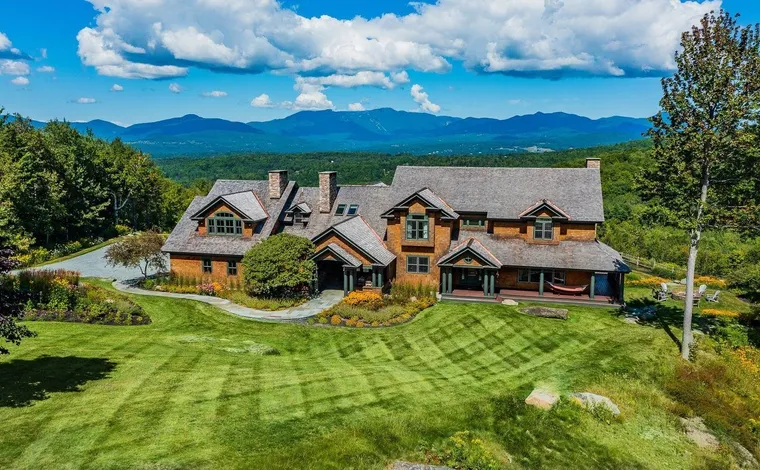
Montpelier stands out as Vermont’s capital city and one of its wealthiest communities. The city attracts high-income residents with its combination of government employment opportunities and small-town charm.
As the state capital, Montpelier offers stable, well-paying jobs in government sectors. This employment base contributes significantly to the area’s economic prosperity.
The city provides convenient access to popular destinations throughout Vermont. Residents can easily reach ski areas in the Mad River Valley and other recreational attractions.
Montpelier features excellent educational institutions and maintains low crime rates. These factors make it particularly attractive to families and professionals seeking quality of life.
The real estate market remains strong due to consistent demand from government workers and professionals. Property values have shown steady appreciation over recent years.
5. Norwich
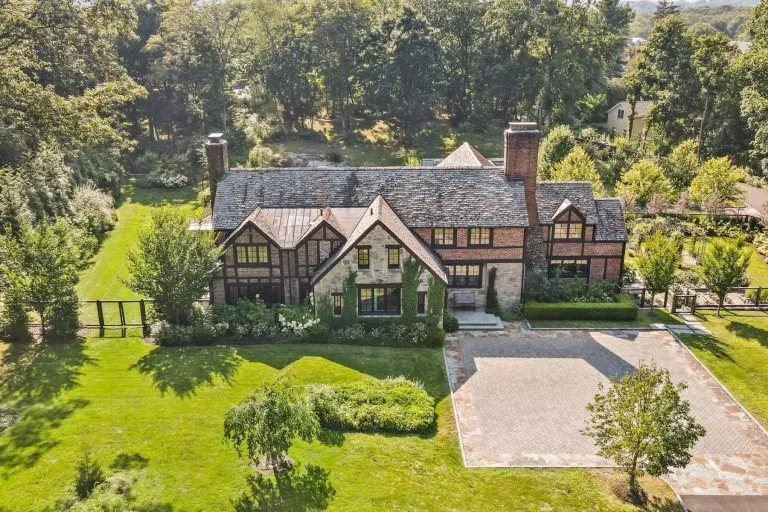
Norwich stands as one of Vermont’s most affluent communities with a mean income of $169,180. This Windsor County town consistently ranks among the state’s wealthiest locations.
The town sits in a scenic area that attracts high-income residents. Norwich offers a combination of natural beauty and economic prosperity that appeals to wealthy families and professionals.
Residents enjoy access to quality amenities while maintaining the small-town atmosphere Vermont is known for. The community provides a peaceful environment away from urban congestion.
Norwich’s location in Windsor County positions it well for those seeking both financial success and rural charm. The town maintains its appeal through careful development and preservation of its character.
6. Stratton

Stratton stands as one of Vermont’s premier mountain resort communities. The town centers around the renowned Stratton Mountain Resort, attracting wealthy residents and seasonal homeowners.
Property values in Stratton reflect its exclusive mountain location. Luxury homes and condominiums command premium prices due to ski-in, ski-out access and mountain views.
The community offers direct access to world-class skiing and snowboarding facilities. Summer months bring golf, hiking, and mountain biking opportunities that draw affluent outdoor enthusiasts.
Stratton’s population includes successful professionals and retirees seeking a high-end mountain lifestyle. The area features upscale dining establishments and boutique shopping options.
The town’s economy relies heavily on tourism and real estate transactions. Seasonal residents contribute significantly to the local tax base while maintaining primary residences elsewhere.
7. Burlington
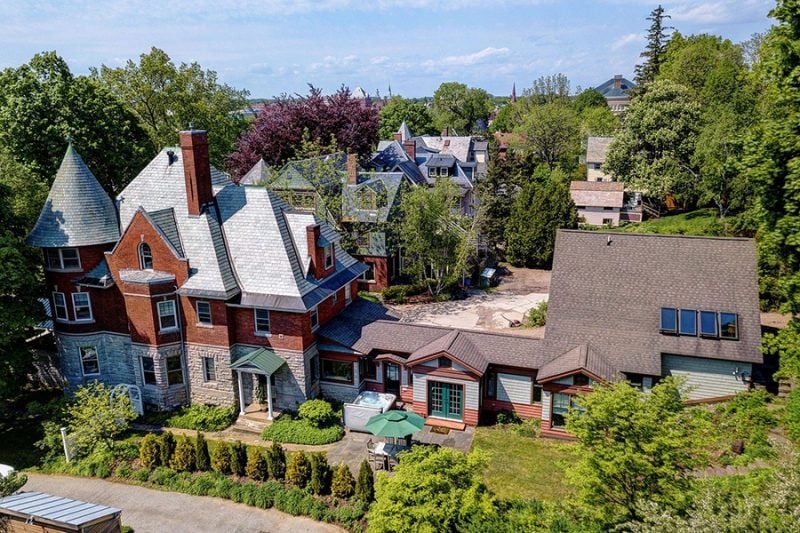
Burlington ranks as one of Vermont’s wealthiest cities, serving as the state’s largest urban center. The city sits on the eastern shore of Lake Champlain and functions as a major economic hub.
Home values in Burlington reflect its desirable location and strong economy. The city benefits from proximity to the University of Vermont, which contributes significantly to local employment and economic stability.
Burlington’s downtown area features upscale dining, shopping, and cultural attractions. The Church Street Marketplace draws both residents and tourists to its boutique stores and restaurants.
The city attracts professionals working in healthcare, education, and technology sectors. Many residents commute to surrounding wealthy suburbs like Shelburne and Charlotte while maintaining Burlington addresses.
Lake Champlain waterfront properties command premium prices within the city limits. Burlington’s combination of urban amenities and natural beauty makes it attractive to affluent residents seeking city conveniences.
8. Stowe
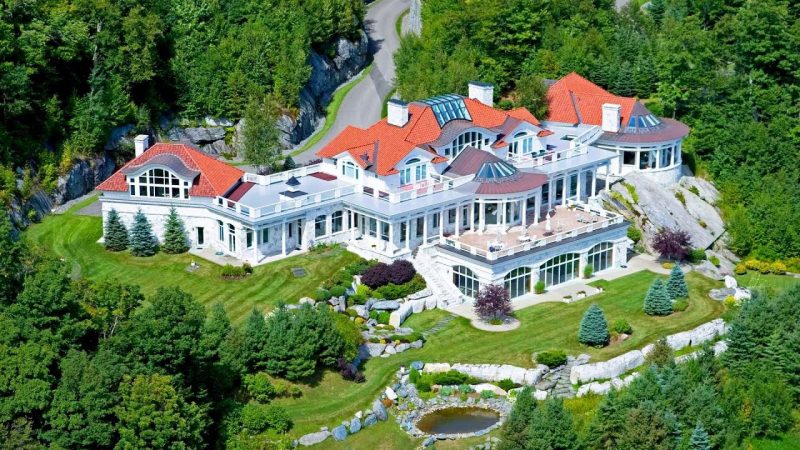
Stowe ranks as the second most expensive ZIP code in Vermont, with the 05672 designation covering this scenic mountain town. The community sits east of Burlington in the heart of Vermont’s ski country.
This picturesque destination attracts wealthy residents seeking luxury mountain living. Stowe’s proximity to world-class skiing and year-round outdoor recreation drives premium real estate values throughout the area.
The town’s average per capita income reaches $35,474. High-end properties and vacation homes contribute significantly to the local housing market dynamics.
Stowe’s economy benefits from tourism revenue and seasonal residents who maintain expensive second homes. The combination of natural beauty and recreational amenities creates sustained demand for premium real estate in this mountain community.
9. Shelburne
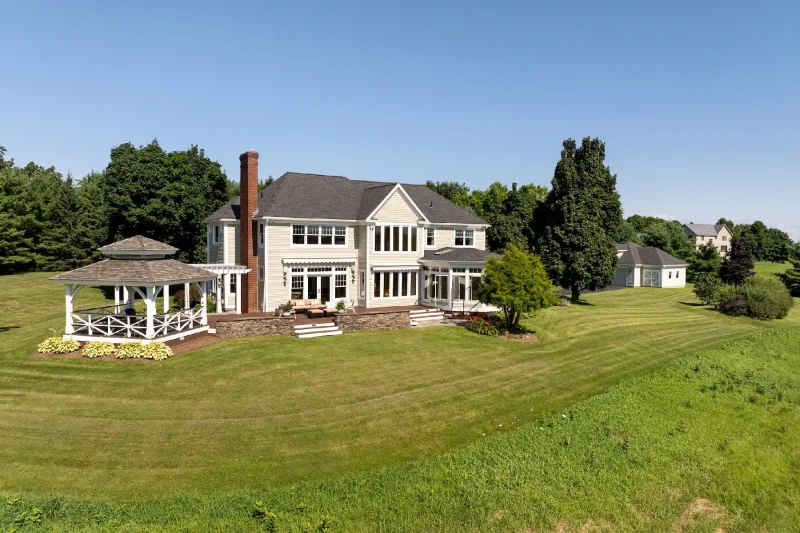
Shelburne ranks among Vermont’s most affluent communities with a median home value of approximately $725,000. This Chittenden County town sits on the shores of Lake Champlain.
The community offers suburban living with lakeside amenities. Residents enjoy access to well-maintained neighborhoods and scenic waterfront properties.
Shelburne’s village center features classic New England architecture and local businesses. The town maintains its historic charm while providing modern conveniences for families.
The area attracts professionals who work in nearby Burlington but prefer a quieter residential setting. Lake Champlain provides recreational opportunities including boating and waterfront activities.
Property values remain strong due to the desirable location and limited housing inventory. The combination of lakefront access and proximity to Burlington makes Shelburne a sought-after address for Vermont’s wealthy residents.
10. Middlebury
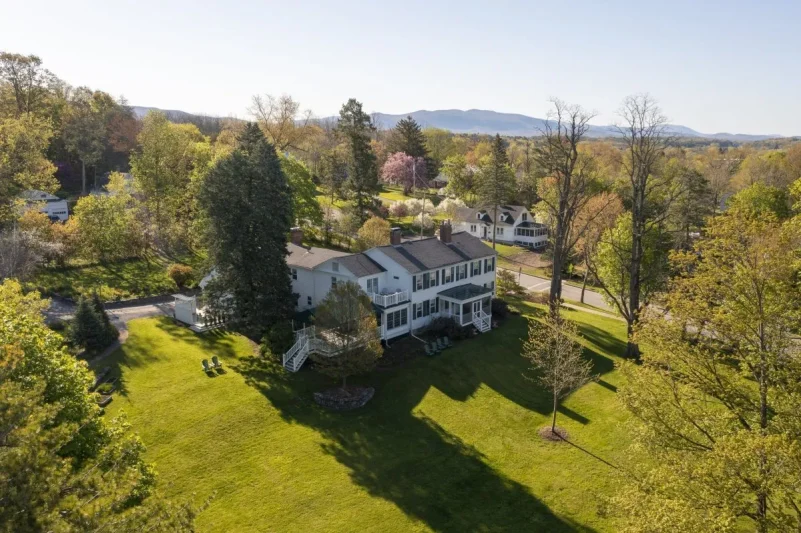
Middlebury stands as one of Vermont’s most prosperous communities, anchored by the prestigious Middlebury College. The town benefits significantly from the economic stability that a renowned liberal arts institution provides.
The median household income in Middlebury reaches approximately $75,000. Property values remain strong due to the college’s presence and the town’s desirable location in Addison County.
Middlebury College serves as the primary economic driver, employing hundreds of residents in academic and administrative roles. The institution attracts visitors year-round, supporting local businesses and restaurants.
The town offers excellent schools and maintains low crime rates. Residents enjoy access to cultural events, lectures, and performances hosted by the college throughout the academic year.
Middlebury’s downtown features well-preserved historic architecture and boutique shops. The surrounding countryside provides recreational opportunities including hiking, skiing, and scenic drives through rural Vermont landscapes.
11. Waitsfield
Waitsfield stands as one of Vermont’s most desirable communities for affluent residents. The town attracts wealthy individuals seeking a blend of rural charm and upscale amenities.
Home prices in Waitsfield exceed Vermont’s state average of $260,894. This premium reflects the area’s desirability among high-income buyers.
The community offers natural beauty that appeals to discerning residents. Mountain views and outdoor recreation opportunities contribute to its elevated property values.
Waitsfield’s location provides access to ski resorts and recreational facilities. These amenities make it particularly attractive to wealthy retirees and seasonal residents.
The town maintains a small-town atmosphere while supporting an upscale lifestyle. Local businesses cater to residents with higher disposable incomes.
Property values continue reflecting strong demand from affluent buyers. The market demonstrates consistent interest from those seeking Vermont’s premier residential locations.
12. Barre
Barre ranks among Vermont’s wealthier communities, distinguished by its historic granite industry and diverse residential neighborhoods. The city offers several investment-worthy areas including Athens Drive, Graniteville, and South Barre.
The community maintains strong property values while remaining more accessible than Vermont’s most exclusive enclaves. Barre Town features large granite quarries and panoramic mountain views that enhance its residential appeal.
Local amenities include outstanding schools and well-established neighborhoods. The area’s rich industrial heritage in granite quarrying adds character and economic stability to the region.
Barre provides a balance of affordability and quality living compared to Vermont’s most expensive markets. The city’s natural scenery and mountain vistas contribute to sustained property interest among residents and investors.
13. Winooski
Winooski presents a unique position among Vermont’s wealthier communities. The city has a median household income of $65,066, which aligns closely with national averages.
Housing costs reflect the area’s desirability. The median home price sits around $400,000, positioning it below some of Vermont’s most expensive markets but still representing significant value.
The community features historic architecture throughout its neighborhoods. Many streets showcase well-preserved homes that add character to the residential areas.
Winooski’s cost of living runs approximately 20% higher than the national average. This premium reflects the quality of life and amenities available to residents.
The city maintains its appeal through a combination of accessibility and community charm. Its location provides residents with both small-town atmosphere and proximity to larger Vermont urban centers.
14. Colchester
Colchester stands as one of Vermont’s most prosperous communities, benefiting from its strategic location near Burlington and Lake Champlain. The town attracts affluent residents seeking suburban comfort with easy access to urban amenities.
The community boasts a median household income well above the state average. Many residents work in professional fields, including healthcare, education, and technology sectors in the greater Burlington area.
Colchester offers excellent public schools that draw families willing to pay premium housing prices. The town maintains a strong property tax base supported by its educated population.
Recreational opportunities abound with multiple parks, trails, and waterfront access. The proximity to both natural areas and Burlington’s employment centers creates an appealing lifestyle combination.
Housing values remain consistently high compared to other Vermont communities. The town’s blend of rural character and suburban convenience continues attracting high-income households.
15. Hinesburg
Hinesburg attracts affluent residents with its scenic location and rural character. The town sits in Chittenden County, offering easy access to Burlington while maintaining a quieter atmosphere.
Many wealthy residents choose custom-built homes on large parcels of land. These properties often feature panoramic views of the Green Mountains.
The Hinesburg Land Trust works to preserve the area’s natural beauty. This conservation effort helps maintain exclusivity in certain neighborhoods throughout the town.
The community balances development with environmental protection. This approach appeals to high-income residents who value both luxury and natural surroundings.
Hinesburg’s location provides convenient access to major employment centers. The town attracts professionals who commute to Burlington and other nearby cities while enjoying rural living.
16. Brandon
Brandon sits in Rutland County as a historic town with a population of approximately 4,000 residents. The community maintains a median household income that places it among Vermont’s more prosperous areas.
The town features a well-preserved downtown district with Victorian-era architecture. Main Street hosts local businesses, restaurants, and shops that serve both residents and visitors.
Brandon offers access to outdoor recreation through nearby Green Mountain National Forest. Residents enjoy hiking trails, fishing spots, and seasonal activities throughout the year.
The local economy benefits from tourism, small manufacturing, and service industries. Several employers provide stable jobs for area workers.
Housing costs remain reasonable compared to larger Vermont cities. The town attracts families and retirees seeking small-town character with modern amenities.
Brandon’s location provides convenient access to major Vermont cities while maintaining its rural atmosphere.
17. St. Albans
St. Albans ranks among Vermont’s wealthiest communities with strong economic foundations. The city attracts residents who value both financial prosperity and quality of life.
Located in northwestern Vermont, St. Albans provides convenient access to outdoor recreation opportunities. The Green Mountains region offers hiking, skiing, and other activities throughout the year.
The downtown area features local shops and restaurants that serve the community’s needs. These businesses contribute to the city’s economic vitality and provide employment opportunities.
St. Albans home prices align closely with Vermont’s state average of $260,894. This pricing reflects the area’s desirability while remaining accessible to many buyers.
The city combines economic opportunity with Vermont’s characteristic natural beauty. Residents enjoy small-town charm while maintaining access to urban amenities and recreational activities.
18. Berlin
Berlin stands as one of Vermont’s economically stable communities in Washington County. The town maintains a median household income that places it among the state’s more prosperous areas.
Located just southeast of Montpelier, Berlin benefits from proximity to the state capital. This strategic location provides residents access to government employment opportunities and regional amenities.
The town features a mix of residential neighborhoods and commercial development. Berlin’s economy relies on both local businesses and commuters who work in nearby Montpelier and Barre.
Housing costs in Berlin remain relatively affordable compared to other wealthy Vermont communities. The area attracts families seeking quality schools and safe neighborhoods within reasonable commuting distance of employment centers.
Berlin’s rural character combines with suburban conveniences to create an appealing living environment. The town offers access to outdoor recreation while maintaining connections to urban services and job markets.
19. Rutland
Rutland serves as Vermont’s third-largest city and the county seat of Rutland County. The city sits in the heart of the Green Mountains, providing residents with scenic mountain views and outdoor recreation opportunities.
The local economy centers around healthcare, education, and manufacturing. Rutland Regional Medical Center stands as one of the area’s largest employers. The presence of the College of St. Joseph contributes to the educational landscape.
Housing costs in Rutland remain more affordable compared to Burlington and Montpelier. This affordability attracts families and retirees seeking Vermont’s rural lifestyle without premium pricing.
Downtown Rutland features historic architecture and local businesses. The city maintains several parks and recreational facilities. Residents enjoy access to nearby ski resorts and hiking trails in the surrounding mountains.
The community benefits from its central location within Vermont, offering convenient access to other parts of the state.
20. Jericho
Jericho stands out as one of Vermont’s wealthier communities, located in Chittenden County. The town has a population of 5,097 residents who enjoy a rural atmosphere while maintaining access to urban amenities.
The community attracts affluent families seeking quality education and peaceful living. Public schools in Jericho consistently receive high ratings, making it particularly appealing to parents.
Housing costs in Jericho significantly exceed Vermont’s state average of $260,894. This price premium reflects the town’s desirability and economic prosperity.
Most residents own their homes rather than rent. The area draws both families and young professionals who appreciate the balance between rural tranquility and modern conveniences.
Jericho’s location in Chittenden County provides residents with economic opportunities while maintaining Vermont’s characteristic small-town character.
21. Williston
Williston ranks among Vermont’s wealthiest communities with a median household income of $147,000. This places the town in the top five highest-earning municipalities in the state.
The town attracts affluent residents who value both financial success and quality of life. Williston’s proximity to Burlington provides access to urban amenities while maintaining a suburban atmosphere.
Housing values in Williston reflect the community’s prosperity. The real estate market consistently shows strong property values that align with the town’s high income levels.
Williston offers excellent schools and low crime rates. These factors contribute to its appeal among wealthy families seeking a safe environment for raising children.
The town’s location provides convenient access to major employment centers. Many residents commute to nearby cities while enjoying Williston’s quieter residential setting.
22. Waterbury
Waterbury sits in central Vermont along the Winooski River. The town serves as home to Ben & Jerry’s ice cream factory headquarters.
The community attracts residents with its mix of rural charm and economic opportunities. State government workers often choose Waterbury for its proximity to Montpelier.
Waterbury’s median household income places it among Vermont’s more affluent communities. The town benefits from its location near Interstate 89.
Local amenities include Cold Hollow Cider Mill and access to recreational activities. The Green Mountains provide hiking and skiing opportunities nearby.
Housing costs reflect the area’s desirability among middle to upper-income families. Many residents commute to nearby employment centers while enjoying small-town living.
The town maintains a balance between tourism revenue and residential stability. This economic diversity contributes to Waterbury’s financial health.
23. Hartford
Hartford is a city located in Windsor County, Vermont, consisting of four distinct neighborhoods. The median listing home price stands at $582,500 as of 2025.
The housing market offers diverse options for potential residents. Currently, 104 homes are available for sale with prices ranging from $69,500 to $2.3 million.
Hartford ranks as the third-best place to live in Windsor County according to recent data. This ranking reflects the community’s appeal and quality of life factors.
The cost of living in Hartford remains relatively manageable compared to other Vermont communities. Living expenses are only 5% higher than the national average, while healthcare costs exceed the national average by just 6%.
This affordability factor contributes to Hartford’s attractiveness for families and retirees seeking Vermont living without excessive financial burden.
24. Bennington
Bennington stands as one of Vermont’s historic communities with a notable concentration of affluent residents. The town attracts wealthy individuals seeking the charm of small-town New England living.
The area features well-preserved colonial architecture and significant Revolutionary War sites. These historical elements contribute to property values and overall desirability among high-income buyers.
Bennington’s economy benefits from tourism and seasonal residents who maintain second homes in the region. The town’s location near the Massachusetts and New York borders provides convenient access to larger metropolitan areas.
Local amenities include upscale dining establishments and boutique shopping options. The community maintains low crime rates and quality public services that appeal to affluent families.
Housing prices reflect the town’s desirability among wealthy residents. Many properties feature substantial acreage and historic significance that command premium prices in the local real estate market.
25. Fairfax
Fairfax sits in Franklin County and offers residents a blend of rural charm and accessibility. The town maintains strong property values with typical home prices around $362,524.
Recent market data shows Fairfax experienced significant growth. Home values increased by 9.3% over one year and 40.7% over five years.
The community attracts families seeking affordable alternatives to Burlington’s higher costs. Fairfax provides a small-town atmosphere while remaining within commuting distance of larger employment centers.
Franklin County residents often choose Fairfax for its scenic landscapes and tight-knit community feel. The town offers outdoor recreation opportunities and maintains its agricultural heritage.
Property values in Fairfax remain more accessible than Vermont’s most expensive areas while still providing solid investment potential for homeowners.
26. Swanton
Swanton ranks among Vermont’s wealthier communities, drawing residents with its strategic location near Lake Champlain. The town sits in Franklin County, close to the Canadian border.
The community benefits from its proximity to larger employment centers while maintaining a small-town atmosphere. Many residents commute to Burlington or other regional hubs for work.
Swanton’s economy relies on a mix of agriculture, small businesses, and cross-border commerce. The town’s location provides access to recreational activities on Lake Champlain.
Housing costs in Swanton remain more affordable than many other wealthy Vermont communities. This affordability attracts families and professionals seeking value.
The town offers essential services and maintains good infrastructure despite its relatively small size. Local schools serve the community adequately.
Swanton’s wealth stems partly from its agricultural heritage and strategic geographic position. The community continues to attract residents who value rural living with urban accessibility.
27. Essex
Essex stands as one of Vermont’s most prosperous communities, consistently ranking among the state’s wealthiest places to live. The town attracts affluent residents with its combination of suburban amenities and rural Vermont charm.
Located in Chittenden County, Essex benefits from its proximity to Burlington while maintaining a more residential character. The community features well-established neighborhoods with higher property values than much of the state.
Essex’s economic strength comes from its educated workforce and strategic location near major employment centers. Many residents commute to Burlington or work in the technology and healthcare sectors that drive the region’s economy.
The town offers excellent public schools and municipal services that justify its higher cost of living. These factors contribute to Essex’s appeal among families and professionals seeking quality of life in Vermont.
28. Underhill
Underhill sits in Chittenden County at the base of Mount Mansfield, Vermont’s highest peak. The town combines rural charm with proximity to Burlington’s economic opportunities.
The community attracts affluent residents seeking mountain living within commuting distance of larger employment centers. Many professionals choose Underhill for its scenic setting and outdoor recreation access.
Housing values reflect the desirable location, with properties ranging from modest homes to luxury mountain estates. The town’s elevation and mountain views contribute to higher property values compared to surrounding areas.
Underhill State Park draws visitors year-round for hiking and skiing activities. This recreational amenity adds appeal for wealthy residents who prioritize outdoor lifestyles.
The town maintains its rural character while offering modern conveniences. Local governance focuses on preserving natural beauty while accommodating growth from Burlington-area professionals seeking mountain retreats.
29. Richmond
Richmond sits just a short drive from Burlington in Chittenden County. This quintessential Vermont town maintains a welcoming community atmosphere while offering convenient access to larger urban amenities.
The town features walkable amenities and a charming small-town character. Richmond provides residents with a balance between rural Vermont living and proximity to Burlington’s employment opportunities.
Property values in Richmond remain more affordable compared to some of Vermont’s pricier destinations. The town attracts families and professionals seeking a quieter lifestyle without sacrificing convenience.
Richmond’s location along major transportation routes enhances its appeal for commuters. The community offers local businesses, recreational opportunities, and the scenic beauty typical of central Vermont.
30. Barre Town
Barre Town sits in Washington County, Vermont, offering residents a quieter alternative to the more densely populated areas of the state. The town maintains a small community atmosphere while providing access to essential amenities and services.
The area features a mix of residential neighborhoods with varying home values and income levels. Property costs in Barre Town tend to be more moderate compared to Vermont’s wealthiest communities.
Residents benefit from the town’s location, which provides reasonable access to larger employment centers while maintaining a rural character. The community offers basic municipal services and local businesses that serve the population.
Barre Town’s economy relies on a combination of local employment opportunities and residents who commute to nearby cities for work. The town attracts families and individuals seeking affordable housing options in central Vermont.
Factors That Contribute to Wealth in Vermont
Vermont’s wealthiest areas benefit from specific economic advantages, high property values driven by natural beauty and location, and educated populations with strong income potential.
Economic Drivers and Employment
Tourism and recreation form the backbone of wealth in many Vermont communities. Ski resort towns like Stratton Mountain generate substantial revenue through seasonal tourism, property rentals, and hospitality services.
Remote work opportunities have transformed Vermont’s economic landscape. The shift to telecommuting allows high-earning professionals to live in scenic Vermont locations while maintaining metropolitan salaries.
Healthcare and biotechnology sectors contribute significantly to wealth concentration. Companies founded by entrepreneurs like John Abele, co-founder of Boston Scientific, have established Vermont as a hub for medical device innovation.
Key employment sectors include:
- Professional services (finance, consulting, legal)
- Technology and software development
- Healthcare and medical devices
- High-end hospitality and tourism
Real Estate and Property Values
Location and scenic beauty drive property values across Vermont’s wealthiest areas. Shelburne leads with median home values of approximately $725,000, reflecting its desirable lakefront location and proximity to Burlington.
Quality of life factors attract affluent buyers seeking natural environments and community connections. Mountain towns like Killington and Dover command premium prices for their recreational access and small-town atmosphere.
Property characteristics significantly impact values. Age, condition, size, and specific location within wealthy communities determine individual property worth.
The average household wealth in Vermont reaches approximately $688,000, with the highest concentrations in Chittenden County communities like Shelburne and Charlotte.
Demographics and Education
High household incomes characterize Vermont’s wealthiest areas. Charlotte reports median household incomes exceeding $130,000, making it the state’s richest town by income measures.
Educational attainment correlates strongly with wealth concentration. Affluent Vermont communities typically feature residents with advanced degrees and professional qualifications.
Age demographics play a role in wealth distribution. Many wealthy Vermont residents are established professionals or retirees who can afford premium housing costs and lifestyle expenses.
Population density remains low in wealthy areas, creating exclusivity that maintains property values. Limited housing supply in desirable locations supports continued appreciation.
Lifestyle and Community Benefits
Vermont’s wealthiest communities provide residents with exceptional access to year-round outdoor activities and sophisticated cultural offerings. These areas combine natural recreation opportunities with refined amenities that enhance daily living.
Access to Outdoor Recreation
Affluent Vermont neighborhoods sit near world-class ski resorts including Stowe, Killington, and Stratton. Residents enjoy direct access to pristine slopes during winter months.
Summer activities center around extensive trail networks for hiking and mountain biking. The Green Mountains provide challenging terrain for experienced outdoor enthusiasts.
Water-based recreation includes:
- Lake Champlain boating and sailing
- Pristine fishing streams
- Swimming holes and beaches
Many wealthy communities maintain private recreation facilities. These include golf courses, tennis courts, and exclusive hiking trails for residents only.
Cross-country skiing and snowshoeing trails connect neighborhoods during winter. Residents can access groomed paths directly from their properties in many areas.
Cultural Amenities and Events
High-income Vermont towns host sophisticated cultural events throughout the year. The Manchester Music Festival and Stowe Performing Arts attract renowned musicians and artists.
Art galleries concentrate in affluent areas like Woodstock and Manchester. These venues showcase both local Vermont artists and national exhibitions.
Cultural highlights include:
- Historic museums and preserved architecture
- Craft breweries and farm-to-table restaurants
- Seasonal farmers markets featuring local artisans
Private clubs offer exclusive social opportunities. Members access wine tastings, lecture series, and networking events with other affluent residents.
Educational institutions like Middlebury College bring lectures, concerts, and theater productions to nearby wealthy communities.