
The 30 Richest Small Towns in America: Where Wealth Concentrates Beyond Major Cities
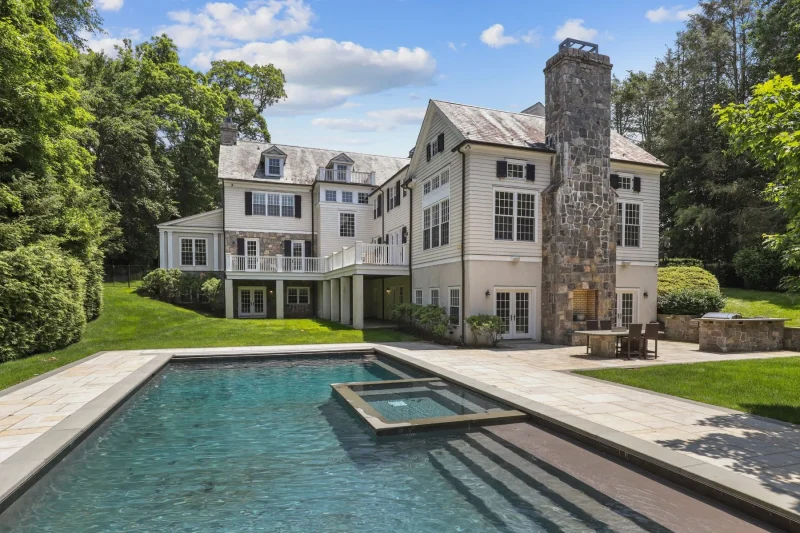
While major metropolitan areas often dominate discussions about wealth concentration, America’s most affluent communities frequently exist in smaller, more exclusive enclaves.
These prosperous small towns span the entire country, from California’s tech-driven communities to New England’s historic suburbs, each offering unique combinations of economic opportunity and quality of life.
These thirty richest small towns demonstrate how wealth manifests differently across various regions, industries, and community structures throughout the United States.
From coastal California municipalities like Atherton and Los Altos Hills to established East Coast communities such as Scarsdale and Greenwich, these locations represent diverse paths to prosperity.
The factors driving their economic success range from proximity to major business centers and technology hubs to historical advantages in finance, real estate, and other high-value industries.
Here are the 30 richest small towns in America:
1. Atherton, California
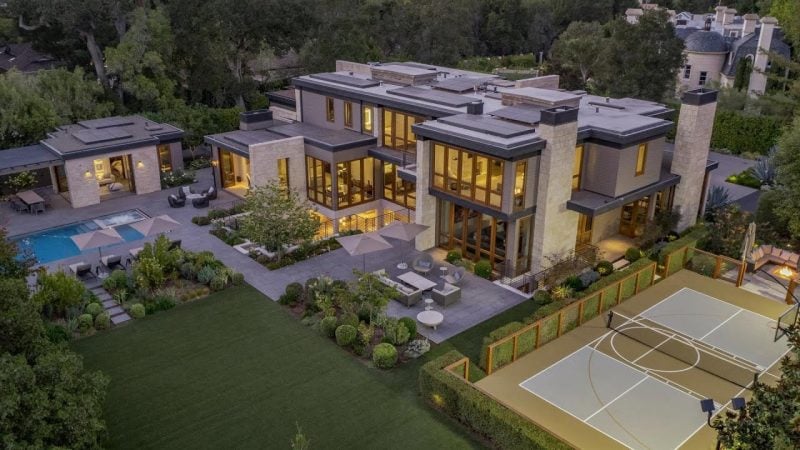
Atherton consistently ranks as the wealthiest town in both California and the United States. This exclusive Silicon Valley community sits in San Mateo County on the San Francisco Peninsula.
The town boasts extraordinary household incomes that dwarf national averages. Mean household income reaches approximately $620,000 annually. Some sources report even higher figures exceeding $500,000.
Property values reflect this affluence through astronomical home prices. The median home sale price surpasses $7 million. These lavish mansions house roughly 7,000 residents in total.
Atherton’s wealth stems largely from its proximity to major tech companies. Facebook, Google, and Tesla headquarters sit within a 20-minute drive. Many Silicon Valley executives and tech industry leaders call this community home.
The town maintains its position through privacy and exclusivity. This combination of location, prestige, and proximity to tech giants creates America’s richest small town.
2. Scarsdale, New York
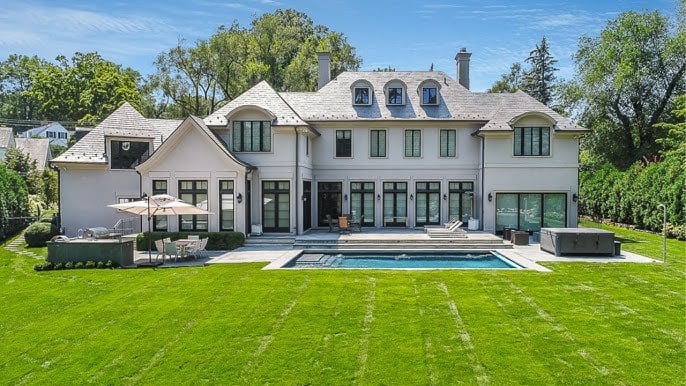
Scarsdale holds the title as America’s wealthiest suburb for the second consecutive year. This Westchester County village sits less than an hour from New York City.
The community recorded a mean household income of $601,193 in 2023. This represents a 2.24 percent increase from the previous year’s $588,014.
Scarsdale features Tudor-style architecture throughout its quaint downtown area. The village maintains highly regarded public schools that attract affluent families.
Residents enjoy convenient train access to Manhattan for work commutes. The population of approximately 18,253 lives in one of the most exclusive areas in the country.
The suburb’s proximity to New York City combines with its residential charm to create significant appeal. Property values remain consistently high due to strong demand from wealthy professionals.
Scarsdale’s tree-lined streets and upscale amenities contribute to its prestigious reputation among America’s richest communities.
3. Greenwich, Connecticut
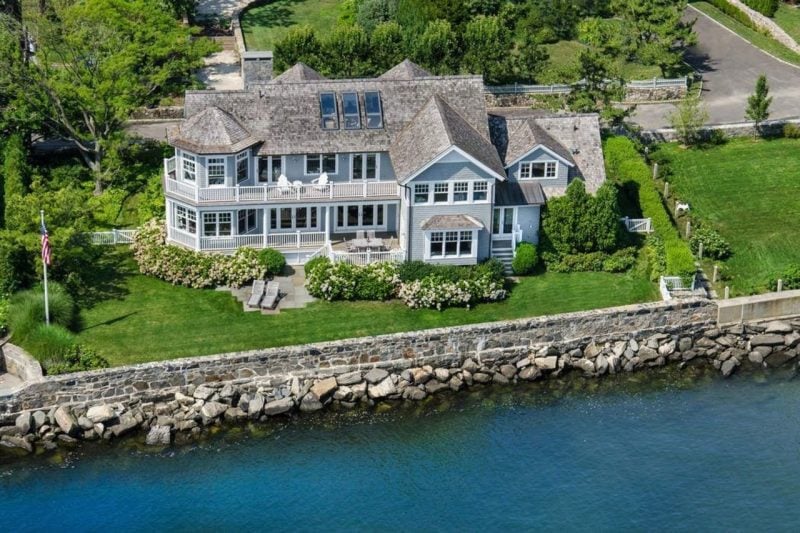
Greenwich ranks among Connecticut’s wealthiest communities and consistently appears on lists of America’s richest towns. Located in Fairfield County, this affluent suburb sits just 29 miles northeast of New York City.
The town’s median household income reached $180,484 in 2021. Home values reflect this prosperity, with median property prices exceeding $1.5 million.
Greenwich attracts high-income residents including hedge fund executives and other financial professionals. Its proximity to Manhattan makes it particularly appealing to those working in New York’s financial district.
The community features manicured golf courses, grand estates, and generational wealth. These characteristics have established Greenwich as a symbol of American affluence.
As one of America’s oldest towns, Greenwich successfully combines historical significance with modern prosperity. This blend of tradition and wealth continues to draw affluent families seeking prestigious suburban living.
4. Chevy Chase, Maryland
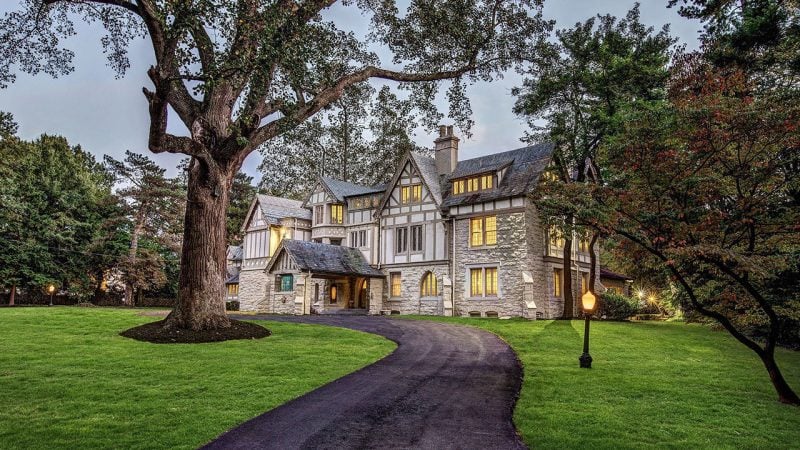
Chevy Chase stands as Maryland’s wealthiest small town with a median household income of approximately $250,000. This figure represents more than 230% of the national median income.
Located in Montgomery County along the northwest border of Washington, D.C., the town maintains a primarily residential character. The community houses just over 10,000 residents who appreciate its family-friendly atmosphere.
More than 75% of households in Chevy Chase report earnings approaching $200,000 or higher. The median home value reaches $999,200, reflecting the area’s desirable real estate market.
Residents are drawn to Chevy Chase for its forested streets and exceptional school systems. The town’s proximity to the nation’s capital provides convenient access to employment opportunities while maintaining a suburban environment.
The community consistently ranks among the most affluent areas in Maryland across multiple analyses.
5. Palm Beach, Florida
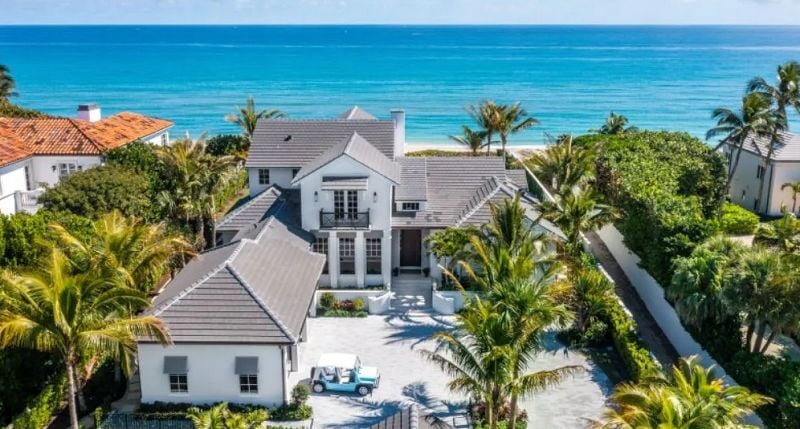
Palm Beach stands as Florida’s wealthiest suburb with an average household income of $356,467. This coastal enclave attracts affluent residents seeking luxury and exclusivity.
The town features stunning oceanfront estates and pristine beaches along the Atlantic coast. Many properties exceed $10 million in value, reflecting the area’s premium real estate market.
Palm Beach ranks 13th nationally among America’s wealthiest suburbs according to recent analysis. The community draws billionaires and high-net-worth individuals from across the country.
Florida’s favorable tax environment enhances the town’s appeal to wealthy residents. The absence of state income tax provides significant financial advantages for high earners.
The island community maintains strict zoning and development standards. These regulations preserve the exclusive character that wealthy residents value.
Palm Beach combines natural beauty with sophisticated amenities and services. This combination creates an attractive environment for America’s most affluent families.
6. Short Hills, New Jersey
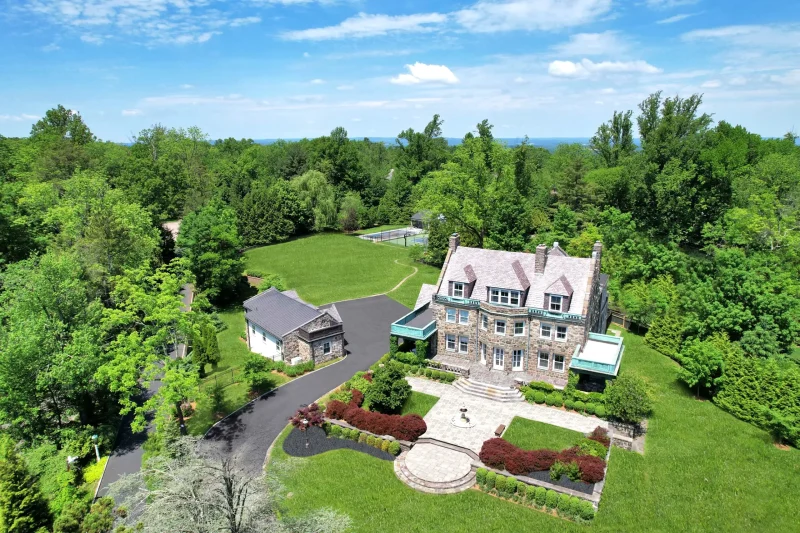
Short Hills claims the title of New Jersey’s wealthiest community with a mean household income of $428,352. This Essex County suburb operates within Millburn Township.
The town features winding roads lined with multimillion-dollar mansions. Short Hills serves approximately 14,422 residents who enjoy some of the state’s most exclusive living conditions.
Property values reflect the community’s affluent status. The median home value reaches $1.2 million, making homeownership accessible only to high earners.
Short Hills houses The Mall at Short Hills, a premier shopping destination. The town’s location provides convenient access to New York City while maintaining its suburban character.
This community consistently ranks among America’s wealthiest towns. Various publications recognize Short Hills as a top destination for affluent families seeking luxury living in New Jersey.
7. Beverly Hills, California
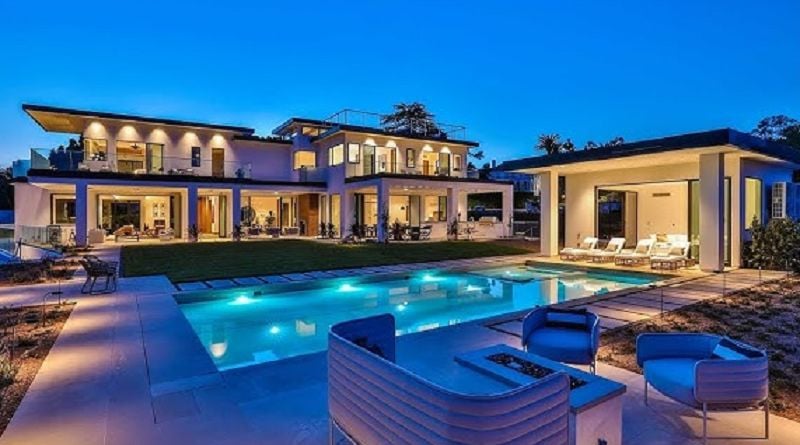
Beverly Hills stands as one of California’s most prestigious small towns. The city maintains a per capita income of approximately $103,000, placing it among the wealthiest communities in the state.
Located in Los Angeles County, Beverly Hills spans just 5.7 square miles. The town serves as home to entertainment industry executives, celebrities, and business leaders.
The city features luxury shopping districts along Rodeo Drive. High-end boutiques, fine dining establishments, and exclusive hotels define the local economy.
Beverly Hills offers top-rated public schools and numerous private educational institutions. The community maintains well-funded public services and extensive security measures.
Real estate values remain consistently high throughout the area. Multi-million dollar mansions and luxury condominiums dominate the housing market, reflecting the town’s affluent character and desirable location.
8. Lakeside Park, Kentucky
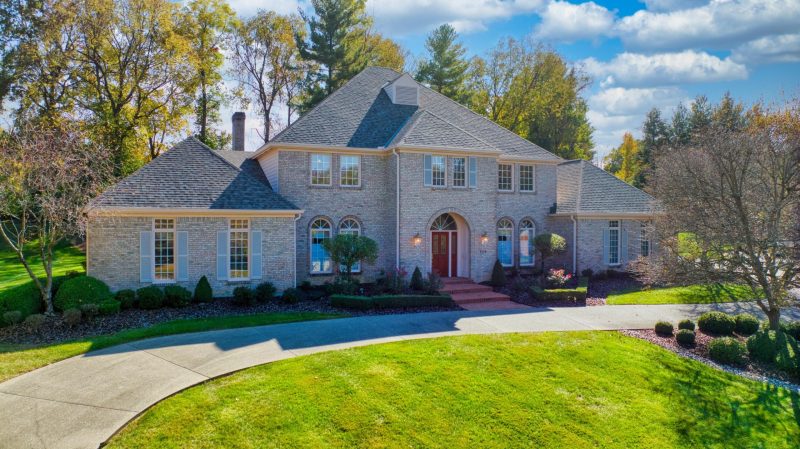
Lakeside Park stands among Kentucky’s most affluent small communities. The city consistently attracts wealthy residents seeking quality neighborhoods with upscale amenities.
Home prices in Lakeside Park significantly exceed Kentucky’s state average. This premium reflects the community’s desirability and strong real estate market performance.
The town offers residents a blend of small-town charm and financial prosperity. Its location provides convenient access to larger metropolitan areas while maintaining an intimate community feel.
Lakeside Park’s affluent status places it alongside other wealthy Kentucky communities like Anchorage and Prospect. The city demonstrates that significant wealth exists beyond major urban centers.
The community’s real estate market remains robust due to sustained demand from high-income buyers. Property values continue reflecting the area’s reputation as a premier destination for Kentucky’s wealthy residents.
9. Brentwood, Tennessee
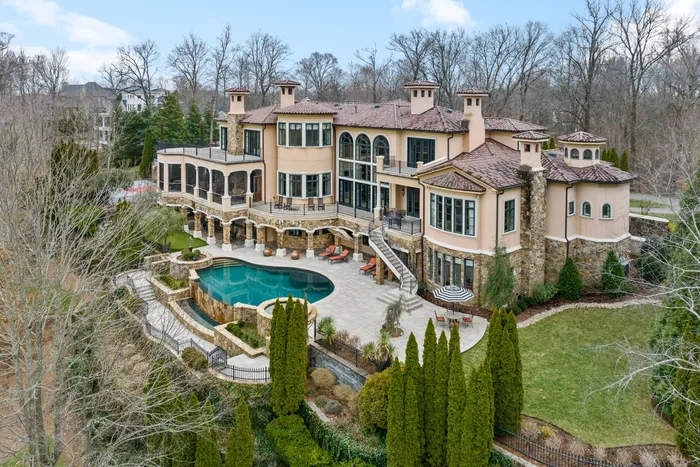
Brentwood stands as Tennessee’s wealthiest city, located just 17 minutes from downtown Nashville. This affluent suburb houses approximately 45,000 residents in one of the state’s most desirable communities.
The median household income reaches $261,248 according to recent census data. Home values reflect this prosperity, with median property prices exceeding $1.3 million throughout the city.
Brentwood attracts wealthy professionals seeking spacious homes and larger lots while maintaining access to Nashville’s amenities. The community offers well-maintained parks, excellent school systems, and safe neighborhoods that consistently rank among Tennessee’s best.
The city has earned recognition as one of the top 50 wealthiest suburbs nationwide. Its picturesque neighborhoods and strong local community make it a popular choice for affluent families.
Despite its wealth, residents maintain a down-to-earth character that distinguishes Brentwood from other high-income communities.
10. Glencoe, Illinois

Glencoe stands as one of Illinois’ most affluent communities, located along Lake Michigan’s North Shore in Cook County. The village maintains a population of 8,849 residents according to the 2020 census.
The community boasts an average household income of $358,543, placing it among the wealthiest towns in America. This figure significantly exceeds the national median household income.
Glencoe offers residents access to 27 gardens and 6 miles of scenic Lake Michigan coastline through its botanical garden facilities. The property spans over 385 acres of maintained grounds.
Real estate values reflect the area’s desirability, with homes averaging $1.2 million in value. Property prices have increased by 5.3 percent from the previous year.
The village combines suburban character with proximity to Chicago’s urban amenities. Residents benefit from top-rated schools and exceptional community services while maintaining access to metropolitan resources.
11. Highland Park, Texas
Highland Park sits just four miles north of downtown Dallas and ranks as the seventh richest city in America. This affluent enclave houses approximately 8,500 residents within its prestigious boundaries.
The town boasts an impressive average household income of $502,823 according to 2023 census data. Highland Park consistently ranks among the wealthiest communities in Texas and the entire United States.
Real estate values reflect the area’s exclusivity. The median home value reaches $2.78 million, making it one of the most expensive housing markets in the Dallas-Fort Worth region.
Highland Park attracts notable residents including Los Angeles Dodgers pitcher Clayton Kershaw and LA Rams quarterback Matthew Stafford. The community is known for its luxury homes and beautiful tree-lined residential streets.
This small town maintains its reputation as an exclusive destination for Dallas’s wealthiest families.
12. Los Altos Hills, California
Los Altos Hills stands as one of America’s wealthiest small communities. This Silicon Valley town maintains a median household income exceeding $400,000 annually.
The affluent residential community draws wealthy residents from the tech industry. Home values reflect this prosperity with median prices approaching $5 million.
Located in Santa Clara County, Los Altos Hills preserves its rural character despite urban proximity. The town houses approximately 8,400 residents who enjoy scenic hills and deep canyons.
Los Altos Hills consistently ranks among California’s richest places. The community benefits from concentrated high-paying industries and strong real estate appreciation in the Bay Area market.
13. New Albany, Ohio
New Albany stands as Ohio’s richest small town, located just outside Columbus in the heart of the state. This affluent community maintains a population of approximately 11,300 residents.
The town boasts a remarkable median household income of $206,130, placing it among the wealthiest small communities nationwide. Average home values reach $626,472, reflecting the area’s desirability and economic prosperity.
New Albany has earned recognition from multiple financial publications for its wealth concentration. The community consistently ranks above other well-known affluent Ohio suburbs in income metrics.
This Columbus suburb attracts high-earning professionals and executives who appreciate its proximity to the state capital. The town’s strategic location provides residents with access to urban amenities while maintaining a small-town atmosphere.
New Albany’s economic success stems from its educated workforce and strong local economy tied to Columbus’s business sector.
14. Barrington Hills, Illinois
Barrington Hills stands as one of Illinois’ most affluent small communities. The village sits in the northwest suburbs of Chicago, offering residents rural charm with suburban convenience.
The town’s wealth is evident in its impressive income statistics. Residents enjoy a mean household income of $296,170, placing it among the state’s richest locations.
Housing values reflect the community’s prosperity. The median home sale price reaches $1,967,500, indicating strong demand for properties in this exclusive area.
Barrington Hills attracts wealthy residents seeking a quieter lifestyle. The village combines natural beauty with proximity to Chicago’s economic opportunities, creating an ideal setting for affluent families.
The community maintains its small-town character while supporting high-income households. This balance makes Barrington Hills a standout destination for those seeking luxury living outside major metropolitan centers.
15. Kenilworth, Illinois
Kenilworth stands as one of Illinois’ wealthiest communities with a mean income of $387,288. This North Shore suburb maintains a small-town atmosphere with just 2,514 residents.
The village sits north of Chicago, offering proximity to urban amenities while preserving its quiet character. Median home sale prices reach $1,730,000, reflecting the area’s desirability.
Kenilworth earned recognition for combining both safety and wealth. The community ranks among America’s safest and richest places to live.
Residents benefit from excellent educational opportunities and well-maintained neighborhoods. The town’s affluent status attracts families seeking high-quality suburban living near Chicago.
16. Hopkinton, Massachusetts
Hopkinton stands as the 14th wealthiest town in Massachusetts according to 2020 Census data. The town experienced remarkable economic growth over the past decade.
The median household income jumped 43.6 percent from $120,240 in 2010 to its current level. This significant increase moved Hopkinton up the state’s wealth rankings considerably.
Located in eastern Massachusetts, Hopkinton benefits from its proximity to Boston’s thriving economy. The town attracts affluent residents seeking suburban living with urban access.
Hopkinton is perhaps best known as the starting point of the Boston Marathon. This prestigious association adds to the community’s desirability and reputation.
The town combines New England charm with modern prosperity. Well-educated professionals and established families contribute to Hopkinton’s sustained economic strength.
17. Madison, New Jersey
Madison sits in Morris County and ranks among New Jersey’s most affluent small communities. The borough spans just 4.2 square miles with a population under 16,000 residents.
The town’s median household income exceeds $150,000 annually. Home values reflect this prosperity, with the median home price reaching well over $700,000.
Madison benefits from excellent public schools that consistently receive high state rankings. The downtown area features upscale shops, restaurants, and professional services.
Commuter access to New York City remains strong through NJ Transit rail connections. Many residents work in Manhattan’s financial district while enjoying suburban living.
The community maintains strict zoning regulations that preserve its residential character. Tree-lined streets and well-maintained properties contribute to Madison’s desirable reputation throughout Morris County.
18. Carmel-by-the-Sea, California
Carmel-by-the-Sea ranks among America’s wealthiest small towns with its exclusive real estate market and affluent residents. This one-square-mile coastal community in Monterey County attracts high-net-worth individuals seeking luxury living.
The town’s median home prices consistently exceed $4 million. European-style cottages and custom-built estates command premium prices due to limited inventory and high demand.
Carmel-by-the-Sea has attracted notable wealthy residents throughout its history. Actor Clint Eastwood served as mayor in the 1980s and maintained significant local investments.
The local economy thrives on luxury tourism, high-end art galleries, and boutique shopping. Wealthy visitors frequent upscale restaurants and exclusive wine tasting venues throughout the village.
Point Lobos State Natural Reserve and pristine beaches add to the area’s desirability. The combination of natural beauty, artistic culture, and exclusivity maintains property values well above national averages.
19. Crestline, Ohio
Crestline is a small town located in Crawford County, Ohio, with a population of approximately 4,600 residents. The community sits at the intersection of major railroad lines, which historically contributed to its economic development.
The town features a median household income that places it among Ohio’s more prosperous small communities. Local economy benefits from manufacturing, agriculture, and small business enterprises.
Crestline maintains affordable housing costs compared to larger Ohio metropolitan areas. The town offers residents access to parks, recreational facilities, and community events throughout the year.
Railroad heritage remains central to Crestline’s identity, with the historic depot serving as a focal point for community activities. The town provides a quiet, small-town atmosphere while maintaining connections to larger cities through transportation networks.
Local amenities include schools, healthcare facilities, and retail establishments that serve both residents and surrounding rural areas.
20. Orono, Minnesota
Orono claims the distinction as one of Minnesota’s wealthiest communities with a median household income of $114,635. The city sits along the picturesque shores of Lake Minnetonka in the Twin Cities metropolitan area.
This affluent suburb attracts residents seeking luxury living while maintaining access to urban amenities. The community features beautiful homes and high-end amenities that reflect its prosperous status.
Orono earned recognition on Forbes’ list of the wealthiest cities in America, placing it among the top 100 richest municipalities nationwide. The city joins fellow Minnesota community Medina in achieving this prestigious ranking.
The lakefront location provides residents with scenic waterfront properties and recreational opportunities. Despite its small-town charm, Orono maintains proximity to Minneapolis and St. Paul for employment and cultural activities.
21. Darien, Connecticut
Darien stands as Connecticut’s wealthiest town with a median household income of $251,200. This Fairfield County community consistently ranks among America’s richest small towns.
The town sits along Connecticut’s Gold Coast, offering residents pristine beaches and coastal beauty. Its proximity to New York City makes it attractive to high-income professionals seeking an upscale suburban lifestyle.
Darien’s exclusive amenities include private country clubs and yacht clubs. The town features 11 parks and maintains a charming downtown area with easy train access to Manhattan.
Home values reflect the community’s affluence, with properties ranging from $500,000 to $4 million. The median home value exceeds $1.6 million, according to recent data.
This small coastal community houses approximately 6,759 residents. Darien has attracted notable figures throughout history, including Charles Lindbergh and Andrew Carnegie.
22. Weston, Massachusetts
Weston consistently ranks among the wealthiest towns in Massachusetts and the United States. Located just 15 miles west of downtown Boston, this affluent community boasts a per capita income of approximately $107,793.
The town features stunning suburban landscapes with large estates and well-manicured properties. Median home prices reach $2.16 million, making it one of the most expensive residential areas in Massachusetts.
Bloomberg ranked Weston as having the 11th wealthiest zip code in the entire United States in 2019. The median family income exceeds $250,000, significantly higher than most comparable communities.
Residents enjoy nearly 100 miles of outdoor recreational opportunities. These include cross-country skiing trails, golf courses, and horseback riding facilities throughout the area.
23. Wilmette, Illinois
Wilmette sits as a suburban gem along Lake Michigan’s shores, just north of Chicago. This affluent community has earned recognition on multiple national wealth rankings for 2024.
The town boasts a median household income of $173,967. Despite this impressive figure, Wilmette’s median home value of $795,360 ranks as the lowest among America’s top 25 richest cities.
Wilmette’s location provides residents with access to epic Lake Michigan beaches. The lakefront setting contributes significantly to the community’s appeal among wealthy Illinois residents.
Three Chicago suburbs secured spots on America’s 50 wealthiest suburbs list. Wilmette joined Hinsdale and Lake Forest in this prestigious ranking based on household income and home values.
The town consistently appears in studies analyzing the nation’s wealthiest communities. Its combination of high incomes, desirable location, and proximity to Chicago creates lasting affluence.
24. Paradise Valley, Arizona
Paradise Valley stands as Arizona’s wealthiest small town with a population of approximately 12,500 residents. The community boasts an average household income of $382,413, far exceeding the state median of $77,315.
This exclusive Phoenix suburb ranks as the fifth-wealthiest small town in the United States. Paradise Valley attracts CEOs and high-net-worth individuals seeking luxury living in a desert setting.
The town features upscale residential properties, world-class golf courses, and high-end resorts. Residents enjoy access to country clubs and resort-style amenities throughout the area.
Paradise Valley maintains its small-town charm while offering proximity to Phoenix’s business districts. The community’s limited population and exclusive nature contribute to its affluent character and desirability among wealthy residents.
25. The Woodlands, Texas
The Woodlands stands as one of Texas’s most affluent master-planned communities. Located north of Houston in Montgomery County, this upscale suburb attracts wealthy professionals and executives.
The community boasts a median household income significantly above national averages. Many residents work in Houston’s energy sector or other high-paying industries.
The Woodlands spans over 28,000 acres of carefully designed residential and commercial space. Tree-lined streets and preserved forests create an attractive environment that commands premium home prices.
Corporate headquarters and upscale shopping centers contribute to the area’s economic strength. Major companies have established operations in The Woodlands, providing high-paying jobs for residents.
The community offers excellent schools, golf courses, and recreational amenities. These features help maintain property values and attract affluent families seeking suburban luxury near major employment centers.
26. Edina, Minnesota
Edina stands as one of Minnesota’s most affluent communities, positioned just 20 minutes southwest of Minneapolis. This prestigious suburb consistently ranks among the wealthiest cities in the state.
The city attracts residents with its combination of upscale neighborhoods and convenient access to the Twin Cities metro area. Edina’s proximity to Minneapolis provides residents with urban amenities while maintaining a suburban atmosphere.
The community features well-maintained residential areas and top-rated educational institutions. Local real estate commands premium prices due to high demand from affluent buyers.
Edina’s economic prosperity stems from its educated population and strategic location within the Minneapolis metropolitan region. The city continues to attract professionals and families seeking an upscale lifestyle in Minnesota’s competitive housing market.
27. Great Falls, Virginia
Great Falls ranks as Virginia’s wealthiest community with a population of approximately 16,000 residents. Located in Fairfax County near Washington D.C., this affluent suburb attracts America’s elite seeking luxury living.
The town boasts a median household income exceeding $350,000. Home values reflect this prosperity, with median sale prices reaching $1,568,000.
Great Falls offers mansion-sized estates situated on multi-acre lots throughout the community. The area provides natural beauty and privacy while maintaining proximity to the Potomac River’s recreational opportunities.
Residents enjoy a suburban lifestyle with easy access to world-class amenities. The town’s location within the Washington metropolitan area provides convenient access to urban resources while preserving its exclusive residential character.
The community combines natural landscapes with upscale living standards that appeal to high-income professionals and executives.
28. Mountain Brook, Alabama
Mountain Brook stands as Alabama’s wealthiest community with a population of approximately 22,000 residents. This Birmingham suburb achieved the 30th position among America’s wealthiest suburbs in 2025.
The city boasts an average household income of $302,510, significantly exceeding national averages. Median home values in the area reach $628,800, reflecting the premium housing market.
Mountain Brook features tree-lined streets and well-manicured neighborhoods nestled in the Appalachian foothills. The community maintains top-ranked public schools with advanced placement programs and college preparatory curricula.
Residents enjoy boutique shopping districts and convenient highway access to Birmingham. The suburb combines elegant homes with a strong sense of community identity.
The city’s per capita income reaches $97,390, contributing to its status as one of the wealthiest communities in the United States. Educational excellence remains a primary draw for families considering relocation to this affluent area.
29. Alamo, California
Alamo ranks as the fifth wealthiest suburb in America for 2025. This unincorporated hamlet in Contra Costa County experienced a remarkable jump in national rankings.
The community did not appear in the top 50 wealthiest suburbs in 2024. Its rapid ascent to fifth place represents one of the year’s most surprising developments among affluent communities.
Located in California’s East Bay region, Alamo sits within the 925 area code. The town has gained national attention for its exceptional wealth statistics and high standard of living.
Alamo stands among California’s most affluent communities. Its residents enjoy proximity to both San Francisco and Silicon Valley while maintaining a suburban atmosphere.
The community’s wealth reflects broader prosperity trends in Northern California. Alamo has established itself as a notable destination for affluent families seeking upscale living options.
30. Chappaqua, New York
Chappaqua stands as one of Westchester County’s most affluent communities. This small town consistently ranks among America’s wealthiest suburbs.
The median household income exceeds $200,000 annually. Home values typically range from $800,000 to several million dollars.
Chappaqua attracts Wall Street executives and business leaders. The town’s proximity to Manhattan makes it popular with high-earning professionals who commute to New York City.
The community offers top-rated public schools. These educational institutions draw families willing to pay premium prices for quality education.
Notable residents have included former President Bill Clinton and Hillary Clinton. Their presence elevated the town’s national profile significantly.
The town features upscale shopping and dining options. Residents enjoy access to country clubs and recreational facilities that cater to affluent lifestyles.
Factors Influencing Wealth in Small Towns
Small town wealth stems from specific economic drivers, rising property values in desirable locations, and demographic shifts toward educated professionals seeking quality of life improvements.
Economic Drivers
Technology and finance sectors dominate wealth creation in many affluent small towns. Silicon Valley communities benefit directly from tech company headquarters and venture capital firms that generate substantial executive compensation packages.
Energy industries contribute significantly to regional wealth accumulation. Oil, natural gas, and renewable energy operations create high-paying jobs and attract investment capital to smaller communities.
Professional services including law firms, medical practices, and consulting businesses establish roots in wealthy small towns. These enterprises serve both local populations and broader regional markets.
Tourism and hospitality drive economic growth in scenic locations. Luxury resorts, vacation rentals, and recreational amenities attract wealthy visitors who often become permanent residents.
Manufacturing facilities specializing in high-value products also boost local economies. Advanced manufacturing, pharmaceuticals, and specialty goods production provide stable employment with competitive wages.
Real Estate and Property Values
Limited housing inventory in desirable small towns drives property appreciation. Restricted development and zoning regulations create scarcity that benefits existing homeowners.
Geographic advantages such as waterfront access, mountain views, or proximity to major metropolitan areas increase property desirability. These natural amenities command premium prices and attract affluent buyers.
Historical preservation efforts maintain community character while supporting property values. Well-preserved downtown areas and architectural heritage enhance market appeal.
Infrastructure improvements including broadband internet, updated utilities, and transportation connections make small towns more attractive to remote workers and retirees.
Demographic Trends
Remote work adoption allows high-earning professionals to relocate from expensive urban centers to affordable small towns. This trend accelerated significantly during 2020-2022.
Retirement migration brings wealthy individuals seeking lower costs and improved quality of life. Retirees often possess substantial accumulated wealth and investment income.
Educational attainment correlates strongly with small town prosperity. Communities with higher percentages of college-educated residents typically demonstrate greater wealth accumulation potential.
Young professionals increasingly choose small towns for family-friendly environments while maintaining urban-level incomes through remote employment arrangements.
Lifestyle and Amenities in Affluent Small Towns
Wealthy small towns offer residents sophisticated cultural institutions, premium recreational facilities, and tight-knit community networks. These communities blend small-town charm with big-city amenities to create exclusive living environments.
Cultural Attractions
Affluent small towns maintain well-funded museums, art galleries, and performing arts centers that rival those found in major cities. Many communities feature historic theaters that host touring Broadway productions and classical music performances.
Private art collections often become public galleries in these towns. Residents frequently establish cultural foundations that bring world-class exhibitions to local venues.
Educational institutions play a central role in cultural offerings. Many wealthy small towns house prestigious private schools or colleges that provide lectures, concerts, and art exhibitions open to the community.
Historic preservation societies maintain architectural landmarks and historic districts. These organizations organize heritage tours, historical reenactments, and educational programs that celebrate local history.
Library systems in these communities typically feature extensive collections, digital resources, and regular author readings. Architecture firms design these facilities as community gathering spaces with modern technology and comfortable study areas.
Recreational Opportunities
Private country clubs anchor recreational life in most affluent small towns. These facilities offer championship golf courses, tennis courts, swimming pools, and fine dining restaurants exclusively for members.
Outdoor recreation takes advantage of natural settings. Coastal towns provide yacht clubs, marinas, and sailing programs. Mountain communities feature exclusive ski resorts, hiking trails, and equestrian facilities.
Fitness and wellness centers offer specialized programs beyond basic gym services. Many include spa treatments, personal training, nutrition counseling, and specialized fitness classes.
Youth sports programs receive substantial funding and professional coaching. Travel teams, specialized training facilities, and summer camps provide competitive opportunities for children.
Parks and green spaces are meticulously maintained. These areas often include walking trails, dog parks, playgrounds, and seasonal events like farmers markets or outdoor concerts.
Community Engagement
Volunteer organizations thrive in wealthy small towns where residents have time and resources to contribute. Charitable foundations, service clubs, and nonprofit boards attract active participation from community members.
Social events create networking opportunities and strengthen community bonds. Annual galas, charity auctions, holiday celebrations, and seasonal festivals bring residents together regularly.
Local government operates with high citizen involvement. Town meetings, planning committees, and civic boards benefit from educated residents who actively participate in decision-making processes.
Business associations support local entrepreneurs and maintain downtown districts. These groups organize community events, coordinate marketing efforts, and advocate for business-friendly policies.
Educational support extends beyond school funding. Parent organizations, booster clubs, and educational foundations provide additional resources for schools and extracurricular programs.


