The 30 Richest Towns in Texas: Wealth Hubs Across the Lone Star State
Texas stands out as a state with remarkable economic diversity, home to numerous affluent communities that reflect the region’s oil wealth, technology boom, and strong business climate.
From exclusive enclaves in major metropolitan areas to smaller wealthy towns scattered across the state, these communities showcase varying paths to prosperity.
The wealthiest towns in Texas span from prestigious neighborhoods in Houston and Dallas to emerging suburban communities that have experienced rapid growth and development.
These areas typically feature high property values, excellent schools, and proximity to major economic centers.
Understanding which communities rank among the most affluent provides insight into Texas’s economic landscape and the factors that drive wealth concentration in different regions of the state.
Here are the 30 richest towns in Texas (reordered from #30 to #1):
1. Highland Park
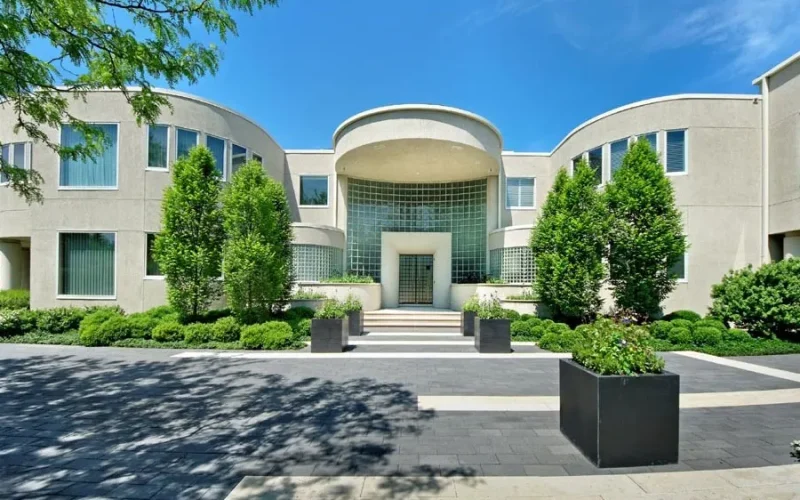
Highland Park stands as Texas’s wealthiest community, located just four miles north of downtown Dallas. This affluent enclave maintains a population under 8,000 residents.
The town consistently ranks among the top 10 richest communities nationwide. Average household income reaches $358,994, placing Highland Park seventh among America’s wealthiest cities.
Real estate values define Highland Park’s exclusive status. The median home value exceeds $2.7 million as of 2025, making it the most expensive area in the Dallas-Fort Worth region.
ZIP code 75205 encompasses this prestigious neighborhood and holds the distinction as Texas’s most expensive postal code. The community attracts successful professionals, politicians, and celebrities.
Highland Park’s 455-acre area maintains its reputation through consistent wealth concentration. Over 77% of residents hold bachelor’s degrees or higher, reflecting the town’s educated population base.
2. West University Place
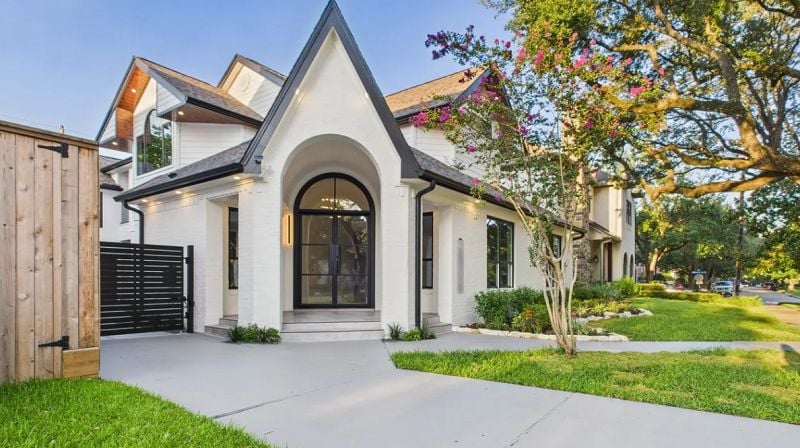
West University Place stands as Texas’s wealthiest suburb. This Houston-area city houses approximately 15,000 residents within the prestigious Inner Loop.
The median household income reaches approximately $250,000. Home values average over $2 million as of 2025, contributing to its top ranking among affluent Texas communities.
Known locally as “West U,” this enclave consistently appears on national best places to live lists. The city combines high property values with desirable living conditions.
Recent rankings position West University Place as the third wealthiest suburb in the entire United States. This achievement reflects the community’s sustained economic prosperity and appeal to high-income residents.
The city’s location within Houston’s Inner Loop provides residents with urban access while maintaining suburban characteristics. This strategic positioning enhances property values and attracts affluent families seeking premium living environments.
3. University Park
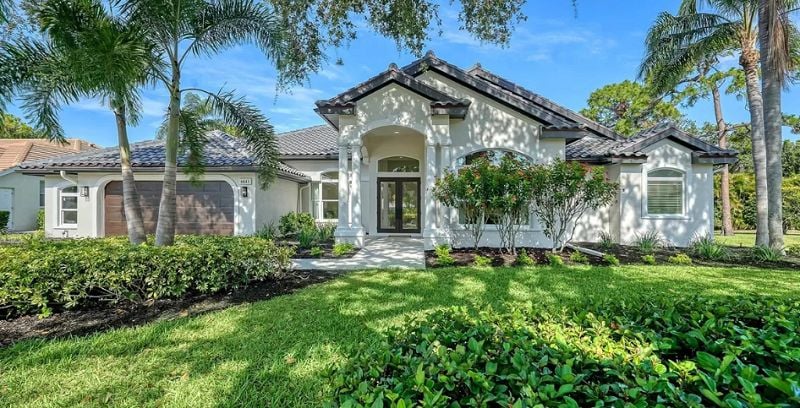
University Park stands as one of Texas’s most prestigious communities, located just north of downtown Dallas. This affluent enclave consistently ranks among the state’s wealthiest neighborhoods.
The city boasts a population of approximately 25,000 residents. University Park serves as home to Southern Methodist University, adding to its distinguished character.
Median household income in University Park exceeds $214,000, with some reports showing figures reaching $247,045. This places the community firmly among Texas’s highest-earning areas.
Real estate values reflect the area’s affluence. The median home value reaches $1,230,200, with average home prices climbing to $2,456,871 as of 2025.
University Park features beautiful tree-lined streets and top-rated schools. The community offers residents easy access to Dallas amenities including world-class shopping and dining establishments.
4. Southlake
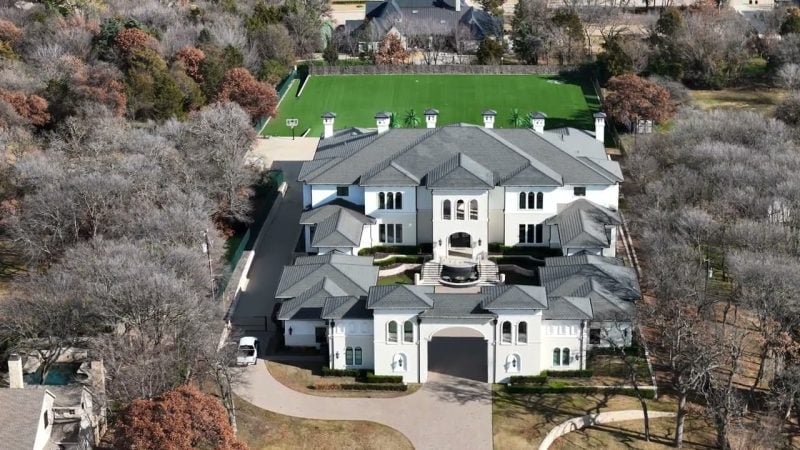
Southlake stands as one of Texas’s most affluent communities, consistently ranking among the wealthiest suburbs in both the state and nation. This Tarrant County city has seen remarkable growth in wealth rankings, jumping from 13th place to 7th among America’s wealthiest suburbs in 2025.
The city boasts a median household income of $239,833, placing it at the top of many wealth studies. Located strategically between Dallas and Fort Worth in northeast Tarrant County, Southlake attracts high-income professionals seeking luxury living.
The community offers exceptional public schools that consistently rank among Texas’s top districts. Upscale shopping at Southlake Town Square provides residents with premium retail and dining options.
Southlake’s combination of superior education, luxury amenities, and prime location creates strong appeal for affluent families. The city maintains its status as a prestigious destination for those seeking upscale suburban living in the Dallas-Fort Worth metroplex.
5. Bellaire
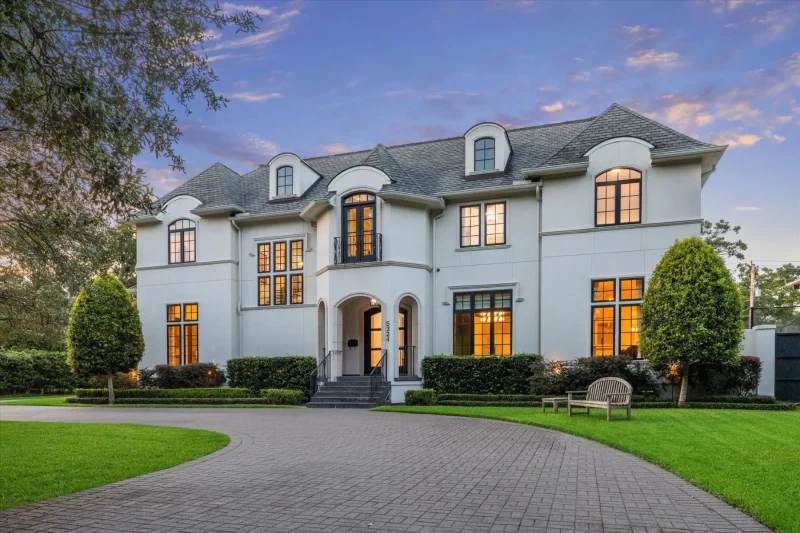
Bellaire stands as one of Texas’s most affluent communities, located in southwest Harris County just outside Houston. This small city of approximately 18,000 residents consistently ranks among the state’s wealthiest municipalities.
The median household income in Bellaire reaches $187,805, which triples the state’s median household income. Some sources report average household incomes around $311,000 annually.
Despite covering only about 3,600 square feet of Texas territory, Bellaire attracts wealthy residents who value its proximity to Houston. The population grows roughly 10% each year as more affluent families discover this enclave.
Bellaire frequently appears alongside other wealthy Texas communities like West University Place, Southlake, and Highland Park in rankings of the state’s richest cities. The city maintains its status through high property values and substantial household earnings.
6. Hill Country Village
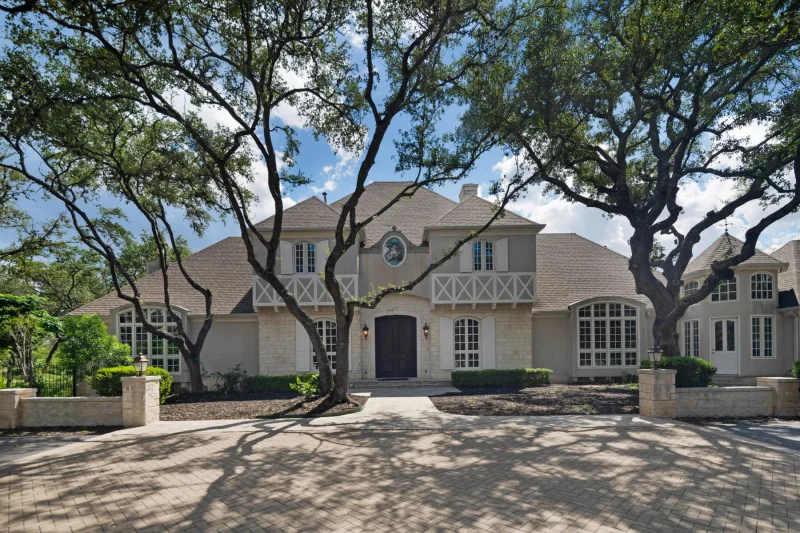
Hill Country Village stands as one of Texas’s most affluent communities, located approximately 10 miles north of downtown San Antonio. This small enclave houses just 942 residents within Bexar County.
The town boasts impressive financial statistics with a mean income of $390,790. Median home prices reach $1,082,285, reflecting the area’s luxury real estate market.
Hill Country Village attracts a mature demographic, with 28.6% of residents over 65 years old. The community maintains an exclusive atmosphere despite its modest population size.
Its proximity to San Antonio provides residents convenient access to urban amenities while enjoying suburban tranquility. Many professionals commute to the city for work while returning to this upscale residential haven.
The town consistently ranks among Texas’s wealthiest municipalities based on household income and property values. Hill Country Village represents the epitome of luxury living in the San Antonio metropolitan area.
7. Westover Hills
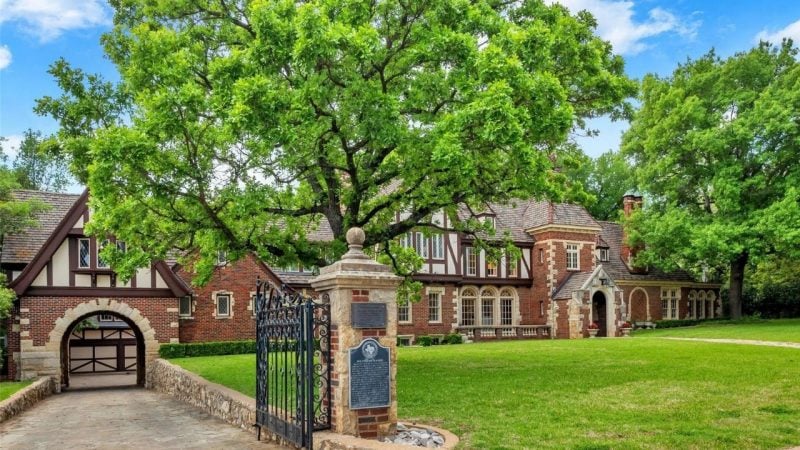
Westover Hills stands as one of Texas’s most exclusive communities, located in Tarrant County near Fort Worth. This affluent enclave houses just 641 residents across 455 acres.
The town boasts an impressive average household income of $392,987. Property values have experienced remarkable growth, increasing 145.56% from just over $1 million in 2010 to $2.61 million by 2025.
Educational attainment remains exceptionally high, with 77.30% of residents holding a bachelor’s degree or higher. The community spans only 0.7 square miles of land.
In 2000, Westover Hills held the distinction of being Texas’s wealthiest location by per capita income. While it has since been surpassed by Piney Point Village and Barton Creek, it remains Fort Worth’s wealthiest suburb.
The town features grand estates, lush landscapes, and maintains its reputation as one of the most prestigious neighborhoods in the Dallas-Fort Worth metroplex.
8. Mentone
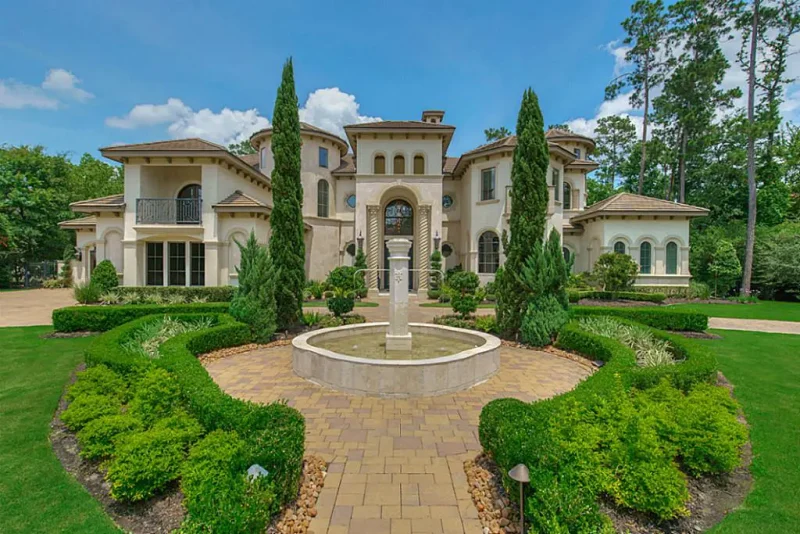
Mentone stands as Texas’s wealthiest town by average household income, despite its extremely small population. This tiny community in Loving County has only 12 to 15 residents.
The town’s average household income reaches $625,523 according to recent data. This extraordinary figure surpasses much larger Texas cities and communities.
Mentone serves as the county seat of Loving County. The town has deep roots in Texas’s oil industry, which peaked during the 1930s boom period.
The small population creates unique statistical dynamics. With so few residents, individual high earners significantly impact the overall average income calculations.
Loving County’s oil production contributes to the area’s wealth concentration. The remote location and limited population make Mentone an unusual case among Texas’s richest communities.
9. Terrell Hills
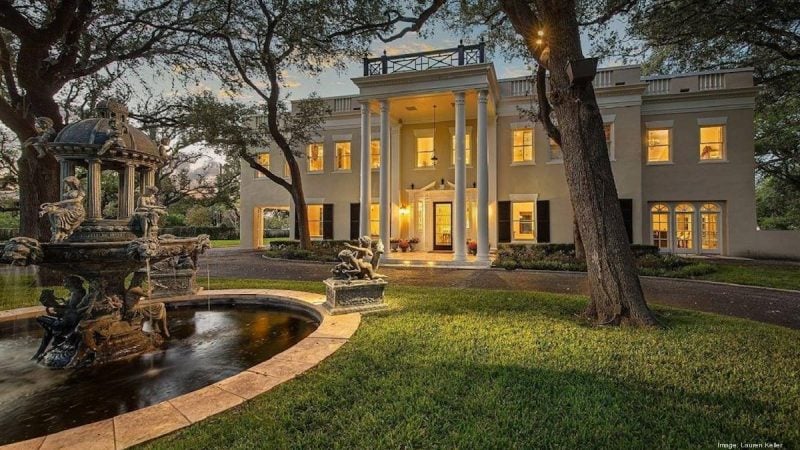
Terrell Hills consistently ranks as one of Texas’s wealthiest cities. This San Antonio suburb has earned the distinction of being the richest city in Texas with at least 5,000 residents.
The city boasts a population of 5,371 residents. The median household income reaches $181,979, placing it at the top of Texas wealth rankings.
Terrell Hills has maintained its position as the wealthiest community for multiple years. Data providers like HomeSnacks have repeatedly recognized this affluent enclave for its exceptional economic standing.
The neighborhood represents one of San Antonio’s most exclusive residential areas. Its consistent appearance on wealth rankings demonstrates the community’s sustained prosperity and desirability among high-income households.
10. Prosper
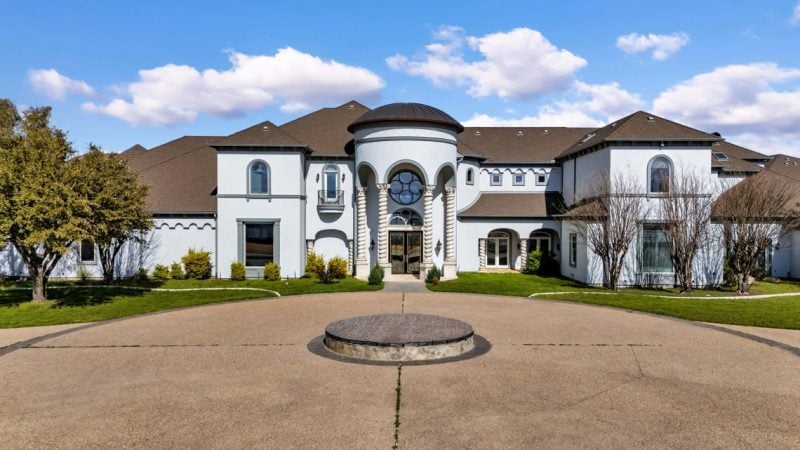
Prosper stands as one of North Texas’s most affluent and rapidly growing communities. Located in Collin County north of Dallas, this suburban city has established itself as a premier destination for wealthy families.
The city boasts a median household income of $187,603, placing it well above both state and national averages. This high earning potential attracts professionals and executives from the greater Dallas metropolitan area.
Prosper’s real estate market reflects its affluent status. The average home value reaches $823,356, indicating strong property values and desirable neighborhoods throughout the community.
The city has experienced remarkable population growth of 81% in recent years. This expansion demonstrates Prosper’s appeal to homebuyers seeking upscale living in a thriving environment.
Prosper continues drawing residents who value quality schools, planned communities, and proximity to Dallas employment centers while maintaining a suburban atmosphere.
11. Colleyville
Colleyville stands as one of Texas’s most affluent communities with impressive financial metrics. The typical household earns $180,698 annually, ranking 18th highest among all cities with sufficient data.
This income level represents 161.8% more than the national median household income. The city has earned recognition as one of the richest cities in the entire country.
Located in Tarrant County, Colleyville consistently appears on prestigious wealth rankings. The community made GoBankingRates’ 2025 list of the 50 wealthiest U.S. suburbs alongside neighboring Southlake.
Colleyville also ranks among America’s fastest-growing wealthy suburbs. Texas leads the nation with seven such communities, and Colleyville claims one of these coveted spots.
The city’s prosperity reflects the broader economic strength found throughout the Dallas-Fort Worth metropolitan area.
12. Fair Oaks Ranch
Fair Oaks Ranch stands as one of Texas’s most affluent communities, located 26-27 miles northwest of downtown San Antonio. The city spans across Bexar, Comal, and Kendall counties.
The community boasts impressive financial metrics with a median household income of approximately $128,398. Mean income reaches $195,662, reflecting the area’s substantial wealth concentration.
Housing costs align with the city’s affluent status. The median home price sits at $707,163, significantly above Texas’s state average of $235,268.
Fair Oaks Ranch maintains excellent economic stability. The unemployment rate remains exceptionally low at 1.8 percent, while the poverty rate stays at just 3 percent.
The city was named after Ralph E. Fair Sr., a successful oilman and rancher. It incorporated in 1988, evolving from a working ranch into a luxury suburban community known for sprawling estates, golf courses, and horseback riding trails.
13. Shavano Park
Shavano Park ranks among Texas’s most affluent communities with a mean household income of $295,814. This upscale city sits in north-central Bexar County, just 15 miles north of downtown San Antonio.
The community maintains a suburban, family-friendly atmosphere with a population of 3,524 residents. Home ownership rates reach 95.1%, reflecting the area’s residential stability.
Property values in Shavano Park range from $500,000 to over $5 million, with a median sale price of $984,558. The city features large lots and mature trees that create a small-town feel despite being inside San Antonio’s I-410 loop.
Shavano Park offers luxury amenities including a private country club and scenic views of the San Antonio skyline. The community’s commitment to maintaining its upscale residential character attracts affluent families seeking quality suburban living.
14. Westlake
Westlake stands as one of Texas’s most affluent communities, consistently ranking among the state’s wealthiest towns. This small municipality boasts a mean household income of $471,768 according to recent data.
The town’s exclusivity is reflected in its real estate market. Median home values reach over $3 million, with some reports showing properties averaging around $4 million.
Westlake maintains a small population of approximately 1,623 residents. Many inhabitants include former professional athletes from the Dallas Cowboys and Texas Rangers, alongside successful business leaders.
The community offers upscale amenities including luxury shopping, fine dining establishments, and premium golf courses. Gated communities and high-end residential developments characterize much of the area.
Property values in Westlake have shown substantial appreciation over recent years. The town’s proximity to Dallas contributes to its desirability among wealthy professionals and retirees seeking an exclusive residential environment.
15. Aledo
Aledo stands as one of the wealthiest communities in the Dallas-Fort Worth metroplex. This Parker County town has experienced significant growth over the past two decades.
The median household income in Aledo exceeds $140,000. Home values typically range from $400,000 to over $1 million.
Aledo attracts affluent families seeking excellent schools and suburban amenities. The town’s proximity to Fort Worth provides easy access to urban employment centers.
The community features upscale neighborhoods with custom-built homes. Many residents work in finance, technology, and energy sectors throughout the metroplex.
Aledo Independent School District ranks among Texas’s top-performing school systems. This educational excellence contributes significantly to the area’s property values and desirability among wealthy families.
16. Copper Canyon
Copper Canyon stands as one of the wealthiest suburbs in the Dallas-Fort Worth metroplex. Located 34 miles north of Dallas in Denton County, this affluent community maintains a population of over 1,700 residents.
The town boasts a median home price of $1,088,446 and a mean household income of $180,269. These figures place it among the most expensive residential areas in Texas.
Copper Canyon is positioned strategically between Flower Mound and Highland Village. The community offers residents a unique blend of rural charm and suburban convenience while maintaining proximity to major metropolitan areas.
The town is recognized for its large estates and equestrian zoning regulations. Local development policies emphasize low-density construction, preserving the area’s spacious and private atmosphere.
Residents value the community’s commitment to maintaining large lot sizes and privacy. This semi-rural setting attracts wealthy professionals seeking luxury living outside the urban core.
17. Friendswood
Friendswood stands out as one of Texas’s most prosperous communities with a median household income of $143,938. This figure places the city well above national averages and into the 98th percentile nationwide.
The town’s wealth correlates strongly with education levels among residents. Nearly 47% of adults hold bachelor’s degrees or higher, significantly exceeding the national average of 31%.
Located in the Houston metropolitan area, Friendswood benefits from proximity to major employment centers and industries. The community attracts high-earning professionals who value both suburban living and access to urban opportunities.
Only 1% of cities across the United States report higher median household incomes than Friendswood. This statistic demonstrates the exceptional economic status of this Texas community among American municipalities.
18. The Hills
The Hills stands as one of Texas’s most exclusive residential communities. Located in Travis County, this affluent enclave attracts wealthy residents seeking luxury and privacy.
The community features expansive custom homes on large lots. Many properties offer stunning views of the surrounding Hill Country landscape.
Median home values in The Hills significantly exceed county averages. The area’s real estate market remains strong due to limited inventory and high demand.
Residents enjoy proximity to Austin while maintaining a secluded suburban lifestyle. The location provides easy access to premium shopping, dining, and entertainment options.
The Hills attracts executives, entrepreneurs, and professionals from Austin’s thriving tech industry. Many residents commute to downtown Austin for work while enjoying the community’s tranquil atmosphere.
The area’s excellent schools and low crime rates make it particularly appealing to affluent families. Property taxes reflect the high values but fund quality municipal services.
19. Horseshoe Bay
Horseshoe Bay sits on the southern shores of Lake Lyndon B. Johnson in the Texas Hill Country. This scenic community incorporated as a city in 2005 and maintains a population of approximately 5,063 residents.
The town serves as home to the renowned Horseshoe Bay Resort. Lake LBJ provides waterfront living opportunities that attract affluent residents seeking luxury accommodations.
Real estate prices in Horseshoe Bay rank among the most expensive in Texas. Property values consistently place the community among America’s priciest residential markets.
The lakefront location offers exclusive amenities and recreational activities. Golf courses and water sports create an upscale lifestyle for residents who value premium living experiences in Central Texas.
20. Flower Mound
Flower Mound ranks among the wealthiest communities in Texas, with a median household income exceeding $125,000. The town sits strategically between Dallas and Fort Worth in Denton County.
This affluent suburb maintains its rural character through minimum one-acre zoning requirements. Many properties feature equestrian facilities and spacious lots that preserve the area’s pastoral atmosphere.
The community offers convenient access to major employment centers and DFW Airport. Residents benefit from proximity to urban amenities while enjoying a more relaxed suburban lifestyle.
Flower Mound provides abundant recreational opportunities with its location between Grapevine Lake and Lake Lewisville. The town features extensive walking trails, biking paths, and well-maintained green spaces.
The area’s name derives from a prominent 12.5-acre mound located in the town center. This geographic feature serves as a distinctive landmark for the community.
21. Kingwood
Kingwood sits in northeast Harris County as an affluent master-planned community. The area serves as a suburban enclave within the greater Houston metropolitan region.
This community features tree-lined streets and well-maintained neighborhoods. Kingwood attracts families and professionals seeking upscale living options outside Houston’s urban core.
The town boasts strong property values compared to many Texas communities. Residents enjoy access to quality schools and recreational facilities throughout the area.
Kingwood’s proximity to Houston provides employment opportunities in energy and business sectors. Many residents commute to downtown Houston while enjoying suburban amenities.
The community maintains several country clubs and golf courses. These facilities contribute to Kingwood’s reputation as an desirable residential destination in Harris County.
22. Keller
Keller stands as one of Texas’s most affluent suburban communities, located in Tarrant County within the Dallas-Fort Worth metropolitan area. The city has established itself as a premier destination for wealthy families seeking high-quality living.
The community maintains a strong economic foundation built on its proximity to major employment centers. Residents benefit from easy access to both Dallas and Fort Worth business districts.
Keller’s wealth concentration reflects in its well-maintained neighborhoods and premium housing market. The city attracts professionals and executives who value suburban tranquility combined with urban accessibility.
Local amenities include top-rated schools and recreational facilities that support the affluent lifestyle. The community’s strategic location and quality infrastructure continue to draw high-income residents.
Property values in Keller have shown consistent appreciation over recent years. This growth pattern aligns with broader trends affecting wealthy Texas suburbs in the Dallas-Fort Worth region.
23. Coppell
Coppell ranks among North Texas’s wealthiest communities. The city consistently appears on lists of the richest cities in Texas due to its high median household income.
Located in Dallas County, Coppell benefits from proximity to major employment centers. Many residents commute to nearby corporate headquarters and business districts.
The city attracts affluent families seeking quality schools and suburban amenities. Coppell Independent School District maintains high academic standards that draw well-educated professionals.
Housing values in Coppell reflect the community’s prosperity. The real estate market features upscale neighborhoods with well-maintained properties.
Coppell’s strategic location near DFW Airport adds to its appeal. This accessibility makes it attractive to business executives and professionals who travel frequently.
The city provides a family-friendly environment with parks and recreational facilities. These amenities contribute to Coppell’s reputation as a desirable place to live for wealthy Texas families.
24. Rockwall
Rockwall sits in Rockwall County, which consistently ranks as Texas’s wealthiest county by median household income. The county’s median household income reaches approximately $111,595 according to recent data.
The city serves as the county seat of the smallest county in Texas by area. Rockwall County encompasses several affluent communities including Heath, Fate, and parts of Rowse City.
Rockwall County ranks as the 17th wealthiest county in the United States by median household income. The area attracts residents seeking upscale suburban living within commuting distance of Dallas.
The community features luxury neighborhoods with significant home values. Northshore stands as the most expensive neighborhood in Rockwall, with median home prices exceeding $776,000.
Rockwall’s proximity to Lake Ray Hubbard adds to its appeal among wealthy residents. The city combines suburban amenities with waterfront living opportunities.
25. McKinney
McKinney ranks among Texas’s wealthiest cities, located in Collin County within the Dallas-Fort Worth metropolitan area. The city has experienced significant growth and economic development in recent years.
The 75070 zip code represents one of McKinney’s most affluent areas, covering West McKinney’s desirable neighborhoods. Residents in this zip code enjoy a median household income of $84,847.
McKinney consistently appears in rankings of Texas’s richest cities with populations over 100,000 residents. The city benefits from its proximity to major employment centers in the Dallas-Fort Worth region.
The community attracts professionals and families seeking suburban amenities with access to urban opportunities. McKinney’s economic prosperity stems from its strategic location and business-friendly environment.
The city has maintained steady population growth while preserving its appeal to higher-income residents. Local infrastructure and educational systems support the community’s affluent demographics.
26. Allen
Allen stands as one of Texas’s most prosperous suburban communities in the Dallas-Fort Worth metroplex. The city consistently ranks among the wealthiest municipalities in the state with substantial household incomes.
Located in Collin County, Allen has experienced remarkable growth over recent decades. The community attracts affluent residents seeking high-quality amenities and excellent schools.
The city features upscale shopping destinations and well-maintained residential neighborhoods. Allen’s proximity to major employment centers in Dallas and Plano contributes to its economic strength.
Housing values in Allen reflect the community’s desirability and financial stability. The city maintains strong property appreciation rates that appeal to investors and homeowners alike.
Allen’s demographic profile includes many professionals working in technology, finance, and healthcare sectors. These industries provide the economic foundation supporting the community’s wealth concentration.
27. Frisco
Frisco ranks as the third wealthiest city in the United States according to recent data from HomeSnacks. The city moved up from fourth place in the previous year’s rankings.
The median household income in Frisco reaches $145,879, placing it in the 98th percentile nationwide. This income level significantly exceeds both state and national averages.
Located in the Dallas-Fort Worth metroplex, Frisco has experienced rapid population and economic growth. The city attracts affluent residents seeking luxury living options and excellent amenities.
Education levels correlate strongly with the high incomes in Frisco. Approximately 66% of adults hold bachelor’s degrees or higher, compared to 31% nationally.
Frisco offers one of the lowest property tax rates in Texas among cities with populations over 50,000. The rate stands at $0.4466 per year, making it attractive to wealthy residents.
28. Plano
Plano stands as one of the most affluent cities in the Dallas-Fort Worth metroplex. The city’s median household income reaches $104,915, placing it in the 93rd percentile nationwide.
Education drives much of Plano’s economic success. Approximately 57% of adults hold bachelor’s degrees or higher, nearly double the national average of 31%.
The city attracts professionals and families seeking high-quality living. Plano’s thriving economy centers on technology, finance, and corporate headquarters.
Several prestigious neighborhoods within Plano cater to luxury living. These communities feature some of the region’s most expensive properties and beautiful homes.
Plano consistently ranks among North Texas’s wealthiest cities. The community benefits from excellent schools, strong job markets, and modern amenities that support its affluent population.
29. Richardson
Richardson stands out as one of North Texas’s most prosperous communities. The city consistently ranks among the best places for young and wealthy residents to live.
Located in Dallas County, Richardson benefits from its proximity to major employment centers. The area attracts high-earning professionals working in technology and telecommunications industries.
The city’s median household income significantly exceeds state averages. Well-educated residents contribute to Richardson’s economic strength and stability.
Richardson offers excellent schools and family-friendly neighborhoods. These factors make it particularly attractive to affluent families seeking quality of life.
The housing market reflects the community’s prosperity. Home values remain strong due to consistent demand from high-income buyers.
Corporate headquarters and tech companies provide numerous high-paying jobs. This employment base supports Richardson’s position among Texas’s wealthiest communities.
30. Garland
Garland ranks as the 30th richest town in Texas, located within the Dallas-Fort Worth metropolitan area. The city benefits from its proximity to major economic centers and established residential communities.
The wealthiest neighborhoods in Garland include Firewheel Estates and Greens. These areas represent the most affluent sections of the city based on household income and property values.
Garland’s economy draws strength from its diverse industrial base and strategic location. The city attracts residents who work in nearby Dallas while seeking more affordable housing options compared to premium suburbs.
The town maintains steady population growth and development. Local amenities include shopping centers, parks, and recreational facilities that support family-oriented communities.
Garland’s position in the competitive Dallas market reflects its ability to retain middle to upper-middle class residents. The city continues to develop infrastructure and services to support its growing population.
Economic Influences on Wealth in Texas Towns
Texas towns achieve exceptional wealth through concentrated industry clusters and strategic real estate development. Energy sectors, technology hubs, and premium property markets create the economic foundations that drive median household incomes above $200,000 in the state’s most affluent communities.
Major Industries Driving Prosperity
The energy sector remains the primary wealth generator for many Texas towns, with oil and gas operations creating substantial income streams for communities near major extraction sites. Towns like Southlake and Highland Park benefit from proximity to energy company headquarters and executive residences.
Technology companies concentrate wealth in specific metropolitan areas. Austin’s tech corridor produces high-paying jobs that elevate surrounding suburban communities. Dallas benefits from telecommunications and financial services sectors that support multiple wealthy enclaves.
Key wealth-generating industries include:
- Oil and gas extraction and refining
- Technology and software development
- Financial services and banking
- Aerospace and defense manufacturing
- Medical device and pharmaceutical companies
Agriculture contributes to wealth in select rural communities through large-scale ranching operations. Cotton, cattle, and specialty crops generate significant revenues for landowners in certain regions.
Impact of Real Estate and Development
Premium real estate markets amplify existing wealth through property value appreciation and exclusive development patterns. Communities implement strict zoning requirements and minimum lot sizes that maintain property values above state averages.
Luxury developments attract affluent residents through amenities like private security, golf courses, and proximity to business districts. Fort Worth enclaves utilize architectural controls and limited development to preserve exclusivity across small geographic areas.
Commercial real estate development creates additional revenue streams through retail centers and office complexes. Towns near major metropolitan areas benefit from commuter populations willing to pay premium prices for housing.
Property tax structures in wealthy communities fund superior infrastructure and services. This creates a cycle where better amenities attract more affluent residents, further increasing property values and tax revenues.
Lifestyle and Amenities in Wealthy Texas Communities
Texas’s wealthiest communities provide residents with exceptional educational institutions and comprehensive public services. These areas also feature world-class cultural venues, exclusive recreational facilities, and luxury amenities that define high-end living.
Education and Public Services
Affluent Texas communities consistently deliver superior educational opportunities through top-rated public school districts and prestigious private institutions. Many wealthy neighborhoods feature schools with student-teacher ratios below 15:1 and college preparation programs with acceptance rates exceeding 95%.
Public School Excellence:
- Highland Park ISD consistently ranks among Texas’s top districts
- Westlake High School maintains a 99% graduation rate
- Advanced Placement courses available in 20+ subjects
Private educational options include exclusive preparatory schools with annual tuitions ranging from $25,000 to $40,000. These institutions often provide specialized programs in STEM, arts, and international studies.
Public services in wealthy Texas towns exceed state standards significantly. Police response times average under 3 minutes, compared to the state average of 8 minutes. Fire departments maintain ISO ratings of 1 or 2, ensuring premium emergency response capabilities.
Infrastructure quality remains exceptional with well-maintained roads, advanced utility systems, and comprehensive municipal services. Many communities provide concierge-style government services including expedited permitting and dedicated resident liaisons.
Cultural and Recreational Opportunities
Wealthy Texas communities offer extensive cultural amenities and exclusive recreational facilities that cater to sophisticated lifestyles. Residents access world-class museums, performing arts venues, and cultural institutions within their immediate vicinity.
Cultural Amenities:
- Private art galleries and exhibition spaces
- Community theaters with professional productions
- Cultural centers hosting lectures and educational events
- Exclusive social clubs with member-only programming
Recreational facilities in these areas feature championship golf courses designed by renowned architects like Tom Fazio and Jack Nicklaus. Country clubs typically require initiation fees between $50,000 and $150,000, with monthly dues ranging from $800 to $2,000.
Tennis facilities include both indoor and outdoor courts with professional instruction programs. Many communities maintain equestrian centers, yacht clubs, and private parks exclusively for residents.
Premium Recreation Options:
- Multiple 18-hole golf courses per community
- Olympic-sized swimming pools and aquatic centers
- Professional-grade fitness facilities with personal training
- Miles of maintained hiking and biking trails