The 30 Best School Districts in Texas: Top Rated Programs

Texas offers families more than 1,000 school districts to choose from, creating both opportunity and challenge for parents seeking the best educational environment for their children.
The state’s educational landscape spans from large urban districts serving hundreds of thousands of students to smaller suburban communities known for exceptional academic performance and tight-knit school cultures.
Certain Texas school districts consistently attract families due to their combination of strong academic programs, comprehensive extracurricular offerings, and supportive community environments.
These districts often feature highly rated schools, experienced teaching staff, and resources that help students succeed both academically and personally. Understanding what makes these particular districts stand out can help families make informed decisions about where to establish roots in Texas.
Here are the 30 school districts in Texas everyone wants to move to:
1. Carroll Independent School District
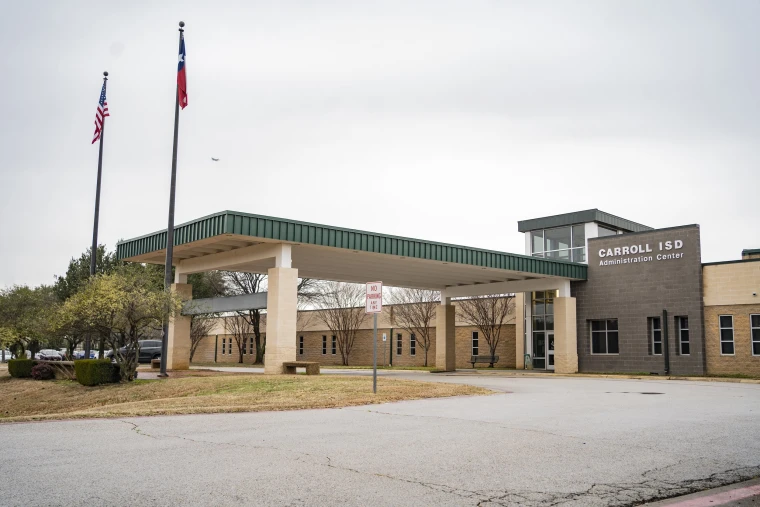
Carroll ISD serves over 8,100 students across 21 square miles in the Dallas-Fort Worth Metroplex. The district encompasses most of Southlake and portions of Grapevine, Colleyville, and Westlake.
All 11 campuses earned “A” ratings from the Texas Education Agency. This achievement places Carroll ISD among the top-performing school districts in Texas.
The district operates as a K-12 public school system with approximately 1,000 employees. Founded in 1959, Carroll ISD has established itself as a highly sought-after educational destination.
Students benefit from strong academic programs alongside robust athletics and music offerings. The district provides numerous extracurricular activities and opportunities for student involvement.
Carroll ISD’s location in affluent North Texas communities contributes to its appeal among families seeking quality education options.
2. Eanes Independent School District
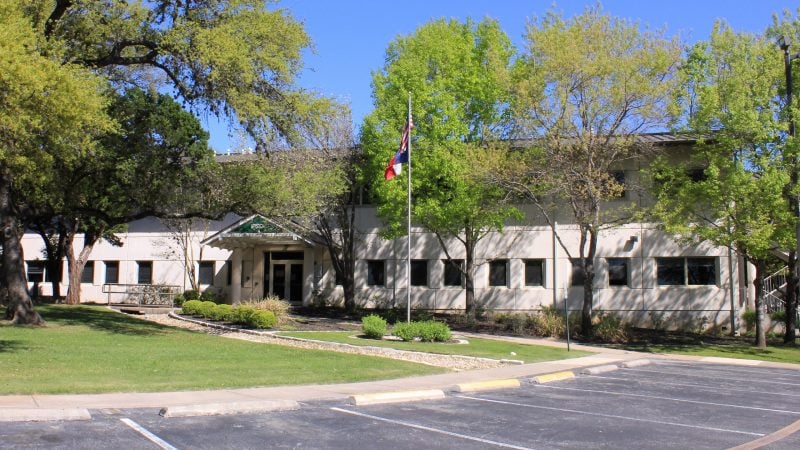
Eanes Independent School District serves approximately 7,814 students across nine campuses in the Austin area. The district operates six elementary schools, two middle schools, and one high school.
EISD has earned recognition as the best school district in Texas. The district also ranks 10th nationally among all school districts.
All nine schools hold Exemplary ratings, the highest designation possible in Texas. This achievement reflects consistent academic excellence across every campus.
The district maintains a favorable 15:1 student-to-teacher ratio. Above-average per-student spending supports comprehensive educational programs.
EISD operates as a 1:1 mobile device district, providing technology access to all students. The curriculum includes various enrichment opportunities designed to meet individual student needs.
The district ranks fifth for both best teachers and best places to teach in Texas. This recognition indicates strong educator satisfaction and quality instruction.
3. Coppell Independent School District
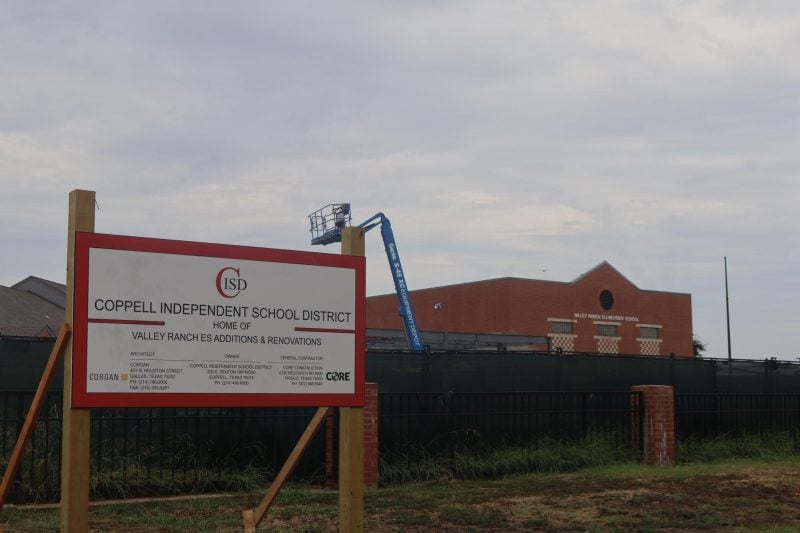
Coppell ISD ranks 14th out of 961 school districts statewide and earns a perfect 5-star rating. The district achieves a 10/10 testing ranking, placing it in the top 1% of Texas public schools.
The district serves 13,414 students across 16 schools. This includes 11 elementary schools, 3 middle schools, and 2 high schools.
Coppell ISD covers most of Coppell plus portions of Grapevine, Irving, Dallas, and Lewisville. The district includes parts of Valley Ranch in Irving.
Texas evaluates districts based on standardized test performance and graduation rates. The state also examines student achievement, progress, and efforts to close achievement gaps.
The district faces budget challenges similar to other North Texas systems. These financial pressures have led to discussions about potential school closures for the upcoming academic year.
4. Frisco Independent School District
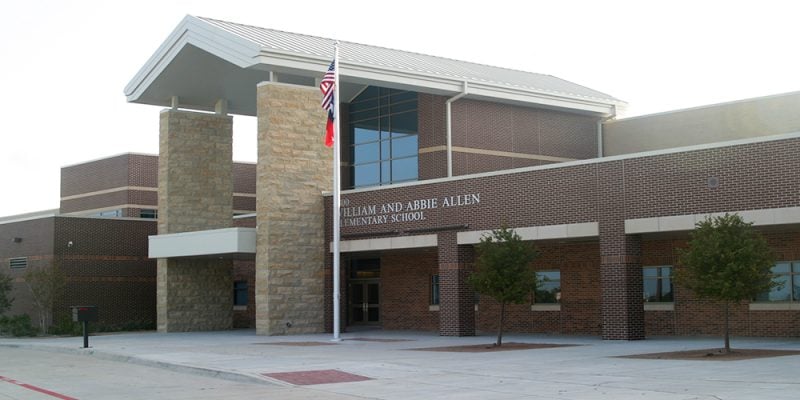
Frisco Independent School District serves portions of Denton and Collin counties in Texas. The district covers areas of Frisco, Little Elm, Plano, and McKinney.
The district operates 77 schools across the region. This includes 43 elementary schools, 18 middle schools, and 12 high schools.
Frisco ISD enrolled 65,288 students as of October 2024. The district maintains high academic standards with a 98.8% graduation rate for the Class of 2023.
The district ranks 31st out of 961 districts in Texas. SchoolDigger awarded Frisco ISD a 5-out-of-5-star rating for academic performance.
Frisco ISD recently began accepting out-of-district students to address funding challenges. The district faces a potential $30.81 million budget shortfall due to rising operational costs.
5. Fort Worth Independent School District
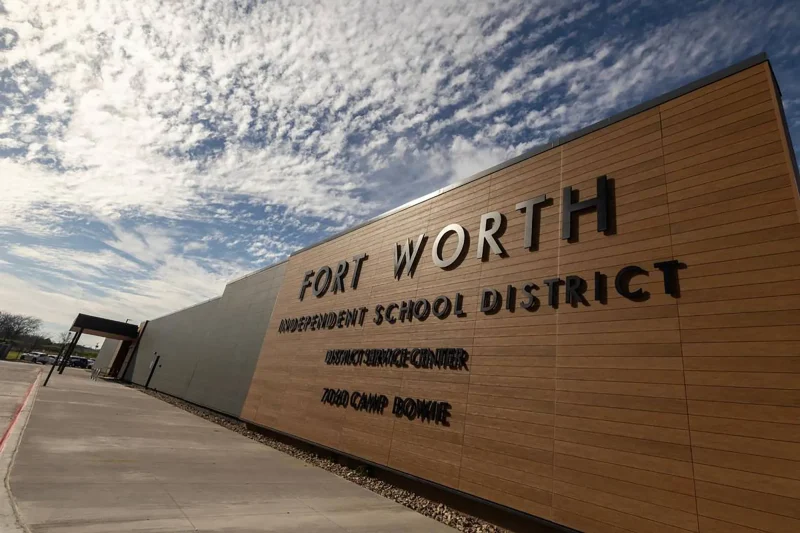
Fort Worth Independent School District serves as the fifth largest school district in Texas. The district enrolled 86,234 students based on 2017-18 data.
The district focuses on improving student outcomes across all schools and zip codes. Community organizations and individuals work together with the district to support educational goals.
Fort Worth ISD recently implemented changes to redirect resources toward classroom instruction. The district moved high-caliber educators back into direct student-facing roles.
The district serves the Fort Worth area and surrounding communities. Parents consider Fort Worth ISD when evaluating school options in the Dallas-Fort Worth Metroplex.
Fort Worth ISD offers diverse educational opportunities within one of Texas’s largest metropolitan areas. The district continues adapting its approach to meet student needs across its extensive network of schools.
6. Austin Independent School District
Austin Independent School District serves the vibrant city of Austin and surrounding areas including Sunset Valley, San Leanna, and parts of Travis County. Established in 1881, AISD has built a strong foundation over more than 140 years.
The district embraces 130 diverse school communities across elementary, middle, and high school levels. AISD focuses on preparing students for college, career, and life success through comprehensive educational programs.
Several schools within the district have earned top rankings and demonstrate exceptional academic performance. The district serves a diverse student population throughout Austin, creating an inclusive learning environment.
AISD offers families numerous options when selecting schools for their children. The district’s commitment to urban public education reform makes it an attractive choice for families relocating to the Austin area.
7. Plano Independent School District
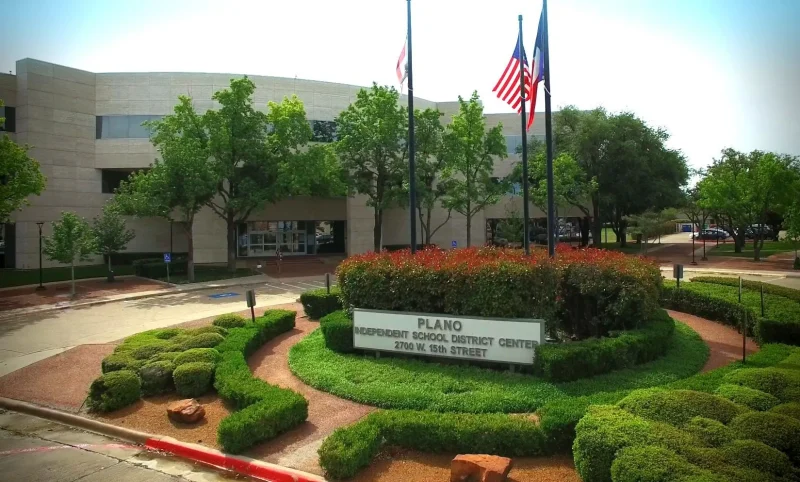
Plano Independent School District stands as the 18th largest school district in Texas and ranks 82nd nationally. The district serves over 50,000 students across 73 schools with approximately 3,800 faculty members.
Located in southwestern Collin County, Plano ISD covers multiple cities beyond just Plano. The district has earned national recognition for its academic excellence and comprehensive educational programs.
Plano ISD maintains strong safety protocols through partnerships with local police departments. School Resource Officers provide ongoing support at middle schools, high schools, and senior high schools.
The district recently approved a new compensation plan for the 2025-2026 school year. This plan includes pay increases for all employees and enhanced starting salaries for teachers.
Students benefit from diverse educational opportunities including bilingual and English language learning programs. The district serves a multicultural student population with various support systems in place.
8. Katy Independent School District
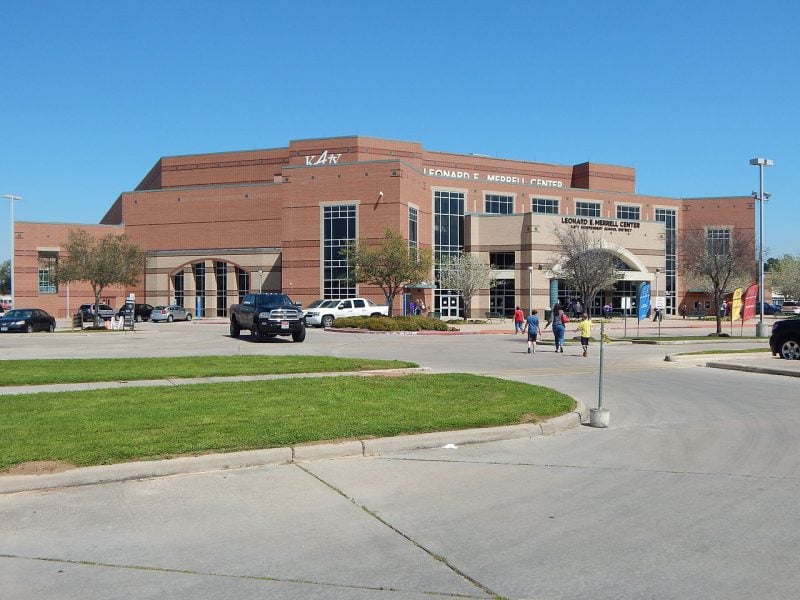
Katy Independent School District consistently ranks as one of Texas’s premier educational systems. The district serves over 85,700 students and earned an “A” grade from the Texas Education Agency in 2022.
Niche rankings place Katy ISD at number seven statewide for 2025. The district holds the top position among Houston area school districts for multiple consecutive years.
Katy ISD earned recognition as a Texas Honor Roll District by the Educational Results Partnership. This designation highlights the district’s commitment to closing achievement gaps across student populations.
Twenty-five individual schools within the district made the 2024 Honor Roll. These schools rank in the top 12 percent of eligible schools statewide.
The district operates in the rapidly growing Katy area west of Houston. Families choose Katy ISD for its academic excellence and comprehensive educational programs.
9. Cy-Fair Independent School District

Cy-Fair Independent School District encompasses 186 square miles in northwest Harris County. The district serves nearly 118,000 students across 96 schools, making it Texas’s third-largest school district and largest suburban district.
CFISD maintains strong academic performance with an average testing ranking of 8/10. This places the district in the top 30% of public schools in Texas for the 2025 school year.
The district was established in 1939 as a small agrarian community school. It has experienced substantial growth over the decades, transforming into one of the state’s most prominent educational systems.
Cy-Fair offers innovative educational opportunities and state-of-the-art technology across its campuses. The district provides free nutritious breakfasts and lunches to children 18 and under at select locations.
CFISD adopted the Districts of Innovation designation, allowing for greater operational flexibility. The district’s enrollment is projected to stabilize over the next decade after years of rapid growth.
10. Richardson Independent School District
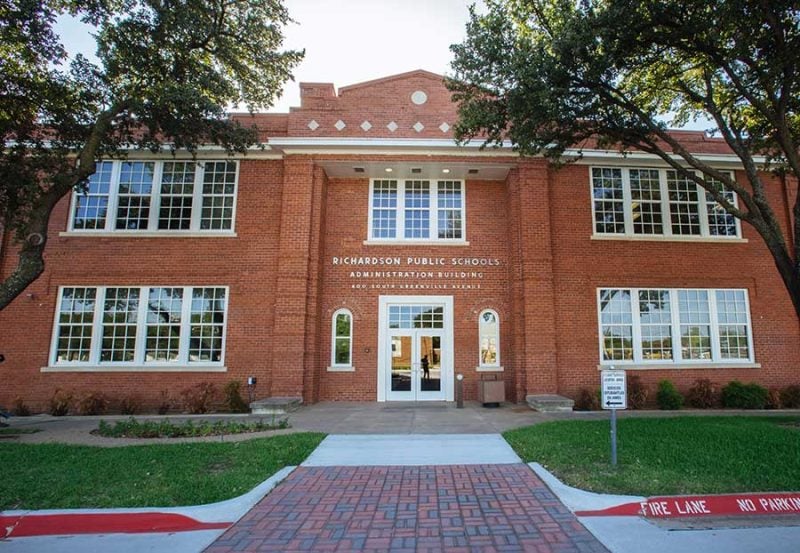
Richardson Independent School District serves 35,804 students across 52 public schools in northern Dallas County. The district covers Richardson and portions of Dallas neighborhoods including Lake Highlands, Northwood Hills, and Prestonwood.
RISD maintains a strong reputation for educational excellence with recognition at state and national levels. The district’s average testing ranking places it in the top 50% of Texas public schools.
The school system operates with 2,725 full-time classroom teachers serving its diverse student population. Approximately 32.1% of students participate in bilingual and English language learning programs.
Richardson ISD spans 46 square miles and consistently attracts families seeking quality education options. The district welcomes students back each August, with the 2025-26 school year beginning August 12.
11. The Woodlands (Conroe Independent School District)
The Woodlands stands out as one of Texas’s most desirable communities for families seeking excellent education. The area is primarily served by Conroe Independent School District, which has earned recognition for academic excellence.
Conroe ISD operates 65 schools across a 348-square-mile area. The district includes 37 elementary schools, 18 middle schools, and 8 high schools serving students from pre-kindergarten through 12th grade.
The district encompasses diverse geographic areas including The Woodlands, Shenandoah, Oak Ridge North, and Conroe. It ranks among the fastest-growing school districts in Texas.
Schools within the district offer strong academic programs alongside robust arts, athletics, and career preparation opportunities. Many schools have received state and national honors for their commitment to student achievement.
The Woodlands also benefits from portions served by Magnolia ISD and Tomball ISD, providing families with multiple high-quality public school options.
12. Highland Park Independent School District
Highland Park Independent School District serves University Park, Highland Park, and portions of Dallas within the Dallas-Fort Worth metroplex. The district operates eight campuses including five elementary schools, one intermediate school, one middle school, and one high school.
HPISD enrolls approximately 6,400 students and ranks in the top 1% of Texas public schools. The district maintains an average testing ranking of 10/10 across its campuses.
The Class of 2023 achieved a 100% graduation rate, with all students receiving their high school diplomas on time or earlier. This achievement reflects the district’s academic excellence.
Founded in 1914 with a four-room building on Cornell Avenue, HPISD has evolved into one of the premier school districts in the country. The district recently approved a 2025-26 compensation plan featuring a 7% salary increase for all staff.
13. Southlake Carroll Independent School District
Carroll Independent School District stands as one of Texas’s most sought-after public school systems. The district serves over 8,100 students across 11 campuses in a 21-square-mile area.
Located in the Dallas-Fort Worth Metroplex, Carroll ISD primarily serves Southlake. The district also covers portions of Grapevine, Colleyville, and Westlake.
All 11 campuses earned “A” ratings from the Texas Education Agency. The district ranks among the top school systems statewide for academic performance.
Test scores reflect the district’s excellence. Eighty-seven percent of students demonstrate proficiency in math, while 89 percent meet reading standards.
The Class of 2023 achieved a 99.6 percent graduation rate. This demonstrates the district’s commitment to student success and college preparation.
Carroll ISD maintains a 17-to-1 student-teacher ratio across its schools. The district employs over 1,000 staff members to support its educational mission.
14. Pearland Independent School District
Pearland ISD serves the city of Pearland, Brookside Village, and unincorporated areas in Brazoria County. The district operates 24 public schools with approximately 21,111 students enrolled.
The district ranks better than 90.7% of school districts in Texas. Its average testing ranking is 10/10, placing it in the top 10% of public schools statewide.
Pearland ISD has grown significantly from its origins as a one-room schoolhouse in 1893. The district now employs over 1,352 teachers across its campuses.
The school district recently adopted a tax rate that raises maintenance and operations taxes by 9.03 percent. This increase affects property taxes for homeowners in the district.
Families are drawn to Pearland ISD for its strong academic performance and comprehensive educational programs. The district’s consistent high rankings make it attractive to parents seeking quality education options.
15. Lewisville Independent School District
Lewisville Independent School District serves 48,356 students across 127 square miles in the Dallas-Fort Worth area. The district covers multiple cities including Lewisville, The Colony, Highland Village, and portions of Flower Mound and Plano.
LISD ranks 206 out of 1,196 school districts in Texas, placing it in the top 20% statewide. The district operates 62 schools total with a student-teacher ratio of 15 to 1.
Academic performance shows 51% of students achieving proficiency in math and 64% in reading on state tests. The district maintains 41 elementary schools, 16 middle schools, and 6 high schools.
LISD’s mission focuses on ensuring all students gain knowledge and skills for their futures. The district’s growth reflects the expanding Dallas-Fort Worth suburban development.
16. Round Rock Independent School District
Round Rock Independent School District serves over 48,000 students across prekindergarten through grade 12. The district operates 56 schools within approximately 110 square miles.
The district maintains a 15-to-1 student-teacher ratio. According to state test scores, 56% of students achieve proficiency in math and 67% in reading.
Round Rock ISD ranks better than 75.5% of districts in Texas. The Texas Association of School Administrators recognized the Round Rock ISD Board of Trustees as the top board in Region 13.
The district encompasses the city of Round Rock and surrounding areas. Students have access to diverse academic programs across elementary, middle, and high school levels.
Round Rock ISD recently proposed a $998 million bond package focused on facility improvements rather than new school construction.
17. McKinney Independent School District
McKinney Independent School District serves over 24,500 students across multiple communities in Collin County. The district covers McKinney, New Hope, and portions of Allen, Fairview, Princeton, and Lowry Crossing.
The district operates 21 elementary schools, five middle schools, and three high schools. Two alternative campuses and one early childhood center complete the educational offerings.
McKinney ISD ranks among the top 13 school districts in Texas for districts with enrollment between 10,000 and 40,000 students. This ranking is based on 2024 STAAR test performance data.
The district represents one of the fastest-growing school systems in Texas. Families are drawn to the combination of academic excellence and comprehensive educational programs offered throughout the district’s campuses.
18. Flower Mound Independent School District
Flower Mound operates under multiple school districts, with the Lewisville Independent School District serving the majority of the community. The area also includes portions of Argyle Independent School District.
The city contains 22 schools total. This includes 13 elementary schools, 5 middle schools, 3 high schools, and 1 alternative school.
Lewisville ISD maintains high academic standards throughout its Flower Mound schools. The district provides dedicated teachers and comprehensive support systems for students.
Flower Mound High School offers strong Advanced Placement programs. Students access numerous extracurricular activities and competitive sports teams.
Argyle Independent School District also serves parts of Flower Mound. This district maintains a 16-to-1 student-teacher ratio with 4,966 total students.
Both districts provide extensive academic programming. Students benefit from creative and social development opportunities alongside traditional coursework.
19. Allen Independent School District
Allen Independent School District ranks 61st out of 968 districts statewide and holds a 5-star rating from SchoolDigger. The district serves 21,319 students across 21 schools in Allen, McKinney, Plano, and Parker.
The district operates 16 elementary schools, 3 middle schools, 2 high schools, and 1 alternative school. This comprehensive structure provides educational continuity from kindergarten through graduation.
Allen ISD serves a diverse student population, with 13.4% of students enrolled in bilingual and English language learning programs. The district identifies 30.7% of students as at risk of dropping out.
Financial challenges include participation in Texas Chapter 49 Recapture, requiring Allen ISD to surrender nearly $4 million in local tax revenue to the state. A recent $222 million bond proposal reflects the district’s continued investment in facilities and programs.
The district maintains strong academic standards while navigating state funding complexities common to Texas public education.
20. Prosper Independent School District
Prosper Independent School District serves over 30,000 students across 31 public schools in this rapidly growing Collin County community. The district consistently ranks among Texas’s top performers with a perfect 10/10 testing ranking.
Academic excellence drives PISD’s reputation. Seventy percent of students meet proficiency standards in reading, while 60 percent achieve proficiency in math. The district maintains an 18-to-1 student-teacher ratio.
Athletics programs strengthen the district’s appeal. Prosper ranks sixth among 964 Texas districts for student athletes, fielding 38 varsity teams and 252 teams district-wide.
The district ranks among Texas’s wealthiest school systems. This financial strength supports state-of-the-art facilities and comprehensive extracurricular programs including robotics, debate, art, music, and theater.
Prosper ISD recently received voter approval for Bond 2023, funding exciting campus updates and renovations across the district.
21. Leander Independent School District
Leander Independent School District spans nearly 200 square miles across Central Texas communities. The district serves parts of Austin, Cedar Park, Georgetown, Leander, and Jonestown.
With over 42,000 students across 48 campuses, Leander ISD ranks among the largest school districts in the region. The student-teacher ratio stands at 16 to 1.
According to state assessments, 65% of students demonstrate proficiency in reading while 50% meet math standards. The district continues expanding with new elementary schools to accommodate growing enrollment.
Leander ISD serves diverse communities in both Williamson and Travis counties. The district functions as one of the area’s largest employers, supporting the local economy while educating students from preschool through twelfth grade.
22. Midland Independent School District
Midland ISD serves students in Midland and portions of Odessa, operating under accreditation from the Texas Education Agency. The district maintains a clear mission that all students will graduate college, career, or military ready.
The 2025-26 school year begins Tuesday, August 19. Parents can access elementary school supply lists through the district’s website for each campus.
Property taxpayers currently support $174 million in previously approved bond debt. Recent tax rate adjustments will raise taxes on a $100,000 home by approximately $1.91 for maintenance and operations.
The district provides multiple educational pathways including traditional public schools and alternative campuses. Families can review school demographics, academic performance data, and college readiness metrics when evaluating options.
Midland ISD continues adapting to meet community needs while maintaining educational standards across its campuses.
23. Denton Independent School District
Denton Independent School District serves 32,866 students across 48 public schools in the Dallas-Fort Worth area. The district operates 26 elementary schools, 8 middle schools, 8 high schools, and 1 alternative school.
DISD ranks as one of the fastest-growing school districts in North Texas. The district maintains a student-teacher ratio of 14 to 1, providing reasonable class sizes for students.
Academic performance shows 52% of students achieving proficiency in reading and 36% in math according to state test scores. The district receives a 5/10 testing ranking among Texas public schools.
Denton ISD covers a large geographical area while preserving a small-town community atmosphere. This unique environment distinguishes it from larger suburban districts in the metroplex.
The district continues expanding to accommodate growing enrollment in the region.
24. San Antonio Independent School District
San Antonio Independent School District serves 44,516 students across 101 public schools in Texas. The district ranks as the 13th largest among the state’s 1,057 school districts.
SAISD encompasses 79 square miles with a student-teacher ratio of 16 to 1. The district offers grades PK through 12 to families in the San Antonio metropolitan area.
According to state assessments, 21% of students demonstrate proficiency in mathematics while 33% meet reading standards. The district maintains diverse educational programs across its campus network.
The school system neighbors several other districts including Alamo Heights, Northside, and North East ISDs. SAISD provides public education options at no cost to families within its boundaries.
25. Irving Independent School District
Irving Independent School District serves over 31,000 students across 40 campuses in the Dallas-Fort Worth metroplex. The district covers 48.5 square miles and serves most of Irving, along with small portions of Grand Prairie and Dallas.
Founded in 1909, Irving ISD has evolved from a single building into a comprehensive educational system. The district operates 38 educational facilities focused on PreK-12 education.
Irving ISD opened Singley Collegiate Academy in 2020, allowing students to earn up to 60 college credit hours tuition-free. This collegiate academy represents the district’s commitment to innovative educational opportunities.
The district houses Lady Bird Johnson Middle School, recognized as the nation’s largest net-zero middle school. This facility also holds the distinction of being Texas’s first net-zero school.
Irving ISD continues adapting its resources and programs to meet evolving community needs while maintaining its reputation as a premier district in the region.
26. Garland Independent School District
Garland Independent School District serves over 51,000 students across 68 schools in the Dallas metropolitan area. The district ranks as the second-largest in Dallas County and fifth-largest in the Dallas-Fort Worth region.
GISD covers the communities of Garland, Rowlett, and Sachse, with small portions extending into Dallas and Wylie. This geographic diversity provides families with various housing options while maintaining access to district schools.
The district maintains a 16-to-1 student-teacher ratio across its campuses. According to state assessments, 48% of students demonstrate proficiency in reading while 37% meet math standards.
Garland ISD offers magnet school programs and provides transportation within designated zones. The district also operates an open enrollment program that allows students living outside the attendance boundaries to attend tuition-free.
Recent rankings show the district performing better than 51% of Texas school districts.
27. Conroe Independent School District
Conroe Independent School District spans 348 square miles in Montgomery County, serving over 73,000 students across 74 campuses. The district ranks as the 7th largest in Texas and 49th largest nationally.
The district encompasses diverse communities including The Woodlands, Shenandoah, Oak Ridge North, and Conroe. These areas attract families seeking quality education in the Houston metropolitan region.
Conroe ISD maintains strong academic performance with an average testing ranking of 9/10, placing it in the top 20% of Texas public schools. The district has earned recognition as Montgomery County’s Best School District Overall for four consecutive years.
Growth remains consistent with approximately 2,500 new students enrolling annually. This expansion reflects the area’s appeal to relocating families and demonstrates the district’s reputation for educational excellence.
28. Northwest Independent School District
Northwest Independent School District serves over 27,000 students across 34 schools in the Dallas-Fort Worth metroplex. The district operates 22 elementary schools, 7 middle schools, and 5 high schools.
NISD ranks as the fastest-growing school district in North Texas based on new home starts. The district has opened six new schools in two years to accommodate rapid enrollment growth.
The district spans diverse communities from suburban to rural areas along the I-35 corridor. This location provides residents easy access to shopping, dining, and business centers throughout the metroplex.
Northwest ISD has distinguished itself as one of the top school districts in the DFW area. Families choose the district for its educational quality and variety of living options that suit different preferences and lifestyles.
29. Mesquite Independent School District
Mesquite Independent School District serves 38,251 students across Mesquite and portions of surrounding communities including Balch Springs, Dallas, Garland, and Seagoville. The district maintains a student-teacher ratio of 15 to 1.
Academic performance shows 38% of students achieving proficiency in math and 42% in reading based on state test scores. The district supports diverse learners with 34.7% of students enrolled in bilingual and English language learning programs.
Dr. Angel Rivera leads the district as superintendent from the main office located at 3819 Towne Crossing Boulevard. The district operates under standard Texas independent school district guidelines and serves students from pre-kindergarten through grade 12.
Mesquite ISD provides comprehensive educational programs while maintaining non-discrimination policies across all activities. The district focuses on preparing students for post-secondary success in college, workforce, or military paths.
30. Henderson Independent School District
Henderson Independent School District serves as the largest school district in Rusk County, Texas. The district operates five public schools, including three elementary schools, one middle school, and one high school.
Current enrollment stands at 3,292 students in grades PreK through 12. The district maintains a student-teacher ratio of 16 to 1 across its campuses.
The school system employs over 600 teachers, administrators, and support staff. Henderson ISD is located at 300 Crosby Dr in Henderson, Texas, under the leadership of Superintendent Jim Dunlap.
Academic performance shows 28% of students achieving proficiency in math and 37% in reading based on state assessments. The district’s testing ranking places it at 2 out of 10 among Texas public schools.
Henderson ISD adopted a tax rate of $0.9293 for the current year, maintaining the same rate as the previous year.
What Sets Texas School Districts Apart?
Texas school districts operate under a unique independent structure that gives them significant autonomy in educational decisions and resource allocation. The state’s 1,031 independent school districts serve over five million students with distinct approaches to academic programming and community engagement.
Academic Excellence and Extracurricular Offerings
Texas school districts maintain higher academic standards through rigorous curriculum requirements and comprehensive testing systems. Many districts offer Advanced Placement courses, dual credit programs, and specialized STEM academies that prepare students for college and careers.
The state’s emphasis on both academics and athletics creates well-rounded educational experiences. Districts typically provide extensive sports programs including football, basketball, baseball, and track and field. Fine arts programs encompass band, choir, theater, and visual arts competitions at regional and state levels.
Key Academic Features:
- Standardized STAAR testing system
- College readiness benchmarks
- Career and technical education pathways
- Gifted and talented programs
Many districts also offer International Baccalaureate programs and language immersion opportunities. These advanced academic options attract families seeking challenging educational environments for their children.
Community Involvement and Support
Texas school districts benefit from strong community partnerships and local business involvement. Independent school district governance allows for direct community input through elected school boards that make decisions on budgets, policies, and educational priorities.
Local tax bases provide significant funding through property taxes. This creates direct connections between community prosperity and school quality. Wealthier districts can offer enhanced facilities, technology, and program offerings.
Parent and volunteer engagement remains exceptionally high in top-performing districts. Communities organize fundraising events, support athletic programs, and participate in educational committees. This involvement creates accountability and sustained support for educational initiatives.
Business partnerships provide internship opportunities and real-world learning experiences. Many districts collaborate with local companies to develop career pathways in high-demand fields.
Innovative Educational Programs
Texas districts lead in educational technology integration and personalized learning approaches. Many schools provide one-to-one device programs and digital learning platforms that enhance traditional instruction methods.
Specialized magnet schools and academies focus on specific career fields like healthcare, engineering, and culinary arts. These programs attract students from multiple districts and provide intensive career preparation.
Innovation Examples:
- Project-based learning initiatives
- Maker spaces and fabrication labs
- Coding and robotics programs
- Agricultural science facilities
Early college high schools allow students to earn associate degrees while completing high school requirements. This dual enrollment approach saves families money and accelerates post-secondary education timelines.
Many districts implement social-emotional learning programs and mental health support services. These comprehensive approaches address student well-being alongside academic achievement.
Factors Families Consider Before Moving
Educational excellence, safety protocols, and specialized program availability drive most family relocation decisions in Texas. Parents evaluate teacher credentials, campus security measures, and access to gifted programs or special education services before choosing their new district.
Quality of Teachers
Teacher qualifications significantly impact student achievement across Texas school districts. Families research teacher certification rates, advanced degrees, and years of experience when evaluating potential schools.
Teacher Certification Standards vary by district, with top-performing areas requiring additional credentials beyond state minimums. Many sought-after districts maintain 95% or higher certification rates among their teaching staff.
Districts with strong teacher retention rates typically offer competitive salaries and professional development opportunities. Low turnover indicates job satisfaction and creates stable learning environments for students.
Classroom experience levels matter to parents seeking consistent instruction quality. The most desirable districts attract teachers with 5+ years of experience and provide ongoing training in current educational methods.
Parent-teacher communication policies reveal district priorities regarding family involvement. Schools with regular progress updates and accessible teachers tend to produce higher student satisfaction rates.
District Safety Measures
Campus security protocols rank among parents’ top concerns when selecting school districts. Texas schools implement various safety measures including controlled access systems, surveillance technology, and emergency response procedures.
Physical security features include locked entrances during school hours, visitor check-in systems, and perimeter fencing. Many districts employ full-time security personnel or police officers on campus.
Emergency preparedness training occurs regularly in top-rated districts. Schools conduct lockdown drills, severe weather procedures, and evacuation plans with students and staff throughout the academic year.
Anti-bullying programs address social safety concerns through peer mediation, counseling services, and clear disciplinary policies. Effective districts maintain low incident reports and swift response protocols.
Technology monitoring systems help districts track potential threats through social media scanning and digital communication oversight. These tools support early intervention before problems escalate.
Access to Specialized Resources
Specialized programs distinguish competitive school districts from average ones. Families prioritize access to gifted education, special needs services, and advanced academic offerings when relocating.
Gifted and Talented Programs provide accelerated learning opportunities for high-achieving students. Top districts offer pull-out programs, advanced coursework, and enrichment activities beyond standard curriculum requirements.
Special education services must meet individual student needs through certified specialists and appropriate resources. Quality districts maintain low student-to-specialist ratios and comprehensive support systems.
Advanced Placement Courses expand college preparation options for high school students. Desirable districts offer 15+ AP subjects with experienced instructors and high pass rates on standardized exams.
Technology integration includes device programs, coding classes, and digital literacy instruction. Modern districts provide students with laptops or tablets plus training in relevant software applications.
Career and technical education pathways prepare students for workforce entry through hands-on learning experiences. Strong programs include industry partnerships and certification opportunities.