
The 30 Worst Cities to Buy a Home in the United States: Market Analysis and Risk Factors

Purchasing a home represents one of the most significant financial decisions Americans make, yet certain cities present substantial challenges that can turn this milestone into a costly mistake.
Various factors including declining property values, high crime rates, expensive housing costs relative to income potential, and poor economic conditions make some metropolitan areas particularly problematic for homebuyers.
This analysis examines thirty major cities across the United States where purchasing property poses the greatest risks to buyers’ financial well-being and long-term investment goals.
From coastal markets plagued by affordability issues to Midwest cities struggling with population decline, these locations share characteristics that create unfavorable conditions for both primary residence buyers and real estate investors.
Understanding these market dynamics helps potential homebuyers make informed decisions about where to invest their money and establish roots.
Here are the 30 worst cities to buy a home in the U.S.
1. Portland, Oregon

Portland ranks as the worst city to buy a home in the United States according to recent studies. The city faces severe housing supply shortages with one of the lowest vacancy rates at 4.76%.
Home prices in Portland are nearly 30% higher than the national average. The city’s home value-to-income ratio stands at 5.57, making it extremely difficult for residents to afford housing.
Since 2000, home prices have increased by more than 200%. This dramatic rise has outpaced wage growth significantly.
Land constraints and strong demand continue to drive up prices. New housing unit approvals remain insufficient to meet market needs.
The combination of limited inventory and high demand creates intense competition among buyers. This environment particularly challenges first-time homebuyers and middle-income families seeking affordable options.
2. Virginia Beach, Virginia

Virginia Beach presents significant challenges for home buyers despite being Virginia’s most populous city. The real estate market shows concerning trends with only 1.6% growth in home values, indicating prices may be declining.
This coastal city struggles with poor investment potential compared to other major metropolitan areas. The combination of stagnant property values and limited appreciation makes it difficult for buyers to build equity.
Virginia Beach’s housing market lacks the momentum found in more desirable locations across the country. The city’s economic factors contribute to weak real estate performance, making it unsuitable for those seeking strong returns on their home investment.
Buyers should exercise caution when considering Virginia Beach properties given the market’s underwhelming performance indicators.
3. Los Angeles, California

Los Angeles presents significant challenges for homebuyers due to its high housing costs and relatively low wages. The city ranks among the worst locations for first-time buyers according to multiple real estate studies.
Home prices in Los Angeles have risen substantially over recent years. This price surge makes it particularly difficult for new buyers to enter the market.
The city faces a severe housing shortage that continues to drive prices upward. Supply constraints affect the entire Los Angeles metropolitan area.
Despite being the second largest city in the United States, Los Angeles offers limited affordability options. The gap between housing costs and local wages remains problematic for most buyers.
Real estate experts consistently identify Los Angeles as a challenging market for property investment and homeownership.
4. San Francisco, California

San Francisco ranks among the worst cities for homebuyers due to extreme housing costs. The median home price exceeds $1.3 million, making homeownership nearly impossible for most residents.
The city faces a significant housing shortage that drives prices higher. This shortage affects the entire Bay Area market and limits inventory for potential buyers.
Despite being a major tech hub, San Francisco experiences population decline. Many residents relocate to more affordable areas, creating uncertainty about future property values.
First-time homebuyers find San Francisco particularly challenging. High prices combined with strict lending requirements create substantial barriers to entry.
The cost of living extends beyond housing prices. Property taxes, maintenance costs, and associated expenses add to the overall financial burden of homeownership in the city.
5. Seattle, Washington

Seattle’s real estate market presents significant challenges for homebuyers. The city has experienced a 52% increase in home prices over the past five years.
This dramatic price surge has priced out many potential buyers. Tech companies remain major employers, but their presence has contributed to housing affordability issues.
The market shows signs of slowing down despite continued economic activity. High housing costs relative to other markets make Seattle less attractive for investment purposes.
First-time homebuyers face particular difficulties in the Seattle market. The city ranked 48th out of major U.S. cities for first-time homebuyer conditions according to recent analysis.
Property values have reached levels that strain household budgets. The combination of limited inventory and high demand continues to drive prices beyond reach for many residents.
Seattle’s housing market reflects broader Pacific Northwest trends of rapid appreciation followed by cooling conditions.
6. Chicago, Illinois
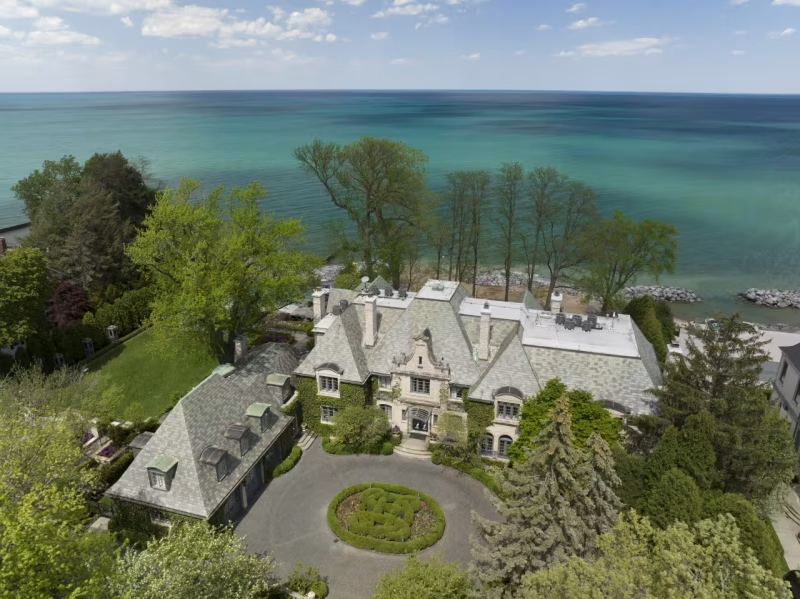
Chicago stands out as one of the worst cities for real estate investment despite being a major metropolitan hub. The average home value sits around $296,901, but several factors make this market problematic for buyers.
High property taxes plague Chicago homeowners. The city’s financial instability creates ongoing concerns for potential investors looking for stable returns.
Home value appreciation has been notably poor compared to national averages. While most U.S. home prices have doubled over the past 25 years, Chicago has significantly underperformed this benchmark.
Crime rates present additional challenges for homebuyers. The city experiences elevated levels of burglary, violent crime, and theft, making safety a primary concern when selecting neighborhoods.
Illinois’s broader economic challenges compound Chicago’s real estate problems. State-level financial issues create uncertainty that affects local housing markets and long-term property value prospects.
7. Detroit, Michigan
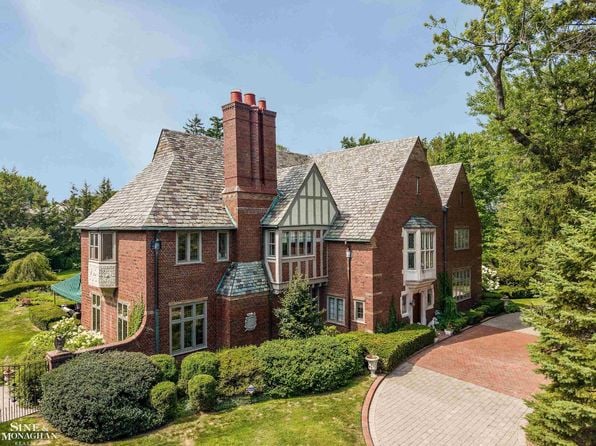
Detroit faces significant economic challenges that impact its housing market appeal. The city struggles with high vacancy rates across many neighborhoods.
Safety concerns and questions about public services affect buyer confidence. These factors combine to create a challenging environment for homeowners.
Despite ongoing revitalization efforts, Detroit’s housing market remains unstable. Home values have not shown consistent growth patterns compared to other major cities.
The city’s economic foundation continues to recover from past industrial declines. This creates uncertainty for potential property investors.
Infrastructure issues and municipal service quality vary significantly between districts. Buyers often encounter unexpected maintenance costs and utility concerns.
Detroit ranks poorly among Michigan cities for homebuying prospects. Multiple studies identify it as one of the state’s most challenging real estate markets.
8. Cleveland, Ohio
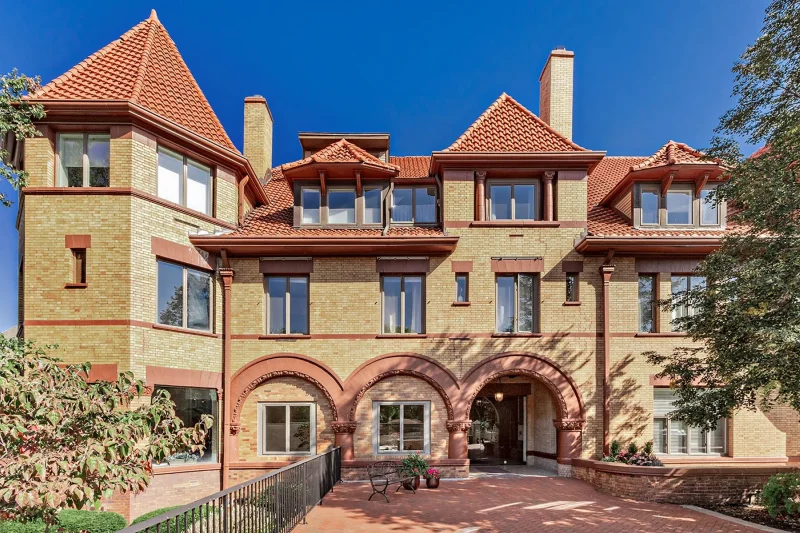
Cleveland ranks among the most dangerous cities in the United States, making it a poor choice for home buyers. The city’s violent crime rate significantly exceeds national averages, with more than 99% of Ohio communities reporting lower crime rates.
The median home value sits at just $67,000, reflecting the city’s economic struggles. This low price point indicates weak market demand and limited appreciation potential for investors.
Cleveland’s poverty rate reaches 30.8%, which is double the national average. High unemployment rates compound these economic challenges, creating an unstable environment for property values.
The housing market remains fragile after experiencing devastating crashes in 2011 and 2012. The worst single-year decline reached 16.7%, demonstrating the market’s volatility and risk for potential buyers seeking stable investments.
9. Baltimore, Maryland
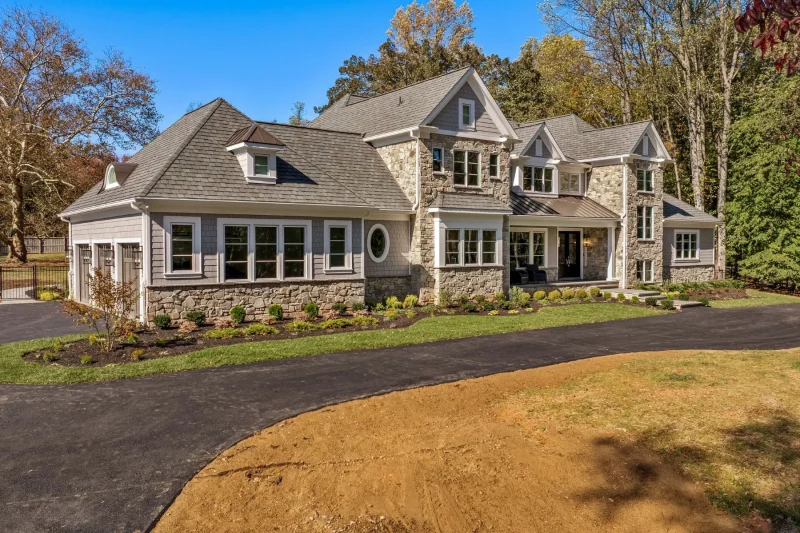
Baltimore faces significant challenges that make it a difficult location for home buyers. The city has been ranked as the fourth most dangerous city in the United States by U.S. News & World Report, following Memphis, Oakland, and St. Louis.
Crime remains a major concern for residents. The rankings rely on FBI crime data, including murder rates and property crime statistics per 100,000 residents.
The real estate market presents additional obstacles. WalletHub ranked Baltimore as the second worst real estate market in 2024, indicating poor investment potential for homeowners.
Property values reflect these challenges. The per capita crime cost reaches $8,160, which significantly impacts the overall cost of living in the city.
Beyond safety and financial concerns, Baltimore has been identified as the dirtiest city in America according to a HouseFresh study. The city contains six of the nation’s dirtiest ZIP codes based on 311 complaint data.
10. St. Louis, Missouri

St. Louis ranks among the most dangerous cities in the United States, making it a challenging place to buy a home. The city’s violent crime rate significantly exceeds the national average.
The economic factors make homeownership particularly unattractive. Average household income sits at just $38,664 annually, well below national standards.
Crime costs residents an estimated $11,055 per person. The City-Data crime index reaches 896.4, indicating severe safety concerns for potential homeowners.
St. Louis accounts for a large portion of Missouri’s total reported crimes. Most incidents occur in the larger metro area, affecting property values and neighborhood stability.
Despite the iconic Gateway Arch and cultural attractions, the crime statistics overshadow these benefits. Robbery, vehicle theft, property destruction, and aggravated assault remain common throughout the city.
The combination of low wages, high crime rates, and safety concerns creates an unfavorable environment for home investment.
11. Oakland, California
Oakland consistently ranks among the worst cities for first-time homebuyers in the United States. The city faces significant affordability challenges with high median home prices that put homeownership out of reach for many buyers.
Eight of the ten worst cities for first-time homebuyers are located in California, with Oakland leading this concerning trend. The combination of elevated housing costs and limited inventory creates substantial barriers to entry.
Crime remains a persistent concern in Oakland, with the city struggling with high violent crime rates. These safety issues compound the housing affordability crisis and deter potential buyers from investing in the area.
The city’s housing market reflects broader Bay Area challenges where demand far exceeds supply. Property values have increased dramatically, making it difficult for newcomers to enter the market even with substantial savings.
12. San Diego, California
San Diego presents significant challenges for home buyers despite its desirable coastal location. The city ranks among the most “impossibly unaffordable” housing markets in the United States according to recent analysis.
Real estate taxes create substantial ongoing costs for homeowners. The rental yield stands at just 4.4 percent, making investment properties less attractive than other markets.
Property investors face a lengthy recovery period in San Diego. It takes approximately 23 years for rental income to cover mortgage costs on typical properties.
The starter home market proves particularly difficult for first-time buyers. Over 63 percent of homes contain three bedrooms or fewer, yet median prices for these starter properties remain extremely high.
Increasing inventory levels suggest market softening. This trend indicates potential price instability and reduced appreciation potential for new buyers entering the market.
13. Newark, New Jersey
Newark stands as New Jersey’s largest city with over 310,000 residents. The city faces significant challenges that make it a problematic choice for homebuyers.
Crime rates present a major concern for potential property owners. Newark has a crime rate higher than 90% of other New Jersey cities and towns according to FBI data.
The housing market struggles with investment potential. Newark ranks among cities where property owners have difficulty gaining value over time.
Economic factors further complicate the investment landscape. Limited job growth and economic opportunities create uncertainty for long-term property appreciation.
Despite recent revitalization efforts and population growth, these fundamental issues persist. The combination of safety concerns and weak market performance makes Newark a risky choice for homebuyers seeking stable investments.
14. Philadelphia, Pennsylvania
Philadelphia faces significant challenges in its real estate market. Recent studies have identified the city as having one of the worst real-estate markets in the United States.
The housing market shows concerning trends with minimal growth potential. Property values remain stagnant, offering little return on investment for homebuyers.
Crime rates present another major concern for potential residents. Philadelphia consistently ranks among the most dangerous cities in Pennsylvania, with several neighborhoods experiencing high crime levels.
The city struggles with safety issues across multiple districts. Areas like Tioga-Nicetown and Strawberry Mansion rank among the most dangerous neighborhoods for 2025.
Housing costs remain problematic relative to the area’s economic conditions. The combination of safety concerns and poor market performance creates unfavorable conditions for home purchases.
Philadelphia’s real estate challenges stem from multiple factors including crime, limited appreciation potential, and neighborhood safety issues.
15. Miami, Florida
Miami faces significant environmental challenges that make it a risky real estate investment. According to Zillow, 26% of homes in the city are under threat from rising sea levels.
The insurance costs alone present a major financial burden. Homeowners insurance in Miami-Dade County averages $15,539 annually. Costs typically range from $8,617 to $22,398 per year.
These insurance premiums reflect the genuine risks property owners face. The city’s coastal location exposes homes to hurricanes, flooding, and storm surge damage.
Rising sea levels pose a long-term threat to property values. Many neighborhoods sit just feet above current sea level, making them vulnerable to future flooding.
The combination of climate risks and expensive insurance creates ongoing financial pressure for homeowners. These factors make Miami properties challenging investments for most buyers.
16. Atlanta, Georgia
Atlanta faces significant challenges for homebuyers despite its status as a major metropolitan hub. The city struggles with high crime rates in several neighborhoods that impact property values and safety concerns.
Housing affordability has become increasingly problematic as prices rise faster than local wages. Many first-time buyers find themselves priced out of desirable areas within the city limits.
Traffic congestion creates additional stress for residents commuting to work. The city’s rapid growth has outpaced infrastructure development in many areas.
Property taxes remain relatively high compared to surrounding suburban communities. Crime hotspots throughout the city require careful research before purchasing in specific neighborhoods.
The combination of rising home prices, safety concerns, and infrastructure challenges makes Atlanta a difficult market for many potential homebuyers seeking value and quality of life.
17. Dallas, Texas
Dallas ranks among the nation’s worst markets for home cancellations. The city holds the ninth position for buyers backing out of purchase agreements in 2025.
Market volatility creates uncertainty for potential homeowners. Buyers frequently abandon deals after initial commitments, indicating underlying market instability.
The Dallas-Fort Worth metroplex faces inventory challenges. High cancellation rates suggest buyers struggle with pricing expectations or financing difficulties.
Economic pressures affect buyer confidence throughout the region. Market conditions force many prospective purchasers to reconsider their investment decisions.
Housing demand fluctuates unpredictably in Dallas suburbs. The extensive metropolitan area offers numerous neighborhoods, but market performance varies significantly across different zones.
Buyers encounter difficulties navigating the complex real estate landscape. Multiple factors contribute to purchase hesitation, including affordability concerns and market timing uncertainties.
18. Houston, Texas
Houston ranks as the riskiest city in the United States for homeowners according to recent reports. The city faces significant challenges with natural disaster exposure and inadequate emergency services infrastructure.
Houston has only four fire stations per 100,000 residents. This represents the lowest ratio among the top five riskiest cities for homeownership in America.
The city ranks 28th nationally for housing affordability difficulties. Among Texas cities specifically, Houston holds the second position for most challenging home buying conditions.
Multiple studies consistently place Houston among problematic markets for property investment. The combination of risk factors and service limitations creates obstacles for potential buyers.
Recent analysis shows Houston’s housing market presents more challenges than opportunities. These conditions make it a particularly difficult environment for both first-time buyers and investors seeking stable returns.
19. Denver, Colorado
Denver ranks as one of the most challenging cities for home buyers in the United States. According to LendingTree’s analysis of 100 major cities, Denver placed dead last for first-time homebuyers.
The city performed worse than traditionally expensive markets like New York City and San Francisco. Multiple factors contribute to Denver’s poor ranking for prospective buyers.
High home prices relative to local incomes create significant barriers to entry. Limited housing inventory compounds the affordability challenge for buyers.
Recent reports also ranked Denver among Colorado’s worst places to move to this year. The combination of rising costs and limited opportunities makes homeownership increasingly difficult.
Competition remains fierce in Denver’s market despite these challenges. Buyers face bidding wars and limited selection when searching for properties.
20. Phoenix, Arizona
Phoenix ranks among the worst housing markets in the U.S. for growth according to recent analysis. The Arizona capital faces significant challenges that make it a problematic choice for home buyers.
Air quality presents a major concern for residents. Phoenix ranks as the 5th most ozone-polluted city in the United States based on the American Lung Association’s 2023 report.
The city experiences high levels of ozone and particulate matter, particularly during summer months. These pollution issues affect quality of life and can impact long-term property values.
Arizona’s real estate market has shifted dramatically from its previous status as one of America’s hottest markets. Phoenix now struggles with unstable prices and declining demand in 2025.
The combination of environmental challenges and market instability makes Phoenix a risky investment for prospective homeowners.
21. Las Vegas, Nevada
Las Vegas faces significant housing market challenges that make it problematic for home buyers. The city struggles with high housing costs relative to local wages, creating affordability barriers for many residents.
Crime rates remain a persistent concern throughout the Las Vegas Valley. Areas within the city experience issues with drug-related activity and property crimes that impact neighborhood stability.
The local economy’s heavy reliance on tourism and hospitality creates income volatility for residents. This dependence makes homeownership risky during economic downturns when tourism declines.
Housing inventory fluctuates dramatically based on market conditions. Buyers often encounter limited options in desirable neighborhoods while facing competition from investors.
Educational resources vary significantly across different areas of the city. Many schools underperform compared to national standards, affecting long-term property values and family considerations.
The desert climate brings additional homeownership costs through high cooling expenses. Maintenance requirements for desert conditions add to the overall cost of ownership beyond the initial purchase price.
22. Sacramento, California
Sacramento faces significant affordability challenges for homebuyers despite being California’s capital city. The median home price remains well above the national average, creating barriers for first-time buyers.
The city’s housing market reflects broader California trends of high demand and limited supply. Property values have increased substantially over recent years, outpacing wage growth in the region.
Sacramento’s location in the Central Valley provides some relief compared to coastal California cities. However, buyers still encounter competitive bidding situations and stretched affordability ratios.
The local job market centers around government employment, which provides stability but may not offer the income growth needed to keep pace with housing costs. Transportation costs to nearby employment centers can add to the overall expense burden.
Property taxes and insurance costs contribute additional monthly expenses that strain household budgets for many potential homeowners.
23. Tampa, Florida
Tampa presents significant challenges for prospective homebuyers in 2025. The city has become a foreclosure epicenter as Florida leads the nation in housing distress.
Property listings have surged by 80% over two years. Many investors are selling at losses, creating market instability and uncertainty for new buyers.
Hurricane risk poses a constant threat to Tampa properties. As a coastal city, Tampa faces regular exposure to tropical storms and hurricanes that cause extensive property damage.
Insurance costs have reached problematic levels. The combination of hurricane risk and rising claims has made homeowner’s insurance increasingly expensive and difficult to obtain.
The market shows extreme volatility with panic selling becoming common. Former investor havens have transformed into areas of financial disappointment for property owners.
Competition remains fierce despite these issues. Tampa’s real estate market continues to be both pricey and unpredictable for buyers.
24. Minneapolis, Minnesota
Minneapolis ranks among the worst cities for first-time home buyers, placing at number 178 in recent rankings. The city faces severe housing shortage challenges that significantly impact affordability.
The Minneapolis-St. Paul metro region has the nation’s worst housing shortage according to 2020 census data. Only 4.6% of housing units remain vacant, creating intense competition among buyers.
Zillow reports Minneapolis as having the eighth worst housing shortage in the country. Despite construction booms, the supply cannot meet demand from potential homeowners.
The Twin Cities housing market has been characterized as the worst in the nation by industry analysts. Limited inventory drives up prices and creates bidding wars for available properties.
Higher crime rates compared to other major cities compound the housing challenges. These factors combine to make Minneapolis a difficult market for prospective home buyers.
25. Boston, Massachusetts
Boston presents significant financial barriers for home buyers with a median home price of $725,000. This substantial upfront investment creates challenges for most potential homeowners.
The city’s rental yield stands at just 4.4% despite median rent reaching $2,629. This low yield indicates poor return potential for investment properties.
Mortgage payments would take approximately 23 years to be covered by rental income at current market rates. This extended payback period makes Boston financially unattractive for investors.
Current property prices in Boston are near all-time highs. This timing creates additional risk for buyers entering the market.
Multiple studies consistently rank Boston among the worst cities for first-time homebuyers nationwide. The combination of high costs and elevated tax rates contributes to this poor ranking.
26. Washington, D.C.
Washington, D.C. presents significant challenges for potential homebuyers with its median home price reaching approximately $650,000. The high cost of entry creates barriers for many buyers seeking affordable housing options.
The district faces ongoing political uncertainty that affects market stability. Real estate experts predict these political factors will contribute to stagnant property values over the next several years.
Living costs in the nation’s capital extend beyond housing prices. Residents encounter elevated expenses for daily necessities, transportation, and services that strain household budgets.
The combination of expensive real estate and high living costs creates an unfavorable environment for home purchases. Property values may decline rather than appreciate, making Washington, D.C. a risky investment for buyers seeking long-term value growth.
27. Riverside, California
Riverside presents significant challenges for homebuyers seeking long-term value and convenience. The city struggles with extensive urban sprawl that forces over a third of residents to commute outside the area for work.
Traffic congestion creates major problems for homeowners. Many residents face lengthy commutes to Los Angeles, making daily travel time-consuming and expensive.
The local economy offers limited high-paying opportunities compared to coastal California cities. This income disparity affects affordability despite relatively lower home prices than nearby metropolitan areas.
Housing market conditions in Riverside show concerning trends. Multiple studies identify the city among California’s worst locations for first-time homebuyers due to economic factors and commuting challenges.
The combination of long commutes, traffic issues, and economic limitations makes Riverside a problematic choice for home investment.
28. Buffalo, New York
Buffalo presents a contradictory housing market scenario. Zillow named it the hottest housing market for 2025, yet multiple studies rank it among the worst cities for property investment.
The city faces significant safety concerns. Buffalo’s violent crime rate stands at 56.6, while property crime reaches 61.4, both well above national averages.
Population decline poses another major challenge. The city’s shrinking demographic creates long-term concerns for property value appreciation and economic stability.
Buffalo does show positive job growth indicators. This economic improvement provides some optimism for the local real estate market despite other negative factors.
Rental income potential offers one bright spot. The typical rent of $898 creates opportunities for investors seeking cash flow from rental properties.
The combination of declining population, high crime rates, and mixed economic signals makes Buffalo a risky choice for homebuyers seeking stable long-term investment returns.
29. Columbus, Ohio
Columbus presents significant challenges for homebuyers despite being Ohio’s capital city. The housing market shows concerning instability with median home values experiencing volatile swings of 10.5% annually.
Crime rates pose a major concern for potential residents. Columbus has a crime rate of 32 per thousand residents, ranking among the highest in America compared to communities of all sizes.
The city struggles with high violent crime statistics. Among large cities with populations over 500,000, Columbus holds the third-highest rate of forcible rape in the United States as of 2022.
Certain neighborhoods present particular safety risks. Milo Grogan and Fort Columbus Airport rank as the most dangerous areas in the city for 2025.
Housing supply issues compound buyer difficulties. While Columbus added 830 new listings in February, only 582 properties remained actually available for purchase, indicating tight inventory conditions.
30. Charlotte, North Carolina
Charlotte presents significant challenges for homebuyers despite its reputation as a major financial hub. The city has experienced rapid population growth that has outpaced housing development.
Several neighborhoods within Charlotte rank among the most dangerous in the state. Lakewood and Jackson Homes consistently appear on lists of problematic areas due to elevated crime rates.
Housing costs have risen sharply as demand exceeds supply. The influx of new residents has created intense competition for available properties.
Certain areas of the city face ongoing safety concerns that affect property values and quality of life. Crime statistics show notable disparities between different neighborhoods.
The rapid development has strained local infrastructure and services. Traffic congestion and overcrowded schools are common complaints among residents.
Market volatility makes timing purchases difficult for buyers seeking stable investments.
Key Factors Making Cities Unfavorable for Homebuyers
Several critical factors consistently emerge when cities become challenging markets for homebuyers. These elements create financial strain, limit investment potential, and reduce overall quality of life for residents.
High Cost of Living and Property Taxes
Property taxes represent one of the most significant ongoing expenses homeowners face. Cities with rates exceeding 2% of assessed value create substantial financial burdens that persist throughout homeownership.
Illinois demonstrates this challenge with some counties imposing property tax rates above 3%. These high rates effectively increase monthly housing costs by hundreds of dollars compared to states with rates below 1%.
Cost of living multipliers compound the property tax burden:
- Utilities averaging 20-30% above national averages
- Higher insurance premiums in certain regions
- Elevated maintenance costs due to climate factors
Cities where median home prices exceed six times median household income create affordability crises. San Francisco and Los Angeles exemplify this imbalance with price-to-income ratios reaching 8:1 or higher.
Limited Job Opportunities
Stagnant or declining employment markets directly impact housing demand and long-term investment viability. Cities experiencing net job losses struggle to attract new residents and retain existing homeowners.
Manufacturing-dependent cities face particular challenges when major employers relocate operations. Detroit’s population decline following automotive industry changes illustrates how employment shifts affect housing markets.
Key employment indicators signaling market weakness include:
- Unemployment rates consistently above national average
- Limited industry diversification
- Declining wage growth relative to housing costs
Young professionals often avoid markets with narrow employment bases. This demographic shift reduces demand for starter homes and limits neighborhood revitalization efforts.
Property Value Declines
Home values in certain markets have failed to recover from previous economic downturns. Some Illinois cities show property values remaining below 2007 levels despite national market recovery.
Factors contributing to value stagnation:
- Population outmigration reducing buyer demand
- Oversupply of housing inventory
- Infrastructure deterioration affecting neighborhood appeal
Cities with declining school districts experience accelerated property value erosion. Families prioritize education quality when selecting homes, creating demand shifts toward better-performing districts.
Commercial district deterioration signals broader economic challenges. Empty storefronts and reduced business activity indicate weakening local economies that struggle to support housing values.
Impact of Crime Rates on Home Investment
Violent crime rates exceeding national averages by 50% or more significantly impact property desirability. Milwaukee faces this challenge with crime deterring potential buyers despite relative affordability.
Insurance companies adjust homeowner policy rates based on neighborhood crime statistics. High-crime areas can see premiums increase by 25-40% compared to safer communities.
Crime-related factors affecting home values:
- Property crime rates influencing buyer perception
- Street-level drug activity reducing family appeal
- Inadequate police response times
Buyers increasingly research neighborhood safety statistics before purchasing decisions. Online crime mapping tools make this information readily accessible, affecting market demand in real time.
Schools in high-crime areas often struggle with enrollment and funding. This creates a cycle where educational quality declines, further reducing neighborhood appeal to families with children.
How Location Affects Home Buying Decisions
Location determines both immediate living costs and long-term property value potential. Market dynamics vary significantly between urban centers and suburban areas, while infrastructure quality directly impacts daily convenience and resale appeal.
Urban vs. Suburban Market Trends
Urban markets typically face higher property taxes and purchase prices compared to suburban alternatives. Cities like Chicago struggle with declining job growth rates and population outflows, creating unfavorable conditions for property appreciation.
Suburban areas often provide more housing inventory options at lower price points. First-time buyers find suburban markets offer better affordability ratios between median income and home prices.
Key Urban Challenges:
- Limited housing supply driving up costs
- Higher property taxes reducing affordability
- Slower appreciation in declining metropolitan areas
- Increased competition for available properties
Suburban Advantages:
- Greater housing stock variety
- Lower cost-per-square-foot ratios
- Reduced property tax burdens
- More favorable price-to-income ratios
Western cities, particularly in California, present the most challenging conditions for new buyers. Nine of the ten worst markets for first-time homebuyers are located in California, where urban pricing pressures create significant barriers to entry.
Influence of Infrastructure and Amenities
Transportation networks directly affect property desirability and long-term value retention. Areas with limited public transit options or deteriorating road systems face reduced buyer interest over time.
Access to quality schools, healthcare facilities, and retail centers influences both purchase decisions and resale potential. Properties near well-maintained amenities maintain stronger appreciation rates during market downturns.
Critical Infrastructure Factors:
- Public transportation accessibility
- School district quality ratings
- Healthcare facility proximity
- Shopping and entertainment options
- Internet connectivity reliability
Crime rates significantly impact buyer confidence and property values. Neighborhoods with rising crime statistics experience slower sales and reduced appreciation compared to safer areas.
Municipal services quality affects long-term ownership costs. Cities with efficient waste management, reliable utilities, and responsive emergency services create more attractive investment environments for potential buyers.


