
What Common Issues Cause Church Insurance Claims To Be Denied Or Underpaid
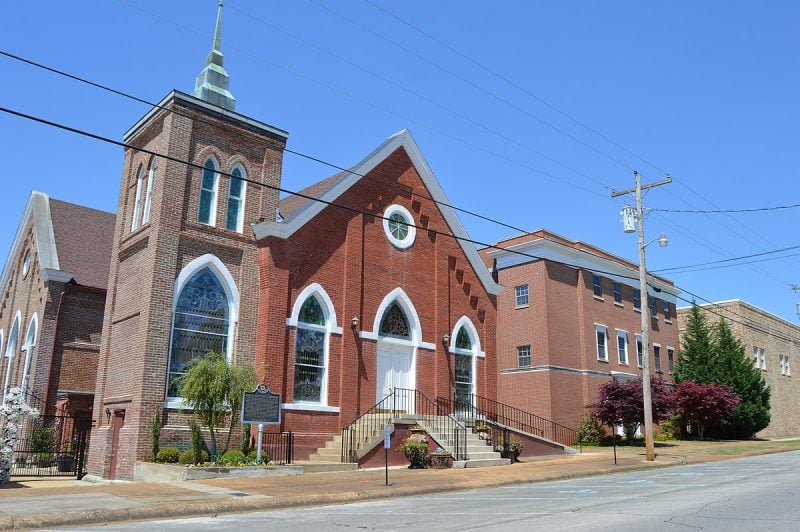
Churches rely on insurance to help restore their buildings after damage and many find the process harder than expected. Claims can become complicated when insurers look for reasons to reduce the payout. Some denials happen because the insurer says the damage does not match the policy. Other claims are underpaid because important details were missed early in the process. Many churches discover that even small errors can create major problems later. Support such as legal guidance for churches facing insurance disputes can make a difference when the process becomes difficult.
Errors In Documentation
One of the most common issues occurs when damage is not documented in a clear way. Churches sometimes take only a few photos or collect repair estimates that lack detail. This can weaken the claim because the insurer may argue that the evidence does not show the full loss. Complete records help support the amount needed for repairs. When details are missing the insurer often uses this gap to reduce the payment. Accurate documentation from the very beginning helps prevent these problems.
Disputes About The Source Of Damage
Another issue appears when the insurer and the church disagree about what caused the damage. Insurers often try to classify the event as something that is not covered. Churches then struggle to show that a storm or sudden event created the problem. These disputes can slow the process and reduce the payout. When the cause is unclear insurers are more likely to deny the claim.
Repair Costs That Are Too Low
Claims are often underpaid because the first assessment is incomplete. Some damage is not visible until repairs begin. Churches may learn that the real cost of fixing the property is much higher than the amount offered by the insurer. Insurers sometimes refuse to adjust the payment even when new issues come to light. This forces the church to cover repair costs that should have been included in the claim. Strong and early inspections help prevent these shortfalls.
Policy Limits And Exclusions
Insurance policies for churches contain detailed language that can affect the outcome of a claim. Many churches believe they have full protection only to learn that certain forms of damage require special endorsements. Others do not realize that the policy includes limits that lower the payout. These limits often appear after the claim is filed rather than before. When churches understand their policy in advance they face fewer surprises during the claims process.
Delays In Reporting And Missed Deadlines
Timing plays a major role in the success of a claim. Insurers often have strict rules about when damage must be reported. Churches that wait too long may face a denial because the insurer says the notice was late. The claims process also involves several stages that require quick responses. Missing any of these time frames can give the insurer a reason to delay or reduce the payout. Quick reporting helps keep everything moving in a fair direction.
Churches face many challenges when dealing with denied or underpaid insurance claims and these problems often appear without warning. Issues with documentation disputes about the cause of damage repair assessments policy limits and slow reporting all create obstacles that weaken a claim. By understanding how these issues develop church leaders can take steady steps that protect their property and their community. Careful action early in the process helps support a smoother experience and a stronger outcome. With the right approach churches can move forward with confidence and restore their property with fewer delays.


