
What Data Is Stored on a USPS Shipping Label?
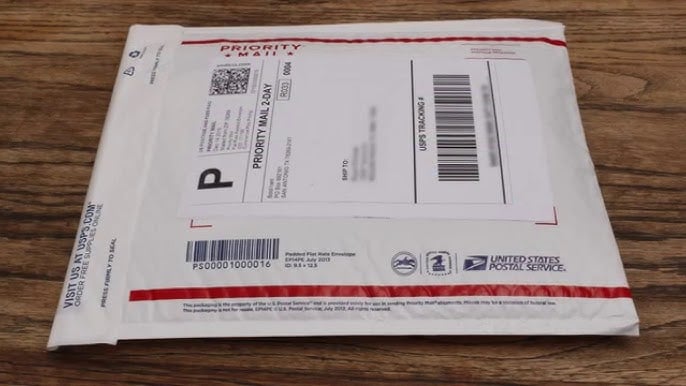
You need to send a package, but you’re short on time, and your card is at home. You find a service that lets you pay with crypto, quickly fill in the details, generate the label, and drop off. But is that label valid, and what information does it contain?
You don’t need to worry. Services like USPostage do not create fake labels. They buy a real label from the carrier and give it to you, just with a different payment method. Check this site to see for yourself. For now, let’s look closer at what’s on the label.
What Makes a Label Valid for Shipping
A shipping label isn’t just a barcode and some pictures. It’s a formatted file that contains the main information needed to process and deliver the package. In the simplest form, a label always includes:
- Sender address – the address of the sender.
- Receiver address – where the package needs to go.
- Barcode and tracking number – a unique code that tracks the package.
- Package type and service level – for example, Priority, First-Class, etc., and the price the carrier received for shipping.
- Date of issue (sometimes) – when the label was created.
- Other service codes – internal carrier codes for sorting centers, routes, and logistics.
These are the details carriers like USPS and others work with every day. This info helps the package move from sender to receiver. If even one item is missing or wrong, the carrier can refuse the package or delay it. So checking the label isn’t just a formality, but a crucial step in sending a package.
How Buying a USPS Label Through a Third-Party Service Works
The process is simple:
- You go to the service and enter your package details (weight, dimensions, addresses).
- The service finds the right rate and shows you the price.
- You pay with crypto.
- The service generates the carrier’s label and gives it to you to print.
You’re not “bypassing the system,” you’re just buying the label through a different channel. The carrier receives a fully paid label, and it doesn’t matter who sold it to you.
Are USPS Labels and Third-Party Labels the Same?
Yes. The label is exactly the same when the service works properly. The service doesn’t add its own barcodes, logos, or anything that could change the label’s status. It simply gives you the official carrier label, and you use it as intended.
That’s the key point: the service doesn’t issue the label. It buys the label from the carrier and then passes it to you. Because of that, USPS or any other carrier doesn’t “see” a third party. They only see a label with valid, correct information.
What the Carrier Sees (and What It Doesn’t)
The carrier only sees what’s printed on the label:
- The sender and recipient addresses
- The tracking number
- The package type and rate
- Confirmation that the label is paid
The carrier does not have your crypto address, your wallet, or even the amount of crypto you paid for the label. For the carrier, this is just another package. They process it the usual way: sort, move, and deliver.
Why Label Validity Matters
People often worry that a label bought through a service might be “fake” or “invalid.” But when a service follows the rules, the label is valid. USPS doesn’t accept fake labels, so the service has to buy the label from the carrier using the standard process.
If a service breaks the rules, problems show up. That has nothing to do with crypto payments. It’s simply a bad or unreliable service.
What to Do If a Label Doesn’t Get Accepted
Sometimes a carrier refuses a package because of:
- A wrong address
- A wrong rate
- A barcode error
- A size or weight mismatch
In these cases, the issue lies in the shipment details, not in crypto. The service can usually help fix it or issue a refund. This stays between you and the service, not the carrier.
Conclusion
A shipping label bought through a third-party service is an official USPS label, just paid for in a different way. The label only contains shipping details, not payment information. The carrier accepts the package like any other one as long as the label shows correct data and a valid tracking number. That’s why the key is to double-check the label details.


