
Coordinating Medical, Legal, and Occupational Records for Maximum Recovery
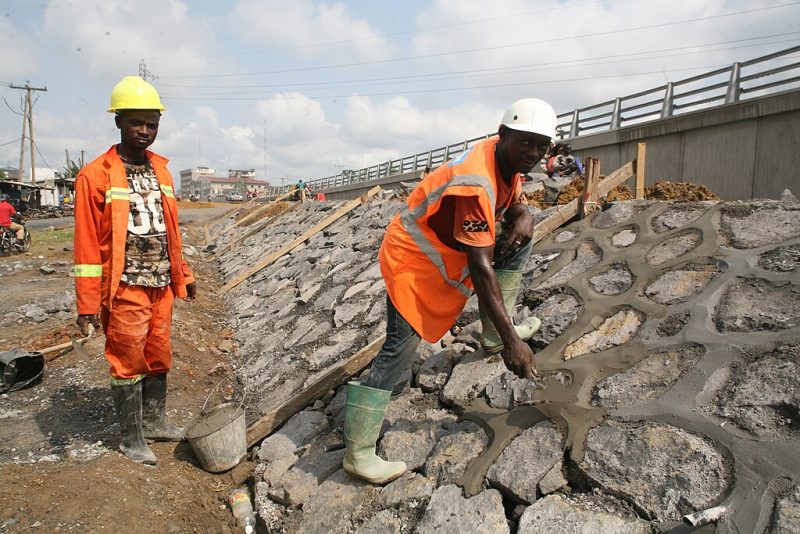
Construction sites are high-risk environments, and injuries can range from minor strains to catastrophic accidents. Recovering damages often requires more than just medical documentation; it demands a thorough collection and coordination of all relevant records. To get support for a workplace injury in construction, workers need legal guidance to ensure that medical reports, employment records, and site documentation work together to build a strong case. Proper organization of these materials helps demonstrate liability, clarify the scope of injuries, and maximize compensation.
Why Documentation Matters
Medical records, which demonstrate the degree of damage and the necessary treatment, serve as the basis for any injury claim. Hospital reports, diagnostic tests, surgical notes, and rehabilitation plans are among them. These records must be accurate and thorough for construction workers, as even small mistakes could lead insurers to contest the severity of injuries.
Records on occupations are equally significant. Payroll data, timesheets, safety training logs, and job descriptions help establish the circumstances surrounding the injury. They also demonstrate the worker’s typical duties, which can influence both liability and the calculation of lost wages. The claim will accurately reflect the financial and physical effects of the injury if these records are coordinated with medical documentation.
Collecting Site and Incident Reports
Claims for workplace injuries frequently depend on knowing the precise circumstances that led to an incident. Incident reports, supervisor notes, and safety inspections provide crucial context. These documents could show whether the right procedures were followed, whether equipment or machinery was flawed, or whether the injury was caused by other environmental risks.
Weather, equipment maintenance records, and past near-misses are examples of seemingly insignificant details that can have a significant impact. To identify patterns of risk or corporate negligence, legal teams collect all pertinent site documentation. This thorough approach strengthens the claim that the injury was both predictable and avoidable.
Coordinating Multiple Records Effectively
Coordinating these various record types to present a cohesive story is a challenge in construction injury claims. Lawyers usually organize documents into a timeline that follows the incident from its onset through treatment and aftercare.
Liability can be made more transparent, for instance, by connecting a worker’s schedule and particular tasks to the moment of injury. Combining this with medical assessments that demonstrate both immediate and long-term effects guarantees that courts and insurers are fully aware of the extent of damage. By reducing disagreements over compensation and causation, this strategy helps employees obtain fair settlements.
Protecting Workers’ Rights
Proper recordkeeping is essential not only for financial recovery but also for protecting workers’ rights. Construction employees may face pressure from employers or insurers to settle quickly, sometimes without full consideration of long-term impacts. Legal professionals ensure that claims reflect the true cost of the injury, including ongoing medical care, lost income, and potential permanent limitations.
In addition, thorough documentation can safeguard workers against disputes over responsibility. Clear evidence connecting the injury to workplace conditions prevents insurers or employers from deflecting blame onto the worker or unrelated circumstances. This protection is critical for securing justice and preventing additional stress during recovery.
Maximizing Compensation
Claims that combine medical, occupational, and site records typically yield better outcomes. Insurers are more likely to recognize the severity and legitimacy of the injury when all supporting documentation is clearly organized and logically presented.
Compensation may include:
- Medical expenses for treatment and rehabilitation
- Lost wages and future earning potential
- Pain and suffering or emotional distress
- Costs associated with long-term disability or care
An attorney ensures that each category is supported with the appropriate records, helping clients receive compensation that fully reflects the impact of the injury.
Final Thoughts
Construction injuries are complex, and securing full compensation requires careful attention to documentation. To get support for a workplace injury in construction, coordinating medical, occupational, and site records is essential. By maintaining organized, comprehensive documentation, workers can demonstrate the full extent of their injuries, establish liability, and maximize recovery. Legal guidance ensures that all relevant evidence is presented correctly, protecting workers’ rights and promoting accountability for workplace safety.


