
How Can You Get Real Help With a Serious Truck Crash Claim?
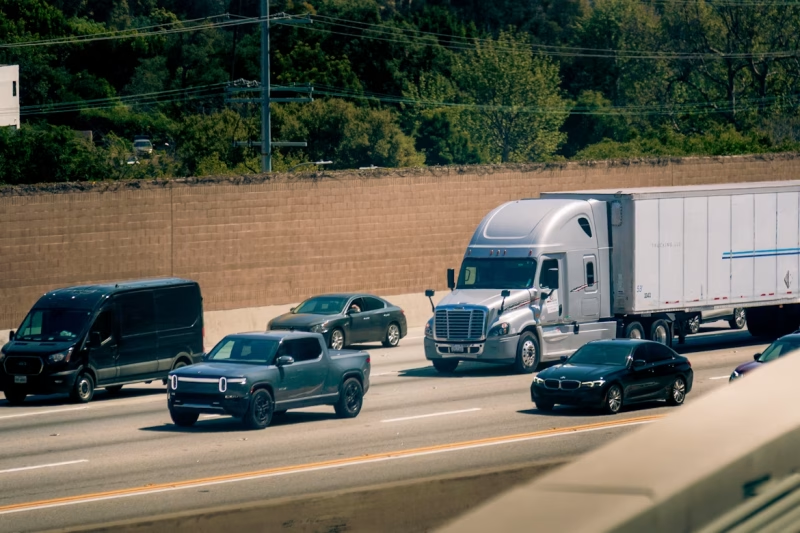
Greensboro, North Carolina, sees a steady mix of passenger vehicles and commercial trucks moving through major routes such as I-40, I-85, and US-29. When a serious collision involves a large truck, the aftermath can raise difficult questions while someone is recovering. Injured people may need to determine what caused the wreck, where key records are held, and whether more than one business played a role. These questions become especially important when an insurance company begins its own review soon after the crash.
Getting help with a Greensboro truck crash claim can give an injured person a clearer understanding of their legal position and what information may support it. Legal counsel can also assess the circumstances surrounding the collision before making important decisions. For someone facing an uncertain recovery, knowing where to begin can make the legal process feel more manageable. The first steps after a Greensboro collision deserve close attention.
Get Medical Care And Preserve Evidence
Medical treatment should come first, even when injuries seem manageable. Some conditions, including traumatic brain injuries, spinal injuries, and internal injuries, require prompt evaluation. Medical records also connect the crash to diagnosed conditions and future care needs.
When health permits, take photos of vehicle damage, road conditions, visible injuries, and nearby traffic signs. Keep the official crash report, witness names, medical bills, wage records, and insurance communications organized. Victims seeking help with a truck crash claim need guidance before giving a recorded statement or accepting an insurer’s early offer. A lawyer can explain legal steps, investigate the collision, communicate with the insurance company, and track financial and personal losses.
Start A Prompt Truck Crash Investigation
Evidence in a commercial vehicle case can sit with several people or organizations. A prompt investigation can identify what happened before important records become unavailable.
A truck crash lawyer may examine the collision scene, request surveillance footage, interview witnesses, and obtain the official accident report. The investigation can also include driver logs, data from the truck’s electronic recorder, maintenance records, and cargo-loading information.
These materials can show whether fatigue, poor maintenance, excessive speed, equipment failure, or an unstable load contributed to the wreck. They can also show whether another party shared responsibility for the injuries.
Identify Every Potentially Responsible Party
The driver is not always the only person responsible for a truck collision. Liability depends on the evidence and the crash circumstances.
A trucking company could face responsibility for negligent hiring, unsafe policies, or failing to enforce driving-hour requirements. A cargo-loading company could be liable when an imbalanced load causes a rollover. The claim could also include the truck owner, a vehicle or part manufacturer, or another responsible party.
For example, a fatigued driver could cause a head-on collision after driving beyond lawful limits. The driver and trucking company could both face liability if the company failed to enforce those limits. A lawyer must examine each relationship rather than accept an insurer’s first explanation.
Calculate The Full Value Of The Claim
A settlement should account for the losses supported by the evidence. Medical expenses can include emergency care, hospital treatment, rehabilitation, medication, and future services related to the crash.
Lost wages and reduced earning ability can also affect the claim, especially when injuries prevent a person from returning to the same work. Property repair costs provide another category of economic loss.
Non-economic damages address pain and suffering, mental anguish, and emotional distress. These losses do not appear on a single bill, so medical records, treatment history, personal testimony, and daily limitations can help document their effect.
North Carolina courts award punitive damages only in limited circumstances. They punish especially wrongful conduct rather than repay ordinary accident losses. A legal review can determine whether the evidence supports seeking them.
Protect The Claim During Insurance Discussions
Insurance representatives often seek information before the injured person knows the full extent of the harm. A recorded statement or signed release can affect the claim’s value and limit later recovery.
A victim should avoid guessing about fault, minimizing symptoms, or discussing the case publicly. Every communication should remain accurate and consistent with medical records and known facts.
A lawyer can handle insurer communications and review settlement proposals. That support allows the injured person to focus on treatment while the claim’s evidence and financial losses receive proper attention.
Conclusion
A serious truck crash claim requires more than a basic accident report and an insurance application. Medical care, prompt evidence collection, liability analysis, and complete damage records shape the result. A Greensboro victim should preserve documents, avoid premature settlement decisions, and arrange a legal case review as soon as possible. Early action gives counsel time to examine driver records, vehicle data, maintenance history, cargo information, and insurance communications before those materials become harder to obtain.


