
How Much Does It Cost to Open a Small Boutique Clothing Store? Complete Startup Budget Breakdown
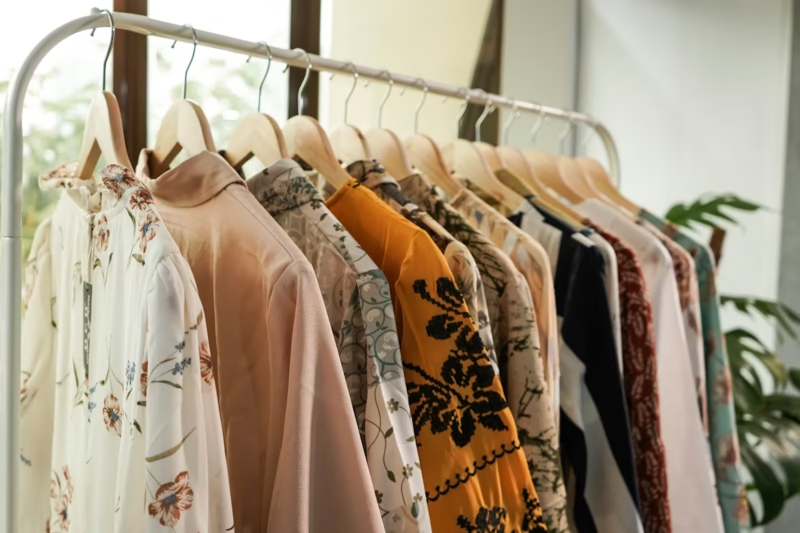
Opening a small boutique clothing store is an exciting venture, but understanding the financial commitment upfront is essential for success.
The total investment to launch a boutique typically ranges from $50,000 to $150,000, depending on factors like location, store size, and your business model.
This wide range reflects the many variables that influence your startup expenses, from inventory and rent to licensing and marketing.
Your actual costs will depend on whether you choose a brick-and-mortar location or start online, the market you’re entering, and how much inventory you plan to carry initially.
You’ll need to account for major expenses like store buildout, initial stock, and equipment, as well as ongoing costs such as rent, utilities, and payroll.
This guide breaks down each cost category you’ll encounter, explores how location and business decisions impact your budget, and provides practical strategies for financing and reducing your startup expenses.
Understanding these financial requirements will help you plan realistically and launch your boutique with confidence.
Is it worth it to start a boutique clothing store? Let’s find out!
Average Startup Costs for a Small Boutique Clothing Store
The total startup costs for opening a small clothing boutique typically range from $50,000 to $150,000, with most small physical stores requiring between $50,000 and $75,000 to launch. Your specific costs will depend on location, store size, and whether you choose a brick-and-mortar or online business model.
National Average Cost Breakdown
When planning your boutique, you need to account for several major expense categories. Initial inventory typically represents your largest single expense, often consuming 30-40% of your total budget. You’ll need funds for a rent deposit and first month’s rent, which varies significantly by location.
Store fixtures, displays, and equipment usually cost between $10,000 and $20,000. Technology expenses including your point-of-sale system, security systems, and website development add another $5,000 to $10,000. Renovations and leasehold improvements can range from $10,000 to $30,000 depending on the condition of your space.
You must also budget for licenses, permits, insurance, and legal fees. Marketing costs for your grand opening and initial promotional campaigns require allocation. Working capital reserves to cover operating expenses during your first several months are essential, as most boutiques don’t achieve profitability immediately.
Typical Startup Cost Range
Small clothing boutiques with a brick-and-mortar presence typically require $50,000 to $75,000 at the lower end of the spectrum. A more comprehensive setup for a small to medium boutique ranges from $100,000 to $250,000.
Startup Cost Tiers:
- Basic Launch: $50,000-$75,000 for a minimal brick-and-mortar setup
- Standard Opening: $76,000-$120,000 for a well-equipped boutique
- Premium Launch: $150,000-$250,000 for prime locations with extensive inventory
Online boutiques offer a significantly lower entry point, starting around $2,000 to $10,000. This option eliminates expensive retail space costs but requires investment in e-commerce infrastructure and digital marketing.
Factors Influencing Total Expenses
Your boutique’s location dramatically impacts startup costs. Prime urban areas command higher rent, larger security deposits, and more expensive renovations compared to suburban or rural locations. A storefront in a high-traffic shopping district will cost substantially more than a space in a secondary market.
Store size directly affects your expenses across multiple categories. Larger spaces require more inventory to fill shelves, additional fixtures and displays, and higher utility costs. Your target market and merchandise positioning also influence costs, as luxury or designer items require larger inventory investments than budget-friendly clothing.
The condition of your retail space determines renovation expenses. A turnkey retail space with existing fixtures reduces costs, while a raw space requiring complete buildout increases your budget significantly. Your business model also affects the timeline, with most physical locations taking 8-12 weeks to set up and reaching cash flow break-even in 15-18 months.
Major Initial Investments
Opening a small boutique clothing store requires substantial upfront capital across several key areas. The typical startup costs range from $50,000 to $150,000 for a small boutique, with lease deposits, store buildout, initial inventory, and fixtures representing your largest expenses.
Lease and Rent Expenses
Your lease represents one of your first major financial commitments when opening a boutique. You’ll typically need to pay a security deposit equal to one to three months’ rent, plus first month’s rent upfront before you can occupy the space.
Monthly rent costs vary significantly based on location, square footage, and local market conditions. High-traffic retail areas in urban centers command premium prices, while suburban or smaller town locations offer more affordable options.
Beyond base rent, you should budget for additional costs like common area maintenance fees, property taxes, insurance, and utilities. Many commercial leases operate on a triple-net basis, meaning you pay these expenses separately from your base rent. Factor in potential annual rent increases when planning your long-term budget.
Store Renovation and Interior Design
Transforming a raw retail space into an inviting boutique requires significant investment in buildout and design. Store fit-out costs can reach $220,000 for established boutiques, though smaller operations typically spend less on their initial renovation.
Your renovation budget should cover flooring, lighting, dressing rooms, paint, signage, and any structural modifications needed for your layout. Professional interior design services help create a cohesive brand experience but add to your costs.
The condition of your leased space dramatically impacts renovation expenses. A move-in ready retail space with existing fixtures requires minimal investment, while a space needing complete transformation demands substantial capital. You may need to install or upgrade electrical systems, HVAC, and restrooms to meet code requirements.
Inventory Purchase
Your initial inventory investment typically ranges from $20,000 to $50,000 for a small to mid-sized boutique. This represents your single largest startup expense and directly impacts your ability to attract customers from day one.
You need sufficient product variety across sizes, styles, and price points to appeal to your target market. A well-stocked boutique requires multiple styles in various sizes and colors, which quickly increases your inventory costs.
Consider starting with a focused collection rather than attempting to stock everything. Many new boutique owners work with wholesale suppliers who offer minimum order quantities, allowing you to test products before committing to larger purchases. Building relationships with vendors who offer flexible terms helps preserve your working capital during the critical early months.
Fixtures and Equipment
Your fixtures and equipment create the shopping environment and enable daily operations. Point-of-sale hardware and signage costs approximately $30,000, while display fixtures, mannequins, clothing racks, shelving, and mirrors add to this investment.
Quality display fixtures showcase your merchandise effectively and withstand daily use. You can choose between new fixtures or used options from retail liquidators to reduce costs.
Essential equipment includes a modern POS system with inventory management capabilities, security systems, a computer, payment processing hardware, shopping bags, hangers, and price tags. Budget for exterior signage that attracts foot traffic and clearly identifies your boutique. Additional items like seating for your dressing area, a steamer, and storage solutions ensure smooth operations.
Licensing and Legal Requirements
Setting up a clothing boutique requires navigating various regulatory requirements and professional services. The costs for business registration, permits, insurance, and professional advisors typically range from $500 to $5,000 depending on your location and business structure.
Business Registration Fees
You’ll need to register your business entity with your state, which costs between $50 and $500 depending on your chosen structure. Forming an LLC typically costs $100 to $300 in most states, while incorporating as an S-corporation or C-corporation generally runs higher.
You’ll also need an Employer Identification Number (EIN) from the IRS, which is free. Most small businesses need a combination of licenses and permits from both federal and state agencies. A general business license costs anywhere from $50 to $400 annually depending on your city and county.
If you plan to sell clothing, you’ll need a seller’s permit or resale certificate from your state tax authority. This permit is usually free or costs a minimal fee of $5 to $100.
Permits and Insurance Costs
Beyond basic registration, you’ll need specific permits based on your location and operations. A Certificate of Occupancy for your retail space typically costs $100 to $500. If you’re renovating, building permits can add $500 to $2,000 to your expenses.
General liability insurance protects your business from customer injuries and property damage claims, costing $400 to $1,500 annually for a small boutique. You’ll also need property insurance to cover your inventory and fixtures, which runs $500 to $2,500 per year depending on your stock value.
Workers’ compensation insurance becomes mandatory once you hire employees. The cost varies by state but typically ranges from $0.75 to $2.74 per $100 of payroll for retail businesses.
Legal and Accounting Services
Hiring an attorney to review lease agreements and set up your business structure costs $500 to $2,500 for initial consultations and document preparation. Some boutique owners handle basic formation themselves to reduce costs, though professional guidance helps avoid costly mistakes.
You’ll need accounting services to manage bookkeeping, tax preparation, and financial reporting. A certified public accountant charges $150 to $400 per hour, or you can opt for monthly bookkeeping services ranging from $200 to $500. Many small boutiques use accounting software like QuickBooks for $30 to $200 monthly, supplemented by quarterly CPA consultations.
Budget $1,000 to $3,000 annually for ongoing legal and accounting support after your initial setup expenses.
Now that we understand the costs to start the business, what does it cost to maintain it?
Ongoing Operational Expenses
Beyond your initial investment, you’ll need to budget for recurring costs that keep your boutique running month after month. Monthly operating expenses typically require at least $13,683 in reserves just to cover fixed costs before making your first sale.
Employee Salaries
Your staffing costs will likely represent one of your largest monthly expenses. You’ll need to budget for sales associates, managers, and potentially specialized roles like visual merchandisers or social media coordinators.
Entry-level sales associates typically earn $12 to $16 per hour, while experienced boutique managers can command $40,000 to $55,000 annually. You’ll also need to account for payroll taxes, which add approximately 15-20% to your base salary costs.
Consider starting with a small team of 2-3 employees to manage operational hours while keeping costs manageable. Part-time staff can provide flexibility during peak shopping periods without the commitment of full-time salaries and benefits.
Utilities and Monthly Bills
Your boutique’s monthly expenses will include essential services that keep your store operational. Electricity, water, heating, and cooling typically cost between $300 and $800 per month depending on your store size and location.
Internet and phone services usually run $100 to $200 monthly for reliable business-grade connections. You’ll also need business insurance, which averages $500 to $1,500 per month depending on your coverage levels and inventory value.
Rent represents a significant fixed cost, often ranging from $2,000 to $8,000 monthly in most markets. This amount varies dramatically based on your location, square footage, and lease terms.
Marketing and Advertising Costs
You should allocate 10-15% of your projected revenue toward marketing efforts to attract and retain customers. Digital advertising through social media platforms typically costs $300 to $1,500 monthly for small boutiques targeting local audiences.
Email marketing tools and customer relationship management systems run $50 to $300 per month. You’ll also want to budget for seasonal campaigns, promotional materials, and influencer partnerships which can add $200 to $1,000 monthly.
Local marketing efforts like community events, window displays, and printed materials require additional investment of $150 to $500 per month.
Point of Sale and Software Fees
Modern retail operations depend on technology systems that process transactions and manage inventory. Point of sale systems charge monthly fees ranging from $60 to $300 depending on features and transaction volume.
Payment processing fees typically cost 2.5-3.5% per transaction plus a small per-transaction fee. E-commerce platforms add another $29 to $299 monthly if you maintain an online presence alongside your physical store.
Inventory management software, accounting tools, and scheduling systems can collectively cost $100 to $400 per month. These systems help you track stock levels, analyze sales patterns, and streamline your operations.
Hidden and Miscellaneous Costs
Beyond the obvious startup expenses, you’ll encounter several overlooked costs that can significantly impact your budget. These include inventory losses, equipment breakdowns, and industry association fees that many new boutique owners fail to anticipate.
Shrinkage and Loss Prevention
Shrinkage refers to inventory loss from theft, damage, or administrative errors. Retail stores typically experience shrinkage rates between 1.4% and 2% of total sales, which can translate to thousands of dollars annually for a small boutique.
You’ll need to budget for security measures like surveillance cameras, electronic article surveillance (EAS) tags, and alarm systems. Basic security camera systems start around $500 to $2,000, while EAS systems range from $1,000 to $3,000 for initial setup.
Employee theft accounts for a significant portion of shrinkage losses. You may want to invest in point-of-sale systems with robust tracking features and consider background checks for new hires, which typically cost $30 to $100 per applicant.
Unexpected Repairs and Maintenance
Equipment failures and facility issues occur without warning and require immediate attention. Your HVAC system, lighting fixtures, plumbing, and point-of-sale equipment can all malfunction unexpectedly.
You should set aside 1% to 2% of your annual revenue for maintenance and repairs. For a boutique generating $200,000 in annual sales, this means budgeting $2,000 to $4,000 yearly. Common repairs include replacing burned-out LED lights ($50 to $200), fixing broken fitting room locks ($100 to $300), and servicing air conditioning units ($150 to $500 per visit).
Consider purchasing extended warranties on major equipment purchases. While these add upfront costs, they can protect you from expensive repairs during your first few years of operation.
Professional Memberships
Industry associations and local business groups charge membership fees that provide valuable networking and educational resources. The National Retail Federation offers memberships starting around $500 annually for small retailers, while local chamber of commerce dues typically range from $200 to $1,000 per year.
You might also need subscriptions to trade publications, fashion trend forecasting services, or retail management software that charge monthly or annual fees. These costs often total $1,000 to $3,000 annually but give you access to market insights and industry connections that can improve your buying decisions.
Cost Variables by Location and Market
Location dramatically impacts your initial investment, with urban boutiques requiring substantially higher capital than rural stores. Regional economic conditions and local market dynamics create price variations that can differ by more than $150,000.
Urban vs. Rural Store Costs
Urban boutiques face significantly higher expenses across nearly every category. Prime urban locations can require investments up to $237,000, while similar stores in rural areas often open with half that amount.
Rent represents the most dramatic difference. Urban retail spaces in desirable areas command premium rates, with U.S. shopping centers averaging $28.10 per square foot. Rural locations typically range from $10 to $15 per square foot.
Urban stores also require higher staffing budgets due to elevated minimum wages and cost of living. Security systems, insurance premiums, and licensing fees increase in cities. However, urban locations provide access to larger customer bases and higher traffic volumes that can justify the additional investment.
Regional Price Differences
Geographic region influences startup costs beyond the urban-rural divide. Coastal markets like California and New York demand substantially higher investments than Midwest or Southern states.
Smaller boutiques in secondary markets may open with as little as $40,000, while identical concepts in major metropolitan areas require $100,000 or more. These differences stem from varying real estate costs, labor rates, and local regulations.
State and local licensing requirements also vary significantly. Some jurisdictions impose minimal fees and simple application processes, while others require multiple permits, inspections, and higher costs. Tax structures differ by state, affecting your ongoing operational expenses and initial capital needs.
Budgeting and Financial Planning Strategies
Effective financial planning requires accurate expense forecasting and strategic cost control measures to ensure your boutique remains profitable. These two elements work together to create a sustainable business model that can adapt to market changes.
Expense Forecasting
You need to project both one-time startup costs and recurring monthly expenses when planning a clothing boutique financial strategy. Your initial budget should account for rent deposits, inventory purchases, store buildout, permits, insurance, and marketing materials.
Monthly operating expenses require careful estimation. Factor in rent payments, utilities, employee wages, inventory replenishment, marketing campaigns, and business insurance. You should also budget for seasonal fluctuations in sales and inventory needs.
Create a cash flow projection for at least the first 12 months of operation. This projection helps you identify potential shortfalls and plan accordingly. Include a contingency fund of 10-20% of your total budget to cover unexpected expenses or slower-than-anticipated sales periods.
Track your actual expenses against projections monthly. This practice allows you to identify cost overruns early and make necessary adjustments to stay within budget.
Controlling Overhead Costs
Your boutique renovation expenses and lease deposits represent significant portions of overhead that require careful management. Negotiate lease terms that include tenant improvement allowances or reduced rent during your initial months of operation.
Implement inventory management systems to avoid overstocking, which ties up capital unnecessarily. Start with a curated selection of bestselling items rather than extensive inventory across multiple categories.
Consider shared retail spaces or pop-up arrangements initially to reduce rent obligations. Digital marketing through social media platforms costs significantly less than traditional advertising while reaching targeted audiences effectively.
Funding Options for Opening a Boutique
Starting a boutique typically requires $50,000 to $150,000 in capital, and you’ll need to secure this funding through various financing methods. You can access money through traditional bank loans, tap into your personal financial resources, or pursue specialized grants designed for small businesses.
Small Business Loans
Traditional small business loans from banks remain one of the most common ways to finance your boutique. You’ll need a solid business plan, good credit history, and often some form of collateral to qualify for these loans. Banks typically offer loan amounts ranging from $25,000 to $500,000 with repayment terms of 5 to 25 years.
The Small Business Administration (SBA) provides government-backed loans that reduce risk for lenders, making approval easier for new boutique owners. SBA 7(a) loans can cover startup costs up to $5 million, though most boutiques need far less. You’ll pay lower interest rates compared to conventional loans, usually between 5% and 11%.
Alternative lenders and online platforms offer faster approval processes but charge higher interest rates. These options work well if you need quick funding or don’t meet traditional bank requirements.
Personal Savings and Investments
Using your personal savings gives you complete control without debt obligations or monthly payments. You avoid interest charges and maintain full ownership of your boutique. However, this approach puts your personal financial security at risk if the business doesn’t succeed.
You can also bring in partners or investors who contribute capital in exchange for equity in your business. Angel investors and friends or family members might invest $10,000 to $100,000 depending on your business plan and their confidence in your concept. You’ll share profits and decision-making authority with equity partners.
Crowdfunding platforms let you raise smaller amounts from many people who believe in your boutique concept. You can offer rewards, pre-orders, or early access to products instead of giving up equity.
Grants and External Financing
Small business grants provide funding you don’t have to repay, making them highly competitive and difficult to obtain. The federal government, state agencies, and private organizations offer grants specifically for women-owned businesses, minority entrepreneurs, and retail ventures. Grant amounts typically range from $500 to $25,000.
You’ll need to meet specific eligibility criteria and submit detailed applications explaining how you’ll use the funds. The Amber Grant, FedEx Small Business Grant, and various state economic development programs accept applications throughout the year.
Vendor financing allows you to purchase inventory without immediate payment, essentially giving you a short-term loan from your suppliers. Many clothing wholesalers offer net-30 or net-60 payment terms once you establish a relationship with them.
Tips for Reducing Startup Expenses
Opening a boutique on a tight budget requires strategic planning. You can significantly lower your initial investment by making smart choices about inventory, location, and operations.
Start with a smaller inventory selection. Instead of stocking every size and style, focus on a curated collection of best-selling items. You can expand your inventory as sales grow and you better understand customer preferences.
Consider starting online before committing to a physical location. An e-commerce store eliminates expensive rent, utilities, and store buildout costs. You can test your market and build a customer base with lower overhead.
Buy second-hand fixtures and equipment. Display racks, mannequins, cash registers, and furniture can often be purchased used at a fraction of retail prices. Check liquidation sales, online marketplaces, and commercial auctions for quality pieces.
Negotiate with suppliers for better terms. Ask for extended payment schedules, smaller minimum orders, or consignment arrangements. Building relationships with vendors can provide ways to reduce your startup costs substantially.
Handle some tasks yourself initially. You can manage social media marketing, basic bookkeeping, and visual merchandising rather than hiring staff right away. As revenue increases, you can delegate these responsibilities.
Share retail space or operate a pop-up shop. Temporary retail locations and shared spaces cost less than traditional leases while still providing physical presence. This approach lets you test different locations before making long-term commitments.
Choose a business model that matches your budget. Calculate your startup costs carefully based on whether you’re opening online, as a pop-up, or in a permanent location.


