How to Turn an Older Property Into a Modern, Energy-Efficient Home
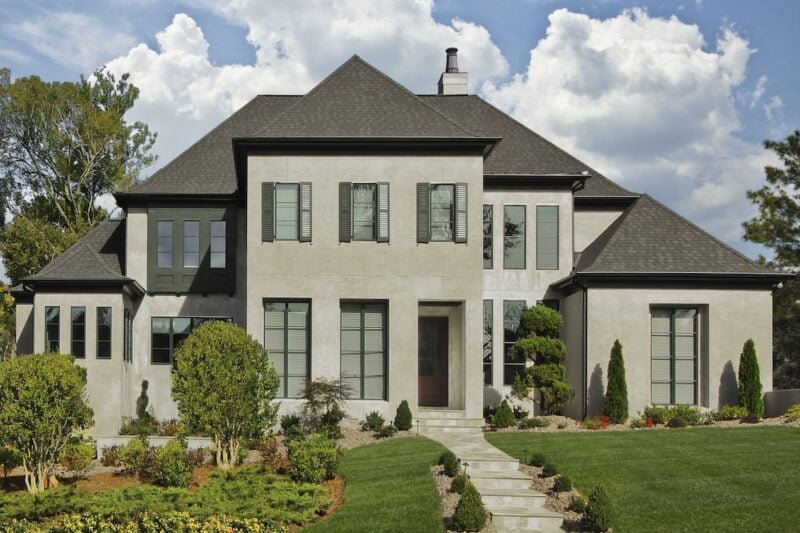
The trouble with an older house is that you don’t always notice its problems straight away.
During the viewing, you’re probably looking at the wooden floors, the fireplace, or the unusual shape of the rooms. Maybe there’s a beautiful staircase that makes the whole place feel worth the extra maintenance.
You’re not thinking about what happens when the temperature drops. A few months later, things look different. The living room takes forever to warm up. There’s a draft coming from somewhere near the front door, and the upstairs bedrooms turn unbearably hot on sunny afternoons. Then the electricity or gas bill arrives.
Suddenly, those little issues you’ve been putting up with don’t seem quite so little. The obvious response is to start replacing things. New windows, new heating, perhaps solar panels while you’re at it. But with an old property, spending money in the wrong order can leave you with an expensive renovation that doesn’t solve the original problem.
It’s better to understand the house first.
Find Out What’s Making the House Uncomfortable
A cold room doesn’t automatically mean the heating system is failing. It could be an insulation problem, a poorly sealed window, or an opening somewhere that allows warm air to escape. Sometimes several small issues are working against you at once. You can spot a few things yourself.
On a windy day, check around external doors and windows for drafts. Pay attention to rooms that never seem to reach a comfortable temperature. If you’ve got access to the attic, look for obvious gaps in the insulation, without disturbing old materials that might be hazardous. Still, a professional energy audit can tell you far more than a quick inspection.
An auditor may use thermal imaging equipment or a blower door test to identify air leaks and places where heat is being lost. They can also examine existing heating and cooling equipment. What you want from the audit is a sensible order of work. If the attic is losing a lot of heat, there’s little point making window replacement your first major expense just because the windows look old.
Start With Insulation, Even Though Nobody Will Notice It
Imagine having a decent heating system but needing to turn it up again every time the weather gets cold.
The house warms up for a while, then the temperature starts dropping.
In an older property, inadequate insulation may be part of the reason. Attics are a common problem area. Insulation might be thin, uneven, or missing around difficult corners. There may also be gaps where pipes, cables, or other services pass through the ceiling.
Sealing appropriate air leaks and improving attic insulation can help the rooms below hold onto warmth.
Walls and floors sometimes need similar attention.
But this is one area where you shouldn’t rush. Older houses were built using different materials and methods. Solid masonry walls, for example, can behave differently from modern cavity walls when it comes to moisture. The wrong insulation approach can cause dampness to build up where you can’t see it.
And that’s a much more expensive problem than a cold room.
If the property has a history of damp, water stains, or timber decay, get those issues investigated first. A contractor with experience in older buildings can help you choose materials that suit the structure.
You Might Not Need to Replace Those Old Windows
Some old windows look worse than they actually are.
The paint is peeling, a sash sticks, and you can feel cold air near the frame. It’s understandable to assume they need replacing.
But if the timber is still sound, repairs may be possible.
New weatherstripping, adjustments to the fittings, and careful sealing can help reduce drafts. In certain homes, storm windows offer another way to improve comfort without removing the originals. That matters when the windows are part of the building’s character.
A replacement might perform well on paper, but if the proportions or frame design are wrong, the entire front of the house can look different. There are limits, of course. Windows with extensive rot or damage may be too costly to restore. When replacement is necessary, compare energy performance, materials, installation quality, and long-term maintenance.
Don’t make the decision on appearance alone. But don’t ignore appearance either.
You’ll be looking at those windows for years.
Before Buying New Heating Equipment, Check What the House Needs
A new heating system sounds like a straightforward way to make an old property more comfortable.
Sometimes it is.
But putting new equipment into a poorly insulated building can be disappointing. If warm air escapes through the attic and cold air enters around doors, your new system will still be working hard to maintain the temperature. Deal with the major insulation and air leakage problems first, where practical. Then have a qualified contractor assess the home’s heating and cooling requirements.
Heat pumps are worth examining. They can heat and cool a property, and modern systems may use considerably less energy than older equipment, depending on what they’re replacing. The installation needs to suit the building, though. Some older homes require electrical upgrades, changes to existing radiators, or additional work before a heat pump can perform as intended. Those costs belong in the original estimate, not as an unpleasant surprise halfway through.
A smart thermostat may also help with temperature scheduling, particularly if the house is empty during working hours.
Just remember that a thermostat can’t fix poor insulation or an incorrectly sized heating system.
Look at the Small Things You’ve Stopped Noticing
Every old house seems to have a few minor annoyances that eventually become part of daily life.
There’s the gap under the kitchen door. The bedroom window that doesn’t close tightly. Perhaps a light fitting that still uses an old incandescent bulb because nobody’s got around to replacing it.
Individually, these things don’t feel urgent.
Collectively, some of them can contribute to unnecessary energy use.
Adding suitable weatherstripping, sealing accessible gaps, and switching to LED lighting are relatively inexpensive improvements. You can also check whether your appliances are using more electricity than expected.
An old refrigerator might be reliable, but reliability doesn’t necessarily mean efficiency. Compare its estimated annual energy consumption with newer models before deciding whether replacement is worthwhile. Do the same with washing machines, dishwashers, and water heaters when they’re due for replacement.
There’s no need to empty the house of every appliance that’s more than five years old. If something still works well and the potential savings are small, keeping it may be perfectly reasonable.
Your Renovation Budget Needs Some Breathing Room
One of the more frustrating parts of renovating an older home is discovering what previous owners left behind. You remove a section of wall to make a small repair, and there’s old wiring inside. Or you lift the flooring and find water damage that wasn’t visible from above.
The original job suddenly becomes two or three jobs. That’s why spending your entire budget on the improvements you’ve planned is risky. Leave some money available for unexpected work. Get detailed estimates, and ask contractors which parts of the project could uncover additional problems.
It’s also useful to separate essential repairs from improvements that can wait. A roof leak needs attention. Unsafe wiring does too. Replacing a functioning kitchen simply because the cabinets look dated probably isn’t as urgent.
For larger renovation projects, some homeowners consider borrowing against their property. If you’re researching financing, you may apply for a home equity loan online to see whether this type of borrowing fits your circumstances. A home equity loan generally provides a lump sum based partly on the equity you’ve built in your home. Because the loan is secured against the property, failing to repay it can put your home at risk.
Compare the interest rate, fees, repayment period, and overall borrowing cost before making a commitment. Local government programs and utility companies may also offer rebates or incentives for eligible energy-efficiency upgrades. And if the work is too expensive to complete at once, there’s nothing wrong with dividing it into stages.
Solar Panels Aren’t Always the First Priority
Solar panels can help reduce the amount of electricity you purchase from the grid. But on an older house, there are a few things to check before making that investment.
The roof is the big one.
If it’s likely to need replacement soon, fitting solar panels beforehand could mean paying to remove and reinstall them when the roofing work begins. You’ll also want to examine shade, roof orientation, installation costs, and local electricity rates. Consider how much energy the house uses after making other improvements.
Better insulation, fewer air leaks, and more efficient equipment may reduce electricity demand. That could influence the size and cost of a solar installation. There’s little benefit in paying for more capacity than you need. Solar can be part of a good renovation plan, but the house itself should be ready for it.
Don’t Renovate Away Everything You Like
It’s surprisingly easy to lose the character of an older home during renovations. You replace a damaged door, then decide the others don’t match. The old skirting boards start looking out of place. Before long, you’re removing details that were perfectly serviceable.
Sometimes a complete overhaul is necessary.
Other times, a little restraint produces a better result. Original woodwork can often be repaired. Wooden floors may only need refinishing. Period doors and decorative plasterwork can remain while less visible systems are modernized. If your property is historically protected, check which alterations require approval before beginning work.
You can have modern heating, better insulation, and improved energy performance without making every room look like a new-build showroom. In fact, the contrast can be part of what makes the renovation successful.
Make Changes in an Order That Makes Sense
The easiest way to get overwhelmed by an older house is to treat every problem as something that needs fixing immediately.
It rarely works out well, especially when money is tight.
Start with safety issues, moisture problems, and the largest sources of energy waste. Once those are under control, consider the improvements that will make daily life more comfortable.
Your priorities might change as you go. Perhaps you planned to replace the windows this year, but the energy audit shows that attic insulation would make a bigger difference for less money. That’s useful information. Adjust the plan. You may spend the first year dealing with drafts and insulation, the second improving the heating, and the third looking into solar or other upgrades.
There’s no need for the house to become perfect overnight.
What you’re aiming for is a place that stays comfortable without wasting so much energy, while keeping the features that made you want to live there. The old staircase can still creak. The fireplace can remain exactly where it’s always been. You just won’t have to accept cold rooms and unnecessarily high energy bills as part of the charm.