
Is the Audi Q7 a Good SUV for Long-Term Family Ownership? A Reliability and Value Analysis
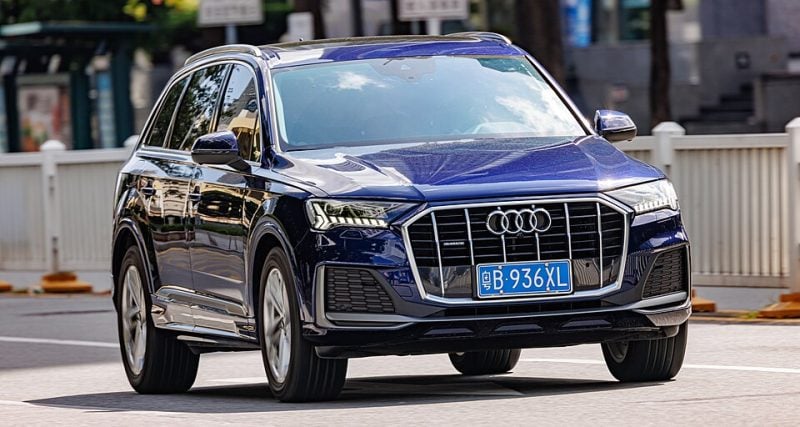
The Audi Q7 has established itself as a prominent option in the luxury three-row SUV market, but determining whether it makes sense for extended family ownership requires examining multiple factors beyond initial appeal.
The Audi Q7 is a solid choice for long-term family ownership, offering spacious seating, advanced safety features, and strong performance, though you should be prepared for higher maintenance costs compared to non-luxury competitors.
Understanding what sets this German SUV apart helps you make an informed decision about whether it aligns with your family’s needs and budget.
As a family-friendly three-row SUV, the Q7 delivers premium materials, sophisticated technology, and versatile seating arrangements. However, the question of long-term ownership involves more than initial impressions.
You need to consider ongoing expenses, reliability patterns, and how well the vehicle maintains its value over years of family use.
This analysis examines the Q7’s performance across key ownership criteria including safety ratings, maintenance and running costs, daily practicality, and how it compares to rival family SUVs.
Whether you’re considering a new Q7 or evaluating used models, understanding these long-term ownership factors helps you determine if this luxury SUV fits your family’s lifestyle and financial expectations.
Are families a fit for this car? Let’s find out!
Evaluating the Audi Q7 for Long-Term Family Use
The Q7 delivers substantial interior room across all three rows and integrates technology designed to simplify daily family routines. Build quality and refinement remain strong points that contribute to its durability as a family-friendly three-row SUV.
Key Family-Oriented Features
The Q7 equips families with a comprehensive suite of driver assistance systems, including adaptive cruise control, blind-spot monitoring, and rear cross-traffic alert as standard features.
Audi’s MMI infotainment system provides a 10.1-inch upper touchscreen and an 8.6-inch lower screen for climate and vehicle controls, allowing passengers to manage entertainment and comfort settings independently.
Rear-seat passengers benefit from available USB-C charging ports, tri-zone automatic climate control, and optional heated second-row seats. The advanced safety features include pre-sense front and rear systems that can detect potential collisions. Parents appreciate the panoramic sunroof option that brightens the cabin for all occupants.
The LATCH system provides easy car seat installation with accessible anchor points in the second row. You’ll find a total of seven seats in most configurations, though some models offer a six-seat layout with second-row captain’s chairs.
Interior Space and Comfort
Second-row passengers enjoy 40.5 inches of legroom, which surpasses many competitors in the luxury three-row segment. Adults can sit comfortably for extended trips, while the sliding second-row seats let you balance passenger space with cargo needs.
The third row accommodates children and smaller teenagers but proves tight for adults on longer journeys. You’ll find 28.6 inches of third-row legroom, which limits this area primarily to younger passengers. The second row slides forward to ease third-row access.
Premium materials cover the dashboard, doors, and center console. Leather upholstery comes standard, with available Valcona leather and open-pore wood trim on higher trims. The cabin maintains the utterly quiet character expected from German luxury vehicles.
Cargo Capacity and Flexibility
Behind the third row, you get 14.2 cubic feet of cargo space, enough for a few grocery bags or small suitcases. Folding the third row flat expands capacity to 35.7 cubic feet, suitable for sports equipment or weekly shopping trips.
Maximum cargo volume reaches 69.6 cubic feet with both rear rows folded, creating a flat load floor for furniture or vacation luggage. The power-folding third-row seats operate via buttons in the cargo area, simplifying the reconfiguration process.
The hands-free power liftgate opens when you wave your foot under the rear bumper, helpful when carrying items. A low load floor height makes it easier to lift heavy objects in and out. You’ll also find underfloor storage compartments for valuables and tie-down hooks to secure shifting cargo.
Safety and Reliability Standards
The Audi Q7 delivers strong performance in both crash protection and dependability metrics, with the 2025 model earning top-tier safety recognition. Families can expect advanced protective technologies and consistent long-term performance based on owner feedback and testing data.
But let’s dig into the actual safety details to determine if this car is a fit for your family:
Advanced Safety Technologies
The Q7 comes equipped with standard automatic emergency braking and lane-keeping assist systems that actively help prevent collisions. These features work continuously to monitor your surroundings and intervene when potential hazards are detected.
The vehicle includes additional driver assistance features across its trim levels:
- Adaptive cruise control maintains safe following distances on highways
- Blind spot monitoring alerts you to vehicles in adjacent lanes
- Rear cross-traffic alert warns of approaching vehicles when reversing
- 360-degree camera system provides comprehensive visibility during parking
These technologies integrate seamlessly to reduce driver fatigue during long family trips. The systems are designed to be intuitive rather than intrusive, making them practical for daily use.
Crash Test Ratings
The 2025 Audi Q7 earned the IIHS Top Safety Pick+ award, making it the only European luxury brand in the large SUV category to achieve this honor under stricter 2025 standards. This represents the highest safety recognition available from the Insurance Institute for Highway Safety.
The Q7’s crash test performance demonstrates excellent occupant protection across multiple impact scenarios. The vehicle’s structural design and restraint systems provide comprehensive protection for all seating positions, including third-row passengers.
Long-Term Reliability Track Record
Owner data shows that 21.3% of Audi owners reported an issue in the first year, which falls below the average for premium brands. This indicates better-than-expected initial quality for luxury vehicles in this segment.
Regular servicing keeps the Q7 running smoothly, though maintenance costs run higher than non-luxury competitors. You should budget accordingly for scheduled maintenance to preserve the vehicle’s reliability over time.
Owners report consistent performance over extended ownership periods. Older Q7 models may experience minor electrical issues, but these typically don’t affect core mechanical systems or safety functions.
Ownership Costs and Value Retention
The Q7 experiences significant depreciation in its first five years, while maintenance and insurance costs run higher than non-luxury competitors. Understanding these financial aspects helps you plan for the true cost of ownership beyond the initial purchase price.
Depreciation Over Time
The 2026 Audi Q7 will depreciate $34,066 after 5 years and have a 5-year residual value of $29,229. This means the vehicle retains approximately 46% of its original value after five years of ownership.
Luxury SUVs typically depreciate faster than mainstream brands. The Q7 loses the most value in the first three years, with depreciation slowing after the initial ownership period. If you plan to keep the vehicle for seven to ten years, the steeper early depreciation becomes less relevant to your total ownership experience.
The sportier versions of Audi’s Q series perform better in value retention than standard models. Choosing popular configurations and colors can help minimize depreciation when you eventually sell or trade the vehicle.
Insurance Costs
Insurance premiums for the Q7 run higher than average due to its luxury classification and repair costs. You should expect to pay $1,500 to $2,500 annually for comprehensive coverage, though your specific rate depends on your driving record, location, and coverage levels.
The vehicle’s advanced safety features may qualify you for certain insurance discounts. However, the cost to replace specialized technology and premium materials after an accident drives base rates higher than mainstream SUVs.
Warranty and Maintenance Plans
Audi provides a 4-year/50,000-mile new vehicle limited warranty and a 4-year/50,000-mile complimentary scheduled maintenance plan. This coverage includes oil changes, inspections, and routine services at no additional cost during the warranty period.
The Q7’s maintenance costs can be a significant burden once the complimentary maintenance expires. Extended warranty options are available for purchase, typically ranging from $2,000 to $4,000 depending on coverage length and deductibles. These plans can protect you from expensive repairs to the air suspension, turbochargers, and electronic systems that may fail after the factory warranty expires.
Performance and Driving Dynamics
The Audi Q7 delivers a refined driving experience with multiple engine configurations, comfortable ride quality suited for daily commutes and longer trips, and all-wheel drive capability for varying road conditions.
Engine Options and Efficiency
The Q7 offers turbocharged engine options designed to balance power with fuel economy. The standard powerplant is a 2.0-liter turbocharged four-cylinder engine producing 261 horsepower, which provides adequate acceleration for most family driving scenarios.
You can opt for a 3.0-liter turbocharged V6 engine if you need more power for towing or merging situations. The V6 engine provides performance and economy balance that makes it a strong contender for daily drives and family trips.
The SQ7 performance variant features a more powerful V6 configuration with up to 500 horsepower. All engines pair with an eight-speed automatic transmission that delivers smooth shifts during normal driving conditions.
Ride Comfort and Handling
The Q7 prioritizes comfort over sporty handling characteristics. The suspension absorbs road imperfections effectively, making it suitable for families who value a smooth ride quality over dynamic cornering ability.
Your passengers in the second and third rows will appreciate the composed ride during highway cruising and urban driving. The Q7’s steering feels precise without being overly heavy, allowing easy maneuvering in parking lots despite the SUV’s size.
Available adaptive air suspension lets you adjust ride height and damping settings. This feature enhances comfort on rough roads while improving stability when you need it.
All-Weather and Off-Road Capabilities
Standard Quattro all-wheel drive provides confident traction in rain, snow, and light off-road conditions. The system actively distributes power between the front and rear axles to maintain grip on slippery surfaces.
You’ll find the Q7 capable on unpaved roads and mild trails, though it’s designed primarily for paved surfaces. Ground clearance is adequate for moderate snow accumulation and gravel driveways common in suburban and rural areas.
The Q7 isn’t built for serious off-roading like body-on-frame SUVs, but it handles weather-related challenges that families typically encounter throughout the year.
Technology and Entertainment Amenities
The Q7 provides a dual-screen infotainment setup with standard smartphone integration and available premium audio, though the system shows its age compared to newer competitors. Rear passengers have access to separate climate controls and available entertainment screens for longer journeys.
Infotainment System Usability
The Q7 features Audi’s MMI dual-touchscreen interface with a 10.1-inch upper display and an 8.6-inch lower screen for climate and vehicle settings. The system includes standard Apple CarPlay and Android Auto integration, allowing you to mirror your smartphone apps directly on the main screen.
Navigation comes standard on Premium Plus and Prestige trims, with real-time traffic updates and route guidance. The touchscreen interface responds reasonably well to inputs, though the technology may feel dated when compared to the latest systems from competitors like BMW and Mercedes-Benz.
Voice commands allow hands-free control of navigation, phone calls, and audio sources. The system also includes Amazon Alexa integration for smart home control and additional voice assistant capabilities.
Connectivity Options
You get four USB-C charging ports as standard equipment, with additional ports available for rear passengers. Wireless phone charging is available on Premium Plus and Prestige trims, located in the center console for convenient access.
The Q7 includes standard Bluetooth connectivity for audio streaming and hands-free calling. A built-in Wi-Fi hotspot supports up to eight devices, useful for keeping your family connected during road trips. Premium Plus and Prestige models add a wireless charging pad and additional USB ports in the second and third rows.
Rear-Seat Entertainment Features
Second-row passengers benefit from dual-zone climate controls and adjustable air vents. Available rear side window sunshades provide additional comfort for children during sunny drives.
The available rear-seat entertainment system includes dual 10.1-inch touchscreens mounted on the front seatbacks. These screens connect via HDMI inputs, allowing passengers to watch movies or play games from connected devices. Each screen operates independently with individual headphone jacks and volume controls.
Premium Plus and Prestige trims can be equipped with a Bang & Olufsen premium sound system featuring 23 speakers and 3D audio technology. This system delivers clear audio throughout all three rows, making it easier for rear passengers to enjoy movies or music during travel.
Long-Term Practicality and Everyday Usability
The Q7 functions well as a daily driver for families who need consistent cargo space and passenger comfort. Your three rows of seating provide flexibility for carpools, sports teams, and extended family trips, though the third row works best for children rather than adults.
Storage capacity remains generous throughout the cabin. You get 22.7 cubic feet behind the third row, which expands to over 69 cubic feet with both rear rows folded. This configuration handles grocery runs, sports equipment, and luggage without requiring constant rearrangement.
The family-friendly three-row SUV delivers practical features that simplify daily routines. Power-folding rear seats, multiple USB ports, and thoughtful cubbies throughout the cabin make school drop-offs and errands more manageable.
Key Daily Use Features:
- Wide door openings for car seat installation
- Standard power liftgate
- Four-zone climate control
- Adjustable cargo floor height
- Multiple cupholders and storage bins
Your technology interface stays accessible without overwhelming complexity. The MMI infotainment system responds quickly to inputs, and physical controls remain in place for climate and volume adjustments that you use most frequently.
The Q7 maintains impressive reliability and enduring performance according to owner feedback. Your maintenance schedule follows predictable intervals, though premium fuel requirements and European parts pricing factor into ongoing costs. Ground clearance proves sufficient for unpaved parking lots and light trail access without compromising the refined ride quality you need for highway commutes.
User Experiences and Owner Reviews
Families who have lived with the Q7 report strong satisfaction with its spacious interior and refined driving experience, though some note concerns about electrical systems and maintenance costs as vehicles age.
Reported Benefits of Family Ownership
Long-term Q7 owners consistently praise the vehicle’s spacious three-row seating that comfortably accommodates growing families. The cabin provides ample room for car seats, sports equipment, and everyday cargo without feeling cramped.
Parents appreciate the high-end technology features that make family trips more enjoyable. The user-friendly infotainment system keeps children entertained on longer drives while advanced safety features provide peace of mind.
The Q7’s smooth and quiet ride quality stands out in owner feedback. The supercharged V6 engine paired with an eight-speed automatic transmission delivers refined performance that makes daily commutes and road trips pleasant experiences.
Many families value the premium materials and build quality throughout the cabin. The interior holds up well to the wear and tear of family life, maintaining its upscale appearance even after years of use.
Common Challenges Faced by Owners
Electrical issues emerge as the most frequent complaint among Q7 owners, particularly in older models. You may encounter problems with various electronic systems as your vehicle ages, which can be frustrating and costly to diagnose.
Maintenance and repair costs run higher than non-luxury competitors. Routine servicing requires specialized knowledge and parts that command premium prices, making long-term ownership more expensive than mainstream SUVs.
Some owners report concerns about long-term reliability compared to Japanese luxury brands. While owners report consistent reliability, you should budget for potential repairs as the vehicle accumulates mileage.
The Q7’s age shows in certain areas, as the current generation hasn’t been redesigned since 2017. You might find some technology features feel dated compared to newly redesigned competitors.
Audi Q7 vs. Competing Family SUVs
The Q7 competes against several established luxury three-row SUVs that offer different strengths in seating capacity, technology packages, and ownership costs. Understanding how it stacks up against rivals like the BMW X5, Volvo XC90, and Acura MDX helps you determine which vehicle best fits your family’s priorities.
Comparison of Key Features
The Audi Q7 offers spacious mid-size luxury SUV dimensions that make it competitive with models like the Volvo XC90, Acura MDX, and BMW X5. While the 2025 BMW X5 provides state-of-the-art technology and safety features, it offers less third-row space compared to the Q7’s three-row configuration.
The Q7 delivers refined luxury that doesn’t stand out with solid build quality, though the third row works best for children. Your cargo space and passenger room exceed what you’ll find in two-row luxury SUVs, giving you more versatility for growing families.
Key differences among competitors:
- BMW X5: More engaging driving dynamics, smaller third row
- Volvo XC90: Comparable space, Scandinavian design aesthetic
- Acura MDX: Similar seating capacity, lower entry price point
- Genesis GV80: Newer technology, generous warranty coverage
Resale Value and Longevity
German luxury vehicles traditionally experience steeper depreciation than Japanese competitors, though Audi’s brand prestige helps maintain stronger resale values than some rivals. The Q7’s build quality contributes to its longevity, but you’ll face higher maintenance costs compared to non-luxury three-row SUVs.
Your ownership costs will reflect premium parts and specialized service requirements. The BMW X5 typically commands similar maintenance expenses, while the Acura MDX offers more affordable long-term ownership due to Honda’s reliability reputation and lower service costs.
Audi has not redesigned the Q7 since the 2017 model year, though the 2025 model received a mild refresh to boost appeal. This longer production cycle means more predictable repair costs but potentially dated technology compared to recently redesigned competitors.
Overall Family Suitability
The Q7 works well for families who prioritize interior refinement and premium materials over maximum third-row legroom. Your children will fit comfortably in the rear seats, but adults will find the third row cramped on longer trips.
You’ll appreciate the Q7’s comprehensive safety features and advanced driver assistance systems that match or exceed competing luxury SUVs. The vehicle’s refined luxury approach appeals to families wanting a sophisticated daily driver without flashy styling.
Your decision should weigh the Q7’s strengths in build quality and luxury execution against competitors offering better third-row space (Volvo XC90), lower ownership costs (Acura MDX), or sportier handling (BMW X5). The Q7 excels as a premium family hauler when you value German engineering and understated elegance over maximum practicality or value retention.
Conclusion
The Audi Q7 stands as a capable choice for families seeking a three-row luxury SUV for extended ownership. You’ll find that current owners express high levels of contentment with their vehicles, citing impressive reliability and enduring performance.
Your family will benefit from several key strengths:
- Spacious interior with genuine three-row seating capability
- Advanced safety features designed for family protection
- Strong technology integration that remains relevant over time
- Prestige and quality associated with the Audi brand
You should consider that depreciation rates can be significant, particularly if resale value factors into your future plans. The Q7 hasn’t received a full redesign since 2017, though this stability means you’re getting a proven platform.
Long-term owners in the non-lease crowd generally report positive experiences, though maintenance costs remain typical for the luxury segment. Your ownership experience will largely depend on selecting the right model year and maintaining the vehicle properly.
The Q7 delivers what you need for family transportation: space, safety, and reasonable running costs within its class. You’re making an informed decision when you prioritize interior quality, technology features, and the driving experience that comes with Audi ownership. Your choice ultimately depends on whether these benefits align with your budget and long-term vehicle needs.




.jpg)