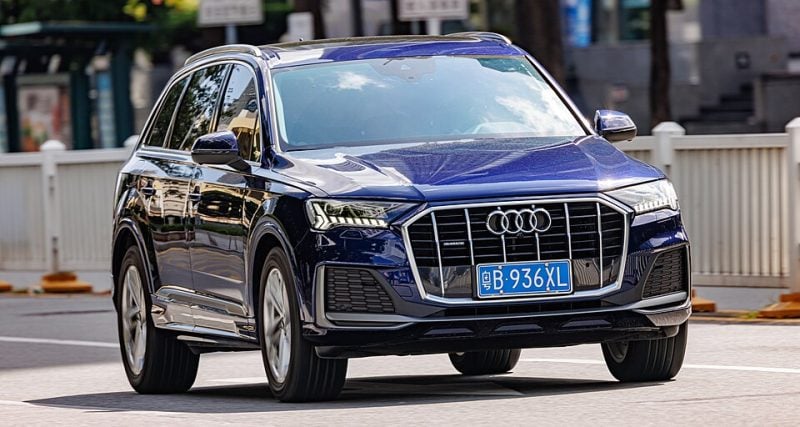
Is the Audi Q8 Reliable After 60,000 Miles?
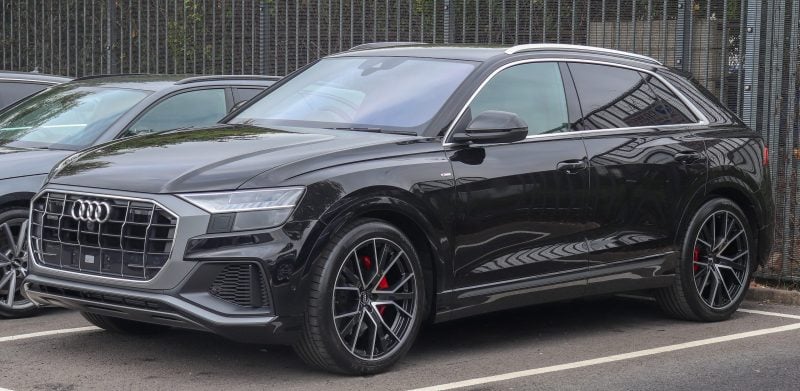
The Audi Q8 can remain reliable after 60,000 miles, but its long-term dependability depends heavily on consistent maintenance and how well previous owners cared for the vehicle. This luxury SUV features sophisticated technology and performance capabilities that require proper attention to avoid expensive repairs. Understanding what to expect at this mileage threshold helps you make an informed decision about purchasing or keeping a high-mileage Q8.
While the Q8 generally holds up better than earlier Audi SUV models, you should expect higher maintenance costs and potential issues with electrical systems and infotainment components as the odometer climbs past 60,000 miles. Major service intervals occur at 60,000 and 120,000 miles, making this a critical point in the vehicle’s lifecycle where significant maintenance expenses come into play.
Your ownership experience will vary based on factors like service history, driving conditions, and whether you address minor problems before they escalate. This article examines real-world performance data, owner reports, and common maintenance needs to give you a clear picture of what reliability looks like beyond the 60,000-mile mark.
Overview of Audi Q8 Reliability After 60,000 Miles
The Audi Q8’s performance beyond 60,000 miles depends largely on maintenance history and model year, with 2020-2021 versions showing better longevity than the problematic 2019 model. You’ll face higher repair costs than mainstream SUVs, though consistent servicing helps prevent major failures.
Common Mechanical Issues
Electrical and infotainment glitches represent the most frequent problems you’ll encounter in higher-mileage Q8s. These issues often manifest as screen freezes, sensor malfunctions, and connectivity problems that require dealer diagnostics.
Engine and powertrain concerns appear more prominently in 2019 models. If you’re considering an early Q8, you should carefully review maintenance records for any history of drivetrain repairs.
The major service interval at 60,000 miles addresses several wear items before they become problems. This scheduled maintenance includes transmission service, brake system inspection, and suspension component checks that help maintain reliability as mileage increases.
Timing chain systems on V6 and V8 engines caused significant problems in older Audi SUVs. The Q8 benefits from updated engineering that largely resolves this historical weakness, though you should still verify proper maintenance of the timing system.
Frequency of Repairs
Your repair frequency after 60,000 miles will vary significantly based on the model year you choose. The 2020 and 2021 Q8s require fewer unscheduled visits than the 2019 version, which suffers from elevated failure rates.
Oil changes occur every 10,000 miles or 12 months under Audi’s maintenance schedule. Major services at 60,000 and 120,000 miles represent your primary scheduled maintenance touchpoints.
Beyond routine maintenance, you should budget for occasional repairs related to electrical components and wear items. The frequency increases if previous owners deferred maintenance or drove aggressively.
Comparisons With Other Luxury SUVs
The Q8’s reliability after 60,000 miles falls short of Lexus SUVs like the RX, which consistently demonstrate lower failure rates and cheaper repairs. You’ll spend more on parts and labor for your Audi compared to Japanese luxury competitors.
Against German rivals like the BMW X6 and Mercedes-Benz GLE Coupe, the Q8 performs comparably in reliability metrics. All three require expensive maintenance and share similar electronic complexity that can cause issues.
Your maintenance costs will exceed those of mainstream three-row SUVs by a significant margin. The tradeoff comes in performance, luxury features, and prestige that mass-market vehicles don’t provide.
Engine and Transmission Performance
The Audi Q8’s powertrain typically holds up well beyond 60,000 miles when properly maintained, though certain components require closer attention than others. The 3.0-liter turbocharged V6 and 8-speed automatic transmission form the backbone of most Q8 models, with specific wear patterns emerging as mileage accumulates.
Longevity of Powertrain Components
The 3.0-liter turbocharged V6 engine in the Q8 demonstrates solid longevity when you keep up with oil changes and use the recommended synthetic oil. This engine features a mild hybrid system that reduces stress on internal components during stop-and-go driving.
Your timing chain and tensioners should remain trouble-free through 60,000 miles, though some owners report occasional oil consumption issues between 40,000 and 70,000 miles. The engine mounts may show signs of wear around this mileage, particularly if you drive aggressively.
The direct injection system requires periodic carbon cleaning, typically around 50,000 to 70,000 miles. Skipping this maintenance can lead to rough idling and reduced performance.
Transmission Concerns
The 8-speed automatic transmission in the Q8 generally performs reliably past 60,000 miles with regular fluid changes. You should expect smooth shifts and responsive behavior if the transmission receives fresh fluid every 40,000 miles, despite Audi’s “lifetime fluid” claim.
Some owners report hesitation or delayed shifts in early 2019 models, particularly during cold starts. Later model years addressed many of these calibration issues through software updates.
Transmission software updates can resolve most shift quality concerns without mechanical intervention. You may notice firmer shifts as the transmission adapts to your driving style over time.
Turbocharger Health
The turbocharger system typically remains reliable beyond 60,000 miles when you allow proper warm-up and cool-down periods. Your turbo bearings depend on clean oil and adequate lubrication, making timely oil changes critical for longevity.
Wastegate rattle may develop in some units between 50,000 and 80,000 miles, producing a distinctive noise during light acceleration. This issue doesn’t always require immediate turbo replacement but warrants monitoring.
You should watch for oil leaks around the turbo seals as mileage increases. Catching these leaks early prevents damage to other engine components and maintains performance levels.
Electrical Systems Durability
Electrical system issues represent one of the more common problem areas for the Audi Q8 after 60,000 miles. Owners frequently report glitches with infotainment systems, driver assistance features, and various sensors that can escalate into costly repairs.
Infotainment Failures
The MMI infotainment system in your Q8 may experience software freezes, unresponsive touchscreens, and connectivity problems as mileage accumulates. These issues typically manifest as delayed response times when switching between functions or complete system crashes requiring manual resets.
Software updates can temporarily resolve many infotainment problems, but hardware failures become more prevalent after 60,000 miles. The dual-screen setup in newer Q8 models adds complexity that increases the likelihood of component failures. Navigation system errors and Bluetooth pairing issues are particularly common complaints from higher-mileage owners.
Your warranty coverage becomes critical here, as infotainment module replacements can cost $2,000-$4,000 when performed outside warranty protection. Regular software updates through your dealer may help prevent some issues, though they won’t address underlying hardware degradation.
Advanced Driver Assistance System Issues
Your Q8’s adaptive cruise control and lane-keeping assist systems rely on multiple cameras and radar sensors that can malfunction over time. False warnings about system unavailability often indicate sensor calibration drift or component degradation rather than actual failures.
The parking assist sensors and 360-degree camera system commonly develop faults after extended use. Dirt and road debris damage the sensor housings, while moisture intrusion affects electrical connections. These problems typically require sensor replacement rather than simple recalibration, with individual sensors costing $200-$500 each.
Sensor and Lighting Reliability
Your Q8 uses numerous sensors for functions ranging from tire pressure monitoring to rain detection. These components experience higher failure rates after 60,000 miles due to exposure to harsh environmental conditions. Tire pressure sensor batteries typically last 7-10 years but may fail sooner under demanding conditions.
The LED lighting systems generally prove durable, though control module failures can disable entire lighting assemblies. Replacing an LED headlight assembly costs $1,500-$3,000 per unit, making these among the more expensive electrical repairs you might face.
Suspension, Brakes, and Steering at High Mileage
The Audi Q8’s suspension, braking, and steering systems face increased wear after 60,000 miles, with the air suspension requiring particular attention and brake components needing regular inspection to maintain the vehicle’s luxury performance standards.
Air Suspension Wear
The Q8’s adaptive air suspension system typically shows signs of wear between 60,000 and 100,000 miles. Air struts can develop leaks in the rubber bladders or seals, causing the vehicle to sag on one or more corners. You’ll notice the compressor running more frequently when components begin failing.
Replacement of a single air strut ranges from $800 to $1,500, while a full set can cost $3,000 to $5,000 including labor. The air compressor itself may need replacement around 80,000 to 120,000 miles at approximately $1,200 to $2,000.
Control arm bushings and ball joints wear progressively after 60,000 miles. Inspect these components every 15,000 miles for play or deterioration. Worn bushings create clunking noises over bumps and affect handling precision.
Brake System Longevity
Your Q8’s brake pads typically last 30,000 to 50,000 miles on the front axle and 50,000 to 70,000 miles on the rear. The large, heavy SUV places substantial demands on the braking system. Rotors often require replacement at the second pad change, around 60,000 to 80,000 miles.
Brake fluid replacement is essential at 30,000-mile intervals. Old fluid absorbs moisture and reduces braking performance while potentially damaging ABS components. The electronic parking brake module can fail after 80,000 miles, requiring a $600 to $1,000 repair.
Common brake wear indicators:
- Squealing or grinding noises
- Pulsating brake pedal
- Longer stopping distances
- Warning lights on the dashboard
Steering Mechanism Reliability
The Q8’s electric power steering system requires minimal maintenance but isn’t immune to high-mileage issues. Steering rack bushings can wear after 75,000 miles, creating a loose feeling in the steering wheel. Tie rod ends typically need replacement between 80,000 and 100,000 miles.
You should check steering components during routine suspension inspections. Play in the steering wheel or unusual noises when turning indicate worn components. The steering angle sensor occasionally requires recalibration after suspension work or alignment adjustments.
Power steering fluid leaks are rare on electric systems, but the steering rack itself can develop internal wear. Replacement costs range from $1,500 to $2,500 if the rack fails.
Owner Experiences and Verified Reports
Real-world feedback from Audi Q8 owners reveals a mixed picture of reliability beyond the 60,000-mile mark, with experiences varying significantly based on maintenance habits and model year selection.
Maintenance Records
Audi Q8 owners who maintain detailed service records consistently report fewer unexpected failures after 60,000 miles. Following the manufacturer’s maintenance schedule is critical, as the Q8’s complex mechanical systems and advanced technology components require timely attention.
Documented service histories show that oil changes, transmission fluid replacements, and suspension inspections at recommended intervals help prevent costly breakdowns. Owners who skip or delay services often face accelerated wear on turbochargers and electronic control modules.
Common maintenance items after 60,000 miles include:
- Brake fluid replacement
- Differential fluid service
- Air suspension component checks
- Battery and charging system evaluation
The higher cost of Audi-specific parts means that deferred maintenance becomes exponentially more expensive when components fail completely rather than being serviced preventively.
Reported Reliability Ratings
Industry data places Audi below several competitors in early ownership quality surveys. The Q8 is still a relatively new model with limited long-term statistics, making it difficult to establish definitive reliability trends beyond 60,000 miles.
CarComplaints.com and NHTSA data indicate that 2019 and 2021 model years have accumulated more reported issues compared to 2020 and 2022 versions. The 2019 model year in particular shows a higher rate of problems and should be avoided by used buyers.
Consumer Reports and other rating agencies note that while the Q8 runs smoothly with proper maintenance, repair costs tend to be higher than average when problems do occur. Brand surveys consistently rank Audi below Toyota, Lexus, and Honda for long-term dependability.
Long-term Owner Satisfaction
Owners who maintain their Q8s properly report satisfactory experiences after several years of use. Minor issues that arise are typically resolved during routine service appointments without major expense.
Some long-term owners note that repairs, when needed, carry premium price tags due to proprietary systems and specialized labor requirements. This affects overall satisfaction even when mechanical reliability meets expectations.
Former Lexus and Toyota owners who switch to the Q8 often express concern about higher maintenance costs and more frequent service requirements. The trade-off for luxury features and performance comes with increased ownership expenses beyond 60,000 miles.
Cost of Ownership Beyond 60,000 Miles
After 60,000 miles, your Audi Q8 ownership costs will increase substantially as the factory warranty expires and wear items need replacement. Expect to budget between $2,000 and $4,500 annually for maintenance and repairs during this phase.
Major Repair Expenses
Once you pass 60,000 miles, several expensive repairs become more likely. The air suspension system can fail, with replacement costs ranging from $2,500 to $4,000 per corner. Turbocharger issues may appear, requiring $3,000 to $5,000 for replacement.
The dual-clutch transmission (on certain models) can develop mechatronic unit problems costing $4,000 to $6,000 to address. Electrical gremlins become more common, with the MMI infotainment system and various sensors potentially needing replacement at $800 to $2,500 per incident.
Common high-mileage repairs include:
- Water pump replacement: $1,200-$1,800
- Thermostat housing: $600-$1,000
- Carbon buildup cleaning: $500-$800
- Brake system components: $1,500-$3,000
Extended warranty coverage becomes worth considering if you plan to keep your Q8 past the factory warranty period.
Routine Maintenance Needs
Your maintenance intervals remain at 10,000 miles for oil changes, but you’ll face additional service requirements. The 70,000-mile service includes transmission fluid replacement ($400-$600), differential service ($300-$500), and brake fluid flush ($150-$250).
Tire replacement costs run $1,200 to $2,000 for a quality set, with higher-performance tires at the upper end. Brake pads and rotors need replacement every 30,000-40,000 miles at $800-$1,500 per axle.
You’ll need spark plugs around 60,000-75,000 miles ($400-$600), and the cabin air filter requires annual replacement ($50-$100). Independent European specialists typically charge 30-40% less than Audi dealerships while maintaining quality work standards.
Warranty Coverage and Extended Protection
Audi provides a factory warranty that covers the Q8 for four years or 50,000 miles, whichever comes first. Extended warranty options become available when factory coverage ends, offering multiple tiers of protection for components that typically fail after 60,000 miles.
Standard Audi Warranty Overview
Your Audi Q8 comes with a standard factory warranty lasting four years or 50,000 miles from the original in-service date. This coverage includes the powertrain, electrical systems, and most mechanical components under normal use conditions.
If you purchase a certified pre-owned Q8, you receive different coverage terms. The vehicle must be five years old or less with fewer than 60,000 miles to qualify. The CPO warranty adds one year or 20,000 miles of coverage beyond any remaining factory warranty, though this only applies if purchased during the original warranty period.
The standard warranty does not cover consumable items like brake pads, wiper blades, or routine maintenance. You’re responsible for these items from day one of ownership.
Availability of Extended Warranties
Audi Pure Protection provides three extended warranty levels after your factory coverage expires: Powertrain, Gold, and Platinum. Each plan extends coverage up to 10 years or 120,000 miles from the original in-service date.
The Platinum tier offers the most comprehensive protection, covering nearly everything the factory warranty includes. Gold plans provide moderate coverage, while Powertrain focuses solely on engine and transmission components. You can add consumables coverage to any plan, which includes brakes, rotors, batteries, belts, hoses, seals, and alignment services.
Dealers also offer tire and wheel protection plans separately, typically ranging from three to seven years. These plans protect against road hazard damage that standard warranties exclude. You can purchase extended warranties directly from Audi or through third-party providers, with pricing varying based on coverage level and duration.
Tips for Maximizing Audi Q8 Reliability
Maintaining your Audi Q8 beyond 60,000 miles requires consistent attention to scheduled services and proactive problem-solving. Following manufacturer guidelines and addressing minor concerns early prevents costly repairs down the road.
Preventative Maintenance Strategies
Check your Q8’s fluid levels monthly, including engine oil, coolant, brake fluid, and transmission fluid. Low or contaminated fluids accelerate wear on critical components.
Inspect your tires regularly for proper inflation and tread depth. Uneven tire wear often signals alignment issues that can damage suspension components if left unaddressed. Rotate tires every 5,000 to 7,500 miles.
Pay attention to warning lights and unusual sounds immediately. The Q8’s complex electronic systems can mask developing problems until they become serious. Use an OBD-II scanner to check for stored error codes between service appointments.
Replace wear items like brake pads, air filters, and windshield wipers before they fail completely. Waiting until complete failure risks secondary damage to more expensive parts. Keep detailed records of all maintenance and repairs to track patterns and maintain resale value.
Recommended Service Intervals
Follow Audi’s maintenance schedule strictly after 60,000 miles. Your Q8 needs oil changes every 10,000 miles with approved synthetic oil, though shorter intervals benefit high-mileage engines.
Critical service milestones include:
- 60,000 miles: Replace spark plugs, cabin air filter, engine air filter, and inspect brake system
- 70,000 miles: Flush and replace brake fluid, rotate tires
- 80,000 miles: Replace transmission fluid and differential fluid
- 90,000 miles: Inspect cooling system hoses, replace coolant
Schedule these services at certified Audi technicians or independent shops experienced with VAG group vehicles. Using genuine or OEM-equivalent parts maintains system compatibility. Don’t skip the multipoint inspections included with major services, as technicians can spot developing issues early.
Conclusion
The Audi Q8 can reach 60,000 miles with reasonable reliability when you maintain it properly. Regular servicing and attention to common issues make a significant difference in your ownership experience.
Key factors affecting reliability at this mileage:
- Quality of previous maintenance and service history
- Driving conditions and usage patterns
- Whether manufacturer recalls were addressed promptly
- Age of the vehicle and warranty status
You should budget for higher maintenance costs compared to non-luxury SUVs. Parts and labor for Audi vehicles typically cost more, and the Q8’s complex technology systems require specialized knowledge for repairs.
The vehicle performs best when you stay current with scheduled maintenance. Oil changes, brake inspections, and software updates help prevent larger issues from developing. Extended warranty coverage can provide protection as you approach and exceed the 60,000-mile mark.
Your experience will vary based on the model year and individual vehicle history. Newer Q8 models generally show improved reliability compared to earlier years. Pre-purchase inspections are valuable for used vehicles near this mileage.
Priority considerations:
- Check for documented service records
- Verify remaining warranty coverage
- Inspect electronic systems thoroughly
- Budget $1,500-$2,500 annually for maintenance
The Q8 remains capable and comfortable beyond 60,000 miles when you address issues promptly and maintain it according to manufacturer specifications. Your proactive approach to maintenance determines long-term satisfaction more than any single factor.