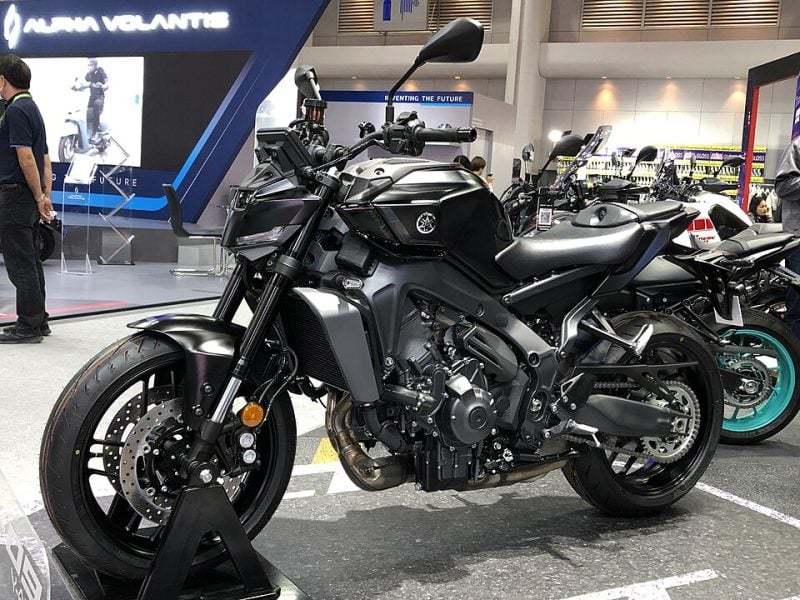
Is the Yamaha MT-07 Good for Beginners?
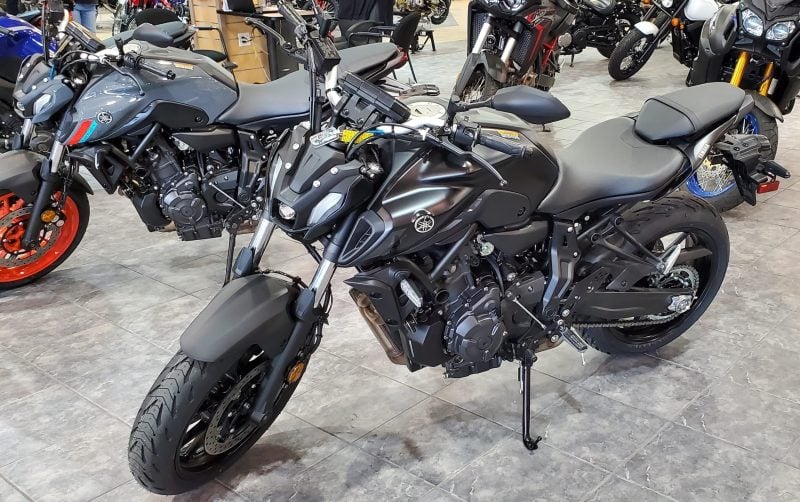
The Yamaha MT-07 frequently appears in discussions about starter motorcycles, and for valid reasons. Its combination of manageable power, lightweight construction, and accessible ergonomics makes it a compelling option for riders transitioning from their motorcycle safety course to their first real-world bike.
The MT-07 can be an excellent beginner motorcycle for new riders who want room to grow, though it requires more respect and restraint than smaller-displacement alternatives.
The 689cc parallel-twin engine delivers 74 horsepower, which is significantly more than typical beginner bikes but remains controllable with proper throttle management.
This article examines the specific characteristics that make the MT-07 suitable or challenging for beginners. You’ll learn about its performance characteristics, how it compares to other popular starter bikes, and whether your skill level and riding goals align with what this motorcycle offers.
Overview of the Yamaha MT-07
The Yamaha MT-07 has established itself as a middleweight naked motorcycle that balances accessible performance with practical features. Its 689cc parallel-twin engine delivers 74 horsepower while the bike maintains a manageable 403-pound curb weight.
Key Features
The MT-07’s lightweight chassis gives you excellent maneuverability in both city traffic and twisty roads. The 2025 model introduced significant upgrades including an inverted front fork and a stiffer frame design that improves handling precision.
You’ll find a minimalist LED headlight unit that defines the bike’s distinctive front-end appearance. The digital instrument cluster provides essential ride information without overwhelming you with complexity.
The bike sits at an approachable seat height that accommodates most rider sizes. Its upright riding position reduces strain on your wrists and back during daily commutes.
Standard ABS braking comes equipped on all models, providing crucial safety for newer riders. The suspension setup balances comfort for street riding while maintaining enough feedback for spirited cornering.
Engine Specifications
The MT-07 uses a 689cc liquid-cooled, inline two-cylinder engine with a 270-degree crankshaft configuration. This design produces 74 horsepower at 9,000 RPM and 50 lb-ft of torque at 6,500 RPM.
The parallel-twin layout delivers strong low-end and mid-range power that makes the bike responsive without being intimidating. You get smooth power delivery that builds predictably as you twist the throttle.
The engine pairs with a six-speed transmission that offers well-spaced gear ratios for various riding situations. Fuel injection ensures consistent performance across different temperatures and altitudes.
Your MT-07 can reach speeds exceeding 100 mph, though it’s optimized for performance in the 30-80 mph range where most street riding occurs.
Design Philosophy
Yamaha designed the MT-07 around their “Dark Side of Japan” aesthetic that emphasizes raw, stripped-down styling. The exposed engine, minimal bodywork, and aggressive lines create a street-fighter appearance.
The manufacturer prioritized function over form without sacrificing visual appeal. Every component serves a purpose rather than existing purely for decoration.
Your bike focuses on delivering an engaging riding experience through direct feedback and responsive handling. The engineering emphasizes rider connection to the machine rather than isolating you with electronic interventions.
This approach keeps costs reasonable while maintaining quality construction and reliable components. The MT-07 offers strong value in its price category without feeling like a budget compromise.
Beginner-Friendly Aspects of the Yamaha MT-07
The MT-07 balances accessible power delivery with a lightweight chassis and an upright riding position that reduces physical strain. Its controls respond predictably, and the seat height accommodates a wide range of rider builds without requiring modifications.
Ease of Handling
The MT-07 weighs approximately 403 pounds wet, making it light enough to maneuver at low speeds and manageable in parking situations. The low center of gravity helps you keep the bike stable when stopped at traffic lights or navigating tight turns.
The 689cc parallel-twin engine delivers power smoothly through the mid-range rather than hitting you with abrupt surges. This predictable torque curve gives you time to adjust your throttle inputs as you develop your riding skills. The bike’s narrow profile makes it easy to lean through corners without feeling top-heavy.
The 31.7-inch seat height allows most riders to place both feet flat on the ground. This increases your confidence during low-speed maneuvers and reduces the risk of dropping the bike when coming to a stop.
Rider Comfort
The upright riding position keeps your back straight and your arms relaxed rather than forcing you into an aggressive lean. This ergonomic setup reduces fatigue during longer rides and gives you better visibility of traffic ahead.
The suspension offers enough compliance for daily commuting without feeling too soft or unstable. You’ll absorb bumps and road imperfections without harsh jolts transferring through the handlebars or seat. The seat itself provides adequate padding for rides up to two hours before you’ll need to stretch.
The fuel tank holds 3.7 gallons, giving you a range of roughly 150-180 miles depending on your riding style. This means fewer fuel stops and more time building your riding experience.
Intuitive Controls
The clutch pull requires moderate effort without causing hand fatigue during stop-and-go traffic. The engagement point sits in a predictable zone that you’ll quickly memorize after your first few rides.
The six-speed transmission shifts smoothly with clear feedback at each gear change. You won’t struggle to find neutral when stopped, and the gearbox tolerates less-than-perfect shift timing as you refine your technique. The digital instrument cluster displays essential information without overwhelming you with unnecessary data.
The braking system uses ABS as standard equipment, preventing wheel lockup if you grab too much brake during emergency stops. The front brake provides strong, linear stopping power that’s easy to modulate with two fingers.
Engine Performance and Power Delivery
The MT-07’s 689cc parallel-twin engine produces 75 horsepower and 50 lb-ft of torque, with power characteristics specifically designed for street riding rather than track performance. The engine prioritizes usable midrange torque over peak horsepower figures, which directly impacts how manageable it feels for newer riders.
Smooth Throttle Response
The MT-07 delivers power in a predictable, linear fashion that makes throttle control easier to master. You won’t experience sudden power surges or aggressive delivery that can catch beginners off guard. The engine builds torque progressively from low RPMs, reaching its peak at 6,500 rpm.
This approach means you can twist the throttle without worrying about unexpected acceleration. The parallel-twin configuration creates a lively character while maintaining smooth power transitions throughout the rev range. You’ll find the engine responsive enough to make riding engaging without being intimidating.
The low-revving nature of the engine keeps things manageable, with redline starting at 10,000 rpm. This design allows you to explore the engine’s capabilities without entering dangerously high speed ranges.
Power Output for New Riders
The 75 horsepower output sits in an ideal range for beginners who want room to grow without being overwhelmed. This power level gives you enough performance for highway riding and passing maneuvers while remaining controllable during your learning phase.
The MT-07 weighs 182kg wet, which creates a favorable power-to-weight ratio without excessive performance. You’ll appreciate how the engine’s 50 lb-ft of torque makes city riding and low-speed maneuvering effortless. The strong midrange torque means you don’t need to constantly shift gears or rev high to access usable power.
Your throttle inputs translate to predictable acceleration, letting you focus on developing riding skills rather than managing an overpowered machine. The engine provides sufficient performance for experienced riders while remaining accessible to those still building confidence.
Weight and Seat Height Considerations
The MT-07’s physical dimensions play a significant role in its beginner-friendliness. At 183-188 kg (403-414 pounds) wet weight and a seat height of 805-815 mm (31.7 inches), this motorcycle strikes a balance between stability and manageability.
Low Center of Gravity
The MT-07’s parallel-twin engine configuration contributes to a lower center of gravity compared to inline-four sportbikes. This design helps you maintain better control at low speeds and makes the bike feel more planted during stops. The 183 kg wet weight (for newer models) is manageable for most riders, though it’s not the lightest option in its class.
You’ll find the weight distribution works in your favor when maneuvering in parking lots or making U-turns. The bike doesn’t feel top-heavy, which reduces the effort needed to hold it upright at a standstill. This characteristic becomes particularly valuable during your first months of riding when slow-speed control matters most.
Accessibility for Different Rider Heights
The 805-815 mm seat height accommodates a wide range of riders, though your experience will vary based on your inseam length. If you’re around 5’7″ or taller, you’ll likely achieve a flat-footed stance at stops. Riders at 5’5″ can manage the MT-07, though you may need to use the balls of your feet or consider lowering options.
Shorter riders have successfully started on the MT-07, but some recommend gaining initial experience on lower bikes like the Yamaha R3 first. The seat is relatively narrow, which helps you reach the ground more easily than wider cruiser-style seats. Your confidence at stops directly affects your overall riding experience, so honest assessment of your comfort with the seat height is essential before purchasing.
Safety Features and Technology
The MT-07 relies on a straightforward braking system with standard ABS to keep new riders safe without overwhelming them with complex electronics. These foundational safety features provide reliable stopping power and confidence-building protection for beginners.
Braking System
The MT-07 comes equipped with a dual-disc front brake setup featuring 282mm rotors paired with dual-piston calipers. This configuration delivers strong, predictable stopping power that’s easy to modulate for riders still developing their braking skills.
The rear brake uses a single 245mm disc with a single-piston caliper, providing balanced braking force when you need to slow down or stop. The system’s straightforward design means you won’t struggle with overly aggressive bite or unpredictable behavior.
For 2025, Yamaha upgraded the front brake master cylinder to improve lever feel and control. The progressive braking response helps you avoid grabbing too much brake too quickly, which is a common concern for new riders learning proper braking technique.
ABS Availability
ABS comes standard on the MT-07 in most markets, including North America and Europe. The system prevents wheel lockup during hard braking or in slippery conditions, which is particularly valuable when you’re still learning to read road conditions.
The ABS operates without intrusive intervention, activating only when sensors detect impending wheel lock. You’ll feel subtle pulsing through the lever if the system engages, but it won’t dramatically affect your control or confidence.
Unlike more advanced bikes, the MT-07 doesn’t offer lean-sensitive or cornering ABS. The system protects you during straight-line braking, giving you essential safety coverage without adding complexity to your learning process.
Cost of Ownership and Maintenance
The MT-07 sits comfortably in the affordable mid-range category with reasonable purchase prices and low ongoing costs. Yamaha’s reputation for reliability translates into predictable maintenance expenses that won’t strain your budget as a new rider.
Initial Purchase Price
New MT-07 models typically retail around $7,700, positioning them as competitively priced within the middleweight motorcycle segment. If you’re looking to save money, used models frequently sell between $5,000 and $6,000 depending on mileage and condition.
This pricing makes the MT-07 accessible without forcing you into the extreme budget category where quality concerns become more common. You get legitimate performance and build quality without paying premium prices associated with larger displacement bikes or exotic brands.
The value proposition becomes even stronger when you consider what comes standard. Most MT-07s include essential features like ABS, a reliable parallel-twin engine, and quality suspension components that would cost significantly more on competing platforms.
Fuel Efficiency
The MT-07’s 689cc parallel-twin engine delivers respectable fuel economy that keeps your running costs manageable. You can expect real-world mileage that balances the bike’s sporty character with practical everyday efficiency.
The fuel tank capacity and consumption rates mean you won’t be stopping at gas stations constantly during your commute or weekend rides. This efficiency proves particularly valuable during the learning phase when you’re focused on developing skills rather than worrying about fuel costs.
Maintenance Requirements
Annual maintenance costs typically range from $300 to $500 for routine service including oil changes, tire replacements, and brake inspections. The CP2 engine has earned a strong reputation for durability and straightforward maintenance procedures.
Many basic maintenance tasks can be handled by owners themselves, especially with a diagnostic tool. This accessibility reduces your dependence on dealership service departments and their associated labor costs.
Common maintenance intervals include:
- Oil changes every 4,000 miles
- Valve adjustments at longer intervals
- Chain cleaning and adjustment as needed
- Brake pad inspection and replacement based on wear
The bike’s simple mechanical layout means fewer complex systems that could fail or require expensive specialized service.
Comparing the Yamaha MT-07 to Other Beginner Motorcycles
The MT-07’s 689cc parallel-twin engine produces 75 horsepower, positioning it between lighter entry-level bikes and heavier sport models. Its 403-pound wet weight and upright riding position make it more manageable than many competitors in the middleweight category.
Yamaha MT-07 vs. Honda CB650R
The Honda CB650R features a larger 649cc inline-four engine that delivers smoother power delivery at higher RPMs. You’ll notice the MT-07’s twin-cylinder design provides more low-end torque, making it easier to handle in city traffic and at lower speeds.
The CB650R weighs approximately 445 pounds, about 40 pounds heavier than the MT-07. This weight difference becomes noticeable when maneuvering at parking lot speeds or picking up the bike from a stand.
Price-wise, the CB650R typically retails around $9,000 new, while the MT-07 starts near $7,700. The Honda’s inline-four engine requires more maintenance intervals and generally consumes more fuel than the MT-07’s efficient parallel-twin.
Yamaha MT-07 vs. Kawasaki Z650
The Kawasaki Z650 shares a similar parallel-twin engine configuration with the MT-07 but displaces 649cc and produces around 67 horsepower. You get slightly less power with the Z650, though the difference is minimal in real-world riding situations.
Both bikes weigh nearly the same, with the Z650 coming in at approximately 410 pounds wet. The Z650’s seat height sits at 31.5 inches compared to the MT-07’s 31.7 inches, making both accessible for average-height riders.
The Z650 typically costs between $7,500 and $7,800 new, placing it in direct price competition with the MT-07. Your choice between these two often comes down to brand preference and styling rather than substantial performance differences.
Potential Challenges for New Riders
The MT-07’s 689cc parallel-twin engine delivers approximately 74 horsepower, which creates specific handling characteristics that differ from typical beginner bikes in the 300-400cc range. New riders may find the bike’s power delivery and throttle response require more careful input management than smaller-displacement motorcycles.
Throttle Sensitivity
The MT-07’s throttle responds quickly to wrist movement, particularly in first and second gear. You’ll notice that small adjustments in throttle position produce immediate changes in acceleration, which can feel twitchy when you’re still developing smooth control inputs.
This sensitivity becomes most apparent during low-speed maneuvers like parking lot turns or navigating through traffic. Your right hand needs to maintain steady, measured inputs to avoid jerky movements that can upset the bike’s balance. The fuel injection system prioritizes crisp response over forgiving delivery, meaning there’s little cushion for imprecise throttle control.
New riders typically benefit from spending extra time in empty parking lots to develop muscle memory for gradual throttle application. You should practice starting from stops, slow-speed turns, and maintaining steady speed in first gear until the throttle feel becomes intuitive.
Abrupt Power Delivery
The CP2 engine exhibits a distinct power band with noticeable surge around 5,000-7,000 RPM. You’ll feel relatively moderate power at lower RPMs, then encounter a more aggressive push as the engine enters its peak torque range.
This characteristic differs from smaller beginner bikes that typically deliver linear, predictable power throughout the rev range. If you’re not expecting the mid-range surge, it can catch you off guard during cornering or while merging into traffic. The transition feels sharp rather than gradual, requiring you to anticipate the power increase based on your current gear and engine speed.
Managing this power band means you need to develop awareness of your RPM position and plan your acceleration accordingly. In wet conditions or on loose surfaces, the abrupt nature of the power delivery increases the risk of rear wheel slip if you’re not deliberate with your inputs.
Who Should Consider the Yamaha MT-07
The MT-07 suits riders who already have some two-wheeled experience or are returning to motorcycling after time away. Its 689cc parallel-twin engine delivers more power than typical starter bikes, requiring confidence in throttle control and basic riding skills.
New Riders with Previous Experience
If you’ve spent time on a smaller displacement motorcycle or scooter, the MT-07 represents a natural progression. The bike’s 75 horsepower and torquey delivery respond quickly to throttle inputs, which can be challenging if you’re completely new to motorcycles.
The lightweight chassis at 403 pounds wet makes the bike manageable at low speeds and during parking maneuvers. You’ll find the upright seating position comfortable and the controls intuitive, though the power delivery requires respect and smooth inputs.
Consider the MT-07 if you’ve completed a motorcycle safety course and logged at least several hundred miles on a smaller bike. The engine’s forgiving nature below 6,000 RPM gives you room to develop your skills, but the power available above that threshold demands existing throttle discipline.
Returning Motorcyclists
The MT-07 works well if you’re getting back into riding after years away from motorcycles. Its modern features like ABS brakes and traction control provide safety nets that likely weren’t available on older bikes you may have ridden.
The bike’s straightforward operation helps rebuild your confidence without overwhelming you. The accessible seat height of 32.2 inches and predictable handling characteristics make reacquainting yourself with motorcycle dynamics less intimidating.
Your previous riding experience gives you the muscle memory and spatial awareness needed to handle the MT-07’s capabilities safely. The bike rewards smooth riding while remaining forgiving of minor mistakes, making it ideal for brushing up on skills before tackling more demanding motorcycles.
Final Thoughts on the Yamaha MT-07 for Beginners
The Yamaha MT-07 sits in an interesting position as a beginner motorcycle. It offers more power than typical starter bikes, but it delivers that power in a manageable way that doesn’t overwhelm new riders.
Key considerations for beginners:
- Power delivery: The 689cc parallel-twin engine provides strong torque, but it’s predictable and controllable
- Weight: At around 400 pounds, it’s light enough for newer riders to handle confidently
- Seat height: The accessible seat height makes it easier to keep both feet planted at stops
- Price point: Competitive pricing makes it affordable for first-time buyers
You need to approach this bike with respect. The MT-07 has enough power to get you into trouble if you’re reckless with the throttle or clutch. New riders who lack self-control might find themselves in situations they’re not ready to handle.
The bike works best for beginners who have realistic expectations about their skill level. If you’re willing to learn gradually and resist the urge to push beyond your abilities, the MT-07 can serve you well.
What makes it work:
- Strong rider community for support and advice
- Excellent fuel efficiency for budget-conscious riders
- Room to grow into the bike’s capabilities
- Affordable insurance rates for many riders
The MT-07 isn’t the safest choice for every beginner, but it’s a legitimate option if you’re committed to developing your skills responsibly. Your experience will depend largely on your maturity and willingness to respect the machine.