The Pros and Cons of Living in Frisco, Texas
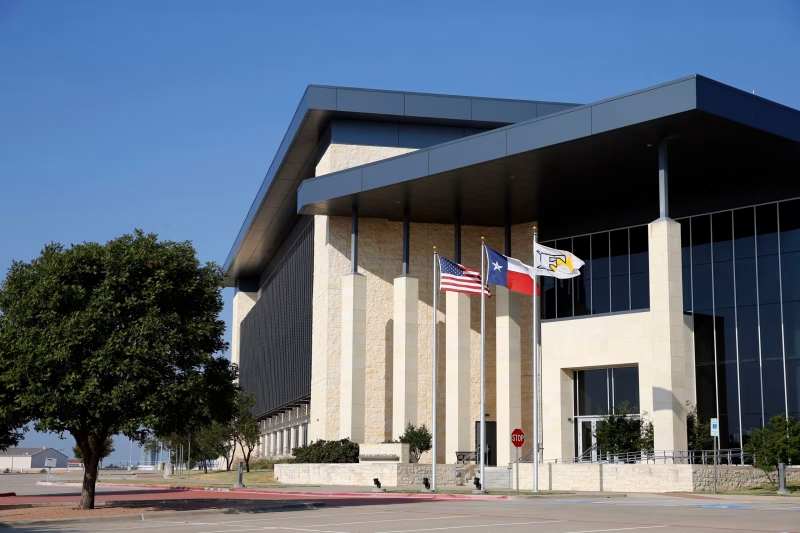
Frisco, Texas has transformed from a small railroad town into one of the fastest-growing cities in the United States, attracting thousands of new residents each year. Located in the northern Dallas-Fort Worth metroplex, this suburban city appeals to families, young professionals, and retirees seeking a modern community with strong economic prospects.
Frisco offers excellent schools, a thriving job market, and low crime rates, but comes with higher housing costs, increasing traffic congestion, and limited public transportation. Understanding these trade-offs will help you determine whether this rapidly developing city aligns with your lifestyle priorities and budget.
This guide examines what you need to know about daily life in Frisco, from housing expenses and employment options to schools, safety, recreation, and local culture. You’ll get a clear picture of both the advantages and challenges of calling this North Texas city home.
Overview of Frisco, Texas
Frisco sits in the northern Dallas-Fort Worth metroplex and has transformed from a small railroad town into one of the fastest-growing cities in America. The city spans portions of Collin and Denton counties, bringing together strong economic development with suburban appeal.
Geographic Location and Demographics
Frisco is located approximately 30 miles north of downtown Dallas in North Texas. The city sits at the intersection of two major highways: the Dallas North Tollway and State Highway 121, providing direct access to the broader DFW metroplex.
The population has surged past 225,000 residents as of 2026, representing explosive growth from a small town of just a few thousand people two decades ago. This rapid expansion continues with thousands of new residents arriving each year.
The demographic profile skews toward young families and professionals. You’ll find a well-educated population with above-average household incomes, reflecting the city’s appeal to corporate relocations and knowledge workers.
Economic Growth and Development
Major corporations have established significant operations in Frisco, including Toyota’s North American headquarters, Charles Schwab, and the Dallas Cowboys’ headquarters at The Star. The city has positioned itself as a corporate hub within the DFW region.
The job market remains robust with opportunities across technology, finance, healthcare, and professional services sectors. This economic diversity provides stability beyond any single industry.
Commercial and residential development continues at a rapid pace. New mixed-use districts, shopping centers, and office complexes appear regularly throughout the city, transforming previously undeveloped land into urban infrastructure.
Frisco’s Community Identity
Frisco has cultivated an identity centered on sports, recreation, and family-oriented living. The city hosts multiple professional sports venues, including stadiums for soccer, baseball, and hockey teams.
Frisco Independent School District consistently ranks among the top-performing districts in Texas, which serves as a primary draw for families. The schools’ academic achievements and extracurricular programs shape much of the community’s reputation.
The city emphasizes parks, trails, and recreational facilities throughout its neighborhoods. You’ll find over 70 parks and miles of hiking and biking trails integrated into the urban landscape, supporting an active outdoor lifestyle for residents.
Cost of Living in Frisco
Frisco’s cost of living sits 11.7% above the national average and 18.6% higher than the Texas state average. Housing expenses drive most of this premium, though property taxes and daily costs also contribute to the higher price tag.
Housing Market Overview
The housing market in Frisco represents the most significant expense you’ll face when moving to this area. Housing costs run approximately 74% higher than the national average, with median home prices well above what you’d pay in most Texas cities.
The competitive nature of Frisco’s real estate market means you’ll need to act quickly when you find a property that fits your budget. Home values have climbed consistently due to strong demand from families attracted to the city’s school districts and economic opportunities.
You should expect to allocate a larger portion of your income to housing compared to other Texas metros. The rapid growth and development in Frisco continue to put upward pressure on both home prices and rental rates.
Property Taxes
Frisco’s property tax rate stands at $0.4466 per $100 of assessed value, which ranks among the lowest rates for Texas cities with populations over 50,000. This rate applies to your home’s appraised value, not the purchase price.
Despite the relatively low rate, your actual tax bill may still be substantial because home values in Frisco are higher than in many other Texas communities. Your property tax dollars fund essential services including the highly-rated Frisco Independent School District.
You won’t pay state income tax in Texas, which helps offset some of the property tax burden. This tax structure benefits business owners and freelancers who would otherwise face income tax in other states.
Utilities and Daily Expenses
Your monthly utility costs will vary based on your home’s size and efficiency, but expect typical rates for the Dallas-Fort Worth region. Grocery shopping expenses run close to the national average, with options like the newly opened H-E-B providing competitive pricing.
Transportation costs align with other suburban areas where vehicle ownership is necessary. Gas prices, vehicle maintenance, and insurance rates follow regional trends rather than premium pricing.
Healthcare costs in Frisco fall within the typical range for the Dallas metro area, with access to numerous medical facilities and specialists.
Comparisons to Other Dallas Suburbs
Frisco’s overall cost of living exceeds many neighboring Dallas suburbs, though it remains competitive with similarly affluent communities like Plano and McKinney. Your dollar will stretch further in suburbs like Lewisville or Carrollton, which offer lower housing costs.
The trade-off for Frisco’s higher costs includes newer infrastructure, top-tier schools, and abundant amenities. Cities like Allen and Prosper offer comparable quality of life at slightly lower price points, though with fewer entertainment and dining options.
When comparing Frisco to downtown Dallas, you’ll find lower costs in Frisco for housing space, though urban areas offer different lifestyle benefits. The premium you pay in Frisco buys you modern developments and family-oriented neighborhoods that aren’t available in older suburbs.
Education and Schools
Frisco’s education system ranks among the strongest in Texas, with the Frisco Independent School District earning consistent recognition for academic performance. You’ll find a range of public, private, and charter options, plus proximity to several major universities in the Dallas-Fort Worth area.
Public School Quality
Frisco ISD serves most of the city and consistently ranks as one of the top school districts in Texas. The district operates over 70 schools serving approximately 65,000 students across elementary, middle, and high school levels.
Your children will have access to modern facilities equipped with advanced technology and resources. The district maintains strong standardized test scores, with students regularly performing above state averages in reading, math, and science.
Frisco ISD offers specialized programs including career and technical education, fine arts academies, and advanced placement courses. The student-to-teacher ratio remains competitive, allowing for more individualized attention in the classroom.
Key Statistics:
- Multiple schools rated “A” by the Texas Education Agency
- Graduation rates consistently above 95%
- Extensive extracurricular and athletic programs
The district continues expanding to accommodate rapid population growth, with new schools opening regularly to manage enrollment demands.
Private and Charter Education Options
You’ll find several private schools in Frisco offering alternative educational approaches. Legacy Christian Academy, Hunt Day School, and Providence Christian School provide faith-based education with smaller class sizes.
Charter schools like Responsive Education Solutions and International Leadership of Texas offer tuition-free public alternatives with specialized curriculums. These schools typically feature different teaching methodologies and may include STEM-focused programs or college preparatory tracks.
Private school tuition in Frisco ranges from $8,000 to $20,000 annually depending on grade level and institution. Most private schools maintain smaller student populations, with some capping enrollment under 500 students.
Higher Education Opportunities
Frisco doesn’t host a major university within city limits, but you’re within 30 miles of multiple higher education institutions. Collin College operates a campus in Frisco, offering two-year degrees, certificate programs, and workforce training.
The University of North Texas at Dallas sits approximately 20 miles south, while the main UNT campus in Denton is about 25 miles northwest. You’ll also have access to Southern Methodist University, University of Texas at Dallas, and Texas Woman’s University within reasonable commuting distance.
Dallas College (formerly Dallas County Community College District) provides additional community college options throughout the metro area. These institutions offer affordable pathways to four-year degrees through transfer programs.
Employment and Job Opportunities
Frisco’s job market benefits from major corporate relocations and direct access to the broader Dallas-Fort Worth employment ecosystem. The city has positioned itself as a destination for both established corporations and emerging businesses.
Major Employers
Frisco hosts several Fortune 500 company headquarters and regional offices that anchor the local economy. Toyota relocated its North American headquarters to Frisco in 2017, bringing thousands of jobs to the region. The Charles Schwab campus serves as another major employment hub, providing opportunities in financial services.
The healthcare sector maintains a strong presence through facilities like Baylor Scott & White Medical Center and Texas Health Presbyterian Hospital Frisco. Professional sports organizations also contribute to employment, with the Dallas Cowboys headquarters at The Star in Frisco creating positions in sports management, hospitality, and retail. T-Mobile operates a significant customer experience center in the city.
Technology companies have increasingly established operations in Frisco, drawn by the talent pool and business-friendly environment. These employers offer positions ranging from corporate roles to technical positions and customer service.
Proximity to Dallas Job Market
Your location in Frisco provides access to employment opportunities throughout the Dallas-Fort Worth metroplex, which ranks as one of the largest job markets in the United States. The commute to downtown Dallas takes approximately 30-40 minutes during off-peak hours, though traffic congestion extends this significantly during rush periods.
The Dallas North Tollway runs directly through Frisco, connecting you to major employment corridors in Plano, Richardson, and Addison. You can reach DFW International Airport in roughly 30 minutes, expanding your options for positions requiring frequent travel.
Startups and Small Businesses
Frisco actively supports entrepreneurship through organizations like the Frisco Chamber of Commerce and co-working spaces that cater to small business owners. The city’s growth has created demand for local services, retail establishments, and specialized professional services.
Texas’s lack of state income tax appeals to freelancers and business owners, allowing you to retain more earnings compared to other states. The expanding population provides a growing customer base for new ventures, though competition increases as more businesses recognize these opportunities.
Safety and Crime Rate
Frisco maintains a crime rate 48% lower than the national average, with violent crime occurring at a rate of 1 in 997 and property crime at 1 in 100. The city consistently ranks among the safest communities in both Texas and the United States.
Neighborhood Safety
Frisco’s neighborhoods benefit from crime statistics that fall significantly below national benchmarks. Your chance of experiencing violent crime sits at approximately 5.45 per 1,000 residents, compared to the national average of 22.7.
Property crime rates measure 15.41 per 1,000 residents, which is notably lower than the national rate of 35.4. Most Frisco neighborhoods maintain stable crime trends year over year, with no significant spikes in criminal activity.
The city’s residential areas feature active community watch programs and well-lit streets. Local crime maps show consistent safety across different neighborhoods, though some variation exists between districts. You’ll find that theft and vehicle-related incidents represent the most common property crimes reported by residents.
Police and Emergency Services
The Frisco Police Department operates with adequate funding that supports community policing initiatives and rapid response times. You have access to modern emergency services that cover the city’s growing population effectively.
City services include well-coordinated fire, medical, and police departments that work together during emergencies. The department emphasizes community engagement through neighborhood patrol programs and public safety education.
Response times remain competitive for a growing suburban area, with officers maintaining visibility throughout residential and commercial zones. Your tax dollars fund regular training for emergency personnel and equipment upgrades that enhance service delivery.
Real Estate and Housing Options
Frisco’s housing market features diverse options with median prices ranging from $500,000 to $650,000, significantly higher than older Texas communities. The city’s real estate landscape combines established neighborhoods with continuous new construction throughout the area.
Types of Housing Available
You’ll find single-family homes dominate Frisco’s housing inventory, ranging from starter homes to luxury estates. Many properties are relatively new, with modern floor plans and updated amenities that appeal to families and professionals relocating to the area.
Townhomes and condominiums provide alternatives for buyers seeking lower maintenance options or smaller living spaces. These properties typically cost less than detached homes while offering access to community amenities like pools and fitness centers.
Master-planned communities are prevalent throughout Frisco, offering resort-style features including parks, trails, and recreational facilities. Your property taxes will be notably high despite Texas having no state income tax, which affects your overall housing costs regardless of property type.
Trends in New Developments
New construction continues at a rapid pace as builders respond to sustained demand from incoming residents. You’ll encounter fresh developments in northern and western Frisco, where land remains available for expansion.
These newer communities often feature smart home technology, energy-efficient designs, and contemporary architectural styles. Builders focus on creating neighborhoods with walkability and integrated green spaces to attract buyers prioritizing lifestyle amenities.
The development boom has pushed prices upward, with many new homes starting above the city’s median price point. You should expect competitive bidding situations in desirable neighborhoods, particularly for well-priced properties in highly-rated school zones.
Quality of Life in Frisco
Frisco delivers a well-rounded lifestyle with strong family infrastructure, accessible healthcare facilities, and a growing multicultural community. The city’s rapid growth has brought expanded services and amenities that cater to diverse resident needs.
Family-Friendly Amenities
Frisco provides extensive recreational facilities designed for families. The city maintains over 60 parks, including community favorites like Warren Sports Complex and Frisco Commons Park, which offer playgrounds, splash pads, and sports fields.
The National Videogame Museum and Sci-Tech Discovery Center give children educational entertainment options year-round. Dr Pepper Ballpark hosts the Frisco RoughRiders minor league baseball team, creating affordable family outing opportunities throughout the season.
Shopping and dining options cluster around Stonebriar Centre mall and The Star district. These areas feature family-friendly restaurants, entertainment venues like Topgolf, and seasonal community events. The city hosts regular festivals and concerts at venues throughout the year.
Many neighborhoods include their own HOA-managed pools, tennis courts, and walking trails. This built-in infrastructure makes it easy for families to stay active without traveling far from home.
Healthcare Services and Hospitals
Medical facilities in Frisco have expanded significantly to match population growth. Baylor Scott & White Medical Center and Medical City Frisco serve as the primary full-service hospitals, both offering emergency care and specialized services.
You’ll find numerous urgent care clinics scattered throughout the city, reducing wait times for non-emergency situations. Texas Health Presbyterian Hospital Frisco and Children’s Health specialty centers provide pediatric care options.
The medical infrastructure includes specialty practices covering cardiology, orthopedics, and women’s health. Most major insurance networks maintain strong provider networks in the area, though you should verify your specific coverage before moving.
Diversity and Inclusivity
Frisco’s population reflects considerable ethnic and cultural diversity, with significant Asian American, Hispanic, and African American communities. This diversity appears in the variety of international restaurants, cultural festivals, and community organizations throughout the city.
The Frisco Independent School District serves students who speak over 80 different languages at home. Schools offer ESL programs and cultural awareness initiatives to support students from varied backgrounds.
Religious diversity includes Christian denominations, Islamic centers, Hindu temples, and Jewish synagogues. Community organizations like the Frisco Diversity Council work to promote inclusive dialogue and cultural understanding among residents.
Transportation and Commute
Frisco’s location in North Dallas provides excellent highway access, but the city’s rapid growth has created traffic challenges during peak hours. Public transportation remains limited compared to major metropolitan areas.
Major Roads and Highways
Frisco offers direct access to several major highways that connect you to the broader Dallas-Fort Worth metroplex. The Dallas North Tollway runs through the heart of the city, providing a north-south route that links you to downtown Dallas in approximately 30-40 minutes during off-peak hours.
State Highway 121 (Sam Rayburn Tollway) runs east-west through Frisco, connecting you to DFW Airport and neighboring cities. US Highway 380 crosses the northern part of the city, offering another east-west corridor.
Primary Highway Access:
- Dallas North Tollway (north-south)
- State Highway 121/Sam Rayburn Tollway (east-west)
- US Highway 380 (east-west)
- Preston Road (north-south surface street)
Traffic congestion has increased significantly as Frisco’s population has grown. Your morning and evening commutes on major routes can extend travel times by 20-30 minutes during rush hours. Many highways require tolls, which adds to your monthly commuting costs.
Public Transit Availability
Public transportation options in Frisco are limited. The city does not have a comprehensive bus system or light rail service within its boundaries.
DART (Dallas Area Rapid Transit) does not currently extend into Frisco proper. The nearest DART station is located in Carrollton, requiring you to drive there first. This makes owning a personal vehicle essentially mandatory for daily activities.
Frisco does offer a limited on-demand rideshare service called Frisco RideShare for residents needing transportation within city limits. However, this service cannot replace a car for most residents’ needs.
Lifestyle, Entertainment, and Recreation
Frisco offers a diverse lifestyle with professional sports venues, extensive shopping districts, and over 60 parks covering more than 2,800 acres. The city balances suburban family life with urban entertainment options, though some cultural amenities require trips to nearby Dallas.
Shopping and Dining Options
Frisco provides multiple shopping destinations, with Stonebriar Centre serving as the city’s primary indoor mall featuring over 165 stores and restaurants. The Star in Frisco combines retail with entertainment, offering boutiques, restaurants, and a mix of national chains and local businesses.
Legacy West presents an upscale outdoor shopping experience with high-end retailers, chef-driven restaurants, and a walkable urban layout. You’ll find diverse dining options ranging from Texas barbecue and Mexican cuisine to international fare and farm-to-table concepts.
The downtown Rail District continues developing with new restaurants and shops opening regularly. While Frisco has grown its dining scene considerably, you may still travel to Dallas for certain specialty cuisines or fine dining experiences not yet available locally.
Cultural Attractions
The National Videogame Museum showcases gaming history with interactive exhibits and playable classic games. Frisco Discovery Center houses both the Heritage Museum and a public library under one roof, offering insights into the city’s rapid transformation from railroad town to modern suburb.
Sci-Tech Discovery Center provides hands-on science exhibits primarily aimed at children and families. The city hosts seasonal events like Frisco Freedom Fest and the Frisco StrEATS Food Truck Festival, though it lacks major performing arts venues or art museums.
For broader cultural experiences including theater productions, symphony performances, and major museum exhibitions, you’ll need to drive 30-40 minutes to Dallas.
Sports Facilities and Events
Frisco positions itself as a sports hub with professional teams and training facilities. The Ford Center at The Star serves as the Dallas Cowboys World Headquarters and indoor practice facility, offering public tours and hosting high school championships.
Toyota Stadium houses FC Dallas of Major League Soccer and previously hosted the NCAA Division I FCS Football Championship. The National Soccer Hall of Fame opened at Toyota Stadium in 2018. Frisco also hosts the Texas Legends NBA G League team and the Frisco Fighters indoor football team.
The Comerica Center welcomes hockey games, concerts, and family shows. You can attend Dallas Cowboys training camp practices during summer, typically free and open to the public.
Parks and Recreation Centers
The city maintains an extensive parks system with facilities for most outdoor activities. Warren Sports Complex spans 90 acres with baseball and softball fields, while the Frisco Athletic Center offers a full-service gym, pools, and fitness classes.
Popular Parks:
- Frisco Commons Park: walking trails, playground, dog park
- Simpson Plaza: downtown green space with splash pad
- Bob Woodruff Park: trails, fishing, disc golf (shared with Plano)
The Northside Recreation Center opened with indoor courts, climbing walls, and activity rooms. Most parks include well-maintained playgrounds, and several feature specialized amenities like skate parks and sand volleyball courts. The city continues adding trails to connect neighborhoods and parks.
Weather and Climate
Frisco experiences a humid subtropical climate with hot summers and mild winters. The area faces occasional severe weather events, particularly during spring months.
Seasonal Temperatures
Summer temperatures in Frisco regularly reach 95-100°F from June through August, with high humidity levels that make it feel even hotter. You’ll need reliable air conditioning during these months. The heat typically extends from May through September, giving you a long warm season.
Winter temperatures are generally mild, with average highs in the 50s and 60s°F from December through February. Overnight lows can dip into the 30s, and occasional freezes occur. Snow is rare, usually appearing only once or twice per winter in small amounts that melt quickly.
Spring and fall offer the most comfortable weather, with temperatures ranging from the 60s to 80s°F. These transitional seasons are brief but pleasant, typically lasting from March to April and October to November.
Severe Weather Concerns
Frisco sits in an area prone to severe thunderstorms and tornadoes, especially during spring months from March through May. You should have a plan for tornado warnings and know where to shelter.
Hailstorms occur several times per year and can damage vehicles and roofs. Many residents keep cars garaged during storm season to avoid costly repairs.
Heavy rainfall can lead to flash flooding in low-lying areas, though the city has improved drainage systems. Summer storms often bring intense downpours that create temporary street flooding.
Community Events and Local Culture
Frisco’s community culture centers heavily on sports, particularly football, with seasonal gatherings and corporate-sponsored events dominating the calendar. The arts scene operates on a smaller scale compared to nearby Dallas, with community-driven initiatives filling cultural gaps.
Annual Festivals and Gatherings
Frisco’s event calendar revolves around sports culture, especially activities connected to the Dallas Cowboys facilities. You’ll find football-related gatherings throughout the season, including events at the Ford Center at The Star.
The city hosts family-oriented seasonal events like holiday celebrations and farmers markets that draw suburban crowds. These gatherings typically feature local vendors, food trucks, and activities designed for families with children.
Corporate partnerships with major employers like Toyota often sponsor community events in public spaces. However, you should expect these events to close earlier than similar gatherings in Dallas proper, reflecting Frisco’s suburban character.
Arts and Community Initiatives
Frisco’s arts scene operates on a more modest scale than what you’d find in established urban centers. Public art installations exist but are limited in number and scope compared to Dallas’s Arts District.
Community theater groups and local galleries serve residents seeking cultural experiences without the drive into Dallas. The city supports youth arts programs through schools and recreation centers, though professional arts venues remain sparse.
You’ll notice Frisco lacks the nightlife and cultural diversity typical of larger cities. Bars close earlier, and late-night cultural events are uncommon. If you prioritize access to extensive museums, live music venues, or diverse cultural programming, you’ll likely need to travel to Dallas regularly.
Pros of Living in Frisco
Frisco stands out as one of North Texas’s most desirable communities, offering residents a combination of economic stability, educational excellence, and quality amenities that make daily life comfortable and rewarding.
High Quality of Life
Frisco delivers a polished suburban environment with modern infrastructure and abundant recreational opportunities. The city maintains over 60 parks and more than 150 miles of hiking and biking trails, giving you plenty of outdoor spaces to explore.
Safety ranks high here, with crime rates significantly below state and national averages. Your family can enjoy neighborhoods designed with walkability and community connections in mind.
The city’s amenities include top-tier sports facilities, including the Ford Center at The Star, Dr Pepper Ballpark, and numerous community centers. You’ll find shopping and dining options concentrated in well-maintained commercial districts throughout the city. The healthcare infrastructure is solid, with several medical facilities and specialty clinics serving residents.
Strong Economic Outlook
Frisco’s economy thrives on major corporate relocations and business expansion. Companies like Toyota North America, T-Mobile US, and Charles Schwab have established significant operations here, creating thousands of high-paying jobs across various sectors.
The job market remains robust, with unemployment rates consistently lower than state averages. Your career prospects benefit from proximity to Dallas-Fort Worth’s broader employment ecosystem while enjoying Frisco’s business-friendly environment.
Texas’s lack of state income tax means more of your paycheck stays with you. This tax advantage particularly benefits business owners, freelancers, and high-income professionals who would face substantial state taxes elsewhere.
Excellent Education Options
Frisco Independent School District consistently ranks among Texas’s best public school systems. The district serves over 60,000 students across dozens of campuses, maintaining high academic standards and graduation rates above 95%.
Your children gain access to advanced placement courses, specialized STEM programs, and competitive athletics. The district invests heavily in technology and modern facilities, ensuring students learn in well-equipped environments.
Private school options and higher education institutions like Collin College provide additional educational pathways. The emphasis on education permeates the community, with parents actively engaged in school activities and academic achievement.
Cons of Living in Frisco
Frisco’s rapid growth has brought challenges that affect daily life and budgets. Housing costs continue to climb, traffic congestion increases with population expansion, and the city lacks comprehensive public transportation options.
Rising Cost of Living
The median home price in Frisco hovers around $500,000, significantly higher than the Texas state average. This price point puts homeownership out of reach for many first-time buyers and young families.
Property taxes add to the financial burden despite Frisco having a relatively competitive rate for the region. As home values increase, your annual tax bills rise accordingly. Combined with higher prices for goods and services compared to other Texas cities, your household budget will stretch further in Frisco than in less developed areas.
Rent prices have also escalated as demand for housing continues to outpace supply. You’ll find that apartments and townhomes command premium rates, particularly in newer developments near major employers like Toyota and the Dallas Cowboys headquarters. The cost of living extends beyond housing into everyday expenses like dining, childcare, and entertainment, which typically run higher than surrounding communities.
Traffic and Urban Growth
Frisco’s population has surged in recent years, and the road infrastructure struggles to keep pace. Your morning and evening commutes on major thoroughfare like the Dallas North Tollway and Preston Road frequently experience heavy congestion during peak hours.
The city’s continued expansion means construction zones are common throughout Frisco. You’ll encounter road work, new residential developments, and commercial projects that create detours and delays. What was once a quick trip across town now requires additional planning and patience.
Limited Public Transit
Frisco lacks a comprehensive public transportation system, making car ownership essentially mandatory. The city has no light rail or subway connections, and bus service is minimal compared to larger metropolitan areas.
Your daily commute and errands require a personal vehicle, which adds insurance, fuel, and maintenance costs to your budget. If you work in Dallas or other parts of the metroplex, you’ll spend considerable time driving. The absence of public transit options also limits accessibility for residents who cannot drive due to age, disability, or financial constraints.
Conclusion
Frisco presents a compelling option for those seeking a suburban lifestyle in the Dallas-Fort Worth area. You’ll find strong job opportunities, highly-rated schools through Frisco ISD, and modern amenities that support family life and professional growth.
The trade-offs require honest consideration. Housing costs remain substantial, with median home prices around $500,000. Traffic congestion has increased alongside the city’s rapid growth, and you may face longer commutes during peak hours.
Key factors to evaluate:
- Your budget for housing and living expenses
- Tolerance for traffic and ongoing development
- Priority level for school quality
- Career opportunities in your field
- Desired proximity to Dallas amenities
You should visit Frisco during different times of day to experience the traffic patterns firsthand. Explore various neighborhoods to understand price ranges and community atmospheres. Talk with current residents about their daily experiences.
The city works well for families prioritizing education, professionals in business or technology sectors, and those who value newer infrastructure. It may not suit those seeking lower housing costs, established neighborhoods with mature trees, or minimal suburban sprawl.
Your decision depends on aligning Frisco’s characteristics with your specific needs and circumstances. The city offers genuine advantages in education and economic opportunity while requiring acceptance of higher costs and growing pains. Take time to research neighborhoods, calculate your potential expenses, and determine whether the benefits match your lifestyle priorities.