
The Pros and Cons of Living in Scottsdale, Arizona:
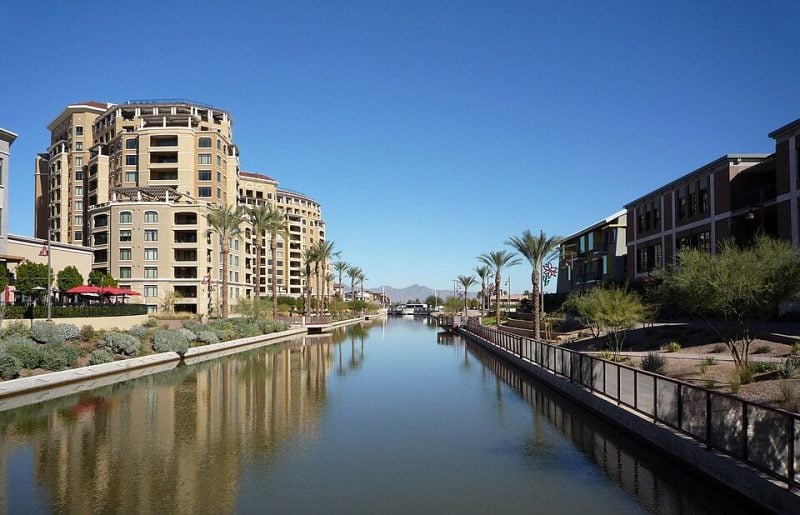
Scottsdale attracts thousands of new residents each year with its desert beauty and upscale amenities, but this Arizona city isn’t the right fit for everyone.
The decision to relocate here requires careful consideration of both benefits and drawbacks that come with desert living. Do we move or don’t we? That’s the question.
Scottsdale offers a luxurious lifestyle with over 300 sunny days per year, excellent outdoor recreation, and a strong job market, but you’ll face a cost of living that’s 42% above the national average and extreme summer heat.
Understanding these trade-offs before making your move helps you determine whether this Sonoran Desert city aligns with your lifestyle preferences and budget.
Your experience living in Scottsdale will largely depend on your financial situation, climate tolerance, and lifestyle priorities.
This guide examines the essential factors you need to consider, from housing costs and weather patterns to employment opportunities and community amenities, giving you a realistic picture of what daily life looks like in this distinctive Arizona destination.
Only you can decide after you get the straight up facts. Here we go.
Overview of Scottsdale, Arizona
Scottsdale sits in the Sonoran Desert northeast of Phoenix, spanning approximately 184 square miles with a population of around 241,000 residents. The city has evolved from a small agricultural community founded in 1888 into a destination known for luxury resorts, golf courses, and desert recreation.
Geographic Location and Landscape
Scottsdale is located in Maricopa County in south-central Arizona, directly bordering Phoenix to the west and the McDowell Mountains to the east. The city sits at an elevation ranging from 1,150 to 4,877 feet above sea level.
The stunning desert landscapes feature iconic saguaro cacti, rocky mountain formations, and native vegetation typical of the Sonoran Desert. The McDowell Sonoran Preserve covers over 30,500 acres of protected desert in the eastern portion of the city, offering hiking and outdoor recreation opportunities.
The terrain transitions from flat desert plains in the west to rolling foothills and mountains in the east. This geographic diversity provides varied residential settings, from urban neighborhoods to properties nestled against mountain preserves.
Demographic Profile
The city’s population is approximately 241,000 as of 2026, with a median age slightly higher than the national average. Scottsdale attracts both retirees and working professionals, creating a diverse age distribution.
The median household income exceeds the national average, reflecting the city’s reputation as an affluent community. The population is predominantly white, with growing Hispanic and Asian communities contributing to increasing diversity.
Education levels are notably high, with a significant percentage of residents holding bachelor’s degrees or higher. The city draws residents from across the country, particularly from California, the Midwest, and the Northeast.
Brief History of Scottsdale
Army Chaplain Winfield Scott purchased 640 acres in 1888, establishing the area that would become Scottsdale. Early settlers focused on agriculture, particularly growing citrus and cotton in the desert climate.
The city officially incorporated in 1951 with just 2,000 residents. Post-World War II growth transformed Scottsdale from a small agricultural town into a resort destination, attracting visitors with its warm climate and western character.
The tourism and resort industry expanded significantly in the 1960s and 1970s, establishing Scottsdale’s reputation for luxury accommodations and golf. Development continued steadily through the late 20th century, with the city implementing planning measures to preserve desert land and mountain views while accommodating growth.
Cost of Living in Scottsdale
Scottsdale ranks among the more expensive cities in Arizona, with housing costs driving most of the difference. The median home price sits around $875,000, while daily expenses and tax structures add to your monthly budget considerations.
Housing Market Overview
You’ll find that Scottsdale sits in the higher tier of Phoenix metro area costs, reflecting its status as a resort and golf community destination. The median home price of approximately $875,000 represents a significant investment compared to neighboring cities.
Rental demand remains strong for condos and apartments, particularly in areas near Old Town and North Scottsdale. Luxury properties in gated communities and golf course estates command premium prices. Properties with mountain views or proximity to major shopping districts typically exceed the median price point.
The housing market favors established neighborhoods with mature landscaping and resort-style amenities. You should expect higher costs for homes in desirable school districts or communities with extensive HOA facilities.
Utilities and Everyday Expenses
Your monthly utility bills will reflect Arizona’s climate demands, particularly air conditioning costs during summer months. Electricity expenses typically peak between June and September when temperatures exceed 100 degrees.
Water bills in Scottsdale can run higher than in other Arizona cities due to landscaping and pool maintenance needs. Many communities require certain landscaping standards that impact water usage. Grocery costs align closely with national averages, though upscale dining options are abundant and pricey.
Transportation costs depend heavily on your commute distance, as Scottsdale requires a vehicle for most daily activities. Gas prices fluctuate seasonally but generally track regional Arizona rates.
Taxes and Fees
Arizona’s state income tax uses a flat rate structure that affects all residents equally. Scottsdale does not impose a city income tax, which helps offset some housing costs.
Property taxes in Scottsdale remain moderate compared to other high-cost metro areas, though the higher home values still result in substantial annual bills. Sales tax combines state, county, and city rates for a total that applies to most purchases.
Many Scottsdale communities charge HOA fees ranging from modest amounts to several hundred dollars monthly for resort-style amenities. These fees cover common area maintenance, security, and facilities like pools and fitness centers.
Climate and Weather Pros and Cons
Scottsdale’s desert climate delivers warm winters and intense summer heat, with distinct seasonal patterns that shape daily life. The weather brings both advantages for outdoor enthusiasts and challenges during peak summer months.
Year-Round Sunshine
Scottsdale receives approximately 299 days of sunshine annually, making it one of the sunniest cities in the United States. From November to March, you’ll experience average high temperatures around 72 degrees, creating ideal conditions for outdoor activities.
The winter months offer comfortable weather when much of the country faces snow and freezing temperatures. You can golf, hike, and dine outdoors throughout the cooler season without bundling up in heavy winter gear.
Spring and fall provide mild transitions between seasons. These shoulder months give you extended periods of pleasant weather before summer heat arrives or after it subsides.
The abundant sunshine supports an active outdoor lifestyle year-round. You’ll find consistent weather patterns that make planning activities and events more predictable than in regions with variable climates.
Extreme Summer Temperatures
Summer temperatures in Scottsdale regularly exceed 100°F from June through September. Daily highs often reach 105-115°F, with some days pushing even higher during heat waves.
Peak summer challenges include:
- Limited outdoor activities during midday hours
- High electricity costs from constant air conditioning use
- Risk of heat-related illness without proper precautions
- Hot vehicle interiors and steering wheels
- Increased water consumption needs
You’ll need to adjust your schedule around the heat. Most residents shift outdoor activities to early morning or evening hours. The intense summer sun makes it uncomfortable to be outside between 10 AM and 6 PM.
Your air conditioning will run continuously during summer months, leading to significantly higher utility bills. Many homes maintain indoor temperatures around 75-78°F just to keep cooling costs manageable.
Monsoon Season
Monsoon season runs from mid-June through September, bringing dramatic weather changes to the desert. You’ll experience sudden thunderstorms with heavy rain, strong winds, dust storms, and occasional flash flooding.
These storms typically develop in the afternoon or evening. They can produce intense rainfall that overwhelms drainage systems, creating temporary street flooding in low-lying areas.
Monsoon characteristics:
- Brief but intense rainfall
- Dust storms (haboobs) with near-zero visibility
- Lightning strikes and thunder
- Cooler temperatures following storms
- Humidity increases temporarily
The monsoons provide natural irrigation for desert plants and offer relief from relentless heat. Storm activity increases humidity levels, which can make the heat feel more oppressive despite slightly lower temperatures.
You’ll need to prepare your property for monsoon season by securing outdoor furniture and clearing drainage areas. Flash floods can occur in washes and normally dry creek beds within minutes of heavy rainfall.
Quality of Life
Scottsdale offers residents a high standard of living with strong safety metrics and access to quality healthcare, though the experience varies depending on your neighborhood and lifestyle priorities.
Community Safety
Scottsdale maintains relatively low crime rates compared to other major Arizona cities. The city’s property crime rate sits below the national average, making it attractive for residents concerned about home security.
Violent crime remains uncommon in most Scottsdale neighborhoods, particularly in North Scottsdale and the McDowell Mountain Ranch areas. The Scottsdale Police Department actively patrols the city and maintains quick response times.
Downtown Scottsdale experiences higher incident rates during evening hours due to nightlife activity. You’ll notice increased police presence in entertainment districts on weekends.
The city invests significantly in public safety infrastructure, including street lighting, surveillance systems, and neighborhood watch programs. Gated communities throughout Scottsdale provide additional security layers for residents seeking extra protection.
Access to Healthcare
Scottsdale hosts several major medical facilities, including HonorHealth Scottsdale Shea Medical Center and Mayo Clinic Arizona. These institutions provide specialized care and cutting-edge treatments across multiple disciplines.
You’ll find numerous urgent care centers and specialized practices throughout the city. The concentration of healthcare providers means shorter wait times for appointments compared to more rural Arizona communities.
Major Healthcare Facilities:
- Mayo Clinic Hospital
- HonorHealth Scottsdale Osborn Medical Center
- HonorHealth Scottsdale Thompson Peak Medical Center
The city attracts top medical professionals due to its luxury lifestyle amenities, resulting in high-quality care options. Most major insurance plans have extensive provider networks here.
Family-Friendly Environment
Scottsdale provides strong educational opportunities through the Scottsdale Unified School District, which includes several highly-rated elementary and secondary schools. Private school options are abundant for families seeking alternative education paths.
The city maintains over 100 parks with playgrounds, splash pads, and recreational facilities. McCormick-Stillman Railroad Park and Chaparral Park rank among the most popular family destinations.
Youth sports leagues, art classes, and educational programs run year-round through the city’s parks and recreation department. You’ll find numerous dog parks if your family includes pets.
Summer heat limits outdoor activities during peak afternoon hours from June through August. Indoor entertainment venues like museums and recreation centers provide alternatives during extreme temperatures.
Sense of Community
Scottsdale’s neighborhoods vary significantly in their community engagement levels. Planned communities often host regular social events, fitness classes, and holiday gatherings for residents.
The Old Town Scottsdale area fosters a walkable environment where you can interact with neighbors at local shops and restaurants. Farmers markets and art walks create regular opportunities for community connection.
Homeowners associations dominate much of Scottsdale, which can strengthen neighborhood bonds but also comes with rules and fees. These organizations typically organize community events and maintain shared spaces.
The city’s transient population, including seasonal residents and retirees, can make it challenging to build deep, long-term relationships. Professional networking groups and hobby clubs help newcomers establish connections beyond their immediate neighborhoods.
Recreation and Lifestyle
Scottsdale provides year-round sunshine and desert scenery that supports an active lifestyle centered around golf, hiking, and outdoor pursuits. The city offers upscale dining experiences alongside a vibrant nightlife scene and numerous art galleries that attract both residents and visitors.
Outdoor Activities
Scottsdale receives over 300 days of sunshine annually, making it ideal for year-round outdoor recreation. The city is home to approximately 200 golf courses, ranging from public facilities to exclusive private clubs that attract golfers from around the world.
The McDowell Sonoran Preserve spans over 30,000 acres and offers more than 200 miles of hiking, biking, and equestrian trails. You can explore desert landscapes featuring saguaro cacti, mountain views, and diverse wildlife just minutes from residential neighborhoods.
Other outdoor activities and entertainment options include numerous dog parks, sporting events, and recreational facilities. The mild winter months from November through March provide comfortable temperatures for outdoor activities, though summer temperatures regularly exceed 100°F, limiting daytime outdoor recreation from June through September.
Dining and Nightlife
Downtown Scottsdale features numerous dining and bar options concentrated in several distinct districts. Old Town Scottsdale contains restaurants, cocktail bars, and nightclubs that cater to various preferences and budgets.
The city’s culinary scene includes upscale steakhouses, farm-to-table restaurants, and international cuisine options. Many establishments offer outdoor patio seating that takes advantage of the desert climate during cooler months.
You’ll find day-drinking venues, brunch spots, and wine bars throughout the city. The nightlife tends toward upscale establishments with dress codes and higher price points compared to other Phoenix metro area cities. Entertainment districts remain active on weekends, with some areas experiencing heavy traffic and parking challenges during peak hours.
Arts and Culture
Scottsdale maintains a strong art gallery presence, particularly in the downtown arts district. The city hosts weekly ArtWalk events where galleries open their doors for evening viewings and artist interactions.
Major cultural venues include the Scottsdale Museum of Contemporary Art and the Scottsdale Center for the Performing Arts. These institutions present rotating exhibitions, theatrical performances, and concerts throughout the year.
The city celebrates its Western heritage through events and maintains a vibrant cultural scene that blends Southwestern traditions with contemporary art. Public art installations appear throughout the city, and the Scottsdale Arts District features over 100 galleries showcasing various mediums from photography to sculpture.
Employment and Economy
Scottsdale’s economy centers on healthcare, tourism, technology, and finance sectors, offering diverse professional opportunities alongside a growing entrepreneurial ecosystem. The city attracts professionals seeking career advancement in a business-friendly environment with competitive salaries.
Job Market Overview
Scottsdale maintains a strong job market that draws talented professionals across multiple industries. The healthcare sector provides numerous positions at major medical centers and specialized clinics throughout the city. Tourism and hospitality create thousands of jobs at the area’s luxury resorts, restaurants, and entertainment venues.
Technology companies have expanded their presence in Scottsdale over recent years, establishing offices and creating positions for software developers, IT specialists, and digital marketing professionals. Financial services firms also maintain a significant footprint, offering roles in wealth management, banking, and insurance.
The unemployment rate typically runs below national averages, reflecting consistent job creation and economic stability. You’ll find that many positions offer competitive compensation packages, though salaries must be weighed against the city’s higher cost of living.
Major Industries
Healthcare represents one of Scottsdale’s largest employment sectors, with major hospital systems and outpatient facilities employing physicians, nurses, and administrative staff. HonorHealth operates multiple campuses that serve as significant employers.
Tourism and hospitality drive substantial economic activity, with hundreds of resorts, hotels, restaurants, and golf courses requiring year-round staffing. The city’s reputation as a luxury destination means many positions in this sector offer above-average wages compared to other Arizona cities.
Technology and innovation continue growing as companies recognize Scottsdale’s educated workforce and quality of life benefits. Startups and established tech firms focus on software development, biotech, and clean energy solutions.
Finance and real estate thrive in Scottsdale’s affluent environment, with wealth management firms, mortgage companies, and real estate brokerages providing professional opportunities.
Entrepreneurship Opportunities
Scottsdale supports entrepreneurs through business-friendly policies and networking resources. The city hosts numerous coworking spaces, business incubators, and accelerator programs designed to help startups launch and scale operations.
You’ll benefit from access to angel investors and venture capital firms interested in funding innovative businesses. The local chamber of commerce and entrepreneurial organizations host regular events where you can connect with mentors, potential partners, and clients.
Small business owners find success in sectors aligned with Scottsdale’s demographics, including boutique retail, specialized services, consulting, and wellness-related ventures. The affluent resident base creates demand for premium products and personalized services that support higher price points and profit margins.
Transportation and Accessibility
Getting around Scottsdale requires a car for most daily activities, though the city’s location near Phoenix provides access to a major metropolitan area. Public transit options are minimal compared to larger cities, and traffic patterns vary significantly depending on the season and time of day.
Local Public Transit Options
Scottsdale has limited public transportation compared to major metropolitan areas. The city is served by Valley Metro bus routes, but coverage is sparse and schedules may not align with typical commute needs.
Most residents rely on personal vehicles for daily transportation. Ride-sharing services like Uber and Lyft operate throughout the area, providing an alternative for occasional trips or nights out.
The Scottsdale Trolley offers free rides in the downtown area, connecting Old Town, the Arts District, and Fashion Square. This service is useful for tourists and locals exploring entertainment districts, but it doesn’t serve residential neighborhoods or provide comprehensive city-wide coverage. Biking is possible on some routes, though the extreme summer heat and limited bike infrastructure make it impractical for year-round commuting.
Traffic and Commute Times
Traffic in Scottsdale fluctuates with seasonal tourism and special events. Winter months bring heavier congestion as visitors arrive for golf tournaments, spring training, and resort stays.
Major arterial roads like Scottsdale Road, Shea Boulevard, and Loop 101 experience rush hour backups during weekday mornings and evenings. Commute times within Scottsdale typically range from 15 to 25 minutes, though traveling to Phoenix or other Valley cities can extend this significantly.
Special events at venues like TPC Scottsdale or WestWorld create temporary traffic issues in surrounding areas. Weekend evenings in Old Town can also see increased congestion around restaurants and nightlife spots.
Proximity to Phoenix
Scottsdale shares a border with Phoenix, making access to the larger city straightforward. The drive to downtown Phoenix typically takes 20 to 35 minutes depending on your starting point in Scottsdale and traffic conditions.
Sky Harbor International Airport sits approximately 20 minutes from central Scottsdale via Loop 101 and Loop 202. This convenient airport access benefits both business travelers and vacationers.
You can access Phoenix’s employment centers, healthcare facilities, and cultural attractions without an extensive commute. Major employers in the Phoenix metro area remain accessible to Scottsdale residents, though you’ll need to account for rush hour traffic when planning your work schedule.
Education and Schools
Scottsdale provides access to highly-rated educational institutions across all levels, from elementary schools through universities. The city’s commitment to education attracts families seeking quality learning environments, though options and performance can vary by neighborhood.
Public School System
The Scottsdale Unified School District serves as the primary public education provider, operating over 30 schools throughout the city. The district consistently receives above-average ratings compared to state and national benchmarks.
You’ll find that many elementary and high schools within the district earn recognition for academic performance and specialized programs. Several schools offer International Baccalaureate programs, STEM-focused curricula, and advanced placement courses.
The Scottsdale schools are highly rated, making the area desirable for families prioritizing education. However, school quality can differ significantly between neighborhoods, so you should research specific school boundaries before choosing where to live.
Class sizes typically range from 20 to 25 students, though this varies by grade level and individual school. The district also provides magnet schools and specialized programs for gifted students and those requiring additional support.
Higher Education Institutions
Scottsdale Community College offers affordable two-year degrees and certificate programs, serving as a stepping stone to four-year universities or providing career-focused training. The college enrolls approximately 10,000 students annually.
Arizona State University maintains a campus in nearby Tempe, just 15 minutes from central Scottsdale. You can access one of the nation’s largest public universities without living directly in a college town.
Several private institutions operate in Scottsdale, including specialized schools for healthcare, cosmetology, and business. These schools provide targeted professional training for specific career paths.
Educational Resources
Public libraries throughout Scottsdale offer free programming, tutoring services, and study spaces for students of all ages. The Scottsdale Public Library system includes five branches with extensive digital and physical collections.
You’ll have access to numerous private tutoring centers, test preparation services, and enrichment programs. These supplemental educational resources support students seeking additional academic help or advanced learning opportunities.
The city’s museums and cultural centers provide educational programming for children and adults. These facilities complement formal schooling with hands-on learning experiences in art, science, and history.
Diversity and Inclusivity
Scottsdale’s population is predominantly white and affluent, which creates a less diverse demographic makeup compared to other major metropolitan areas. The city has active initiatives to promote inclusion, though cultural diversity remains limited in many neighborhoods.
Cultural Diversity
Scottsdale has less cultural diversity than larger metros, with a population that skews heavily toward white, higher-income residents. The city’s demographic composition differs notably from Phoenix and other nearby areas in the Valley.
You’ll find that certain neighborhoods show more diversity than others, with variations across different parts of the city. Areas differ in their racial and ethnic mixture, creating pockets of more integrated communities alongside predominantly homogeneous areas.
The limited diversity can affect your social experience and access to multicultural amenities. Restaurants, cultural events, and community gathering spaces reflect the city’s demographics, though the adjacent Phoenix metropolitan area offers broader cultural exposure within a short drive.
Community Organizations
Scottsdale maintains a Diversity and Inclusion office that works to promote equity and inclusion within the community. The office operates from a converted church building and focuses on making the city more welcoming to diverse populations.
You can engage with various community groups that work toward building inclusive spaces. These organizations host events and programs designed to bridge cultural gaps and create opportunities for different demographic groups to connect.
The city’s efforts toward inclusivity represent ongoing work rather than an established strength. If you value living in a highly diverse environment with robust multicultural institutions, you may find Scottsdale’s offerings more limited compared to larger, more cosmopolitan cities.
Environmental Considerations
Scottsdale’s desert location creates unique environmental challenges related to water availability and natural ecosystem preservation. These factors directly affect daily life and long-term sustainability in the region.
Water Usage and Drought
Arizona faces ongoing water scarcity issues that impact Scottsdale residents. The city relies heavily on the Colorado River and groundwater supplies, both of which have experienced significant stress due to prolonged drought conditions in the Southwest.
You’ll need to be mindful of water conservation in your daily routines. Many neighborhoods have restrictions on lawn watering schedules, and some homeowners associations enforce desert landscaping requirements. The cost of living includes higher water bills during summer months when outdoor water use increases.
Desert-adapted landscaping with native plants has become more common, reducing water consumption while maintaining aesthetic appeal. If you prefer traditional grass lawns, expect to pay more for water and potentially face usage limitations during drought periods.
Wildlife and Nature
Living in Scottsdale means coexisting with desert wildlife in your daily environment. You’ll encounter coyotes, javelinas, bobcats, and various snake species, including rattlesnakes, particularly in areas near natural desert preserves.
The city maintains numerous desert parks and preserves that protect native ecosystems. These spaces offer hiking and outdoor recreation while preserving natural habitats within urban boundaries.
You should take precautions such as checking shoes before wearing them, inspecting pool areas before swimming, and keeping pets supervised outdoors. Many residents install fencing designed to deter wildlife from entering yards. The presence of wildlife adds to the authentic desert experience but requires awareness and respect for these animals in their natural habitat.
Potential Challenges of Living in Scottsdale
Living in this desert city requires a substantial financial commitment, and the city’s expansion patterns create navigation and commute difficulties that affect daily life.
Cost Barriers
Scottsdale ranks as one of Arizona’s most expensive cities to call home. The median home price significantly exceeds the state average, with many neighborhoods commanding premium prices due to their proximity to golf courses, resorts, and mountain preserves.
Your monthly expenses will likely be higher than in surrounding Phoenix metro areas. Dining out, entertainment, and services frequently carry price tags that reflect the city’s upscale reputation. Property taxes, while lower than some states, still represent a considerable annual expense when combined with homeowners association fees that many communities require.
Rental costs present similar challenges. A one-bedroom apartment in a desirable area can cost substantially more than comparable units in nearby cities like Tempe or Mesa. You’ll need to budget carefully for utilities during summer months when air conditioning runs constantly, potentially adding $200-400 to your monthly bills.
The affluent desert living comes with significant drawbacks centered on these financial considerations. Healthcare, auto insurance, and everyday shopping also tend to cost more in Scottsdale compared to other Arizona communities.
Urban Sprawl
Scottsdale covers over 184 square miles, creating considerable distances between neighborhoods, shopping areas, and workplaces. You’ll find yourself heavily dependent on a vehicle for nearly all activities, as public transportation options remain limited throughout most of the city.
Traffic congestion has increased as the population grows, particularly along major corridors like Scottsdale Road, Shea Boulevard, and the Loop 101 freeway. Your commute times can vary dramatically depending on your location and destination. Rush hour traffic frequently adds 15-30 minutes to typical drive times.
The spread-out nature means you might live 20-30 minutes from your preferred grocery store, gym, or entertainment venues. Shopping centers and restaurants cluster in specific areas, requiring planning for routine errands. This layout also contributes to a car-centric lifestyle that makes walking or biking impractical for most daily needs.
Conclusion
Scottsdale presents a distinct lifestyle that works well for some people but not for others. The city offers abundant outdoor activities and over 300 days of sunshine annually, along with access to premier golf courses and desert hiking trails.
You’ll need to prepare for significant expenses if you choose to live here. Housing costs run higher than the national average, and summer temperatures regularly exceed 100 degrees from June through September.
The city provides strong amenities including:
- High-quality dining and entertainment options
- Well-maintained parks and recreation facilities
- Access to cultural attractions and art galleries
- Proximity to Phoenix metropolitan services
Your decision should factor in your tolerance for heat and your budget constraints. Weighing these pros and cons against your personal priorities will help determine if this Arizona city aligns with your needs.
Consider visiting during different seasons before committing to a move. Experience both the pleasant winter months and the intense summer heat firsthand. Talk to current residents about their daily experiences.
Your career field, family situation, and lifestyle preferences will influence how well Scottsdale fits your requirements. The city attracts people who value outdoor recreation, upscale amenities, and warm weather. It may not suit those seeking lower living costs or milder summers.
Making an informed choice requires honest evaluation of what matters most to you in a place to call home.


