The 30 Best Places to Live in the Southeast U.S. for Quality of Life and Economic Growth
The Southeast United States offers an exceptional combination of affordable living, warm weather, and rich cultural heritage that continues to attract residents from across the nation.
This region encompasses diverse metropolitan areas and charming smaller cities that provide strong job markets, vibrant communities, and a slower pace of life compared to many other parts of the country.
The following cities represent the top destinations in the Southeast where residents can find the best balance of cost of living, career opportunities, and quality of life.
From historic coastal towns in South Carolina and Florida to growing tech hubs in North Carolina and Tennessee, these locations showcase the variety of lifestyles available throughout the region.
Each destination offers unique advantages, whether someone seeks bustling urban amenities, college town energy, or peaceful suburban communities.
Here are the 30 best places to live in the Southeast:
1. Charleston, South Carolina
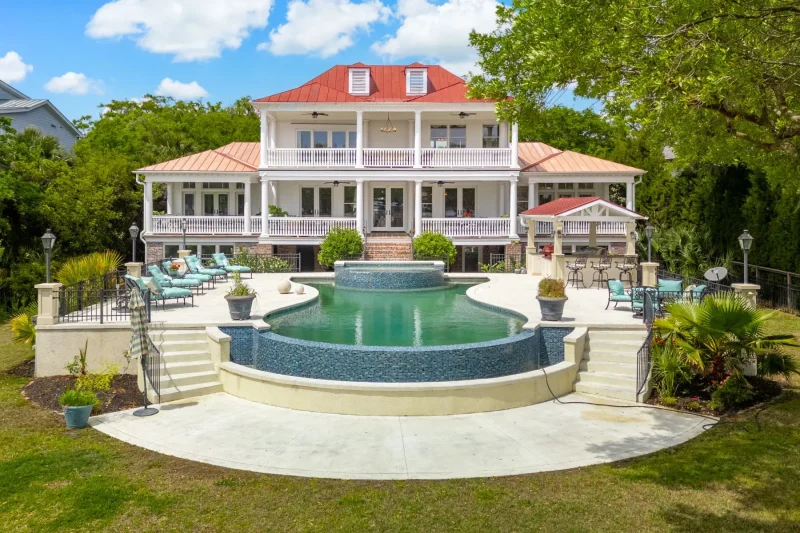
Charleston consistently ranks among the South’s most desirable cities. The city earned recognition as the top metropolitan area in Southern Living’s 2025 Best Cities list for the ninth consecutive year.
Historic architecture defines Charleston’s character. The South of Broad neighborhood offers stunning views of Charleston Harbor and the Ashley River. Tree-lined streets showcase centuries-old homes and buildings.
The culinary scene attracts food enthusiasts nationwide. Local restaurants serve both traditional Lowcountry cuisine and innovative dishes that reflect the city’s cultural heritage.
Charleston’s economy provides diverse employment opportunities. The city balances tourism, technology, and manufacturing sectors. Young professionals find ample career prospects in the growing job market.
The coastal location offers year-round mild weather. Residents enjoy easy access to beaches, golf courses, and water activities. Cultural attractions include museums, galleries, and historic sites throughout the downtown area.
Cost of living remains reasonable compared to other major southeastern cities.
2. Nashville, Tennessee
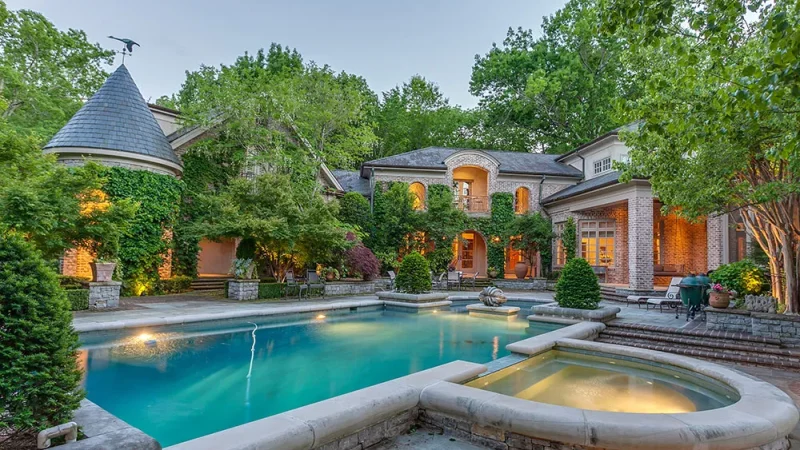
Nashville stands as Tennessee’s vibrant capital and a major cultural hub in the Southeast. The city combines rich musical heritage with modern amenities and economic opportunities.
The healthcare sector drives much of Nashville’s economy. Vanderbilt University Medical Center and Saint Thomas Health System represent nationally-ranked medical institutions. These facilities establish the city as a regional healthcare hub for the Southeast.
Housing options span from urban neighborhoods to well-regarded suburbs. East Nashville offers trendy living with proximity to downtown. Brentwood provides upscale suburban amenities for families.
Transportation access remains strong throughout the metro area. Major interstates connect Nashville to other Southeast cities efficiently.
The cost of living balances affordability with urban conveniences. Public schools receive solid ratings in many districts. Crime rates vary by neighborhood but remain manageable in most areas.
Music City’s entertainment scene extends beyond country music to diverse cultural offerings year-round.
3. Raleigh, North Carolina

Raleigh stands out as one of the Southeast’s premier destinations for residents seeking quality living. The city consistently ranks among the best places to live in the United States.
The Research Triangle area offers abundant employment opportunities in technology, healthcare, and education. Major universities and research institutions drive economic growth throughout the region.
Housing costs remain reasonable compared to other major metropolitan areas. The city provides diverse neighborhood options from downtown urban living to suburban family communities.
Raleigh’s climate features four distinct seasons with mild winters and warm summers. Residents enjoy over 180 parks and green spaces throughout the city.
The area boasts excellent public schools and highly-rated universities. Cultural amenities include museums, theaters, and a thriving food scene that attracts visitors from across the region.
4. Asheville, North Carolina
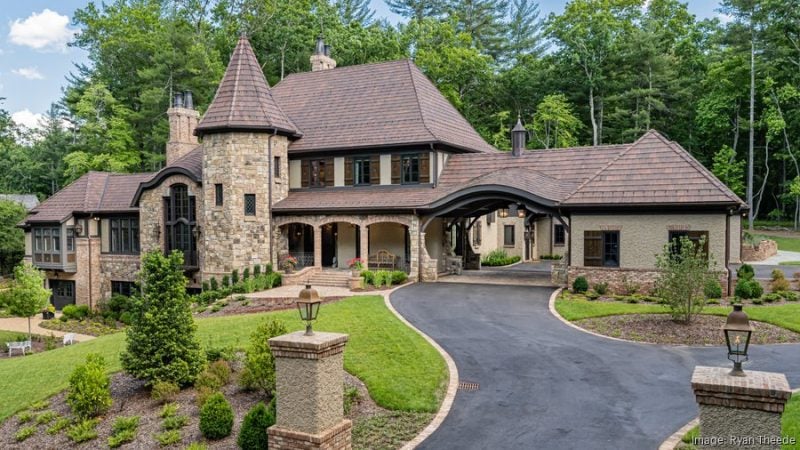
Asheville ranks among the top 20 best places to live in the United States according to U.S. News analysis for 2024 and 2025. The city sits nestled in the Blue Ridge Mountains, offering residents natural beauty combined with vibrant culture.
North Carolina recognizes Asheville as the 16th safest large city in the state. The area provides abundant family-friendly neighborhoods with mountain living and extensive amenities.
Several distinct neighborhoods offer different lifestyles. Montford features historic Victorian homes and tree-lined streets. West Asheville attracts residents with its hip, eclectic atmosphere and thriving food scene.
Biltmore Forest provides upscale living near the famous Biltmore Estate. North Asheville offers family-friendly options tucked between downtown and surrounding areas, including access to the Asheville Country Club and The Omni Grove Park Inn.
The city combines outdoor recreation opportunities with cultural attractions and dining options.
5. Savannah, Georgia
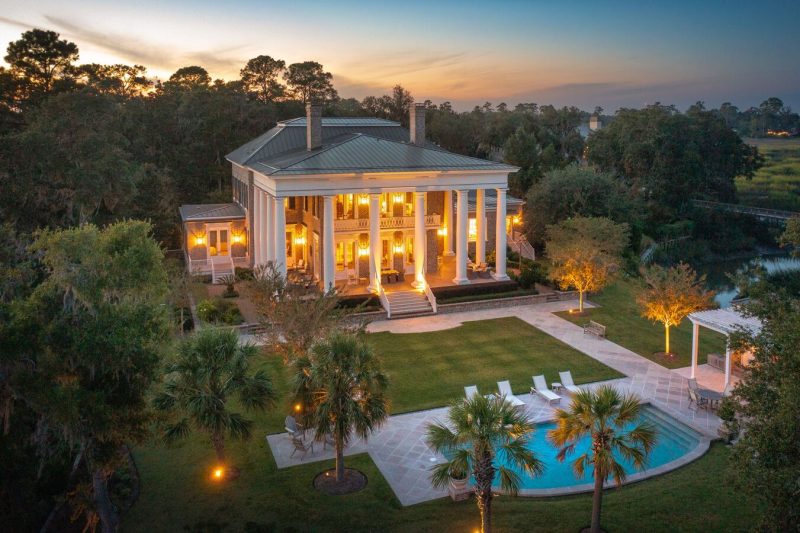
Savannah stands as one of Georgia’s most livable cities, combining historic charm with modern amenities. The city offers residents mild year-round weather and proximity to Georgia’s coastal beaches.
The local economy thrives on three major pillars: the port industry, tourism, and a growing technology sector. This economic diversity provides stable employment opportunities across multiple industries.
Housing options range from historic downtown districts to comfortable suburban neighborhoods. Residents can choose between urban living near cultural attractions or quieter suburban areas with easy access to the city center.
The metro area features excellent schools and low crime rates in many neighborhoods. Popular residential areas include Midtown, the South Historic District, and Dutch Island.
Savannah’s location provides quick access to both urban amenities and natural attractions. The city maintains strong infrastructure while preserving its distinctive Southern character.
6. Birmingham, Alabama

Birmingham stands as Alabama’s largest metropolitan area, offering residents an attractive combination of low cost of living and southern charm. The city provides access to diverse outdoor activities while maintaining affordable housing options compared to other southeastern markets.
The Birmingham metro area features varied neighborhoods with different quality of life standards. Residents can choose from urban districts close to downtown amenities or suburban communities with excellent schools and lower crime rates.
Housing costs remain competitive throughout the region. Many neighborhoods offer strong value propositions for both homebuyers and renters seeking space and affordability.
The area’s humid summers require adjustment for newcomers. However, the climate allows for year-round outdoor recreation and activities.
Birmingham’s job market centers on healthcare, finance, and manufacturing sectors. The city’s location provides convenient access to other major southeastern destinations while maintaining its distinct regional character.
7. Jacksonville, Florida
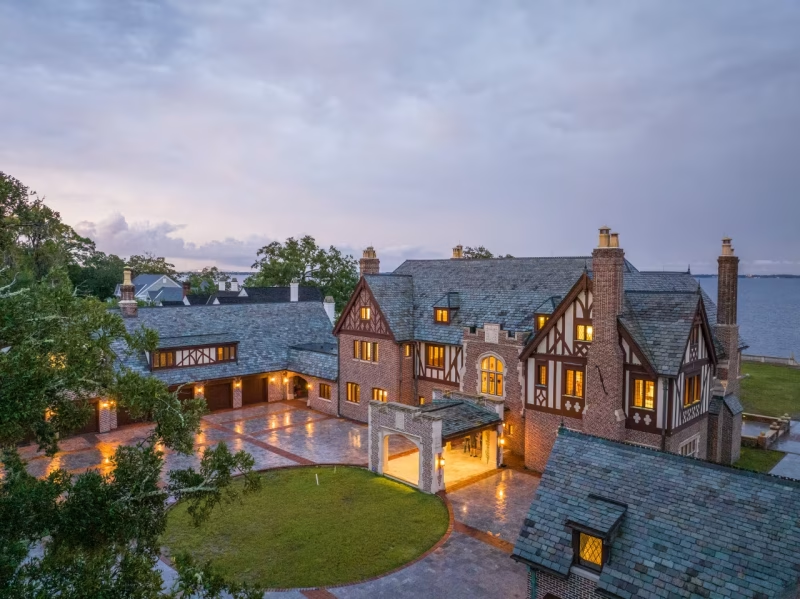
Jacksonville offers residents a blend of urban amenities and coastal living in northeastern Florida. The city provides access to world-class beaches, golf courses, and resort areas along its 20-mile coastline.
The metropolitan area features diverse neighborhoods catering to different lifestyles and budgets. Popular residential areas include suburbs south toward Orange Park and communities extending east toward the coast.
Home prices in Jacksonville align closely with Florida’s state average of $359,179. The city’s real estate market offers options from historic districts to modern beachfront communities.
Jacksonville’s location provides easy access to nearby attractions. Residents can explore Amelia Island to the northeast and the historic city of St. Augustine to the southeast.
The area combines Southern charm with job opportunities and relatively affordable living costs compared to other major southeastern cities.
8. Greenville, South Carolina
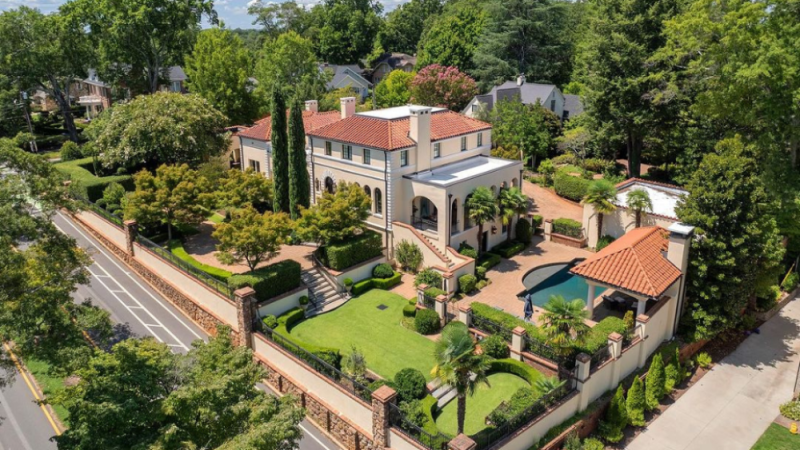
Greenville ranks among the top places to live in the United States according to U.S. News & World Report. The city earned fourth place in the 2024 Best Places to Live rankings.
Located at the base of the Blue Ridge Mountains, Greenville offers residents both urban amenities and natural beauty. The city attracts families and professionals seeking quality of life improvements.
Employment opportunities remain strong across various industries. The cost of living stays reasonable compared to other highly-ranked cities.
Surrounding suburbs like Greer, Taylors, and Simpsonville provide additional housing options. These communities offer access to Greenville’s amenities while maintaining their own character.
The area features quality public schools and recreational activities. Residents enjoy proximity to outdoor recreation in the nearby mountains.
Greenville’s downtown area continues developing with restaurants, entertainment venues, and cultural attractions. The city balances growth with maintaining its family-friendly atmosphere.
9. Tampa, Florida
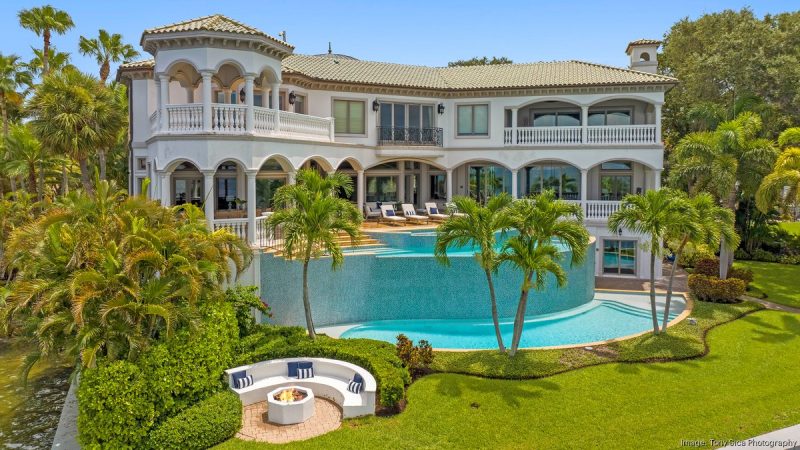
Tampa ranks as the second-best place to live in Florida for 2025. The city offers diverse neighborhoods that cater to different lifestyles and preferences.
The Tampa-St. Petersburg metro area has experienced significant growth. It was named the ninth fastest-growing large city in the United States in 2020.
Tampa provides strong job opportunities across various industries. The city combines urban amenities with suburban comfort options.
Families often gravitate toward suburbs like Riverview and Fishhawk Ranch. These areas offer larger homes, spacious yards, and highly-rated schools.
Westchase stands out as a popular master-planned community. It features over 30 distinct neighborhoods, each with unique characteristics.
The city’s central location provides easy access to beaches and attractions. Tampa International Airport sits just 20 minutes from many suburban areas.
Tampa delivers year-round sunshine and diverse recreational activities. The combination of urban sophistication and coastal proximity appeals to many residents.
10. Knoxville, Tennessee
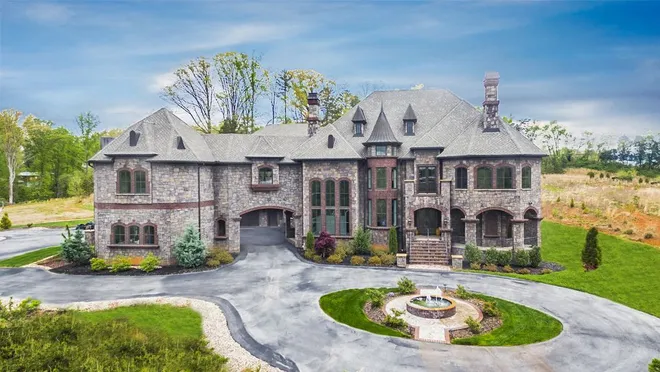
Knoxville ranks as Tennessee’s third-largest city and consistently earns recognition as one of the most affordable places to live in the United States. The city maintains below-average living costs while delivering high quality of life standards.
The University of Tennessee anchors the city’s vibrant culture and creates a college town atmosphere. Residents enjoy strong job markets and diverse employment opportunities across multiple sectors.
Knoxville recently earned a spot on Livability.com’s Top 100 Best Places to Live list for 2025. The city also ranked 29th on national “Best Places to Live” rankings.
Top suburban areas include Farragut and Maryville, which offer excellent schools and family-friendly environments. The region provides easy access to both urban amenities and outdoor recreation in the nearby Appalachian Mountains.
The city blends Southern charm with Appalachian culture, creating a unique living experience in East Tennessee.
11. Columbia, South Carolina
Columbia serves as South Carolina’s capital city and has earned recognition as one of the state’s best places to live. The city combines rich history with vibrant culture across its diverse neighborhoods.
Residents enjoy abundant outdoor recreation opportunities. The city features numerous parks and trails for hiking and biking enthusiasts. Congaree National Park sits just 30 minutes southeast of downtown, offering pristine wilderness experiences.
Columbia provides strong employment opportunities and maintains a reasonable cost of living compared to other southeastern cities. The presence of the University of South Carolina adds educational resources and cultural activities to the community.
The city attracts families and young professionals with its quality schools and recreational amenities. Columbia’s central location in South Carolina provides easy access to both mountain regions and coastal areas within a few hours’ drive.
12. Athens, Georgia
Athens offers Southern charm combined with vibrant college town energy. The city serves as home to the University of Georgia, bringing educational opportunities and cultural richness to residents.
The area features highly-rated schools that attract families seeking quality education. Athens consistently ranks among Georgia’s top places to live due to its combination of natural beauty and suburban amenities.
Residents enjoy a thriving music and arts scene alongside historic architecture throughout the city. The downtown area buzzes with restaurants, shops, and entertainment venues that cater to diverse interests.
Athens provides mild weather year-round and lacks the heavy traffic congestion found in larger cities. The cost of living remains reasonable compared to major metropolitan areas while offering urban conveniences.
The city appeals to young professionals, families, and retirees alike. Athens balances small-town friendliness with the cultural benefits of a university community.
13. Virginia Beach, Virginia
Virginia Beach ranks among the top destinations in the Southeast for good reason. The city combines beautiful Atlantic coastline with affordable living costs below the national average.
Half a million permanent residents call this coastal city home. Housing prices remain reasonable compared to other beach communities, making homeownership accessible for many families.
The city offers diverse neighborhoods to suit different lifestyles. Great Neck provides suburban living with excellent schools and waterfront properties. Town Center delivers urban amenities with shops, restaurants, and entertainment venues.
Chesapeake Beach attracts those seeking a laid-back community atmosphere. Kempsville appeals to families with its mix of housing options and family-friendly environment.
Beyond the famous boardwalk and beaches, Virginia Beach provides strong employment opportunities. The city consistently appears on national rankings for livability, recently placing 30th on U.S. News & World Report’s best places to live list.
14. Durham, North Carolina
Durham ranks among the top places to live in North Carolina and has earned national recognition as one of the best places to live in the United States. The city serves as part of the Research Triangle, known for its thriving tech industry and prestigious universities.
Downtown Durham attracts young professionals with its vibrant food scene and cultural attractions. The area features modern lofts and easy access to employment opportunities.
Trinity Park offers a historic neighborhood experience near Duke University. This area appeals to families and academics with beautiful homes and tree-lined streets.
The city provides residents with a strong job market centered around technology and research. Durham’s proximity to other Research Triangle cities enhances career opportunities.
Cost of living remains reasonable compared to other major metropolitan areas. Housing options range from historic neighborhoods to modern developments throughout the city.
15. Augusta, Georgia
Augusta combines Southern charm with modern amenities along the Savannah River. The city is known worldwide for hosting the Masters golf tournament each spring.
Founded in the early 1700s, Augusta played important roles in both the Revolutionary and Civil Wars. The historic downtown area reflects this rich heritage through preserved architecture and cultural sites.
The cost of living remains affordable compared to many southeastern cities. Housing prices attract families and young professionals seeking value in the regional market.
Augusta’s school system consistently receives high ratings from education organizations. These quality schools draw families prioritizing their children’s academic future.
The Savannah River provides recreational opportunities including parks, walking trails, and water activities. Residents enjoy access to natural beauty within an urban setting.
The city ranks among Georgia’s top places to live according to multiple surveys. Augusta offers a balanced lifestyle mixing history, affordability, and modern conveniences.
16. Chattanooga, Tennessee
Chattanooga offers residents an attractive blend of affordability and quality of life in southeastern Tennessee. The city has transformed from its industrial past into a vibrant destination with strong employment opportunities.
Downtown Chattanooga stands out as one of the most dynamic neighborhoods. The area features award-winning restaurants, active nightlife, and cultural attractions that draw young professionals.
The Northshore district provides a trendy atmosphere with walkable streets. Residents enjoy easy access to shops, restaurants, and parks while staying close to outdoor recreation areas.
Housing costs remain reasonable compared to many southeastern cities. Home prices align closely with Tennessee’s state average of around $285,000.
Chattanooga’s location provides access to mountains, rivers, and outdoor activities. The city consistently ranks among top places to live due to its combination of natural beauty and urban amenities.
17. Myrtle Beach, South Carolina
Myrtle Beach sits along South Carolina’s Grand Strand, offering 60 miles of pristine coastline. The city attracts residents with its year-round mild climate and extensive recreational opportunities.
The area features over 80 award-winning golf courses, making it a premier destination for golf enthusiasts. Miles of beautiful beaches provide endless opportunities for water activities and relaxation.
Housing costs in Myrtle Beach exceed the state average of $269,059, though rental rates remain competitive. The average rent of $959 falls 10% below the national average.
Tourism and healthcare drive the local economy. The city’s location provides easy access to amenities while maintaining its coastal charm.
Popular neighborhoods include Carolina Forest, Market Common, and areas near Dunes Golf and Beach Club. Nearby Surfside Beach offers a quieter alternative just eight miles south of the main city.
18. Orlando, Florida
Orlando attracts residents with its year-round warm weather and diverse employment opportunities. The city’s economy extends beyond tourism, with growing technology and healthcare sectors providing stable job markets.
The area offers numerous residential neighborhoods suited for different budgets and lifestyles. Families appreciate the quality public schools and recreational amenities throughout the metropolitan region.
Cost of living remains reasonable compared to other major Florida cities. Housing options range from affordable suburbs to upscale communities, giving residents flexibility in their choices.
Orlando’s central Florida location provides easy access to both coasts and major cities. The extensive theme park industry creates unique entertainment options and cultural diversity that many residents value.
The city maintains good infrastructure and public services while supporting a growing population.
19. Little Rock, Arkansas
Little Rock offers residents a thriving community that balances modern amenities with a tight-knit atmosphere. The city serves as Arkansas’s capital and largest metropolitan area.
The location provides strategic access to major cities like Dallas, Memphis, and St. Louis. This central positioning makes Little Rock attractive for both business and personal connections.
Housing costs remain affordable compared to other southeastern cities. The real estate market offers diverse neighborhoods with varying price points and characteristics.
Public schools and higher education opportunities contribute to the area’s appeal for families. Crime rates vary significantly by neighborhood within the metro area.
Nearby suburbs like Maumelle and Austin consistently rank among the best places to live. These communities offer additional residential options for those seeking suburban lifestyles.
The city provides access to Arkansas’s natural attractions including mountains, rivers, and forests.
20. Huntsville, Alabama
Huntsville has earned recognition as one of the top places to live in the United States. The metro area ranks highly on national lists for its combination of affordability and quality of life.
The city offers residents a strong job market centered around aerospace and technology industries. NASA’s Marshall Space Flight Center serves as a major economic driver for the region.
Housing costs remain reasonable compared to other growing cities. The area provides good value for homebuyers seeking quality neighborhoods at accessible prices.
Public schools in Huntsville receive solid ratings. The education system attracts families looking for reliable academic options for their children.
Crime rates tend to be lower in many Huntsville neighborhoods. Safety remains a key factor drawing new residents to the area.
The city balances small-town accessibility with modern amenities. Huntsville’s population of less than 500,000 creates a manageable community feel while still offering urban conveniences.
21. St. Augustine, Florida
St. Augustine stands as America’s oldest continuously inhabited city, offering residents a unique blend of history and coastal living. The Ancient City attracts people with its well-preserved Spanish colonial architecture and cobblestone streets.
Home prices exceed Florida’s state average of $278,762, reflecting the desirability of living in this historic location. The real estate market remains competitive due to strong demand.
Residents enjoy beautiful beaches within easy reach and a thriving dining scene. Multiple golf courses and museums provide year-round entertainment options.
The city appeals particularly to retirees seeking a beach town atmosphere with cultural amenities. Young professionals also find opportunities in the growing tourism and hospitality sectors.
Living costs run relatively high compared to other Florida cities. The coastal location brings hurricane and flooding risks during storm season that residents must consider.
22. Wilmington, North Carolina
Wilmington offers coastal living with a population of 118,578 residents in New Hanover County. The city sits along North Carolina’s southern Atlantic coast, with the ocean approximately 5 miles east.
The median home price reaches $230,500, while the median household income stands at $42,130. This creates an affordable housing market for coastal living standards.
Residents enjoy a dense suburban atmosphere with numerous restaurants, coffee shops, and parks. The historic downtown area attracts visitors and locals alike with its preserved architecture.
The climate receives a comfort rating of 7.3 out of 10, providing pleasant year-round weather. Beaches remain accessible within a short drive from residential areas.
Wilmington’s film industry presence adds cultural appeal to the community. The city combines Southern charm with modern amenities while maintaining reasonable living costs compared to other coastal destinations.
The area lacks some big-city services but compensates with attractive residential neighborhoods and coastal access.
23. Lexington, Kentucky
Lexington combines Southern charm with modern amenities in Kentucky’s Bluegrass region. The city attracts residents with its equestrian heritage and cultural diversity.
Housing remains affordable with median home prices around $370,000. This represents excellent value compared to similarly-sized cities across the Southeast.
The downtown district offers vibrant urban living with restaurants and entertainment venues. Suburban neighborhoods provide quieter alternatives for families seeking more space.
Lexington maintains low crime rates and quality public schools throughout most areas. The city earned recognition for its cleanliness and safety from residents.
Outdoor recreation opportunities abound in the surrounding Bluegrass countryside. The city’s central Kentucky location provides easy access to both Louisville and Cincinnati.
Cultural attractions extend beyond horse racing to include museums, theaters, and festivals. Local bourbon distilleries add to the area’s distinctive character and tourism appeal.
24. Atlanta, Georgia
Atlanta stands as one of the Southeast’s premier metropolitan destinations. The city combines urban sophistication with Southern charm across diverse neighborhoods.
Fortune 500 companies maintain headquarters here, creating robust job opportunities. Hartsfield-Jackson Atlanta International Airport connects residents globally as the world’s busiest airport.
Professional sports teams include the Hawks, Falcons, and Atlanta United. World-famous attractions draw millions of visitors annually.
The metro area offers varied living options from trendy urban districts to family-friendly suburbs. Top-rated school systems serve many surrounding communities.
Cost of living remains competitive compared to other major Southeast cities. The region provides year-round outdoor recreation opportunities.
Cultural districts feature museums, theaters, and dining scenes. Tree-lined neighborhoods earned Atlanta the nickname “City in a Forest.”
Healthcare infrastructure includes specialized treatment centers serving the broader Southeast region. The CDC headquarters enhances the city’s medical research capabilities.
25. Mobile, Alabama
Mobile offers Gulf Coast living at an affordable price point. The city ranks as the fourth best place to live in Alabama and maintains a reputation for safety.
Housing costs remain reasonable compared to similar coastal communities. The median home price aligns with Alabama’s state average of around $214,000.
West Mobile attracts families with newer developments and quality schools. The Oakleigh Garden District features historic antebellum architecture and established neighborhoods.
Dauphin Island provides a coastal lifestyle option for those seeking beachfront living. This barrier island maintains a small-town atmosphere while offering Gulf access.
The city delivers cultural amenities without major metropolitan costs. Mobile’s location provides access to outdoor activities year-round, though summers bring high humidity levels.
Crime rates stay below state averages in most neighborhoods. The combination of affordability and coastal proximity makes Mobile attractive for both working professionals and retirees.
26. Pensacola, Florida
Pensacola combines affordable coastal living with Southern charm in the Florida Panhandle. The city ranks ninth nationally for cost of living, making it an attractive option for budget-conscious residents.
White-sand beaches and the Gulf of Mexico provide year-round recreational opportunities. Pensacola Beach on Santa Rosa Island offers traditional Florida coastal atmosphere with shallow waters and excellent fishing.
The downtown area features a vibrant community with walkable neighborhoods and local amenities. Residents enjoy both urban conveniences and a tight-knit community feel.
Housing options range from historic districts to waterfront properties. The real estate market offers variety for families, professionals, and retirees seeking different lifestyle preferences.
Pensacola’s location provides access to both beach and city amenities. The area maintains lower crime rates in desirable neighborhoods while offering quality educational options for families.
27. Alpharetta, Georgia
Alpharetta ranks as Georgia’s second-best place to live according to Travel + Leisure. This Fulton County suburb houses approximately 66,000 residents in a dense suburban setting.
The city earned national recognition from U.S. News & World Report. Alpharetta placed 24th out of 250 cities nationwide on the 2025-2026 Best Places to Live list.
Johns Creek, a neighboring suburb, received top rankings in the Atlanta area. The region consistently attracts families and professionals seeking quality suburban living.
Downtown Alpharetta offers walkable neighborhoods with new construction homes. The area features proximity to Avalon shopping center and diverse dining options.
The city appeals to executives and entrepreneurs seeking upscale suburban amenities. Alpharetta combines small-town charm with access to Atlanta’s metropolitan resources.
28. Mount Pleasant, South Carolina
Mount Pleasant sits as a thriving suburb of Charleston with a population of 92,662 residents. The town borders historic downtown Charleston while providing easy access to Isle of Palms and Sullivan’s Island beaches.
Carolina Park stands out as one of the fastest-growing neighborhoods in the area. This community offers a mix of traditional and modern homes with comprehensive family amenities.
The town provides residents with a dense suburban atmosphere where most people own their homes. Numerous restaurants, coffee shops, and parks create an active community environment.
Mount Pleasant has earned recognition as one of the best places to live in South Carolina. The area combines Southern hospitality with modern conveniences and quality schools.
Home prices exceed South Carolina’s state average of $269,059, reflecting the area’s desirability and strong market demand.
29. Johnson City, Tennessee
Johnson City earned recognition as one of Tennessee’s best places to live. The city maintains affordable living costs compared to national averages while offering diverse dining options.
Home to East Tennessee State University, the city provides a vibrant college town atmosphere. Students and residents benefit from the academic environment and cultural activities the university brings.
The location offers excellent access to outdoor recreation. Cherokee National Forest and the Appalachian Trail provide hiking, camping, and nature activities within close proximity.
Johnson City’s healthcare sector continues growing with several hospitals and medical centers. This expansion creates job opportunities and ensures quality medical care for residents.
The city has a population of 71,455 and sits in Washington County. Most residents experience a dense suburban lifestyle with numerous parks throughout the area.
30. Cary, North Carolina
Cary ranks as the fifth best place to live in the United States according to U.S. News & World Report’s 2025-2026 rankings. The city holds the top position among all North Carolina communities.
This Wake County suburb sits between Raleigh and the Research Triangle Park. The location provides residents access to high-paying technology sector jobs while maintaining a suburban atmosphere.
Cary maintains exceptionally low crime rates compared to national averages. The city’s public school system consistently receives top rankings throughout the state.
The community offers a population of approximately 176,686 residents. Families particularly value the area’s combination of safety, educational opportunities, and economic stability.
Housing options range from townhomes to large single-family properties across various neighborhoods. Preston and Lochmere represent two of the most sought-after residential areas within the city limits.
Key Factors That Make the Southeast U.S. Desirable
The Southeast attracts millions of new residents annually due to its mild subtropical climate, affordable housing markets, and rich cultural heritage. These fundamental advantages create an environment where families and professionals can thrive without the financial pressures found in other regions.
Climate and Natural Beauty
The Southeast enjoys a humid subtropical climate with mild winters and warm summers. Average winter temperatures range from 45°F to 65°F, allowing residents to avoid harsh cold weather and high heating costs.
The region experiences 200 to 250 sunny days per year on average. This extended sunshine supports year-round outdoor activities and reduces seasonal depression rates compared to northern climates.
Natural features include:
- 3,500 miles of Atlantic and Gulf coastline
- Great Smoky Mountains and Blue Ridge Mountains
- Everglades wetlands and barrier islands
- Numerous lakes, rivers, and state parks
The growing season extends 8 to 12 months in most areas. This climate supports diverse vegetation, from coastal palms to mountain hardwoods, creating varied landscapes within relatively short distances.
Hurricane season runs from June through November, primarily affecting coastal areas. Most inland regions experience minimal direct impact from these weather systems.
Cost of Living and Housing Trends
Housing costs in the Southeast average 15% to 30% below the national median. States like Tennessee, North Carolina, and South Carolina offer particularly strong value propositions for homebuyers and renters.
The region’s real estate markets have experienced significant growth:
- 20% to 40% home value increases in major metros since 2020
- Strong job market driving continued demand
- Business-friendly policies attracting corporate relocations
Property taxes remain relatively low across most southeastern states. Florida and Tennessee impose no state income tax, while others maintain rates between 3% and 6%.
Utilities and everyday expenses cost 10% to 20% less than national averages. Gas prices, groceries, and dining typically fall below costs in northeastern and western markets.
The combination of affordable housing and lower living expenses allows residents to maintain higher disposable income levels.
Cultural Diversity and Community Vibe
The Southeast blends traditional Southern culture with growing diversity from domestic and international migration. Cities like Atlanta, Charlotte, and Miami represent truly multicultural environments.
Cultural highlights include:
- Birthplace of country music in Nashville
- Jazz and blues heritage in New Orleans
- Historic preservation in Charleston and Savannah
- Latin influences throughout Florida
Southern hospitality remains a defining characteristic. Residents typically experience welcoming communities with strong neighborhood connections and social networks.
The region hosts numerous festivals, food traditions, and cultural events year-round. From barbecue competitions to music festivals, community gatherings strengthen local bonds.
Religious diversity spans Protestant denominations, Catholicism, and growing populations of other faiths. This spiritual foundation often translates into community service and charitable organizations.
Food culture emphasizes comfort cuisine, fresh seafood, and regional specialties. Local farmers markets and farm-to-table restaurants support both tradition and modern dining preferences.
Quality of Life Considerations
Southeast cities excel in three critical areas that determine daily living satisfaction. Strong healthcare systems, excellent educational institutions, and robust job markets create environments where residents thrive professionally and personally.
Healthcare and Wellness Opportunities
The Southeast features world-class medical facilities concentrated in major metropolitan areas. Cities like Atlanta house the CDC headquarters and top-tier hospitals including Emory University Hospital and Children’s Healthcare of Atlanta.
North Carolina’s Research Triangle offers exceptional healthcare through Duke University Medical Center and UNC Hospitals. These facilities provide cutting-edge treatments and specialized care options.
Wellness amenities flourish throughout the region. Coastal cities provide year-round outdoor activities with beaches and water sports. Mountain communities in North Carolina, Tennessee, and Georgia offer hiking trails and recreational opportunities.
Many Southeast cities maintain extensive park systems and greenway networks. Charlotte’s Little Sugar Creek Greenway spans 19 miles, while Richmond’s James River Park System covers 550 acres of urban wilderness.
Access to Education and Top Schools
The Southeast houses prestigious universities that anchor educational excellence in their communities. Duke University, Vanderbilt University, and Emory University consistently rank among America’s top institutions.
Public school systems vary significantly across the region. Cary, North Carolina benefits from Wake County Schools’ high performance ratings. Johns Creek, Georgia residents access top-rated Fulton County schools.
Private school options abound in major cities. Charleston offers numerous prestigious preparatory schools, while cities like Nashville and Raleigh provide diverse educational choices.
Community college networks throughout the region support continuing education and workforce development. Virginia’s community college system ranks among the nation’s best for career preparation programs.
Local Economy and Job Market
Technology sectors drive economic growth across multiple Southeast cities. Austin leads in tech innovation, while Research Triangle Park houses major pharmaceutical and biotechnology companies.
Traditional industries maintain strong presences. Charlotte serves as a major banking hub with Bank of America and Wells Fargo operations. Jacksonville’s port activities support logistics and maritime industries.
Government employment provides stability in many areas. Huntsville, Alabama benefits from NASA Marshall Space Flight Center and defense contractors. Virginia Beach offers military-related career opportunities.
Cost of living advantages stretch salaries further than in coastal metropolitan areas. Housing costs typically run 20-30% below national averages, while maintaining competitive salary levels in key industries.