The 30 Best Places to Live in the Southern U.S.: Quality of Life and Affordability
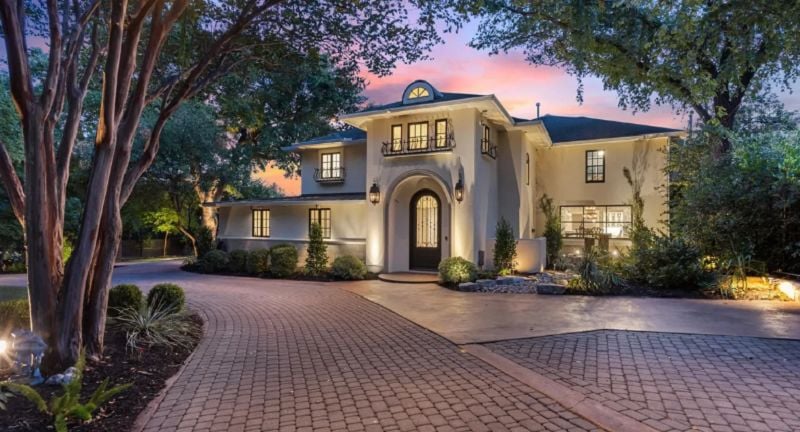
The Southern United States offers some of the nation’s most appealing places to call home, combining warm climates, rich cultural heritage, and affordable living costs.
From bustling metropolitan areas to charming smaller cities, the region attracts residents seeking diverse opportunities across multiple states including Texas, Florida, North Carolina, South Carolina, Georgia, Tennessee, Alabama, Louisiana, Arkansas, Kentucky, Virginia, and Oklahoma.
This comprehensive analysis examines thirty exceptional Southern destinations based on factors such as job markets, cost of living, quality of life, educational opportunities, and cultural amenities.
Each location presents unique advantages, whether through thriving downtown districts, proximity to natural attractions, or strong economic foundations that support long-term growth and stability.
Here are the 30 best places to live in the Southern U.S.
1. Austin, Texas

Austin ranks as the 20th best place to live in the South and holds the 40th spot nationally. The Texas capital attracts approximately 50 new residents daily who seek its vibrant culture and opportunities.
The city serves as an established tech hub. Major corporations and startups choose Austin to access existing talent and attract employees drawn to the Hill Country lifestyle.
Austin’s live music scene sets it apart from other Southern cities. The city hosts major festivals including South by Southwest and Austin City Limits.
Residents enjoy abundant outdoor spaces and cultural institutions throughout the metro area. The combination of urban amenities and natural beauty appeals to diverse demographics.
The local economy benefits from the steady influx of tech companies and creative industries. This economic diversity provides employment opportunities across multiple sectors while maintaining the city’s distinctive character.
2. Charleston, South Carolina
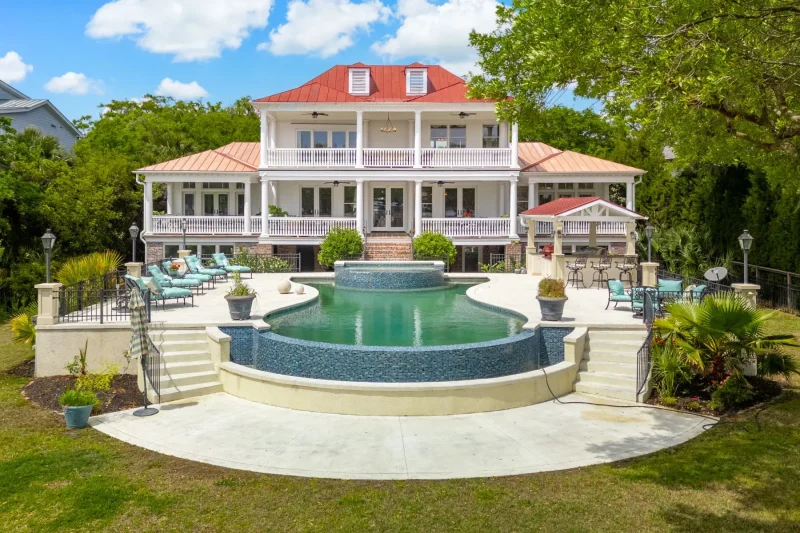
Charleston consistently ranks among America’s most livable cities. The historic coastal city combines Southern charm with modern amenities and economic opportunities.
The city offers a unique blend of affordability and cultural richness compared to other major metropolitan areas. Residents enjoy access to pristine beaches, hundreds of golf courses, and year-round warm weather.
Charleston’s historic downtown features well-preserved architecture and cobblestone streets. The culinary scene attracts food enthusiasts from across the nation.
Housing costs remain higher than the South Carolina average but competitive with similar coastal markets. The job market spans tourism, healthcare, technology, and maritime industries.
Educational opportunities include strong public school districts and higher education institutions. The city’s walkable neighborhoods provide diverse living options from historic homes to modern developments.
Charleston’s location provides easy access to both mountain and beach recreation within driving distance.
3. Raleigh, North Carolina

Raleigh stands as one of the South’s premier destinations for residents seeking quality of life. The city combines economic opportunity with cultural amenities in North Carolina’s Research Triangle region.
The job market thrives thanks to major employers in technology, healthcare, and education. Research Triangle Park nearby provides additional career prospects for professionals.
Housing costs remain reasonable compared to other major Southern cities. Neighborhoods offer diverse options from downtown condos to suburban family homes.
The city maintains excellent public schools and easy access to renowned universities. North Carolina State University anchors the local education scene.
Outdoor enthusiasts enjoy numerous parks, greenways, and recreational facilities throughout the area. The mild climate supports year-round activities.
Raleigh’s food scene has expanded significantly in recent years. Local restaurants showcase both traditional Southern cuisine and international flavors.
4. Nashville, Tennessee
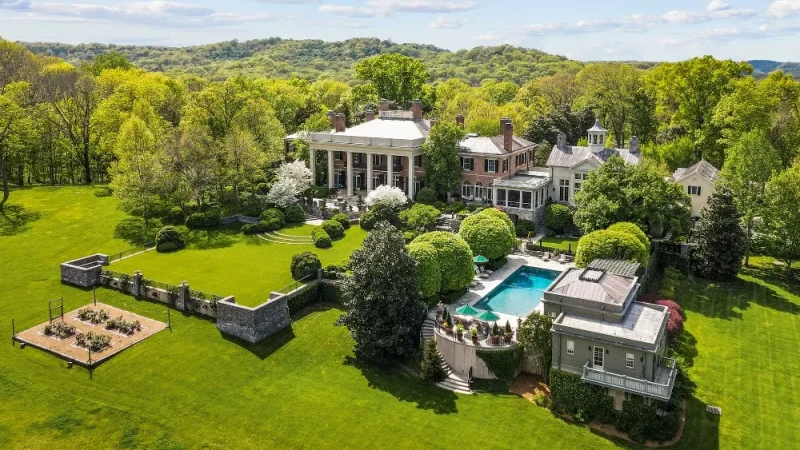
Nashville stands as Tennessee’s vibrant capital and the heart of country music. The city combines traditional Southern charm with modern urban amenities.
Music City offers diverse neighborhoods within 10 miles of downtown. East Nashville attracts young professionals with its creative scene. Brentwood provides upscale suburban living for families.
Several surrounding areas rank among Tennessee’s best places to live. Nolensville in Williamson County offers affordable housing less than 30 minutes from downtown. Smyrna in Rutherford County has gained recognition as an excellent retirement destination.
The Nashville metro area scores well on key livability factors. Rankings consider cost of living, public schools, crime rates, and local amenities when evaluating neighborhoods.
Residents benefit from Nashville’s growing job market and cultural attractions. The city maintains reasonable living costs compared to other major metropolitan areas in the region.
5. Jacksonville, Florida
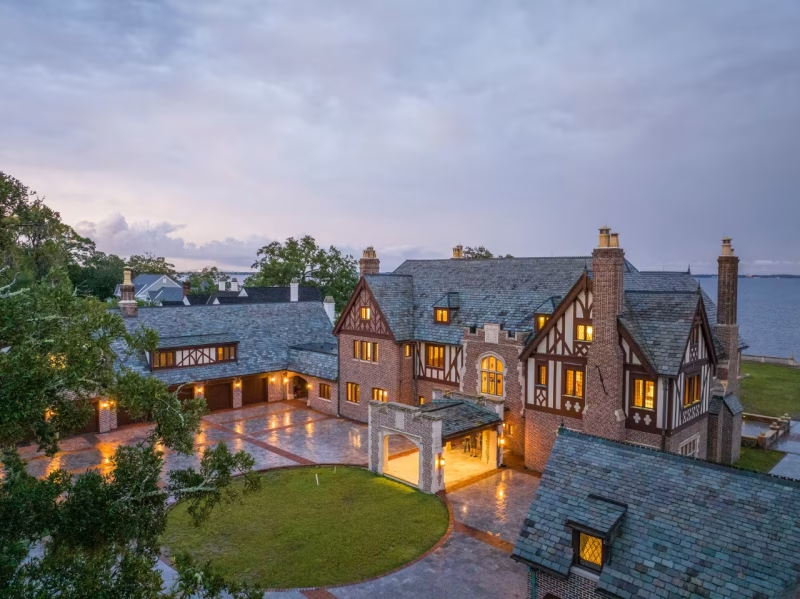
Jacksonville stands as Florida’s largest city by area and serves as a major commercial and financial center. The city maintains a distinctive northern feel compared to other large Florida metropolitan areas.
Modern skyscrapers define the well-developed downtown and waterfront district. The urban core spreads extensively in all directions, with significant growth occurring south and west of the central business district.
The Jacksonville metro area offers diverse neighborhood options that cater to different lifestyles and budgets. Residents can choose from historic districts, beachfront communities, and family-friendly suburban areas.
Housing costs remain competitive compared to other major Florida cities. The local job market benefits from the presence of numerous corporate headquarters and financial institutions.
Educational opportunities include well-regarded public school districts in several suburban communities. The city’s proximity to beaches and recreational areas enhances quality of life for residents seeking outdoor activities.
6. Greenville, South Carolina
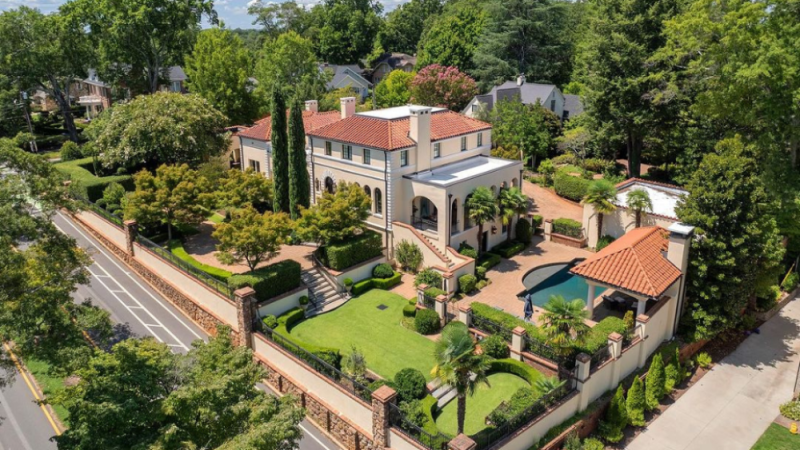
Greenville ranks among the top five best places to live in the United States according to U.S. News & World Report. The city offers an attractive combination of low cost of living and strong employment opportunities.
The Greenville area features several desirable neighborhoods. Greer and Taylors stand out as top residential choices for families and professionals.
Falls Park and Cleveland Park provide excellent outdoor recreation options. The city maintains hundreds of golf courses and enjoys warm weather year-round.
School districts in the Greenville area receive high ratings. Public education quality remains a key factor attracting families to the region.
Transportation access and local amenities support a comfortable lifestyle. The southeastern South Carolina location provides easy access to beaches and mountain recreation.
Employment opportunities span multiple industries. The job market contributes significantly to Greenville’s appeal for relocating professionals and recent graduates.
7. Durham, North Carolina
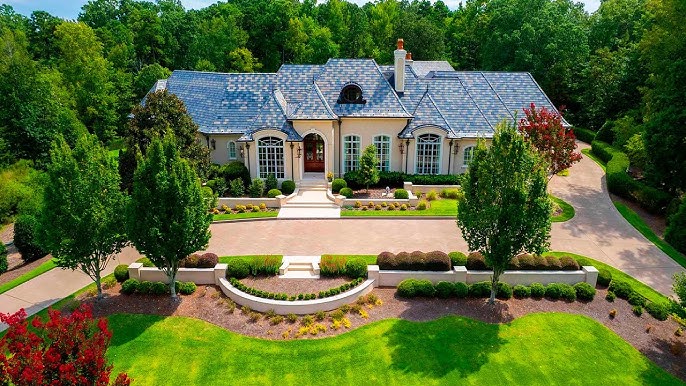
Durham stands as the fourth most populated city in North Carolina and ranks among the best places to live in the state. The city forms part of the Research Triangle region alongside Raleigh and Chapel Hill.
The area hosts one of the country’s largest research facilities within the 7,000-acre Research Triangle Park. This concentration of technology and research companies provides abundant employment opportunities for residents.
Durham houses prestigious universities including Duke University and nearby University of North Carolina-Chapel Hill. These institutions contribute to the city’s educated population and cultural atmosphere.
Downtown Durham attracts young professionals with its vibrant food scene and modern housing options. The Trinity Park neighborhood offers historic charm near Duke University, appealing to families and academics.
The city combines rich history with modern amenities and technological advancement. Durham’s location provides access to both urban conveniences and the natural beauty of North Carolina.
8. Birmingham, Alabama
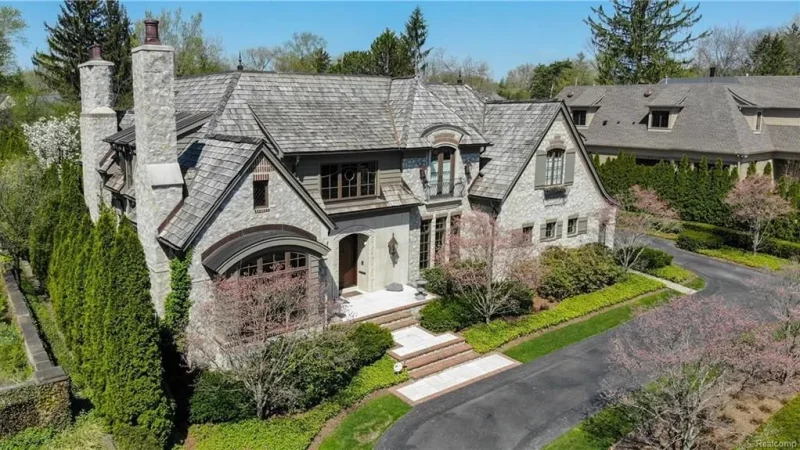
Birmingham stands as Alabama’s largest metropolitan area, offering residents a blend of southern charm and urban amenities. The city features distinctive neighborhoods that cater to various lifestyles and preferences.
Homewood ranks among the top Birmingham suburbs, combining walkable neighborhoods with highly-rated schools. Its vibrant downtown area sits just minutes from Birmingham’s city center.
The Birmingham metro area uses multiple factors to determine livability, including cost of living, education rates, housing quality, and crime statistics. These metrics help identify the most desirable communities within the region.
Housing quality varies significantly across Birmingham neighborhoods. The best areas typically feature lower crime rates and higher property values, reflecting market demand and resident preferences.
Birmingham’s suburbs provide residents with peaceful living environments while maintaining convenient access to the city’s business districts and cultural attractions.
9. Savannah, Georgia
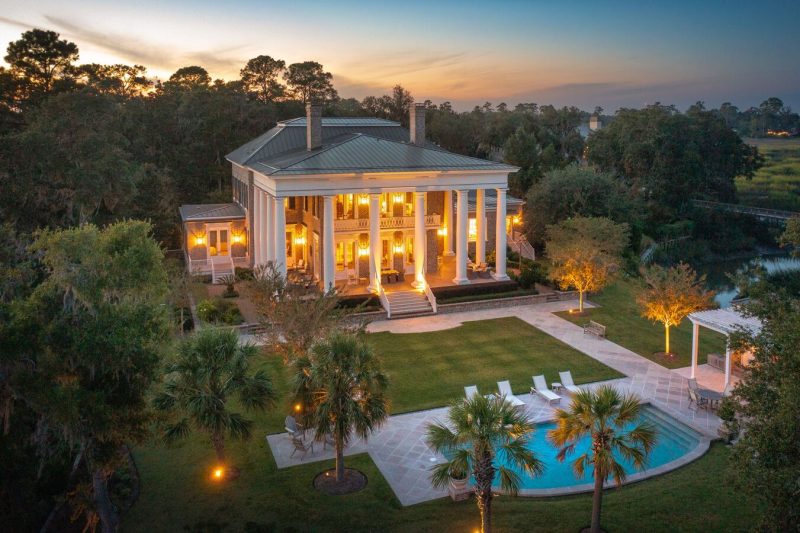
Savannah ranks among the top 150 places to live in America for 2025, earning the 106th position nationwide. The city combines historic charm with modern amenities along Georgia’s coastal region.
The Historic District anchors Savannah’s appeal with its cobblestone streets and antebellum architecture. Victorian District and Midtown offer additional neighborhood options for residents seeking different lifestyles.
Southern Living recognized Savannah as one of the dreamiest places to live in the Coastal South. The city earned praise for its shopping, dining, and cultural events that attract both residents and visitors.
Cost of living remains reasonable compared to other coastal cities. Job opportunities span tourism, port operations, and growing tech sectors that support the local economy.
Crime rates vary by neighborhood, with some areas offering better safety records than others. Public schools and local amenities contribute to the city’s livability scores across multiple ranking systems.
10. Columbia, South Carolina
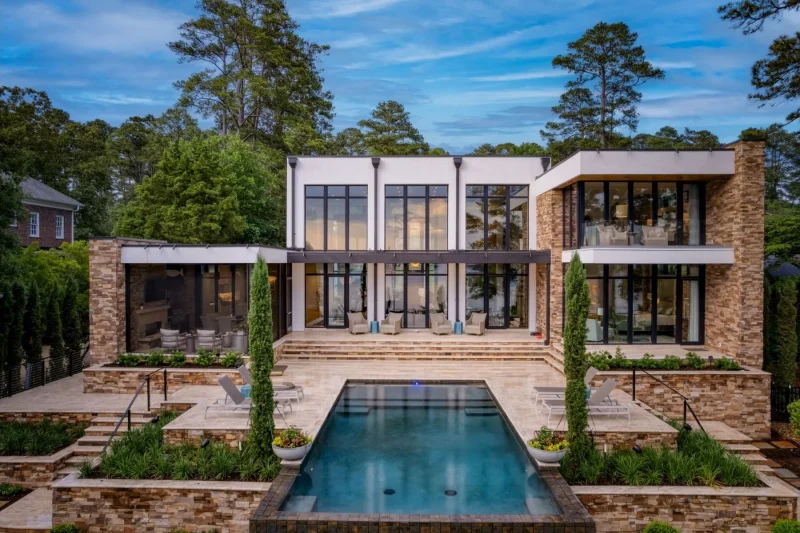
Columbia stands as South Carolina’s capital city and ranks consistently as one of the state’s top places to live. The city sits along the Congaree River and offers residents a blend of historic charm and modern amenities.
The University of South Carolina anchors the community with its attractive campus in the downtown area. This creates a vibrant college town atmosphere with entertainment venues and cultural activities.
Downtown Columbia features clean, well-maintained streets and a restored waterfront area. The city provides residents with recreational opportunities and maintains strong employment prospects across various sectors.
Columbia offers an affordable cost of living compared to many southeastern cities. The area benefits from South Carolina’s favorable tax structure and reasonable housing costs.
The city’s location provides access to both urban amenities and natural attractions throughout the state. Residents enjoy proximity to beaches, mountains, and numerous golf courses that define South Carolina living.
11. Tampa, Florida
Tampa ranks as the 14th most desirable place to live among 150 metro areas according to recent rankings. The city experienced significant growth with over 1.43% population increase between 2020 and 2021.
The Tampa metro area offers diverse neighborhoods suited for various lifestyles. Residents can choose from urban high-rise developments, family-oriented suburban communities, or waterfront properties.
Tampa’s food culture blends Caribbean, Latin American, and Southern influences. The city features a diverse restaurant scene with internationally recognized chefs throughout the area.
The region provides strong job opportunities across multiple industries. Cost of living remains competitive compared to other major Southern metropolitan areas.
Tampa’s location offers year-round warm weather and access to beaches. The city combines metropolitan amenities with Florida’s subtropical climate and outdoor recreation opportunities.
12. Chattanooga, Tennessee
Chattanooga ranks 24th among the best places to live in the South according to recent rankings. The city earned recognition for its excellent livability with a score of 73 out of 100.
Cost of living remains attractive with an index score of 86 out of 100. Home prices average around $285,087, similar to Tennessee’s state average.
The city offers diverse neighborhoods to suit different lifestyles. Downtown provides vibrant urban living while Northshore attracts younger residents. East Brainerd appeals to families seeking quality schools and amenities.
Lookout Mountain sits less than 20 minutes from downtown. This scenic suburb spans both Tennessee and Georgia, offering safety and tranquility.
Chattanooga consistently appears on top livability lists nationwide. The combination of affordable housing, natural beauty, and growing job opportunities makes it an attractive destination for relocating residents.
13. Knoxville, Tennessee
Knoxville ranks as Tennessee’s third-largest city and consistently earns recognition as one of the most affordable places to live in the United States. The city maintains below-average living costs while delivering high quality of life standards.
Located in eastern Tennessee, Knoxville offers residents a blend of southern charm and progressive amenities. The city features historic neighborhoods, quality public schools, and diverse employment opportunities.
Outdoor enthusiasts benefit from Knoxville’s proximity to the Great Smoky Mountains and numerous recreational activities. The area provides hiking trails, lakes, and parks within easy reach of urban conveniences.
Livability.com named Knoxville to its Top 100 Best Places to Live list in 2025. This recognition highlights the city’s vibrant community and livable environment for small to mid-sized cities.
The surrounding suburbs like Farragut and Maryville offer additional housing options for families seeking quieter residential areas while maintaining access to Knoxville’s amenities.
14. Orlando, Florida
Orlando stands out as one of the top retirement destinations in the Southern United States. The city recently topped national rankings for best places to retire due to Florida’s lack of state income tax and abundant resources for seniors.
The median home value ranges from $377,000 to $407,000, making it accessible for many buyers. Year-round warm weather supports outdoor activities throughout all seasons.
Beyond its famous theme parks, Orlando offers a thriving economy with diverse job opportunities. The city attracts residents with modern neighborhoods and extensive amenities.
Winter Park and other nearby communities provide suburban alternatives within 30 minutes of major attractions. These areas offer family-friendly environments while maintaining easy access to Orlando’s economic centers.
The region combines low living costs typical of the South with urban conveniences and recreational opportunities.
15. Alpharetta, Georgia
Alpharetta stands out as one of Georgia’s premier places to live. Located in the northern Atlanta metro area, this vibrant city consistently ranks among the state’s top destinations.
The city offers exceptional schools that attract families from across the region. A robust job market provides ample career opportunities for professionals in various industries.
Downtown Alpharetta blends historic charm with modern amenities. Residents enjoy easy access to local events, shopping districts, and dining options throughout the area.
Travel + Leisure ranked Alpharetta as the second-best place to live in Georgia. This recognition reflects the city’s high quality of life and strong community appeal.
Housing costs exceed Georgia’s state average, reflecting the desirability of the area. The premium pricing indicates strong market demand for Alpharetta properties.
The city provides excellent community engagement opportunities and maintains a welcoming Southern atmosphere. Its proximity to Atlanta offers urban conveniences while preserving suburban tranquility.
16. Athens, Georgia
Athens combines Southern charm with vibrant college town energy as home to the University of Georgia. The city offers a thriving arts scene and rich historic architecture that attracts residents seeking cultural amenities.
The dense suburban environment provides walkable neighborhoods with easy access to local attractions. Public transportation and pedestrian-friendly streets make getting around convenient for residents.
Athens features diverse housing options from historic downtown homes to new suburban construction. The real estate market remains strong with various neighborhoods offering different amenities and price points.
The city’s music scene and school spirit create a lively atmosphere year-round. Residents enjoy numerous restaurants, entertainment venues, and cultural events that keep the community engaged.
Athens consistently ranks among Georgia’s top places to live due to its blend of educational opportunities, cultural offerings, and quality of life amenities.
17. Mississippi Gulf Coast
The Mississippi Gulf Coast spans 62 miles of charming coastline along the Gulf of Mexico. This region has experienced significant improvements in living standards since Hurricane Katrina.
Gulfport leads the area as Mississippi’s top-rated place to live according to U.S. News & World Report. The city features clean white sand beaches and diverse recreational opportunities.
Biloxi stands out among coastal communities for its blend of history and modern amenities. The Mississippi Aquarium houses over 200 animals in indoor and outdoor habitats.
Twelve cities across Harrison, Jackson, and Hancock counties make up coastal Mississippi. These communities offer full-service hospitals and specialty medical care facilities.
The region maintains strong community engagement through regular festivals, farmers markets, and civic events. Economic outlook has improved significantly, with Mississippi ranking 22nd nationally.
Educational improvements include dramatic increases in fourth-grade reading proficiency levels. The Gulf Coast combines affordability with natural beauty and cultural attractions.
18. New Orleans, Louisiana
New Orleans offers residents a unique cultural experience with its blend of French, Spanish, African, and American influences. The city of nearly 400,000 people features distinctive neighborhoods that showcase this rich heritage.
The French Quarter and Bourbon Street provide iconic attractions within walking distance for many residents. Music, art, cuisine, and festivals create a vibrant atmosphere throughout the year.
Popular neighborhoods include Audubon, Uptown, Bywater, and Mid-City. These areas offer different lifestyle options from historic charm to modern amenities.
Housing costs exceed Louisiana’s state average of $226,718. The New Orleans metro area provides additional suburban options in Jefferson Parish communities.
Crime rates and public school quality vary significantly by neighborhood. Residents should research specific areas carefully when choosing where to live.
The city’s location below sea level presents unique challenges but also contributes to its distinctive character and appeal.
19. Fort Worth, Texas
Fort Worth combines modern urban amenities with distinctive Southern charm. The city ranks among the fastest-growing metropolitan areas in the United States.
Residents benefit from Fort Worth’s strategic location within the Dallas-Fort Worth metroplex. This positioning provides access to major employment centers and cultural attractions across North Texas.
The surrounding suburbs offer excellent options for families. Communities like Keller consistently rank in national “best places to live” lists, earning recognition from US News and World Report.
Southlake and Highland represent two of the most desirable suburban areas. These communities feature top-rated schools and family-friendly neighborhoods.
Fort Worth’s cost of living remains competitive compared to other major Texas cities. The housing market offers diverse options from urban lofts to suburban family homes.
The city maintains strong job growth across multiple industries including aerospace, healthcare, and technology.
20. Little Rock, Arkansas
Little Rock serves as Arkansas’s state capital and offers residents a blend of cultural diversity and historical significance. The city scored 664 points in recent livability rankings, placing it among the top 100 best places to live in the United States.
Housing costs remain notably affordable compared to similar-sized cities nationwide. The median home price sits below the national average, making homeownership accessible for many residents.
The city features numerous outdoor recreation opportunities through parks like Pinnacle Mountain State Park and Burns Park. Two Rivers Park provides additional green space for community activities.
Little Rock’s vibrant food scene attracts both locals and visitors. The Old State House Museum and Little Rock Central High School National Historic Site preserve important pieces of American history.
Nearby suburbs like Maumelle and Austin consistently rank among the best places to live in the metro area.
21. Baton Rouge, Louisiana
Baton Rouge serves as Louisiana’s capital city and sits about 30 miles up the Mississippi River from New Orleans. The city hosts Louisiana State University and Southern University, bringing educational opportunities and collegiate energy to the area.
The metro area offers diverse neighborhoods with varying price points. Central and Addis rank among the top suburban communities for families seeking quieter residential settings.
Baton Rouge’s economy centers around government, education, and petrochemical industries. The port facilities along the Mississippi River support commerce and trade activities.
Residents enjoy mild winters and access to Louisiana’s distinctive culture. The city features live music venues, local festivals, and the state’s renowned culinary scene.
Home prices in Baton Rouge align closely with Louisiana’s state average of $226,718. The housing market provides options from historic neighborhoods to modern developments throughout the metropolitan area.
22. Lexington, Kentucky
Lexington combines Southern hospitality with equestrian heritage in the heart of Kentucky’s Bluegrass region. The city ranks 17th among the best places to live in the South according to recent rankings.
The median home price sits just over $370,000, making it affordable compared to similar-sized cities. This pricing attracts residents seeking value without sacrificing quality of life.
Downtown Lexington offers vibrant urban amenities alongside diverse cultural offerings. The city maintains clean, safe neighborhoods with highly-rated public schools throughout various districts.
Outdoor recreation opportunities abound in the surrounding countryside. The area’s horse farms and rolling hills provide scenic beauty just minutes from city centers.
Lexington’s growing population of approximately 321,793 contributes to a slowly rising cost of living. Despite this growth, the city remains considerably more affordable than most comparable metropolitan areas nationwide.
23. Huntsville, Alabama
Huntsville has earned recognition as one of America’s top places to live, ranking highly in multiple national surveys. The city combines affordable living costs with strong employment opportunities, particularly in aerospace and technology sectors.
With a population under 500,000, Huntsville offers a more intimate community feel than larger metropolitan areas. The city serves as home to NASA’s Marshall Space Flight Center and numerous defense contractors.
Downtown Huntsville features historic homes dating back to the early 1900s alongside modern amenities. Residents enjoy access to the Huntsville Museum of Art, Lowe Mills ARTS and Entertainment studios, and the Von Braun Civic Center.
The area’s neighborhoods vary significantly in character and home values. From historic districts to suburban developments, housing options accommodate diverse preferences and budgets.
Huntsville’s location in northern Alabama’s Appalachian region provides scenic surroundings while maintaining reasonable living costs compared to other major Southern cities.
24. Richmond, Virginia
Richmond blends American history with modern Southern charm. The Virginia capital offers residents a more affordable alternative to Washington, D.C. while maintaining access to urban amenities.
The city ranked 30th out of 150 metro areas in recent livability studies. Richmond’s cost of living remains reasonable compared to other major East Coast cities.
Historic neighborhoods like Bon Air and Short Pump provide excellent residential options. These areas offer suburban lifestyles with easy access to downtown Richmond’s cultural attractions.
The metro area benefits from strong public schools and diverse communities. Crime rates vary by neighborhood, with suburban areas generally maintaining lower incident levels.
Richmond’s location provides residents with proximity to both the Atlantic Coast and Blue Ridge Mountains. The city serves as a gateway to Virginia’s natural attractions while offering metropolitan conveniences.
25. Memphis, Tennessee
Memphis offers a unique blend of cultural heritage and modern amenities in the heart of the Mid-South. The city ranks as the fourth-best place to live in Tennessee according to U.S. News & World Report.
Midtown stands out as a vibrant neighborhood featuring historic homes and cultural attractions. East Memphis appeals to families with excellent schools and diverse housing options.
Harbor Town provides a planned community experience along the Mississippi River. This neighborhood offers small-town charm with scenic river views.
Cooper-Young attracts residents seeking an artsy atmosphere with strong community connections. The area features local businesses and creative energy.
Germantown and Collierville rank among the top suburban options for those preferring areas outside the city center. These communities offer family-friendly environments with quality amenities.
Housing costs remain affordable compared to many major metropolitan areas. The city provides various neighborhood options ranging from historic districts to modern developments.
26. Virginia Beach, Virginia
Virginia Beach offers over 30 miles of Atlantic coastline with year-round appeal. The city combines beach living with a stable economy supported by a strong military presence.
The North End provides upscale beachfront living with large homes and quieter surroundings. Town Center delivers urban-style amenities including shopping, dining, and entertainment options.
Great Neck attracts families with excellent schools and waterfront properties. Kempsville offers diverse housing options in a family-friendly environment.
The four-season climate suits outdoor enthusiasts and beach lovers alike. Residents enjoy activities like kayaking, paddleboarding, and fishing throughout the year.
Virginia Beach maintains relatively affordable living costs compared to other coastal cities. The combination of beaches, stable employment, and recreational opportunities makes it one of Virginia’s top residential destinations.
27. Charlotte, North Carolina
Charlotte has established itself as one of the South’s most attractive cities for residents and newcomers alike. The city combines traditional Southern charm with modern urban amenities and economic opportunities.
The metropolitan area offers affordable housing options compared to other major Southern cities. This affordability attracts young professionals and families seeking quality living without excessive costs.
Charlotte serves as a major financial hub, providing diverse employment opportunities across banking, healthcare, and technology sectors. The job market remains robust with continued corporate expansion.
The city features numerous neighborhoods catering to different lifestyles and preferences. From urban districts to family-friendly suburbs, residents can find suitable communities.
Charlotte’s location provides easy access to both mountains and beaches within driving distance. The climate offers mild winters and warm summers typical of the Carolina Piedmont region.
28. Mobile, Alabama
Mobile offers Southern charm combined with coastal living at affordable prices. The city sits along Mobile Bay, providing residents with waterfront access and mild year-round temperatures.
West Mobile attracts families with newer housing developments and quality public schools. The area features modern amenities while maintaining reasonable cost of living compared to other Southern metros.
The historic Oakleigh Garden District showcases antebellum architecture and established neighborhoods. Tree-lined streets and historic homes create a distinctive character that appeals to many residents.
Dauphin Island provides a coastal lifestyle option for those seeking beach living. This barrier island community offers a slower pace with sandy beaches and small-town atmosphere.
The Mobile metro area ranks well for affordability and housing costs. Job opportunities exist in shipbuilding, aerospace, and port-related industries, supporting the local economy.
29. San Antonio, Texas
San Antonio combines historic charm with modern growth opportunities. The city offers diverse neighborhoods ranging from downtown cultural districts to family-oriented suburbs.
Alamo Heights stands out as one of the top suburban areas. This affluent neighborhood provides excellent schools and maintains proximity to downtown attractions.
Stone Oak appeals to families seeking newer developments. Located 30 minutes north of downtown, this master-planned community sits along Texas Hill Country landscapes.
King William District attracts residents interested in historic architecture. The area features beautiful 19th-century homes and supports a thriving artistic community.
The city’s median home prices align with Texas state averages around $296,000. San Antonio’s warm climate and sprawling layout define the living experience.
Downtown areas provide access to the city’s rich heritage and vibrant arts scene. Multiple entertainment options and cultural attractions concentrate in central locations.
30. Tulsa, Oklahoma
Tulsa offers affordable living with big-city amenities and small-town charm. The city has earned recognition as one of the best places to live in the U.S. for 2025.
The cost of living remains significantly lower than national averages. Employment opportunities span various industries, making it attractive for professionals.
Bixby stands out as a top suburb with approximately 27,000 residents. This Tulsa County community provides a suburban atmosphere while maintaining small-town appeal.
Jenks ranks as another excellent suburb for families. Both communities offer quality public schools and local amenities.
Tulsa’s neighborhoods vary greatly in quality and median home values. The housing market provides options for different budgets and lifestyles.
The city attracts renters and buyers seeking affordable alternatives to expensive metropolitan areas. Various neighborhoods cater to different preferences and demographics.
Key Factors That Make Southern Cities Desirable
Southern cities consistently rank among America’s most livable destinations due to their combination of affordable housing costs, warm climate, and strong community connections. These metropolitan areas offer residents access to diverse job markets, cultural attractions, and outdoor recreation opportunities year-round.
Quality of Life in the South
Southern cities excel in fostering strong community connections and cultural richness. Cities like Charleston and Austin provide residents with vibrant arts scenes, historic districts, and numerous festivals throughout the year.
The region’s emphasis on hospitality creates welcoming environments for newcomers. Social networks form easily through community events, religious organizations, and neighborhood gatherings.
Key Quality of Life Benefits:
- Rich cultural heritage and historic preservation
- Strong sense of community and neighborly connections
- Diverse entertainment and dining options
- Access to major universities and educational institutions
Many Southern metros feature walkable downtown cores with mixed-use developments. Residents can access restaurants, shops, and entertainment venues without lengthy commutes.
The slower pace of life compared to northeastern cities appeals to families and retirees. Work-life balance remains a priority in many Southern communities.
Cost of Living Advantages
Housing costs in Southern cities typically run 15-30% below national averages. Cities like Atlanta and Nashville offer urban amenities at significantly lower prices than comparable markets in California or New York.
Property taxes remain relatively low across most Southern states. Texas cities benefit from no state income tax, while Tennessee residents pay no tax on wages.
Housing Cost Comparison:
- Median home prices: $200,000-$400,000 in most markets
- Rental costs: 20-40% below coastal cities
- Utilities: Lower due to energy production in the region
Groceries and dining costs stay below national averages in most Southern metros. Local agricultural production keeps food prices competitive.
Transportation expenses decrease due to shorter commuting distances and lower gas prices. Public transportation systems in major cities provide affordable alternatives to car ownership.
Climate and Natural Beauty
The South’s mild winters allow for year-round outdoor activities. Average winter temperatures range from 40-60°F in most regions, eliminating harsh snow removal costs and seasonal restrictions.
Long growing seasons support lush landscapes and extensive gardening opportunities. Residents enjoy blooming seasons that extend from February through November in many areas.
Natural Attractions:
- Coastal Access: Gulf Coast and Atlantic beaches within driving distance
- Mountain Ranges: Appalachian and Blue Ridge Mountains offer hiking and skiing
- Lakes and Rivers: Abundant freshwater recreation opportunities
- State Parks: Extensive park systems with camping and trails
Humidity levels vary significantly across the region. Cities like Austin experience drier conditions, while coastal areas maintain higher moisture levels.
The region’s biodiversity creates opportunities for birdwatching, fishing, and nature photography. National forests and wildlife refuges preserve natural habitats within reasonable distances of major cities.
Cultural and Economic Appeal
The Southern United States combines rich cultural heritage with growing economic opportunities, creating communities where tradition meets modern prosperity. These regions offer distinctive food scenes, expanding job markets, and welcoming social environments that attract both families and professionals.
Diverse Culinary Traditions
Southern cuisine forms a cornerstone of regional identity, with cities like Charleston and New Orleans leading culinary innovation. These metropolitan areas blend traditional dishes with contemporary techniques, creating food scenes that attract both residents and tourists.
Regional Specialties by Area:
- Lowcountry: Shrimp and grits, she-crab soup, oyster roasts
- Louisiana: Gumbo, jambalaya, beignets, po’boys
- Texas: Barbacoa, breakfast tacos, chicken fried steak
- Tennessee: Hot chicken, meat-and-three plates, bourbon pairings
Farm-to-table restaurants thrive across Southern cities, utilizing local ingredients like Georgia peaches, North Carolina pork, and Gulf Coast seafood. Many communities host regular farmers markets and food festivals that celebrate local producers.
The restaurant industry provides significant employment opportunities. Cities like Austin and Nashville have become recognized food destinations, supporting thousands of culinary jobs from fine dining establishments to food trucks.
Job Market and Economic Growth
Southern metropolitan areas experience sustained economic expansion across multiple industries. Technology companies establish major operations in cities like Austin, Raleigh, and Atlanta, creating high-paying positions in software development and engineering.
Key Growth Industries:
- Technology and software development
- Healthcare and biotechnology
- Aerospace and defense
- Energy production and renewable resources
- Logistics and distribution
Austin’s unemployment rate remains below national averages, with major employers including Samsung, Apple, and numerous startups. Charleston attracts aerospace companies like Boeing, while Nashville’s healthcare sector employs over 250,000 workers.
Lower operating costs compared to coastal regions allow businesses to offer competitive salaries while maintaining profitability. Many Southern cities provide tax incentives for companies relocating operations, further stimulating job creation.
Southern Hospitality and Community Spirit
Southern communities maintain strong social networks through neighborhood organizations, volunteer groups, and local events. Residents participate in community festivals, church activities, and civic organizations at higher rates than many other regions.
Cities like Savannah and Charleston preserve historic districts while fostering inclusive communities. Local traditions include front porch conversations, community barbecues, and seasonal celebrations that bring neighbors together.
Community Engagement Examples:
- Historic preservation societies
- Volunteer fire departments
- Youth sports leagues
- Garden clubs and beautification projects
Social clubs and professional organizations provide networking opportunities for newcomers. Many Southern cities maintain active downtown areas with walkable districts that encourage community interaction through local shops, restaurants, and entertainment venues.