The 30 Best School Districts in Minnesota: Rankings and Performance Analysis
Minnesota has long maintained a strong reputation for educational excellence, with numerous school districts consistently performing at high levels.
As families consider where to live or which schools might best serve their children, understanding the landscape of top-performing districts becomes increasingly important.
The state offers a diverse range of educational environments, from large suburban systems to smaller community-focused districts.
Choosing the right school district for your family involves evaluating multiple factors, including academic performance, extracurricular opportunities, resource availability, and overall learning environment.
Rankings provide one useful lens for comparison, drawing on data such as standardized test scores, college readiness rates, and feedback from students and parents. However, the best district for your specific needs depends on your priorities and what you value most in education.
This guide examines 30 of Minnesota’s highest-performing school districts, offering insights into what makes each one stand out.
You’ll find information on both well-known districts and some you may not have considered, along with an exploration of the factors that contribute to educational quality across the state.
Here are the 30 best school districts in Minnesota:
1. Minnetonka School District
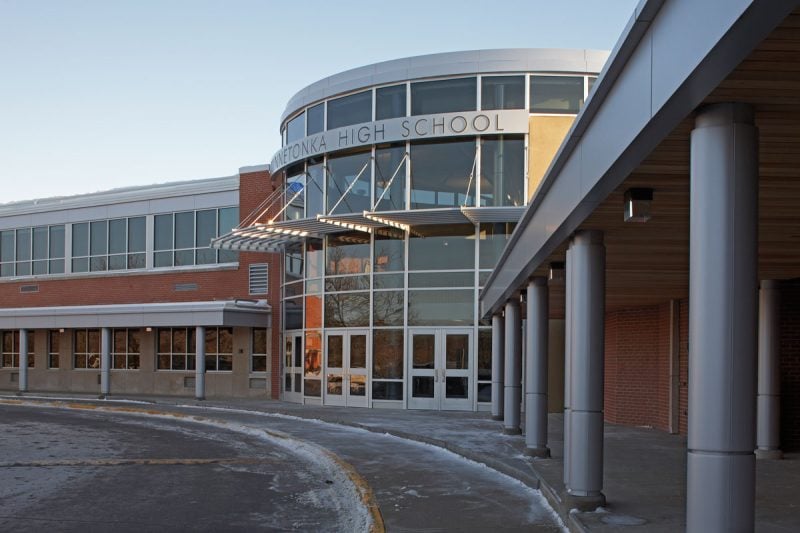
Minnetonka Public School District consistently ranks among the top-performing school systems in Minnesota. The district serves over 11,000 students across 10 communities, including Minnetonka, Chanhassen, Eden Prairie, and Shorewood.
For the 2025-26 school year, the district operates 13 public schools with an average testing ranking of 10/10, placing it in the top 1% of public schools statewide. This performance reflects strong academic achievement in both math and reading proficiency.
The district ranks better than 97.3% of school districts in Minnesota according to recent evaluations. If you’re considering moving to the area, you’ll find schools that maintain high standards across elementary, middle, and high school levels.
Minnetonka’s reputation extends beyond state borders, earning recognition as one of the top-performing districts nationally. Your children would have access to quality education in a well-established system.
2. Edina Public Schools
Edina Public Schools consistently ranks among Minnesota’s top-performing districts. The district serves over 8,000 students across multiple schools, including elementary, middle, and high schools.
You’ll find the district maintains an impressive 10/10 testing ranking, placing it in the top 5% of all public schools statewide. This performance reflects the district’s commitment to academic excellence and student achievement.
The district operates approximately 13-16 schools depending on the count of alternative programs. Your children would have access to well-resourced facilities and experienced educators throughout their academic journey.
Edina’s schools benefit from strong community support and funding, which translates into quality educational programs. The district’s reputation attracts families seeking high-caliber public education in the Minneapolis metropolitan area.
If you’re considering relocating to Minnesota for educational opportunities, Edina Public Schools offers a proven track record of student success.
3. Wayzata Public Schools
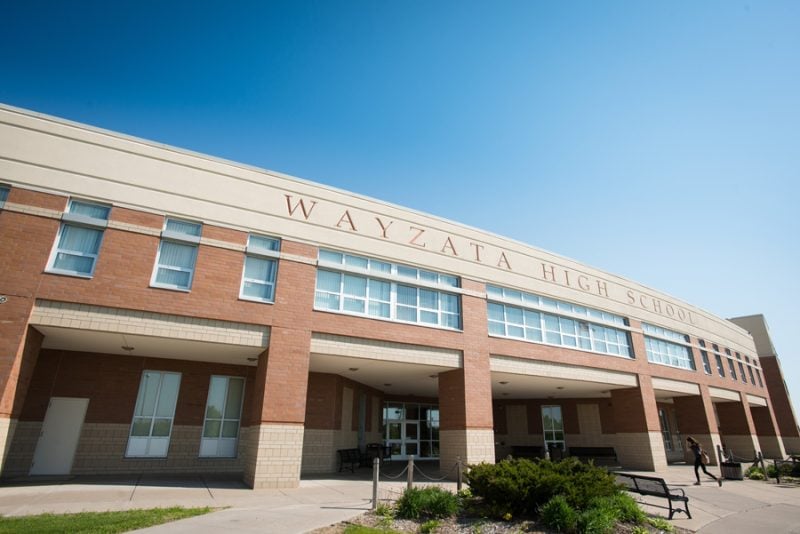
Wayzata Public Schools has earned recognition as the top-ranked school district in Minnesota for 2026, according to Niche’s annual rankings. This marks the third consecutive year the district has held this prestigious position.
The district serves approximately 12,465 students across 18 public schools for the 2025-26 school year. You’ll find that Wayzata’s average testing ranking stands at 10/10, placing it in the top 1% of public schools statewide.
Located primarily in Plymouth, the district has demonstrated consistent academic excellence. Wayzata improved its position by jumping two slots in recent statewide rankings, now performing better than 96.4% of districts in Minnesota.
The district maintains a strong reputation among parents and students, reflected in its high Niche rating of 4.1 stars from user reviews.
4. Eden Prairie School District
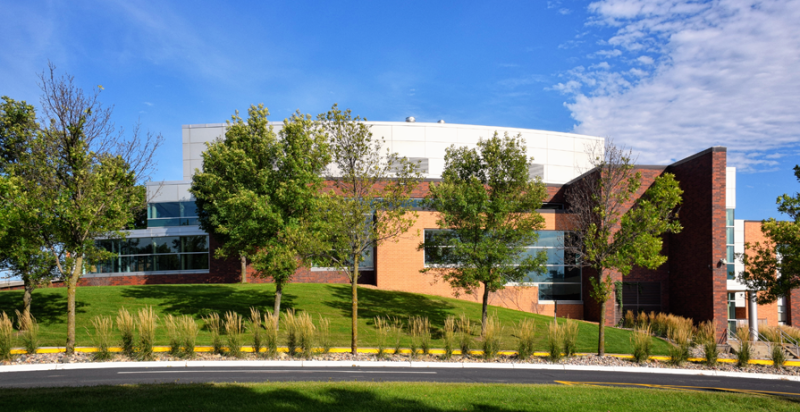
Eden Prairie School District consistently ranks among Minnesota’s top-performing districts. The district maintains an A+ overall grade from Niche and ranks better than 93.5% of districts statewide.
Eden Prairie High School earned recognition as the #2 public high school in Minnesota and placed in the top 1.4% nationally. The district excels across multiple categories, including academics, college preparation, clubs and activities, and sports programs.
When you’re evaluating school districts, Eden Prairie stands out for its comprehensive educational approach. The district serves students across multiple well-regarded elementary and middle schools, including Oak Point Elementary and Prairie View Elementary.
Recent rankings show the district jumped 40 positions in statewide assessments, demonstrating continued improvement and commitment to educational excellence. You’ll find strong programs that prepare students for post-secondary success.
5. Orono Public Schools
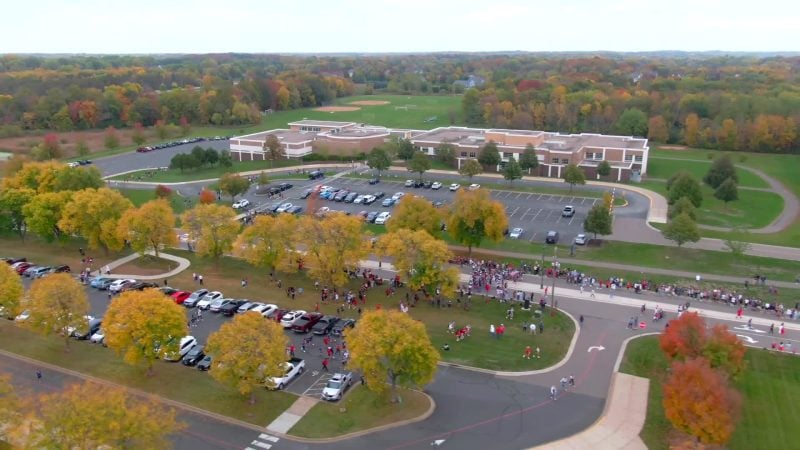
Orono Public School District serves 2,946 students across six public schools in the Long Lake area. The district ranks in the top 5% of Minnesota public schools with an impressive 10/10 average testing ranking.
Recently, Orono jumped five positions in statewide rankings and now performs better than 98.4% of districts across Minnesota. This upward trajectory reflects the district’s commitment to academic excellence and student achievement.
You’ll find that Orono’s schools excel at college preparation, with programs designed to help students enroll in and persist through higher education. The district has earned recognition for its success in serving students from various backgrounds.
If you’re considering Orono Public Schools for your family, you can expect a highly-ranked district with strong academic performance and a proven track record of preparing students for future success.
6. Roseville Area Schools
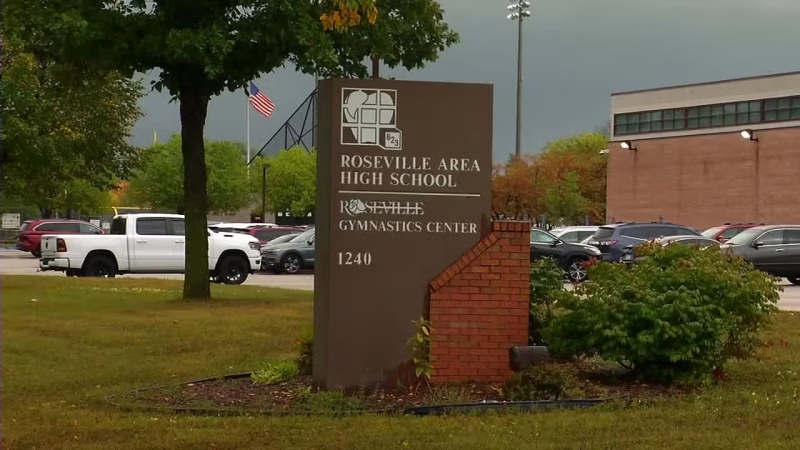
Roseville Area Schools operates as an independent district serving over 7,000 students across multiple grade levels. The district includes 17 public schools that provide educational services throughout the Roseville community.
Recent performance data shows the district ranks in the top 50% of Minnesota school districts, with an average testing ranking of 6 out of 10. This places Roseville Area Schools above half of the state’s public school districts in academic performance measures.
The district has shown improvement in recent statewide rankings, moving up 20 positions compared to previous years. You’ll find a range of educational options within the district, from elementary through high school programs.
Roseville Area Schools maintains a focus on student achievement through standardized testing and district-wide academic initiatives. The district serves families in the Roseville area with accessible public education options.
7. Stillwater Area Public Schools
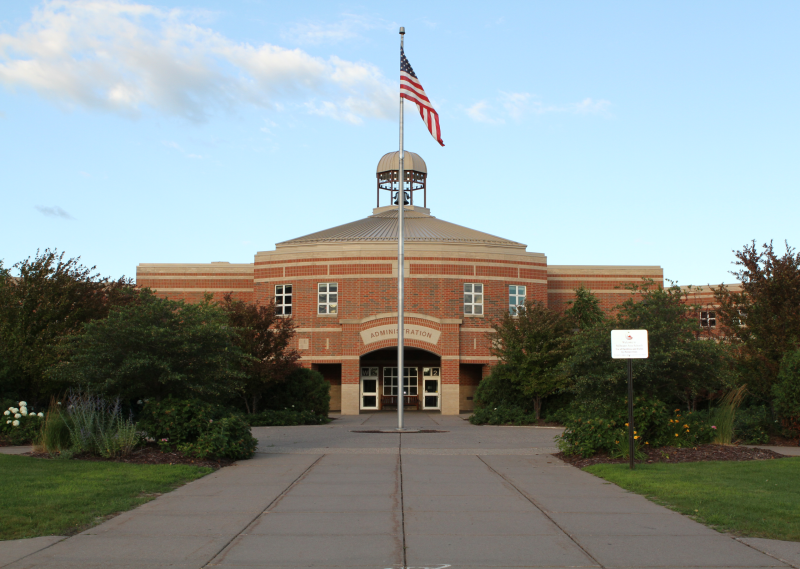
Stillwater Area Public Schools serves as one of Minnesota’s most respected districts, consistently earning recognition for academic achievement. The district ranks 28th statewide and operates 15 schools across the region, including 9 elementary schools, 2 middle schools, 3 high schools, and 1 alternative school.
You’ll find that Stillwater offers comprehensive educational programming from preschool through 12th grade. The district’s schools regularly demonstrate strong test scores and maintain high standards across all grade levels.
If you’re considering this district, you should know that elementary school boundaries are changing for the 2026-27 school year. The Stillwater community takes education seriously, and the district’s standing among Minnesota’s top 30 school districts reflects its commitment to student success and educational excellence.
8. Hopkins Public Schools
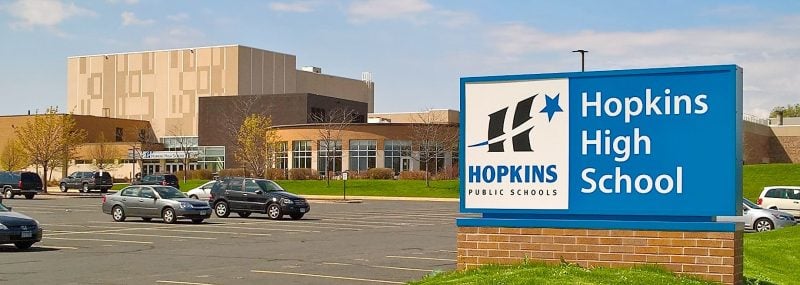
Hopkins Public Schools serves nearly 7,000 students across 15 schools in the Hopkins area. The district includes 9 elementary schools, 2 middle schools, 3 high schools, and 1 alternative school.
The district’s average testing ranking places it in the top 50% of Minnesota public schools. You’ll find notable variation in academic performance across different schools within the district.
Hopkins focuses on preparing students for complex global challenges through collaborative learning approaches. The district serves students from birth through age 21, offering comprehensive educational programming.
If you’re considering Hopkins Public Schools, you should research individual schools within the district. Performance differences between schools mean your specific neighborhood assignment will significantly impact your child’s educational experience.
9. Shakopee Public Schools
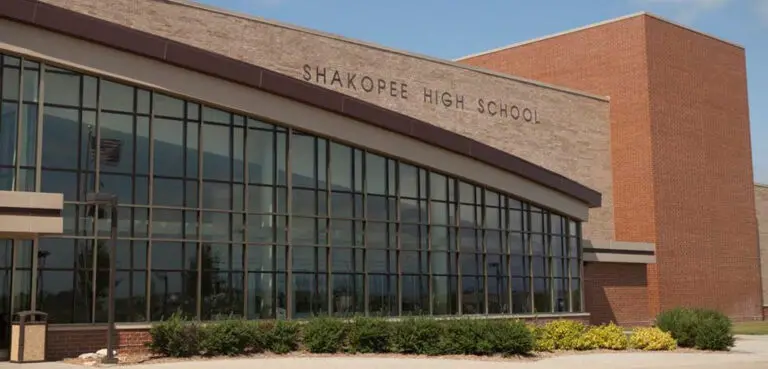
Shakopee Public Schools serves one of the fastest-growing suburbs in the Twin Cities area. The district educates nearly 8,000 students across the cities of Shakopee, Savage, and Prior Lake, along with several surrounding townships.
With 14 public schools operating for the 2025-26 school year, the district maintains a testing ranking in the top 30% of Minnesota public schools. You’ll find 6 elementary schools, 3 middle schools, and 3 high schools available to families in the area.
The district operates over 11 buildings spanning more than 350 acres of land and employs over 1,000 dedicated staff members. If you’re considering schools in this rapidly developing region, Shakopee Public Schools offers a comprehensive educational system designed to meet the needs of its expanding community.
10. Anoka-Hennepin School District
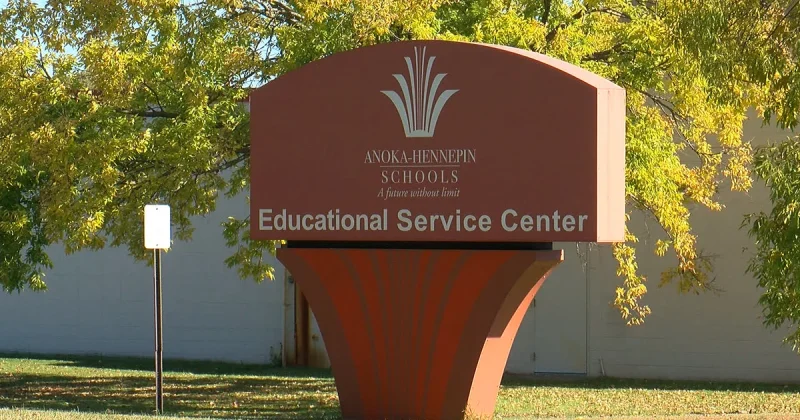
Anoka-Hennepin School District serves 13 communities northwest of Minneapolis and Saint Paul, including Anoka, Champlin, and Coon Rapids. The district also covers portions of Andover, Blaine, Brooklyn Center, Brooklyn Park, Dayton, Fridley, Ham Lake, Nowthen, Oak Grove, and Ramsey.
You’ll find this district ranks better than 63% of Minnesota school districts. The system provides educational services across multiple grade levels, from elementary through high school.
When you’re considering schools in this area, you can access information about graduation rates and college readiness data for the high schools. The district emphasizes preparing students for their future through various academic programs.
District staff work to serve the diverse communities within their boundaries. If you live in any of the 13 communities served, your children would attend Anoka-Hennepin schools.
11. Prior Lake-Savage Schools
Prior Lake-Savage Area Schools serves approximately 8,777 students across 13 schools in grades K-12. The district distinguishes itself as Minnesota’s first district-wide E-STEM schools, integrating environmental education with science, technology, engineering, and math through hands-on projects.
Your children will benefit from the district’s strong academic performance, with an average testing ranking of 10/10, placing it in the top 10% of Minnesota public schools. Prior Lake High School ranks 15th among the state’s best high schools according to recent rankings.
The district serves residents in the Prior Lake and Savage areas, with a student body that includes 30% minority enrollment. You’ll find comprehensive programming from early childhood through adulthood, ensuring educational opportunities for your entire family throughout different life stages.
12. Rochester Public Schools
Rochester Public Schools serves approximately 17,500 students across pre-kindergarten through grade 12, making it the seventh largest district in Minnesota. The district spans 218 square miles, primarily covering Olmsted County with extensions into Wabasha County.
You’ll find 43 schools within the district, including 24 elementary schools, 6 middle schools, 11 high schools, and 2 alternative schools. This variety gives your family multiple educational options to consider.
The district offers both traditional public schools and specialized programs to meet diverse student needs. Top-ranked schools in the district include Folwell Elementary School, Jefferson Elementary School, and Montessori At Franklin Elementary School.
If you’re looking for a large district with extensive resources and program variety in southeastern Minnesota, Rochester Public Schools provides a comprehensive educational system for your children.
13. Apple Valley Schools
Apple Valley students attend schools within the Rosemount-Apple Valley-Eagan school district, also known as Independent School District 196. The district ranks 108 out of 446 in Minnesota and holds a 4 out of 5-star rating from SchoolDigger.
You’ll find 19 schools serving Apple Valley students from elementary through high school. The district includes multiple elementary schools, middle schools, and Apple Valley High School, which was established in 1976.
The area offers both public and private school options for your family. Schools in Apple Valley have received positive ratings across various metrics and maintain a solid reputation throughout the region.
District 196 serves the broader southern Twin Cities metro area. Your children will have access to programs focused on academics, arts, and athletics as they progress through their education in this well-established school system.
14. St. Louis Park Public Schools
St. Louis Park Public Schools serves 4,347 students across 13 public schools for the 2025-26 school year. The district’s testing ranking places it in the top 50% of Minnesota public schools, with an average score of 6 out of 10.
When you compare this district to others statewide, it ranks better than 72.6% of Minnesota districts. You’ll find a complete K-12 system here, including elementary, middle, and high school options for your family.
The district operates within the Twin Cities metropolitan area, giving you access to urban amenities while maintaining a focused educational community. St. Louis Park’s schools have been evaluated by multiple ranking organizations, providing you with various perspectives on academic performance and student outcomes.
If you’re considering this district, you’ll want to review individual school ratings within the system to find the best fit for your student’s needs.
15. Mounds View Public Schools
Mounds View Public Schools serves over 11,300 students across seven communities just nine miles north of downtown Minneapolis and St. Paul. The district operates 27 schools, including two kindergarten centers, six elementary schools, three middle schools, and two high schools.
You’ll find a student-teacher ratio of 16 to 1, which supports personalized attention for your children. The district ranks in the top 20% of Minnesota public schools, with 60% of students achieving proficiency in reading and 55% in math according to state assessments.
The district employs more than 1,400 staff members who serve students from Arden Hills, Mounds View, New Brighton, North Oaks, Roseville, Shoreview, and Vadnais Heights. This makes it among the largest school districts in Minnesota, offering comprehensive educational resources and programs for your family.
16. Brooklyn Park Schools
Brooklyn Park operates under three separate school districts: Osseo 279, Anoka-Hennepin 11, and Robbinsdale 281. This arrangement gives you multiple educational options within the city limits.
The city serves students through 29 schools total, including 17 elementary schools, 5 middle schools, and 5 high schools. You’ll find both traditional and alternative educational models available.
Park Center Senior High School stands out for its International Baccalaureate and AVID programs. Brooklyn Junior High School has developed a reputation for its diverse student body and solid academic offerings.
School performance varies across the districts, with some schools exceeding state averages while others face challenges. The average student-to-teacher ratio sits at 20:1. You can research specific schools using the interactive school map available through the city’s resources to find the best match for your family’s needs.
17. Coon Rapids School District
Coon Rapids schools primarily fall under the Anoka-Hennepin School District 11, which serves 13 communities in the northwest Minneapolis-Saint Paul area. The district ranks 160 out of 463 districts statewide.
You’ll find 17 schools serving Coon Rapids students, including 8 elementary schools, 2 middle schools, 6 high schools, and 1 alternative school. The area also has 3 private schools available.
The average proficiency score for schools in Coon Rapids is approximately 49%. This positions the district in the middle range compared to other Minnesota school districts.
If you’re considering Coon Rapids, you should know that while public schools are located within city limits, they belong to districts headquartered in other communities. The Anoka-Hennepin district serves all of Coon Rapids along with neighboring areas like Anoka and Champlin.
18. Burnsville-Eagan-Savage Schools
Burnsville-Eagan-Savage School District 191 serves students across Burnsville and portions of Eagan and Savage. The district operates approximately 20 public schools, including elementary, middle, and high schools, serving over 7,500 students.
You’ll find that the district maintains a testing ranking of 3-4 out of 10 compared to other Minnesota public schools. Math proficiency rates stand at 31%, while reading proficiency reaches 40%, both below the state averages of 45% and 51% respectively.
The district positions itself as future-forward, focusing on creating barrier-free pathways for learning throughout the community. Your children would have access to various programs and services designed to support lifelong learning.
District 191 ranks 334 out of 446 districts statewide and holds a 1-star rating from SchoolDigger, placing it in the bottom half of Minnesota school districts based on overall performance metrics.
19. Lakeville Area Schools
Lakeville Area Schools serves over 12,000 students in Lakeville and surrounding communities including parts of Burnsville, Elko New Market, and Eureka. The district operates 20 public schools and consistently ranks in the top tier of Minnesota school districts.
You’ll find the district’s average testing ranking is 10/10, placing it in the top 10% of public schools statewide. The community shows strong support for the district, with 90% of survey respondents rating it as good or excellent.
Parents and residents frequently cite quality teachers, diverse program offerings, and strong academics and athletics as key strengths. The district serves the south metropolitan area of Minneapolis/St. Paul and has earned recognition as an award-winning public school system.
If you’re considering Lakeville Area Schools for your family, you’ll find good communication and a student-focused approach among the district’s notable features.
20. Farmington Area Public Schools
Farmington Area Public Schools ISD 192 serves the southern suburbs of the Twin Cities with a pre-K-12 education system that balances traditional values with modern teaching approaches. The district operates 12 public schools serving approximately 6,630 students.
You’ll find the district’s average testing ranking sits at 6/10, placing it in the top 50% of Minnesota public schools. Standout schools include Meadowview Elementary and Levi P. Dodge Middle School, which consistently demonstrate strong academic performance.
The district has transitioned from its agricultural roots to serve a growing suburban community. This evolution has shaped its educational programs while maintaining connections to the area’s heritage.
Your children will have access to 5 elementary schools, 2 middle schools, and 1 high school within the district. Academic performance varies across campuses, giving you options to consider based on your family’s specific needs.
21. White Bear Lake Area Schools
White Bear Lake Area Schools serves approximately 8,012 students across 26 public schools in the 2025-26 school year. The district has established itself as a strong performer in Minnesota, with an average testing ranking of 9/10, placing it in the top 20% of public schools statewide.
When you explore this district, you’ll find educators focused on preparing students through communication, collaboration, creativity, and critical thinking. The schools emphasize both honoring educational traditions and adapting to future needs.
The district’s high schools have earned recognition for their college preparation programs. You’ll notice particular strength in helping students transition to and persist in higher education. White Bear Lake Area Schools maintains its commitment to educational excellence while serving the community’s diverse learning needs.
22. Mahtomedi School District
Mahtomedi Public School District serves approximately 3,194 students across six public schools for the 2025-26 school year. The district operates two elementary schools, one middle school, one high school, and specialized programs including early childhood education and a transitions program.
The district has earned recognition for its academic performance, with an average testing ranking of 10/10. This places Mahtomedi in the top 5% of public schools across Minnesota.
Recent rankings show the district has improved its position, jumping four slots in statewide comparisons. Mahtomedi now ranks better than 97.8% of school districts in the state.
If you’re looking for strong academic outcomes, this district consistently receives recognition at both state and national levels. The schools emphasize college preparation, with programs designed to help students succeed in higher education.
23. St. Francis School District
St. Francis Area Schools serves approximately 4,236 students across 15 public schools in the district. The district’s average testing ranking places it in the middle tier of Minnesota public schools, with recent performance data showing room for growth in standardized assessments.
Located in the St. Francis area, this district has shown positive momentum in recent rankings. According to current evaluations, St. Francis Area Schools ranks better than 59.4% of districts statewide and has made notable improvements by jumping 31 positions in Minnesota’s district rankings.
If you’re considering this district for your family, you’ll find a mid-sized school system that serves the local community. The district provides standard educational programming across elementary, middle, and high school levels for students in the St. Francis region.
24. Maple Grove Schools
Maple Grove students are served by two school districts, with the majority attending schools in the Osseo Public School District 279. The area includes 15 schools total, comprising 10 elementary schools, 2 middle schools, and 3 high schools.
The Osseo district provides a supportive learning environment for students across multiple communities, including Maple Grove, Osseo, Brooklyn Park, and Plymouth. Several schools in Maple Grove have earned recognition for strong academic performance, with institutions like Rush Creek Elementary and Basswood Elementary ranking among the top-rated schools in the area.
Your children will find diverse educational options here, including traditional public schools and charter alternatives. The district serves students from various socioeconomic backgrounds and offers online learning through 279Online for Minnesota residents seeking K-12 virtual education.
25. Fridley Public Schools
Fridley Public Schools serves approximately 2,633 students across 11 public schools in the district for the 2025-26 school year. The district operates multiple elementary schools, middle schools, and high schools to accommodate students from prekindergarten through 12th grade.
The district holds a unique distinction as the first and only school district in Minnesota to provide the full International Baccalaureate Programme Continuum. This means your child can access IB programs including PYP, MYP, DP, and CP from prekindergarten through grade 12.
The district’s average testing ranking places it in the bottom 50% of public schools in Minnesota with a 3/10 rating. However, the district maintains its commitment to providing an equitable and inclusive education in a welcoming environment for all students in the community.
26. Columbia Heights Public Schools
Columbia Heights Public Schools serves the communities of Columbia Heights, South Fridley, and Hilltop, located directly north of Minneapolis. The district operates 11 public schools with approximately 3,400 students enrolled for the 2025-26 school year.
You’ll find the district includes three elementary schools, one middle school, and four high schools. The schools serve a small but diverse student population across these northern Minneapolis suburbs.
The district neighbors Fridley, St. Anthony, and New Brighton, making it accessible to families in multiple surrounding communities. Columbia Academy, Columbia Heights High School, and Valley View Middle School are among the district’s main institutions.
If you’re considering schools in this area, you should know that the district faces performance challenges compared to other Minnesota school districts. Current rankings place it lower among state districts based on standardized testing results.
27. Champlin Park Schools
Champlin Park Schools operates within the Anoka-Hennepin Independent School District, serving the Champlin community with multiple educational facilities. The district includes three elementary schools, one middle school, and Champlin Park High School, providing education from kindergarten through 12th grade.
Schools in Champlin have an average ranking of 8/10, placing them in the top 30% of Minnesota public schools. The district’s academic performance shows a 51% score compared to the state average of 46% for public schools.
You’ll find specialized programs like the Champlin-Brooklyn Park Academy for Math and Environmental Science, which offers focused curriculum options. Jackson Middle School serves as the primary intermediate educational institution before students transition to high school.
The district emphasizes data-driven education and maintains transparency through accessible performance metrics. These schools provide your family with solid educational options in the northern Twin Cities metropolitan area.
28. South Washington County Schools
South Washington County Schools serves communities southeast of St. Paul, including Woodbury, Cottage Grove, Newport, and St. Paul Park. The district operates approximately 29 schools across all grade levels, educating around 19,360 students.
You’ll find strong academic performance throughout the district, with an average testing ranking in the top 20% of Minnesota public schools. The district offers specialized programs like the Engineering and Computer Science Pathway at East Ridge High School for students pursuing STEM careers.
Your children will benefit from College in Schools opportunities through partnerships with local universities. The district’s mission focuses on preparing students for future success through comprehensive educational programming.
If you’re looking for a suburban district with consistent academic achievement, South Washington County Schools provides quality education with diverse program offerings across its 29 campuses.
29. Washburn Schools
Washburn High School operates as part of the Minneapolis Public School District, serving approximately 1,555 students in grades 9-12. The school ranks within the top 30% of all public schools in Minnesota, reflecting its solid academic standing in the state.
As an International Baccalaureate World School, Washburn offers you multiple pathways to earn college credit through IB, Advanced Placement, and College in the Schools programs. Your student can also access Post-Secondary Enrollment Options if they want to take college courses while in high school.
The school maintains a diverse student population, with 44% minority enrollment. You’ll find comprehensive extracurricular opportunities available, including visual and performing arts programs and a full range of athletic teams that accommodate students at all skill levels.
30. Mankato Area Public Schools
Mankato Area Public Schools serves over 8,000 students across 25 public schools in south-central Minnesota. The district operates 11 elementary schools, 2 middle schools, 3 high schools, and 4 alternative schools.
You’ll find that the district’s average testing ranking places it in the top 20% of public schools statewide. The schools serve students from diverse socioeconomic backgrounds across the Mankato area.
The district recently received a clean audit with no findings, demonstrating strong financial management. Your children will have access to various educational programs tailored to different learning needs and goals.
The school board actively invests in facilities, recently approving construction and infrastructure projects to maintain quality learning environments. If you’re considering Mankato Area Public Schools, you’ll find a system committed to serving its student population through both academic programs and facility improvements.
What Defines a Top School District in Minnesota?
Top Minnesota school districts demonstrate excellence through measurable academic outcomes, comprehensive support systems for diverse learners, and robust programs that extend beyond traditional classroom instruction.
Academic Performance Metrics
State standardized test scores in math and reading form the foundation of district rankings in Minnesota. Districts earn recognition when their schools consistently place in the top percentiles statewide on these assessments.
Graduation rates provide another critical measure of district quality. You’ll find that leading districts maintain rates well above the state average while also tracking college readiness indicators.
Key performance indicators include:
- Math and reading proficiency percentages
- Year-over-year academic growth trends
- AP course offerings and exam participation rates
- ACT/SAT average scores
- Four-year graduation rates
Teacher quality metrics factor significantly into district evaluations. This encompasses educator experience levels, advanced degree attainment, and professional development investments that districts make in their staff.
Student Support Services
Strong school districts provide targeted interventions for struggling students through reading specialists, math tutors, and academic coaches. These resources ensure students at all performance levels receive appropriate assistance.
Special education programs in top districts offer comprehensive services that meet individualized education plan requirements. You’ll notice these districts maintain lower student-to-specialist ratios for counselors, psychologists, and social workers.
Mental health support has become increasingly important in district evaluations. Leading districts employ full-time counselors and partner with community mental health organizations to address student wellbeing.
English language learner programs demonstrate a district’s commitment to serving diverse populations. Quality districts provide ESL instruction, bilingual staff, and cultural integration support for immigrant families.
Extracurricular and Enrichment Opportunities
Athletic programs in premier districts span multiple sports across all grade levels with competitive teams and quality facilities. Participation rates and state championship appearances reflect program strength.
Fine arts offerings distinguish exceptional districts through comprehensive music, theater, and visual arts curricula. You’ll find these programs include concert bands, orchestras, choirs, drama productions, and art studios with dedicated instructors.
STEM enrichment programs provide robotics clubs, coding classes, science olympiad teams, and maker spaces. Advanced students access these opportunities alongside regular coursework to develop specialized skills.
Academic competition teams in debate, quiz bowl, math league, and mock trial give students intellectual challenges beyond standard curriculum. Top districts fund these activities and provide coaching staff to support student participation.
Factors Influencing Minnesota School District Rankings
School district rankings in Minnesota depend on measurable academic outcomes and the structural support systems that enable student success. The strength of community partnerships and strategic resource distribution directly shape educational quality across the state’s districts.
Community Involvement and Parental Engagement
Active participation from families and community members creates a foundation for student achievement in Minnesota schools. Districts that foster strong parent-teacher communication networks typically see higher test scores and improved graduation rates. Your involvement in school board meetings, volunteer programs, and parent-teacher organizations influences policy decisions and classroom resources.
Research shows that students whose parents regularly engage with teachers and monitor academic progress demonstrate better attendance and higher college readiness scores. Minnesota districts with established volunteer programs benefit from additional classroom support, tutoring services, and extracurricular activity supervision. These partnerships extend beyond individual families to include local businesses, nonprofits, and community organizations that provide mentorship opportunities and career exposure.
Key engagement indicators include:
- Parent attendance at school conferences and events
- Volunteer hours contributed annually
- Active participation in district decision-making processes
- Community partnership programs with local organizations
Funding and Resources Allocation
Financial resources determine the breadth and quality of educational offerings available to students in your district. Minnesota allocates funding through a combination of state aid, local property taxes, and federal grants, creating significant variation between districts. Your district’s per-pupil spending directly affects teacher salaries, classroom technology, facility maintenance, and specialized program availability.
Districts that strategically allocate resources toward teacher professional development and updated instructional materials often achieve higher state test scores. The distribution of funds impacts class sizes, access to advanced placement courses, and support services for students with special needs. Wealthy districts typically generate more local revenue through property taxes, enabling enhanced facilities and expanded programming options.
Property values in your area influence the local tax base available for school funding. This creates disparities where districts in affluent communities can invest more in arts programs, athletic facilities, and counseling services compared to districts in lower-income areas.