
The 30 Cheapest Places to Live in the U.S. for Maximum Savings
Finding an affordable place to live has become increasingly important as housing costs continue to rise across the United States.
While major metropolitan areas often dominate headlines for their high living expenses, numerous cities throughout the country offer significantly lower costs of living without sacrificing essential amenities and opportunities.
The most affordable cities in America are primarily located in the Midwest and South, where housing costs consume less than 30% of a typical household’s budget.
These cities span from established industrial centers to emerging urban areas, each offering unique advantages such as job opportunities, cultural attractions, and quality healthcare systems.
Understanding which locations provide the best value requires examining factors beyond simple housing prices, including transportation costs, local job markets, and overall quality of life indicators.
Here are the 30 cheapest places to live in the U.S.
1. Detroit, Michigan
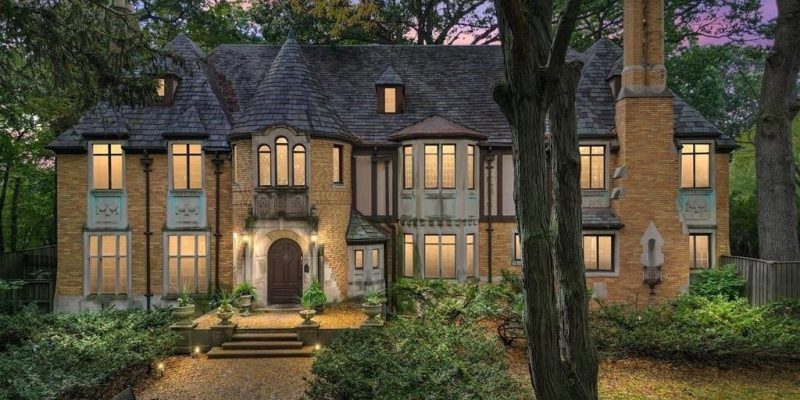
Detroit offers some of the lowest housing costs among major American cities. The median home value remains significantly below the national average.
Neighborhoods like Eliza Howell and Kranz Woods represent the most affordable areas within the city limits. These areas provide entry-level housing options for budget-conscious residents.
The city’s cost of living extends beyond housing to include lower prices for utilities and everyday goods. Transportation costs also remain reasonable compared to other metropolitan areas.
Detroit’s affordable suburbs like Romulus offer additional options for those seeking lower expenses. These areas maintain proximity to the city while providing even more budget-friendly housing markets.
The combination of low property values and reduced living expenses makes Detroit attractive for residents prioritizing affordability. Young professionals and families can find housing options that fit tight budgets while accessing urban amenities.
2. Cleveland, Ohio
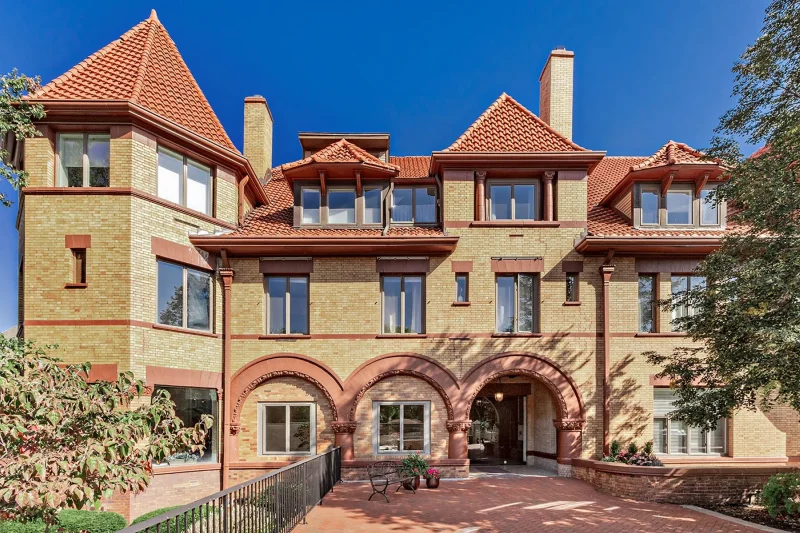
Cleveland stands out as one of America’s most affordable major cities. The median home price remains significantly below the national average, making homeownership accessible for many residents.
The city’s low cost of living extends beyond housing. Utilities, groceries, and transportation costs are notably lower than most metropolitan areas across the country.
Cleveland’s surrounding suburbs offer even more affordable options. Garfield Heights ranks as the most affordable suburb, featuring some of the cheapest homes in the region.
The Industrial Valley and North Broadway neighborhoods represent Cleveland’s most budget-friendly areas. These neighborhoods provide affordable housing options for renters and first-time buyers.
Cleveland’s job market includes healthcare, manufacturing, and education sectors. The presence of major employers helps maintain economic stability while keeping living costs reasonable for residents.
3. Memphis, Tennessee
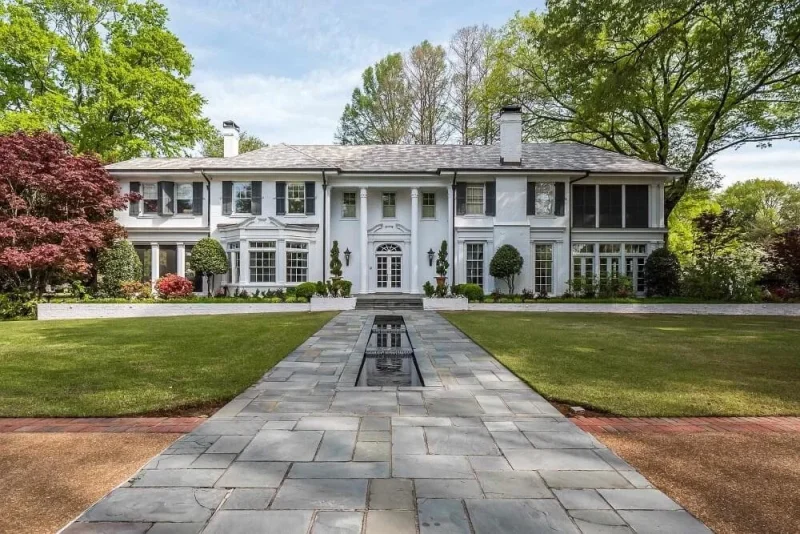
Memphis stands out as one of America’s most affordable major cities in 2025. The median home price sits at $186,591, significantly below Tennessee’s state average of $218,916.
Renters find competitive rates with average monthly costs around $1,031 to $1,160. This represents stable pricing compared to national trends.
Several neighborhoods offer particularly budget-friendly options. Berclair-Highland Heights and White Haven-Coro Lake rank among the cheapest areas in the city.
Additional affordable neighborhoods include Canada Gardens, Vaughn Village, and Whitehaven Gardens. These areas provide some of the lowest rental prices throughout Memphis.
The city’s cost of living extends beyond housing to include reasonable expenses for daily necessities. Memphis consistently ranks as a top choice for families seeking affordable living without sacrificing urban amenities.
Rural areas surrounding Memphis offer even lower costs for those willing to live outside the city center.
4. Wichita, Kansas
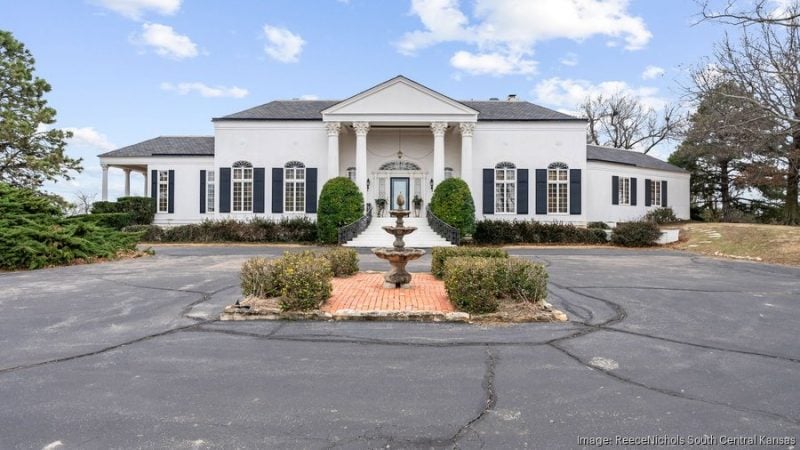
Wichita ranks third among the cheapest places to live in the United States. The city offers significantly lower housing costs compared to most major American cities.
The median home price in Wichita sits at $174,578, which falls below Kansas’s state average of $185,150. Average monthly rent costs $1,011, making housing accessible for many residents.
The South Area and Macdonald neighborhoods represent the most affordable options within the city. These areas provide budget-conscious residents with additional savings on housing expenses.
Wichita’s low cost of living extends beyond housing to include groceries, healthcare, and other daily expenses. Residents often find their money stretches further compared to other metropolitan areas.
The city’s affordability makes it attractive for families, young adults, and retirees seeking to reduce their living expenses without sacrificing urban amenities.
5. Tulsa, Oklahoma
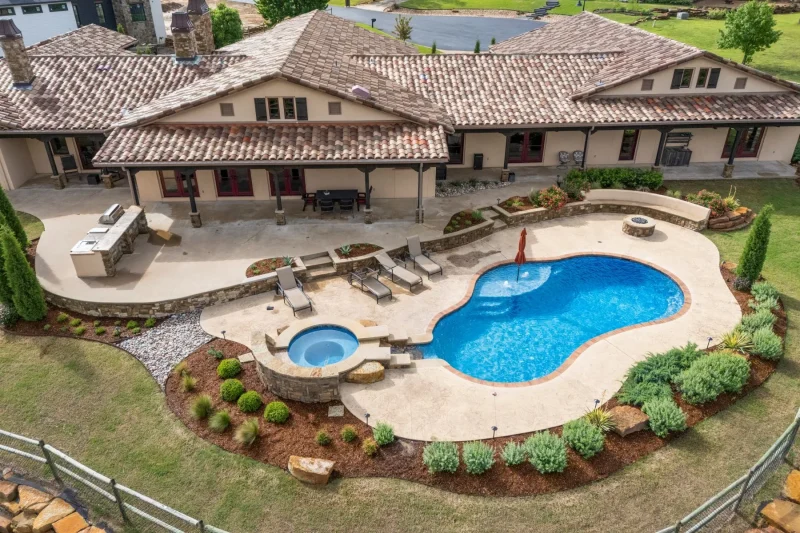
Tulsa offers affordable living costs that attract residents seeking value in the Midwest. The median home price sits at $174,753, which remains reasonable compared to national averages.
Monthly rent averages $995 throughout the city. This makes Tulsa accessible for both renters and potential homebuyers.
Nearly 43% of residents own their homes outright. Another 30% choose to rent, creating a balanced housing market.
The cost of living in Tulsa stays below many metropolitan areas. Housing costs drive much of this affordability advantage.
Tulsa provides urban amenities without the premium prices found in larger cities. The combination of reasonable housing costs and steady employment opportunities makes it attractive for families and young professionals.
The city’s housing market offers options across different income levels. Both established neighborhoods and developing areas provide affordable choices for residents.
6. Knoxville, Tennessee
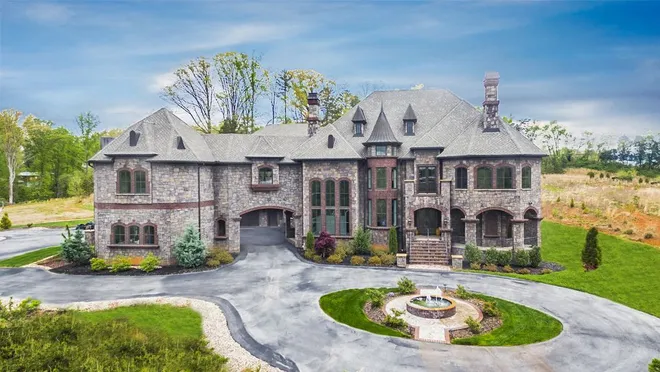
Knoxville offers affordable living in eastern Tennessee with a median home price of $221,783. The city combines Southern charm with college town energy from the University of Tennessee.
Rent averages $974 per month throughout the metro area. Several neighborhoods provide budget-friendly options for residents seeking lower housing costs.
Parkridge and Beaumont rank as the cheapest neighborhoods within Knoxville proper. These areas offer accessible housing without sacrificing basic amenities.
The surrounding suburbs present additional affordable alternatives. Rural areas outside the city center typically feature the lowest overall living costs.
Knoxville provides outdoor recreation opportunities in the nearby Smoky Mountains. The city maintains a lower cost of living compared to many metropolitan areas while offering urban conveniences.
7. Birmingham, Alabama
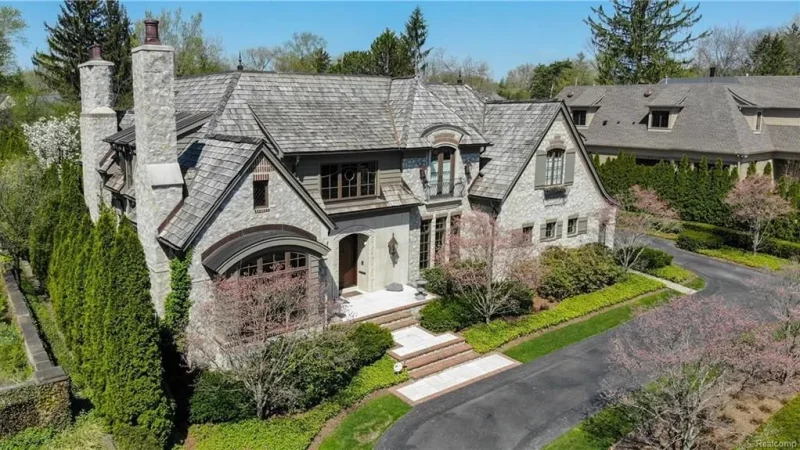
Birmingham offers an attractive combination of affordable living and urban amenities. The median home price sits at just $127,795, making homeownership accessible for many residents.
The city features a diverse job market with opportunities in healthcare, education, and technology sectors. This economic variety provides stability for residents across different career paths.
Housing costs remain well below national averages throughout Birmingham’s neighborhoods. Renters and buyers can find options that fit modest budgets while still accessing city conveniences.
Birmingham’s cost of living extends beyond housing to include reasonable prices for groceries, utilities, and transportation. Daily expenses typically run lower than in major metropolitan areas.
The city combines Southern charm with modern infrastructure. Residents enjoy cultural attractions, dining options, and entertainment venues without paying premium prices found in larger cities.
8. Buffalo, New York
Buffalo offers affordable living costs compared to other major cities in New York State. The median home price sits at $174,910, significantly lower than the state average of $481,023.
Rental costs remain reasonable with an average monthly rent of $951. This makes Buffalo accessible for both renters and potential homebuyers.
The city features several neighborhoods with varying affordability levels. Cold Spring and South Abbott rank among the most budget-friendly areas for residents.
Western New York generally provides lower living expenses than downstate regions. Buffalo maintains this trend while offering urban amenities and cultural attractions.
Grocery costs and dining options remain affordable throughout the metropolitan area. The city’s food scene provides quality options without the premium prices found in larger cities.
Buffalo’s cost of living index reflects its position as one of New York’s more economical places to establish residence.
9. St. Louis, Missouri

St. Louis offers affordable living with a median home price of $224,013. The city ranks among the best places to live in the U.S. according to recent reports.
Several neighborhoods provide budget-friendly options. Kingsway West and Kingsway East are among the cheapest areas in the city.
Other affordable neighborhoods include Highview Acres, Oak Park, and North St. Louis City. These areas offer some of the lowest rent prices for budget-conscious residents.
The average rent in St. Louis is $1,077 per month. This makes it accessible for renters seeking affordable housing options.
Wood River, Illinois sits 15 miles from downtown St. Louis. This suburb offers a median home value of $88,500 with a median household income of $48,147.
St. Louis provides good quality of life and job market opportunities. The city combines affordability with livability for residents.
10. Des Moines, Iowa
Des Moines offers residents a cost of living that sits 13-15% below the national average. The city combines affordability with quality amenities and job opportunities.
Housing costs remain reasonable compared to other metropolitan areas. The median home price reaches $224,721, which exceeds Iowa’s state average but remains accessible for many buyers.
Rental markets provide budget-friendly options across the city. Average rent costs $1,055 monthly, with studios around $964 and one-bedroom apartments at $1,136.
Several neighborhoods stand out for their affordability. Garton West and McKinley School rank among the most budget-conscious areas for residents seeking lower housing costs.
The metro area attracts young professionals and families with its balanced lifestyle offerings. Core Logic ranked Des Moines as the top metro area for Generation Z homebuyers due to its combination of affordability and opportunity.
11. Dayton, Ohio
Dayton consistently ranks among America’s most affordable places to live. The city offers median home prices around $165,000, significantly below the national average.
Residents benefit from low housing costs and reasonable utility expenses. The median household income supports comfortable living given the area’s affordable pricing structure.
The city provides access to healthcare facilities and educational institutions. Job opportunities exist across manufacturing, healthcare, and service sectors.
Dayton’s location in southwestern Ohio offers proximity to major metropolitan areas. Residents can access larger cities while maintaining lower living costs.
Rental markets remain competitive with average costs under $1,000 monthly. The housing market provides options for both buyers and renters seeking affordability.
Neighborhoods like McCook Field and Arlington Heights offer particularly budget-friendly housing options. These areas maintain reasonable property values while providing basic amenities.
The city’s cost of living remains well below national averages across multiple categories including housing, transportation, and groceries.
12. Fort Wayne, Indiana
Fort Wayne stands out as one of the most affordable cities in the United States. The median home price sits at $171,863, which falls below Indiana’s state average of $175,617.
Residents pay an average of $1,015 per month for rent. This northeastern Indiana city combines small-town charm with urban conveniences at budget-friendly prices.
The city’s strong employment opportunities and booming economy contribute to its appeal. Fort Wayne maintains decent air quality and faces lower risks from natural hazards compared to many other areas.
With a population of approximately 260,000, Fort Wayne ranks as the 83rd largest American city. The community offers reasonable living costs across housing, goods, services, and utilities.
Recent studies consistently place Fort Wayne among the top five most affordable places to live nationwide. The city provides an attractive option for those seeking quality of life without high expenses.
13. Milwaukee, Wisconsin
Milwaukee offers affordable living in Wisconsin’s largest city. The median home price sits at $243,883, which remains reasonable for a major metropolitan area.
Rental costs average $1,108 per month citywide. This makes Milwaukee accessible for renters seeking urban amenities without premium pricing.
The city provides numerous affordable neighborhoods. Rufus King and Bradley Estates rank among the cheapest areas for housing costs.
Milwaukee’s cost of living stays below many comparable Midwest cities. Residents benefit from access to Lake Michigan, cultural attractions, and a strong job market.
The metropolitan area includes affordable suburbs like Racine. These nearby communities offer even lower housing costs while maintaining proximity to Milwaukee’s employment centers.
Wisconsin’s overall affordability enhances Milwaukee’s appeal. The state ranks well nationally for cost of living compared to income levels.
14. Omaha, Nebraska
Omaha offers affordable living costs compared to many major metropolitan areas across the United States. The median home price sits at approximately $220,072, which remains reasonable for a city of its size.
Monthly rent averages around $1,113, making housing accessible for many residents. The cost of living stays below national averages in most categories including transportation and utilities.
The city provides strong job opportunities across various industries including finance, healthcare, and agriculture. Major employers like Berkshire Hathaway and Union Pacific maintain headquarters in the area.
Residents enjoy access to cultural attractions, parks, and family-friendly activities throughout the metro area. The downtown district continues expanding with new developments and entertainment options.
Nebraska’s overall affordability extends to the Omaha region, where groceries and everyday expenses remain manageable for most households.
15. Rochester, New York
Rochester consistently ranks among America’s most affordable cities. The median home price sits at $164,984, significantly below New York’s state average of $481,023.
Average rent costs $1,042 monthly in Rochester. The overall cost of living averages $2,026 per month for residents.
Recent studies by Chapman University ranked Rochester as the second most affordable place to live globally. Buffalo also made the top ten on the same list.
The neighborhoods of Homestead Heights and Upper Falls offer the lowest housing costs in 2025. These areas provide budget-friendly options for new residents.
Rochester’s affordability stems from its reasonable housing market and lower living expenses compared to other New York cities. The city maintains quality amenities while keeping costs manageable for families and individuals.
16. Springfield, Missouri
Springfield offers affordable housing with a median home price of $156,426, well below Missouri’s state average of $194,908. The city provides good value for residents seeking lower living costs.
Average rent sits at $870 per month, making it accessible for renters. This pricing reflects the current real estate market conditions in the Springfield area.
The city maintains lower overall living expenses compared to many U.S. metropolitan areas. Housing costs remain the primary driver of Springfield’s affordability advantage.
Springfield combines reasonable cost of living with urban amenities. The city offers employment opportunities while maintaining budget-friendly housing options for families and individuals.
Located in southwestern Missouri, Springfield provides a balance of affordability and quality of life. Residents benefit from lower housing costs without sacrificing access to services and amenities.
17. Pittsburgh, Pennsylvania
Pittsburgh stands out as one of the most affordable major cities in the United States. The median home price sits at $197,494, which is lower than Pennsylvania’s state average of $222,630.
Renters find reasonable options with average monthly costs around $1,004. This makes Pittsburgh accessible for both homeowners and renters seeking affordable urban living.
The city benefits from Pennsylvania’s flat-rate income tax structure, which keeps state tax burdens relatively low for all residents. This tax advantage adds to the overall affordability.
Pittsburgh’s cost of living extends beyond housing to include reasonable prices for utilities, food, and healthcare. The further residents live from the city center, the more affordable their lifestyle becomes.
The neighborhoods of Marshall-Shadeland and Lincoln Place rank among the cheapest areas within Pittsburgh for 2025.
18. Indianapolis, Indiana
Indianapolis offers affordable living costs that remain below many major metropolitan areas. The city provides urban amenities while maintaining reasonable housing prices.
Residents benefit from Indiana’s cost of living that sits 12% below the national average. The median household income hovers around $70,000, creating favorable earning-to-expense ratios.
Housing costs vary significantly between downtown and suburban areas. Downtown living commands higher prices, but nearby suburbs offer substantial savings without sacrificing city access.
Property taxes in Indianapolis remain lower than national averages. This provides additional financial relief for homeowners and contributes to the city’s overall affordability.
The surrounding suburbs present numerous budget-friendly options. Areas like Fishers, Plainfield, and Southport combine affordability with safety and community amenities.
Rental markets throughout Indianapolis neighborhoods offer competitive pricing. August 2025 data shows various price points across different areas of the city.
19. Columbus, Ohio
Columbus offers affordable living options with median home prices well below national averages. The city provides a strong job market anchored by major employers and Ohio State University.
Several neighborhoods stand out for budget-conscious residents. Fort Columbus Airport and Southwest rank among the cheapest areas within city limits.
Surrounding suburbs provide additional savings opportunities. Towns like Etna offer lower costs while maintaining reasonable commutes to downtown Columbus.
The housing market includes diverse options from apartments to single-family homes. Renters and buyers can find properties that fit modest budgets without sacrificing quality.
Columbus combines affordability with urban amenities. The city features cultural attractions, dining options, and recreational facilities typically found in larger metropolitan areas.
Transportation costs remain reasonable with public transit options and walkable neighborhoods. Residents can reduce expenses through alternative commuting methods.
Utility costs and everyday expenses align with the city’s affordable reputation. Groceries, healthcare, and services maintain competitive pricing compared to national standards.
20. Augusta, Georgia
Augusta offers affordable living with a median home price of $165,031, well below Georgia’s state average of $231,203. The city provides significant savings for homebuyers compared to other parts of the state.
Rental costs average $1,073 per month, making Augusta accessible for both renters and buyers. The housing market reflects the area’s overall affordability and economic conditions.
Located along the Georgia-South Carolina border, Augusta combines low living costs with urban amenities. The city serves as a regional hub while maintaining reasonable prices for essential goods and services.
Augusta ranks among Georgia’s most affordable cities for residents and retirees. The combination of below-average housing costs and moderate living expenses makes it an attractive option for budget-conscious individuals and families seeking quality of life without high costs.
21. Spokane, Washington
Spokane stands out as Washington’s second-largest city with housing costs well below the national average. The median home value sits at $285,730, significantly lower than the state average of $453,663.
Rental costs remain reasonable at $1,114 per month. This makes Spokane one of the more affordable major cities in the Pacific Northwest.
The city offers substantial savings compared to Seattle and other major Northwest metropolitan areas. Lower housing prices drive much of the affordability advantage.
Residents benefit from access to urban amenities without the high costs typical of larger West Coast cities. The cost of living remains manageable across most expense categories.
Spokane provides an attractive option for those seeking affordable living in Washington state.
22. Kansas City, Missouri
Kansas City offers affordable living options with median home prices around $228,358. This sits above Missouri’s state average but remains competitive compared to many major cities.
The average rental cost reaches $1,160 per month. Several neighborhoods provide budget-friendly housing choices for residents seeking lower expenses.
Raytown stands out as one of the most affordable suburbs near Kansas City. Ranch-style homes and townhouses offer inexpensive options for buyers in this area.
Oak Park Southwest and Vineyard Northwest rank among the cheapest neighborhoods within the city limits. These areas provide accessible housing for budget-conscious residents.
The city features diverse housing types from apartments to single-family homes. Cost of living factors include groceries, utilities, and transportation expenses beyond housing costs.
23. Lexington, Kentucky
Lexington offers affordable living in Kentucky’s second-largest city. The median home price sits at $232,395, which remains below many national averages despite being higher than Kentucky’s state average.
Monthly rent averages $1,104 in the city. This makes it accessible for renters seeking urban amenities without major metropolitan costs.
The city serves as the Horse Capital of the World. Residents enjoy rolling bluegrass fields and historic charm while maintaining reasonable living expenses.
Several affordable neighborhoods exist within Lexington proper. Suburban areas around the city provide even lower housing costs for budget-conscious residents.
Georgetown and surrounding communities offer commutes under 30 minutes. These areas provide cheaper housing options with quick interstate access to Lexington’s job market.
The region combines small-town affordability with mid-sized city conveniences.
24. Jackson, Mississippi
Jackson offers some of the most affordable housing in the United States. The median home value in certain areas like the 39212 zip code reaches as low as $82,265.
Specific neighborhoods stand out for their low costs. Skyline Dr and Larchmont rank among the cheapest neighborhoods in Jackson for 2025.
The city provides affordable living options across multiple zip codes. Jackson’s housing market consistently ranks among the most budget-friendly in Mississippi.
Residents benefit from low property costs compared to national averages. The combination of affordable housing and reasonable living expenses makes Jackson attractive for budget-conscious individuals.
The city serves as Mississippi’s capital while maintaining accessible housing prices. Jackson’s affordability extends beyond just housing to overall cost of living expenses.
25. Little Rock, Arkansas
Little Rock offers affordable living in Arkansas’s capital city. The median home price sits at $195,611, which remains below national averages despite being higher than Arkansas’s state average.
Several neighborhoods provide budget-friendly options. Big Dickinson Lake and South Geyer Springs rank among the cheapest areas in the city for 2025.
Jacksonville, located just outside Little Rock, delivers even more affordable housing. Residents benefit from lower costs while maintaining access to employment opportunities in the capital.
The city provides essential amenities including shopping centers and recreational facilities. Morehart Park offers 43 acres of hiking trails and sports facilities for outdoor activities.
Housing costs vary significantly by neighborhood within Little Rock. Buyers can find options under $253,200 in several areas throughout the metropolitan region.
The cost of living encompasses more than housing. Groceries, utilities, and general goods remain competitively priced compared to other state capitals.
26. El Paso, Texas
El Paso offers residents significant affordability compared to other Texas cities. The median home price sits at $144,657, well below the state average of $235,268.
Monthly rent averages $1,021 throughout the city. This makes housing costs manageable for many residents seeking affordable living options.
The city provides safety alongside affordability. El Paso maintains crime rates 14% lower than the national average, making it safer than 40% of U.S. cities.
Neighborhoods like Buena Vista and Medina rank among the most affordable areas. These districts offer budget-friendly housing while maintaining access to city amenities.
El Paso’s cost of living benefits from lower real estate values and reasonable utility costs. The combination creates an attractive option for those prioritizing financial accessibility.
27. Cedar Rapids, Iowa
Cedar Rapids offers affordable living options in Iowa’s second-largest city. The median home sale price sits at approximately $182,646, which falls below Iowa’s state average.
Rental costs remain budget-friendly with average monthly rent around $787. Studio apartments typically cost $650 per month, while one-bedroom units average $780.
The city provides urban amenities without major metropolitan costs. Cedar Rapids maintains a stable job market and reasonable cost of living compared to similar-sized cities nationwide.
Housing expenses represent the primary affordability advantage. Two-bedroom apartments average $931 monthly, making family housing accessible for many budgets.
Cedar Rapids combines economic opportunity with lower living costs. The city’s housing market remains competitive while staying affordable for residents seeking value in the Midwest.
28. Toledo, Ohio
Toledo ranks as the third cheapest place to live in America for 2025. The city offers significant affordability advantages with median home prices around $160,113, well below Ohio’s state average of $181,280.
Monthly rent averages $934 in Toledo. This makes housing costs manageable for most residents seeking budget-friendly living options.
The most affordable neighborhoods include East Toledo and North Towne. These areas provide the lowest cost of living within the city limits.
Toledo’s position among Ohio’s cheapest cities reflects its overall economic accessibility. The city consistently appears on lists of America’s most affordable places to live.
Living costs remain low across multiple categories including housing, utilities, and everyday expenses. This affordability attracts residents looking for value without sacrificing urban amenities.
29. Grand Rapids, Michigan
Grand Rapids offers residents a cost-effective living option in Michigan’s southwestern region. The city sits conveniently close to Lake Michigan and maintains strong economic opportunities.
Housing costs remain below many comparable cities. The median home price reaches $221,016, which exceeds Michigan’s state average but stays competitive nationally. Average rental costs hover around $1,053 monthly.
Several neighborhoods within Grand Rapids provide particularly affordable options. Areas like Black Hills and Cherry Run rank among the most budget-friendly residential locations in the city.
The region features quality schools, hospitals, and recreational facilities. Residents access numerous parks and benefit from the city’s proximity to other West Michigan destinations.
Grand Rapids combines urban amenities with reasonable living expenses. The city continues attracting new residents seeking affordability without sacrificing quality of life or employment prospects.
30. Chattanooga, Tennessee
Chattanooga offers residents affordable living costs compared to many U.S. cities. The median home price sits at $200,812, which falls below Tennessee’s state average of $218,916.
Rental costs remain reasonable with average monthly rent around $959 to $1,240 depending on the neighborhood. This makes the city accessible for both renters and homebuyers.
Several neighborhoods provide particularly affordable options. Stuart Heights, Shallowford Hills, and Waterford Place rank among the cheapest areas in the city.
The city’s location in southeastern Tennessee provides access to outdoor recreation and regional amenities. Residents benefit from lower property taxes common in Tennessee’s more rural areas.
Chattanooga’s economy has diversified beyond its industrial roots. The city now attracts young professionals and families seeking affordable alternatives to larger metropolitan areas.
Factors That Influence Affordability
Multiple economic elements determine whether a location qualifies as affordable for residents. Housing costs, employment markets, and transportation expenses create the foundation for measuring overall affordability in different cities.
Housing and Cost of Living
Housing expenses represent the largest factor in determining affordability across U.S. cities. Most financial experts consider locations affordable when housing consumes less than 30% of household income.
Regional economic conditions significantly impact housing prices. Southern and Midwestern states typically offer lower housing costs due to abundant land availability and reduced population density.
The cost of living index includes several key components:
- Housing costs (rent, mortgage, utilities)
- Food and grocery expenses
- Healthcare costs
- Tax rates (state, local, property)
- Transportation expenses
Cities with lower tax burdens often rank higher in affordability studies. States without income taxes, such as Texas and Florida, frequently appear on cheapest places to live lists.
Utility costs vary significantly by region. Northern cities face higher heating expenses, while southern locations experience elevated cooling costs during summer months.
Employment Opportunities
Job availability and wage levels directly affect a city’s long-term affordability for residents. Low housing costs mean little without adequate employment opportunities to support daily expenses.
Cities with diverse economic bases tend to offer more stable employment markets. Manufacturing centers, government hubs, and college towns often provide consistent job opportunities across various skill levels.
Median household income plays a crucial role in affordability calculations. Cities where average wages align with living costs create sustainable environments for residents.
Some affordable cities face challenges with limited career advancement opportunities. Residents may find entry-level positions but fewer pathways to higher-paying roles.
Remote work has changed employment dynamics in many affordable cities. Workers can now access higher-paying positions while maintaining lower living costs in previously isolated markets.
Transportation and Accessibility
Transportation costs significantly impact overall affordability, especially in cities with limited public transit options. Most affordable cities require personal vehicle ownership for daily commuting.
Gas prices and vehicle maintenance add substantial monthly expenses. Cities with shorter average commute times help reduce these transportation costs.
Public transportation availability varies widely among affordable cities. Larger metropolitan areas typically offer bus systems, while smaller cities rely primarily on personal vehicles.
Highway access and airport proximity affect both daily transportation and travel costs. Cities near major interstates often provide better access to employment opportunities and amenities.
Walkability scores influence transportation expenses. Cities with pedestrian-friendly layouts allow residents to reduce vehicle dependency for daily errands and activities.
Lifestyle Considerations in Low-Cost Cities
Moving to an affordable city involves more than just reduced housing costs. Residents must evaluate factors like entertainment options, healthcare quality, and community resources that directly impact daily living experiences.
Quality of Life
Healthcare access varies significantly among budget-friendly cities. Some locations offer excellent medical facilities despite lower costs, while others may require traveling to nearby metropolitan areas for specialized care.
Educational opportunities often reflect local economic conditions. Many affordable cities feature solid public school systems and community colleges. However, access to prestigious universities or specialized programs may be limited.
Climate and geography play major roles in lifestyle satisfaction. Cities in the South typically offer warmer weather year-round but may face challenges like humidity or severe weather patterns.
Transportation infrastructure differs widely between low-cost locations. Some cities provide reliable public transit systems, while others require personal vehicle ownership for basic mobility needs.
Job market diversity affects long-term lifestyle stability. Cities with varied employment sectors offer better career flexibility than those dependent on single industries.
Community and Amenities
Cultural attractions in affordable cities range from vibrant arts scenes to limited entertainment options. Many feature local theaters, museums, and music venues that rival larger metropolitan areas at fraction of the cost.
Dining and nightlife typically center around local establishments rather than chain restaurants. This creates authentic community experiences but may limit variety compared to major cities.
Recreational facilities often exceed expectations in budget-friendly locations. Many offer extensive park systems, lakes, hiking trails, and sports complexes that provide excellent outdoor recreation opportunities.
Shopping options usually include essential retailers and local businesses. While specialty stores may be scarce, residents often find unique boutiques and farmers markets that enhance community character.
Social networks tend to be tighter-knit in smaller affordable cities. Newcomers often find it easier to establish connections through local organizations, religious institutions, and community events.


