
The 30 Most Beautiful Places in the U.S. To Visit: America’s Stunning Destinations

The United States offers an extraordinary range of landscapes that span from desert canyons to lush coastlines, historic districts to towering mountain peaks. Every region presents unique natural wonders and scenic destinations that showcase the country’s geographic diversity.
This guide explores thirty exceptional locations across the nation, including iconic national parks, dramatic geological formations, coastal drives, and charming historic areas that represent some of the most visually stunning places accessible to travelers.
The selections range from well-known landmarks in Arizona, California, and Hawaii to hidden gems in states like Ohio and South Dakota.
Visitors can expect practical information about planning trips to these destinations and tips for making the most of each experience.
The locations featured include options for various interests, whether someone seeks rugged wilderness adventures, peaceful vineyard landscapes, or picturesque waterfront settings.
Here are the 30 most beautiful places in the U.S. to visit:
1. Grand Canyon National Park, Arizona

Grand Canyon National Park stands as one of America’s most iconic natural wonders, carved by the Colorado River over six million years. The park encompasses over 1.2 million acres of dramatic landscapes that reveal layers of geological history through striped rock walls descending over a mile deep.
The South Rim offers year-round access with popular viewpoints at Mather Point and the Grand Canyon Village. Hopi Point provides exceptional sunset views with ample space for visitors to spread out. The North Rim presents a quieter alternative with equally stunning vistas, though it closes during winter months.
Visitors can explore the canyon through multiple activities including hiking trails of varying difficulty, helicopter tours, and river rafting. The Desert View Watchtower showcases both panoramic views and Native American-inspired architecture, making it a noteworthy stop along the South Rim’s eastern section.
2. Yosemite Valley, California
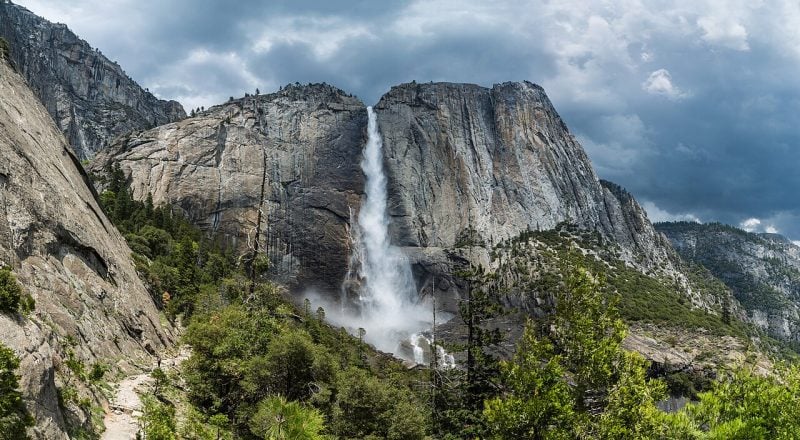
Yosemite Valley stands as one of California’s most stunning natural destinations, carved by glaciers over millions of years. The valley floor stretches seven miles long and sits surrounded by towering granite cliffs that reach heights of 3,000 feet.
Visitors can witness iconic landmarks like El Capitan, Half Dome, and Bridalveil Fall within a single view. The valley floor offers easy access to meadows, rivers, and walking paths suitable for all skill levels.
Yosemite Falls, North America’s tallest waterfall, drops 2,425 feet in three sections and provides spectacular views during spring snowmelt. The valley serves as the park’s main hub, with year-round access and facilities for travelers.
Wildlife including black bears, mule deer, and various bird species inhabit the area. The best times to visit are spring for waterfalls and fall for fewer crowds and changing foliage.
3. Maui’s Road to Hana, Hawaii

The Road to Hana stretches 64 miles along Maui’s northeastern coast, connecting Kahului to the remote town of Hana. This winding route features over 600 curves and 59 bridges as it passes through lush tropical rainforests and dramatic coastal scenery.
Travelers encounter cascading waterfalls, black sand beaches, and bamboo forests throughout the journey. The highway offers numerous pullouts where visitors can stop to explore swimming holes, hiking trails, and scenic overlooks.
The drive typically takes between two to four hours one way, though most travelers spend a full day making stops along the route. Early morning departures help avoid traffic and provide better parking at popular attractions.
Waianapanapa State Park features volcanic black sand beaches and sea caves. Rainbow eucalyptus trees display vibrant natural colors near certain mile markers, creating distinctive photo opportunities along this iconic Hawaiian road.
4. Antelope Canyon, Arizona
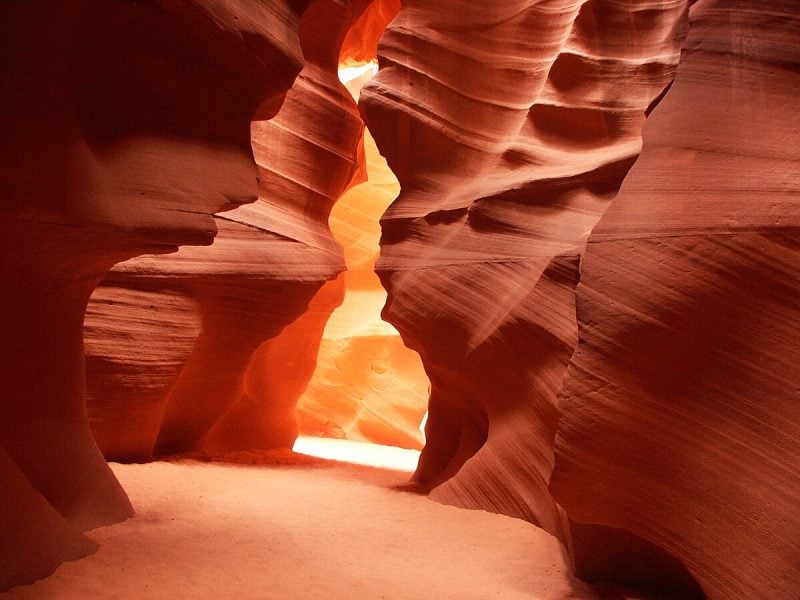
Antelope Canyon stands as one of Arizona’s most photographed natural wonders. Located near Page, this slot canyon features wave-like sandstone walls that shift in color as sunlight filters through narrow openings above.
The canyon sits on Navajo Nation land and requires visitors to book guided tours through authorized operators. Tours typically last between 90 minutes and two hours, providing time to explore and photograph the narrow passages.
The best lighting occurs midday from March through October when sunlight illuminates the canyon floors. The interplay of light and shadow creates dramatic effects on the rust-colored walls, carved over millennia by water and wind erosion.
Visitors should book tours months in advance, especially during peak seasons. Page serves as the main base for exploring the canyon, accessible via Highway 98.
5. Acadia National Park, Maine
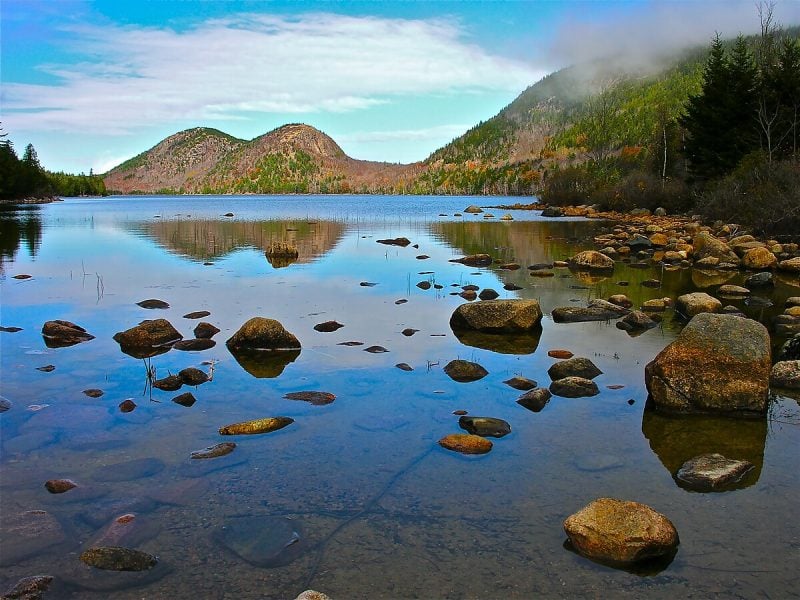
Acadia National Park stands as one of Maine’s most striking natural destinations, drawing visitors with its dramatic granite peaks, rugged coastline, and dense forests. The park stretches across Mount Desert Island and offers an impressive range of landscapes within its boundaries.
Cadillac Mountain serves as the park’s centerpiece, rising 1,530 feet to become the tallest peak along the North Atlantic coast. From October through early March, it claims the distinction of being the first place in the United States to see the sunrise. Visitors can drive to the summit or choose from several hiking trails.
The Park Loop Road provides access to major attractions, including Thunder Hole, Sand Beach, and Jordan Pond. The park’s 158 miles of hiking trails wind through varied terrain, from coastal paths to mountain ascents, making it accessible for different skill levels.
6. Sedona Red Rocks, Arizona
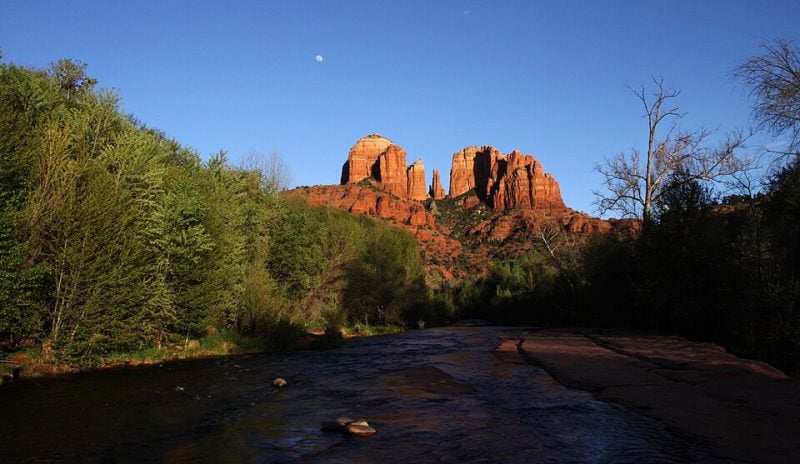
Sedona’s towering red rock formations create one of Arizona’s most striking landscapes. The iron oxide-rich sandstone buttes glow in shades of crimson and orange, particularly stunning at sunrise and sunset.
Cathedral Rock and Bell Rock stand among the area’s most recognizable formations. Visitors can view these landmarks from scenic overlooks or hike trails that wind directly through the red rock terrain.
The town sits in Verde Valley, south of the Colorado Plateau, where distinctive rock formations dominate the skyline from nearly every vantage point. Hiking trails range from easy walks to challenging climbs, offering close encounters with the geological features.
Beyond outdoor recreation, Sedona provides wine tasting, spa services, and stargazing opportunities. The combination of accessible trails, dramatic scenery, and resort amenities makes it a popular destination for photographers, nature enthusiasts, and travelers seeking distinctive Southwestern landscapes.
7. Glacier National Park, Montana

Glacier National Park spans 1,583 square miles in Montana’s Rocky Mountains near the Canadian border. The park ranks as the 11th most visited national park in the United States, drawing visitors to its combination of glacier-capped peaks and lush valleys.
The Going-to-the-Sun Road stands as one of the park’s main attractions, offering access to numerous scenic viewpoints. The Grinnell Glacier Trail provides hikers with views of alpine lakes, waterfalls, and the glacier itself. Wildlife sightings are common throughout the park’s wilderness areas.
The park contains multiple regions for exploration, each with distinct landscapes. Visitors can view crystal clear lakes, roaring waterfalls, and mountain terrain. Spring and summer months see the highest visitor numbers as the weather allows access to most trails and roads.
8. Bryce Canyon National Park, Utah

Bryce Canyon National Park showcases one of nature’s most distinctive landscapes through its vast collection of hoodoos. These tall, thin rock spires have been carved by erosion over centuries, creating formations found nowhere else on Earth in such concentration.
The park covers over 56 square miles in southern Utah. Visitors can explore the amphitheater from multiple viewpoints including Bryce Point, Sunrise Point, and Paria View.
Hiking trails like the Navajo Queens Garden Loop allow guests to walk among the hoodoos themselves. The Rim Trail provides accessible views along the canyon’s edge. At elevations reaching 9,115 feet, the park offers expansive visibility across the surrounding landscape.
The unique geology and rich colors of the rock formations make Bryce Canyon a remarkable destination for photographers and outdoor enthusiasts alike.
9. Great Smoky Mountains, Tennessee/North Carolina
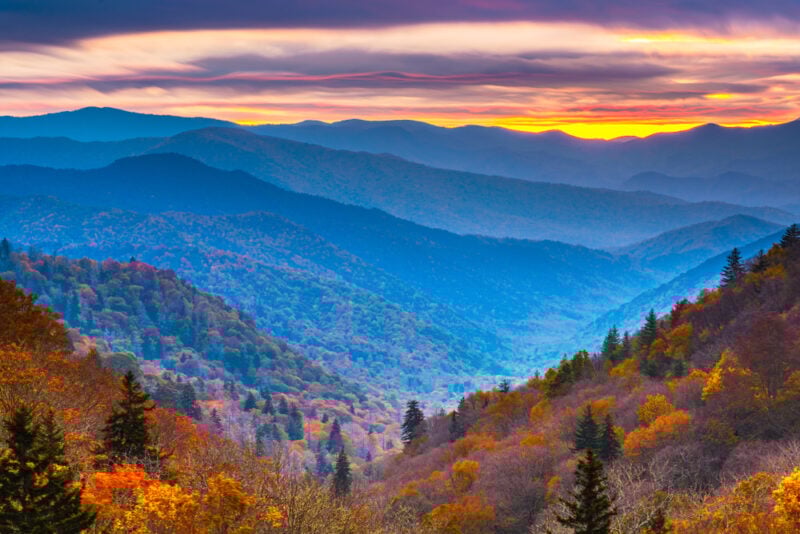
Great Smoky Mountains National Park straddles the border between Tennessee and North Carolina, spanning over 522,000 acres of pristine wilderness. The park stands as America’s most visited national park, drawing more than 13 million visitors annually.
Ridge upon ridge of ancient mountains create a landscape of exceptional natural beauty. The park’s name comes from the characteristic blue mist that often hovers over the peaks and valleys.
Visitors discover remarkable biodiversity throughout the region, with thousands of plant and animal species calling these mountains home. The remnants of Southern Appalachian mountain culture add historical depth to the natural scenery.
Both states offer distinct perspectives and access points to the park’s stunning vistas. Hiking trails wind through old-growth forests, leading to spectacular overlooks and secluded valleys that showcase why this destination remains a cornerstone of American natural beauty.
10. Zion National Park, Utah
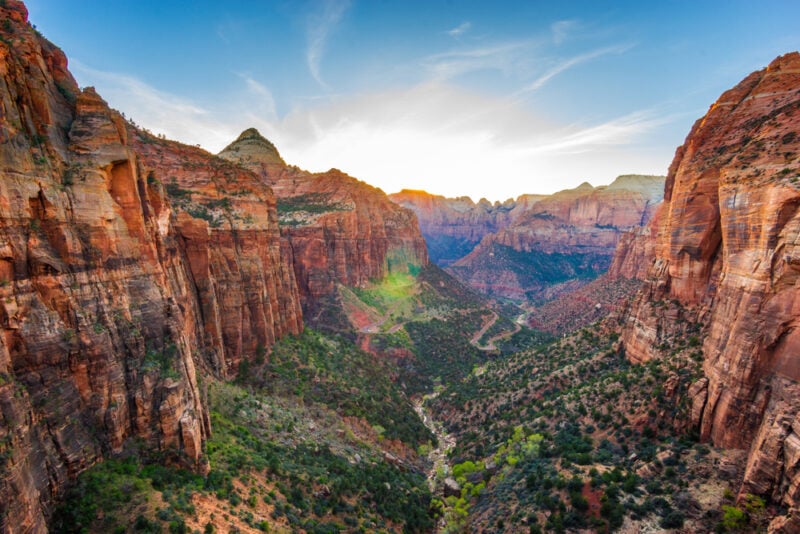
Zion National Park stands as Utah’s first national park and ranks among the most visited sites in the national park system. The park features towering sandstone cliffs in shades of red and cream that rise dramatically from canyon floors.
The Zion Canyon Scenic Drive provides access to the park’s most popular attractions. Visitors can explore The Narrows, where the Virgin River winds through towering slot canyon walls. The shuttle system operates daily during peak season, requiring $1 tickets for boarding.
Springdale sits just minutes from the park entrance, offering convenient access for day visitors. The park includes multiple campgrounds for those seeking an immersive experience. Hiking trails range from paved, accessible paths to challenging backcountry routes that showcase the park’s diverse landscape and wildlife.
11. Lake Tahoe, California/Nevada
Lake Tahoe straddles the California-Nevada border, offering some of the clearest alpine waters in North America. The lake sits at 6,225 feet elevation and stretches 22 miles long, surrounded by Sierra Nevada peaks.
Emerald Bay State Park ranks among the most photographed locations on the lake’s western shore. The turquoise waters and Fannette Island create a distinctive landscape. Sand Harbor on the Nevada side features large granite boulders and sandy beaches.
Visitors can drive the 72-mile loop around the entire lake in about three hours without stops. The route passes through pine forests, mountain vistas, and multiple beach access points. Winter brings world-class skiing, while summer offers hiking, boating, and swimming opportunities.
The area includes several small towns with dining and lodging options. Both states provide access to state parks and recreational facilities year-round.
12. Napa Valley Vineyards, California
Napa Valley’s vineyards stretch across rolling hills, creating a patchwork of green and gold that shifts with the seasons. The region combines natural beauty with architectural landmarks, from historic stone estates to contemporary tasting rooms framed by mountain views.
Many wineries feature meticulously maintained gardens, tree-lined drives, and structures that range from French-inspired châteaux to modern glass pavilions. The valley’s Mediterranean climate ensures clear skies and golden light that illuminates the landscape.
Visitors can explore properties dating back to the 1800s alongside newer estates. The scenic Silverado Trail and Highway 29 wind through the region, offering views of vine-covered slopes against the Mayacamas and Vaca mountain ranges.
The combination of agricultural landscape, varied architecture, and mountain backdrop makes this wine country destination visually distinctive year-round.
13. Big Sur Coastline, California
Big Sur stretches 90 miles along California’s Central Coast between Carmel and San Simeon, showcasing some of the state’s most dramatic coastal scenery. The Pacific Coast Highway winds through this rugged landscape, offering travelers views of steep cliffs plunging into the ocean below.
Visitors can explore numerous state parks, secluded beaches, and towering redwood forests throughout the region. Bixby Bridge stands as one of the area’s most photographed landmarks, while McWay Falls cascades directly onto a pristine beach.
The coastline features multiple hiking trails that lead to overlooks and hidden coves. Castle Rock and Ragged Point provide expansive vistas of the Pacific Ocean meeting the mountainous terrain.
Big Sur delivers accessible beauty, with many attractions visible directly from Highway 1. The region combines natural wonders with convenient viewing opportunities, making it suitable for both quick stops and extended exploration.
14. Mount Rainier National Park, Washington
Mount Rainier National Park centers around its namesake peak, an active stratovolcano that rises 14,411 feet above sea level. The mountain holds the distinction of being the most glaciated peak in the contiguous United States.
The park encompasses over 236,000 acres of diverse landscapes. Visitors can explore old-growth forests, subalpine meadows filled with wildflowers during summer months, and cascading waterfalls. Paradise and Sunrise are two popular destinations that offer spectacular mountain views and access to scenic trails.
Located approximately 60 miles southeast of Seattle, the park provides convenient access for those staying in nearby towns like Ashford, Eatonville, and Elbe. These communities sit near the Nisqually Entrance, offering proximity to iconic park features including Longmire, Reflection Lakes, and numerous hiking opportunities throughout the Cascade Range.
15. Savannah Historic District, Georgia
Georgia’s oldest city showcases American history through its meticulously preserved 18th and 19th-century architecture. The Historic Landmark District spans 22 park squares, each offering moss-draped live oaks and beautifully maintained landscapes that define Southern charm.
Established in 1733 by English settlers, Savannah developed into a graceful coastal town known for its architectural heritage. Visitors can explore antebellum mansions, historic monuments, and cobblestone streets that reveal centuries of American history.
The district contains significant sites including the Mercer-Williams House Museum and the Cathedral of St. John the Baptist. Walking through the squares provides an authentic experience of traditional Southern atmosphere.
The compact layout makes exploring on foot ideal. The combination of restored homes, green spaces, and historical landmarks creates a distinctive urban landscape that stands apart from other American cities.
16. Yellowstone National Park, Wyoming
Yellowstone stands as America’s first national park, spanning over 2.2 million acres of pristine wilderness. The park showcases one of the planet’s most remarkable collections of geothermal features, including the famous Old Faithful geyser that erupts with reliable regularity.
Visitors encounter dramatic landscapes ranging from the vibrant Grand Prismatic Spring to the carved depths of the Grand Canyon of the Yellowstone. The park protects one of the most intact temperate ecosystems remaining in the world.
Wildlife viewing opportunities abound throughout Yellowstone’s vast terrain. Bison herds roam the valleys while elk graze in meadows, and visitors may spot bears in their natural habitat.
The park’s thermal features create a surreal landscape of bubbling mud pots, steaming fumaroles, and rainbow-colored hot springs. These geological wonders make Yellowstone a destination unlike any other in the United States.
17. Olympic National Park, Washington
Olympic National Park stands out as one of the most diverse natural areas in the United States. The park encompasses three distinct ecosystems: temperate rainforests, rugged Pacific coastline, and glacier-capped mountains.
Visitors can explore the moss-draped Hoh Rain Forest, where towering Sitka spruces and western hemlocks create a lush green canopy. The park’s coastline features dramatic sea stacks and tide pools at beaches like Ruby Beach and Rialto Beach.
Hurricane Ridge offers panoramic views of the Olympic Mountains and surrounding wilderness. The park’s network of trails provides access to alpine meadows, pristine lakes, and old-growth forests. This combination of environments makes Olympic National Park a destination where travelers can experience multiple landscapes without leaving the park boundaries.
18. Charleston Waterfront Park, South Carolina
Charleston Waterfront Park spans over ten acres along Charleston Harbor and the Cooper River. The park features iconic landmarks like the Pineapple Fountain, which serves as a central gathering point for visitors and locals alike.
Wide waterfront paths offer unobstructed views of the harbor, making it an ideal spot for leisurely walks. The park includes both waterfront and inland walking areas shaded by large oak trees.
Visitors can relax on the pier that extends into Charleston Harbor or find a bench along the promenade. The combination of harbor views, green spaces, and historic downtown architecture creates a scenic backdrop.
The park’s location provides easy access to Charleston’s historic district. Its well-maintained grounds and strategic position overlooking the water make it one of the city’s most visited public spaces.
19. The Florida Keys, Florida
The Florida Keys stretch 113 miles across a chain of tropical islands connected by the Overseas Highway, offering one of America’s most scenic drives. Crystal-clear turquoise waters frame each side of the road, while lush mangroves and coral reefs create a distinct subtropical landscape.
Visitors can explore historic sites like the Ernest Hemingway Home and Museum or discover natural wonders at John Pennekamp Coral Reef State Park. Bahia Honda State Park features one of the region’s most pristine beaches, with powdery sand and calm waters ideal for swimming.
The keys offer excellent snorkeling and diving opportunities among vibrant coral reefs teeming with marine life. Each island has its own character, from the laid-back atmosphere of Marathon to the lively streets of Key West.
The journey itself rewards travelers with stunning water views, diving pelicans, and frequent glimpses of tropical wildlife throughout the island chain.
20. Arches National Park, Utah
Arches National Park spans over 76,000 acres of red-rock terrain in eastern Utah. The park contains more than 2,000 natural sandstone arches, the highest concentration anywhere on Earth.
Delicate Arch stands as the park’s most recognized landmark, featured on Utah license plates. This 52-foot freestanding arch requires a 3-mile round-trip hike but rewards visitors with remarkable views.
The 22-mile Arches Scenic Drive provides access to many formations, with pullouts for photos and viewpoints. Other notable arches include Landscape Arch, one of the longest natural stone spans in the world, and Double O Arch.
The park’s landscape features balanced rocks, towering pinnacles, and massive fins carved by wind and water over millions of years. Visitors can explore hiking trails ranging from easy walks to challenging treks through the desert terrain.
21. Cascades Mountains, Oregon
The Cascade Mountains stretch through central Oregon, offering some of the state’s most striking natural scenery. This volcanic range features towering peaks, pristine alpine lakes, and dense forests that attract nature enthusiasts year-round.
Mount Hood stands as the tallest volcano in Oregon at 11,250 feet, dominating the landscape with its snow-capped summit. The Cascade Lakes Scenic Byway provides easy access to numerous glacial lakes and mountain vistas, making it one of the region’s most popular drives.
Visitors can explore well-maintained trails that wind through ancient lava fields and past crystal-clear lakes. The area includes notable destinations like Crater Lake National Park, Willamette National Forest, and the Three Sisters peaks.
The Cascades offer activities throughout all seasons, from hiking and camping in summer to winter sports when snow blankets the mountains.
22. Cape Cod, Massachusetts
Cape Cod extends into the Atlantic Ocean from southeastern Massachusetts, offering visitors a blend of maritime charm and natural beauty. The peninsula features over 400 miles of coastline with sandy beaches that attract travelers during the summer months.
Race Point Beach and Commercial Street rank among the most visited locations. The Cape’s historic lighthouses dot the shoreline, serving as both functional beacons and popular tourist attractions.
Quaint villages throughout the region showcase weathered shingle architecture and local seafood restaurants. Visitors can enjoy whale watching excursions, explore cultural sites, and walk through towns that preserve their 18th and 19th-century character.
The area also provides access to nearby islands like Nantucket. While summer brings the warmest weather and largest crowds, Cape Cod maintains its scenic appeal throughout the year with changing seasonal landscapes.
23. Lake Powell, Arizona/Utah
Lake Powell stretches over 200 miles across the Arizona-Utah border, creating one of the Southwest’s most striking landscapes. The massive reservoir sits within Glen Canyon National Recreation Area, which spans 1.25 million acres of dramatic red rock terrain.
The lake features nearly 2,000 miles of shoreline and over 80 side canyons waiting to be explored. Visitors can enjoy boating, kayaking, and paddleboarding on the calm waters surrounded by towering sandstone cliffs.
Popular activities include discovering hidden coves, exploring slot canyons, and visiting scenic overlooks that showcase the contrast between desert rock formations and blue water. The area attracts approximately two million visitors annually who come for water sports, backcountry hiking, and photography opportunities.
The reservoir’s unique geography offers countless secluded spots and viewpoints throughout its vast expanse.
24. Mammoth Cave National Park, Kentucky
Mammoth Cave National Park protects the world’s longest known cave system, with over 400 miles of surveyed passages. The park offers extensive underground tours that showcase intricate limestone formations and vast chambers carved over millions of years.
Above ground, the park features rolling hills, deep river valleys, and diverse ecosystems. Visitors can explore hiking trails, paddle the Green River, and observe wildlife in this UNESCO World Heritage Site and International Biosphere Reserve.
The cave system holds thousands of years of human history, with evidence of Native American exploration dating back millennia. Tour options range from easy walks to challenging adventures that require crawling through tight passages.
The park’s designation as an International Dark-Sky Park makes it excellent for stargazing. Beyond the caves, the surrounding Kentucky countryside displays natural sinkholes and karst topography that create a distinctive landscape.
25. Rocky Mountain National Park, Colorado
Rocky Mountain National Park showcases Colorado’s alpine landscape at its finest. The park features dramatic mountain peaks, pristine alpine lakes, and vast meadows that attract millions of visitors each year.
Trail Ridge Road stands as one of the park’s premier attractions, climbing to over 12,000 feet elevation. This scenic route provides access to remarkable viewpoints and the Alpine Visitor Center.
Bear Lake serves as a popular starting point for numerous hiking trails. The area offers routes ranging from easy lakeside walks to challenging backcountry treks leading to waterfalls and remote lakes.
Wildlife viewing opportunities abound throughout the park. Visitors frequently spot elk, bighorn sheep, and marmots in their natural habitat.
The park remains accessible year-round, though June through September provides the best conditions for exploring trails and high-elevation areas.
26. Monument Valley, Arizona/Utah
Monument Valley straddles the Arizona-Utah border within the Navajo Nation Reservation, forming part of the Colorado Plateau. The landscape features towering red sandstone buttes and mesas that rise up to 1,000 feet above the desert floor.
The Monument Valley Navajo Tribal Park encompasses most of the tourist area. Visitors can drive the scenic loop road to view iconic formations or hike the Wildcat Trail for ground-level perspectives.
The area gained widespread recognition after the 1930s, particularly through its appearances in Western films. Its distinctive geological formations and vast desert basin create one of the most recognizable landscapes in the American Southwest.
Since the land sits within the Navajo Nation, visiting requires respecting tribal regulations and purchasing permits at the park entrance. The site offers cultural tours led by Navajo guides who share insights about the region’s significance.
27. Newport Cliff Walk, Rhode Island
The Newport Cliff Walk stretches 3.5 miles along Rhode Island’s eastern shore, combining Atlantic Ocean views with glimpses of Gilded Age architecture. The public trail runs from Memorial Boulevard near Easton’s Beach to Bailey’s Beach, open 24/7 year-round at no cost.
Visitors walk between the rocky coastline and historic mansions that once belonged to America’s wealthiest families. The path varies in difficulty, with some sections paved and others featuring rough, uneven terrain over natural rock formations.
The trail showcases coastal geology, native wildflowers, and seabirds alongside architectural landmarks. April brings particular appeal during Daffodil Days, when over one million daffodils bloom along the route.
RIPTA buses provide public transit access, with Route 68 serving the northern entrance and Route 67 reaching points along the walk. The combination of natural beauty and historical significance makes this coastal pathway a distinctive attraction.
28. Haleakalā National Park, Hawaii
Haleakalā National Park encompasses over 30,000 acres across the island of Maui, centered around a massive dormant volcano that defines the eastern portion of the island. The park’s name translates to “house of the sun” in Hawaiian, reflecting its cultural significance to the native population.
The summit area offers views above the clouds, with volcanic landscapes featuring distinctive crater formations. Visitors can explore hiking trails that wind through the volcanic terrain at elevations exceeding 10,000 feet.
The park’s Kīpahulu District presents a contrast with its subtropical rainforest environment, complete with waterfalls and native vegetation. This area protects endangered species found nowhere else on Earth, including the Hawaiian hoary bat and certain native birds.
The park draws over 800,000 visitors annually who come to experience its varied ecosystems, from stark volcanic rock to lush forest valleys.
29. Badlands National Park, South Dakota
Badlands National Park offers a dramatic landscape of jagged peaks, eroded buttes, and layered rock formations that showcase millions of years of geological history. The park’s 244,000 acres feature striated hills and pinnacles that create an otherworldly terrain unlike anywhere else in the country.
The Badlands Loop Road provides easy access to numerous overlooks and viewpoints throughout the North Unit, where visitors can witness expansive vistas. Wildlife thrives here despite the arid conditions, with bison herds and prairie dog towns visible along the roadways and hiking trails.
Fall presents ideal conditions for exploring the park, with more moderate temperatures than the summer months when heat regularly exceeds 100 degrees. The park remains accessible year-round, weather permitting, making it a convenient stop just outside Rapid City and near other South Dakota attractions like Mount Rushmore.
30. Hocking Hills State Park, Ohio
Hocking Hills State Park sits in southeastern Ohio, just south of Columbus. The park features dramatic sandstone cliffs, waterfalls, and rock formations that have attracted visitors for generations.
Condé Nast Traveler named it among the 50 most beautiful places in America, placing it alongside renowned destinations like the Grand Canyon and Crater Lake. The park’s main attractions include Old Man’s Cave, Ash Cave, and Cedar Falls, each offering distinct geological formations.
Ash Cave stands out as a natural stone amphitheater that spans 700 feet in width. The half-mile trail leading to it remains accessible year-round, making it popular during winter months when ice formations add visual interest.
The area contains multiple hiking trails ranging from easy walks to more challenging terrain. Visitors can explore deep gorges, hemlock-lined valleys, and recess caves carved by centuries of erosion.
How To Plan Your Visit To Beautiful U.S. Destinations
Successful trips to America’s most stunning locations require attention to seasonal patterns, appropriate gear, and responsible travel practices. Understanding regional climate variations and park regulations helps visitors maximize their experience while preserving these natural treasures.
Best Times of Year to Travel
The ideal travel window varies significantly by destination and region. National parks in the Southwest, including the Grand Canyon and Zion, offer comfortable temperatures from March through May and September through November, avoiding extreme summer heat that regularly exceeds 100°F.
Coastal destinations like California’s Big Sur and the Pacific Northwest shine during summer months when fog clears and temperatures reach 65-75°F. Winter brings crowds to ski resorts in Colorado and Utah from December through March.
Alaska’s prime season runs from June through August when daylight extends up to 20 hours and wildlife viewing peaks. Hawaii maintains year-round appeal, though winter months from November to March bring higher surf and occasional rain to windward coasts.
Fall foliage in New England reaches peak color between late September and mid-October. Southern destinations like the Florida Keys and Charleston offer pleasant conditions from November through April, avoiding humid summers and hurricane season.
Essential Packing Tips
Layered clothing proves essential for varying elevations and temperatures throughout the day. A moisture-wicking base layer, insulating mid-layer, and waterproof outer shell address most conditions travelers encounter.
Key items include:
- Broken-in hiking boots with ankle support
- Sun protection (SPF 30+ sunscreen, hat, sunglasses)
- Reusable water bottle (32-64 oz capacity)
- First aid kit with blister treatment
- Portable phone charger or power bank
- National park passes or recreation permits
Desert environments require extra water capacity and electrolyte supplements. Coastal areas need wind-resistant layers. Mountain destinations warrant altitude sickness medication for elevations above 8,000 feet.
Traveling Sustainably
Visitors should follow Leave No Trace principles by packing out all waste and staying on designated trails. Single-use plastics create unnecessary burden in areas with limited waste infrastructure.
Supporting local businesses and indigenous-operated tour companies directly benefits gateway communities. Many national parks offer shuttle services that reduce traffic congestion and carbon emissions.
Booking accommodations with environmental certifications and choosing off-peak travel dates helps distribute visitor impact. Travelers can offset carbon emissions through verified programs when flying to distant destinations.
Respecting wildlife means maintaining minimum distances of 25 yards for most animals and 100 yards for predators. Flash photography disturbs nocturnal species and nesting birds.
Enhancing Your Experience At Iconic Natural Sites
Visitors can significantly improve their trips to America’s natural landmarks through mindful planning and awareness of available resources. Understanding responsible practices and accessibility options helps protect these sites while ensuring everyone can enjoy them.
Responsible Tourism Practices
Staying on designated trails prevents erosion and protects fragile ecosystems at sites like Yellowstone and the Grand Canyon. Visitors should pack out all trash, including food scraps and biodegradable items that can harm wildlife.
Wildlife viewing requires maintaining safe distances of at least 25 yards from most animals and 100 yards from predators like bears and wolves. Feeding wildlife is prohibited at all national parks and monuments as it disrupts natural behaviors and creates dangerous situations.
Key Leave No Trace principles include:
- Disposing of waste properly in designated receptacles
- Leaving rocks, plants, and artifacts undisturbed
- Minimizing campfire impacts by using established fire rings
- Respecting other visitors by keeping noise levels low
Photography should never compromise safety or damage natural features. Visitors must avoid trampling vegetation or disturbing wildlife to capture images.
Accessibility and Family-Friendly Options
Major natural sites offer paved trails and wheelchair-accessible viewpoints. The Grand Canyon’s Rim Trail provides level, paved access to multiple overlooks. Yosemite Valley features accessible paths to Mirror Lake and Lower Yosemite Fall.
Many parks provide accessibility guides detailing wheelchair-friendly trails, accessible restrooms, and parking areas. Visitors should contact park offices in advance to arrange for assistive listening devices, large-print materials, or audio tours.
Junior Ranger programs at national parks engage children ages 5-13 through activity booklets and badges. These programs teach conservation while making visits educational. Stroller-friendly paths exist at most major attractions, though parents should verify trail conditions beforehand.
Accessible shuttle services operate at popular destinations including Zion National Park and Acadia National Park. These shuttles accommodate wheelchairs and reduce traffic congestion.


