The 30 Most Expensive Places to Live in the U.S. Ranked by Housing Costs
The cost of living varies dramatically across the United States, with some cities requiring significantly higher incomes to maintain a comfortable lifestyle.
Housing expenses, everyday necessities, and local services all contribute to the financial burden residents face in different metropolitan areas.
Understanding which cities demand the highest living costs can help you make informed decisions about relocation, career choices, and financial planning.
From coastal tech hubs to major cultural centers, certain locations consistently rank among the nation’s most expensive due to factors like housing markets, local economies, and regional demand.
This analysis examines thirty cities where your dollar stretches the least, exploring what makes these places costly and the patterns that emerge across different regions.
Here are the 30 most expensive places to live in the U.S.
1. San Francisco, California
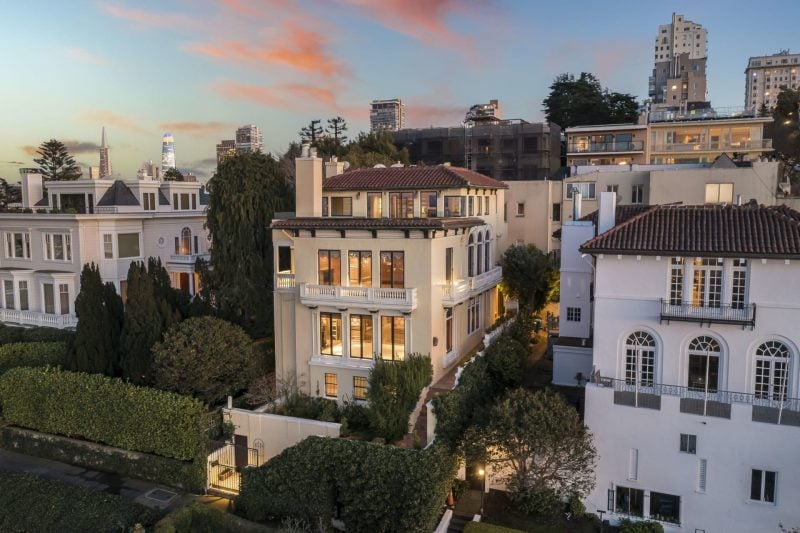
San Francisco claims the top position as one of America’s most expensive cities. You’ll face an average monthly cost of living around $3,781, placing it among the world’s priciest urban areas.
The city’s housing market drives much of this expense. Real estate prices in San Francisco’s premium neighborhoods rank among the highest in California, with costs that can stretch your budget significantly.
Your expenses extend beyond housing. Daily costs for groceries, services, and transportation all contribute to the city’s steep price tag. The Bay Area’s competitive job market and tech industry presence have pushed living costs to levels that surpass most other U.S. cities.
If you’re considering a move to San Francisco, you’ll need to prepare for expenses that consistently rank in the nation’s top tier.
2. New York City, New York

New York City stands as one of America’s most expensive urban centers, with a median home sale price of $748,000 in 2024. This represents a 3% increase from the previous year, reflecting the city’s persistent demand and limited housing supply.
The most exclusive neighborhoods command significantly higher prices. Hudson Yards tops the list with a median sale price of $4.99 million, driven by luxury developments like 35 Hudson Yards and 15 Hudson Yards. TriBeCa follows with a median of $4.15 million, while SoHo reaches $3.69 million.
If you’re considering moving to New York City, you’ll need to budget beyond just housing costs. Monthly expenses for groceries, utilities, healthcare, and transportation add substantially to your overall living costs, making it essential to evaluate your financial readiness before relocating.
3. San Jose, California
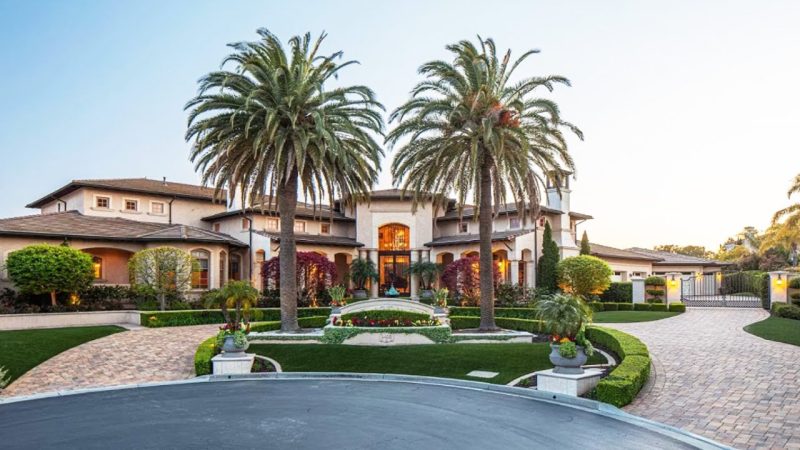
San Jose has claimed the position as one of the most expensive cities in the United States. A single adult needs approximately $147,430 annually to live comfortably in this Bay Area metropolis.
The housing market drives much of this expense. Home prices in San Jose average near $1.43 million, making it the most expensive major city for purchasing property. You’ll find that median home prices consistently rank among the highest nationally.
For families, the financial requirements increase substantially. A family of four needs around $371,571 per year to maintain a comfortable lifestyle in San Jose.
The city’s high costs extend beyond housing to include groceries, goods, and services. Your overall cost of living will reflect some of the steepest prices in California and the nation.
4. Seattle, Washington
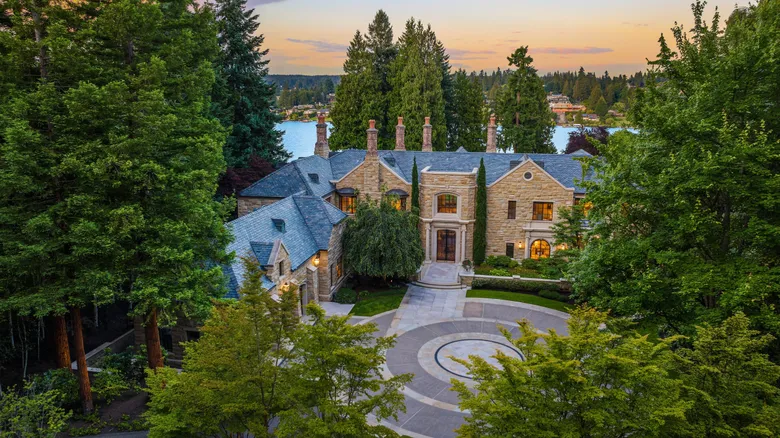
Seattle ranks as the ninth most expensive city to live in across the United States. Your monthly living expenses will average around $3,162, placing the city in the top 1% of expensive locations globally.
Housing represents your biggest financial challenge in Seattle. You’ll face costs that exceed double the national average when searching for a place to live. The city’s cost of living index runs more than 30 percent above the national baseline.
Your expenses extend beyond housing. Groceries, healthcare, entertainment, and taxes all run higher than in most American cities. Seattle’s position as Washington’s economic and cultural center drives these elevated costs.
The city’s strong job market and quality of life continue to attract residents despite the premium prices. You’ll need to budget carefully to manage the financial demands of living in this Pacific Northwest metropolis.
5. Los Angeles, California
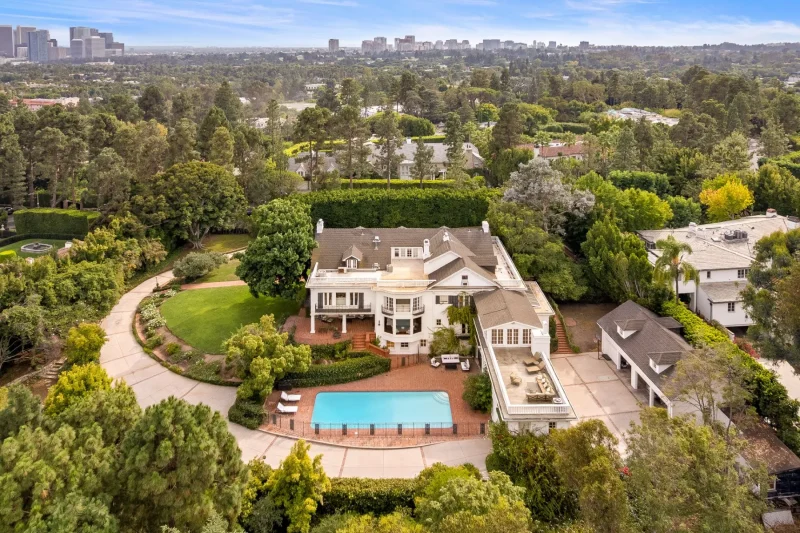
Los Angeles consistently ranks among America’s most expensive cities, driven primarily by its housing market. You’ll find some of the nation’s priciest neighborhoods here, including Beverly Hills, Bel Air, and Malibu, where median home prices regularly exceed several million dollars.
The cost of living extends beyond real estate. Your everyday expenses for groceries, transportation, and services run significantly above national averages. The city’s desirable year-round climate and proximity to beaches contribute to sustained demand and elevated prices.
If you’re considering a move to LA, you need to account for high rental costs as well. Even areas outside the most exclusive neighborhoods require substantial income to maintain a comfortable lifestyle. The entertainment industry’s presence and limited housing supply relative to demand keep prices persistently high across most of Los Angeles County.
6. Fremont, California

Fremont stands as one of the most expensive cities in both California and the United States. The city’s cost of living index sits around 187, making it approximately 87% more expensive than the national average.
Housing represents your largest expense in Fremont. The typical home price reaches $1.1 million, while monthly housing costs run 53% higher than the national average. You’ll pay around $1,835 per month as a single person or $3,365 for a family of four.
Fremont ranks in the top 0.8% of the most expensive cities worldwide. Your average cost of living reaches $3,328 monthly, placing it 59th among U.S. cities and 41st in California.
The city’s high-income population drives these elevated costs, creating a premium market for both real estate and everyday expenses.
7. Boston, Massachusetts

Boston stands as one of the nation’s most expensive housing markets, driven by its status as a major economic and educational hub. You’ll find typical home prices consistently exceeding $700,000 in many neighborhoods, with luxury areas commanding significantly more.
The city’s most exclusive neighborhoods include Back Bay, Beacon Hill, and the South End, where historic brownstones and waterfront properties can reach several million dollars. Your housing costs in Boston reflect strong demand from professionals working in healthcare, technology, and finance sectors.
The broader Boston metro area extends the premium pricing beyond city limits. Communities like Newton and Cambridge rank among Massachusetts’ priciest locations, while coastal towns north and south of the city also maintain high property values.
Your investment in Boston real estate comes with access to world-class universities, cultural institutions, and employment opportunities that continue attracting buyers despite elevated prices.
8. Washington, D.C.

Washington, D.C. ranks among the most expensive cities in both the United States and globally. Housing costs drive the high cost of living, with neighborhoods like Georgetown commanding median home prices around $1,500,000.
The city’s proximity to federal employment and international organizations keeps demand consistently high. You’ll find that prestigious neighborhoods feature tree-lined streets, historic architecture, and premium amenities that justify their elevated price tags.
Real estate and rental prices in D.C. significantly exceed national averages. The city’s most expensive areas offer access to high-end shopping, dining options, and top-rated schools.
Maryland and Virginia suburbs surrounding Washington also feature some of the region’s priciest ZIP codes. The housing market remains challenging for buyers, with rising prices and limited inventory creating affordability concerns across the metropolitan area.
9. Oakland, California
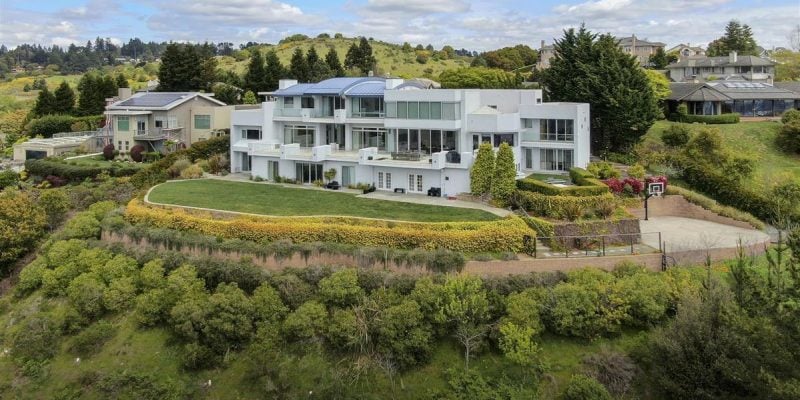
Oakland presents significant living expenses that exceed the national average by 32.5%. Your housing costs here will be notably high, sitting 42.6% above the national benchmark.
If you’re living alone, expect to spend around $1,711 monthly on housing. A family of four faces approximately $3,137 per month for accommodation alone.
The city’s overall cost of living score reaches 195.5, meaning your total expenses for housing, food, transportation, healthcare, and other necessities run 95.5% higher than the U.S. average. However, Oakland remains 30.4% more affordable than California’s overall average.
Your monthly expenses as a single person, excluding rent, typically amount to about $1,369. The city’s neighborhoods vary widely in cost, with areas like Crocker Highland commanding premium prices.
10. San Diego, California
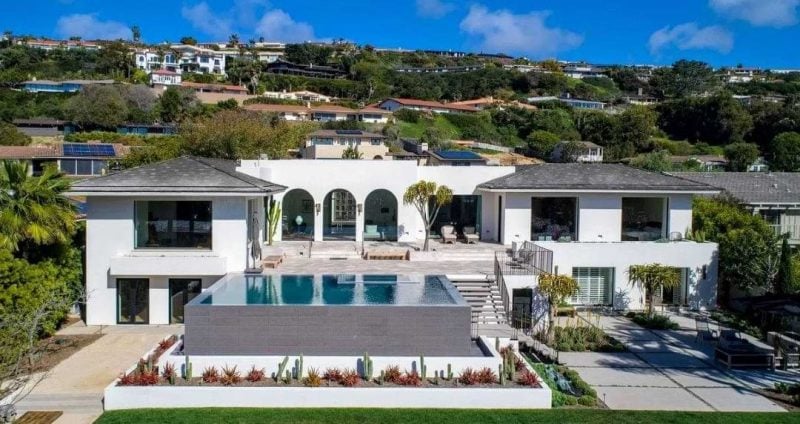
San Diego consistently ranks among the most expensive cities in the United States. Recent data places it as high as the top spot for cost of living, driven primarily by housing costs that rival other major California metros.
The median home prices in San Diego remain substantially above the national average. You’ll find that both purchasing and renting require significant financial resources, with limited inventory keeping prices elevated.
The city’s appeal stems from year-round mild weather, coastal access, and strong job markets in biotechnology, defense, and tourism. However, you should expect to allocate a larger portion of your income to housing compared to most American cities.
Neighborhoods like Rancho Santa Fe and La Jolla represent some of the priciest real estate in California. Even more modest areas command premium prices due to high demand and limited new development.
11. Honolulu, Hawaii
Honolulu stands out as one of America’s most expensive cities, driven primarily by its isolated island location and limited land availability. Housing costs here significantly exceed national averages, with the median home value in the metropolitan area surpassing $900,000.
You’ll face elevated expenses across nearly every category of living. Utilities in Honolulu cost approximately 94% more than the national average, making it the most expensive city for energy costs among major urban areas. Groceries and goods also carry premium price tags due to the high cost of importing products to the islands.
Your salary needs will be substantial to maintain comfortable living standards. The limited housing supply combined with high demand from both residents and investors keeps real estate prices persistently high, making homeownership challenging for many households.
12. Miami, Florida
Miami stands as one of America’s most expensive cities, ranking fourth nationally for cost of living. The city’s median home price reaches $490,162, while the average salary sits at $54,790, creating a significant affordability gap.
You’ll find Miami proper attracts young professionals seeking career opportunities in finance, technology, and international trade. The average monthly rent hovers around $2,930, reflecting the city’s desirable coastal location and vibrant economy.
Miami Beach maintains its reputation for entertainment and nightlife, contributing to higher living costs throughout the metro area. The combination of limited housing inventory, strong demand from domestic and international buyers, and premium waterfront properties keeps prices elevated.
Your expenses in Miami will extend beyond housing, with transportation, dining, and entertainment costs also running above the national average.
13. Denver, Colorado
Denver stands as one of the most expensive metropolitan areas in the United States, consistently ranking in the top 25 nationally for cost of living. The city’s housing market presents significant challenges for prospective buyers, with median home prices hovering around $580,000.
If you’re considering a move to Denver, you should prepare for substantial monthly expenses beyond housing. The combination of elevated real estate costs, increasing rental prices, and higher-than-average costs for goods and services contributes to Denver’s expensive status.
Your income requirements will be considerable to maintain a comfortable lifestyle here. The city’s ongoing construction boom has not alleviated pricing pressures, as demand continues to outpace available housing stock. Denver’s desirable location and strong job market drive these persistent high costs.
14. Portland, Oregon
Portland ranks among the more expensive metros on the West Coast, though it remains cheaper than its neighbors like Seattle and San Francisco. The Portland-Vancouver-Hillsboro region places eighth among the most expensive large metro areas in the United States.
Home prices in the Portland metro have reached notable heights, with surrounding communities commanding premium prices. Lake Oswego and Happy Valley stand out as particularly expensive areas within the region, offering desirable locations and high-end amenities.
If you’re considering a move to Portland, you’ll find that housing costs reflect the city’s natural beauty and desirable lifestyle. The typical home value has climbed significantly in recent years, making affordability a key factor for buyers. Your budget will need to account for the premium that comes with accessing Portland’s scenic neighborhoods and cultural offerings.
15. Chicago, Illinois
Chicago stands as one of America’s most expensive cities, ranking among the top markets for both housing and overall living costs. As the nation’s third-largest city with 2.75 million residents, you’ll find that rent and daily expenses significantly exceed national averages.
The metropolitan area includes some of Illinois’s priciest real estate markets. Suburban communities like South Barrington and Winnetka feature exceptionally high home values, while neighborhoods within the city proper command premium prices for both purchases and rentals.
Your monthly expenses in Chicago will reflect its major metropolitan status. Housing costs drive much of the financial burden, with property values reaching record levels in recent years.
The city’s position as a financial and cultural hub contributes to elevated prices across groceries, services, and transportation. You’ll need to budget carefully if you’re considering a move to the Chicago area.
16. Nashville, Tennessee
Nashville has transformed into one of the more expensive housing markets in the Southeast. The city’s median home prices have seen substantial increases, particularly between 2020 and 2022.
You’ll find the most exclusive neighborhoods command premium prices. Belle Meade, Forest Hills, and Westmead feature median home values ranging from $425,000 to $2.8 million. The Gulch and Oak Hill also rank among the city’s priciest areas.
If you’re considering Nashville, you should know that housing costs have steadily climbed due to consistent demand in the metro area. The city’s appeal extends beyond its music scene, with strong job growth and cultural amenities attracting new residents.
Your housing budget in Nashville’s luxury neighborhoods will need to account for some of Tennessee’s highest real estate prices.
17. Austin, Texas
Austin stands out as Texas’s most expensive city to live in, with average monthly living costs reaching $2,416. The city’s housing market drives much of this expense, as real estate prices have climbed to record levels in recent years.
You’ll find that several factors contribute to Austin’s high costs. The city’s booming tech industry and rapid population growth have intensified competition for housing. Premium neighborhoods command particularly steep prices, representing some of the highest real estate values in Texas.
Housing costs form your largest expense in Austin, whether you’re renting or buying. Beyond shelter, you’ll also pay more for everyday goods and services compared to other Texas cities. The combination of elevated housing prices, taxation policies, and increased demand for limited housing inventory creates a challenging affordability environment for residents.
18. Dallas, Texas
Dallas offers you a unique blend of Southern charm and metropolitan sophistication, though this comes at a premium cost. The Dallas-Fort Worth metro area has experienced substantial home price increases, with values rising most notably in suburban communities surrounding the city center.
You’ll find that neighborhoods like Highland Park and University Park rank among Texas’s most expensive places to live. These affluent enclaves feature luxury amenities and upscale homes that command premium prices.
The cost of living in Dallas reflects its strong job market and growing economy. Housing represents your largest expense, with median home prices continuing their upward trajectory throughout 2025.
If you’re considering Dallas, you should budget carefully for housing, utilities, and transportation. The metro area provides you with diverse neighborhood options ranging from moderately priced suburbs to exclusive luxury communities.
19. Houston, Texas
Houston stands out as one of the more affordable major metropolitan areas in the United States, making its appearance on this list notable. The city’s cost of living remains lower than many coastal cities, yet certain neighborhoods command premium prices that rival luxury markets elsewhere.
If you’re looking at Houston’s high-end areas, you’ll find significant variation in housing costs. The most exclusive neighborhoods feature some of Texas’s priciest real estate, with upscale communities offering luxury amenities and substantial property values.
Your overall expenses in Houston will depend heavily on where you choose to live. While the city ranks among the most affordable large U.S. cities overall, its premium neighborhoods can push your monthly costs considerably higher. Healthcare, goods, and services generally remain reasonable compared to other expensive markets.
20. Atlanta, Georgia
Atlanta’s housing market places it among the nation’s most expensive metropolitan areas, with the city ranking 24th nationally for rental costs. The Atlanta-Sandy Springs-Alpharetta metro region dominates Georgia’s high-cost living landscape, accounting for a significant portion of the state’s priciest neighborhoods.
You’ll find that specific Atlanta neighborhoods drive the metro area’s expensive reputation. Areas like Milton and Sandy Springs consistently rank among Georgia’s costliest places to call home. The city serves as a major economic hub with Hartsfield-Jackson Atlanta International Airport anchoring its business climate.
Housing prices vary considerably across Atlanta’s diverse neighborhoods. Your costs will depend heavily on which area you choose, as the metro sprawls across multiple counties with distinct price points. The region combines strong job opportunities with Southern appeal, though you’ll pay premium prices for desirable locations.
21. Minneapolis, Minnesota
Minneapolis stands out as one of the more expensive housing markets in the Midwest. The city’s real estate costs reflect its strong economy, cultural amenities, and high quality of life.
Your housing expenses will vary significantly depending on which neighborhood you choose. The most expensive areas include established communities near Lake Minnetonka and exclusive suburbs in the Twin Cities metro area. These neighborhoods feature some of the highest real estate and rental prices in Minnesota.
The typical home value has risen considerably in recent years, driven by limited inventory and sustained demand. If you’re considering a move here, you’ll find that affordability plays a major role in your purchasing decision.
Minneapolis offers strong job opportunities, excellent schools, and abundant recreational activities across its numerous lakes and parks. These factors contribute to the premium pricing you’ll encounter in the housing market.
22. Raleigh, North Carolina
Raleigh ranks as the 23rd most expensive city in the United States. You’ll need a median salary of $102,752 as a single adult to live comfortably in North Carolina’s capital.
The city’s luxury real estate market continues to thrive, offering prestigious neighborhoods that blend sophisticated living with Southern charm. Wake County includes some of the state’s most valuable residential areas, with certain neighborhoods competing against Charlotte’s ultra-luxury market.
Your housing costs will be the primary expense driver in Raleigh. The typical home values have increased steadily, reflecting strong demand in the metro area.
Beyond real estate, you’ll find that groceries, goods, and services contribute to the overall cost of living. The city’s growing tech sector and quality of life amenities continue attracting new residents, maintaining upward pressure on prices across various expense categories.
23. Philadelphia, Pennsylvania
Philadelphia’s real estate market has experienced significant growth, with the city’s most expensive neighborhoods now commanding median home prices of $751,000. This represents a notable increase from previous years, reflecting the strong demand in the city’s premium areas.
You’ll find the highest property values concentrated in Philadelphia’s suburban counties, particularly Montgomery and Chester. These areas combine historic charm with modern amenities, attracting buyers willing to pay premium prices for quality housing.
The city offers diverse neighborhoods ranging from affordable to luxury, but if you’re targeting Philadelphia’s elite areas, you should prepare for substantial investment. Home prices have climbed steadily since 2020, making Philadelphia one of the more expensive metro areas in Pennsylvania.
Your housing costs will vary significantly depending on which neighborhood you choose, with factors like school quality, proximity to Center City, and local amenities driving price differences.
24. Las Vegas, Nevada
Las Vegas offers more than casino resorts and entertainment venues. The city has evolved into a destination for luxury real estate, particularly in exclusive gated communities scattered throughout the valley.
You’ll find neighborhoods like Summerlin South and other private enclaves that cater to celebrities, business executives, and residents seeking privacy and security. These communities feature multimillion-dollar properties with elite amenities that extend far beyond the famous Strip.
The Nevada real estate market has experienced significant growth in recent years. If you’re considering high-end living in Las Vegas, you’ll encounter some of the highest property prices and rental costs in the state.
The city’s most expensive neighborhoods combine desert luxury with modern conveniences, making Las Vegas an increasingly popular choice for affluent buyers seeking year-round sunshine and entertainment options.
25. Sacramento, California
Sacramento ranks as the 15th most expensive place to live in the United States. As California’s capital city, you’ll find higher living costs compared to many other cities nationwide, though housing remains more affordable than in other major California metros like San Francisco or Los Angeles.
Your monthly expenses in Sacramento will exceed the national average across multiple categories. Housing costs represent a significant portion of your budget, with home prices in premium neighborhoods like Arden Oaks averaging around $2 million.
If you’re considering Sacramento, you’ll benefit from access to California’s amenities without the extreme costs of coastal cities. The city offers a middle ground for those wanting to enjoy the Golden State while maintaining relative affordability. Your grocery bills, goods and services, and rental prices will all run higher than typical American cities.
26. Baltimore, Maryland
Baltimore’s housing market reflects its position as a major mid-Atlantic city with diverse neighborhoods commanding premium prices. You’ll find the most expensive areas clustered in historic districts and waterfront communities where carefully preserved architecture meets modern amenities.
The city’s luxury neighborhoods feature upscale rowhouses, waterfront properties, and estates that attract buyers seeking urban sophistication with cultural access. Healthcare institutions, education centers, and the Inner Harbor’s revitalization have strengthened certain submarkets.
Your cost of living in Baltimore’s high-end neighborhoods extends beyond housing. These areas typically include higher expenses for goods, services, and dining compared to Maryland’s state average. Home values in the most expensive Baltimore metro communities have shown consistent appreciation, driven by location advantages and neighborhood characteristics.
Maryland ranks as the 15th most expensive state nationally, and Baltimore’s premium neighborhoods contribute significantly to this positioning.
27. San Bernardino, California
San Bernardino presents a higher cost of living compared to the national average, with housing costs approximately 1.6% above typical U.S. rates. Monthly housing expenses reach around $1,219 for a single person and $2,234 for a family of four.
The city ranks among the top 10% of the most expensive places globally. However, when you compare it to other California cities, San Bernardino remains relatively affordable within the state.
The average overall cost of living in San Bernardino sits at approximately $2,446. This figure encompasses housing, groceries, goods, and services. While home prices in San Bernardino are notably lower than California’s state average of $772,924, you’ll still face elevated costs compared to many other U.S. regions.
28. Santa Ana, California
Santa Ana presents a significant cost of living at 64.9% higher than the U.S. average. Housing expenses drive much of this premium, with monthly costs reaching $1,577 for a single person and $2,892 for a family of four.
The city’s housing costs sit 31.4% above the national average. You’ll find that homes here are more affordable than California’s state average of $772,924, though they still cost more than similarly sized cities across the country.
Santa Ana receives a cost of living score of 164.9, which is 10% lower than California’s overall average. This makes it one of the more accessible options within Orange County, though your expenses will still exceed what you’d pay in most American cities.
The city’s location in Southern California contributes to elevated costs across groceries, goods, services, and real estate.
29. Newark, New Jersey
Newark carries a cost of living that sits 35% above the U.S. average, though it remains more affordable than many other New Jersey locations. You’ll find that housing, transportation, and everyday necessities drive costs higher than most American cities.
The city’s proximity to New York City influences its pricing structure significantly. You’re paying a premium for access to major metropolitan employment centers while dealing with elevated costs for groceries, goods, and services.
Recent analyses have labeled Newark as one of the most overpriced cities relative to what residents receive in return. Your dollars don’t stretch as far here compared to similarly priced markets elsewhere.
Property values and rental rates in Newark’s more desirable neighborhoods rank among New Jersey’s highest. You should expect to allocate a substantial portion of your income toward housing if you choose to live here.
30. Arlington, Virginia
Arlington sits directly across the Potomac River from Washington, D.C., making it one of the nation’s priciest housing markets. Your housing costs here run significantly higher than the national average, with monthly expenses reaching $1,646 for a single person and $3,017 for a family of four.
The Virginia county’s premium pricing stems largely from its real estate market. You’ll find neighborhoods like Country Club Manor where four-bedroom homes sell for over $1.6 million.
Despite the steep costs, Arlington offers better value compared to living in Washington, D.C. proper. Your overall cost of living scores 164.3 on the BestPlaces index, meaning expenses run 64.3% above the national average. This includes everything from groceries and healthcare to transportation and childcare.
You’re paying for proximity to the nation’s capital and access to Northern Virginia’s thriving job market.
Key Factors Driving High Cost of Living
Housing markets, employment dynamics, and local government policies create distinct price pressures in America’s most expensive metropolitan areas. Your monthly expenses in these cities reflect a combination of real estate valuations, wage structures, and municipal tax frameworks.
Housing Market Trends
Housing represents your largest monthly expense in high-cost cities, typically consuming 30-50% of household budgets. In expensive metros, median home prices often exceed $800,000, with entry-level properties starting above $500,000.
Rental markets mirror these pressures. You’ll encounter one-bedroom apartments ranging from $2,500 to $4,000 monthly in cities like San Francisco, New York, and Boston. Limited housing inventory drives competition among buyers and renters.
Key housing cost drivers include:
- Zoning restrictions that limit new construction density
- Geographic constraints such as water boundaries or mountains
- High construction costs from labor shortages and material expenses
- Strong demand from population growth and job migration
Your housing costs increase further when property values rise faster than wage growth. Cities with strict development regulations experience more severe price appreciation than markets with flexible building policies.
Income Levels and Job Opportunities
Higher salaries in expensive cities partially offset elevated living costs. You’ll find concentrated job markets in technology, finance, healthcare, and professional services that offer wages 20-40% above national averages.
San Francisco Bay Area tech workers earn median salaries exceeding $120,000, while New York finance professionals often command six-figure compensation packages. These premium wages attract skilled workers who can afford higher housing costs.
Your purchasing power depends on the ratio between local wages and expenses. Cities with strong job growth maintain demand for housing and services, sustaining price levels. Limited employment diversity can create economic vulnerability when dominant industries contract.
Local Taxes and Utilities
Your tax burden varies significantly across expensive cities based on state and municipal policies. California residents face combined state and local income taxes up to 13.3%, while Texas and Florida impose no state income tax.
Property taxes add substantial costs. You’ll pay 0.5-2.5% of assessed home value annually depending on location. A $1 million home generates $5,000-$25,000 in yearly property taxes.
Major tax and utility considerations:
- Sales taxes ranging from 0% to 10.25%
- Higher electricity costs in Hawaii and Northeast states
- Premium water and sewer rates in drought-prone regions
- Special assessments for local infrastructure improvements
Utility expenses in expensive cities often run 15-30% above national averages due to climate demands, aging infrastructure, and environmental regulations.
Trends and Insights in Expensive U.S. Cities
High living costs in America’s priciest urban centers create ripple effects that reshape community structures, accelerate demographic changes, and prompt new policy responses aimed at preserving affordability.
Impact on Local Communities
Expensive cities experience significant population shifts as residents struggle with escalating costs. Between 2020 and 2026, 14 of the 15 fastest-declining town or city populations occurred in or around the 10 most expensive housing markets. Long-term residents often relocate to more affordable regions when their income cannot keep pace with rising expenses.
Local businesses face challenges maintaining operations when employees cannot afford to live nearby. Service workers, teachers, and healthcare professionals increasingly commute from outlying areas, straining transportation infrastructure and reducing community cohesion.
The cost pressures alter neighborhood character as middle-income families depart. You may notice changes in local schools, community organizations, and small businesses that once defined these areas.
Demographic Shifts
Young professionals increasingly delay homeownership and family formation in expensive metros. California and New York cities dominate the highest-cost rankings, pushing millennials and Gen Z residents toward remote work arrangements or relocation to secondary markets.
Income polarization intensifies in these areas. High earners in technology, finance, and professional services coexist alongside low-wage workers, while middle-income households diminish. This creates a bifurcated economy where affordable housing options disappear.
You also see declining diversity in some neighborhoods as only wealthy households can afford entry. Families with moderate incomes move to suburban or exurban locations, fundamentally changing urban composition.
Housing Affordability Initiatives
Cities implement various programs to address housing challenges. Inclusionary zoning requirements mandate developers include affordable units in new construction projects. Some municipalities offer tax incentives or streamlined permitting for affordable housing developments.
Your access to assistance depends on local programs. First-time homebuyer grants, down payment assistance, and below-market-rate lotteries exist in select expensive markets. These initiatives typically serve households earning 80-120% of area median income.
Transit-oriented development strategies concentrate housing near public transportation to reduce overall living costs. Some cities relax zoning restrictions to allow accessory dwelling units or multi-family construction in previously single-family zones, expanding housing supply through incremental density.