The 30 Richest Cities in the United States: Where America’s Wealthiest Communities Thrive
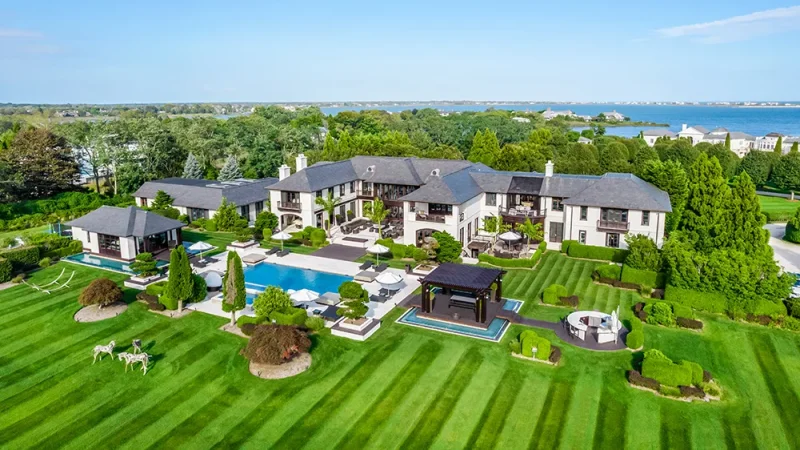
Wealth concentration across American cities reveals significant economic disparities and opportunities throughout the nation.
From Silicon Valley tech hubs to East Coast financial centers, certain metropolitan areas have emerged as magnets for high earners, innovative industries, and substantial economic growth.
Understanding which cities rank among the wealthiest provides valuable insights into economic trends, job markets, and regional development patterns that shape opportunities across the United States.
This analysis examines thirty of America’s richest cities, exploring major metropolitan areas alongside smaller affluent communities that demonstrate exceptional median household incomes and economic prosperity.
The examination includes diverse geographic regions and economic factors that contribute to urban wealth accumulation.
Here are the 30 richest cities in the U.S.
1. Atherton, California

Atherton stands as the wealthiest city in both California and the entire United States. This San Francisco Bay Area community maintains its position at the top of income rankings year after year.
The city boasts a median household income exceeding $530,000 annually. Some reports indicate average incomes reaching $619,754, reflecting the substantial wealth concentrated in this small community.
Located in San Mateo County within Silicon Valley’s heart, Atherton attracts numerous tech executives and industry leaders. The city’s proximity to major technology companies contributes significantly to its affluent resident base.
Real estate values in Atherton reflect its wealthy status. Median home sale prices exceed $7.5 million, making it one of the most expensive housing markets in the nation.
The community’s exclusivity and high property values create a self-reinforcing cycle of wealth concentration.
2. Scarsdale, New York
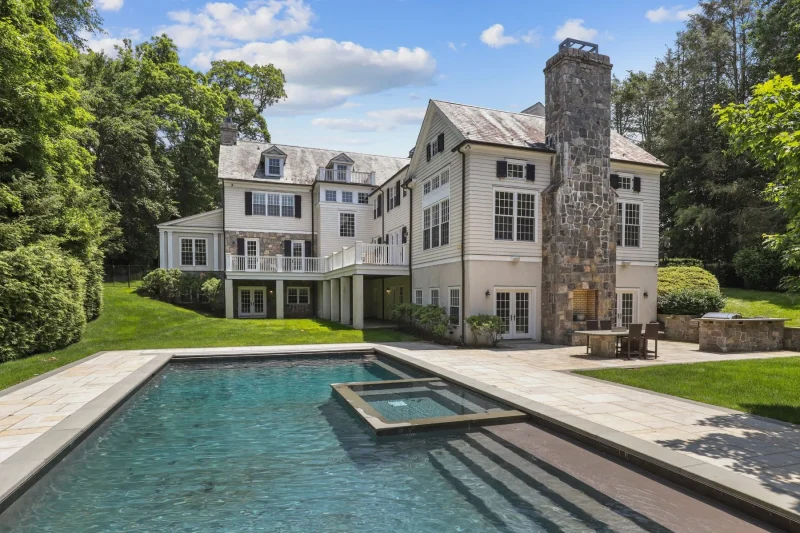
Scarsdale has claimed the title of America’s wealthiest suburb for the second consecutive year. This Westchester County community sits less than an hour north of New York City.
The town’s mean household income reached $601,193 in 2023. This represents a 2.24 percent increase from the previous year’s $588,014.
Scarsdale maintains a population of approximately 17,723 residents. The community attracts wealthy Americans seeking quiet, secluded living away from major metropolitan areas.
Home values in this tree-lined enclave continue rising alongside household incomes. The suburb’s proximity to Manhattan makes it appealing to high earners working in the city.
Westchester County dominates wealth rankings, with neighboring Rye securing the second position nationally. This concentration establishes the region as one of America’s most affluent areas.
3. Los Altos, California

Los Altos stands as one of California’s wealthiest communities in Santa Clara County. The city maintains a median household income above $250,000, placing it among the nation’s most affluent areas.
Located in the heart of Silicon Valley, Los Altos attracts high-earning professionals from the technology sector. The community’s proximity to major tech companies contributes to its exceptional economic profile.
Real estate values reflect the area’s prosperity. Median home prices exceed $2,000,000, making it one of the most expensive housing markets in the United States.
The city offers residents premium amenities and services. Quality schools, upscale shopping, and well-maintained recreational facilities cater to the affluent population’s expectations and lifestyle preferences.
4. New York City, New York

New York City stands as the wealthiest city in America and the world. The city houses approximately 349,500 millionaires and 60 billionaires.
This concentration of wealth represents a 48 percent increase in millionaires between 2013 and 2023. The city maintains its position despite economic fluctuations and urban challenges.
Manhattan’s exclusive neighborhoods contribute significantly to the city’s wealth profile. The financial district serves as a global economic hub, attracting high-income professionals and international investors.
New York’s diverse economy spans finance, real estate, technology, and entertainment industries. These sectors generate substantial income opportunities for residents and businesses.
The city’s proximity to major employment centers and luxury amenities continues to draw affluent individuals. Real estate values in prime locations reflect this ongoing demand from wealthy buyers and renters.
5. San Francisco, California
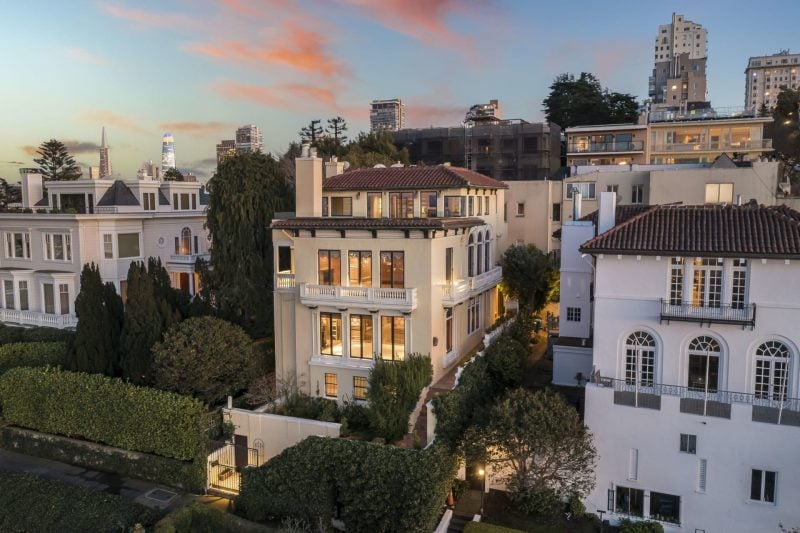
San Francisco stands as one of America’s wealthiest major metropolitan areas. The city maintains a median household income of $146,872 when adjusted to current dollars.
The Bay Area’s economic strength stems from its position as a global technology hub. Major corporations and startups contribute significantly to the region’s wealth concentration.
San Francisco’s high cost of living reflects its economic prosperity. The city attracts high-earning professionals across multiple industries including finance, healthcare, and biotechnology.
Real estate values in San Francisco rank among the highest nationally. Property ownership and rental markets command premium prices due to limited supply and strong demand.
The city’s wealth extends beyond individual households to corporate headquarters and venture capital firms. This financial ecosystem creates a self-reinforcing cycle of economic growth and wealth accumulation throughout the metropolitan area.
6. Los Angeles, California

Los Angeles stands as one of America’s wealthiest metropolitan areas. The city generates over $1.7 trillion in GDP output when combined with the broader California region.
The entertainment industry drives much of Los Angeles’ wealth concentration. Hollywood studios, production companies, and media conglomerates provide high-paying executive and creative positions.
Technology companies have established significant presences in Los Angeles. These firms contribute to the city’s growing reputation as a tech hub beyond its traditional entertainment focus.
Real estate values remain exceptionally high throughout desirable neighborhoods. Beverly Hills, Bel Air, and Manhattan Beach contain some of the most expensive residential properties in the nation.
The city attracts wealthy residents from various industries including finance, healthcare, and international business. Los Angeles’ proximity to major ports and international airports supports global commerce and investment opportunities.
7. Fremont, California

Fremont stands as one of America’s wealthiest cities with a median household income of approximately $131,000. The city attracts affluent families seeking quality living in the San Francisco Bay Area.
Located in Northern California’s East Bay region, Fremont sits about 30 miles north of Silicon Valley. This strategic positioning provides residents access to major tech employment centers while maintaining a suburban atmosphere.
The city offers diverse neighborhoods that appeal to high-earning professionals and families. Quality educational institutions contribute to Fremont’s desirability among wealthy residents seeking excellent schools for their children.
Fremont’s economic prosperity stems largely from its proximity to Silicon Valley’s thriving technology sector. Many residents commute to nearby tech companies while enjoying the city’s more affordable housing compared to other Bay Area locations.
8. Chicago, Illinois
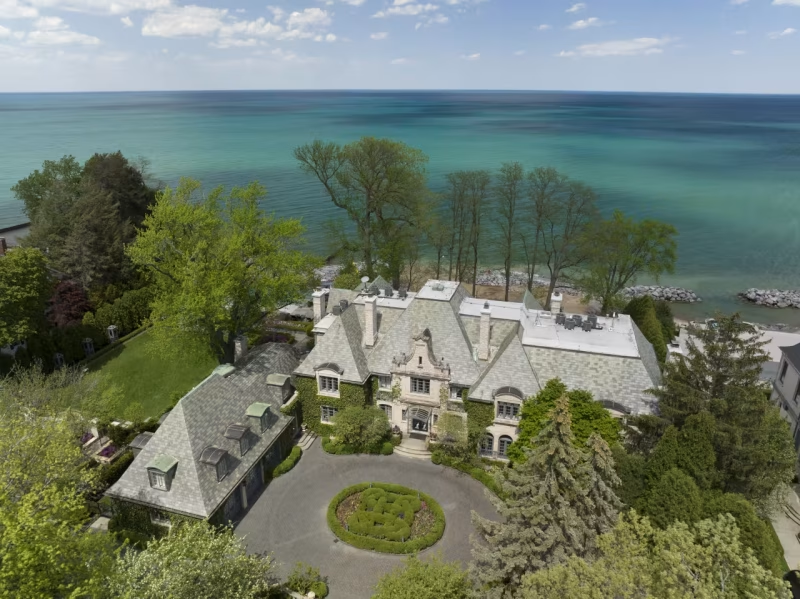
Chicago ranks as the fourth wealthiest city in the United States according to 2025 data. The city houses 127,100 millionaires within its metropolitan area.
The Windy City also contains 295 centi-millionaires who possess assets exceeding $100 million. Additionally, 25 billionaires call Chicago home.
Chicago’s wealth stems from its position as a major financial and business hub. The city serves as headquarters for numerous Fortune 500 companies across various industries.
The metropolitan area generates substantial economic activity through its diverse sectors. These include finance, technology, manufacturing, and transportation industries.
Chicago’s real estate market reflects the city’s affluent status. Premium neighborhoods like Lincoln Park and Gold Coast command high property values that attract wealthy residents.
9. Seattle, Washington
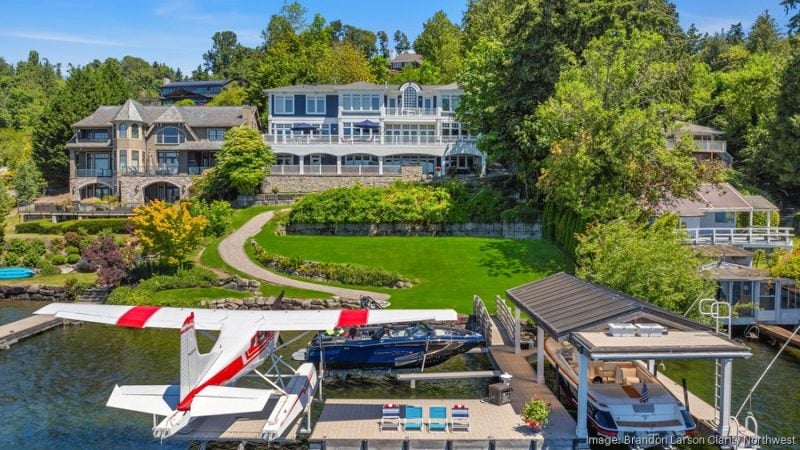
Seattle stands as Washington state’s economic powerhouse and one of the Pacific Northwest’s wealthiest metropolitan areas. The city benefits from major corporate headquarters including Amazon, Microsoft, and Boeing.
Tech industry growth has driven substantial wealth creation in the Seattle region. High-paying jobs in software development, cloud computing, and aerospace contribute to elevated income levels throughout the metropolitan area.
The greater Seattle area attracts high-net-worth individuals and business executives. Surrounding suburbs like Mercer Island rank among the nation’s wealthiest communities with household incomes exceeding $300,000.
Seattle’s diverse economy spans technology, healthcare, financial services, and international trade. The Port of Seattle serves as a major gateway for Asian commerce, adding to the region’s economic strength.
Real estate values remain high due to strong job growth and limited housing supply. The combination of corporate wealth and geographic constraints creates one of America’s most expensive housing markets.
10. Boston, Massachusetts

Boston ranks as the second-wealthiest city in the United States according to recent property management studies. The city analyzed among 45 major metropolitan areas for economic prosperity and wealth concentration.
Massachusetts itself holds the distinction of being the second wealthiest state nationally. The state reports a median household income of $101,341 as of 2023.
Boston’s wealth stems from its robust economy centered on finance, technology, and healthcare sectors. The city attracts significant investment and high-paying employment opportunities across multiple industries.
The metropolitan area benefits from proximity to prestigious universities like Harvard and MIT. These institutions drive innovation and attract educated professionals who contribute to the local economy.
Boston’s real estate market reflects the city’s affluent status. Property values remain consistently high due to strong demand from wealthy residents and investors seeking premium urban locations.
11. Palo Alto, California
Palo Alto stands as one of America’s wealthiest cities with a median household income exceeding $195,000. The city serves as home to prestigious Stanford University and sits at the heart of Silicon Valley innovation.
The median listing home price reaches approximately $3.1 million according to recent data. This reflects both the city’s desirability and the high cost of living that accompanies extreme wealth concentration.
Palo Alto’s prosperity stems largely from its proximity to major tech companies and venture capital firms. The city attracts entrepreneurs, executives, and academics who drive its economic engine.
With over 26,000 households, Palo Alto represents one of the larger wealthy communities in California. The city combines academic prestige with technological innovation, creating a unique environment for affluent residents.
12. Greenwich, Connecticut
Greenwich stands as one of America’s wealthiest cities, located just 29 miles northeast of New York City. This prime location in Lower Fairfield County has attracted high-income professionals for decades.
The median household income reached $180,484 in 2021. Home values reflect this prosperity, with median prices exceeding $1.5 million.
Greenwich benefits from its proximity to major financial centers while maintaining scenic landscapes. The city offers excellent school systems that draw affluent families seeking quality education for their children.
The western portion of Connecticut, where Greenwich sits, contains most of the state’s wealthiest communities. This concentration of wealth stems from the area’s connection to New York’s financial sector.
Connecticut ranks among the wealthiest states nationally, with Greenwich serving as a prime example of this prosperity. The city continues attracting wealthy residents seeking suburban luxury near urban opportunities.
13. San Jose, California
San Jose stands as one of California’s wealthiest metropolitan areas. The city holds a median household income of $148,900, significantly exceeding the statewide average of $91,551.
Located in the heart of Silicon Valley’s Santa Clara Valley, San Jose benefits from its proximity to major technology companies. This positioning has created substantial economic opportunities for residents.
The city houses nearly 1.94 million people within its metropolitan area. This large population base contributes to its economic strength and diverse workforce.
San Jose’s wealth stems largely from the technology sector’s presence in the region. High-paying jobs in software, engineering, and related fields drive the area’s prosperity.
The cost of living reflects the area’s affluence, with housing prices among the highest in the nation. Despite these costs, strong wages help maintain residents’ purchasing power.
14. Santa Clara, California
Santa Clara sits at the heart of Silicon Valley, positioned among California’s wealthiest communities. The city benefits from its proximity to major technology companies including Apple, Google, and Intel.
Property values in Santa Clara County serve as the primary indicator of neighborhood wealth. Real estate prices reflect the area’s position as one of the most expensive housing markets in the United States.
The city’s economy centers around the technology sector, creating high-paying employment opportunities. Tech executives and engineers contribute significantly to the area’s elevated median household income levels.
Santa Clara’s location provides easy access to both San Francisco and San Jose. This strategic positioning enhances its appeal to affluent professionals working throughout the Bay Area.
The demand for housing remains consistently high due to the concentration of major employers. This creates sustained property valuations that support the city’s wealthy status.
15. Houston, Texas
Houston stands as Texas’s wealthiest city with 20 billionaires, making it the fifth richest city in the United States. This concentration of wealth reflects the city’s position as an economic powerhouse.
The city is home to 210 centimillionaires, individuals with assets of at least $100 million. Houston’s wealth stems from its role as the economic center of the Houston-The Woodlands-Sugar Land metropolitan area.
As the fourth most populous city in the United States, Houston attracts high-net-worth individuals across multiple industries. The metropolitan area ranks as the sixth most populous in the nation.
The energy sector significantly contributes to Houston’s wealth accumulation. Oil and gas companies headquartered in the city have created substantial fortunes for executives and investors.
Houston’s diverse economy extends beyond energy into healthcare, aerospace, and technology sectors.
16. Dallas, Texas
Dallas ranks 22nd globally and 6th nationally in the Henley & Partners’ “Wealthiest Cities 2024” report. The city maintains its status as a major hub for affluent residents across the United States.
The metropolitan area is home to 68,600 millionaires, demonstrating significant wealth concentration. Dallas also houses 125 centi-millionaires and 15 billionaires within its boundaries.
When examining absolute numbers of millionaires, Dallas claims the 21st position worldwide. This ranking places it sixth among all United States cities for millionaire population.
The Dallas-Fort Worth region continues to attract wealthy residents through diverse economic opportunities. Multiple suburbs within the metropolitan area rank among Texas’s most affluent communities.
Dallas has solidified its reputation as an economic powerhouse in the Southwest. The city’s wealth extends beyond individual fortunes to encompass robust business sectors and growing industries.
17. Austin, Texas
Austin has emerged as a significant wealth center in Texas and the broader United States. The city ranks 34th globally for millionaire population, marking substantial progress from a decade ago.
The Texas capital benefits from a thriving technology sector and rapid population growth. Major corporations have established headquarters and significant operations in the metropolitan area.
Austin’s economic expansion attracts high-income professionals across multiple industries. The city’s business-friendly environment and lack of state income tax contribute to wealth accumulation.
Real estate values have increased considerably as demand from affluent residents grows. The metropolitan area continues climbing national wealth rankings year over year.
Young professionals and established executives choose Austin for career opportunities and quality of life. The city’s combination of economic growth and cultural amenities supports continued wealth development.
18. Plano, Texas
Plano stands as one of Texas’s most affluent cities with a population exceeding 100,000 residents. The city consistently ranks among the top wealthy communities in the state.
Located in the Dallas-Fort Worth metropolitan area, Plano attracts high-income professionals and families. The city benefits from its proximity to major corporate headquarters and employment centers.
Plano’s economy thrives on technology, telecommunications, and financial services industries. Major corporations maintain significant operations in the area, contributing to higher household incomes.
The city offers excellent schools, well-maintained neighborhoods, and quality infrastructure. These factors attract residents with substantial purchasing power and investment capacity.
Plano’s median household income significantly exceeds both state and national averages. The community maintains low unemployment rates and strong economic stability throughout various market conditions.
19. Irving, Texas
Irving stands as one of Texas’s most prosperous suburban communities. The city sits in the heart of the Dallas-Fort Worth metroplex, benefiting from its strategic location.
Major corporations have established headquarters in Irving. The city hosts numerous Fortune 500 companies, creating substantial employment opportunities for residents.
The Las Colinas district serves as a premier business center. This area attracts technology companies, financial services firms, and telecommunications businesses.
Irving’s median household income exceeds national averages significantly. The city’s diverse economy includes aerospace, technology, and energy sectors.
The community features upscale residential neighborhoods and commercial developments. Irving’s proximity to Dallas provides residents access to metropolitan amenities while maintaining suburban appeal.
Educational institutions and cultural attractions contribute to the city’s desirability. The area’s strong job market and business-friendly environment continue attracting affluent professionals and families.
20. Naperville, Illinois
Naperville stands as one of the wealthiest cities in the Midwest. The city has a median household income of $154,724 and a population of approximately 151,000 residents.
Located in DuPage County, Naperville earned recognition as the richest large city in the Midwest with at least 65,000 residents. NerdWallet ranked the city 19th nationally for wealth among similarly sized municipalities.
The city attracts educated professionals and business executives. Its robust economy and high quality of life contribute to its affluent status.
Naperville spans 102.8 square kilometers and sits at 702 feet elevation. The community benefits from excellent schools, safe neighborhoods, and strong employment opportunities.
The city’s wealth stems from its proximity to Chicago’s business centers while maintaining suburban appeal. Residents enjoy access to parks, cultural attractions, and recreational facilities.
21. Cambridge, Massachusetts
Cambridge stands as one of Massachusetts’ most prosperous cities. The median household income significantly exceeds national averages across the United States.
Home to Harvard University and MIT, Cambridge benefits from a robust economy driven by education and technology sectors. These prestigious institutions attract high-earning professionals and researchers to the area.
Property values in Cambridge reflect the city’s economic strength. The city features some of the most expensive neighborhoods in the Boston metropolitan area.
Cambridge ranked fifth nationally among the best places for young wealthy individuals to live. This ranking demonstrates the city’s appeal to affluent residents seeking career opportunities and urban amenities.
The city’s proximity to Boston provides additional economic advantages. Residents can access employment opportunities in both Cambridge’s innovation economy and Boston’s financial district.
22. Beverly Hills, California
Beverly Hills stands as Southern California’s most iconic wealthy neighborhood. The city features luxury mansions, high-end shopping, and the famous 90210 zip code.
The community attracts celebrities, business executives, and entertainment industry professionals. Rodeo Drive serves as one of the world’s premier luxury shopping destinations.
Beverly Hills offers residents top-rated schools and excellent safety ratings. The city maintains beautiful parks and impressive architecture throughout its neighborhoods.
Property values remain consistently high due to the area’s prestige and location. The city provides access to exclusive amenities and cultural attractions.
Residents benefit from proximity to Los Angeles while enjoying a more residential atmosphere. The local government maintains strict zoning laws that preserve the area’s upscale character.
23. San Diego, California
San Diego ranks as one of the most expensive cities in the United States. The city was recently ranked 9th most expensive nationally by cost of living measures.
The city’s wealth stems from three primary economic drivers. Its thriving biotech industry attracts top-tier talent and significant investment capital. The strong military presence provides economic stability and high-paying jobs.
Tourism also contributes substantially to San Diego’s economy. The combination of these industries creates a robust economic foundation that supports high income levels.
Within California, San Diego competes with other wealthy metropolitan areas. The city maintains its position among the state’s most affluent urban centers through consistent economic growth.
San Diego’s neighborhoods vary significantly in wealth concentration. Areas like La Jolla, Rancho Santa Fe, and Coronado represent some of the county’s most expensive residential districts.
24. Mountain View, California
Mountain View ranks among the wealthiest cities in the United States with a median household income that far exceeds national averages. The city sits in the heart of Silicon Valley, contributing to its exceptional economic prosperity.
Households in Mountain View earn approximately $144,000 to $158,104 annually. This income level places the city well above the national median and makes it one of the richest communities in America.
The city’s location in Silicon Valley drives much of its wealth. Major technology companies and high-paying tech jobs concentrate in this region, creating significant economic opportunities for residents.
Mountain View’s affluence reflects broader patterns seen throughout California’s Bay Area. The combination of technology industry presence and limited housing supply maintains high income levels among the city’s population.
25. Sunnyvale, California
Sunnyvale stands as one of California’s most affluent cities, located in the heart of Silicon Valley. The city benefits from its proximity to major tech companies and innovative startups.
The median household income in Sunnyvale exceeds $140,000 annually. This places it among the top-earning communities in the United States.
Technology professionals make up a significant portion of Sunnyvale’s workforce. Companies like Yahoo, NetApp, and LinkedIn have established major operations in the area.
The city offers excellent schools and family-friendly neighborhoods. Home values reflect the area’s desirability, with median prices well above national averages.
Sunnyvale provides easy access to both San Francisco and San Jose. The combination of high-paying jobs and quality amenities attracts wealthy residents seeking suburban comfort near urban centers.
26. Santa Monica, California
Santa Monica stands as one of California’s most affluent coastal cities. The beachfront community attracts wealthy residents with its prime Pacific Ocean location and proximity to Los Angeles.
The city’s median household income significantly exceeds national averages. High-paying industries including technology, entertainment, and finance contribute to the area’s economic prosperity.
Santa Monica’s real estate market commands premium prices due to limited coastal inventory. Luxury condominiums and beachfront properties regularly sell for millions of dollars.
The Third Street Promenade and Santa Monica Pier serve as major economic drivers. These attractions generate substantial tourism revenue while supporting local businesses.
Tech companies like Google and Hulu maintain significant offices in the area. These corporate presences create high-paying employment opportunities for residents.
The city offers world-class amenities including upscale shopping, fine dining, and cultural venues. These lifestyle factors continue attracting wealthy individuals and families to the community.
27. Fort Worth, Texas
Fort Worth stands as a major economic powerhouse in Texas with a diverse economy spanning aerospace, technology, and energy sectors. The city serves as headquarters for several Fortune 500 companies including American Airlines and Bell Helicopter.
The Dallas-Fort Worth metroplex contributes significantly to Texas’s overall wealth concentration. Fort Worth benefits from this regional prosperity through high-paying jobs in aviation, defense contracting, and financial services.
Major employers like Lockheed Martin and General Motors maintain substantial operations in the area. These companies provide well-compensated positions that drive local household incomes above national averages.
The city’s strategic location and business-friendly environment continue attracting corporate relocations and expansions. Fort Worth’s growing technology sector complements its traditional strengths in manufacturing and energy.
Housing markets reflect the city’s economic vitality with steady appreciation in many neighborhoods. Professional workers in aerospace and tech industries support demand for higher-end residential properties throughout the metropolitan area.
28. Orlando, Florida
Orlando has emerged as a major economic powerhouse in Florida, attracting wealthy residents with its robust economy and favorable business climate. The metropolitan area has experienced remarkable growth across multiple economic indicators.
The city benefits from year-round sunshine and proximity to Florida’s top attractions, including world-renowned theme parks. These factors contribute to a thriving tourism industry that supports the local economy.
Orlando leads the nation in several key growth metrics. Between July 2023 and July 2024, the metro area added 76,000 new residents, bringing the total population to 2,940,513.
This population growth represents approximately 1,500 new residents per week. Among the 30 most populous metro areas nationwide, Orlando recorded the highest population growth rate during this period.
The city’s economic diversification extends beyond tourism into technology, healthcare, and aerospace industries. This broad economic base provides stability and attracts high-income professionals to the region.
29. Miami, Florida
Miami stands as one of Florida’s most economically significant metropolitan areas. The city serves as a major financial hub for Latin America and the Caribbean region.
The Miami metropolitan area generates substantial GDP figures, ranking among the top U.S. cities by economic output. Its strategic location has made it a gateway for international trade and investment.
Miami’s wealth concentration varies significantly across different neighborhoods and municipalities. Areas like Fisher Island and other exclusive enclaves within the greater Miami area contain some of the highest household incomes in Florida.
The city’s economy relies heavily on tourism, international banking, and real estate. These sectors have attracted wealthy residents and investors from around the world.
Miami’s luxury real estate market consistently ranks among the most expensive in the United States. High-end properties along the waterfront command premium prices, contributing to the area’s overall wealth profile.
30. Arlington, Virginia
Arlington sits across the Potomac River from Washington, D.C., positioning it as a prime location for high earners. The city benefits from its proximity to the nation’s capital and serves as home to major government facilities.
The Pentagon and Washington National Airport are located within Arlington’s boundaries. These institutions contribute significantly to the local economy and employment opportunities.
Arlington attracts numerous corporate headquarters due to its strategic location. The concentration of government contractors and professional services firms drives up median household incomes throughout the area.
The city’s median household income ranks among the highest for major metropolitan areas in the United States. Arlington’s real estate market reflects this wealth, with property values well above national averages.
Transportation links to Washington, D.C. make Arlington particularly attractive to federal employees and lobbyists. The Metro rail system provides direct access to downtown D.C. within minutes.
Economic Factors Influencing Urban Wealth
Urban wealth concentration stems from specific economic drivers that create significant income gaps across American cities. Technology clusters, financial services, educational institutions, and property markets form the foundation of prosperity in the nation’s wealthiest metropolitan areas.
Key Industries Driving Prosperity
Technology and financial services dominate the economic landscape of America’s wealthiest cities. Silicon Valley cities like Los Altos benefit from proximity to major tech companies and venture capital firms.
New York City maintains its position as the financial center of the United States. The concentration of investment banks, hedge funds, and financial institutions creates high-paying employment opportunities.
Biotechnology and pharmaceuticals contribute significantly to urban wealth in cities like Boston and San Francisco. These industries require highly skilled workers and generate substantial revenue streams.
Energy sectors drive prosperity in specific regions. Houston’s oil and gas industry creates wealth concentration, while renewable energy investments boost income levels in select metropolitan areas.
Real estate and construction amplify wealth effects in coastal urban areas. High property values increase net worth for homeowners and create employment in related industries.
The Role of Education and Innovation
Educational attainment levels directly correlate with urban wealth concentration. Cities with major universities attract high-paying industries and educated workforces.
Research institutions foster innovation ecosystems that generate patents, startups, and technology transfer opportunities. Stanford University’s proximity to Silicon Valley exemplifies this relationship.
Graduate degree concentrations exceed national averages in wealthy cities. These educational credentials enable access to professional services, technology, and management positions.
Innovation clusters emerge around academic institutions and research facilities. Boston’s Route 128 corridor demonstrates how universities create sustainable economic advantages.
Professional development opportunities increase in cities with diverse educational resources. Continuing education programs and specialized training facilities support career advancement.
Income Disparities Within Wealthy Cities
Median household incomes mask significant wealth gaps within prosperous metropolitan areas. Service industry workers often struggle with housing costs despite high regional incomes.
Cost of living adjustments reveal disparities between headline income figures and actual purchasing power. San Francisco’s high median income loses value when adjusted for housing expenses.
Geographic segmentation creates income stratification within cities. Wealthy neighborhoods concentrate high earners while other areas house lower-income residents.
Employment sectors determine individual economic outcomes within wealthy cities. Technology workers earn substantially more than retail or hospitality employees in the same metropolitan area.
Housing affordability challenges affect middle-income residents in expensive cities. Teachers, firefighters, and healthcare workers face financial pressure despite working in high-income metropolitan areas.
How Rich Cities Impact Regional Development
Wealthy metropolitan areas create ripple effects that extend far beyond their city limits, reshaping housing markets, infrastructure networks, and cultural landscapes. These economic powerhouses drive regional transformation through concentrated wealth and high-income populations.
Influence on Local Housing Markets
Rich cities generate significant pressure on regional housing markets through wealth spillover effects. High-income residents from affluent metropolitan areas often purchase secondary homes or investment properties in surrounding regions.
This demand drives up property values in previously affordable areas. Communities within 50-100 miles of wealthy cities experience accelerated price appreciation as residents seek more space while maintaining economic ties to urban centers.
Key market impacts include:
- Displacement of local residents due to rising costs
- Conversion of rental properties to higher-end housing
- Development of luxury amenities and services
Real estate developers target these expanding markets with premium projects. Small towns near cities like Palo Alto and Bethesda see construction of high-end residential developments that cater to wealthy commuters and retirees.
Effects on Transportation and Infrastructure
Wealthy cities drive substantial infrastructure investments across their regions. High property tax revenues and business activity generate funding for transportation networks that connect affluent areas to surrounding communities.
These cities often anchor major highway improvements and transit expansions. The economic activity they generate justifies large-scale projects like expanded airport facilities and high-speed rail connections.
Infrastructure benefits extend to utilities and digital networks. Telecommunications companies prioritize fiber optic installations in regions with concentrated wealth, improving connectivity for all residents.
Common infrastructure developments:
- Enhanced highway systems
- Expanded public transit options
- Upgraded utility networks
- Improved digital infrastructure
The spillover creates employment opportunities in construction and engineering sectors throughout the region.
Contribution to Cultural Growth
Rich cities serve as cultural anchors that elevate artistic and educational opportunities across their regions. Museums, theaters, and educational institutions in wealthy metropolitan areas attract visitors and participants from surrounding communities.
These cities support major cultural institutions through philanthropic giving and corporate sponsorship. The resulting programming and facilities benefit residents throughout the broader region who travel to access these amenities.
Educational partnerships often develop between wealthy cities and regional institutions. Universities and research centers in affluent areas collaborate with smaller colleges, sharing resources and expertise.
Cultural expansion includes:
- Regional arts festivals and events
- Educational exchange programs
- Shared cultural facilities
- Enhanced dining and entertainment options
The concentration of high-income professionals creates demand for sophisticated cultural offerings that benefit the entire region’s quality of life.