The 30 Richest Places to Live in Wisconsin: The State’s Most Affluent Communities

Wisconsin offers distinct geographic regions that vary significantly in terms of economic prosperity and residential desirability.
The state’s wealthiest communities span from lakefront enclaves near Milwaukee to thriving suburban areas throughout the southeastern counties.
Understanding which places offer the highest household incomes and property values helps potential residents and investors identify Wisconsin’s most affluent communities.
These areas typically feature strong local economies, quality educational systems, and desirable amenities that attract high-earning professionals and established families.
Here are the 30 richest places to live in Wisconsin:
1. Chenequa
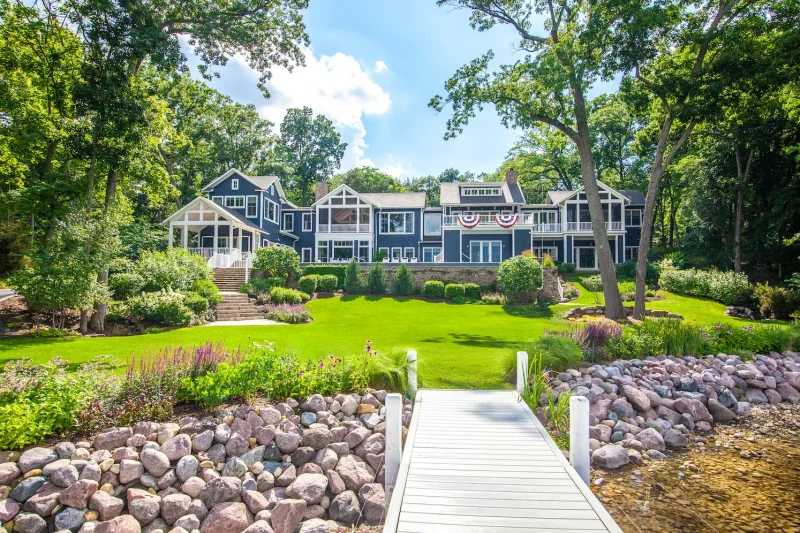
Chenequa stands as Wisconsin’s wealthiest community with an average household income of $456,817 as of 2023. This small village in Waukesha County consistently ranks at the top of income lists across the state.
The community sits west of Milwaukee along the shores of Pine Lake. Beautiful lakeside homes define the village’s character and contribute to its exclusive reputation.
Property values reflect the area’s affluence. Chenequa ranks among three Wisconsin municipalities with average home values exceeding $1 million, alongside Oconomowoc Lake and Lac La Belle.
The median household income for Chenequa’s 241 households reached $250,001 in 2023. This represents a significant increase from the previous year’s median of $177,500.
Chenequa’s combination of prime lakefront location and high-income residents solidifies its position as Wisconsin’s premier wealthy enclave.
2. Merton
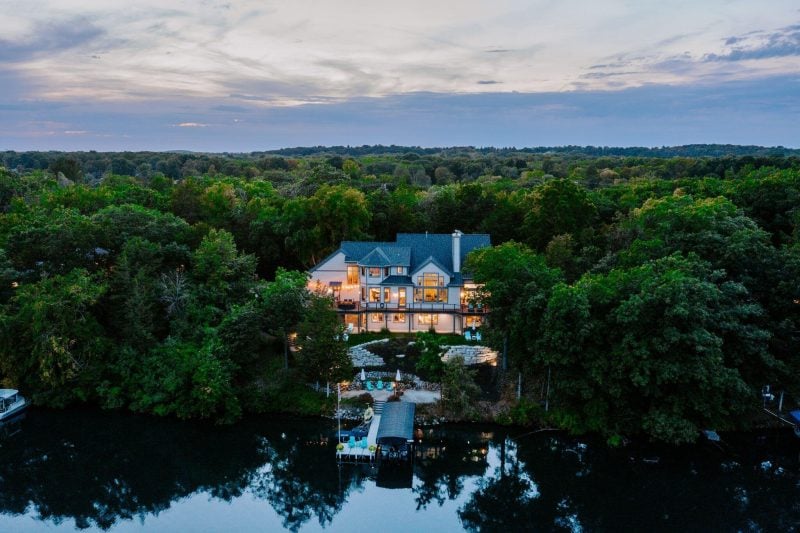
Merton stands as one of Wisconsin’s wealthiest communities in Waukesha County. The city sits in the southeastern part of the state, positioned west of Milwaukee.
With a population of approximately 3,655 residents, Merton maintains its status as an affluent suburb. The median household income reaches $207,397, placing it among the top-earning cities in Wisconsin.
The community benefits from its proximity to Milwaukee while offering a more residential atmosphere. Merton’s unemployment rate of 2.6% falls below the national average, indicating a stable local economy.
The city attracts residents seeking upscale living within commuting distance of major employment centers. Its location in Waukesha County provides access to quality schools and amenities typical of affluent suburban communities.
3. Whitefish Bay

Whitefish Bay ranks among Wisconsin’s most affluent communities, positioned along Lake Michigan’s western shore in Milwaukee County. The village maintains a population of approximately 14,954 residents.
The community features a median home price of $511,073 and a mean household income of $174,093. These figures place it consistently among the state’s wealthiest municipalities.
Whitefish Bay is characterized by tree-lined streets and historic architecture. The village offers a family-friendly atmosphere with 31% of residents under 18 years old.
The community provides residents with over 4,800 residential properties and more than 100 commercial establishments. This creates a balanced living environment that combines residential charm with convenient amenities.
Located near downtown Milwaukee, Whitefish Bay offers proximity to urban resources while maintaining its suburban character. The village provides access to parks, beaches, and local events that contribute to its desirable lifestyle.
4. Fox Point
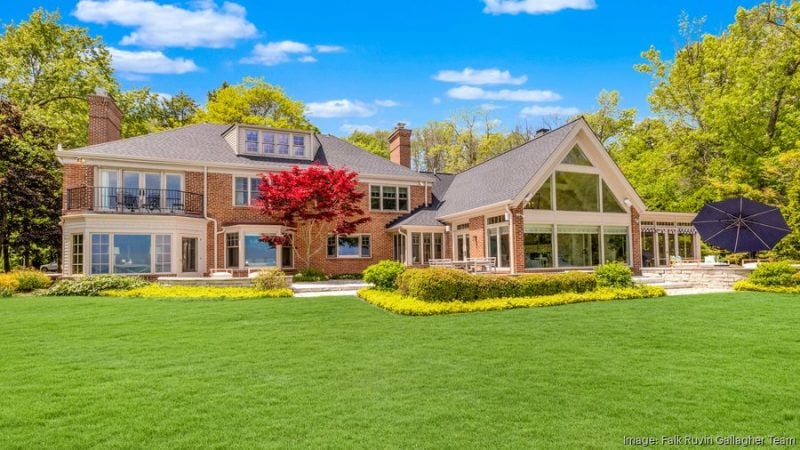
Fox Point stands as one of Wisconsin’s wealthiest communities with an average household income of $239,298 as of 2023. This Milwaukee County suburb consistently ranks among the state’s most affluent areas.
The city attracts high-earning residents with its prime location and quality amenities. Fox Point maintains a population that meets the threshold for Wisconsin’s richest city designation of at least 5,000 people.
Property values reflect the community’s affluent status. Typical home values reach $527,320, demonstrating the premium residents pay for this desirable location.
Fox Point’s proximity to Milwaukee provides convenient access to urban employment centers while maintaining suburban charm. The community has earned recognition as one of the best places to live in Wisconsin with strong resident satisfaction ratings.
5. River Hills
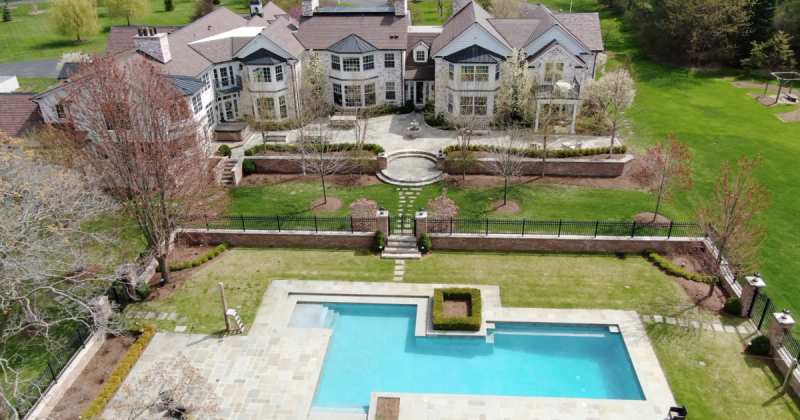
River Hills consistently ranks as Wisconsin’s wealthiest community. The suburb sits in Milwaukee County along the Milwaukee River.
The city boasts a median household income of $317,642 according to recent census data. Mean income reaches even higher at $283,369.
Home values reflect the area’s affluent status. Typical home values hover around $908,254, with median home prices at $847,367.
River Hills maintains a relatively small population of approximately 1,541 residents. This exclusivity contributes to its prestigious reputation.
The community sits within the Milwaukee-Waukesha metropolitan area. Its location provides convenient access to Milwaukee while maintaining a secluded, upscale environment.
Recent data shows home values experienced a slight decline of 0.7% over one year. Despite this minor fluctuation, River Hills retains its position as the state’s premier wealthy enclave.
6. Delafield
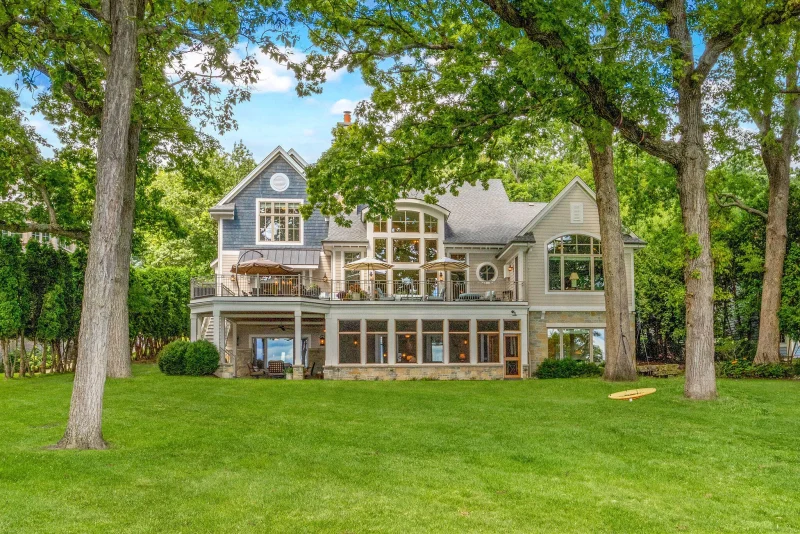
Delafield ranks as one of Wisconsin’s most affluent communities with a median home value of $720,088. The city consistently appears among the state’s most expensive places to live.
The median household income in Delafield reaches $114,867, significantly higher than national averages. This income level supports the community’s high property values and upscale lifestyle.
Current real estate listings range from $160,000 to $6.5 million, with a median listing price of $792,400. The housing market offers 62 homes for sale across the city’s neighborhoods.
Delafield features a picturesque downtown area and historic natural landscapes. Residents enjoy easy access to Nagawicka Lake, adding to the community’s desirable location and premium real estate values.
7. Elm Grove
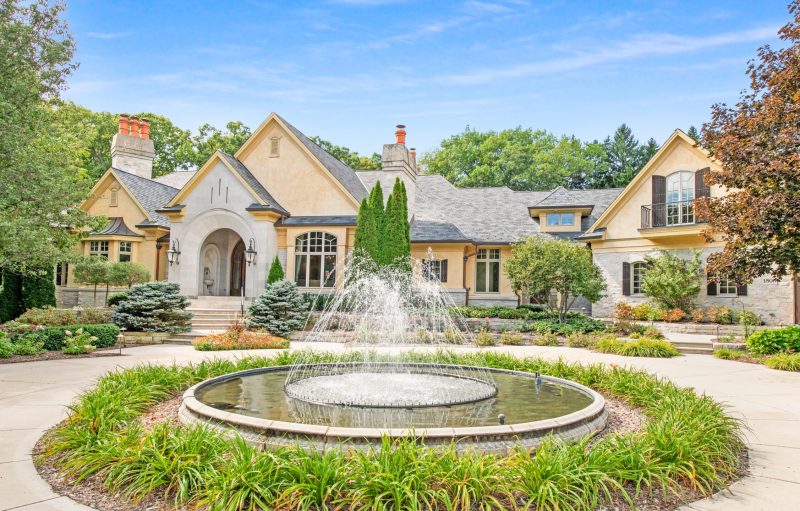
Elm Grove stands as one of Wisconsin’s most affluent communities, located in Waukesha County as a suburb of Milwaukee. The village maintains a population of approximately 6,400 residents.
The median household income reaches $185,925 annually, placing Elm Grove among the state’s wealthiest municipalities. About 30 percent of the community’s 2,300 households earn more than $112,000 per year.
Housing values reflect the area’s prosperity, with typical home values around $648,893. Properties have experienced steady appreciation, with recent data showing a 5.4 percent increase over one year.
Elm Grove consistently ranks first among Milwaukee-area suburbs by ZIP code wealth rankings. The 53122 ZIP code demonstrates the highest median household income in the region at $119,512.
The community attracts residents seeking upscale suburban living within reasonable proximity to Milwaukee’s urban amenities and employment opportunities.
8. Wauwatosa
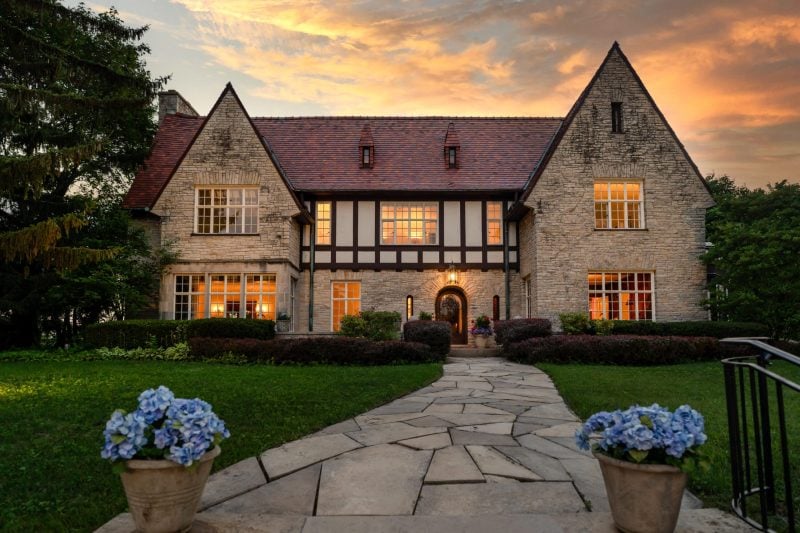
Wauwatosa ranks among Milwaukee’s most affluent suburbs with a median household income of $93,004. This income level significantly exceeds the national median, positioning the city as one of Wisconsin’s wealthiest communities.
The city maintains a population of 47,718 residents with a median age of 38.7 years. Individual income averages $56,055 across the community.
Wauwatosa’s real estate market reflects its affluent status with a median listing price of $399,000. Available homes range from $100,000 to $2.3 million across the city’s three distinct neighborhoods.
The cost of living remains competitive at 1% below the national average despite higher income levels. This combination creates favorable economic conditions for residents seeking upscale suburban living near Milwaukee.
9. Mequon
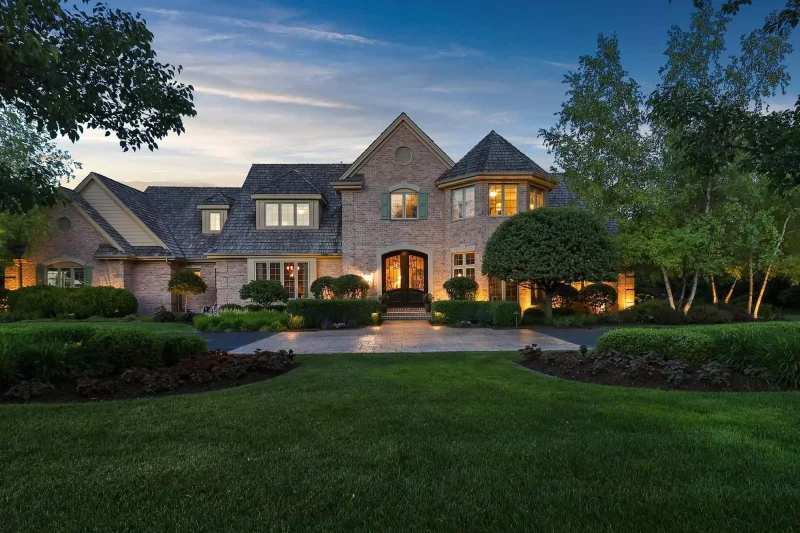
Mequon stands as one of Milwaukee’s wealthiest suburbs, located in Ozaukee County with a population of 25,259. The city maintains an average household income of $209,904.
Typical home values in Mequon reach $631,395, reflecting the area’s affluent status. The community sits along Lake Michigan’s western shores, providing scenic lakeside living.
The city emphasizes low-density development and open space preservation. This planning approach helped establish Mequon as one of Wisconsin’s most desirable residential areas.
Money Magazine recognized Mequon as the 41st best place to live in America. The ranking considers factors like economic health, housing affordability, and quality of life.
Mequon combines suburban amenities with natural beauty. The community attracts residents seeking upscale living within commuting distance of Milwaukee’s employment opportunities.
10. Hartland

Hartland ranks among Wisconsin’s most affluent communities with a median household income of $99,361. The city attracts residents seeking upscale suburban living in southeastern Wisconsin.
Home values in Hartland reflect its desirable status. The median home price reaches $602,796, representing a significant 38.8% increase from previous levels of $434,169.
This Waukesha County community offers residents a blend of small-town charm and modern amenities. Hartland maintains its appeal through well-maintained neighborhoods and quality schools.
The cost of living in Hartland sits 5% above the state average while remaining 3% below national levels. This positioning makes it accessible compared to other wealthy Wisconsin communities.
Hartland’s proximity to Milwaukee provides residents with urban employment opportunities while maintaining a quieter residential atmosphere.
11. Oconomowoc
Oconomowoc stands as one of Wisconsin’s most affluent communities in Waukesha County. The city attracts wealthy residents with its desirable lakefront properties and upscale neighborhoods.
The median household income reaches $108,406, significantly exceeding both state and national averages. This income level reflects the city’s strong economic foundation and professional workforce.
Housing costs place Oconomowoc among Wisconsin’s most expensive markets. The median single-family home price sits at $540,000, more than double Milwaukee’s median price.
Lakefront properties command premium prices, with waterfront homes now exceeding $1.5 million. Non-waterfront homes in established neighborhoods typically start around $400,000.
The city offers 199 homes for sale with prices ranging from $60,000 to $15 million. The median listing price stands at $630,000, demonstrating the market’s luxury focus.
12. Brookfield
Brookfield ranks among Wisconsin’s most affluent communities with a median household income of $111,561. This places the city well above national averages for household earnings.
Located in Waukesha County, Brookfield serves as a suburb of Milwaukee with a population of 41,592. The city maintains one of the lowest unemployment rates in the country at 2.7%.
Home values in Brookfield reflect the area’s prosperity, with typical home values reaching $503,539. This makes it one of the more expensive housing markets in the Milwaukee metropolitan area.
The combination of high incomes and substantial property values establishes Brookfield as a premium residential destination. Residents benefit from strong economic stability and quality living conditions that attract affluent families to the area.
13. Germantown
Germantown ranks among Wisconsin’s most affluent communities with a median household income of $91,881. The village recorded an average annual household income of $132,035 in 2023 according to Census Bureau data.
Located in Washington County’s southeast corner, Germantown spans 34 square miles. The community sits just 30 minutes from Milwaukee while maintaining a small-town atmosphere.
This suburb of Milwaukee houses 20,940 residents and earned recognition as the 30th most appealing place to live in the United States by Money Magazine. The village offers award-winning schools and a strong local economy.
Housing styles feature classically American designs including ranch-style and colonial-inspired builds. Home prices typically range from $400,000 upward, reflecting the area’s desirability and economic prosperity.
Germantown combines suburban convenience with rural lifestyle elements, making it one of the best places to live in Wisconsin.
14. Greendale
Greendale stands out as one of Wisconsin’s most prosperous communities with a median household income of $81,401. This places the village in the 80th percentile for income across the state.
The community of 14,229 residents enjoys a high standard of living in this dense Milwaukee suburb. Greendale ranks as the 8th best place to live in Milwaukee County.
The Greendale West neighborhood particularly demonstrates wealth concentration. It ranks among the top 15% highest income neighborhoods in America according to recent data.
Located in Milwaukee County, Greendale offers residents an attractive combination of suburban amenities and proximity to urban centers. The village maintains its status as a desirable location for affluent families.
The cost of living remains 8% below the national average despite the community’s wealth. This creates an appealing value proposition for high-income residents seeking quality of life.
15. Waukesha
Waukesha ranks among Wisconsin’s most affluent communities with a median household income of $91,125. This income level significantly exceeds the national median, establishing the city as a prosperous destination.
The city serves as the county seat of Waukesha County, one of Wisconsin’s wealthiest regions. Multiple municipalities within this county appear on expensive housing lists throughout the state.
Waukesha offers residents access to quality amenities and convenient location benefits. The city provides proximity to Milwaukee while maintaining its own distinct character and community features.
Housing costs in Waukesha reflect the area’s desirability and economic strength. Several neighborhoods within the city command premium prices, including Guthrie/Vernon and Westowne/Tallgrass areas.
The Milwaukee-Waukesha metropolitan area dominates Wisconsin’s expensive housing market. This region contains more high-cost communities than any other area in the state.
16. Mount Pleasant
Mount Pleasant stands out as one of Wisconsin’s more affluent communities with a median household income of $87,856. This figure significantly exceeds the national median income.
The cost of living in Mount Pleasant remains 7% below the national average despite higher incomes. This combination creates favorable economic conditions for residents.
Housing values reflect the area’s desirability, with typical home values reaching $261,925. Property values have shown strong growth with a 45.8% increase over five years.
The community attracts both young professionals and retirees. Mount Pleasant offers numerous bars and parks for recreation and social activities.
Residents tend to lean conservative politically. The town provides a balance of amenities while maintaining its appeal to higher-income households seeking quality living in Wisconsin.
17. Cedarburg
Cedarburg ranks as one of Wisconsin’s most affluent communities with a median home value of $526,717. The town consistently attracts wealthy residents due to its desirable location and strong economic indicators.
Households in Cedarburg led by residents aged 25 to 44 have a median income of $126,619. This demographic represents professionals in the early to mid stages of their careers who choose the area for its upscale amenities.
The community sits in Ozaukee County as a suburb of Milwaukee with approximately 6,200 residents. Its proximity to Milwaukee provides access to urban employment while maintaining small-town character.
Cedarburg’s real estate market reflects the area’s prosperity, with home values higher than 89.7% of Wisconsin neighborhoods. The town’s historic charm and vibrant arts community contribute to its appeal among affluent buyers seeking quality residential options.
18. Slinger
Slinger is a small community in Washington County with a population of 6,173 residents. The village is located in central Washington County and borders both the Town of Hartford and City of Hartford.
Typical household income in Slinger ranges between $55,000 to $70,000. This places the community in a comfortable middle-income bracket within Wisconsin.
The housing market in Slinger shows strong growth potential. The average home price reached $578,000 recently, representing a 62.7% increase from the previous year.
The village offers residents a desirable living environment in Washington County. Slinger is recognized as one of the better places to live in Wisconsin, providing a balance of affordability and quality of life for families and professionals.
19. Sussex
Sussex ranks among Wisconsin’s most affluent communities with a median household income of $104,338. This Waukesha County village sits in the Milwaukee metropolitan area.
The community has a population of approximately 11,795 residents. Sussex maintains its status as one of the best places to live in Wisconsin.
Typical home values in Sussex reach $493,578. The village attracts residents seeking upscale suburban living near Milwaukee.
The Lake Five neighborhood within Sussex stands out for its wealth. This area ranks among the top 15% highest income neighborhoods in America.
Sussex offers several attractive parks and recreational amenities. The cost of living remains 9% below the national average despite the higher property values.
The village combines suburban comfort with proximity to Milwaukee’s employment opportunities. Sussex continues to draw affluent families seeking quality schools and community amenities.
20. New Berlin
New Berlin ranks among Wisconsin’s most desirable suburban communities. The city sits in Waukesha County as a suburb of Milwaukee with a population of 40,384 residents.
The median household income reaches $97,414 annually. This figure significantly exceeds the national median income levels. Average household income climbs even higher to $129,292 per year.
Housing costs reflect the area’s affluence. The median home price stands at $415,000, which is only $9,000 above the national median. Current home listings range from $134,900 to $2.8 million across the city’s five neighborhoods.
New Berlin maintains a higher homeownership rate compared to many areas. The community consistently appears on lists of Wisconsin’s wealthiest neighborhoods based on median home values.
Cost of living remains competitive at 2% below the national average.
21. Wrightstown
Wrightstown ranks among Wisconsin’s wealthiest communities with a typical home value of $289,400. This village in Brown County has experienced significant real estate appreciation over recent years.
The community saw a 6.1% increase in home values over one year. Five-year price changes show even more dramatic growth at 42.6%, reflecting strong demand in the area.
Wrightstown real estate represents some of the most expensive property values in Wisconsin. The village’s location and desirable characteristics contribute to its high housing costs.
The community maintains its position as one of the top 10 wealthiest places in the state. Local amenities and proximity to larger metropolitan areas support continued property value strength.
22. De Pere
De Pere ranks among Wisconsin’s wealthier communities with typical home values reaching $312,184. The city has experienced significant growth, with property values increasing 51.2% over five years.
Located five miles south of Green Bay along the Fox River, De Pere offers an attractive location for affluent residents. The community of 49,663 people maintains a median age of 36.8 years.
Average individual income sits at $44,914, reflecting the city’s economic stability. De Pere is considered the most expensive area within the Green Bay metro region, particularly properties along the waterfront.
The city provides a close-knit community atmosphere while maintaining proximity to Green Bay’s amenities and employment opportunities. Despite harsh winters, residents benefit from low crime rates and strong community ties that attract families and professionals seeking quality living.
23. Appleton
Appleton represents one of Wisconsin’s more affluent communities located in the Fox Cities region. The city sits along the Fox River north of Lake Winnebago.
Several neighborhoods in Appleton command premium prices that attract higher-income residents. North Meadows stands out as the most expensive neighborhood within the city.
The community features diverse residential areas with strong real estate markets. Property values reflect the area’s desirability among Wisconsin’s wealthier residents.
Appleton serves as the cultural heart of the Fox Cities region. The city offers numerous amenities including performing arts venues and recreational opportunities that appeal to affluent families.
The local economy supports higher incomes through various industries and employment opportunities. This economic foundation contributes to Appleton’s status among Wisconsin’s more prosperous communities.
24. Fond du Lac
Fond du Lac ranks as the 24th richest place to live in Wisconsin with a population of approximately 44,000 residents. The city maintains a median household income of $69,631, placing it in the 64th percentile nationally.
Located at the southern shore of Lake Winnebago, Fond du Lac offers residents both economic stability and recreational opportunities. The city’s name translates to “foot of the lake,” reflecting its strategic lakeside position.
The University of Wisconsin operates a campus in Fond du Lac, providing educational opportunities and contributing to the local economy. This educational presence supports the community’s professional development and attracts families seeking quality educational resources.
Home prices in Fond du Lac remain below the Wisconsin state average of $260,575, making it an attractive option for those seeking affordability alongside steady economic growth. The city demonstrates consistent development that appeals to investors and residents alike.
25. Sheboygan
Sheboygan stands out as one of Wisconsin’s notable affluent communities. The city has earned recognition among the top 250 best places to live in the United States.
Located in eastern Wisconsin along Lake Michigan, Sheboygan offers residents access to lakefront properties and recreational opportunities. The area’s proximity to the lake contributes to its desirable living conditions.
The local housing market reflects the community’s economic strength. Home prices in the Sheboygan metro area have reached significant levels, indicating strong property values and investment potential.
Sheboygan County provides residents with quality amenities and services. The region offers good public schools, manageable crime rates, and reasonable cost of living compared to other wealthy Wisconsin areas.
The city’s economic stability stems from diverse industries and employment opportunities. This foundation supports the community’s continued growth and maintains its position among Wisconsin’s more prosperous places to live.
26. Hudson
Hudson sits along the St. Croix River near the Minnesota border, attracting residents who value scenic beauty and economic opportunity. The city has a population of 14,763 people.
The median household income reaches $90,250, reflecting the community’s economic strength. Many residents commute to the Twin Cities metropolitan area for work while enjoying Wisconsin’s lower cost of living.
Hudson’s median home value stands at $461,468. This price point reflects the desirability of riverfront living and proximity to major employment centers.
The city benefits from its strategic location between two states. Residents access Minnesota job markets while taking advantage of Wisconsin’s favorable tax environment.
Hudson combines small-town charm with suburban amenities. The St. Croix River provides recreational opportunities and enhances property values throughout the area.
27. Stillwater
Stillwater represents one of Wisconsin’s more affluent residential communities. The city attracts residents seeking a blend of suburban comfort and natural beauty.
Located in St. Croix County, Stillwater offers proximity to the St. Croix River. This geographic advantage provides recreational opportunities and scenic surroundings that enhance property values.
The community maintains a stable economic base with residents employed in various professional sectors. Many work in nearby metropolitan areas while enjoying Stillwater’s quieter residential atmosphere.
Housing in Stillwater tends toward the higher end of the market. Well-maintained neighborhoods feature a mix of established homes and newer construction that appeals to affluent buyers.
The area’s school districts perform well academically. Educational quality serves as a key factor drawing families to establish roots in the community.
Stillwater’s location provides convenient access to urban amenities while preserving a more relaxed pace of life.
28. Bayfield
Bayfield sits along the shores of Lake Superior in northern Wisconsin. The city serves as the county seat of Bayfield County and maintains a population of approximately 500 residents.
The community functions as a gateway to the Apostle Islands National Lakeshore. This proximity to natural attractions contributes to its appeal among affluent residents seeking lakefront properties.
Bayfield’s economy relies heavily on tourism and seasonal recreation. The city attracts visitors year-round for sailing, fishing, and outdoor activities on Lake Superior.
Real estate values remain elevated due to limited lakefront inventory and scenic location. Many properties offer direct water access or panoramic lake views.
The historic downtown district features Victorian-era architecture and boutique businesses. Local amenities include marinas, restaurants, and cultural attractions that support the area’s upscale residential market.
29. Eagle
Eagle sits in Waukesha County as an affluent suburban community. The village attracts residents seeking upscale living outside Milwaukee’s urban center.
The community features spacious residential properties on larger lots. Many homes showcase traditional architecture with modern amenities.
Eagle maintains a small-town atmosphere while providing access to metropolitan conveniences. Residents benefit from quality schools and well-maintained public services.
The village’s location offers easy commuting options to Milwaukee and surrounding business districts. This accessibility contributes to its appeal among professionals.
Eagle’s real estate market reflects its desirable status among Wisconsin communities. Property values remain stable due to consistent demand from affluent buyers.
The area provides recreational opportunities through nearby parks and natural areas. Golf courses and country clubs serve the community’s recreational preferences.
30. New Richmond
New Richmond sits in St. Croix County along the Wisconsin-Minnesota border. The city maintains a population of approximately 10,000 residents and serves as a regional economic center.
The community benefits from its proximity to the Twin Cities metropolitan area. Many residents commute to Minneapolis-St. Paul for higher-paying employment opportunities while enjoying Wisconsin’s lower cost of living.
New Richmond’s median household income reflects its position as a growing suburban community. The city has experienced steady residential development over recent decades.
Local amenities include parks along the Willow River and a historic downtown district. The area offers a mix of single-family homes and newer residential developments.
The city’s strategic location provides access to both urban employment centers and rural recreational activities. This combination attracts families seeking suburban lifestyle benefits with metropolitan area access.
Key Factors That Influence Wealth in Wisconsin
Wisconsin’s wealthiest communities share common characteristics that drive their prosperity. Strong local economies, quality educational systems, and robust real estate markets create the foundation for sustained wealth accumulation across the state’s most affluent areas.
Economic Drivers and Employment Opportunities
Manufacturing and Technology Sectors form the backbone of Wisconsin’s wealthy communities. Cities like Merton and Summit benefit from proximity to advanced manufacturing facilities and corporate headquarters.
The state’s biotechnology industry concentrates high-paying jobs in specific regions. Madison’s research corridor creates wealth through university partnerships and startup companies.
Financial services contribute significantly to household incomes in affluent areas. Many wealthy Wisconsin communities house regional banking centers and investment firms.
Key employment factors include:
- Average salaries exceeding $100,000 annually
- Executive positions in Fortune 500 companies
- Professional services like law and consulting
- Healthcare administration roles
Agricultural wealth remains relevant in rural affluent areas. Large-scale farming operations and food processing companies generate substantial incomes for landowners and executives.
Education and Public Services
School district quality directly correlates with property values and wealth concentration. Top-performing districts attract families willing to pay premium housing costs.
Wisconsin’s wealthy communities typically feature:
- Student-teacher ratios below 15:1
- Advanced Placement course availability
- High college enrollment rates exceeding 90%
Public infrastructure investment supports wealth retention. Well-maintained roads, parks, and municipal services justify higher tax rates in affluent areas.
Library systems and cultural amenities enhance community appeal. Wealthy districts often fund extensive recreational programs and cultural facilities.
Higher education proximity matters significantly. Communities near University of Wisconsin campuses benefit from research partnerships and educated workforce development.
Municipal services in wealthy areas include enhanced police coverage, professional fire departments, and comprehensive public works departments.
Real Estate Trends
Property appreciation rates in Wisconsin’s wealthiest areas outpace state averages significantly. The top 25 towns show average home values of $691,892, representing 44.68% growth over five years.
Median home prices vary substantially across wealthy communities:
- River Hills: Premium lakefront properties
- Chenequa: Estate-style homes on large lots
- Mequon: Suburban luxury developments
Housing inventory remains limited in the most desirable areas. Low supply drives continued price appreciation and maintains exclusivity.
Development restrictions preserve property values through zoning regulations. Many wealthy communities limit commercial development and require minimum lot sizes.
Investment property demand from out-of-state buyers increases competition. Wisconsin’s relatively affordable luxury market attracts investors from Illinois and Minnesota.
Lifestyle and Community Amenities
Wisconsin’s wealthiest communities offer exceptional recreational opportunities through lakefront properties and state parks, while maintaining sophisticated cultural scenes with acclaimed restaurants and arts venues. These areas also provide superior healthcare access through proximity to major medical centers and specialized facilities.
Outdoor Recreation and Natural Beauty
The affluent communities along Wisconsin’s lake country provide unparalleled outdoor recreation opportunities. Chenequa residents enjoy direct access to Pine Lake with private boat launches and waterfront trails.
Lake Activities:
- Private marina access in communities like Oconomowoc
- Fishing and boating on Pewaukee Lake
- Ice fishing and winter sports during colder months
Middleton offers over 30 parks within city limits, including the popular Pheasant Branch Conservancy. This 550-acre preserve features hiking trails and wildlife observation areas.
Germantown provides access to the Kettle Moraine State Forest. Residents can enjoy hiking, mountain biking, and cross-country skiing on well-maintained trail systems.
Recreation Facilities:
- Golf courses at Lake Country Club and University Ridge
- Tennis and swimming facilities at private clubs
- Ski hills within 30 minutes of most wealthy communities
Many communities feature dedicated bike paths connecting residential areas to shopping districts. Fox Point and Whitefish Bay offer direct Lake Michigan shoreline access with beaches and coastal walking paths.
Arts, Dining, and Culture
Madison’s wealthy neighborhoods benefit from the city’s thriving cultural scene anchored by the University of Wisconsin. The Overture Center hosts Broadway touring productions and symphony performances year-round.
Dining Excellence:
- James Beard Award-nominated restaurants in Madison
- Farm-to-table establishments in Middleton’s downtown district
- Exclusive private clubs in lakefront communities
Elm Grove and surrounding areas provide easy access to Milwaukee’s cultural attractions. The Milwaukee Art Museum and Marcus Center offer world-class exhibitions and performances within 20 minutes.
Local farmers markets in communities like Shorewood feature artisanal vendors and organic produce. These weekly events serve as community gathering spaces for residents.
Cultural Amenities:
- Private art galleries in downtown districts
- Wine tasting rooms and craft breweries
- Seasonal festivals celebrating local heritage
Many wealthy communities maintain their own cultural centers. Wauwatosa’s Village hosts regular concerts and art shows in intimate venues designed for community engagement.
Healthcare Access and Facilities
Residents of Wisconsin’s wealthiest communities enjoy proximity to the state’s premier medical facilities. Madison-area neighborhoods provide access to UW Health’s comprehensive medical network and specialized treatment centers.
Major Medical Centers:
- University of Wisconsin Hospital (Madison)
- Aurora Medical Center (multiple locations)
- Froedtert Hospital system (Milwaukee area)
Germantown and surrounding communities benefit from specialized cardiac and cancer treatment facilities within 15 miles. These areas also feature multiple urgent care centers and specialty clinics.
Healthcare Features:
- Concierge medical services available
- Advanced diagnostic imaging centers
- Rehabilitation and physical therapy facilities
Milwaukee-area wealthy suburbs offer access to Children’s Hospital of Wisconsin for pediatric care. Many communities also feature wellness centers with preventive care services and health screening programs.
Private medical practices in these areas often provide shorter wait times and personalized attention. Telemedicine services have expanded access to specialists for routine consultations and follow-up care.