The 30 Richest Places to Live in Wyoming: The State’s Most Affluent Communities
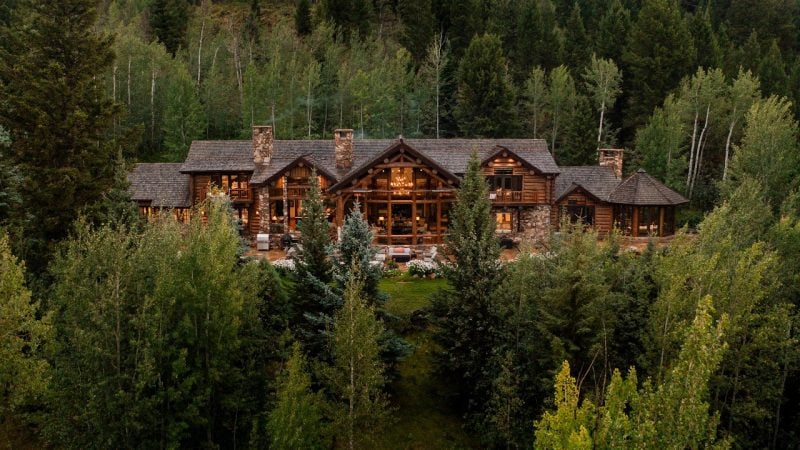
Wyoming’s wealthiest communities represent a diverse mix of areas shaped by natural resources, tourism, and favorable tax policies.
These affluent locations range from ski resort destinations and energy boomtowns to historic western communities that have attracted high-income residents seeking quality of life and outdoor recreation opportunities.
Understanding which Wyoming communities offer the highest concentrations of wealth provides valuable insight for potential residents, investors, and business owners considering relocation or expansion in the state.
The factors contributing to prosperity vary significantly across different regions, with some areas benefiting from energy extraction industries while others thrive on tourism and recreational amenities that draw wealthy individuals from across the nation.
1. Jackson
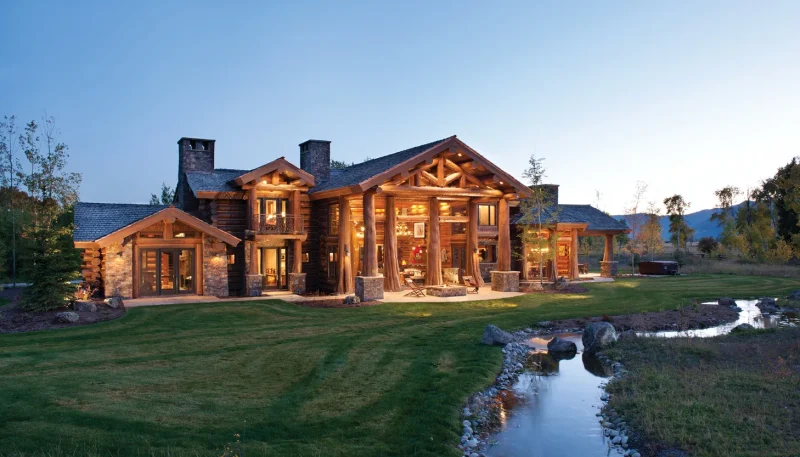
Jackson stands as Wyoming’s wealthiest city with a median household income of $101,477. The city maintains an exceptionally low poverty rate of just 5.3%.
Located in Teton County, Jackson benefits from its proximity to Grand Teton and Yellowstone National Parks. This strategic location drives significant tourism revenue throughout the year.
The area attracts ultra-wealthy residents seeking low taxes and remote mountain estates. Billionaires and celebrities have established residences in the Jackson Hole region.
Real estate prices reflect the concentration of wealth, with high-end properties commanding premium prices. The city’s 10,680 residents enjoy access to luxury amenities and world-class skiing facilities.
Jackson’s economy thrives on tourism, with visitors drawn to the natural beauty and outdoor recreation opportunities. The combination of scenic landscapes and tax advantages continues to attract affluent newcomers.
2. Teton County
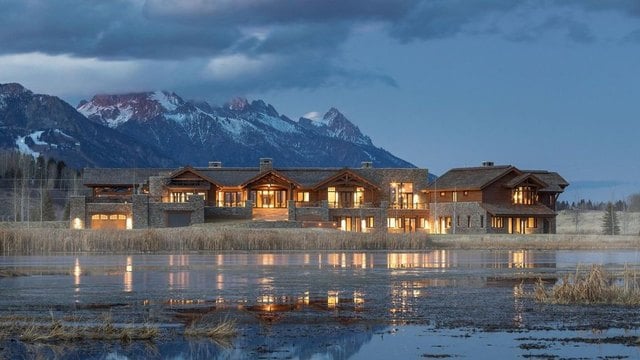
Teton County stands as America’s wealthiest county, maintaining this position for two decades. The average per capita income reached $471,751 in 2023, creating a median household income of approximately $1.3 million.
This figure exceeds the national average by 6.7 times. Wyoming’s other 22 counties average just $65,917 per capita income, making Teton County an outlier within the state.
Jackson serves as the county seat and primary population center. The area attracts ultra-high-net-worth individuals seeking mountain recreation and luxury amenities.
Wyoming’s favorable tax policies contribute significantly to the county’s wealth concentration. The state maintains wealth-friendly tax and trust laws that appeal to affluent residents.
Private ski clubs and exclusive recreational facilities operate throughout the region. These amenities cater specifically to high-income residents seeking premium mountain experiences.
3. Gillette
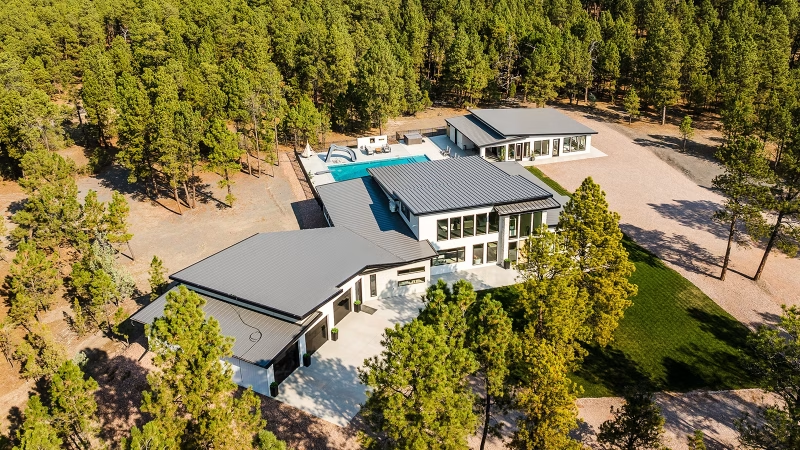
Gillette stands as one of Wyoming’s most prosperous cities, built on the foundation of the state’s energy industry. The city benefits from its position in the Powder River Basin, one of America’s largest coal-producing regions.
Energy companies and mining operations drive much of Gillette’s wealth. High-paying jobs in coal mining, oil, and natural gas attract workers and families seeking economic opportunity.
The median home value in Gillette remains below Wyoming’s state average of $294,307, making it more affordable than Jackson or Cody. This creates attractive opportunities for residents to build wealth while maintaining lower living costs.
Gillette’s economy shows resilience despite fluctuations in energy markets. The city continues to attract professionals in engineering, mining operations, and energy management roles that offer substantial salaries and benefits packages.
4. Cody
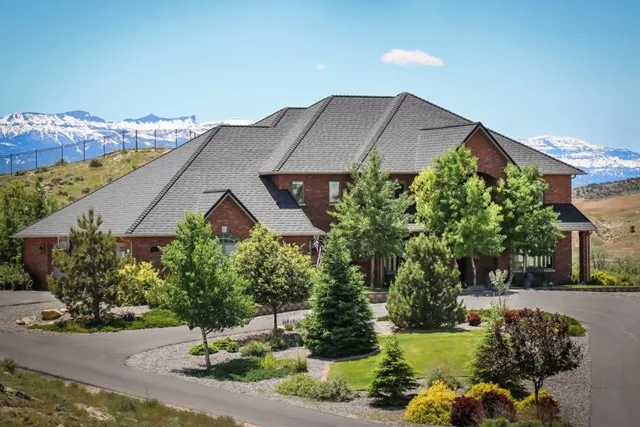
Cody ranks among Wyoming’s wealthiest cities, consistently appearing in lists of the state’s richest communities. The city attracts affluent residents through its proximity to Yellowstone National Park and strong tourism economy.
Home values in Cody exceed Wyoming’s state average of $346,096. The real estate market reflects the area’s desirability among wealthy buyers seeking mountain lifestyle properties.
The city’s economy benefits from tourism, energy, and agriculture sectors. Many residents work in hospitality, outdoor recreation, and related industries that serve the region’s visitors.
Cody’s location near Yellowstone creates significant economic advantages. The steady flow of tourists supports local businesses and maintains property values throughout the area.
Wealthy retirees and second-home owners contribute to the city’s affluent demographic profile.
5. Cheyenne
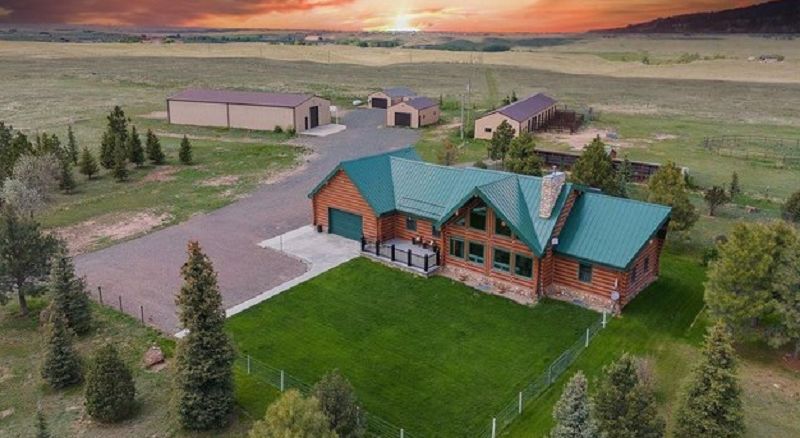
Cheyenne stands as Wyoming’s capital and largest city, contributing significantly to the state’s wealthy communities. The city serves as both a government center and economic hub for southeastern Wyoming.
Home prices in Cheyenne remain below the state average of $346,096, making it more accessible than some premium Wyoming locations. This affordability attracts residents seeking quality living without the premium costs of resort towns.
The city’s economy benefits from government employment, railroad operations, and military presence through F.E. Warren Air Force Base. These stable employment sectors provide consistent income sources for residents.
Cheyenne’s strategic location near the Colorado border creates additional economic opportunities. The city attracts businesses and residents who value proximity to Denver while maintaining Wyoming’s favorable tax structure.
Several neighborhoods within Cheyenne command higher property values based on market demand and desirability.
6. Douglas
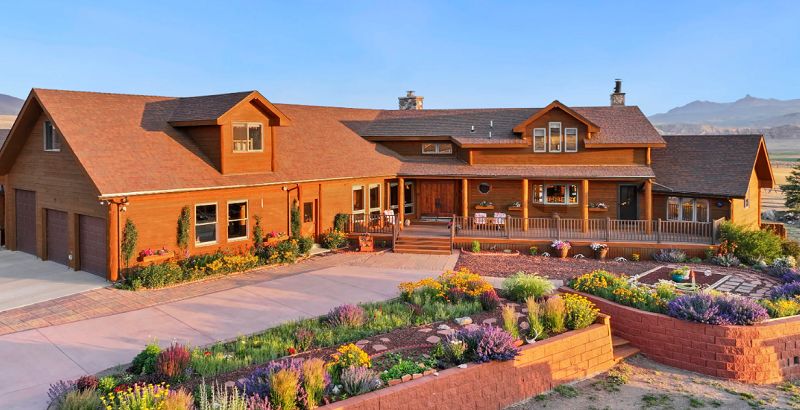
Douglas stands out among Wyoming’s wealthiest communities with a median income of $61,518. The city maintains an impressive unemployment rate of just 2.8%, indicating strong economic stability.
Located in Converse County, Douglas offers competitive home values that attract both residents and investors. The area features low crime rates, contributing to its appeal as a desirable place to live.
Real estate professionals identify Douglas as a top location for property investment in Wyoming. The city provides both immediate value and long-term appreciation potential for homeowners.
Douglas combines economic opportunity with small-town living. The community benefits from Wyoming’s favorable tax environment while maintaining reasonable housing costs compared to other wealthy areas in the state.
7. Laramie
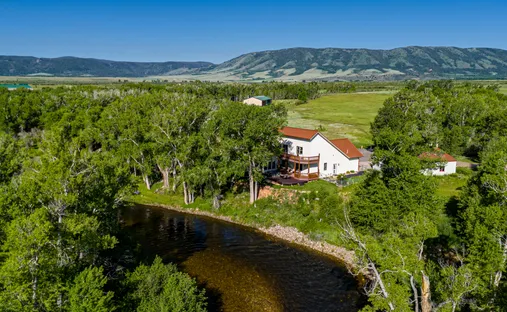
Laramie stands as one of Wyoming’s most affluent communities, combining university town prosperity with regional economic strength. The city serves as home to the University of Wyoming, which contributes significantly to local wealth and stability.
The presence of higher education creates a diverse economic base beyond traditional Wyoming industries. Faculty, administrators, and university-connected professionals maintain higher median incomes than many rural Wyoming areas.
Laramie’s location along Interstate 80 provides strategic advantages for business development and commerce. The transportation corridor supports logistics companies and service industries that generate substantial local wealth.
Housing costs remain moderate compared to resort towns like Jackson, making Laramie attractive for affluent residents seeking value. The city offers cultural amenities and educational opportunities typically found in larger metropolitan areas.
Energy sector professionals and ranching families also contribute to Laramie’s wealth profile. These traditional Wyoming industries maintain strong presence alongside the university economy.
8. Sheridan
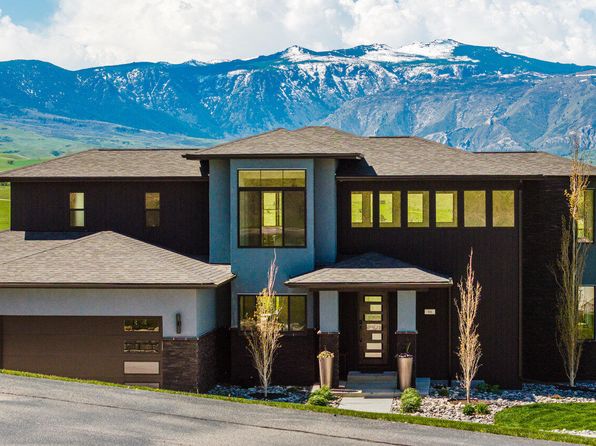
Sheridan stands as a notable wealthy community in northern Wyoming with a population of approximately 17,938 residents. The city demonstrates economic stability with a poverty rate of 10.5%, which sits 25% below the national average.
The typical household in Sheridan earns $52,167 annually. While this falls below the national median of $67,500, it represents solid income levels for Wyoming standards.
Sheridan attracts residents through its combination of affordable living costs and economic opportunities. The city offers housing options that remain accessible compared to other wealthy Wyoming locations.
Local neighborhoods vary significantly in home values and desirability. The best residential areas feature higher property values and stronger community amenities.
Sheridan’s wealth stems from diverse economic foundations including agriculture, energy, and tourism sectors. The city maintains steady growth while preserving its small-town character and mountain proximity.
9. Rock Springs
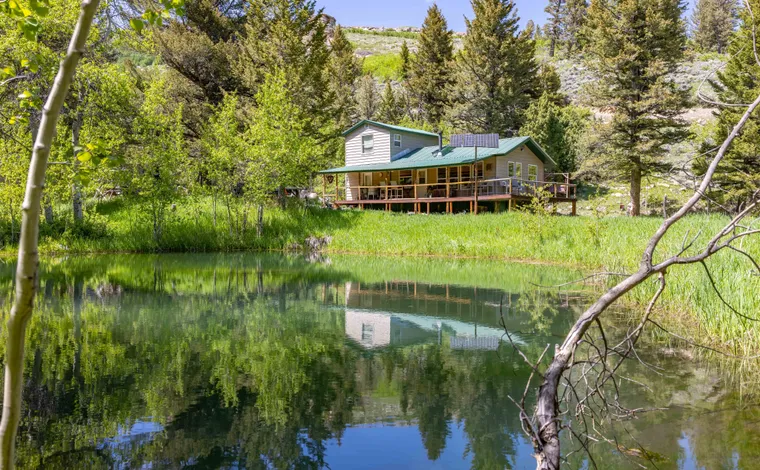
Rock Springs stands as a notable community in Wyoming with a population of 23,229 residents. The city maintains a median home value of $245,600, positioning it within the state’s more accessible markets.
The cost of living in Rock Springs runs 21% below the national average. This affordability factor contributes to its appeal among Wyoming residents seeking value.
Rock Springs Highlands represents one of the more affluent residential areas within the city. This neighborhood showcases the higher-end housing options available to residents.
The city ranks fourth for diversity in Wyoming. Rock Springs operates as a sparse suburban town with various amenities and community features that support its residents’ quality of life.
10. Casper
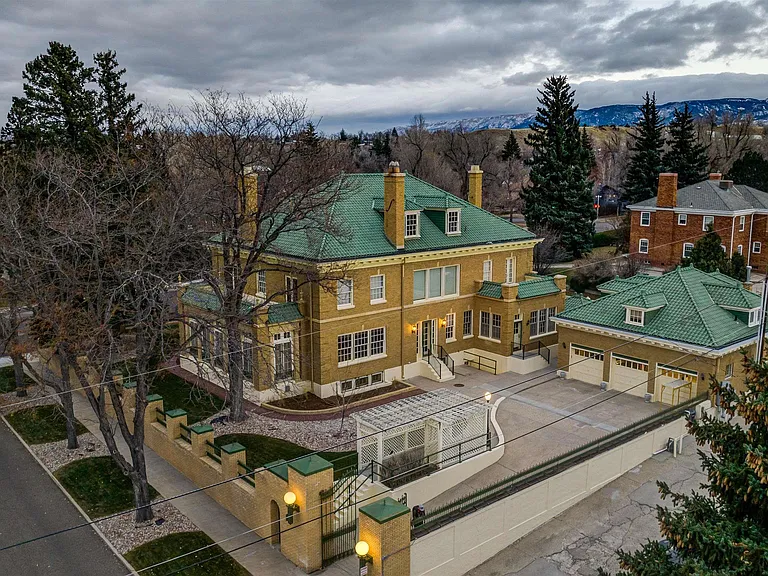
Casper stands as Wyoming’s second-largest city and serves as the economic hub of central Wyoming. The city benefits from its position in the energy sector, with oil refining and natural gas production driving much of the local economy.
Home prices in Casper remain more affordable compared to Wyoming’s state average of $346,096. This lower cost of living attracts both families and professionals seeking quality housing options without the premium prices found in resort towns.
The city offers diverse neighborhoods that appeal to different income levels. Established residential areas feature well-maintained homes with mature landscaping and proximity to schools and amenities.
Casper’s economy extends beyond energy into healthcare, education, and retail sectors. The presence of major employers provides stable job opportunities that support middle to upper-middle-class lifestyles throughout the community.
11. Riverton
Riverton sits in central Wyoming with deep historical roots tied to the Shoshone and Arapaho tribes. The city offers a moderate cost of living compared to other Wyoming communities.
The area provides access to outdoor recreation and maintains steady employment opportunities. Riverton’s economy benefits from its location in Fremont County’s agricultural and energy sectors.
Housing costs remain affordable relative to wealthier Wyoming cities like Jackson. The median home values stay below state averages for premium locations.
Riverton attracts residents seeking small-town living with mountain access. The city’s proximity to the Wind River Range creates appeal for outdoor enthusiasts.
Local amenities include shopping centers, healthcare facilities, and educational institutions. The community maintains a stable population of working families and retirees seeking affordable Wyoming living.
12. Evanston
Evanston sits at approximately 6,700 feet above sea level in southwestern Wyoming. The city enjoys abundant sunshine with clear skies about 300 days per year.
This mountain community serves as the county seat of Uinta County. Evanston’s economy benefits from its location along Interstate 80, attracting travelers and commerce between major western cities.
The area offers outdoor recreational opportunities including hiking, fishing, and winter sports. Nearby Bear River provides water activities during warmer months.
Housing costs in Evanston remain more moderate compared to Jackson or other high-end Wyoming markets. The city maintains a small-town atmosphere while providing essential services and amenities.
Evanston’s proximity to Utah creates cross-border economic opportunities. The community has historically supported ranching, mining, and railroad operations that contributed to local wealth accumulation over generations.
13. Rawlins
Rawlins serves as the county seat of Carbon County in south-central Wyoming. The city sits along Interstate 80 and has historically been an important transportation hub.
The local economy relies heavily on coal mining, oil and gas production, and the Union Pacific Railroad. These industries provide stable employment opportunities for residents.
Rawlins offers a lower cost of living compared to many other Wyoming communities. Housing prices remain affordable relative to resort towns like Jackson or Cody.
The Wyoming State Penitentiary operates as a significant employer in the area. Government jobs also contribute to the local economic base.
Outdoor recreation opportunities include fishing, hunting, and hiking in the nearby Medicine Bow National Forest. The Continental Divide runs through the surrounding region.
The city maintains basic amenities including healthcare facilities, schools, and retail establishments. Its location provides access to larger cities while maintaining a small-town atmosphere.
14. Buffalo
Buffalo sits in Johnson County at the base of the Bighorn Mountains. The city offers more affordable housing compared to Wyoming’s average home price of $346,096.
The town benefits from its location along Interstate 25 and proximity to outdoor recreation areas. Buffalo serves as a gateway to the Cloud Peak Wilderness and Bighorn National Forest.
Local industries include agriculture, tourism, and energy production. The area’s ranching heritage remains strong with several large cattle operations nearby.
Buffalo’s downtown district features historic buildings and local businesses. The city maintains a small-town atmosphere while providing essential services and amenities.
Housing costs remain reasonable compared to other Wyoming cities. This affordability attracts families and retirees seeking mountain living without premium prices found in Jackson or other resort communities.
15. Powell
Powell ranks among Wyoming’s wealthier communities, with residents enjoying above-average incomes compared to much of the state. The city benefits from its strategic location in the Bighorn Basin.
Agriculture drives much of Powell’s economy. The area’s fertile soil and irrigation systems support successful farming operations that contribute significantly to local wealth.
Powell is home to Northwest College, which adds economic stability to the region. The college provides employment opportunities and attracts students who contribute to the local economy.
The city’s proximity to Yellowstone National Park creates tourism-related business opportunities. Many residents capitalize on the steady flow of visitors traveling through the area.
Housing costs in Powell remain relatively reasonable compared to Jackson or Cody. This balance allows residents to maintain comfortable lifestyles while building wealth over time.
16. Worland
Worland offers residents an affordable housing market compared to Wyoming’s statewide averages. The median home price remains below the state average of $294,307, making it accessible for middle-income families.
The town provides stable employment opportunities primarily through agriculture and energy sectors. Local industries support a consistent economic base for residents seeking steady income sources.
Worland’s cost of living attracts families looking for budget-friendly alternatives to Wyoming’s more expensive cities. Housing costs represent the primary financial advantage for residents choosing this community.
The real estate market shows promise for investors seeking affordable entry points into Wyoming property ownership. Market conditions favor both buyers and long-term investment strategies in the area.
17. Lander
Lander sits in central Wyoming’s Wind River Valley, positioned as a gateway to outdoor recreation and natural beauty. The city attracts affluent residents who value its proximity to wilderness areas and mountain activities.
Home prices in Lander remain below Wyoming’s state average of $294,307. This affordability factor draws families and retirees seeking quality mountain living without premium coastal prices.
The local economy benefits from tourism, outdoor gear manufacturing, and government employment. Many residents work in seasonal industries or operate businesses serving adventure tourists and climbers.
Lander’s neighborhoods near the foothills command higher property values. These areas offer mountain views and direct access to hiking trails, making them popular among wealthy outdoor enthusiasts.
The city maintains a stable real estate market with steady appreciation rates. Property values reflect the community’s desirability among those seeking an active mountain lifestyle.
18. Green River
Green River ranks among Wyoming’s wealthier communities, driven by its industrial base and strategic location. The city benefits from significant natural gas and trona mining operations that provide high-paying jobs.
The median household income exceeds the state average. Energy sector employment creates economic stability for residents.
Green River offers affordable housing compared to Jackson or Cody. Home prices remain reasonable while providing access to quality neighborhoods.
The city sits along the Green River and provides outdoor recreation opportunities. Residents enjoy fishing, boating, and hiking in the surrounding area.
Green River’s economy relies heavily on natural resource extraction. This creates both opportunities and economic cycles tied to commodity markets.
The community maintains lower living costs than many Wyoming cities. Residents benefit from no state income tax while enjoying stable employment prospects in energy-related industries.
19. Thermopolis
Thermopolis stands as a notable community in central Wyoming, recognized for its natural hot springs and small-town character. The city attracts residents seeking a quieter lifestyle while maintaining access to recreational amenities.
The local economy benefits from tourism related to Hot Springs State Park and the Wyoming Dinosaur Center. These attractions provide steady employment opportunities for residents in hospitality and related services.
Housing costs in Thermopolis remain relatively affordable compared to other Wyoming communities. The real estate market offers opportunities for both primary residences and investment properties.
Income levels in Thermopolis vary across different neighborhoods within the city. Some areas demonstrate moderate earning potential while others reflect lower median household incomes typical of rural Wyoming communities.
The city’s location provides access to outdoor recreation including fishing, hiking, and hunting opportunities that appeal to affluent retirees and outdoor enthusiasts.
20. Campbell County
Campbell County ranks among Wyoming’s wealthier regions with a per capita income of $31,968. The county holds second place statewide for per capita income levels.
Ranchester Heights stands out as one of Campbell County’s most affluent residential neighborhoods. This area represents the county’s upscale housing market.
The county’s median income varies significantly by location, ranging from $41,993 to $130,568 in different neighborhoods. Western parts of the county typically feature higher income areas.
Campbell County’s per capita labor earnings reach $42,256, which exceeds Wyoming’s average by 30 percent. This strong earning power contributes to the county’s wealthy status.
The overall cost of living receives an index value of 100, indicating average expenses compared to other Wyoming counties. Property values use market-based assessments through sales data analysis.
21. Sublette County
Sublette County ranks among Wyoming’s top counties for quality of life and economic opportunities. The county combines affordable living costs with strong local employment prospects.
Housing markets in Sublette County show significant variation by location. Bondurant leads with median home prices of $713,000, while Cora follows at $597,000.
The county offers reasonable living expenses compared to state averages. Two-bedroom rentals average $840 monthly, making it accessible for various income levels.
Local employment centers around healthcare, aviation, and energy sectors. Major employers include Sublette County Rural Health Care District, Teton Aviation, and Big Piney Fuel.
The area maintains a rural character with sparse population density. This appeals to residents seeking space and natural surroundings while maintaining economic stability.
22. Big Horn County
Big Horn County stands out as one of Wyoming’s most affordable areas for prospective homeowners. The county offers housing prices below the state average of $294,307, making it accessible for families seeking rural living.
The area maintains a strong reputation for quality of life factors. Low crime rates and well-rated schools contribute to its appeal among residents looking for safe communities.
Big Horn County provides extensive recreational opportunities that attract outdoor enthusiasts. The rural setting offers access to various activities while maintaining small-town charm that many residents value.
The county consistently receives recognition as one of Wyoming’s best places to live. This ranking stems from its combination of affordable housing options, low cost of living, and community amenities that support family life.
23. Fremont County
Fremont County ranks among Wyoming’s more affordable areas for homeownership. The county has a per capita income of $24,173, placing it in the lower tier of Wyoming’s economic rankings.
Several communities within the county offer different lifestyle options. Dubois sits along the Wind River near the Absaroka Range, providing mountain access for outdoor enthusiasts.
The area maintains a cost of living score of 92.4, making it below the national average. This affordability attracts residents seeking value in their housing investments.
Pinedale, located near Fremont Lake, stands out as one of the county’s more neighborly communities. The town offers a small-town atmosphere with natural beauty nearby.
Home values in certain parts of Fremont County have shown growth potential. The county’s proximity to outdoor recreation areas contributes to its residential appeal for those prioritizing lifestyle over urban amenities.
24. Sweetwater County
Sweetwater County stands out among Wyoming’s wealthier regions with home prices below the state average of $335,792. This creates attractive opportunities for residents seeking value in desirable markets.
The county hosts two prominent cities that rank among Wyoming’s richest places. Rock Springs and Green River both made the top ten list of wealthiest Wyoming cities in recent rankings.
Rock Springs offers residents a strong business community paired with excellent quality of life. The city provides cultural attractions including the Sweetwater County Historical Museum for exploring local heritage.
Green River complements Rock Springs as another economically successful community within the county. Both cities benefit from comfortable cost of living and outstanding recreational opportunities.
The county’s wealth stems from its strategic location and diverse economic base. Residents enjoy access to natural resources and business opportunities that support sustained prosperity throughout the region.
25. Albany County
Albany County presents a more affordable option compared to Wyoming’s wealthier areas. Home prices in the county fall below the state average of $294,307, making it accessible to middle-income residents.
The county centers around Laramie, home to the University of Wyoming. This academic presence brings stability to the local economy and provides educational opportunities.
Albany County has been identified among Wyoming’s counties with lower per capita income levels. However, this creates opportunities for residents seeking reasonable housing costs and a college town atmosphere.
The area offers a different lifestyle than Wyoming’s resource-rich regions. Residents benefit from cultural amenities associated with the university while enjoying lower living expenses than found in places like Jackson or Gillette.
Housing markets in Albany County remain steady, though they lack the dramatic appreciation seen in Wyoming’s premium destinations.
26. Lincoln County
Lincoln County ranks among Wyoming’s wealthiest counties for 2025. The county demonstrates strong economic performance across multiple sectors.
Natural resources contribute significantly to Lincoln County’s prosperity. The area benefits from energy production and mining activities that generate substantial revenue.
Tourism also plays an important role in the local economy. Visitors are drawn to the county’s outdoor recreation opportunities and scenic landscapes.
Lincoln County offers residents quality living conditions. The area provides access to good schools, healthcare facilities, and community amenities.
Housing costs remain reasonable compared to other wealthy Wyoming counties. This affordability attracts families and professionals seeking value.
The county’s strategic location provides access to major transportation routes. This connectivity supports both business development and personal mobility for residents.
Lincoln County continues to attract new residents seeking economic opportunities. The combination of natural beauty and financial stability makes it an appealing destination.
27. Natrona County
Natrona County stands out as one of Wyoming’s more affordable wealthy areas. The county offers home prices below the state average of $294,307.
Located in central Wyoming, the county benefits from diverse economic opportunities. Major employers include Anadarko Petroleum, Kiewit Construction, and PacifiCorp.
The area ranks number one statewide for its low crime rate. Public schools receive strong ratings, placing 30th among Wyoming counties.
Natrona County’s cost of living remains below the national average. This combination of safety and affordability attracts families and professionals.
The county’s natural beauty provides residents with outdoor recreation opportunities. Its location offers convenient access to other Wyoming cities and amenities.
28. Hot Springs County
Hot Springs County represents a more affordable option among Wyoming’s wealthier areas. The county offers home prices below the state average of $294,307, making it accessible to residents seeking value.
The area attracts buyers looking for quality neighborhoods at reasonable prices. Market data shows consistent demand for properties in the county’s most desirable locations.
Hot Springs County benefits from Wyoming’s favorable tax structure while maintaining lower living costs than premium destinations like Jackson. The county provides a balance of affordability and quality of life.
Residents enjoy access to natural attractions and outdoor recreation opportunities. The county’s strategic location offers proximity to major Wyoming destinations without the premium price tags.
Property values in Hot Springs County have shown steady appreciation over time. The market reflects demand from buyers seeking Wyoming’s benefits at more moderate price points.
29. Converse County
Converse County ranks among Wyoming’s middle-tier counties for household wealth. The county displays varied income distribution across different geographic areas.
Higher-earning neighborhoods concentrate in specific zones throughout the county. These areas show green on income distribution maps, indicating above-average household earnings.
The county also contains moderate-earning yellow zones and lower-income red areas. This creates a diverse economic landscape within Converse County’s boundaries.
Income levels fluctuate based on proximity to energy industry operations and agricultural centers. The county’s economy relies heavily on these traditional Wyoming sectors.
Converse County offers more affordable living costs compared to Wyoming’s wealthiest areas like Teton County. This makes it accessible to middle-income families seeking Wyoming residency.
30. Uinta County
Uinta County represents Wyoming’s southwestern region, bordering Utah and Idaho. The county attracts residents seeking affordable living near major metropolitan areas.
Lyman leads the county with a median individual income of $52,946. Evanston follows as the county seat with $34,290 in median individual income.
The county benefits from its strategic location along the Wasatch Front corridor. Residents enjoy proximity to Salt Lake City while maintaining Wyoming’s lower cost of living.
Mountain View rounds out the top three communities with a median individual income of $27,625. These figures reflect the county’s rural character and resource-based economy.
Uinta County’s appeal stems from affordable housing costs and access to outdoor recreation. The area provides a quieter alternative to urban centers while maintaining reasonable commuting distances to larger cities.
Factors Influencing Wealth in Wyoming Communities
Wyoming’s wealthiest communities benefit from specific tax advantages, energy sector revenues, and luxury real estate markets. Tourism, finance, and geographic isolation create unique economic conditions that attract high-net-worth individuals.
Economic Drivers and Industries
Energy sector dominance shapes Wyoming’s wealth distribution significantly. Oil, natural gas, and coal extraction generate substantial revenues in specific regions. Counties with active drilling operations typically show higher median incomes.
Tourism and hospitality drive wealth in mountain communities. Jackson Hole exemplifies this trend with luxury resorts, skiing, and outdoor recreation attracting affluent visitors. Service industries supporting tourism create employment opportunities.
Financial services concentrate in areas with wealthy residents. Private wealth management, investment firms, and banking services cluster around high-income communities. These industries support both local employment and attract financial professionals.
Agriculture and ranching contribute to wealth in rural areas. Large-scale cattle operations and agricultural land ownership create generational wealth. Land values appreciation benefits long-term property owners.
No state income tax attracts wealthy individuals and businesses. This policy advantage encourages wealthy residents from high-tax states to relocate. Corporate headquarters and investment firms benefit from favorable tax treatment.
Real Estate Trends and Property Values
Average home prices exceed $7 million in Jackson Hole’s luxury market. This represents extreme wealth concentration in specific geographic areas. Property values reflect demand from ultra-high-net-worth buyers.
Large land parcels attract wealthy buyers seeking privacy and space. Wyoming’s low population density allows for extensive property ownership. Ranches and estates often span thousands of acres.
Limited housing inventory drives prices higher in desirable areas. Geographic constraints and zoning restrictions limit new construction. Wealthy buyers compete for scarce premium properties.
Investment property demand comes from non-resident wealthy individuals. Second homes and vacation properties inflate local real estate markets. These purchases often price out local residents.
Demographic and Lifestyle Characteristics
Population dispersion creates concentrated wealth pockets. Half of Wyoming’s residents live in towns under 10,000 people. Wealthy communities stand out dramatically against rural poverty.
Educational attainment correlates with income levels in wealthy areas. Professional and managerial occupations require advanced degrees. These positions command higher salaries and attract educated residents.
Age demographics show wealthy retirees choosing Wyoming communities. Lower taxes and outdoor recreation appeal to affluent older adults. Retirement income and investments support these populations.
Lifestyle preferences drive wealthy individuals toward outdoor recreation areas. Skiing, hunting, and fishing attract affluent residents. These activities align with Wyoming’s natural amenities and create service economies.
Benefits and Challenges of Living in Affluent Wyoming Areas
Wealthy Wyoming communities offer exceptional recreational access and natural beauty but come with substantial housing costs and limited services. These areas present unique trade-offs between luxury amenities and rural living constraints.
Quality of Life Advantages
Affluent Wyoming areas provide unmatched access to outdoor recreation and natural landscapes. Jackson and surrounding communities offer world-class skiing, hiking, and wildlife viewing opportunities within minutes of residential areas.
Premium amenities distinguish these wealthy enclaves from typical rural communities. Many feature private golf courses, exclusive clubs, and high-end dining establishments that rival major metropolitan areas.
The low crime rates in these communities create safe environments for families. Property crimes remain minimal, and violent crime statistics fall well below national averages across wealthy Wyoming neighborhoods.
Privacy and space define the living experience in these areas. Large lot sizes and expansive properties provide residents with significant personal space and distance from neighbors.
Air quality remains exceptional due to minimal industrial development and low population density. The absence of major urban pollution sources contributes to some of the cleanest air in the United States.
Tax advantages make Wyoming particularly attractive to wealthy residents. The state imposes no personal income tax, and property tax rates remain relatively low compared to other states with similar amenities.
Cost of Living Considerations
Housing costs in affluent Wyoming areas significantly exceed state and national averages. Jackson area median home prices often surpass $1 million, making homeownership challenging even for high-income earners.
Rental markets in these communities face severe shortages and premium pricing. Monthly rent for modest accommodations frequently exceeds what similar properties cost in major cities.
Limited housing inventory drives competition among buyers and renters. New construction faces regulatory hurdles and geographic constraints that restrict supply growth.
Service availability becomes a major challenge in these remote affluent areas. Healthcare specialists, repair services, and professional services often require travel to larger cities or come with premium pricing.
Grocery and daily necessities cost more due to transportation expenses and limited competition. Residents typically pay 15-25% more for basic goods compared to urban areas.
Utility costs run higher than urban equivalents due to infrastructure challenges in remote locations. Heating expenses during Wyoming’s harsh winters add substantial seasonal costs to monthly budgets.