The 30 Richest Places to Retire in the U.S.: Wealth Havens for Your Golden Years
Choosing where to retire represents one of the most significant financial and lifestyle decisions you’ll make. For affluent retirees, the decision involves balancing wealth preservation, quality of life, and access to premium amenities that match their financial standing.
This guide examines thirty of America’s wealthiest retirement destinations, analyzing what makes each location appealing to high-net-worth individuals seeking their ideal retirement setting.
You’ll discover communities across the country, from coastal enclaves in California and Florida to affluent suburbs in Texas and the Northeast, each offering distinct advantages for those with substantial retirement assets.
The rankings consider multiple factors that matter to wealthy retirees, including median household income, property values, healthcare quality, cultural amenities, and overall livability.
Understanding these communities and the elements that drive their desirability will help you make an informed decision about where your retirement years might be best spent.
Here are the 30 richest places to retire in the U.S.
1. Greenwich, Connecticut
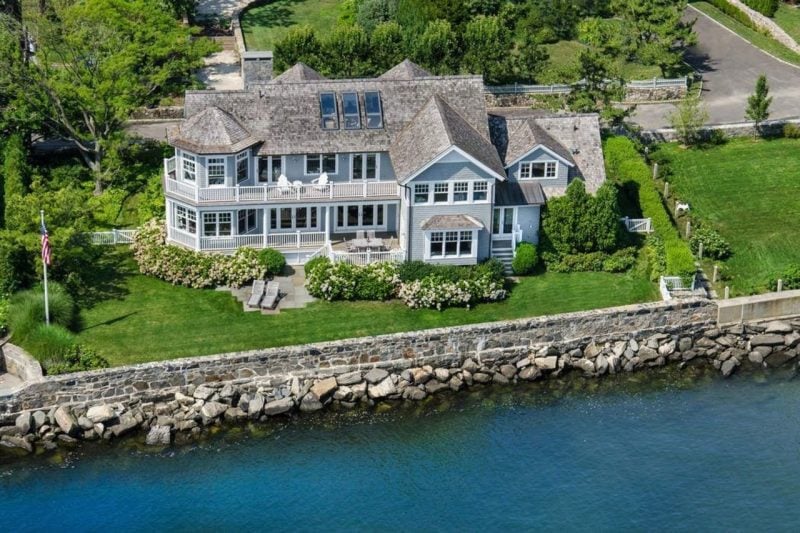
Greenwich stands as one of America’s wealthiest communities, making it an attractive option for affluent retirees. Located in Fairfield County along Connecticut’s western edge, you’ll find yourself just 30 miles from New York City.
The town offers significant appeal with its combination of coastal beauty and upscale amenities. You can access pristine beaches, private country clubs, and yacht clubs throughout the area. The average home value reaches approximately $2.4 million, reflecting the community’s exclusive nature.
Your retirement here means proximity to excellent healthcare facilities and cultural attractions. The charming downtown provides sophisticated shopping and dining options within an easy commute to Manhattan via train.
Greenwich consistently ranks among Connecticut’s most expensive places to live. The high cost of living comes with substantial benefits, including top-tier services and a refined suburban environment suited for well-funded retirement years.
2. Scarsdale, New York
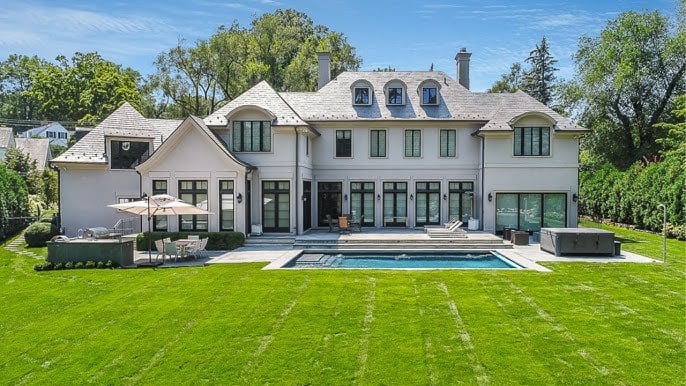
Scarsdale holds the distinction of being America’s wealthiest suburb for 2025. Located in Westchester County, just outside New York City, this community offers you access to top-rated schools and premium amenities.
The average household income in Scarsdale reached $601,193 in 2023, representing a 2.24% increase from the previous year. Home values reflect this affluence, with the average single-family home valued at approximately $2 million in 2025.
You’ll find a small-town atmosphere combined with proximity to Manhattan’s cultural and commercial opportunities. However, you should consider that New York ranks among the most expensive states for retirees. High property taxes, healthcare costs, and insurance rates contribute to the overall cost of living in the area.
The real estate market moves quickly here, driven by demand from high-income professionals seeking quality schools and upscale residential options.
3. Naples, Florida
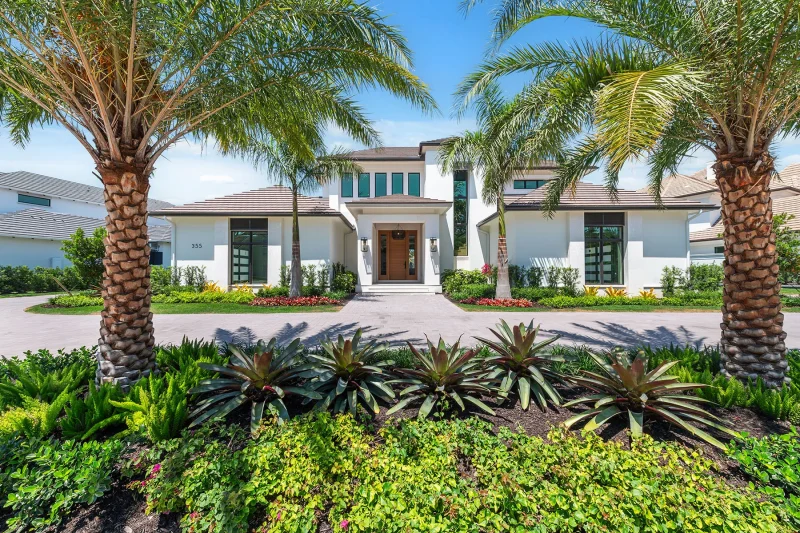
Naples stands out as one of Florida’s most affluent retirement destinations, consistently earning top rankings for retiree appeal. This Gulf Coast city attracts wealthy retirees with its pristine white-sand beaches, upscale lifestyle, and favorable tax environment.
The median home price in Naples exceeds $577,000, more than double the national average. This reflects the area’s premium real estate market and the affluence of its residents.
You’ll find world-class golf courses, resort-style communities, and high-end shopping throughout the city. Naples offers excellent healthcare facilities and a strong infrastructure designed to support retirees.
The absence of state income tax in Florida adds to Naples’ financial appeal for wealthy retirees. The city’s combination of natural beauty, cultural amenities, and sophisticated lifestyle makes it a magnet for those seeking an upscale retirement experience.
4. Palo Alto, California
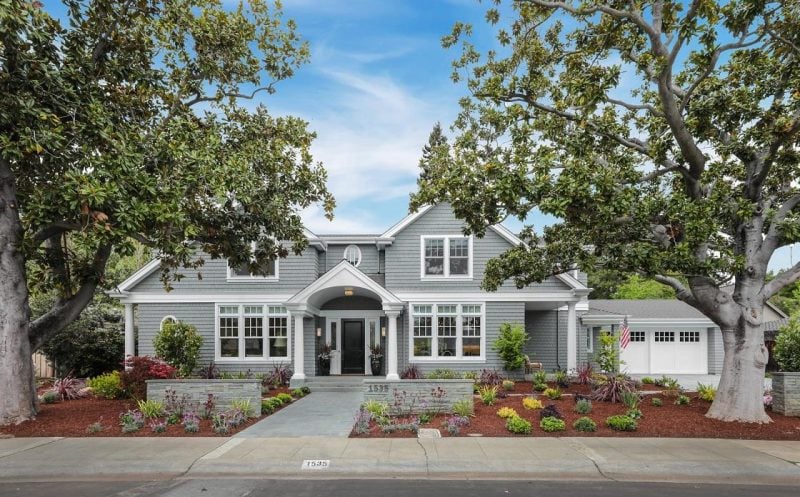
Palo Alto stands as one of California’s wealthiest communities, positioned in the heart of Silicon Valley in Santa Clara County. The city attracts high-earning tech professionals and entrepreneurs who drive its affluent character.
When you consider retiring here, you’ll find yourself surrounded by world-class educational institutions and major tech companies. The proximity to Stanford University and leading technology firms creates a intellectually vibrant environment.
Real estate prices reflect the strong demand from affluent residents seeking premium Silicon Valley locations. You’ll experience access to excellent healthcare facilities, cultural amenities, and dining options that cater to sophisticated tastes.
The city’s senior population benefits from mild California weather and numerous recreational opportunities. Your retirement here means joining a community where financial resources align with high living standards and quality services.
5. Beverly Hills, California

Beverly Hills remains one of Southern California’s most prestigious retirement destinations. The city’s famous 90210 zip code represents luxury living at its finest, with tree-lined streets and world-class amenities.
You’ll find median home values here significantly exceed national averages, reflecting the area’s exclusivity. The community offers access to premium shopping along Rodeo Drive, fine dining establishments, and top-tier healthcare facilities that cater to retirees seeking comfort and convenience.
Beverly Hills provides a sophisticated lifestyle with its proximity to cultural attractions, entertainment venues, and beautiful weather year-round. The city maintains excellent public services and security, making it attractive for affluent retirees.
Your retirement here means joining a community known for its elegance and established infrastructure. The area’s reputation draws successful professionals and business leaders seeking a refined environment for their retirement years.
6. Atherton, California
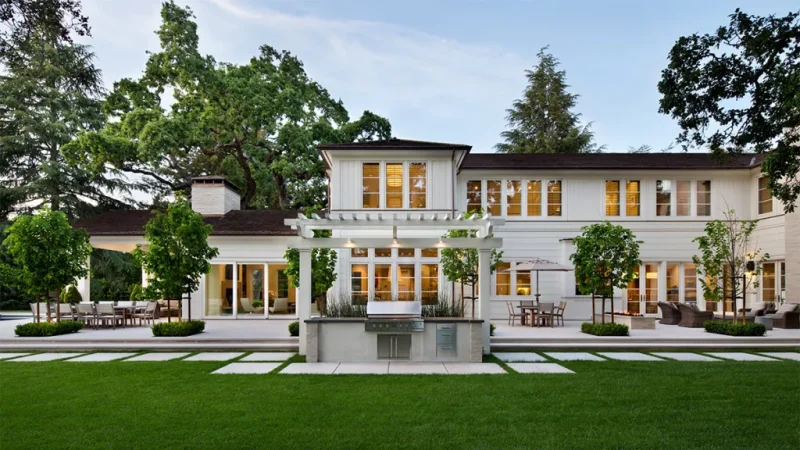
Atherton stands as California’s wealthiest town and ranks among the richest communities in the entire United States. Located on the San Francisco Peninsula in San Mateo County, this exclusive enclave offers retirees proximity to Silicon Valley while maintaining exceptional privacy and prestige.
The median household income in Atherton exceeds $500,000, with some sources reporting figures above $600,000. Property values reflect this affluence, as median home prices surpass $7 million.
You’ll find limited housing supply in this small residential community, which sits adjacent to Stanford University and Palo Alto. The town’s appeal stems from its combination of location advantages, access to world-class amenities, and its reputation as a sanctuary for tech executives and other high-net-worth individuals.
If you’re considering Atherton for retirement, expect significant financial requirements for entry into this elite market.
7. Short Hills, New Jersey
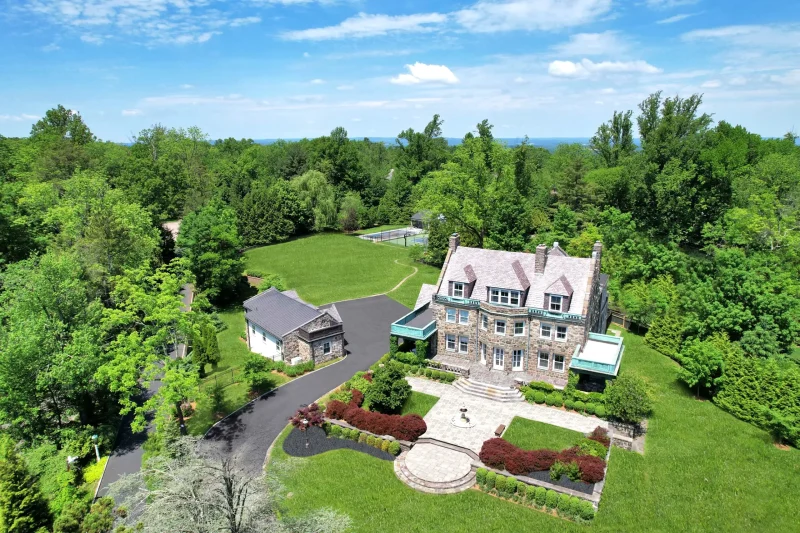
Short Hills stands as one of the wealthiest communities in New Jersey, making it an attractive retirement destination for affluent retirees. This upscale enclave within Millburn Township offers a mean household income exceeding $428,000, positioning it among the nation’s most prosperous areas.
You’ll find the community features luxurious real estate, with winding roads lined by multimillion-dollar estates. The ZIP code 07078 consistently ranks among the wealthiest in the country.
Your retirement here provides direct access to New York City while maintaining a serene suburban atmosphere. The area delivers premium amenities, including high-end shopping and dining options. Short Hills attracts residents seeking upscale living combined with excellent services and infrastructure.
The township’s well-maintained neighborhoods and prestigious reputation create an environment suited for retirees who prioritize luxury and convenience in their retirement years.
8. Highland Park, Texas
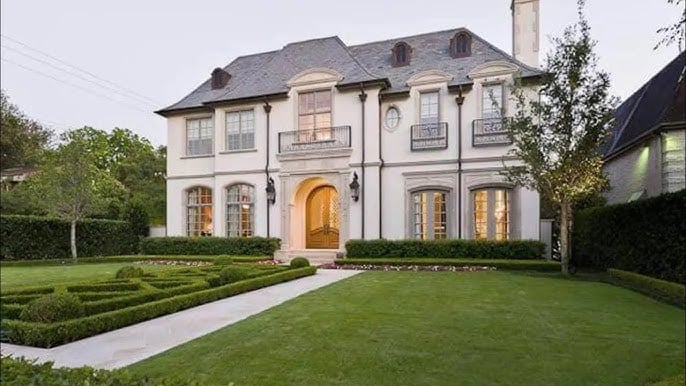
Highland Park sits just four miles north of downtown Dallas and ranks among the wealthiest communities in Texas. If you’re considering retirement here, you’ll find median home values exceeding $2.3 million as of 2025.
The area offers exceptional public schools, extensive recreational facilities, and comprehensive safety resources. You’ll benefit from premium amenities that create a distinctive lifestyle in this affluent neighborhood.
Highland Park has been recognized as one of the top retirement towns in Texas, ranking 112 out of 12,642 best places to retire in America. The community features high-end shopping, dining, and cultural opportunities within a peaceful suburban setting.
Your retirement budget needs to account for the area’s elevated cost of living. Property values in Highland Park maintain themselves well above state averages, reflecting the exclusive nature of this prestigious Dallas suburb.
9. Newport Beach, California

Newport Beach stands as one of Southern California’s most affluent coastal cities, offering retirees a combination of oceanfront living and upscale amenities. The city’s Mediterranean climate supports year-round outdoor activities, from beach outings to harbor walks.
Property values reflect the area’s desirability, with neighborhoods like Newport Coast commanding median home prices exceeding $4 million. You’ll find communities such as Balboa Island, Pelican Hill, and Cameo Highlands provide distinct living environments within the city.
The coastal location gives you access to world-class dining, shopping, and recreational facilities. Newport Beach attracts retirees seeking an active lifestyle in an established, wealthy community.
Healthcare facilities and cultural amenities support the needs of older residents. Your retirement here comes with premium costs but delivers consistent weather and proximity to major California attractions.
10. Carmel, Indiana

Carmel stands out as one of Indiana’s most affluent communities, located approximately 30 minutes north of Indianapolis in Hamilton County. The city boasts a median household income significantly above both state and national averages, making it a prime destination for wealthy retirees.
You’ll find Carmel consistently ranks among America’s top places to live. The city secured the top position on Livability’s 2025 Best Places to Live list and earned second place in U.S. News & World Report’s 2025-26 rankings.
When you retire in Carmel, you benefit from a combination of economic prosperity and exceptional quality of life. The area offers excellent healthcare access, cultural amenities, and well-maintained infrastructure. The city’s location provides convenient access to Indianapolis while maintaining a distinct suburban character with lower crime rates and strong community services.
11. Fort Worth, Texas
Fort Worth offers retirees an attractive combination of affordability and cultural amenities in a major metropolitan area. The city’s cost of living sits just 3.5% above the national average, with typical home values around $307,984.
You’ll benefit from Texas’s lack of state income tax, which can significantly stretch your retirement income. Fort Worth provides access to quality healthcare facilities, with approximately 1.9 senior-relevant care providers per 1,000 residents.
The city features a thriving cultural arts scene and maintains a more affordable housing market compared to many other large Texas cities. Fort Worth’s warm climate and diverse surrounding communities add to its appeal for retirees seeking an active lifestyle.
Your proximity to Dallas-Fort Worth International Airport and the broader DFW metropolitan region gives you convenient access to additional amenities while enjoying Fort Worth’s distinct character.
12. Cambridge, Massachusetts
Cambridge ranks as one of the premier destinations for affluent retirees in Massachusetts. The city recently topped GoBankingRates’ list as the best place for the young and wealthy to live, demonstrating its broad appeal across demographics.
Your retirement here means access to world-class cultural institutions, including Harvard University and MIT. These academic centers provide continuing education opportunities and cultural events that keep you intellectually engaged.
The city’s real estate reflects its desirable status, with property values among the highest in the state. You’ll find historic architecture alongside modern amenities in established neighborhoods.
Cambridge offers excellent healthcare facilities and a walkable urban environment. The city’s strong public transportation system reduces your need for personal vehicles. Your social calendar stays full with museums, theaters, and diverse dining options throughout the area.
13. Westport, Connecticut
Westport stands as one of Connecticut’s most affluent retirement destinations, offering sophisticated coastal living in Fairfield County. You’ll find a community with a median household income exceeding $206,000 and a median home price around $1.7 million.
The town provides exceptional cultural amenities and access to beaches, private country clubs, and yacht clubs. If you value educational resources, Westport’s public school system ranks among the finest in Connecticut, which can benefit visiting grandchildren.
The community attracts approximately 27,000 residents who appreciate its blend of coastal charm and upscale suburban living. You should be prepared for Connecticut’s higher cost of living, as the area draws significant wealth.
Westport’s location provides convenient access to New York City while maintaining a quieter, more refined atmosphere. The town offers you a mix of natural beauty and sophisticated lifestyle amenities suited for affluent retirees.
14. Falmouth, Massachusetts
Falmouth sits at the southwestern base of Cape Cod, surrounded by water on two sides. The town has a population of approximately 32,000 and serves as a popular retirement destination for affluent retirees seeking coastal living.
Massachusetts ranks as the second wealthiest state in the nation, with a median household income of $101,341. Falmouth reflects this prosperity while offering a more relaxed pace than urban centers.
The town encompasses several villages including Woods Hole, Teaticket, and East, West, and North Falmouth. You’ll find historic charm dating back to the 1600s combined with modern amenities throughout the community.
The area provides access to beaches, maritime activities, and cultural attractions. Your cost of living will be higher than the national average, but you’ll gain proximity to Cape Cod’s natural beauty and established retirement infrastructure.
15. Sarasota, Florida
Sarasota offers you a compelling combination of coastal living and cultural amenities that attract affluent retirees. The city has consistently ranked highly in retirement destination lists, securing the No. 4 spot in U.S. News & World Report’s 2025 Best Places to Retire rankings.
Your retirement here means access to upscale communities like Lakewood Ranch and Bird Key, where waterfront estates and resort-style amenities are standard. These neighborhoods feature golf courses, wellness centers, and concierge services designed for luxury living.
The area’s appeal extends beyond real estate. You’ll find stunning beaches, favorable tax conditions, and quality healthcare facilities throughout the North Port-Sarasota-Bradenton region. The city maintains a strong arts scene and dining culture that caters to discerning residents.
While Sarasota dropped from some 2026 rankings, it remains a premium retirement destination for those seeking an affluent coastal lifestyle in Florida.
16. Plano, Texas
Plano stands out as one of the most affluent cities in the Dallas-Fort Worth metroplex, offering an exceptional retirement destination. The city ranks sixth among America’s best cities to retire, supported by its thriving economy centered on technology, finance, and corporate headquarters.
You’ll find excellent schools, comprehensive safety resources, and extensive recreational facilities throughout the area. Several prestigious neighborhoods cater to luxury living, featuring some of the region’s most expensive and beautiful properties.
The median household income in Plano exceeds the national average, reflecting the city’s strong economic foundation. With approximately $2.4 million needed for a 30-year retirement in Texas, Plano’s financial landscape supports comfortable retirement planning.
The city consistently ranks among North Texas’s wealthiest communities while maintaining a high quality of life. You’ll benefit from top-tier amenities and a vibrant community that makes Plano a standout retirement choice in the state.
17. Edina, Minnesota
Edina sits just 20 minutes southwest of Minneapolis, offering you a prestigious suburban retirement option. The city consistently ranks among Minnesota’s wealthiest communities, with median household incomes exceeding $95,000.
You’ll find world-class shopping destinations and high-quality amenities throughout the area. The well-maintained neighborhoods feature luxurious homes in peaceful settings. Edina provides excellent healthcare access through its proximity to the Twin Cities’ renowned medical facilities.
The city offers you cultural activities, restaurants, and recreational opportunities year-round. You’ll experience Minnesota’s four distinct seasons, including cold winters and pleasant summers. The community maintains low crime rates and well-funded public services.
Your retirement budget needs to account for higher living costs compared to many U.S. retirement destinations. Property values and everyday expenses reflect the area’s affluent character.
18. McLean, Virginia
McLean stands as one of the wealthiest suburbs in the Washington D.C. metro area, making it an attractive option for affluent retirees. The average household income reaches $335,253, reflecting the community’s prosperity.
Located in Fairfax County, McLean offers a population of approximately 50,773 residents. The median home sale price sits at $1,495,000, with 87.8% of homes being owner-occupied.
You’ll find McLean appeals to retirees seeking proximity to the nation’s capital while enjoying a suburban lifestyle. The area has long attracted politicians, diplomats, and business professionals throughout their careers.
The community provides excellent schools and well-maintained neighborhoods. Your retirement here means access to cultural amenities and healthcare facilities associated with the greater Washington D.C. region. McLean’s established reputation as a wealthy enclave ensures quality services and maintained property values.
19. Charlottesville, Virginia
Charlottesville offers you a compelling combination of affordability and quality of life for retirement. The city’s reasonable cost of living makes it accessible compared to many affluent retirement destinations, while still providing access to cultural amenities and healthcare.
You’ll find a community steeped in history, as Charlottesville was home to Thomas Jefferson and James Monroe. The University of Virginia anchors the area, contributing to an intellectually stimulating environment with opportunities for lifelong learning.
The city provides you with access to both natural beauty and urban conveniences. You can enjoy the nearby Blue Ridge Mountains while benefiting from championship sports, dining options, and convenient transportation connections.
Charlottesville’s appeal extends beyond its physical attributes. The community offers you a vibrant atmosphere that balances small-town charm with the cultural offerings typically found in larger cities.
20. Bethesda, Maryland
Bethesda offers you an attractive retirement destination in one of Maryland’s most affluent areas. Located in Montgomery County, this community provides access to excellent healthcare facilities, including the National Institutes of Health and several top-ranked hospitals.
You’ll find median household incomes here rank among the highest in the state. The area features upscale shopping districts, fine dining establishments, and cultural amenities that cater to retirees seeking an active lifestyle.
The cost of living reflects the community’s wealth, with housing prices significantly above national averages. Your retirement here means proximity to Washington D.C., offering museums, theaters, and entertainment options within easy reach.
Bethesda’s neighborhoods like Avenel and Bannockburn are particularly sought after. You’ll benefit from well-maintained parks, walking trails, and community centers designed for various interests and activities.
21. Santa Barbara, California
Santa Barbara offers an upscale retirement lifestyle along California’s central coast. The city sits between the Pacific Ocean and the Santa Ynez Mountains, creating what locals call the “American Riviera.”
Your retirement income will need to support the area’s premium housing costs. The median income among retirees here reflects the community’s affluent character, placing it among California’s wealthier retirement destinations.
You’ll find Spanish mission architecture throughout the city, along with top-rated beaches and year-round pleasant weather. The area maintains a large population of residents over 60, providing a strong peer community.
Access to healthcare facilities, cultural venues, and outdoor activities like golf and fishing adds to the appeal. The city’s location approximately 85 miles north of Los Angeles gives you proximity to metropolitan amenities while maintaining a more relaxed coastal atmosphere.
22. Roswell, Georgia
Roswell combines historic charm with modern affluence, making it one of Georgia’s premier retirement destinations. Located just north of Atlanta, this wealthy suburb offers you access to top-tier healthcare facilities and upscale amenities while maintaining a welcoming community atmosphere.
The city attracts affluent retirees with its historic downtown district, award-winning park system, and diverse housing options. You’ll find high college education rates exceeding 70% among residents, contributing to a sophisticated community environment.
Roswell’s proximity to Atlanta provides you with cultural attractions and medical centers without the stress of city living. The area features excellent healthcare access, scenic beauty, and a strong focus on quality of life through recreational facilities and community programs.
Your retirement dollars benefit from Georgia’s favorable tax environment while enjoying small-town charm backed by substantial wealth and resources.
23. Newton, Massachusetts
Newton ranks as the 73rd best place to retire in the United States and holds the highest retirement ranking in Massachusetts. This affluent Boston suburb in Middlesex County offers you a compelling combination of wealth and livability.
With 31,735 households, Newton is the largest community among Massachusetts’ wealthiest cities. You’ll find impressive real estate values alongside historic architecture and modern amenities. The city’s highly rated educational systems and well-maintained parks create an appealing environment for retirees.
Newton sits approximately 30 minutes from downtown Boston, giving you convenient access to world-class healthcare facilities, cultural institutions, and entertainment options. The area attracts high-earning professionals and families, contributing to its substantial median household income.
Your retirement here means joining an established community with exceptional infrastructure and services. The city’s reputation for quality and prosperity makes it a standout choice among Massachusetts retirement destinations.
24. The Woodlands, Texas
The Woodlands ranks as the fourth best place to retire in the U.S. according to U.S. News and World Report’s 2026 rankings. This master-planned community sits 28 miles north of Houston and consists of nine distinct villages, each offering its own recreation facilities and amenities.
You’ll find exceptional public schools, extensive recreational facilities, and comprehensive safety resources throughout this affluent area. The community balances natural beauty with urban convenience, providing access to Houston’s metropolitan amenities while maintaining a quieter residential atmosphere.
Founded in 1974, The Woodlands offers top-tier school districts with high graduation rates and premium lifestyle advantages. Your retirement here means benefiting from the area’s reputation for quality of life and safety, all within proximity to one of the nation’s largest cities.
The community continues attracting retirees who value planned development and comprehensive community resources.
25. Chapel Hill, North Carolina
Chapel Hill offers you a refined retirement experience in central North Carolina’s gentle hills. With a population of approximately 62,000, this university town centers around UNC Chapel Hill, the oldest state-supported institution in the country.
You’ll find world-class healthcare through UNC Hospitals and a cosmopolitan atmosphere unusual for a town this size. The area provides walkable neighborhoods, cultural amenities, and low crime rates that make daily life comfortable and secure.
The university’s presence creates a youthful energy while supporting excellent restaurants and arts venues. You can enjoy top-rated schools if grandchildren visit, along with proximity to both Durham and Raleigh for additional metropolitan conveniences.
Chapel Hill’s median home values rank among the highest in North Carolina, reflecting the premium residents place on this community’s quality of life and academic atmosphere.
26. Wellesley, Massachusetts
Wellesley stands as the wealthiest suburb in Massachusetts, with an average household income of $368,179. Located just 15 miles from Boston, this Norfolk County town offers you an appealing combination of financial prosperity and quality living for retirement.
The community maintains exceptional educational facilities with student-teacher ratios below 15:1, reflecting the town’s commitment to excellence. You’ll find vibrant downtown areas, well-maintained parks, and scenic trails throughout the community.
Housing values in Wellesley approach $2 million on average, positioning it among America’s top 10 richest suburbs. The town allocates between $15,000 and $25,000 per student annually, demonstrating the high standard of public services you can expect.
Your cost of living here will be substantial, but you gain access to a highly rated community with strong infrastructure and amenities. The median household income exceeds $250,000 annually.
27. Gilbert, Arizona
Gilbert sits just southeast of Phoenix and has earned recognition as one of Arizona’s wealthiest communities. The town’s median household income reaches $96,857, placing it among the state’s most affluent areas.
You’ll find newer residential developments here, particularly in South Gilbert, where property values command premium prices. The area has experienced nearly 20% growth over the past decade, driven by its strong high-tech and renewable energy economic base.
As a retiree, you can take advantage of Gilbert’s bike-friendly infrastructure and abundant amenities. The town consistently appears on best places to live and retire lists, appealing particularly to Gen X retirees seeking a balance of wealth and community.
Gilbert’s location provides easy access to Phoenix while maintaining its own distinct character. The combination of desirable neighborhoods, solid economy, and quality lifestyle options makes it an attractive destination for affluent retirees.
28. Keene, New Hampshire
Keene offers you an attractive retirement destination in southwestern New Hampshire where affordability meets small-town charm. The city provides access to cultural amenities through Keene State College, which brings educational opportunities and entertainment to the area.
You’ll find a thriving downtown with local shops, cafes, and boutiques that create a welcoming community atmosphere. The median age of 36 reflects a diverse population that balances youthful energy with established residential stability.
Your retirement budget stretches further here compared to many New Hampshire communities, making it possible to enjoy quality living without straining your finances. The city delivers year-round activities and maintains strong community connections through regular events.
Keene’s location gives you access to outdoor recreation in the White Mountains while providing the essential services and healthcare facilities you need during retirement.
29. Holladay, Utah
Holladay offers you an affluent suburban lifestyle in the Salt Lake Valley with convenient access to both urban amenities and mountain recreation. This community features median household incomes exceeding $200,000, placing it among Utah’s most prosperous enclaves.
You’ll find well-maintained neighborhoods with mature trees and mountain views throughout this established area. The location provides you with proximity to downtown Salt Lake City while maintaining a quieter residential character.
As a retiree in Holladay, you can access quality healthcare facilities and shopping centers within minutes. The nearby Wasatch Mountains offer year-round outdoor activities including hiking trails and ski resorts.
The area’s higher cost of living reflects its desirable location and community amenities. Property values here remain strong, supported by the neighborhood’s reputation and limited available housing stock.
30. Franklin, Tennessee
Franklin sits just 20 miles south of Nashville, offering you a blend of historic charm and modern affluence. The town ranks among Tennessee’s wealthiest communities, with tax revenue per capita often exceeding $3,000 that supports quality infrastructure and public services.
You’ll find Franklin benefits from Nashville’s diverse economy while maintaining its own distinct character. The area features well-preserved Civil War history, including two major battle sites from the 1860s.
If you’re considering retirement here, you’ll appreciate the town’s suburban atmosphere combined with access to Nashville’s amenities. Franklin has earned recognition in multiple “Best Places to Live” rankings, including an eighth-place spot in 2020.
The community attracts affluent retirees seeking a mix of southern hospitality, cultural attractions, and financial stability. Your retirement dollars will go toward enjoying the town’s historic downtown, local dining, and proximity to Great Smoky Mountains.
Factors That Make a Place Attractive for Wealthy Retirees
Affluent retirees prioritize specific characteristics when selecting their retirement destination, from premium services to financial incentives. These factors combine to create environments that support comfortable, engaged lifestyles while preserving wealth.
High-End Amenities and Services
Wealthy retirees seek locations with sophisticated infrastructure that matches their lifestyle expectations. Private golf clubs, upscale dining establishments, and luxury shopping centers rank among the most valued amenities.
Premium fitness facilities, spa services, and wellness centers provide daily conveniences that maintain quality of life. You’ll find these communities often feature concierge medical services, private security, and property management options.
Proximity to airports with direct flights to major cities matters for those maintaining business connections or traveling frequently. Marina access, country clubs with championship courses, and exclusive social clubs create environments where affluent retirees can network and socialize.
High-end real estate options ranging from gated communities to waterfront properties offer security and privacy. Access to personal services like private banking, wealth management firms, and estate planning professionals within the community adds significant value.
Tax Benefits and Financial Advantages
State and local tax structures directly impact retirement income preservation. States without income tax provide substantial savings on pension distributions, Social Security benefits, and investment income.
Property tax rates vary significantly across retirement destinations and affect your ongoing housing costs. Some states offer additional exemptions or credits specifically for retirees, reducing annual tax burdens.
Key tax considerations include:
- Estate and inheritance tax policies
- Capital gains tax treatment
- Sales tax rates on goods and services
- Property tax assessment practices
Several wealthy retirement destinations have implemented favorable tax codes to attract affluent residents. You should evaluate your total tax liability by examining all revenue sources against local tax structures before relocating.
Quality of Healthcare Facilities
Access to premier medical facilities ranks as a critical factor for retirement planning. Top-rated hospitals with specialized departments in cardiology, oncology, and orthopedics provide essential care options.
You’ll want locations with multiple board-certified physicians across various specialties and short wait times for appointments. The presence of teaching hospitals affiliated with medical schools often indicates advanced treatment options and cutting-edge research participation opportunities.
Proximity to medical centers matters more as healthcare needs increase with age. Communities located within 30 minutes of major hospital systems offer practical advantages during emergencies.
Concierge medicine practices and boutique healthcare services cater specifically to affluent patients seeking personalized attention. These services provide same-day appointments, extended consultation times, and direct physician access.
Cultural and Recreational Opportunities
Vibrant arts scenes, museums, and performing arts centers keep intellectually engaged retirees stimulated. You benefit from access to symphony orchestras, theater companies, and art galleries that provide year-round programming.
Outdoor recreation options including golf courses, hiking trails, and water activities support active lifestyles. Coastal locations offer boating and fishing, while mountain communities provide skiing and scenic beauty.
Fine dining establishments featuring diverse cuisines and award-winning chefs create social gathering spaces. Educational opportunities through university extension programs, lecture series, and lifelong learning institutes appeal to those seeking continued intellectual growth.
Wine country access, historic districts, and architectural landmarks add cultural richness to daily life. Private clubs focusing on specific interests—from book clubs to investment groups, facilitate community connections among like-minded individuals.
Cost of Living Considerations for Affluent Retirees
Wealthy retirees face distinct financial considerations when selecting premium retirement destinations, from multi-million dollar real estate investments to specialized insurance requirements. Understanding these cost factors helps you make informed decisions about where your retirement dollars provide the best value and lifestyle alignment.
Real Estate Market Trends
Premium retirement markets typically feature median home prices ranging from $800,000 to over $3 million. California dominates the high-end retirement real estate landscape, with coastal communities commanding the steepest prices. Markets in areas like Naples, Florida, and Scottsdale, Arizona have seen consistent appreciation rates of 4-7% annually over the past five years.
Waterfront properties and golf course communities represent the majority of luxury retirement home sales. You’ll find that inventory in exclusive retirement towns remains limited, with homes often selling within 30-45 days in competitive markets. Cash purchases account for approximately 40% of transactions in wealthy retirement communities.
Second homes and seasonal residences add complexity to your real estate portfolio. Many affluent retirees maintain properties in multiple locations, balancing tax implications with lifestyle preferences across different climate zones.
Luxury Senior Living Communities
High-end continuing care retirement communities require entrance fees between $500,000 and $2 million, plus monthly fees of $4,000 to $15,000. These communities offer resort-style amenities including fine dining, spa services, fitness centers, and concierge assistance.
The ultra-wealthy increasingly favor private membership communities that combine active adult living with exclusive club facilities. Monthly costs in these environments typically exceed traditional retirement communities by 30-50%.
Wait lists for premier facilities can extend 2-3 years in desirable locations. You should evaluate the financial stability of any community, as entrance fees are partially refundable depending on contract terms and length of residency.
Property Taxes and Insurance
Property tax rates vary significantly across wealthy retirement destinations, from 0.3% in Hawaii to 2.4% in some Texas communities. States without income tax often compensate through higher property taxes, affecting your overall tax strategy.
Coastal properties require specialized windstorm and flood insurance, adding $5,000 to $25,000 annually to your housing costs. Home values exceeding $1 million typically need umbrella liability policies of $2-5 million in coverage.
Some retirement havens offer property tax exemptions for seniors, though these rarely apply to high-value properties. You’ll need to factor in annual property tax increases of 2-3% when budgeting for long-term retirement expenses in appreciating markets.