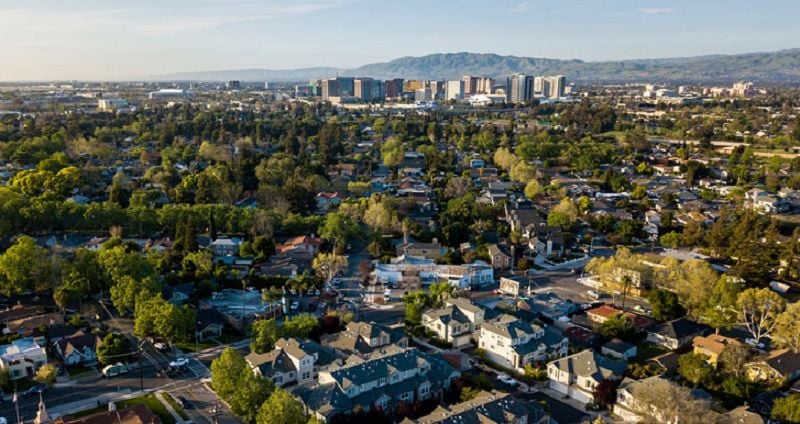
The 30 Safest Cities in America: Complete Rankings Based on Crime Statistics and Safety Data
Safety remains a primary concern for Americans choosing where to live, work, and raise families in 2025. Multiple factors contribute to a city’s overall safety profile, including crime rates, traffic incidents, natural disaster preparedness, and emergency response capabilities.
Recent comprehensive analyses have identified thirty cities across the United States that consistently demonstrate exceptional safety records and community security measures.
These communities span diverse geographic regions and offer varying lifestyles, from suburban family-oriented neighborhoods to bustling metropolitan areas.
The rankings consider both traditional safety metrics and emerging concerns that affect residents’ daily lives and long-term well-being.
Here are the 30 safest cities in America:
1. Campton Hills, Illinois
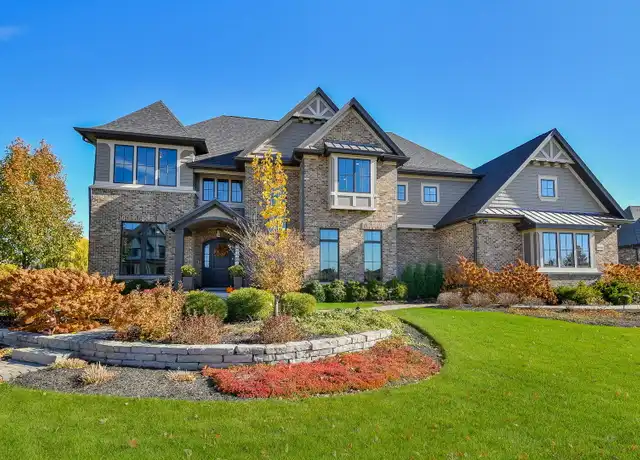
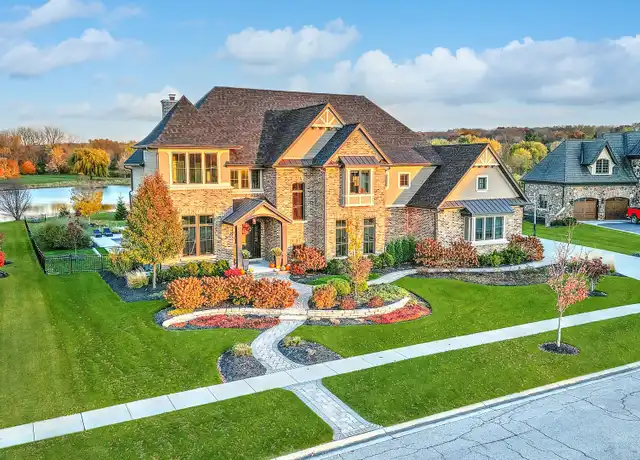
Campton Hills stands as America’s safest city for 2025 according to multiple safety analyses. This suburban Chicago community in Kane County has maintained its top position for the second consecutive year.
The village focuses heavily on preserving its semi-rural character while maintaining excellent safety standards. With a population just over 11,000 residents, Campton Hills benefits from a close-knit community atmosphere.
Crime statistics show exceptionally low rates across all categories. The property crime rate sits at just 1.5, significantly below national averages.
Located west of Chicago, this quiet suburb combines security with family-friendly amenities. The community prioritizes great schools and environmental preservation alongside public safety.
Campton Hills demonstrates how smaller communities can achieve remarkable safety outcomes through focused community engagement and effective local governance.
2. Cary, North Carolina
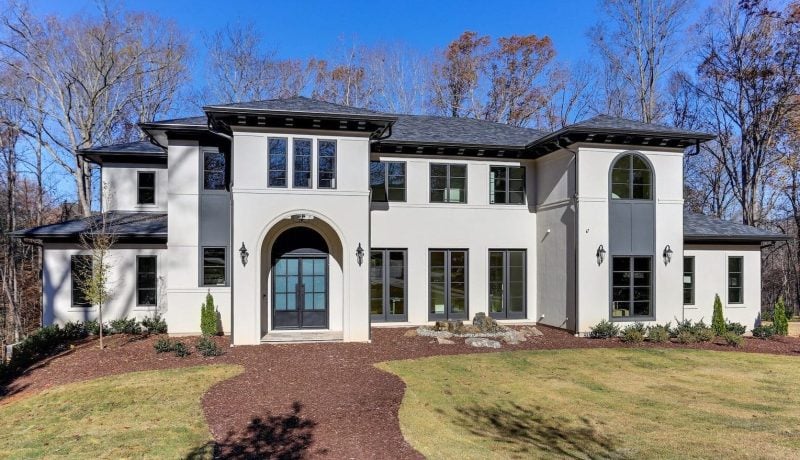
Cary stands out as one of North Carolina’s safest cities and ranks among America’s most secure places to live. The city maintains exceptionally low crime rates across all major categories.
Located in the Research Triangle area, Cary has earned recognition as one of America’s Safest Cities. The community benefits from well-maintained public spaces and effective law enforcement.
Families gravitate toward Cary for its family-friendly atmosphere and reliable safety record. The city attracts residents seeking security without sacrificing quality of life.
Cary also ranks as one of the safest places to drive in North Carolina according to recent insurance industry reports. Traffic safety complements the city’s overall commitment to resident security.
Retirees frequently choose Cary as their home base due to its low crime statistics and peaceful environment. The city’s safety reputation extends beyond violent crime to include property crime prevention.
3. Irvine, California

Irvine consistently ranks among America’s safest cities, maintaining this distinction for 16 consecutive years. The city sits just 40 minutes from Los Angeles in Orange County.
Crime rates in Irvine remain exceptionally low compared to national averages. The city’s safety index of 69.1 reflects effective community policing and well-designed neighborhoods.
Master-planned communities define Irvine’s landscape. These developments incorporate safety features into their design from the ground up.
The city’s police department uses data-driven approaches to crime prevention. Regular patrols and community engagement programs help maintain security throughout residential areas.
Educational excellence complements Irvine’s safety record. Top-rated schools attract families seeking secure environments for their children.
Financial safety also contributes to Irvine’s high rankings. Residents benefit from economic stability and lower risks of financial crime compared to many other metropolitan areas.
4. Naperville, Illinois

Naperville ranks 19th on U.S. News & World Report’s 2025-26 safest places to live in America. The Chicago suburb maintains a crime index score of 83 out of 100, making it 83% safer than other U.S. communities.
The city has consistently earned recognition for its low crime rates across multiple safety rankings. MoneyGeek previously ranked Naperville eighth safest in the U.S. in 2024, though it dropped from a first-place position the year before.
Naperville’s safety record extends beyond crime statistics. The community benefits from well-funded public services and strong neighborhood watch programs that contribute to its secure environment.
The city also earned third place among the best places to live in Illinois, trailing only Arlington Heights and Buffalo Grove. This dual recognition for both safety and livability makes Naperville attractive to families seeking secure communities near Chicago.
5. Frisco, Texas

Frisco ranks as the second safest city in America for 2025 according to MoneyGeek’s study. Only Ramapo Town, New York surpassed this Dallas suburb in safety rankings.
The city has experienced remarkable growth while maintaining its safety record. Frisco has led the nation in housing expansion since 2005, tripling its housing units to over 85,000 by 2023.
This rapid development attracts residents seeking both safety and opportunity. The combination of low crime rates and growing amenities makes Frisco appealing to families and professionals.
Multiple studies confirm Frisco’s safety credentials. SmartAsset also ranked Frisco among the top 10 safest suburbs in America for 2025, placing it at number 10.
The city’s continued population growth reflects its reputation as a secure community. Safety rankings consider crime statistics, emergency response capabilities, and overall community well-being when evaluating cities.
6. Sandy Springs, Georgia
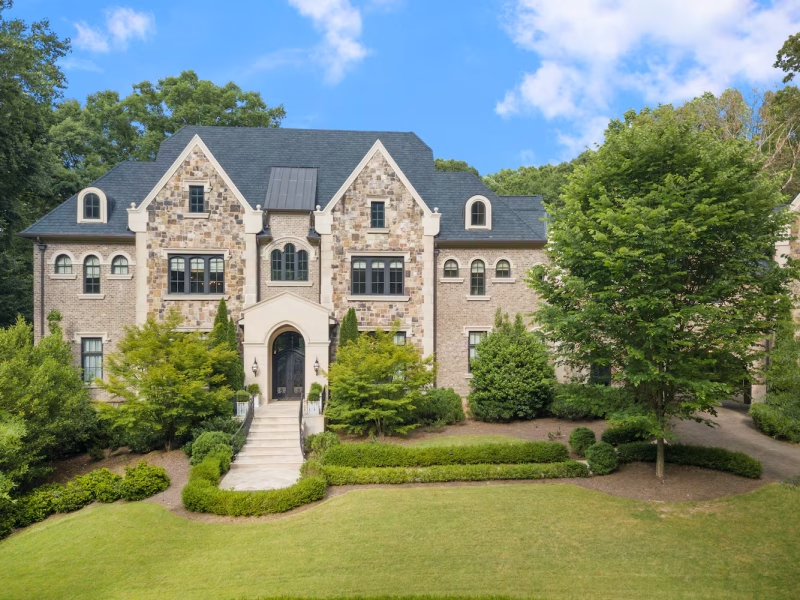
Sandy Springs earned recognition as the 17th safest city in America according to a 24/7 Wall Street report based on crime rates. This Georgia city stands out as the only location from the state to make the national list.
The city maintains consistently low crime statistics across multiple categories. Residents benefit from well-funded public safety departments and community policing initiatives.
Sandy Springs combines suburban safety with urban amenities. The city offers easy access to Atlanta while maintaining its own distinct community character.
Local law enforcement works closely with community organizations to address safety concerns. This collaborative approach has helped establish the city’s reputation for public safety.
The area attracts families and professionals seeking a secure environment. Crime prevention programs and neighborhood watch groups contribute to the overall safety profile.
7. Fremont, California

Fremont consistently ranks among the safest cities in America, holding the 17th position according to WalletHub’s latest analysis. The city stands as the only California municipality in the top 20 safest places nationwide.
Located in the San Francisco Bay Area, Fremont has built its reputation through strong community partnerships and effective public safety measures. The city’s population of approximately 230,000 residents benefits from low crime rates across multiple categories.
The Lakes and Birds and Mission Hills neighborhoods represent Fremont’s safest areas based on crime statistics per 100,000 residents. These districts report significantly lower rates of both violent and property crimes compared to national averages.
Fremont’s safety profile extends beyond crime prevention to include natural disaster preparedness and financial security measures. The city’s comprehensive approach addresses home security, community safety initiatives, and economic stability for residents.
8. Gilbert, Arizona

Gilbert consistently ranks as Arizona’s safest city across multiple safety studies. WalletHub placed Gilbert at number 31 nationally among 182 cities in their 2025 safest cities report.
The city earned recognition for its low crime rates and strong community safety measures. Gilbert stands out among cities with populations over 250,000 for maintaining excellent safety standards.
Originally a small farming community, Gilbert has grown into a thriving suburban city while preserving its safe environment. The city benefits from well-maintained neighborhoods and effective local law enforcement.
Other Arizona cities like Chandler, Scottsdale, and Peoria also performed well in safety rankings. However, Gilbert maintains its position at the top within the state.
The city’s safety profile includes strong performance in home and community safety categories. Gilbert’s combination of low crime statistics and community-focused development contributes to its consistent high rankings.
9. Bellevue, Washington

Bellevue consistently ranks among Washington state’s safest cities. The city maintains low rates of both property and violent crime compared to other major metropolitan areas in the region.
Located in King County, Bellevue benefits from well-funded public safety services. The city’s police department focuses on community policing and crime prevention programs.
The Bridle Trails and Wilburton neighborhoods represent the safest areas within Bellevue. These communities feature active neighborhood watch programs and low incident rates.
Bellevue’s crime statistics remain significantly lower than nearby urban centers like Tacoma. The city’s affluent demographics and strong local government contribute to its safety profile.
Residents report feeling secure during both day and evening hours. The city’s investment in public infrastructure and lighting enhances overall community safety.
10. Rochester, Minnesota

Rochester, Minnesota stands as one of the safest cities in America for 2025. The city earned strong crime and safety grades based on comprehensive data analysis of violent and property crimes.
Rochester maintains low crime rates across multiple categories including murder, assault, rape, and burglary. Crime statistics show the city consistently performs well compared to national averages.
The city offers detailed crime maps and neighborhood-specific safety data. Residents can access information about crime trends and statistics for different areas within Rochester.
Rochester’s safety profile includes both low violent crime rates and reduced property crime incidents. The city’s law enforcement and community safety initiatives contribute to its secure environment.
Medical facilities and infrastructure in Rochester support the overall safety rating. The presence of major healthcare institutions adds to the city’s appeal for families and professionals seeking secure living conditions.
11. Plano, Texas
Plano stands as one of Texas’s safest cities with consistently low crime rates. The city maintains strong police presence and community engagement programs that contribute to public safety.
Located in the Dallas-Fort Worth metropolitan area, Plano offers suburban security with urban amenities. The city’s well-planned neighborhoods feature good lighting and maintained infrastructure.
Plano’s economic stability supports its safety profile. Major corporations have headquarters here, providing steady employment and contributing to community investment.
The city’s emergency response systems operate efficiently. Fire and police departments maintain quick response times across Plano’s residential areas.
Educational excellence correlates with community safety in Plano. The highly-rated school district attracts families seeking secure environments for children.
Property crimes remain below national averages in Plano. The city’s proactive approach to crime prevention includes neighborhood watch programs and technology integration.
12. Columbia, Maryland
Columbia ranks as the 8th safest city in America according to WalletHub’s 2024 analysis. This planned community in Howard County demonstrates exceptional safety standards that protect residents from both violent crime and property damage.
The city’s strategic design contributes significantly to its safety record. Columbia was developed as a master-planned community with intentional neighborhood layouts and comprehensive security measures.
Crime rates in Columbia remain consistently low across major categories. The community benefits from effective policing strategies and active resident participation in safety initiatives.
Howard County’s investment in public safety infrastructure supports Columbia’s strong security profile. Well-maintained public spaces and coordinated emergency services enhance overall community protection.
Columbia’s safety extends beyond crime prevention to include financial security for residents. The community’s stable economic environment and well-planned infrastructure create multiple layers of protection for families and individuals choosing to live there.
13. Pearland, Texas
Pearland stands out as one of America’s safest cities in 2025. This Houston-area suburb ranks fourth nationally with a per capita crime rate of just $328.
The city consistently appears on multiple safety rankings throughout 2025. Crime data shows Pearland maintains low rates of both violent and property crimes compared to national averages.
Located in the greater Houston metropolitan area, Pearland offers suburban safety without sacrificing urban conveniences. The city attracts families seeking secure neighborhoods with quality amenities.
Recent analysis places Pearland among the top Texas cities for safety. FBI crime reports support these rankings, showing consistently low crime statistics per 100,000 residents.
The community benefits from effective local law enforcement and engaged residents. These factors contribute to Pearland’s reputation as a premier safe haven in Texas.
14. Boise, Idaho
Boise ranks among America’s safest midsize cities with a crime rate 38% lower than the national average. The Idaho capital maintains consistently low violent and property crime statistics across its population of over 230,000 residents.
The city earned a safety index of 65.0 in 2025 rankings. Boise’s comprehensive approach to public safety includes responsive police services and community engagement programs that contribute to its secure environment.
Residents benefit from well-maintained neighborhoods and effective crime prevention strategies. The city’s downtown area remains walkable and safe, featuring restaurants, entertainment venues, and cultural attractions that locals and visitors can enjoy with confidence.
Boise’s location in Idaho, a state where nearly half of all cities reported decreasing violent crime rates, reinforces its position as a secure place to live. The combination of urban amenities and small-town safety makes it attractive for families and professionals.
15. Overland Park, Kansas
Overland Park ranks as the second safest city in America for 2025 according to WalletHub’s comprehensive study. This Kansas City suburb earned its position through exceptional performance across 41 safety factors.
The city demonstrates remarkable traffic safety credentials. It maintains the fifth-lowest pedestrian fatality rate in the United States.
Overland Park also boasts the 21st-lowest percentage of uninsured motorists nationwide. These statistics contribute significantly to its overall safety ranking.
WalletHub evaluated cities based on home and community safety, natural disaster risk, and financial security. Overland Park excelled across these categories.
The city has consistently received recognition as one of America’s most livable communities. Multiple national publications have acknowledged its safety standards and quality of life.
This recognition reflects the community’s commitment to maintaining safe neighborhoods and infrastructure. Local authorities prioritize both crime prevention and traffic safety measures.
16. Lincoln, Nebraska
Lincoln stands out as one of Nebraska’s safest urban centers with crime rates well below national averages. The city benefits from Nebraska’s overall reputation as one of America’s safest states.
Residents experience low levels of violent crime compared to other cities of similar size. Property crimes also remain minimal throughout most neighborhoods.
The safest areas within Lincoln include Yankee Ridge and High Ridge-Cushman neighborhoods. These districts show particularly strong safety records based on crime data analysis.
Lincoln’s safety profile stems from effective law enforcement and strong community engagement. The city maintains consistent crime prevention programs that benefit all residents.
Crime statistics show decreasing trends across multiple categories. This makes Lincoln an attractive option for families seeking secure communities in the Midwest.
17. Ann Arbor, Michigan
Ann Arbor ranks among Michigan’s safest cities for 2025, offering residents a secure environment with consistently low crime rates. The city benefits from its educated population and strong community engagement.
Home to the University of Michigan, Ann Arbor maintains well-funded public safety services and active neighborhood watch programs. The presence of the university contributes to enhanced security infrastructure throughout the city.
Property crimes in Ann Arbor remain below state averages. The city’s violent crime rates have shown stability or improvement in recent years, making it attractive for families and professionals.
Ann Arbor’s downtown area features well-lit streets and regular police patrols. The city invests in modern safety technology and community policing initiatives that strengthen relationships between residents and law enforcement.
The combination of economic stability, educational institutions, and proactive safety measures positions Ann Arbor as a reliable choice for those seeking security in Michigan.
18. Santa Clarita, California
Santa Clarita earned recognition as one of America’s safest cities in 2025. WalletHub ranked the city 29th safest out of 182 cities analyzed nationwide.
The city performed well across multiple safety categories. These included home and community safety, natural disaster risk, and financial security measures.
Santa Clarita holds the distinction of being California’s sixth safest city. This ranking reflects its consistently low crime rates and strong community safety infrastructure.
Located between Interstate 5 and Highway 14, Santa Clarita serves as “The Gateway to L.A.” The city comprises four distinct regions: Valencia, Newhall, Saugus, and Canyon Country.
The community benefits from its strategic position near Angeles National Forest. This location provides natural boundaries while maintaining accessibility to major metropolitan areas.
Santa Clarita’s safety record stems from effective law enforcement and engaged community participation. These factors contribute to maintaining low property crime and violent crime statistics.
19. Chesterfield, Missouri
Chesterfield stands out as one of Missouri’s safest communities, earning recognition in multiple safety rankings for 2025. This St. Louis suburb maintains consistently low crime rates that make it attractive to families and professionals.
The city has established itself as an exceptional place to live through effective community policing and engaged residents. Crime statistics show Chesterfield performs well below state averages for both violent and property crimes.
Located in St. Louis County, Chesterfield combines suburban tranquility with urban accessibility. The community benefits from strong local governance and well-funded public services that contribute to its safety profile.
Residents consistently rate Chesterfield highly for quality of life factors. The city’s family-friendly neighborhoods and low crime environment create conditions where children can play safely and businesses can thrive.
Chesterfield’s commitment to maintaining safe streets through community programs and police partnerships helps sustain its reputation as one of America’s safer cities.
20. Mission Viejo, California
Mission Viejo stands as one of Orange County’s safest master-planned communities. This city of nearly 100,000 residents ranks 15th among California’s safest cities.
Crime rates in Mission Viejo sit 61% below the California average. The city reports only 113 violent crimes annually, reflecting strong community safety measures.
The city features effective crime prevention strategies and active community involvement. These factors contribute to its consistent safety rankings across multiple reports.
Mission Viejo offers residents access to Lake Mission Viejo, a 125-acre recreational area. The city maintains numerous parks and hosts regular community events that strengthen neighborhood connections.
Located in southern Orange County, Mission Viejo provides a family-friendly atmosphere with year-round pleasant weather. The community prioritizes resident well-being through comprehensive safety programs and engaged local governance.
21. Virginia Beach, Virginia
Virginia Beach ranks as one of America’s safest large cities with a population between 400,000 and 600,000 residents. The Virginia Beach Police Department confirms this status among major metropolitan areas.
The city maintains a violent crime rate of 1.3 per 1,000 residents. Property crime occurs at a rate of 13.1 per 1,000 residents, contributing to its strong safety profile.
Virginia Beach achieves balanced safety scores with mid-range disaster risk and robust community safety measures. The city combines low crime statistics with effective public safety infrastructure.
Located along the Atlantic coast, Virginia Beach provides both security and quality of life amenities. The combination of pristine beaches and strong public safety makes it attractive to families and professionals.
The city’s consistent ranking among the safest large cities reflects sustained investment in community policing and crime prevention programs.
22. Henderson, Nevada
Henderson consistently ranks among America’s safest large cities. The city maintains a total crime rate of 2,349 crimes per 100,000 people according to recent data.
Multiple safety analyses place Henderson at the top of Nevada’s safest cities rankings. The community benefits from effective law enforcement and strong municipal services.
Highland Hills and McCullough Hills represent Henderson’s safest neighborhoods for 2025. These areas demonstrate particularly low crime statistics compared to national averages.
Henderson offers residents comprehensive safety infrastructure alongside quality amenities. The city’s location in Southern Nevada provides additional security resources through regional cooperation.
The community’s commitment to public safety extends beyond crime prevention. Emergency services and disaster preparedness contribute to Henderson’s reputation as a secure place to live.
Henderson’s safety record makes it an attractive destination for families and professionals seeking secure communities in Nevada.
23. Boulder, Colorado
Boulder ranks as the 22nd safest city in the United States according to recent safety studies. The city combines low crime rates with a vibrant community atmosphere.
Located at the foothills of the Rocky Mountains, Boulder maintains strong public safety standards. The city benefits from effective law enforcement and active community engagement programs.
Boulder’s violent crime rates remain significantly below national averages. Property crimes are also well-controlled compared to similar-sized cities across the country.
The city attracts residents seeking both safety and outdoor recreation opportunities. Boulder’s proximity to hiking trails and mountain activities appeals to active families and young professionals.
Local government invests consistently in public safety infrastructure and community policing initiatives. These efforts contribute to maintaining Boulder’s reputation as a secure place to live.
Boulder’s college town atmosphere, anchored by the University of Colorado, creates a dynamic yet safe environment for residents of all ages.
24. O’Fallon, Missouri
O’Fallon stands as Missouri’s sixth safest city for 2025. This St. Charles County suburb maintains remarkably low crime rates that contribute to its high safety ranking.
The city’s overall crime rate sits 74.59% below the national average. Among Missouri’s 313 cities, O’Fallon ranks as the 56th safest community.
O’Fallon benefits from a robust local economy and strong community infrastructure. These factors help create an environment where crime remains minimal.
The city successfully balances suburban growth with public safety priorities. Residents enjoy the security of a well-managed community just outside the St. Louis metropolitan area.
Property crimes occur at notably low rates compared to similar-sized cities. Violent crime incidents remain particularly rare in this Missouri community.
25. Newton, Massachusetts
Newton ranks as one of America’s safest cities with a violent crime rate 75% lower than the national average. The city earned recognition as the 28th safest city in America according to Neighborhood Scout in 2019.
SafeWise rated Newton the second safest American city for raising children. This designation reflects the community’s commitment to family safety and security.
The city’s median household income of $193,307 contributes to neighborhood stability. Newton’s affluent status supports well-funded public safety services and community programs.
Crime analysis shows Newton maintains one of the lowest crime rates among similarly sized cities nationwide. This statistical comparison demonstrates consistent safety performance across multiple metrics.
Newton combines excellent public schools with abundant outdoor recreational opportunities. These amenities attract families seeking safe communities with quality lifestyle options.
The city’s safety record makes it attractive to both residents and visitors seeking secure environments.
26. Carmel, Indiana
Carmel ranks among America’s safest major cities with exceptional crime statistics. The city reports just 8.71 crimes per 1,000 residents, making it the lowest crime rate among cities with populations exceeding 100,000.
This Indianapolis suburb maintains its reputation through strong community safety initiatives. Local law enforcement works closely with residents to prevent crime and maintain neighborhood security.
The city’s low violent crime rates make it particularly attractive to families. Property crime remains minimal compared to national averages.
Carmel’s commitment to public safety extends beyond policing. The community invests in well-maintained infrastructure, adequate lighting, and neighborhood watch programs that contribute to overall security.
Residents benefit from the city’s proactive approach to crime prevention. This comprehensive safety strategy has consistently placed Carmel on national lists of safest American cities.
27. Sugar Land, Texas
Sugar Land ranks among the safest large suburbs in Texas for 2025. The city consistently maintains low crime rates across both violent and property crimes.
Located in the Houston metropolitan area, Sugar Land benefits from strong economic stability. Major employers and business-friendly policies contribute to the community’s safety infrastructure.
The city has invested substantially in public safety programs. Police response times remain efficient, and community policing initiatives strengthen neighborhood security.
Sugar Land’s crime statistics place it well below national averages. Residents experience significantly lower risks of both violent crimes and property theft compared to similar-sized cities.
The community features well-maintained neighborhoods with active homeowner associations. These organizations work closely with local law enforcement to maintain security standards.
Educational institutions in Sugar Land also contribute to the area’s safety profile. Schools implement comprehensive security measures and maintain strong relationships with community safety programs.
28. Wilmington, Delaware
Wilmington stands as Delaware’s largest city and primary economic center. The city has experienced notable improvements in public safety over recent years.
Crime statistics show Wilmington has made progress in reducing violent crime rates. Recent data indicates a decline in murder rates compared to previous years.
The city maintains active community policing programs and neighborhood watch initiatives. Local law enforcement works closely with residents to address safety concerns in various districts.
Wilmington’s downtown area benefits from increased security measures and regular patrol presence. Business districts receive additional attention from local authorities.
The city’s location provides access to quality healthcare facilities and emergency services. Response times for police and fire departments meet regional standards.
Certain neighborhoods within Wilmington demonstrate lower crime rates than the city average. Residential areas near the riverfront and suburban sections report fewer incidents.
Community engagement programs continue to strengthen relationships between law enforcement and citizens throughout the city.
29. Franklin, Tennessee
Franklin ranks among Tennessee’s safest cities in 2025. This Williamson County community consistently appears on top safety lists alongside neighboring towns like Brentwood and Spring Hill.
The city maintains low crime rates for both violent and property crimes. Franklin’s safety record makes it attractive to families seeking secure neighborhoods with quality amenities.
Williamson County’s reputation as one of Tennessee’s most desirable areas extends to Franklin. The city offers suburban safety while remaining accessible to Nashville’s metropolitan resources.
Franklin provides family-friendly environments where residents feel comfortable using local parks and participating in community events. The city’s crime statistics support its reputation as a safe place to live and raise children.
Law enforcement and community engagement contribute to Franklin’s safety profile. These factors help maintain the low crime rates that place Franklin among Tennessee’s top-ranked safe cities.
30. Medford, Oregon
Medford sits in southern Oregon’s Rogue Valley, serving as the region’s commercial and cultural hub. The city benefits from its location between the Cascade and Siskiyou mountain ranges.
Crime rates in Medford remain below national averages for most categories. The city’s police department maintains community policing programs that foster relationships between officers and residents.
Natural disaster risks are relatively low compared to other Oregon cities. Medford experiences mild earthquakes occasionally but avoids the coastal tsunami risks that affect western Oregon communities.
The city’s economy centers around healthcare, retail, and agriculture. Major employers include Asante Rogue Regional Medical Center and several manufacturing companies that provide stable employment opportunities.
Medford’s location offers residents access to outdoor recreation while maintaining urban amenities. The city sits near Crater Lake National Park and provides easy access to hiking, fishing, and winter sports in the surrounding mountains.
What Makes a City Safe?
City safety depends on measurable crime statistics, infrastructure quality, and emergency response capabilities. Assessment methods combine FBI crime data with factors like traffic safety, economic stability, and community preparedness.
Key Factors Impacting Urban Safety
Violent and Property Crime Rates form the foundation of safety assessments. Murder rates, assault statistics, and property crime incidents per 100,000 residents provide quantifiable safety metrics. These FBI-reported statistics allow direct comparisons between communities.
Traffic Safety Infrastructure significantly impacts overall city safety rankings. Pedestrian fatality rates and uninsured motorist percentages indicate road safety quality. Cities with well-designed traffic systems and high insurance compliance rates score higher in safety evaluations.
Emergency Preparedness Systems determine how well cities respond to crises. This includes police response times, fire department coverage, and medical facility access. Communities with robust emergency services protect residents more effectively during critical situations.
Economic Stability Indicators affect long-term safety outcomes. Employment rates, median income levels, and economic costs of crime influence community safety. Financially stable areas typically maintain better public services and infrastructure.
Methodologies for Assessing City Safety
FBI Crime Data Analysis provides standardized safety measurements across communities. Organizations analyze murder rates and property crime statistics per 100,000 people from official crime reports. This methodology ensures consistent comparison standards between different sized cities.
Multi-Factor Scoring Systems combine various safety elements into comprehensive rankings. Assessment criteria include violent crime rates, property crime statistics, lethal car accidents, drug overdose deaths, and excessive drinking rates. Some evaluations incorporate natural disaster risks and healthcare access quality.
Population-Based Comparisons ensure fair evaluation across different community sizes. Researchers typically analyze cities within similar population ranges to maintain statistical accuracy. This approach prevents larger metropolitan areas from skewing results for smaller communities.
Trends in Urban Safety in 2025
Modern cities are leveraging advanced technology and community partnerships to create safer environments for residents. These approaches focus on predictive analytics and preventive measures rather than reactive responses to crime.
Technological Innovations in Public Safety
Artificial intelligence drives most safety improvements in 2025 cities. Police departments use predictive analytics software to identify high-risk areas before crimes occur. The technology analyzes historical data patterns to deploy officers more effectively.
Smart surveillance systems with facial recognition capabilities monitor public spaces automatically. These cameras can identify wanted individuals and alert authorities in real-time. The systems reduce response times from minutes to seconds.
Real-time crime mapping allows residents to track incidents through mobile apps. Citizens receive immediate alerts about safety concerns in their neighborhoods. This transparency builds trust between communities and law enforcement.
Emergency response systems now integrate multiple communication channels. First responders access unified dashboards that combine 911 calls, social media reports, and sensor data. The integration improves coordination during critical incidents.
License plate recognition technology tracks stolen vehicles across city networks. The automated systems help recover property and identify suspects faster than traditional methods.
Community Engagement and Preventive Strategies
Neighborhood watch programs have expanded beyond traditional models in 2025. Residents use dedicated apps to report suspicious activities directly to local coordinators. These digital platforms increase participation rates among younger demographics.
Cities invest heavily in youth intervention programs that address root causes of crime. After-school activities, job training, and mentorship reduce juvenile delinquency rates. Data shows these programs prevent crime more cost-effectively than enforcement alone.
Business partnerships create safer commercial districts through shared security resources. Retailers contribute to joint surveillance systems and private security patrols. The collaborative approach reduces property crimes significantly.
Mental health crisis intervention teams respond to emergency calls alongside police officers. These specialized units de-escalate situations involving individuals with mental health issues. The strategy reduces violent confrontations and connects people with appropriate services.
Community policing initiatives focus on relationship-building rather than enforcement. Officers spend more time in neighborhoods, attending local events and building personal connections with residents.