The 30 Safest Places to Live in the Southern U.S: Guide to Low-Crime Communities

Safety concerns significantly influence where families and individuals choose to establish their homes, particularly in today’s climate of varying crime rates across different regions.
The Southern United States offers numerous communities that combine low crime rates with quality amenities, creating attractive options for those prioritizing personal and family security.
These 30 communities represent some of the most secure places to call home throughout the South, spanning from North Carolina’s suburbs to Texas townships and Florida’s coastal areas.
Each location demonstrates measurable safety standards through crime statistics, community infrastructure, and local law enforcement effectiveness.
The selected cities showcase how Southern communities balance traditional charm with modern security measures, offering residents peace of mind alongside regional culture and hospitality.
Here are the 30 safest places to live in the Southern U.S.
1. Cary, North Carolina

Cary ranks as the sixth safest city nationwide according to MoneyGeek’s crime analysis. The city maintains exceptionally low violent crime rates with residents facing just a 1 in 938 chance of becoming victims.
Located west of Raleigh, Cary consistently outperforms larger North Carolina cities in safety metrics. SmartAsset named it the most affordable safe city in America and ranked it 18th among the nation’s safest cities in 2023.
The community features over 30 parks and well-maintained public spaces that contribute to its family-friendly atmosphere. Property crime occurs at a rate of 1 in 79, which remains below national averages.
Cary attracts families and retirees seeking security without sacrificing amenities. The city combines low crime statistics with quality schools and recreational facilities, making it a premier destination for safety-conscious residents.
2. Franklin, Tennessee

Franklin stands out as one of Tennessee’s premier safe communities. The city’s crime rate sits 64% lower than the state average and 51% lower than the national average.
This impressive safety record earned Franklin recognition as the fourth safest city in Tennessee. The community benefits from its location in Williamson County, known for its secure neighborhoods and family-friendly environment.
Franklin attracts residents seeking both safety and quality of life. The city combines low crime statistics with strong community resources and well-maintained neighborhoods.
Notable figures have chosen Franklin as their home base, reflecting the area’s appeal and security. The city maintains consistent safety standards while offering amenities that support families and professionals alike.
Law enforcement and community programs contribute to Franklin’s stable safety profile. Residents experience peace of mind in their daily activities throughout the city’s various districts.
3. Naples, Florida

Naples stands out as one of Florida’s safest cities with a crime rate of just 108.1 incidents per 100,000 people. This places the city in the 90th percentile nationwide for safety.
US News and World Report ranked Naples as the number one safest place to live in the United States. The ranking is based on murder and property crime rates per 100,000 residents for the Naples-Marco Island metropolitan area.
The city receives a violent and property crime index score of 9.6 out of 10 from US News. This rating system uses 1 as the worst score and 10 as the best possible rating.
Naples is located on Florida’s Gulf Coast and consistently appears on multiple safety rankings. The low crime statistics make it attractive for both families and retirees seeking a secure community.
4. The Woodlands, Texas

The Woodlands stands out as one of Texas’s premier safe communities. This master-planned city consistently ranks among the nation’s top places to live and raise families.
Crime rates in The Woodlands remain significantly lower than state and national averages. The community benefits from well-funded public safety services and active neighborhood watch programs.
Niche ranked The Woodlands as the second-best city in America to raise a family. The city earned high marks for public schools, housing quality, and job opportunities.
Local law enforcement maintains detailed crime mapping systems that show most areas experience minimal criminal activity. The community’s design includes well-lit streets and monitored entry points that enhance security.
The Woodlands received recognition as the second-best city to buy a house nationally. Residents enjoy access to excellent healthcare facilities and numerous outdoor recreational opportunities while maintaining personal safety.
5. Bluffton, South Carolina

Bluffton ranks as the second safest city in South Carolina with a population of 22,578 residents. The city maintains an exceptionally low crime rate of 13.38 per 1,000 people.
This rate falls significantly below the national average of 23.24 per 1,000 residents. The city recorded only 50 violent crimes and 252 property crimes between 2019 and 2020.
Bluffton sits in the Lowcountry region near the Georgia border. The city offers residents access to golf courses as the predominant neighborhood amenity.
Home prices in Bluffton exceed the South Carolina state average of $269,059. The city provides a safe environment for families while maintaining proximity to larger metropolitan areas.
Both Bluffton and nearby Port Royal are recognized among South Carolina’s safest municipalities despite the state’s crime rates running higher than national averages.
6. Roswell, Georgia

Roswell ranks as the top small city for safety and affordability in the United States. The city experienced a 57% increase in income over five years, marking one of the highest growth rates among small cities analyzed.
Crime statistics support Roswell’s reputation for safety. The property crime rate stands at 28.9 per 100,000 residents, below the national average of 35.4 per 100,000.
Money Magazine recognized Roswell as one of the top 100 places to live nationwide. The city sits along the Chattahoochee River and National Recreation area, providing natural amenities while maintaining proximity to Atlanta.
Roswell offers residents a dog-friendly environment with multiple pet-welcoming establishments. The combination of low crime rates, economic growth, and recreational opportunities makes it an attractive option for families seeking safety in the South.
7. Alpharetta, Georgia

Alpharetta stands as one of the Atlanta metro area’s premier safe communities. The city maintains a crime rate 47.6% lower than the national average, making it safer than 71% of cities across the United States.
This thriving suburb earned recognition from Livability in 2020 as one of the top ten best places to live in America. Families particularly value Alpharetta’s excellent school system, which ranks among Georgia’s finest educational institutions.
The city combines small-town charm with big-city opportunities. Job seekers benefit from a robust labor market featuring tech startups and Fortune 500 companies.
Residents enjoy access to thriving commercial districts and numerous recreational venues. The community hosts interesting annual events that bring neighbors together throughout the year.
Alpharetta’s commitment to safety creates an environment where families can thrive while building wealth through property investment.
8. Mount Pleasant, South Carolina

Mount Pleasant consistently ranks among South Carolina’s safest cities. The city holds the second position in statewide safety rankings according to recent security analyses.
The community maintains low crime rates across all major categories. Violent crime likelihood stands at just 1.54 per 1,000 residents, well below national averages.
Mount Pleasant employs 183 law enforcement officers. This provides coverage of 2.04 officers per thousand residents, ensuring strong public safety presence.
The city’s location near Charleston offers suburban tranquility with urban access. Residents enjoy coastal amenities while benefiting from reduced crime exposure compared to larger metropolitan areas.
Crime statistics show consistent improvement over recent years. Property crimes remain relatively low, contributing to the city’s strong safety profile.
Mount Pleasant attracts families seeking secure communities with quality amenities. The combination of effective policing, community engagement, and strategic location creates an environment where safety concerns are minimal.
9. Hendersonville, Tennessee
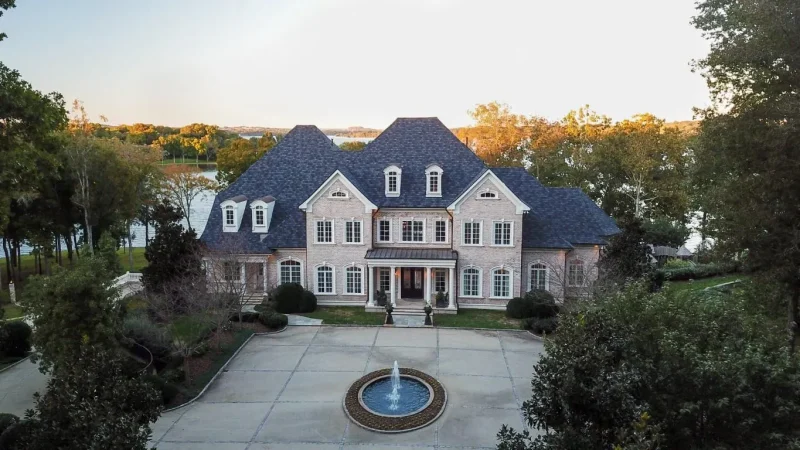
Hendersonville stands out as one of Tennessee’s safest communities. The city maintains crime rates significantly lower than the national average for similarly-sized municipalities.
Located in Sumner County near Nashville, Hendersonville combines suburban safety with metropolitan accessibility. The community of approximately 58,000 residents benefits from well-funded public services and active neighborhood watch programs.
Property crimes occur at notably low rates compared to other Tennessee cities. Violent crime statistics place Hendersonville among the state’s most secure places to live.
The city’s economic stability contributes to its safety profile. With median household incomes above national averages and a poverty rate of just 7.2%, residents enjoy financial security that correlates with lower crime rates.
Hendersonville’s location along Old Hickory Lake provides recreational opportunities while maintaining a family-friendly atmosphere. The community attracts professionals seeking safe neighborhoods within commuting distance of Nashville’s employment centers.
10. Flower Mound, Texas

Flower Mound consistently ranks among the safest cities in Texas and the United States. The city has earned recognition from multiple safety studies, including being named the safest town in Texas by recent analysis.
Crime statistics show Flower Mound’s exceptional safety record. The violent crime rate stands at 1 in 1,324 residents, significantly lower than national averages. Property crime occurs at a rate of 1 in 147 residents.
The overall crime rate measures 10.13, well below the national average of 33.37. This makes Flower Mound 89% safer than other Texas cities and 87% safer than cities nationwide.
Located in Denton County, Flower Mound maintains its reputation through effective community policing and engaged residents. The city’s commitment to safety extends across violent crime, property crime, and other criminal activities.
11. Murphy, North Carolina
Murphy sits nestled in the Appalachian Mountains of western North Carolina. This small town serves as the county seat of Cherokee County and offers residents a peaceful mountain lifestyle.
The community maintains low crime rates compared to larger metropolitan areas. Murphy’s rural setting and tight-knit population contribute to its reputation as a safe place to live.
Located near the Tennessee border, Murphy provides access to outdoor recreation opportunities. The town sits close to the Nantahala National Forest and various hiking trails.
Murphy’s economy relies primarily on tourism, healthcare, and small businesses. The cost of living remains relatively affordable compared to urban centers in North Carolina.
The town’s population hovers around 1,600 residents. This small size allows for strong community connections and neighborhood watch initiatives that enhance overall safety.
12. Germantown, Tennessee
Germantown sits as a peaceful suburban community located east of Memphis. The city maintains well-established neighborhoods with tree-lined streets and family-oriented amenities.
Crime statistics show Germantown performs better than many Tennessee communities. The city experiences lower violent crime rates compared to nearby urban areas.
Residents benefit from strong local law enforcement and active neighborhood watch programs. The community prioritizes public safety through regular police patrols and emergency response services.
Housing developments feature single-family homes with spacious yards. Many neighborhoods include walking trails, parks, and recreational facilities that encourage outdoor activities.
The city offers quality schools and maintains clean public spaces. Local government focuses on preserving the suburban character while providing essential municipal services.
Germantown attracts families seeking a quieter lifestyle near Memphis employment opportunities. The community balances residential tranquility with convenient access to urban amenities.
13. Fort Mill, South Carolina
Fort Mill stands out as one of South Carolina’s safest communities. This York County town consistently ranks at the top of state safety lists.
The city maintains a crime rate of just 0.83 per 1,000 residents. This figure falls well below national averages.
Fort Mill’s location near Charlotte provides residents with small-town security and big-city access. The community attracts families, professionals, and retirees seeking safe neighborhoods.
Anne Springs Close Greenway offers extensive outdoor recreation opportunities. This nature preserve spans thousands of acres within the town boundaries.
Multiple safety organizations recognize Fort Mill’s low crime statistics. The town’s population ranges between 30,000 and 100,000 residents, making it an ideal mid-sized community for those prioritizing personal safety.
14. Mount Juliet, Tennessee
Mount Juliet stands as the fourth safest city in Tennessee according to SafeWise rankings. The city holds the distinction of being the safest Tennessee city with a population exceeding 18,500 residents.
Crime statistics show favorable safety conditions for residents. The chance of becoming a victim of violent crime is 1 in 1,073. Property crime rates remain manageable at 1 in 148.
The city maintains crime rates below national averages. This safety record attracts families and retirees seeking secure communities in the Nashville metropolitan area.
Mount Juliet’s location in Wilson County provides suburban tranquility while offering access to Nashville’s amenities. The community has preserved its small-town character despite steady population growth.
Local law enforcement and community engagement contribute to the city’s strong safety profile. These factors combine to make Mount Juliet an attractive option for those prioritizing security in their housing decisions.
15. Round Rock, Texas
Round Rock consistently ranks among Texas’s safest cities with crime rates below state and national averages. The Austin suburb earned 26th place out of nearly 300 U.S. cities in MoneyGeek’s recent safety analysis.
This Central Texas community attracts families with its secure neighborhoods and strong community safety features. Round Rock has received recognition on multiple national safety lists for 2025.
The city offers a family-friendly atmosphere with award-winning parks and quality healthcare options. Residents benefit from top-notch public services and well-maintained infrastructure that contribute to overall community safety.
Round Rock’s proximity to Austin provides job opportunities while maintaining a suburban feel. The community emphasizes safety as a top priority, reflected in its consistent appearances on national safety rankings.
Crime statistics show Round Rock maintains lower rates across most categories compared to similar-sized communities nationwide.
16. Dunwoody, Georgia
Dunwoody ranks among Georgia’s safest cities with consistently low crime rates. The city maintains strong safety statistics across violent and property crimes.
Located in the northern Atlanta suburbs, Dunwoody offers residents a secure community environment. The city has invested in quality law enforcement and community safety programs.
Neighborhood safety varies throughout Dunwoody, with most areas experiencing minimal criminal activity. Residents report feeling secure walking in their neighborhoods and leaving homes unattended.
The city’s proximity to Atlanta provides urban amenities while maintaining suburban safety standards. Dunwoody’s well-maintained streets and active neighborhood watch programs contribute to its reputation.
Local crime data shows rates significantly below state and national averages. Property crimes remain low compared to similar-sized communities in the region.
Dunwoody attracts families seeking safe environments with quality schools and recreational facilities. The city’s commitment to public safety makes it a desirable location for those prioritizing security.
17. Johns Creek, Georgia
Johns Creek ranks as one of America’s safest cities. U.S. News & World Report named it the number one best place to live in 2025-2026.
The city holds the nation’s lowest crime rate according to recent rankings. SafeWise ranked Johns Creek the fifth safest city in Georgia for 2025.
Located 25 miles from downtown Atlanta, Johns Creek offers suburban safety with urban access. The city sits near major highways and international airports.
Crime statistics show residents have a 1 in 157 chance of becoming victims. This rate makes Johns Creek safer than 61% of U.S. cities and towns.
The community features top-rated schools and strong neighborhoods. Families appreciate the city’s blend of upscale amenities and small-town atmosphere.
Johns Creek’s diverse population creates a welcoming environment. The city maintains its reputation through consistent low crime rates and active community engagement.
18. Murfreesboro, Tennessee
Murfreesboro offers residents a relatively safe environment in central Tennessee. The city maintains violent crime rates that give residents a 1 in 204 chance of becoming a victim.
Property crime occurs more frequently, with odds of 1 in 42 for residents. Despite this higher rate, many neighborhoods throughout the city provide secure living conditions.
The rapidly growing community ranks as the top place to live in Rutherford County. Residents appreciate the blend of Southern hospitality and modern amenities that characterize daily life.
Murfreesboro’s expansion reflects its appeal to families and professionals seeking affordable living options. The city combines reasonable housing costs with access to employment opportunities and educational institutions.
Crime mapping resources help potential residents identify the safest neighborhoods within city limits. These tools allow people to make informed decisions about where to establish their homes in this Tennessee community.
19. Peachtree City, Georgia
Peachtree City consistently ranks among Georgia’s safest communities. The city reports exceptionally low crime levels across both violent and property crime categories.
Residents express high confidence in their safety during day and night hours. This suburban Atlanta community has built a strong reputation for family-friendly living.
The city appears regularly on statewide safety rankings. Multiple sources identify Peachtree City as one of Georgia’s top ten safest places to live.
Crime statistics show rates well below state and national averages. The community maintains effective public safety services that contribute to its secure environment.
Families and retirees particularly value the peaceful neighborhoods. The city’s commitment to safety makes it attractive for those seeking secure suburban living in the Atlanta metropolitan area.
20. Keller, Texas
Keller sits in Tarrant County and maintains a reputation as one of the safer suburban communities in North Texas. The city has consistently low crime rates compared to state and national averages.
Located between Dallas and Fort Worth, Keller provides residents with suburban tranquility while offering access to major metropolitan amenities. The community has strong local law enforcement and active neighborhood watch programs.
Families often choose Keller for its excellent schools and safe residential neighborhoods. The city’s crime statistics show particularly low rates of violent crime and property crime.
Keller’s location in the Dallas-Fort Worth metroplex provides economic opportunities while maintaining a small-town atmosphere. The area has experienced steady growth while preserving its community-focused character and commitment to public safety.
21. Shelby, North Carolina
Shelby presents a complex safety profile for residents considering relocation to North Carolina. The city has a crime rate of 36 per thousand residents, placing it among communities with higher crime statistics.
Within North Carolina, more than 86% of communities maintain lower crime rates than Shelby. The city ranks 170th safest out of 256 North Carolina cities according to recent data.
Residents face approximately a one in 28 chance of becoming victims of violent or property crime. This statistic reflects the city’s position in statewide safety rankings.
The overall crime rate sits 48% above the national average. These numbers place Shelby at 8,575th safest among 9,869 cities nationwide.
Despite these challenges, Shelby offers affordable housing compared to the state average of $293,064. The city maintains established neighborhoods with varying safety profiles across different areas.
22. Midlothian, Virginia
Midlothian sits in Chesterfield County, just southwest of Richmond. This suburban community offers residents a blend of small-town charm and proximity to Virginia’s capital city.
The area features well-maintained neighborhoods with a mix of housing options. Many families choose Midlothian for its established communities and convenient location.
Crime data indicates that Midlothian has a higher crime rate than 64% of Virginia’s cities and towns. However, the community maintains several safe residential neighborhoods that attract families and professionals.
Local law enforcement works actively to maintain community safety standards. Residents benefit from neighborhood watch programs and community policing initiatives.
The town’s location provides easy access to Richmond’s amenities while maintaining a quieter suburban atmosphere. Schools in the area receive positive ratings from families.
Midlothian continues to develop as a residential community with ongoing attention to safety and quality of life improvements.
23. Lake Mary, Florida
Lake Mary maintains a crime rate of 10 per 1,000 residents. This places the city near the national average for communities of all sizes.
Residents face a 1 in 98 chance of becoming a crime victim. The city’s crime rate falls below many other Florida communities of similar population sizes.
Lake Mary’s neighborhoods vary in quality and safety levels. The market reflects this through significant differences in home values across different areas of the city.
The community attracts families seeking suburban living in Central Florida. Lake Mary offers access to quality schools and recreational amenities while maintaining reasonable safety standards.
Property crime and violent crime data show consistent patterns typical of suburban Florida communities. The city’s location in Seminole County contributes to its appeal among residents prioritizing safety considerations.
24. Camarillo, Virginia
Camarillo represents one of Virginia’s smaller communities that prioritizes safety and residential tranquility. The town maintains low crime rates across both violent and property crime categories.
Local law enforcement maintains a visible presence throughout residential neighborhoods. This contributes to the community’s reputation for safety among families and retirees.
The area benefits from Virginia’s statewide safety initiatives and programs. Residents report feeling secure walking in their neighborhoods during evening hours.
Housing developments in Camarillo feature well-maintained streets and adequate lighting. These infrastructure elements support the community’s overall safety profile.
The town’s compact size allows for effective community policing strategies. Neighbors often know each other, creating informal neighborhood watch networks.
Emergency services respond quickly to calls within the community. The proximity to larger Virginia cities ensures access to comprehensive medical and safety resources when needed.
25. Greer, South Carolina
Greer offers residents a balanced combination of safety and affordability in the upstate region of South Carolina. The city maintains crime rates below many urban areas in the state.
With a population of approximately 32,000 residents, Greer provides a manageable community size. The poverty rate sits at 8.4%, which is notably lower than the national average.
Local households earn a median income of $65,516 annually. This figure closely aligns with national income standards, indicating economic stability within the community.
The city’s location in upstate South Carolina provides access to larger metropolitan areas while maintaining a smaller town atmosphere. Greer’s crime statistics show consistently lower rates compared to more densely populated cities in the region.
Residents benefit from established neighborhoods and local amenities. The community focuses on maintaining safe residential areas while supporting local economic development.
26. Brentwood, Tennessee
Brentwood consistently ranks among Tennessee’s safest cities. The city sits just 15 minutes south of Nashville, offering residents suburban tranquility with urban access.
Crime rates in Brentwood remain significantly below state and national averages. The community maintains low incidents of violent crime and property crime.
The city features high-end homes and luxury neighborhoods. Award-winning public schools attract families seeking quality education for their children.
Brentwood’s small-town atmosphere creates a tight-knit community feel. Local law enforcement maintains strong community partnerships that contribute to public safety.
The median household income exceeds state averages. This economic stability correlates with lower crime rates and better community resources.
Notable residents have chosen Brentwood for its safety and quality of life. The city continues attracting families and professionals seeking secure residential options in Middle Tennessee.
27. Henderson, North Carolina
Henderson ranks as a moderately safe community in North Carolina’s safety landscape. The city maintains crime rates that fall within acceptable ranges for residents seeking security in the South.
Located in Vance County, Henderson offers small-town living with reasonable safety measures. The community benefits from local law enforcement presence and neighborhood watch programs.
Crime statistics show Henderson experiences typical patterns for mid-sized Southern cities. Property crimes occur more frequently than violent crimes, following regional trends.
The city’s livability score reflects its balanced approach to safety and community resources. Henderson provides residents with essential services while maintaining manageable crime levels.
Local police work actively with community members to address safety concerns. Regular patrols and community policing initiatives help maintain order throughout residential areas.
Henderson’s position in North Carolina’s safety rankings places it among communities where families can establish roots with reasonable peace of mind.
28. Oak Ridge, Tennessee
Oak Ridge offers residents a safer living environment compared to many communities across Tennessee. The city maintains crime rates that are lower than the state average.
Located in eastern Tennessee, Oak Ridge combines safety with affordability. Home prices remain below the Tennessee state average of $285,087, making it accessible for various income levels.
The community benefits from its historical significance and planned development. Oak Ridge’s infrastructure and neighborhood design contribute to its overall safety profile.
Crime statistics show Oak Ridge performs better than many Tennessee cities in terms of violent and property crimes. The city’s law enforcement maintains consistent community policing efforts.
Residents enjoy a stable environment with well-maintained neighborhoods. The city’s commitment to public safety creates conditions that support family life and community engagement.
Oak Ridge attracts people seeking balance between safety, affordability, and quality of life in Tennessee.
29. Georgetown, Texas
Georgetown sits 30 miles north of Austin in Williamson County. The city recorded a population of 74,180 residents as of 2019 Census estimates.
Crime rates in Georgetown remain notably low compared to state averages. The city maintains detailed crime statistics and safety maps that demonstrate consistent security across most neighborhoods.
Violent crime rates show favorable trends throughout Georgetown’s residential areas. Most neighborhoods earn strong safety grades from crime monitoring organizations.
The quality of neighborhoods varies significantly based on location within the city. Market data indicates that safer areas typically correlate with higher property values and better community amenities.
Georgetown’s proximity to Austin provides employment opportunities while maintaining a smaller city atmosphere. The city serves as the county seat, contributing to stable local government services and infrastructure.
Law enforcement presence remains consistent throughout Georgetown’s boundaries. Crime prevention programs and community safety initiatives help maintain the city’s reputation as a secure place for families.
30. Davidson, North Carolina
Davidson ranks as one of North Carolina’s safest communities for families and individuals. The town maintains a crime index of approximately 26.20 crimes per 1,000 residents annually.
Southeast neighborhoods offer the highest safety levels within Davidson. Residents in these areas experience lower crime rates compared to other sections of town.
The town earned recognition as the number one place to live in Mecklenburg County in 2021. Davidson consistently receives awards for its family-friendly environment and community safety.
Located near Charlotte, Davidson provides small-town security with access to urban amenities. The community attracts residents seeking a peaceful environment without sacrificing convenience.
Crime statistics show Davidson performs well below state and national averages. Property crimes remain relatively low compared to similarly sized communities across the region.
Key Factors That Make Southern Cities Safe
Southern cities achieve high safety ratings through strong community partnerships, strategic policing approaches, and robust emergency response systems. These foundational elements work together to create secure environments for residents.
Community Engagement and Neighborhood Watch Programs
Active community participation forms the backbone of safety in many Southern cities. Residents organize regular neighborhood meetings where they discuss local security concerns and coordinate with law enforcement officials.
Neighborhood watch programs operate in structured shifts throughout residential areas. Volunteers receive training from police departments on identifying suspicious activities and proper reporting procedures.
Community safety apps connect neighbors instantly during emergencies. These platforms allow residents to share real-time alerts about break-ins, suspicious vehicles, or other security threats.
Local business partnerships strengthen community safety networks. Store owners, restaurant managers, and service providers collaborate with residents to monitor commercial districts during evening hours.
Churches and community centers host safety workshops monthly. These sessions cover topics like personal protection, home security systems, and emergency preparedness planning.
Social media groups dedicated to neighborhood safety maintain active memberships. Residents post updates about local incidents and share preventive measures with their neighbors.
Local Law Enforcement Strategies
Community policing initiatives place officers in regular contact with residents through walking patrols and community events. Officers attend school functions, local festivals, and neighborhood gatherings to build trust relationships.
Police departments implement predictive analytics to identify crime patterns. This technology helps deploy resources to areas with higher probability of incidents before they occur.
Specialized units focus on specific crime types common in each city. Drug enforcement teams, domestic violence specialists, and juvenile crime officers receive targeted training for their areas.
Rapid response protocols ensure quick deployment of officers to emergency calls. Many Southern cities maintain response times under five minutes for high-priority incidents.
Training programs emphasize de-escalation techniques and cultural sensitivity. Officers complete annual workshops on mental health crisis intervention and community relations.
Partnership programs with schools place resource officers directly in educational facilities. These officers build relationships with students while providing immediate security presence.
Access to Emergency Services
Emergency medical services maintain strategically located stations throughout Southern cities to ensure quick response times. Ambulance crews receive continuous training in trauma care and cardiac emergency procedures.
Fire departments operate both suppression and prevention programs. Fire inspectors conduct regular safety checks of commercial buildings while firefighters provide community education on home fire safety.
911 dispatch centers use advanced technology to pinpoint caller locations accurately. Enhanced systems can track cell phone calls and provide real-time information to responding units.
Emergency communication networks keep residents informed during natural disasters and security threats. Cities use text alerts, sirens, and social media to distribute critical information quickly.
Mutual aid agreements between neighboring jurisdictions provide backup resources during major incidents. These partnerships ensure adequate personnel and equipment availability during emergencies.
Medical helicopter services provide rapid transport to trauma centers. Flight crews coordinate with ground ambulances to reduce response times for serious injuries.
Benefits of Living in a Safe Southern Community
Safe Southern communities provide residents with stable environments that support family growth, protect financial investments, and create conditions for improved daily living experiences. These benefits extend beyond basic security to encompass economic and social advantages.
Family-Friendly Environments
Safe Southern communities create optimal conditions for raising children and strengthening family bonds. Parents can allow children to play outdoors, walk to school, and participate in neighborhood activities without constant safety concerns.
Strong community involvement characterizes these areas, with neighbors looking out for each other’s families. Regular community events, youth sports leagues, and neighborhood gatherings become possible when safety concerns are minimal.
Schools in safe communities typically experience fewer disruptions and can focus resources on education rather than security measures. Teachers and staff can concentrate on learning objectives instead of managing safety protocols.
Key family benefits include:
- Children develop independence through safe outdoor exploration
- Parents experience reduced stress about daily activities
- Stronger social connections form between families
- Community resources support child development programs
Positive Impact on Property Values
Properties in safe Southern communities maintain higher values and appreciate more consistently than those in higher-crime areas. Home buyers actively seek neighborhoods with low crime statistics, creating steady demand.
Insurance costs decrease significantly in safe communities. Homeowners and auto insurance premiums reflect lower risk assessments based on crime data and claims history.
Real estate transactions occur more quickly in safe areas. Properties spend less time on the market because buyers recognize the long-term value of safety and security.
Financial advantages include:
- Home values: 15-20% higher than comparable unsafe areas
- Insurance savings: 10-25% reduction in annual premiums
- Resale potential: Faster sales with better price negotiations
- Investment protection: Property values remain stable during market fluctuations
Enhanced Quality of Life
Residents in safe Southern communities report higher satisfaction levels and better mental health outcomes. Daily stress decreases when personal safety concerns are minimal.
Local businesses thrive in safe environments, creating vibrant commercial districts with restaurants, shops, and services. Evening activities and entertainment options become accessible to residents of all ages.
Public spaces receive greater use and maintenance in safe communities. Parks, walking trails, and recreational facilities serve their intended purposes without safety barriers limiting access.
Quality of life improvements include:
- Reduced anxiety about personal and family safety
- Greater use of outdoor recreational facilities
- Thriving local business districts with diverse services
- Active nightlife and community entertainment options