30 Towns Where People Live the Longest in the U.S.: America’s Longevity Hotspots
Life expectancy in the United States varies significantly depending on where people choose to call home. While national averages provide a general picture, certain towns and cities stand out for their residents’ exceptional longevity.
Some American communities consistently demonstrate life expectancies that exceed the national average by several years, with factors like healthcare access, lifestyle habits, and environmental conditions playing crucial roles.
These differences aren’t simply matters of chance or genetics. The communities where people live longest share identifiable characteristics that contribute to their residents’ extended lifespans.
From coastal cities to mountain towns and from bustling metropolitan areas to quieter regional hubs, these 30 locations represent diverse geographic and cultural landscapes across the country.
Understanding what sets these communities apart offers insights into the varied factors that influence longevity throughout America.
Here are the 30 towns where people live the longest in the U.S.
1. Naples, Florida
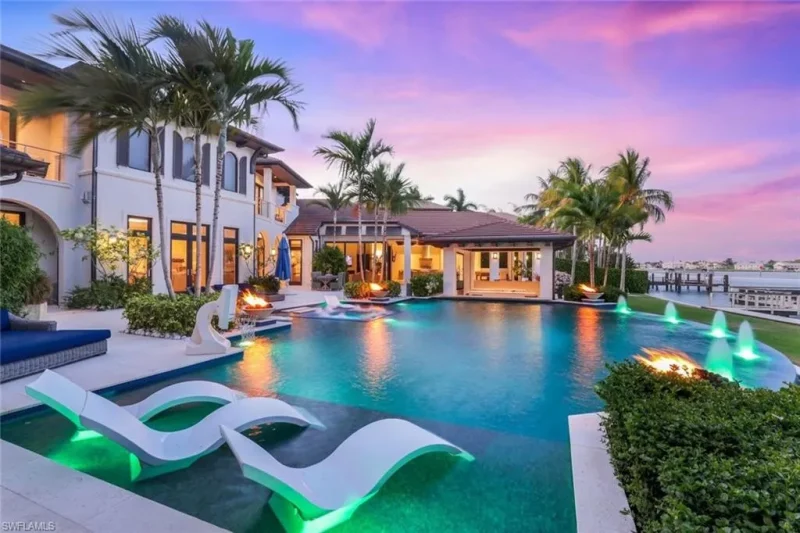
Naples, Florida leads the nation with a life expectancy of 86.6 years, significantly surpassing the U.S. average of 78.5 years. Located along Florida’s Gulf Coast in Collier County, this affluent metropolitan area benefits from favorable climate conditions and extensive recreational opportunities.
The region’s relatively low obesity rate of 18.8 percent contributes to its residents’ longevity. Access to quality healthcare and an active outdoor lifestyle are key factors distinguishing Naples from other communities.
The Naples-Immokalee-Marco Island metropolitan area provides residents with tropical surroundings that encourage year-round physical activity. The combination of economic prosperity, with a median household income of $56,876, and health-focused amenities creates an environment conducive to extended lifespans.
This coastal community demonstrates how geographic location, lifestyle factors, and community resources influence population health outcomes.
2. Boulder, Colorado
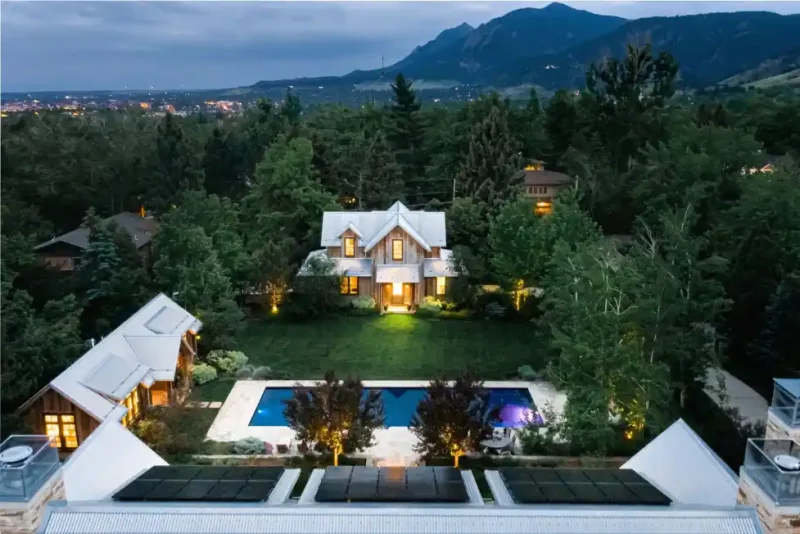
Boulder stands out as one of Colorado’s cities with exceptional life expectancy rates. The city’s residents benefit from an active outdoor lifestyle, with extensive hiking and biking trails that encourage regular physical activity throughout the year.
The population demonstrates a strong commitment to health and wellness. Boulder has a high concentration of health-conscious residents who prioritize nutritious diets and regular exercise. The city’s clean air quality and access to comprehensive healthcare services contribute to longer lifespans.
Educational attainment levels in Boulder are notably high, which correlates with better health outcomes. The presence of the University of Colorado Boulder creates a culture that values knowledge and preventive healthcare practices.
The city’s relatively affluent population has greater access to quality medical care and healthier food options. These socioeconomic factors play a significant role in the extended life expectancy observed among Boulder residents.
3. Santa Barbara, California

Santa Barbara stands out as one of America’s cities where residents enjoy exceptional longevity. This coastal California city benefits from its favorable Mediterranean climate and access to quality healthcare facilities.
Research indicates that low-income Americans particularly experience longer lifespans in large, dense cities like Santa Barbara. The city’s location along a south-facing stretch of California’s central coast contributes to its year-round pleasant weather conditions.
Santa Barbara residents have access to numerous outdoor activities and a relaxed lifestyle that supports healthy living. The city combines coastal beauty with well-developed infrastructure and community amenities.
The combination of environmental factors, healthcare access, and active lifestyle opportunities positions Santa Barbara among the top American cities for life expectancy. Its status as the county seat provides residents with comprehensive services and resources that support overall wellbeing.
4. Scottsdale, Arizona
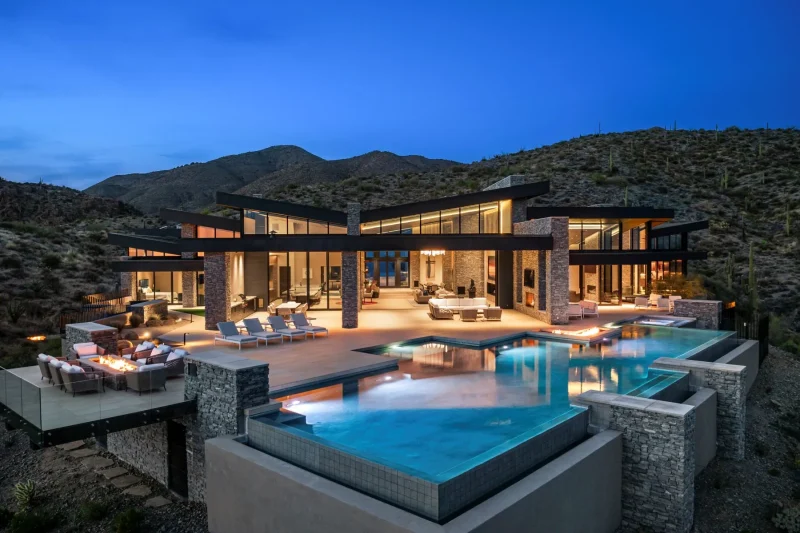
Scottsdale stands out as one of Arizona’s premier communities for health and longevity. The city’s abundant sunshine, low humidity, and mild winters create ideal conditions for year-round outdoor activity.
Residents benefit from access to top-tier healthcare facilities and wellness-focused amenities. The area’s numerous golf courses, hiking trails, and recreational spaces encourage active lifestyles well into retirement years.
Scottsdale attracts health-conscious individuals seeking a vibrant community that prioritizes quality of life. The city’s emphasis on outdoor recreation, combined with its established medical infrastructure, supports the well-being of its aging population.
The desert climate offers respiratory benefits for many residents. Lower pollution levels compared to larger metropolitan areas contribute to better air quality, which supports cardiovascular and respiratory health throughout the lifespan.
5. Portland, Maine
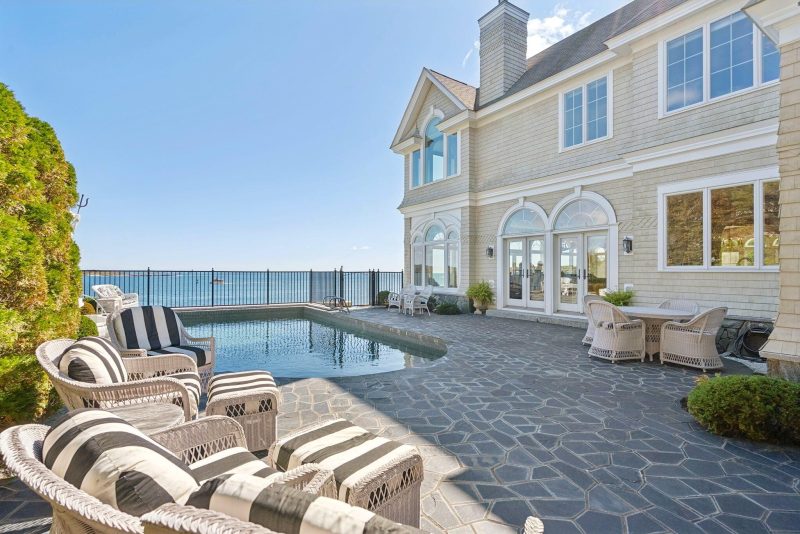
Portland stands out as Maine’s largest city and a place where residents tend to live notably longer lives. The city combines urban conveniences with extensive access to coastal activities and year-round outdoor recreation.
Life expectancy in Portland exceeds state averages, making it a leading community for longevity in Maine. The city’s walkable downtown, active lifestyle culture, and strong healthcare infrastructure contribute to residents’ extended lifespans.
Portland has gained recognition as one of the most desirable places to live in the United States. In 2025, it ranks thirteenth on national lists of cities people want to move to, reflecting its appeal beyond just longevity factors.
The community offers a balance of work opportunities, cultural amenities, and natural surroundings. Access to fresh seafood, outdoor activities across all seasons, and a focus on healthy living help explain why Portland residents live longer than those in many other American cities.
6. Irvine, California
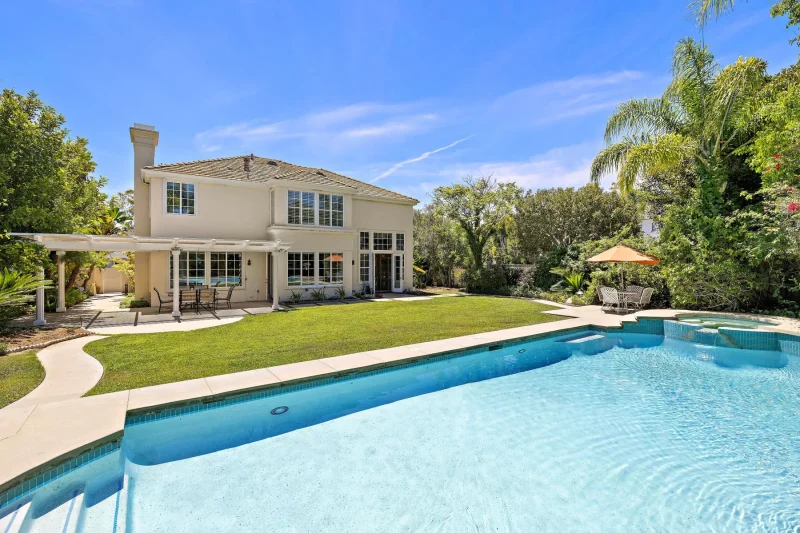
Irvine residents enjoy one of the longest life expectancies in the United States, with an average lifespan exceeding 84 years. This planned city in Orange County benefits from exceptional air quality compared to other California metropolitan areas and extensive green spaces throughout its communities.
The city’s healthcare infrastructure plays a significant role in resident longevity. Multiple medical centers and specialized facilities provide accessible care to the population.
Irvine’s emphasis on education and high median income levels contribute to better health outcomes. The city features numerous parks, walking trails, and recreational facilities that encourage active lifestyles. Its low crime rate and family-oriented community design create a stable environment conducive to healthy aging.
The Mediterranean climate allows year-round outdoor activity, supporting physical fitness among all age groups.
7. Minneapolis, Minnesota
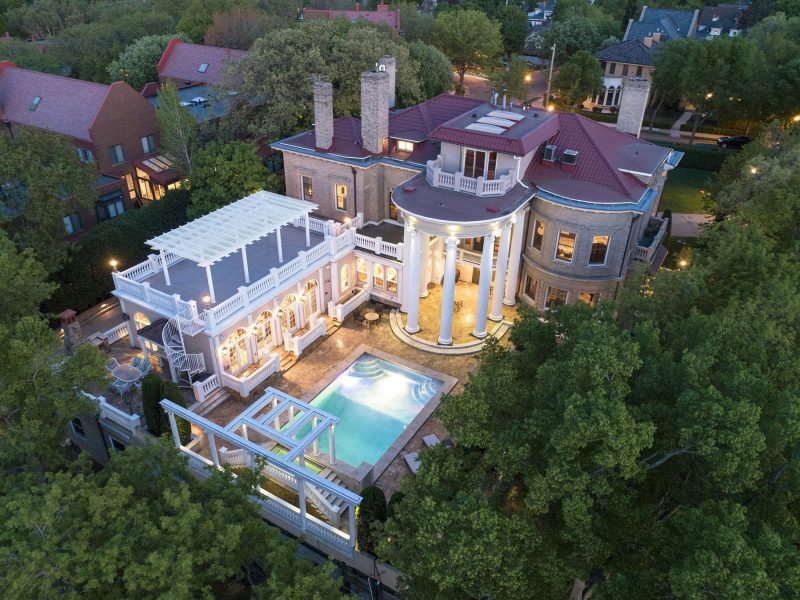
Minneapolis stands out as one of Minnesota’s healthiest urban centers, contributing to exceptional longevity among its residents. The city’s extensive park system provides over 180 miles of trails and pathways that encourage active lifestyles year-round.
Access to world-class healthcare facilities, including renowned medical centers in the Twin Cities metro area, ensures residents receive quality preventive and specialized care. The city’s strong economy supports stable employment and health insurance coverage for most families.
Minneapolis residents benefit from a culture that prioritizes outdoor recreation despite harsh winters. Biking infrastructure ranks among the nation’s best, with protected lanes connecting neighborhoods to workplaces and recreational areas.
The metropolitan area’s diverse food scene and farmers markets promote healthy eating habits. Educational attainment levels remain high, correlating with better health outcomes and increased life expectancy across the population.
8. Madison, Wisconsin

Madison stands out as one of America’s top cities for longevity. The capital of Wisconsin consistently ranks high in life expectancy studies conducted by health research organizations.
Home to the University of Wisconsin, Madison benefits from a strong healthcare infrastructure and active community culture. The city’s residents have access to quality medical facilities and numerous outdoor recreational opportunities year-round.
Data from County Health Rankings shows Madison’s life expectancy exceeds the national average by several years. The metropolitan area’s emphasis on education, healthcare access, and community wellness programs contributes to these outcomes.
Madison’s combination of educational resources, parks, and bike-friendly infrastructure encourages healthy lifestyle choices. These factors create an environment where residents can maintain active, engaged lives well into their later years.
9. Long Beach, California
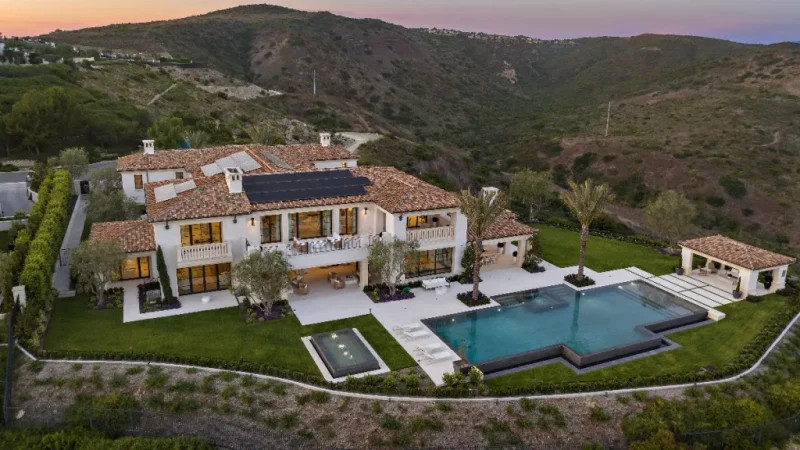
Long Beach residents benefit from the broader Los Angeles metropolitan area’s impressive life expectancy of approximately 82.1 years. The city’s coastal location provides year-round mild weather that encourages outdoor activity and active lifestyles.
The health-conscious culture prevalent throughout Southern California extends to Long Beach. Access to quality healthcare facilities and a diverse range of fresh produce contribute to better health outcomes for residents.
Long Beach’s proximity to the ocean offers opportunities for walking, cycling, and other physical activities along its waterfront. The city’s commitment to maintaining public spaces and parks supports community wellness initiatives.
The diverse population brings varied dietary traditions that often emphasize fresh ingredients and balanced nutrition. These factors combine to create an environment where residents can maintain healthier lifestyles well into their later years.
10. Huntington Beach, California
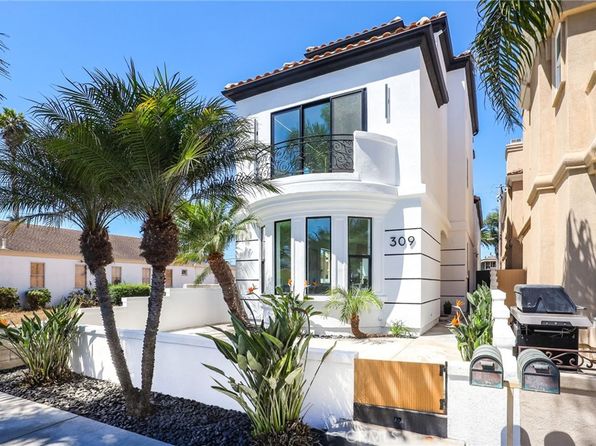
Huntington Beach sits along Orange County’s coastline with a population of 198,711 residents. The city combines ocean access with suburban stability, creating conditions that support extended lifespans.
The coastal location provides year-round mild weather and opportunities for outdoor activity. Residents benefit from walkable neighborhoods, bike paths, and beach access that encourage regular physical movement. The community maintains numerous parks and recreational facilities throughout its residential areas.
Healthcare infrastructure in Orange County ranks among the strongest in California. Huntington Beach residents have access to multiple medical centers and specialized care facilities within the region. The city’s demographic data shows a stable population with high rates of homeownership.
The local economy supports middle to upper-middle-class households, providing financial security that correlates with better health outcomes. Air quality from ocean breezes and lower pollution levels compared to inland areas contributes to respiratory health.
11. Fort Collins, Colorado
Fort Collins residents benefit from a combination of factors that contribute to extended lifespans. The city sits at the base of the Rocky Mountains, offering year-round access to hiking, cycling, and outdoor recreation that encourages active lifestyles.
The community maintains a strong healthcare infrastructure with multiple medical facilities and preventive care options. Fort Collins also has a relatively low pollution level compared to larger metropolitan areas, which supports respiratory health.
The city’s culture emphasizes wellness and outdoor activity. Many residents incorporate physical exercise into their daily routines, whether through commuting by bike or participating in weekend mountain activities.
Fort Collins has a well-educated population and a thriving economy centered around technology and craft brewing. These economic factors correlate with better health outcomes and access to quality healthcare services.
12. Des Moines, Iowa
Des Moines residents benefit from a combination of factors that contribute to above-average life expectancy in the region. The city provides access to quality healthcare facilities and maintains a lifestyle that supports longevity.
Iowa’s capital offers a balanced environment with relatively low stress levels compared to larger metropolitan areas. The community emphasizes preventive health measures and regular medical checkups, which play a significant role in extending lifespans.
Des Moines features numerous parks and recreational spaces that encourage physical activity year-round. The city’s affordable cost of living allows residents to allocate resources toward healthcare and wellness without excessive financial strain.
The presence of strong community networks and social connections further supports healthy aging among the population. Access to fresh food and an active lifestyle culture contribute to the city’s favorable life expectancy rankings.
13. Akron, Ohio
Akron stands out among Ohio cities for its community-focused neighborhoods and accessible healthcare infrastructure. The city benefits from proximity to quality medical facilities and a network of healthcare professionals that serve its residents.
West Akron particularly attracts people who value integrated, community-oriented living without the pressures of larger metropolitan areas. The area maintains a friendly atmosphere where residents actively engage with their neighborhoods.
Factors contributing to longevity in cities like Akron typically include access to parks, strong socialization opportunities, and proximity to medical care. The city’s affordable cost of living allows residents to maintain stable lifestyles with access to essential services.
While Akron may not lead Ohio in life expectancy statistics, it offers the foundational elements associated with healthy aging. The combination of community engagement, healthcare access, and reasonable living costs supports resident wellbeing across different life stages.
14. Boise, Idaho
Boise stands out among Idaho’s cities for its residents’ impressive longevity. The state capital benefits from a combination of factors that contribute to extended life expectancy, with averages across Idaho counties ranging between 79-85 years old.
The city’s elevated position at 2,700 feet above sea level along the Boise River provides residents with access to abundant outdoor recreation opportunities. Mountain ranges to the east offer year-round activities that encourage active lifestyles.
Boise maintains a strong sense of community through regular events and gatherings that foster social connections. The city offers quality healthcare facilities and maintains lower stress levels compared to larger metropolitan areas. Its manageable cost of living, combined with urban amenities and natural surroundings, creates an environment conducive to healthy aging.
The surrounding Treasure Valley region consistently ranks among Idaho’s areas with the longest life expectancy, making Boise a notable location for longevity in the United States.
15. Ann Arbor, Michigan
Ann Arbor stands out as one of Michigan’s healthiest cities, where residents enjoy notably high life expectancy rates. The city’s strong healthcare infrastructure, anchored by the University of Michigan’s medical facilities, contributes to its population’s longevity.
Ann Arbor maintains one of the lowest smoking rates in the country. The community’s emphasis on sustainability and active living supports healthy lifestyle choices among its residents.
The city ranks among the happiest places in the United States according to well-being research. Its combination of excellent healthcare access, educated population, and quality of life factors creates an environment conducive to longer lives.
Ann Arbor’s walkable neighborhoods and abundant green spaces encourage physical activity. These elements, paired with the city’s cultural amenities and strong sense of community, help residents maintain both physical and mental health throughout their lives.
16. Charleston, South Carolina
Charleston residents benefit from a coastal lifestyle that supports longevity through multiple factors. The city’s temperate climate encourages year-round outdoor activity, while its walkable historic districts promote daily physical movement.
The area has solid healthcare infrastructure serving its population of over 157,000 residents. Medical facilities in Charleston provide comprehensive care options that contribute to better health outcomes for aging populations.
The community emphasizes fresh seafood and regional produce, supporting nutritious eating habits. Cultural activities and social engagement opportunities remain abundant throughout the city, from museums to waterfront recreational areas.
Charleston’s blend of affordability compared to other coastal cities, combined with its lower-stress Southern pace, creates conditions favorable for healthy aging. The city has earned recognition on multiple livability rankings, reflecting its appeal to those prioritizing quality of life and wellness.
17. Asheville, North Carolina
Asheville sits in the Blue Ridge Mountains with a population approaching 94,000 residents. The city’s temperate climate and abundant natural surroundings support an active outdoor lifestyle that contributes to resident longevity.
The area offers numerous hiking trails and mountain activities that encourage regular physical movement. Asheville’s food scene emphasizes farm-to-table dining, providing residents access to fresh, locally-sourced ingredients. The city has more breweries per capita than most U.S. cities, though moderation remains key to health benefits.
The community features a strong arts and music culture that fosters social connections among residents. Healthcare facilities in the region provide comprehensive medical services to support aging populations.
Asheville’s combination of outdoor recreation opportunities, quality food access, and engaged community life creates conditions that support healthy aging. The surrounding mountain towns offer additional quiet living options for those seeking similar lifestyle benefits.
18. Honolulu, Hawaii
Honolulu stands out as one of America’s cities with the highest life expectancy, with residents living well into their 80s. The city benefits from Hawaii’s broader health advantages, including the state’s leading national life expectancy of 80.7 years.
Several factors contribute to Honolulu’s longevity rates. The city’s culture emphasizes active living, with residents naturally incorporating physical activity into their daily routines. Access to fresh fish and tropical fruits provides nutritional benefits that support long-term health.
Honolulu’s healthcare infrastructure plays a significant role in resident wellness. The city also fosters a strong sense of community and maintains a relaxed lifestyle that reduces stress. These combined elements create an environment where people age more slowly and maintain better health throughout their lives.
The relatively low obesity rates in Hawaii further support population health outcomes in Honolulu.
19. San Jose, California
San Jose ranks among the top U.S. cities for life expectancy, with residents consistently living into their mid-80s. The city’s longevity advantage stems from several key factors that support healthy aging.
The area maintains high median incomes, which provide residents better access to quality healthcare and preventive medical services. San Jose’s concentration of technology companies creates economic stability and employer-sponsored health benefits for many workers.
The region’s mild Mediterranean climate encourages year-round outdoor activity and exercise. Residents benefit from extensive parks, walking trails, and recreational facilities throughout the city.
Access to top-tier medical facilities and specialists contributes significantly to health outcomes. The city’s diverse population also brings varied dietary traditions that often emphasize fresh produce and balanced nutrition, supporting overall wellness throughout life.
20. Santa Monica, California
Santa Monica is a beachside city spanning 8.3 square miles along Santa Monica Bay on California’s South Coast. With a population of approximately 93,000 residents, this coastal community has established itself as a location where longevity rates exceed many other American cities.
The city’s favorable climate and proximity to the Pacific Ocean contribute to its residents’ extended lifespans. Santa Monica offers a combination of residential neighborhoods, commercial districts, and recreational venues that support an active lifestyle.
California’s prominence in longevity rankings is notable, with multiple metro areas in the Golden State appearing among the top regions for life expectancy. Santa Monica shares characteristics common to other long-lived communities in the state, including access to outdoor activities and a temperate year-round environment.
The city’s healthcare infrastructure and lifestyle amenities provide residents with resources that support healthy aging.
21. Austin, Texas
Austin stands out among American cities for its impressive life expectancy of 81.6 years. The Texas capital combines a health-conscious culture with access to quality medical care and outdoor recreational opportunities.
The city’s younger demographic and active lifestyle contribute significantly to its longevity statistics. Austin residents benefit from numerous parks, hiking trails, and cycling paths that encourage regular physical activity throughout the year.
The area’s strong economy and growing healthcare infrastructure support preventative care access for its population. Austin’s emphasis on wellness, from farm-to-table dining options to fitness communities, creates an environment where healthy habits become part of daily life.
The city’s mild climate allows for year-round outdoor activities, which helps residents maintain consistent exercise routines. These factors collectively position Austin as one of the longest-living metropolitan areas in the United States.
22. Providence, Rhode Island
Providence residents benefit from access to quality healthcare facilities and walkable neighborhoods that encourage active lifestyles. Founded in 1636, this historic city maintains a pedestrian-friendly infrastructure with a high Walk Score, making it easier for residents to incorporate daily physical activity into their routines.
The city’s median household income of $83,330 supports access to healthcare and wellness resources. Providence’s proximity to renowned medical centers and educational institutions creates an environment where residents can access preventive care and health services.
The area’s coastal location provides opportunities for outdoor recreation throughout the year. Local parks and green spaces offer venues for exercise and stress reduction. The city’s blend of urban amenities and community-focused neighborhoods creates conditions that support healthy aging and longevity for its population of over 1.6 million in the greater metropolitan area.
23. Fargo, North Dakota
Fargo stands as North Dakota’s most populous city, with an estimated population of 136,285 in 2024. The city forms the core of the Fargo-Moorhead metropolitan area alongside its twin city across the state border in Minnesota.
North Dakota has gained recognition for counties with notable life expectancy rates. Oliver County leads the state with a life expectancy of 91.2 years, while Billings County residents can expect to live to 84 years, attributed to active lifestyles and clean air.
Fargo offers retirees access to healthcare facilities and community amenities typical of a larger urban center. The city provides a balance between urban infrastructure and the prairie landscape characteristic of the region.
The metropolitan area’s population of 248,591 supports a range of services and activities while maintaining the friendliness associated with North Dakota communities.
24. Grand Rapids, Michigan
Grand Rapids serves as the economic and cultural hub of West Michigan, situated along the Grand River approximately 25 miles east of Lake Michigan. The metropolitan area is home to over 1.18 million residents, making it the second-largest city in Michigan and one of the fastest-growing cities in the Midwest.
The region offers access to quality healthcare facilities and preventative care services that contribute to longevity. Residents benefit from the area’s affordability and strong community infrastructure. Grand Rapids ranks favorably among Michigan cities for quality of life, with U.S. News and World Report placing it second in the state.
The city provides access to over 100 restaurants, shops, museums, and entertainment venues within minutes of downtown. Lake Michigan’s proximity offers outdoor recreational opportunities year-round, supporting active lifestyles that promote healthy aging.
25. Raleigh, North Carolina
Raleigh’s combination of quality healthcare access and active lifestyle opportunities contributes to residents’ longevity. The city serves as North Carolina’s capital and anchors the Research Triangle region alongside Durham and Chapel Hill.
The area’s concentration of medical facilities and research institutions provides residents with advanced healthcare options. Raleigh’s growing economy attracts educated professionals who tend to prioritize health and wellness.
The mild climate enables year-round outdoor activities, from walking trails to cycling routes throughout the city’s extensive greenway system. This weather pattern supports consistent physical activity among residents of all ages.
Raleigh’s lower cost of living compared to other major metropolitan areas reduces financial stress while maintaining access to urban amenities. The city’s population of educated residents and strong job market create an environment that supports healthy lifestyle choices.
26. Columbia, Maryland
Columbia ranks among Maryland’s healthiest communities, benefiting from its thoughtful urban planning and abundant resources. This planned city provides residents with extensive walking and biking trails that encourage active lifestyles throughout the year.
The community’s access to quality healthcare facilities contributes significantly to longevity outcomes. Columbia’s proximity to major medical centers in Baltimore and Washington D.C. ensures residents can access specialized care when needed.
Strong employment opportunities in biotechnology and federal sectors provide stable incomes that support healthy living choices. The area’s well-maintained parks and recreational facilities promote regular physical activity among all age groups.
Columbia’s emphasis on community wellness programs and preventive health services helps residents maintain better health outcomes. The city’s diverse population and inclusive environment also contribute to reduced stress levels and improved mental wellbeing.
27. Sarasota, Florida
Sarasota residents benefit from a life expectancy that places the city among the nation’s top-performing areas. The coastal community’s favorable climate allows for year-round outdoor activity, contributing to active lifestyles among its population.
The city provides strong healthcare infrastructure with multiple medical centers and specialists serving the region. Sarasota’s relatively affluent population has greater access to preventive care and health services compared to many other American cities.
The area attracts a significant retirement population drawn by its cultural amenities and beach access. Parks, walking trails, and recreational facilities encourage physical activity across age groups. The combination of healthcare access, economic stability, and lifestyle factors supports longer average lifespans for Sarasota residents compared to most Florida counties and the national average.
28. Champaign, Illinois
Champaign forms part of the Champaign-Urbana metropolitan area in east-central Illinois, home to approximately 93,000 residents. The city serves as a hub for education and healthcare, anchored by the University of Illinois’ flagship campus.
The community benefits from a strong healthcare infrastructure that supports residents across all age groups. Access to medical facilities and research institutions contributes to better health outcomes for the population.
Champaign County ranks as the 10th most populated county in Illinois with 205,865 residents as of 2020. The area attracts professionals in healthcare, education, and agricultural technology sectors.
The region offers an affordable cost of living compared to major metropolitan areas while maintaining quality amenities. Safe neighborhoods and educational opportunities make it attractive for families and retirees alike.
The concentration of academic resources and medical expertise creates an environment conducive to healthy aging and longevity.
29. Birmingham, Alabama
Birmingham stands out among Alabama’s cities for its combination of affordable healthcare access and growing wellness initiatives. The city has invested significantly in medical facilities, with the University of Alabama at Birmingham serving as a major healthcare hub in the Southeast.
Residents benefit from lower living costs compared to many metropolitan areas, making quality healthcare more accessible. The Birmingham area offers numerous suburbs with strong community amenities and outdoor recreational opportunities that support active lifestyles.
The region’s relatively mild climate allows for year-round physical activity. Local parks and green spaces provide venues for walking, hiking, and other exercises that contribute to longevity. Birmingham’s diverse neighborhoods cater to different age groups and lifestyles, from family-oriented suburbs to areas popular with retirees seeking both affordability and medical care proximity.
30. Virginia Beach, Virginia
Virginia Beach combines coastal living with urban amenities, creating an environment that supports longevity. The city’s oceanfront location provides residents access to outdoor activities year-round, from beach walks to water sports. These opportunities for physical activity contribute to healthier lifestyles.
The metropolitan area has a population exceeding 1.8 million, ensuring robust healthcare infrastructure and medical facilities. Virginia Beach ranks 30th among 150 metro areas in quality of life measurements. The city maintains a strong sense of community while offering the conveniences of a larger urban center.
Housing costs remain more affordable compared to other coastal cities, reducing financial stress for residents. The mild climate allows for consistent outdoor engagement throughout the year. With 26.8% of its population aged 60 and above, the city demonstrates its appeal to older residents who often prioritize health and wellness.
Why Longevity Varies Across U.S. Towns
Life expectancy differences across American towns stem from three interconnected factors: the physical environment where people live, the social structures that shape daily life, and the availability of medical services. These elements combine to create longevity gaps that can span more than 20 years between communities.
Environmental Factors
Air and water quality directly impact how long residents live in different towns. Communities with lower pollution levels, particularly those with cleaner air and safer drinking water, consistently show higher life expectancy rates.
Geographic location plays a substantial role in determining health outcomes. Towns at higher elevations often have better air quality, while coastal communities may benefit from milder climates and access to fresh seafood. Rural areas in certain regions face challenges from agricultural chemical exposure and limited infrastructure.
The built environment shapes daily health behaviors. Towns designed with walkable neighborhoods, bike paths, and parks encourage physical activity among residents. Access to fresh food through local markets and grocery stores affects nutrition quality, while food deserts in some communities contribute to chronic health conditions.
Climate conditions influence both physical health and lifestyle patterns. Regions with moderate temperatures year-round enable consistent outdoor activity, while extreme weather areas may limit exercise opportunities and increase stress on cardiovascular systems.
Societal and Cultural Influences
Educational attainment levels within a town correlate strongly with longevity. Communities with higher rates of college education tend to have residents who make more informed health decisions and work in less physically demanding occupations.
Income inequality creates stark divides in life expectancy even within the same geographic area. Some cities show gaps of 20 to 30 years between wealthy and poor neighborhoods located just miles apart. Economic stability affects housing quality, nutrition, stress levels, and access to preventive care.
Social cohesion and community engagement contribute to longer lifespans. Towns with strong social networks, active civic organizations, and regular community gatherings provide residents with emotional support and reduced isolation. Cultural practices around diet, exercise, and family structure vary significantly by region and demographic composition.
Racial and ethnic segregation correlates with life expectancy disparities. Cities with higher levels of segregation show larger longevity gaps, with certain populations experiencing systematically shorter lifespans due to cumulative social and economic disadvantages.
Access to Healthcare
The density of medical facilities determines how quickly residents receive care. Towns with multiple hospitals, specialty clinics, and urgent care centers enable prompt treatment of acute conditions and better management of chronic diseases.
Healthcare workforce availability varies dramatically between communities. Rural areas often struggle with physician shortages, particularly specialists, while suburban and urban centers typically offer more comprehensive medical services. The ratio of primary care doctors to residents serves as a key predictor of population health outcomes.
Insurance coverage rates differ substantially across towns based on state policies and local employment patterns. Communities with higher rates of employer-sponsored insurance or Medicaid expansion show better health metrics than those with large uninsured populations.
Preventive care infrastructure includes screening programs, vaccination clinics, and health education initiatives. Towns that invest in these services catch diseases earlier and reduce the burden of preventable conditions. Mental health services availability also impacts overall longevity through stress reduction and substance abuse treatment.
Common Lifestyle Habits in Long-Lived Communities
People in America’s longest-lived towns share distinct patterns in how they move, eat, and connect with others. These habits reflect natural integration of healthy behaviors into daily routines rather than structured wellness programs.
Physical Activity Patterns
Residents of long-lived communities engage in consistent, moderate physical activity throughout their day rather than intense gym sessions. Walking remains the primary form of movement, with many people covering several miles daily through routine activities like gardening, household chores, and errands on foot.
These communities often feature walkable neighborhoods where residents naturally accumulate activity without thinking of it as exercise. Stairs, hills, and outdoor spaces encourage frequent movement that keeps people active into their 80s and 90s.
Manual work like tending gardens, maintaining properties, and preparing meals from scratch adds meaningful physical engagement. This type of natural movement burns calories steadily and maintains muscle strength without requiring formal workout schedules.
Diet and Nutrition Trends
Plant-based foods dominate the daily diet in long-lived American communities, with vegetables, beans, whole grains, and nuts forming the foundation of most meals. Meat appears in smaller portions, often as a flavoring rather than the main component.
Portion control happens naturally through mindful eating practices. People eat until they feel 80% full rather than completely satisfied, a habit that prevents overconsumption without strict calorie counting.
Home cooking is standard practice, which gives residents control over ingredients and preparation methods. Processed foods and dining out occur less frequently compared to national averages.
Common dietary characteristics include:
- Beans consumed daily as a primary protein source
- Limited dairy consumption
- Moderate alcohol intake, typically wine with meals
- Minimal added sugars and refined carbohydrates
Social Networks and Support
Strong social connections form a protective factor in these communities, where residents maintain close friendships throughout their lives. Social circles actively discourage unhealthy behaviors while reinforcing positive habits through shared norms.
Family bonds remain central, with multiple generations living nearby and gathering regularly for meals and celebrations. This proximity provides built-in support systems for both practical needs and emotional well-being.
Faith-based organizations and community groups create structured opportunities for regular interaction. Weekly attendance at religious services or civic meetings ensures consistent social engagement that combats isolation.
People in long-lived towns report having at least three to five close friends they see regularly. These relationships provide accountability partners who share similar values around health and lifestyle choices.