The Best Suburbs Near Frisco, Texas to Live In: A Complete Guide for 2026
Frisco has become one of the fastest-growing cities in the United States, attracting families and professionals with its excellent schools and thriving economy. As the area continues to expand, many homebuyers are looking beyond city limits to find the perfect balance of accessibility and community.
The best suburbs near Frisco include Allen, McKinney, Prosper, Plano, and Celina, each offering distinct advantages in terms of schools, affordability, and lifestyle while maintaining convenient access to Frisco’s amenities.
These surrounding suburbs offer a more tranquil lifestyle while keeping you close to everything Frisco provides.
Whether you prioritize top-rated schools, shorter commutes, or specific neighborhood characteristics, understanding the differences between these communities will help you make an informed decision.
This guide examines what makes each suburb unique, from housing costs and transportation options to local attractions and real estate market conditions.
Which suburbs made the cut? Let’s find out!
Why Choose Suburbs Near Frisco, Texas?
Living in suburbs surrounding Frisco gives you the chance to enjoy a quieter residential setting while maintaining proximity to one of North Texas’s most dynamic cities. You gain access to exceptional schools, lower housing costs, and tight-knit communities without sacrificing convenience.
Benefits of Suburban Living
Suburban communities near Frisco offer you more space for your money compared to living directly in the city center. You’ll find larger lots, newer construction, and master-planned developments that prioritize green spaces and recreational facilities.
The crime rates in these areas tend to be lower than urban centers, creating safer environments for families. Many of these suburbs feature excellent schools and low crime rates that consistently rank among the best in the state.
Your daily commute remains manageable since most surrounding suburbs sit within 15-30 minutes of Frisco’s major employment centers. This proximity allows you to work in Frisco while enjoying a more residential lifestyle after hours.
You’ll also benefit from newer infrastructure and modern amenities that characterize these developing areas. Parks, trails, and community centers are built into the fabric of these neighborhoods from the start.
Access to Frisco’s Amenities
You can easily reach Frisco’s shopping, dining, and entertainment options from nearby suburbs. The city hosts major attractions like the Star in Frisco, Dr Pepper Ballpark, and Stonebriar Centre mall.
Your weekends can include professional sports events, concerts, and festivals without the need for lengthy drives. Many people prefer to live in surrounding suburbs while maintaining easy access to what Frisco offers.
The road networks connecting these suburbs to Frisco are well-maintained and expanding. Major highways like the Dallas North Tollway and US-380 provide quick routes into the city for work or leisure.
Community Atmosphere
Neighboring suburbs maintain their own distinct identities and local cultures. You’ll find communities that range from small-town charm to upscale master-planned developments, each with unique personalities.
These areas foster strong neighborhood connections through local events, farmers markets, and community organizations. Your children can participate in youth sports leagues, school activities, and neighborhood gatherings that build lasting friendships.
Six Collin County cities have been selected as best suburbs to settle in Texas based on factors like educational standards and quality of life. These recognitions reflect the genuine sense of community that exists in these areas.
Top Suburbs Near Frisco, Texas to Live In
Several communities surrounding Frisco offer distinct advantages for residents seeking excellent schools, strong amenities, and varied housing options. Each suburb provides unique characteristics that appeal to different lifestyle preferences and family needs.
Prosper
Prosper maintains a small-town atmosphere while experiencing steady growth as one of the desirable areas north of Frisco. You’ll find highly rated schools within the Prosper Independent School District, which attracts families prioritizing education quality.
The town offers a blend of newer residential developments and established neighborhoods. Housing options range from spacious single-family homes to custom builds on larger lots, providing flexibility for various budgets and preferences.
Key Features:
- Strong community engagement and local events
- Growing retail and dining options along major corridors
- Easy access to the Dallas North Tollway for commuting
You’ll appreciate the balance between suburban comfort and proximity to urban amenities. The city’s development has been carefully managed to preserve its character while accommodating new residents. Parks and recreational facilities continue to expand alongside residential growth.
McKinney
McKinney combines historic charm with modern development, offering you a diverse living experience. The downtown area features preserved 19th-century architecture, boutique shops, and local restaurants that create a distinct identity among Dallas suburbs.
You’ll find varied neighborhoods ranging from established areas near the historic district to newer master-planned communities. The housing market accommodates different price points, from affordable starter homes to upscale properties.
Notable Amenities:
- Historic downtown square with regular community events
- Multiple independent school districts serving different areas
- Extensive parks system including Craig Ranch development
The city’s size provides more dining, shopping, and entertainment options than smaller suburbs. You benefit from a well-developed infrastructure while maintaining a community-oriented atmosphere. McKinney’s location offers reasonable commute times to both Frisco and Dallas.
Plano
Plano stands as one of the most established suburbs in the region, offering you comprehensive amenities and services. The city forms part of the “golden triangle” of Dallas suburbs known for excellent schools and low crime rates.
You’ll access top-tier educational institutions through multiple school districts serving the area. The city’s mature development means established neighborhoods, extensive retail corridors, and diverse housing stock.
Major Advantages:
- Legacy West and Shops at Legacy for upscale dining and shopping
- Major corporate headquarters providing employment opportunities
- Well-maintained parks and recreational facilities throughout the city
- Direct access to major highways including US 75 and the Dallas North Tollway
Your daily needs are easily met with abundant grocery stores, medical facilities, and entertainment venues. The city’s infrastructure is well-developed with maintained roads and public services. Plano offers more urban conveniences while retaining suburban characteristics that appeal to families and professionals.
Family-Friendly Neighborhoods
Suburbs surrounding Frisco offer robust safety measures, highly rated school districts, and extensive recreational facilities that make them attractive options for families seeking quality living environments.
Safe Communities
The best family neighborhoods near Frisco prioritize security through active neighborhood watch programs and well-maintained infrastructure. Gated communities like Newman Village provide controlled access points and 24-hour security monitoring. Crime rates in these areas remain consistently below state averages.
Local police departments maintain strong community partnerships with regular patrols and quick response times. Many neighborhoods feature well-lit streets, sidewalks, and dedicated crossing guards near schools. You’ll find that HOAs in these communities enforce standards that contribute to overall safety and property value preservation.
Prosper, McKinney, and Celina maintain low crime statistics while offering suburban tranquility. These communities invest in public safety infrastructure and emergency services. Residents benefit from neighborhood apps that facilitate communication about local safety concerns and community events.
Excellent Public Schools
Top-rated school districts serve the Frisco area, including Frisco ISD, Prosper ISD, and Little Elm ISD. These districts consistently earn high marks for academic performance, extracurricular programs, and college preparation. Frisco ISD operates over 70 schools serving approximately 68,000 students.
Your children will have access to advanced placement courses, specialty programs, and modern facilities. Many schools offer STEM academies, fine arts programs, and competitive athletics. Teacher-to-student ratios remain favorable, allowing for more individualized attention.
Prosper ISD has earned recognition for its rapid growth management while maintaining educational excellence. Little Elm ISD provides innovative learning environments with technology integration. These districts invest heavily in facility upgrades and teacher development programs to ensure quality education.
Parks and Recreation
Surrounding suburbs feature extensive park systems with sports complexes, playgrounds, and walking trails. Family-friendly amenities include community pools, splash pads, and organized youth activities throughout the year.
Little Elm offers lakeside access at Lewisville Lake with beaches and water sports opportunities. Prosper maintains multiple parks with disc golf courses, skate parks, and soccer fields. The Trails neighborhood provides miles of nature paths connecting to green spaces.
Community centers host fitness classes, camps, and special events for all ages. You’ll find farmers markets, outdoor concerts, and seasonal festivals that bring neighbors together. Youth sports leagues, from baseball to soccer, operate year-round with excellent facilities and coaching programs.
But what does it actually cost to live in these find suburbs?
Affordability and Cost of Living
Suburbs surrounding Frisco offer varying price points that can significantly impact your monthly budget and long-term financial planning. Understanding the specific costs associated with housing, taxes, and daily expenses helps you identify which communities align with your financial goals.
Home Prices
Frisco’s median home price stands at $505,535, considerably higher than Texas’s average of $235,268. This premium pricing pushes many homebuyers to explore neighboring suburbs where housing costs drop substantially.
The Colony, located just north of Frisco, provides more affordable housing options ranging from apartments to single-family homes. Little Elm and Prosper also present lower entry points for homeownership while maintaining proximity to Frisco’s amenities and job centers.
McKinney and Celina offer additional alternatives with diverse housing stock at various price levels. These communities attract buyers seeking newer construction and established neighborhoods without Frisco’s premium prices.
Property Taxes
Texas relies heavily on property taxes to fund local services since the state has no income tax. Your property tax rate varies by municipality, school district, and county, affecting your total housing costs beyond the mortgage payment.
Denton County communities typically carry different tax rates than Collin County suburbs. You need to calculate the effective tax rate for specific addresses rather than relying on city-wide averages, as rates can shift between neighborhoods and taxing districts.
School district levies comprise the largest portion of your property tax bill. Communities with highly rated school systems often have higher tax rates to support educational programs and facilities.
Living Expenses
Frisco has a cost of living 11.7% higher than the U.S. average and 18.6% above the Texas average. Nearby suburbs generally offer lower costs for groceries, utilities, and services.
Average rent in Frisco reaches $2,041 monthly, driven by high real estate values. Surrounding communities provide rental options at reduced rates while maintaining access to the Dallas-Fort Worth employment corridor.
Transportation costs vary based on your commute distance and local infrastructure. Suburbs with direct highway access to major employment centers help minimize fuel expenses and vehicle wear. Childcare, healthcare, and entertainment expenses remain relatively consistent across the region, though some variation exists between urban-adjacent and more rural communities.
Commuting and Transportation
The suburbs surrounding Frisco offer excellent highway access and reasonable commute times, though public transit options remain limited compared to larger metropolitan areas. Your daily commute will largely depend on car travel via the region’s extensive highway network.
Proximity to Major Highways
The suburbs north of Frisco benefit from well-connected highways that make regional travel straightforward. US Highway 75 (Central Expressway) runs north-south through McKinney and Allen, providing direct access to downtown Dallas in approximately 35-45 minutes during off-peak hours.
The Dallas North Tollway serves as another major artery, running through Frisco and connecting to Plano. This route offers quicker access to North Dallas employment centers and connects to the Sam Rayburn Tollway (State Highway 121), which runs east-west through the region.
Prosper residents can access both the Dallas North Tollway and US 380, which provides east-west connectivity across the northern suburbs. State Highway 289 (Preston Road) offers an alternative route through several communities, though traffic can be heavier during rush hours.
Public Transit Options
Public transportation in the Frisco area suburbs is minimal. The Dallas Area Rapid Transit (DART) system does not extend into most communities near Frisco, though McKinney operates a limited local bus service called TAPS (Texoma Area Paratransit System) primarily for seniors and residents with disabilities.
Your commute will almost certainly require a personal vehicle. Some residents use park-and-ride facilities in Plano or Carrollton to access DART rail lines for trips into central Dallas, but this adds significant time to your journey.
Work Commute Times
Commute durations vary significantly based on your destination and departure time. If you work in Frisco or nearby suburbs like Allen or Plano, expect 15-25 minute drives during typical conditions.
Downtown Dallas commutes from McKinney or Prosper typically range from 40-60 minutes during peak hours. Allen residents face similar times, while those living in Celina should anticipate 50-70 minutes to reach central Dallas.
Morning rush hour runs from 7:00-9:00 AM, with evening congestion from 4:30-6:30 PM on weekdays. Alternative routes can help you avoid the heaviest traffic, particularly along US 75 and the Dallas North Tollway.
Amenities and Lifestyle Attractions
The suburbs surrounding Frisco provide extensive shopping venues, medical facilities, and entertainment options that complement the area’s reputation for quality living. You’ll find everything from premium retail centers to comprehensive healthcare networks within easy reach of most neighborhoods.
Shopping and Dining
The Frisco area features several major retail destinations, including Stonebriar Centre, which offers over 165 stores ranging from luxury brands to everyday retailers. You can explore The Star in Frisco, a mixed-use development that combines shopping, dining, and entertainment around the Dallas Cowboys World Headquarters.
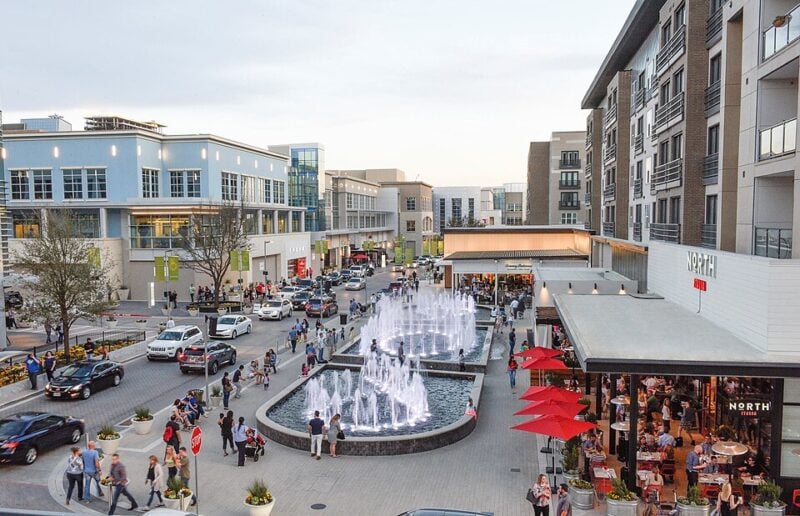
Legacy West provides an upscale outdoor shopping and dining experience with high-end retailers and restaurants in a walkable urban setting. For everyday needs, you’ll have access to multiple grocery chains, including Whole Foods, Trader Joe’s, and traditional supermarkets throughout the suburbs.
The dining scene spans from chef-driven restaurants to family-friendly chains and authentic ethnic cuisines. You can find everything from Texas barbecue and steakhouses to international options representing Italian, Asian, Mexican, and Mediterranean flavors.
Healthcare Access
Baylor Scott & White Medical Center serves as the primary hospital facility, offering emergency services and specialized care departments. Medical City Plano and Texas Health Presbyterian Hospital Plano provide additional full-service hospital options within a short drive from most suburbs.
You’ll have access to numerous specialty clinics and outpatient centers throughout the area for routine and specialized medical needs. Pediatric care is widely available through multiple practices and urgent care centers designed specifically for children.
Many suburbs feature standalone emergency rooms and urgent care facilities that reduce wait times for non-life-threatening situations. Most neighborhoods sit within a 15-20 minute drive of major medical facilities.
Cultural Activities
The National Videogame Museum and Sci-Tech Discovery Center offer educational entertainment for families in the immediate area. You can attend concerts and events at the Ford Center at The Star or catch minor league baseball games at Riders Field.
Frisco supports an active arts scene through the ArtCentre of Plano and various galleries showcasing local artists. The nearby Dallas Arts District, located about 30 miles south, provides access to world-class museums, theaters, and performance venues when you want metropolitan cultural experiences.
Public parks throughout the suburbs include sports complexes, playgrounds, and trail systems for outdoor recreation. You’ll find community events, farmers markets, and seasonal festivals regularly scheduled in most surrounding suburbs.
Real Estate Trends in Frisco Suburbs
The Frisco area real estate market shows strong momentum with median home prices reaching $682,000 as of January 2025, while surrounding suburbs offer varying price points and investment opportunities driven by population growth and infrastructure expansion.
Current Market Insights
The Frisco real estate market remains competitive with homes typically selling around 3% below list price. You’ll find that demand continues to increase as urban professionals relocate to the area seeking quality schools and employment opportunities.
Frisco ranks as the fifth most popular suburb in the United States for relocation in 2025. This high demand creates a competitive housing environment where well-priced homes move quickly.
Pricing varies significantly across different neighborhoods and suburbs. You should consider that location factors like school zoning and proximity to employment centers directly impact property values. Climate risks such as localized flood zones affect certain properties, making thorough research essential before purchasing.
Growth and Development
Construction of new residential and commercial developments continues throughout the Frisco area. The ongoing expansion attracts businesses and residents, creating a cycle of economic growth that supports the housing market.
Strong economic fundamentals and award-winning schools drive the area’s development patterns. You’ll notice that new neighborhoods often include planned amenities and infrastructure designed to accommodate growing families.
Surrounding suburbs benefit from Frisco’s expansion as overflow demand pushes buyers to explore neighboring communities. This creates opportunities in areas that offer similar quality of life at different price points.
Future Value Prospects
The combination of population growth, corporate relocations, and infrastructure investments suggests continued appreciation potential. You can expect moderate price growth through 2026 based on current trends and economic indicators.
Properties in established neighborhoods with top-rated schools typically hold value well during market fluctuations. Newer developments in emerging suburbs may offer higher appreciation potential but carry different risk profiles.
Your investment timeline and goals should guide your decision-making process. Areas with planned commercial development and transportation improvements may see accelerated value growth compared to fully developed neighborhoods.
Conclusion
The suburbs surrounding Frisco offer diverse options for different lifestyles and budgets. Each community brings its own advantages, from McKinney’s historic charm to Allen’s established neighborhoods and Prosper’s newer developments.
Your choice depends on what matters most to your household. Consider these key factors:
- Commute time to your workplace
- School district ratings and boundaries
- Housing costs and property taxes
- Community amenities like parks and recreation
- Development stage of the area
North Dallas suburbs like Plano, Frisco, and Allen consistently rank among top places to live nationally. The region continues attracting families and professionals due to strong job markets and quality of life.
Visit multiple communities before deciding. Drive through neighborhoods at different times of day. Talk to residents about their experiences. Check local amenities and proximity to shopping, dining, and entertainment.
The right suburb exists for your needs, whether you prioritize newer construction, established trees, walkability, or acreage. Take time researching property values and future development plans in areas that interest you.
Your family’s priorities will guide the best choice. Some prefer the energy of growing communities while others value mature neighborhoods with established character. Both options exist within easy reach of Frisco’s employment centers and attractions.