
How Much Does It Cost to Start a Car Wash Business in 2026?
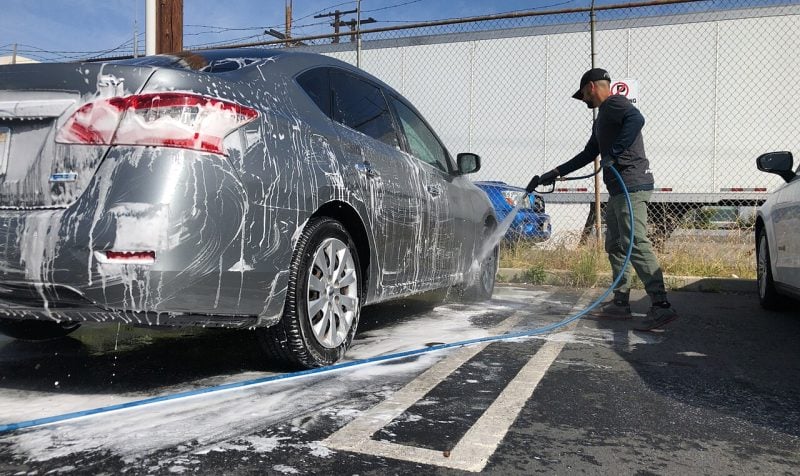
Starting a car wash business requires substantial upfront capital, and understanding the full financial picture is essential before you invest. The total startup cost for a car wash business in 2026 typically ranges from $375,000 to over $3 million, depending on the type of facility you choose and your location. These figures account for everything from land acquisition and equipment to permits and initial operating expenses.
The wide cost range reflects the diverse options available in the car wash industry. A basic self-serve operation will sit at the lower end of the spectrum, while a fully automated tunnel wash with multiple bays can push well into the seven-figure range. Your choice will depend on your budget, target market, and business goals.
This guide breaks down all the expenses you need to plan for, from major one-time investments to ongoing operational costs that many new owners overlook. You’ll learn what drives these costs, where you can potentially save money, and how to budget realistically for your specific car wash concept.
Average Cost to Start a Car Wash Business in 2026
Starting a car wash business in 2026 requires a significant financial commitment that varies widely based on your chosen business model and scale. The total investment ranges from approximately $150,000 for basic self-service operations to over $7.6 million for high-end automated facilities.
Nationwide Startup Cost Estimates
The typical startup cost for a car wash business falls between $250,000 and $5 million across the United States. Self-service car wash facilities represent the most accessible entry point, requiring investments between $150,000 and $400,000. In-bay automatic car washes generally cost between $375,000 and $600,000 to establish.
Full-service tunnel car washes require substantially higher capital, with costs ranging from $2 million to $5 million for standard operations. Premium high-end facilities can demand investments between $5.56 million and $7.66 million. These higher costs reflect advanced automation systems, environmental compliance features, and enhanced customer amenities.
Breakdown of Initial Investment Categories
Your startup budget should account for several major expense categories. Land acquisition or lease typically represents one of your largest upfront costs, varying significantly by location and property size. Equipment purchases constitute another major expense, with automatic car wash equipment costing $31,000 or more per bay.
Building construction and site preparation costs depend on whether you’re constructing a new facility or renovating an existing structure. You’ll also need to budget for water treatment systems and environmental compliance infrastructure, which have become more expensive due to stricter 2026 regulations.
Additional categories include utility connections, permitting and licensing fees, insurance, initial inventory of cleaning supplies, and working capital for operational expenses during your launch period.
Cost Range by Business Size
Small-scale operations with 1-2 self-service bays typically require $150,000 to $250,000 in startup capital. Mid-sized facilities featuring 3-6 bays or a single automatic bay range from $400,000 to $1.5 million.
Large operations with multiple automatic bays or express tunnel systems demand $1.5 million to $3 million. Premium facilities with full-service tunnels, extensive amenities, and multiple service lanes represent the highest investment tier at $3 million to $7.66 million. Your location and chosen features can push these figures higher or lower by 15-25% depending on local market conditions.
Key Factors Affecting Startup Costs
The cost to start a car wash business varies dramatically based on your business model, where you establish it, and how large you build it. These three factors typically determine whether you’ll invest $250,000 or exceed $3 million.
Type of Car Wash Model
Your choice of car wash model represents the single biggest cost variable in your startup budget. A mobile car wash operation requires minimal investment, typically between $10,000 and $50,000, covering a vehicle, portable equipment, and cleaning supplies.
Self-serve car wash facilities require significantly more capital, with startup costs ranging from $250,000 to $400,000. You’ll need to purchase or lease land, install multiple wash bays, and provide coin-operated or card-payment equipment.
Automatic tunnel car washes represent the highest investment tier, with costs between $1.5 million and $3 million or more. These facilities require sophisticated conveyor systems, automated washing equipment, and extensive construction work. Full-service operations add labor costs but command premium pricing that can justify the additional investment.
Business Location Impact
Real estate costs fluctuate substantially based on your geographic market and specific site selection. Urban areas with high traffic volumes demand premium prices for land and construction, while rural locations offer lower entry costs but reduced customer volume.
Land acquisition in metropolitan areas can easily exceed $500,000 for a suitable plot, while lease arrangements might run $10,000 to $30,000 monthly. You’ll also face higher permitting fees, utility connection costs, and compliance requirements in densely populated regions.
Proximity to major roads and visibility from high-traffic corridors directly influences property costs but also determines your revenue potential. Corner lots and sites near shopping centers cost more upfront yet generate higher daily customer counts.
Scale and Capacity Considerations
The physical size of your operation and its throughput capacity drive equipment expenses and construction costs. A single-bay self-serve facility costs substantially less than a multi-bay operation, but your revenue ceiling increases with additional bays.
Tunnel length directly correlates with processing speed and pricing tiers you can offer. A 70-foot tunnel costs less than a 120-foot system but limits your ability to provide premium wash packages. Equipment quality also matters—commercial-grade systems cost more initially but require less maintenance and deliver more consistent results than budget alternatives.
Your facility’s capacity determines staffing requirements for full-service models. Higher throughput means more labor costs but also greater revenue generation during peak hours.
Cost Breakdown by Car Wash Type
The type of car wash you choose determines your initial investment more than any other factor. Self-service operations require the least capital, while tunnel systems demand the highest upfront costs.
Self-Service Car Wash
Self-service car washes represent the most affordable entry point into the industry, with startup costs typically ranging from $375,000 to $500,000. You’ll need to budget for multiple wash bays, each equipped with high-pressure hoses, foam brushes, and chemical dispensers.
The equipment cost per bay runs between $15,000 and $25,000. Most successful self-service operations feature 4-6 bays to generate adequate revenue. Your facility requires basic infrastructure including concrete pads, water reclamation systems, and heated bays in colder climates.
Land acquisition or lease represents a significant expense. You’ll need approximately 10,000 to 15,000 square feet of property with good visibility and traffic flow. Operating costs remain relatively low since you don’t need extensive staffing, though you’ll need someone for maintenance and collection.
Automatic In-Bay Car Wash
Automatic in-bay systems require an investment between $500,000 and $1,200,000. The wash equipment itself costs $75,000 to $150,000 per bay, depending on the technology and features you select.
You’ll typically install 1-3 automatic bays for optimal operation. Each bay needs specialized equipment including touchless or soft-touch systems, water heating and reclamation, and automated payment kiosks. Your facility requires a building with climate control, adequate drainage, and electrical capacity for the automated systems.
Monthly operational expenses include utilities, maintenance contracts, and part-time staff for customer assistance and facility upkeep. The revenue potential exceeds self-service operations, with each bay processing 20-40 vehicles per day during peak seasons.
Tunnel Car Wash Systems
Tunnel car wash systems represent the highest investment tier, requiring $2,500,000 to $7,660,000 for high-end facilities. The conveyor system and wash equipment alone cost $500,000 to $2,000,000, depending on tunnel length and automation level.
You need substantial property, typically 1-2 acres, to accommodate the tunnel, queuing lanes, and vacuum stations. The tunnel length usually spans 80-150 feet to allow for multiple wash stages. Your facility requires sophisticated water reclamation systems, which can cost $100,000 to $300,000 but reduce water consumption by 80-90%.
Staffing needs increase significantly with tunnel operations. You’ll employ attendants for vehicle prep, loading, and customer service. Labor costs typically run $150,000 to $300,000 annually. The higher investment delivers greater revenue potential, with well-located tunnels processing 150-200 vehicles daily.
Major One-Time Startup Expenses
Starting a car wash requires substantial upfront capital across three primary areas: securing a location, building or renovating the facility, and purchasing specialized equipment. These one-time costs typically represent the largest financial commitment you’ll make before opening your doors.
Land Acquisition or Lease
The cost of land varies dramatically based on location, visibility, and traffic patterns. In suburban areas, you can expect to pay between $200,000 and $500,000 for a suitable plot, while prime urban locations may exceed $1 million.
Leasing offers a lower entry point, with monthly rates ranging from $3,000 to $15,000 depending on the market. You’ll need approximately 15,000 to 20,000 square feet for a standard car wash with adequate queuing space and exit lanes.
Key factors affecting land costs include:
- Proximity to major roads and daily traffic counts
- Zoning regulations and water usage permits
- Existing utilities and drainage infrastructure
- Visibility from main thoroughfares
Construction and Renovation
Building a car wash facility from the ground up typically costs between $300,000 and $700,000 for an automatic car wash. Self-service bays run lower at $150,000 to $400,000, while full-service operations can exceed $1 million.
Construction expenses include site preparation, foundation work, bay structures, water reclamation systems, and electrical installations. You’ll need specialized drainage systems that comply with environmental regulations, which alone can cost $50,000 to $100,000.
Renovating an existing structure reduces costs by 20-30% but may require significant plumbing and electrical upgrades. Your building must accommodate water treatment systems, chemical storage, and adequate ventilation.
Equipment and Machinery Purchases
Equipment represents a major expense that varies by car wash type. An automatic tunnel system costs between $150,000 and $500,000, including conveyor systems, washing arches, and drying equipment.
Self-service bay equipment runs $15,000 to $30,000 per bay for pressure washers, foam brush systems, and vacuum stations. You’ll need a minimum of 4-6 bays to generate sufficient revenue.
Essential equipment purchases include:
| Equipment Type | Price Range |
|---|---|
| Tunnel conveyor system | $75,000 – $200,000 |
| Washing and drying arches | $50,000 – $250,000 |
| Water reclamation system | $30,000 – $80,000 |
| Point-of-sale system | $5,000 – $15,000 |
| Vacuum systems | $20,000 – $40,000 |
High-efficiency water reclamation systems cost more initially but reduce ongoing water expenses by 60-80%. This investment typically pays for itself within two to three years through utility savings.
Essential Operational and Permit Fees
Before washing your first vehicle, you’ll need to secure various permits, obtain insurance coverage, and establish utility connections. These foundational expenses typically range from $15,000 to $75,000 depending on your location and business model.
Licensing and Regulatory Expenses
Your car wash business requires multiple permits and licenses at federal, state, and local levels. You’ll need a basic business license, which costs between $50 and $500 in most jurisdictions.
Environmental permits represent your largest regulatory expense. Water discharge permits and wastewater management approvals typically cost between $5,000 and $30,000. Many municipalities require specific water reclamation system certifications, which add another $2,000 to $8,000 to your startup costs.
Building permits for construction or renovation range from $1,500 to $15,000 based on project scope. You’ll also need signage permits ($100 to $1,000) and potentially special use permits if your car wash operates in a zoned area.
Health and safety inspections cost between $500 and $2,000 annually. Some states require additional chemical storage permits if you handle concentrated cleaning solutions, adding $300 to $1,500 to your initial costs.
Insurance Requirements
Commercial general liability insurance is non-negotiable for car wash operations. Your annual premium typically ranges from $3,000 to $7,000 for basic coverage with $1 million to $2 million in liability protection.
Property insurance covers your building, equipment, and inventory at a cost of $2,500 to $6,000 per year. If you employ staff, workers’ compensation insurance becomes mandatory in most states, costing approximately $2,000 to $5,000 annually depending on your payroll size.
You should also consider garage keepers liability insurance, which protects customer vehicles while in your care. This specialized coverage adds $1,500 to $4,000 to your annual insurance costs.
Utility Connections and Deposits
Initial utility hookups require substantial upfront deposits. Water and sewer connections are your most significant expense, ranging from $5,000 to $25,000 depending on existing infrastructure proximity.
Electrical service installation costs between $3,000 and $15,000 for commercial-grade power. Your utility company will likely require a deposit of $1,000 to $5,000 based on projected monthly usage.
Gas connections, if needed for heating or equipment, add another $1,500 to $5,000. Most utility providers also charge activation fees totaling $500 to $2,000 across all services.
Staffing and Training Costs
Building a competent team for your car wash requires upfront investment in both recruitment and skill development. You’ll need to budget for wages during the hiring phase and allocate funds for comprehensive training programs that ensure your staff delivers consistent service quality.
Initial Hiring Budget
Your initial hiring costs depend on the size and type of car wash you’re opening. A basic self-service operation might only require 1-2 employees for maintenance and customer assistance, while a full-service tunnel car wash typically needs 8-15 staff members across various roles.
Expect to spend between $3,000 and $15,000 on recruiting costs. This includes job board postings, background checks, and initial onboarding paperwork. You’ll also need to account for first-month wages before revenue starts flowing.
Typical first-month staffing costs:
- Self-service car wash: $2,500-$5,000
- In-bay automatic: $4,000-$8,000
- Full-service tunnel: $12,000-$25,000
These figures assume minimum wage to $15 per hour for entry-level positions and $18-$22 per hour for supervisory roles.
Employee Training Expenditure
Training costs typically range from $500 to $2,500 per employee during the initial period. Your staff needs instruction on equipment operation, chemical handling, customer service protocols, and safety procedures.
Budget for 40-80 hours of paid training time per employee before they work independently. This includes hands-on practice with wash equipment, learning your specific service standards, and understanding environmental compliance requirements.
Key training expenses include:
- Trainer wages or consultant fees: $1,500-$5,000
- Training materials and manuals: $300-$800
- Safety equipment and uniforms: $100-$200 per employee
- Initial supervision period wages: $2,000-$8,000 total
You may also need specialized training for equipment maintenance staff or detailing technicians, which can add $500-$1,500 per specialized role.
Marketing and Branding Outlays
Initial marketing and branding investments for a car wash business typically range from $3,000 to $25,000 depending on your scale and market positioning. Your spending will concentrate on physical signage that attracts local traffic and digital campaigns that build your customer base.
Signage and Promotional Materials
Your primary signage investment includes storefront signs, directional road signs, and window graphics. Expect to spend $2,000 to $8,000 for professional exterior signage that meets local regulations and withstands weather conditions.
A basic monument sign costs $3,000 to $6,000, while illuminated channel letters run $5,000 to $15,000. Road-facing banners and flags add another $500 to $1,500 to your budget.
Promotional materials include business cards, flyers, loyalty cards, and menu boards displaying your services and prices. Budget $500 to $2,000 for initial print materials. Grand opening banners, promotional flags, and sidewalk signs typically cost $300 to $800 combined.
Vehicle wraps for any company vehicles range from $2,500 to $5,000 per vehicle and serve as mobile advertising.
Digital Marketing Campaigns
Your digital presence requires a professional website costing $1,500 to $5,000 for custom design and development. Basic template sites start around $500 but offer limited customization.
Search engine optimization and local business listings require $500 to $2,000 in initial setup costs. Monthly digital advertising through Google Ads or social media typically starts at $500 to $2,000 depending on your market competition and target reach.
Social media management, including content creation and posting, costs $300 to $1,500 monthly if outsourced. Photography and videography for promotional content adds $500 to $3,000 as a one-time expense.
Email marketing platforms and customer relationship management software run $50 to $300 monthly.
Hidden and Ongoing Expenses to Consider
Car wash businesses face regular costs that extend beyond the initial investment. Equipment breakdowns and continuous supply needs create expenses that directly impact your monthly budget and profit margins.
Unexpected Repairs and Maintenance
Equipment failure represents one of the largest variable costs in car wash operations. High-pressure pumps, conveyor systems, and automated dryers experience wear from constant use and exposure to water and chemicals.
You should budget $500 to $2,000 monthly for routine maintenance and unexpected repairs. Conveyor belt replacements alone can cost $3,000 to $8,000, while replacing a single high-pressure pump runs $1,500 to $4,000.
Water heaters and chemical injection systems require regular servicing to prevent complete failure during peak business hours. Setting aside 2-3% of your gross revenue for emergency repairs protects you from operational downtime.
Your maintenance plan should include quarterly inspections of all mechanical systems, monthly filter replacements, and immediate attention to any unusual sounds or performance issues. Most car wash owners maintain relationships with specialized repair contractors who understand the unique demands of car wash equipment.
Supply and Inventory Restocking
Chemical supplies, cleaning solutions, and consumables create consistent monthly expenses. You will spend $800 to $3,000 monthly on soaps, waxes, tire cleaners, drying agents, and spot-free rinse solutions depending on your volume.
Water costs vary by location but typically range from $0.50 to $2.00 per car washed. A facility washing 100 cars daily faces water bills of $1,500 to $6,000 monthly.
Additional inventory includes towels, air fresheners, and vacuum supplies for self-service areas. You need to monitor usage patterns and maintain minimum stock levels to avoid running out during busy periods. Bulk purchasing reduces per-unit costs but requires upfront capital and proper storage space.
Ways to Manage and Reduce Startup Expenses in 2026
Strategic cost management during the startup phase can reduce your initial investment by 30-50% without compromising operational quality. Equipment financing decisions and available funding programs offer the most significant opportunities for expense reduction.
Leasing Versus Buying Equipment
Leasing car wash equipment requires significantly lower upfront capital compared to purchasing. A typical lease agreement for automatic wash systems costs $2,000-$5,000 monthly, while purchasing the same equipment outright requires $75,000-$200,000 initially.
You retain cash flow flexibility with leasing, allowing you to allocate funds toward marketing, staffing, and operating expenses during your first year. Lease agreements typically include maintenance and repairs, eliminating unexpected equipment costs that can disrupt your budget.
Equipment ownership provides long-term cost savings after 5-7 years when lease payments would exceed purchase prices. You also gain the ability to customize and upgrade systems without lessor approval. Tax benefits differ between options—lease payments count as business expenses, while purchased equipment qualifies for depreciation deductions and potential Section 179 deductions up to $1,160,000 in 2026.
Your decision should reflect your available capital and growth timeline. Leasing suits operators with limited startup funds or those testing market viability, while purchasing benefits established business owners planning decade-long operations at a single location.
Securing Grants and Incentives
Small Business Administration grants and local economic development programs provide non-repayable funding for qualifying car wash startups in 2026. Many municipalities offer incentives ranging from $10,000-$50,000 for businesses that create jobs or revitalize specific zones.
Water conservation grants have become particularly relevant for car wash operations. State environmental agencies and water districts offer rebates of $15,000-$75,000 for installing reclaim systems that recycle 50-80% of water used per wash cycle.
The Federal Tax Credit for Energy Efficient Commercial Buildings provides deductions up to $5 per square foot when your facility meets energy efficiency standards. Electric vehicle charging station installations at your car wash location qualify for additional tax credits covering 30% of equipment and installation costs up to $100,000.
You should apply for these programs 3-6 months before your planned opening date, as approval processes involve documentation and site inspections. Contact your local Small Business Development Center for assistance identifying applicable programs in your area.
Conclusion
Starting a car wash business requires substantial capital investment that varies significantly based on your chosen business model. You can expect to invest anywhere from $150,000 for a basic self-service operation to over $3 million for a full-service tunnel car wash.
Your budget needs to account for several major cost categories. Land acquisition or lease, equipment purchases, construction or renovation, and initial operating expenses will consume most of your startup capital. You’ll also need to set aside funds for permits, licenses, insurance, and marketing.
The type of car wash you choose will be your biggest cost determinant. Self-service facilities offer the lowest entry point but typically generate less revenue per customer. In-bay automatic car washes fall in the middle range, requiring roughly $375,000 to $1 million. Full-service tunnel operations demand the highest investment but offer the greatest profit potential.
Location significantly impacts your costs. Urban areas with high real estate prices will increase your land and rental expenses substantially. Some prime locations can command monthly rents exceeding $80,000.
Key cost factors to consider:
- Equipment costs ranging from $31,000 per bay for automatic systems to complete tunnel systems
- Construction expenses between $250,000 and $5 million depending on size and complexity
- Working capital buffer for first 3-6 months of operations
- Regional variations in real estate and labor costs
Your final startup costs will depend on your specific circumstances, chosen location, and business model. Thorough planning and accurate cost projections are essential for securing financing and launching successfully.


