
Is the Kawasaki Ninja 650 Good for Daily Commuting? A Practical Rider’s Assessment
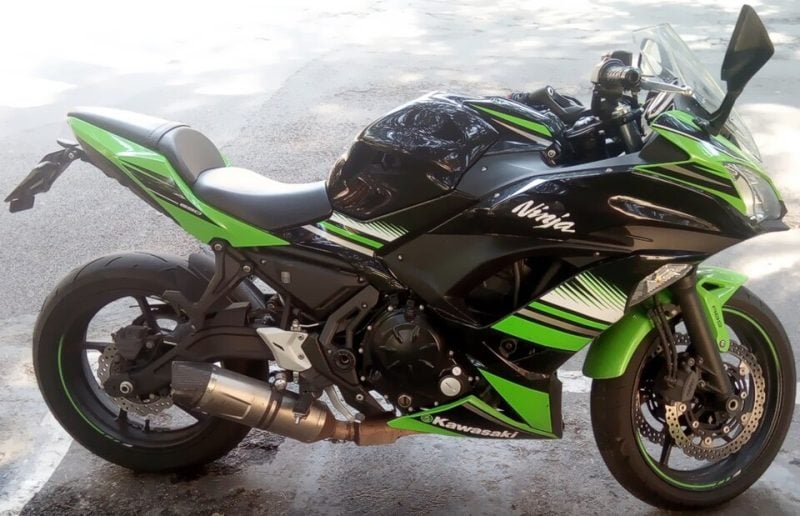
The Kawasaki Ninja 650 stands out as a middleweight sportbike that bridges the gap between performance and practicality. Many riders wonder if a bike with sporty styling can handle the demands of rush hour traffic, parking challenges, and varying weather conditions.
The Ninja 650 is an excellent choice for daily commuting, offering a comfortable upright riding position, manageable weight, and reliable parallel-twin engine that makes it ideal for both beginners and experienced riders.
Whether you’re navigating city streets or taking the scenic route to work, the 649cc parallel-twin engine delivers versatile performance that works well in stop-and-go traffic and on highway stretches. The bike’s design prioritizes everyday usability without sacrificing the sporty character that defines the Ninja lineup.
This article examines the specific features that make the Ninja 650 suitable for commuting, from its ergonomics and fuel economy to its maintenance requirements and real-world performance. You’ll get a clear picture of what to expect when using this bike as your daily ride, including how it compares to other commuter-focused motorcycles.
Overview of the Kawasaki Ninja 650
The Ninja 650 features a 649cc parallel-twin engine that produces smooth, accessible power while maintaining an upright riding position that prioritizes comfort over aggressive sport positioning.
Engine and Performance Specifications
The Kawasaki Ninja 650 comes equipped with a 649cc engine that delivers predictable, linear power delivery. This parallel-twin configuration produces approximately 67 horsepower and 47 lb-ft of torque, providing sufficient acceleration for highway merging and overtaking without overwhelming newer riders.
The engine operates smoothly across the rev range, though some riders note limited low-end torque compared to larger displacement bikes. You’ll find the powerband well-suited for city traffic and highway cruising, with peak power arriving around 8,000 rpm.
The six-speed transmission shifts predictably and pairs well with the engine’s characteristics. Fuel economy typically ranges between 50-55 mpg depending on riding conditions, giving you practical range for extended commutes.
Design and Ergonomics
The Ninja 650 blends sporty styling with everyday practicality through its semi-faired design and upright seating position. Your riding posture sits between aggressive sportbike crouch and completely upright standard bike positioning.
The seat height measures approximately 31.1 inches, making it accessible for riders of various heights. You’ll notice the handlebars position higher than pure sportbikes, reducing wrist strain during longer rides.
The 2026 model features sharper styling that emphasizes its Ninja family heritage while maintaining functional design elements. Wind protection from the fairing proves adequate for highway speeds without requiring additional accessories.
Weight and Maneuverability
The Ninja 650 weighs approximately 410 pounds fully fueled, positioning it as a manageable middleweight motorcycle. This weight distribution allows confident handling at parking lot speeds and during lane changes in traffic.
You’ll find the bike responds predictably to steering inputs without requiring excessive effort. The relatively low center of gravity contributes to stability when stopped at traffic lights or navigating slow-speed situations.
The dual 300mm front discs and single 220mm rear disc with ABS provide reliable stopping power in various conditions. The suspension setup balances comfort for daily riding with enough firmness for spirited weekend rides.
Comfort and Ergonomics for Daily Commuting
The Ninja 650 features a relaxed riding position with raised clip-ons and slightly rear-set footpegs that reduces strain during regular commutes. The suspension and ergonomic design work together to handle urban conditions while maintaining comfort over extended rides.
Riding Position and Seat Comfort
The Ninja 650 offers an upright seating position that differs significantly from aggressive supersport bikes. Your wrists and back experience less strain thanks to the raised handlebars and moderate footpeg placement.
The seat height sits at a manageable level for most riders, allowing confident stops at traffic lights. The comfortable seating position and relaxed ergonomics help reduce rider fatigue on extended journeys, making daily commutes less taxing on your body.
You’ll find the seat padding adequate for rides up to an hour. Longer commutes may require aftermarket seat options, though many riders report satisfaction with the stock configuration for typical work commutes.
Suspension Setup for Urban Roads
The suspension on the Ninja 650 strikes a middle ground between sporty handling and daily comfort. Your front forks absorb most potholes and road imperfections without feeling overly soft or disconnected.
The rear shock handles typical urban road conditions competently. You’ll notice it manages bumps and uneven pavement better than dedicated track-focused sportbikes while maintaining composure through corners.
Preload adjustments allow you to fine-tune the rear suspension based on your weight and cargo needs. This flexibility helps optimize comfort for your specific commuting requirements.
Vibration and Heat Management
The parallel-twin engine produces manageable vibrations at typical commuting speeds. You’ll feel some buzz through the handlebars and footpegs, particularly between 4,000-6,000 RPM, but it remains comfortable for daily use.
Heat management performs adequately in most conditions. The engine generates noticeable warmth in stop-and-go traffic, especially during summer months, though it’s less severe than many V-twin configurations.
The fairing provides decent wind protection for your upper body during highway portions of your commute. Your legs remain relatively shielded from engine heat and road spray compared to naked bike alternatives.
Fuel Efficiency and Maintenance
The Ninja 650 delivers around 50 miles per gallon in typical riding conditions and requires servicing every 7,500 miles, making it an economical choice for riders who rack up daily miles.
Real-World Fuel Consumption
The Kawasaki Ninja 650 achieves approximately 50 miles per gallon during mixed riding conditions. This figure holds true whether you’re commuting through city traffic or cruising on highways.
Real-world fuel economy data from 25 Ninja 650 owners confirms these numbers across 174,000 miles of combined riding. Your actual mileage will vary based on riding style and conditions.
Aggressive throttle use and frequent hard acceleration will reduce your fuel economy. Maintaining steady speeds and smooth throttle inputs helps you stay closer to the 50 mpg mark. Regular maintenance, including clean air filters and properly inflated tires, also impacts your fuel consumption.
Service Intervals and Maintenance Costs
The Ninja 650 follows a straightforward maintenance schedule with oil changes required every 7,500 miles. Major services occur at 15,000-mile intervals, which include valve inspections and adjustments if needed.
Standard Maintenance Items:
- Oil and filter changes: Every 7,500 miles
- Air filter replacement: Every 15,000 miles
- Spark plugs: Every 15,000 miles
- Coolant replacement: Every 36,000 miles
Parts and consumables for the Ninja 650 remain reasonably priced compared to larger sportbikes. The parallel-twin engine design is simpler than inline-four configurations, which reduces labor costs during service appointments.
You can perform basic maintenance like oil changes yourself, which further reduces ownership costs. The bike’s design provides good access to common service points.
Reliability for Daily Use
The Ninja 650 has proven itself as a reliable choice for daily commuters who put consistent miles on their bikes. Kawasaki’s parallel-twin engine in this model uses proven technology that has been refined over multiple generations.
Mechanical issues are uncommon when you follow the prescribed maintenance schedule. The engine, transmission, and chassis components typically last well beyond 50,000 miles with proper care.
The bike’s blend of sporty styling and everyday practicality means it handles daily temperature fluctuations and varied riding conditions without issue. You won’t need to baby it during your commute, and it starts reliably in different weather conditions.
Practical Features for Commutes
The Ninja 650 includes several practical features that enhance daily commuting, from luggage mounting points to a modern digital display and effective lighting systems.
Storage and Luggage Options
The Ninja 650 doesn’t come with built-in storage compartments, but it features sturdy grab rails and mounting points that allow you to add aftermarket luggage. You can install side panniers or a tail bag to carry work essentials, groceries, or gear for longer trips.
The passenger seat area provides a flat surface that makes securing a tank bag or tail pack straightforward. Kawasaki offers official accessory mounting brackets that integrate cleanly with the bike’s design. Many riders find that soft luggage works particularly well for daily commuting since you can remove it quickly when not needed.
The bike’s frame design accommodates various luggage systems without compromising its sporty styling and middleweight performance. This flexibility makes it practical for carrying a laptop bag, lunch, or rain gear during your weekday commute.
Instrument Cluster and Connectivity
The Ninja 650 features a multi-function digital display that shows essential riding information at a glance. The instrument cluster includes a gear position indicator, fuel gauge, dual trip meters, and an economical riding indicator that helps you maximize fuel efficiency during commutes.
The display provides clear visibility in various lighting conditions, making it easy to monitor your speed and engine performance. You get instant feedback on fuel consumption patterns, which helps you plan refueling stops during your work week.
The bike includes a USB charging port as standard equipment on recent models, allowing you to keep your phone charged for navigation or emergency calls. This feature proves particularly valuable for longer commutes or when you need to use GPS apps.
Lighting and Visibility
The Ninja 650 comes equipped with bright LED headlights that provide excellent visibility during early morning or evening commutes. The LED technology offers better illumination than traditional halogen bulbs while consuming less power from the electrical system.
The bike features LED taillights and turn signals that make you more visible to other drivers in traffic. The sharp, distinctive lighting pattern helps other motorists recognize your presence and intentions on busy roads. Position lights enhance your visibility from multiple angles, which is crucial when navigating through congested urban traffic or highway merges.
City Riding Experience
The Ninja 650 handles urban environments with confidence thanks to its manageable weight, upright riding position, and responsive controls that make navigating traffic straightforward. Its balanced ergonomics and nimble chassis help you maintain control during stop-and-go situations and tight maneuvering.
Handling in Traffic
You’ll find the Ninja 650’s upright seating position particularly beneficial in traffic. The raised handlebars and natural rider triangle give you excellent visibility over cars ahead, allowing you to spot brake lights and lane changes early.
The 649cc parallel-twin engine delivers smooth power at low RPMs, making it easy to modulate throttle inputs when you’re creeping through congested streets. You won’t experience the jerky on-off power delivery that plagues some sportbikes.
The bike’s clutch pull requires moderate effort, which won’t fatigue your hand during extended periods of stop-and-go riding. Heat management is adequate, though you may notice warmth from the engine in summer traffic.
Agility and Low-Speed Control
The Ninja 650 weighs approximately 410-425 pounds depending on the model year, making it light enough for confident low-speed maneuvering. You can easily paddle the bike through parking lots and execute U-turns without strain.
The bike’s narrow profile lets you filter through tight spaces when legal in your area. Its 130mm of ground clearance prevents scraping during normal riding, while the 790mm seat height accommodates most riders without tiptoeing.
Low-speed balance feels natural thanks to the bike’s center of gravity and wheelbase. You can execute slow-speed turns without wobbling, and the responsive steering requires minimal handlebar input.
Ease of Parking
The Ninja 650’s lightweight design enhances your confidence when backing into parking spots or repositioning the bike. You can walk it backward up slight inclines without excessive effort.
The bike’s compact dimensions make it suitable for standard motorcycle parking spaces and even tight spots between cars. Its side stand deploys easily and provides stable support on level pavement.
You should consider the fairings when parking in crowded areas, as they extend the bike’s width slightly beyond the handlebars. The mirrors fold inward on some models, reducing the risk of damage in tight spaces.
Weather and All-Season Commuting
The Ninja 650’s fairing offers moderate wind protection for highway speeds, while its 649cc engine maintains consistent power delivery in various weather conditions. However, you’ll need to consider additional gear and modifications for year-round riding comfort.
Wind Protection and Fairing
The Ninja 650 comes equipped with a sport-style fairing that provides adequate wind protection for your chest and torso during daily rides. The stock windscreen deflects air away from your upper body at highway speeds, though taller riders may experience turbulence around the helmet area.
You can upgrade to aftermarket windscreens for improved protection. Many riders install taller screens from manufacturers like PUIG to reduce wind buffeting on longer commutes. The fairing’s design strikes a balance between sportbike aesthetics and practical weather protection.
Wind Protection Features:
- Mid-height stock windscreen
- Full front fairing coverage
- Handguards available as accessories
The upright seating position on the Ninja 650 naturally exposes you to more wind compared to fully faired sport bikes. This positioning helps during hot weather but requires proper riding gear in cold or windy conditions.
Performance in Rain and Wet Conditions
The Ninja 650 handles rain and wet roads competently with its parallel-twin engine providing smooth, predictable power delivery. You won’t experience the sudden power surges that make riding in wet conditions more challenging on higher-performance sport bikes.
The bike’s 41mm front fork and rear monoshock maintain stability on slick surfaces when you use appropriate tires. Standard tires perform adequately in light rain, but you should consider sport-touring tires with better wet-weather compounds for frequent all-season commuting.
Wet Weather Considerations:
- ABS brakes standard on most models
- Moderate seat height aids confidence
- Smooth throttle response reduces wheel slip risk
The exposed riding position means you’ll get wet during rainfall unless you add accessories like fork-mounted deflectors or wear waterproof gear. The bike itself can handle daily riding in rain without mechanical issues when properly maintained.
Cost of Ownership
The Ninja 650 presents reasonable ownership expenses that make it practical for daily commuting, with manageable insurance premiums and strong resale value retention helping offset your initial investment.
Insurance Considerations
Your insurance costs for a Ninja 650 will typically fall in the moderate range compared to other sportbikes. The bike’s classification as a mid-displacement parallel twin works in your favor, as insurers don’t penalize it as heavily as supersport models like the ZX-6R or ZX-10R.
You can expect to pay less than you would for a liter-class bike because the Ninja 650 produces 68 horsepower rather than the 150+ horsepower of aggressive sportbikes. Your age, riding experience, location, and coverage level will significantly impact your premium. New riders often see higher rates, but the Ninja 650’s reputation as a beginner-friendly option can help keep costs reasonable.
Factors affecting your insurance rate:
- Your riding history and claims record
- Storage location (garage vs. street parking)
- Annual mileage
- Chosen deductible amount
- Additional coverage options
Depreciation and Resale Value
The Ninja 650 holds its value well compared to many sportbikes in its class. You’ll find that ten-year-old models remain affordable to maintain, which indicates strong long-term reliability that supports resale values.
Your bike will depreciate most heavily in the first three years, typically losing 30-40% of its original value. After this initial period, the depreciation curve flattens considerably. The Ninja 650’s popularity as a commuter and its reputation for reliability create steady demand in the used market.
Proper maintenance and documentation will maximize your resale value. Keeping service records, avoiding modifications that don’t appeal to broad buyers, and maintaining cosmetic condition all help preserve what you can recoup when selling.
Comparisons With Alternative Commuter Motorcycles
The Ninja 650 occupies a middle ground between aggressive supersport bikes and relaxed touring models, offering a 649cc parallel-twin engine that produces 67 horsepower and 49 lb-ft of torque while maintaining practical ergonomics for daily use.
Advantages Over Other Sport Bikes
The Ninja 650 provides a more upright riding position compared to full supersport motorcycles like the ZX-6R. Your wrists and back experience less strain during rush hour traffic because the handlebar positioning reduces the forward lean typical of race-oriented bikes.
You’ll find the Ninja 650 more manageable at low speeds than its supersport counterparts. The parallel-twin engine delivers power smoothly from low RPMs, making stop-and-go traffic less demanding than the high-revving inline-four engines found in bikes like the CBR600RR.
Riders seeking versatility benefit from the Ninja 650’s balance between performance and practicality. The bike weighs less than many touring motorcycles while offering better fuel economy than supersport models, typically achieving 50-55 mpg in mixed riding conditions.
Differences From Naked and Touring Bikes
Naked bikes like the Kawasaki Z900 offer even more upright seating and better visibility in urban environments. However, you’ll miss the Ninja 650’s fairing protection during highway commutes and inclement weather.
The Ninja 650 sits lower than adventure-touring bikes such as the Versys 650, making it easier to manage at stoplights if you have a shorter inseam. Touring bikes provide superior long-distance comfort with features like larger windscreens and more storage options, but they add weight and complexity you don’t need for typical daily commutes.
Your fuel costs remain comparable across these categories, though the Ninja 650’s sporty styling appeals to riders who want commuter practicality without sacrificing visual appeal.
Final Thoughts on Daily Commuting With the Kawasaki Ninja 650
The Ninja 650 blends sporty styling with everyday practicality, making it a solid choice for daily commuting. You get a bike that handles city traffic well while still offering enough performance for highway merges and spirited weekend rides.
Key strengths for commuting include:
- Comfortable, upright riding position that reduces fatigue
- Manageable 649cc parallel-twin engine for varied riding conditions
- Lightweight chassis for easy maneuvering in traffic
- Dual 300mm front disc brakes with ABS for reliable stopping power
The bike’s versatility means you won’t feel limited to just commuting. The 2026 Ninja 650 features a lightweight chassis that delivers smooth handling whether you’re navigating tight city streets or exploring winding back roads on weekends.
You should consider your specific commute requirements. If your route involves significant highway riding, the Ninja 650 provides adequate power without feeling overwhelmed. For purely urban commuting with minimal highway use, you might find the engine slightly more than necessary.
The bike strikes a practical balance between sport bike aesthetics and commuter functionality. Your riding position won’t leave you hunched over like a full supersport, yet you still maintain that sporty appearance. Daily riders appreciate this compromise since it reduces back strain during longer commutes while keeping the aggressive styling intact.
Maintenance costs remain reasonable for the middleweight category, and fuel economy typically satisfies regular commuters. Your investment delivers both transportation and recreation value.


