Is the Porsche Cayenne Reliable After 90,000 Miles? Ownership Analysis
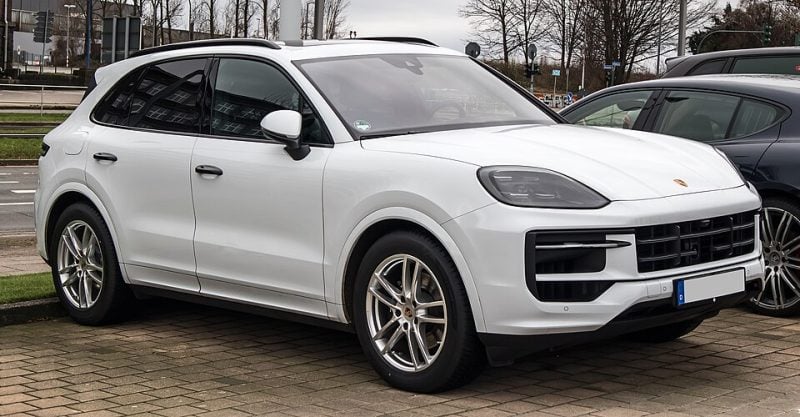
Who wouldn’t want to own a Porsche? Speaking of which, The Porsche Cayenne can be a reliable car after 90,000 miles, but success depends heavily on maintenance history and the specific model year you’re considering.
Many owners report driving their Cayennes well past 100,000 miles with proper care, though you should expect higher maintenance costs compared to mainstream SUVs.
When properly maintained, the Porsche Cayenne proves surprisingly durable at high mileage, but you’ll need to budget for luxury-car repair costs and stay vigilant about common issues that emerge as these SUVs age.
Understanding what to expect from a high-mileage Cayenne helps you make an informed decision.
Today we examine the real-world experiences of Cayenne owners, the specific problems you’re likely to encounter, what maintenance tasks become critical, and how these German luxury SUVs compare to their competitors when the odometer climbs past 90,000 miles.
Let’s get driving, shall we?
Overview of Porsche Cayenne Reliability After 90,000 Miles
The Porsche Cayenne can remain dependable past 90,000 miles when properly maintained, though reliability varies significantly by generation and how well you’ve kept up with service intervals. Your experience will depend on the specific model year, maintenance history, and whether common issues have been addressed.
Typical Longevity of the Porsche Cayenne
A Porsche Cayenne typically lasts between 150,000 to 200,000 miles with proper maintenance and care. Many well-maintained examples exceed 200,000 miles, with some owners reporting their vehicles remain reliable up to 250,000 miles.
At 90,000 miles, you’re approaching the midpoint of the vehicle’s expected lifespan. This is when you’ll start to see whether previous maintenance was adequate or if deferred service is catching up.
Several owners mention their units have driven past the 100,000-mile mark with few issues, praising the build quality and engineering excellence. Your success beyond 90,000 miles depends heavily on addressing generation-specific problems early.
Key Indicators of Reliability
Several factors will tell you whether your Cayenne will remain reliable past 90,000 miles:
Maintenance Records: Complete service history showing oil changes every 10,000 miles or annually, transmission services, and cooling system maintenance indicates better long-term prospects.
Generation-Specific Issues: Early first-generation models (2003-2010) are prone to engine bore scoring, water leaks, and electrical faults, while the second generation (2011-2018) is known for camshaft bolt failures.
Warning Signs: Check for oil consumption patterns, coolant leaks around pipe connections, and any electronic malfunctions that could indicate bigger problems ahead.
Mileage Milestones and Their Impact
At 90,000 miles, you’re entering a critical maintenance period where major components may need attention. Transmission fluid should be changed if not already done, and spark plugs on V8 models require replacement.
The cooling system becomes a priority around this mileage, as plastic components age and coolant pipes can develop leaks. Your suspension components, including air suspension systems if equipped, may show signs of wear and require rebuilding or replacement.
The third-generation Cayenne has been ranked as the most reliable, which shouldn’t surprise you since it’s considerably newer than previous generations. If you own an earlier generation at 90,000 miles, expect more maintenance needs compared to newer models at the same mileage.
Common Issues Found in High-Mileage Porsche Cayennes
High-mileage Cayennes face specific mechanical challenges that tend to emerge after extensive use. Engine bore scoring, transmission failures, and electrical gremlins represent the most significant concerns for owners approaching or exceeding 90,000 miles.
Engine Problems and Performance Concerns
The first-generation Cayenne models face engine bore scoring issues that can lead to catastrophic failure. This problem occurs when the cylinder walls develop grooves from inadequate lubrication, causing increased oil consumption and loss of compression. Early warning signs include excessive oil consumption exceeding one quart per 1,000 miles and blue smoke from the exhaust.
Coolant pipe failures represent another serious concern in high-mileage units. The plastic coolant pipes become brittle over time and can rupture without warning, leading to rapid overheating and potential engine damage. Second-generation models (2011-2018) experience camshaft bolt failures that can destroy the engine if the bolts break and allow the camshaft to shift position.
Water pump failures occur frequently after 80,000 miles. You should budget for this replacement as preventive maintenance rather than waiting for failure, which can leave you stranded.
Transmission Longevity and Known Failures
The Tiptronic automatic transmission in early Cayennes develops harsh shifting patterns and slipping between gears as mileage accumulates. The torque converter can fail, causing shuddering during acceleration and difficulty engaging gears. Noisy transfers and transmissions rank among the most commonly reported issues.
Transfer case problems manifest as grinding noises, vibrations during acceleration, or difficulty switching between driving modes. The transfer case fluid should be changed every 40,000 miles, though many owners neglect this service. Valve body wear causes erratic shifting and delayed engagement, particularly when the transmission is cold.
PDK transmission equipped models generally prove more reliable than the traditional automatic, but they require expensive service every 60,000 miles. Skipping this service leads to premature clutch wear and mechatronic unit failures that can cost $8,000 or more to repair.
Electrical System Reliability
Battery drain issues plague high-mileage Cayennes due to parasitic draws from aging control modules. The comfort control module frequently fails, causing problems with power windows, sunroof operation, and central locking. These failures often occur intermittently before becoming permanent, making diagnosis challenging.
Dashboard warning lights appear frequently as sensors age and wiring harnesses deteriorate. The tire pressure monitoring system sensors fail around 100,000 miles and require replacement at each tire change. Air suspension compressor failures occur in models equipped with pneumatic systems, resulting in sagging ride height and compressor that runs continuously.
The infotainment system freezes or reboots randomly in older models. Wiring harness chafing near the engine and under the vehicle causes short circuits that trigger multiple warning lights simultaneously.
Maintenance Requirements at 90,000 Miles and Beyond
At 90,000 miles, your Cayenne requires a comprehensive intermediate service along with several preventative repairs that become increasingly important as components age. Following the proper maintenance schedule and addressing wear-prone systems will determine whether your Cayenne remains reliable for another 100,000 miles.
Scheduled Maintenance Tasks
You should bring your Cayenne in for oil changes and tire rotations at least once every 10,000 miles. At the 90,000-mile mark, this means you’re due for your ninth service interval.
The Porsche maintenance schedule is both time and mileage based, so even if you drive less frequently, annual services remain necessary. Your 90,000-mile service typically includes an oil and filter change, brake fluid inspection, tire rotation, and a thorough multi-point inspection of suspension components, drivetrain, and cooling systems.
Brake pads and rotors need inspection at this interval. Your brake fluid should be flushed if it hasn’t been changed in the past two years, as moisture absorption degrades braking performance over time.
Critical Preventative Repairs
Several components typically require replacement around 90,000 miles to prevent costly failures. Your coolant pipes and hoses become brittle with age, particularly on earlier Cayenne models where plastic coolant pipes are known failure points.
The water pump often shows signs of wear between 80,000 and 100,000 miles. Replacing it proactively prevents overheating and potential engine damage. Your transmission should receive a fluid and filter change if this hasn’t been performed within the last 40,000 miles, despite Porsche marketing some transmissions as “lifetime fill.”
Suspension bushings and control arm mounts deteriorate over time. Inspect these for cracking or excessive play, as worn bushings affect handling and tire wear. Your differential and transfer case fluids should also be changed to maintain proper all-wheel-drive operation.
Recommended Parts and Fluids Replacements
Use only Porsche-approved 0W-40 synthetic oil that meets VW 502.00 or 505.00 specifications. Your engine requires between 7.5 and 9 quarts depending on the specific engine variant.
Key fluid specifications:
- Brake fluid: DOT 4 (replace every 2 years)
- Coolant: Porsche-approved G12 or G13 coolant
- Transmission fluid: Porsche-specific ATF only
- Differential fluid: 75W-90 synthetic gear oil
Replace your air filter and cabin filter at 90,000 miles if you haven’t done so in the past 20,000 miles. Your spark plugs typically last 60,000 to 90,000 miles depending on the engine type, so replacement at this interval prevents misfires and maintains fuel efficiency. Inspect your serpentine belt for cracking or glazing, as belt failure can disable critical accessories like your alternator and power steering pump.
Cost of Ownership for Aging Porsche Cayennes
Maintenance and repair expenses escalate significantly once a Cayenne surpasses 90,000 miles, with major service intervals and component replacements becoming more frequent. Your total ownership costs will depend heavily on the model year, engine type, and prior maintenance history.
Typical Repair and Replacement Costs
You’ll face several major maintenance items as your Cayenne ages past 90,000 miles. Spark plug replacement intervals occur every 40,000 to 60,000 miles depending on the generation, with costs ranging from $400 to $800 for parts and labor.
Suspension components require attention at higher mileages. Air suspension repairs typically cost $1,500 to $3,000 per corner if you need to replace the air struts. Control arms, bushings, and sway bar links can add another $1,200 to $2,500 when replaced as a set.
Engine-related repairs become more common after 90,000 miles. Coolant pipe replacements on certain models run $2,000 to $4,000. Timing chain service, if needed, can exceed $5,000 at a Porsche dealer.
Transmission service should occur every 60,000 miles, costing $500 to $800. Brake system overhauls, including rotors and pads on all four corners, range from $1,800 to $3,500 depending on whether you have standard or carbon-ceramic brakes.
Annual Operating Expenses
Your annual costs will include insurance premiums between $1,800 and $3,200 depending on your location and coverage levels. Fuel expenses vary by engine, but expect to spend $3,000 to $5,000 annually with mixed driving.
Routine maintenance adds $1,500 to $2,500 per year for oil changes, filters, and inspections. You should budget an additional $2,000 to $4,000 annually for unexpected repairs on a Cayenne with over 90,000 miles.
Registration fees depend on your state but typically range from $300 to $800. Tire replacements every 30,000 to 40,000 miles cost $1,200 to $2,000 for premium all-season options.
Impact of Reliability on Resale Value
The Cayenne maintains 84.2% of its retail value after three years, showing strong initial value retention. However, depreciation accelerates significantly once mileage exceeds 90,000 miles.
Your Cayenne’s resale value depends heavily on documented maintenance history. A complete service record from authorized Porsche dealers can preserve 15% to 20% more value compared to vehicles with incomplete documentation.
Mechanical issues discovered during pre-purchase inspections drastically reduce buyer confidence. Deferred maintenance items like worn suspension components or leaking engine seals can decrease your selling price by $3,000 to $8,000.
Models with known reliability concerns depreciate faster than those with proven durability records. The diesel variants and turbocharged V8 models typically command lower resale values due to higher repair costs and complexity.
Owner Experiences and Long-Term Satisfaction
Real-world feedback from Cayenne owners reveals that many drivers successfully surpass the 90,000-mile mark, though experiences vary based on maintenance practices and specific model years. Owner experiences paint a mixed but generally positive picture of long-term ownership.
Reported High-Mileage Problems and Solutions
You’ll find that coolant system issues are among the most commonly reported problems on high-mileage Cayennes. One owner reported coolant pipes bursting at 63,000 miles, though this was covered under a Porsche recall. The T-pipe, which handles coolant and heater exchange, represents another vulnerable component that typically requires out-of-pocket repair.
Air suspension faults appear in some models, particularly those sharing components with Volkswagen vehicles. You should budget for these repairs if your Cayenne features the air suspension system.
Despite these concerns, many owners report driving their SUVs for well over 100,000 miles without major problems when they maintain regular service intervals. The key to avoiding catastrophic failures lies in addressing minor issues promptly and following the manufacturer’s maintenance schedule strictly.
Consumer Ratings and Reliability Scores
The 2025 Cayenne receives an 85% recommendation rate from owners surveyed by Kelley Blue Book, indicating strong satisfaction levels. The current third-generation Cayenne ranks as the most reliable across all generations.
Your maintenance costs will be higher than mainstream SUVs, but performance remains consistent throughout the vehicle’s lifespan. Owners consistently report that the driving experience justifies the additional expense compared to non-luxury alternatives.
Comparison With Competing Luxury SUVs
The Cayenne competes directly with the BMW X5 and Mercedes-Benz GLE in the luxury SUV segment, where reliability records and ownership costs vary significantly between manufacturers. Understanding how these vehicles compare helps you make an informed decision about long-term ownership beyond 90,000 miles.
How the Cayenne Stacks Up Against Rivals
The Cayenne faces strong competition from BMW and Mercedes-Benz in the luxury SUV market. The BMW X5 typically shows better reliability ratings and fuel efficiency, with some sources noting the X5 delivers more power while achieving better mileage than the Cayenne’s 19 combined MPG.
Your Cayenne offers superior driving dynamics and handling compared to most rivals, which reflects Porsche’s sports car heritage. The Mercedes-Benz GLE AMG provides comparable performance specifications to the Cayenne S trim level.
However, the Cayenne’s performance-oriented engineering may result in higher maintenance costs after 90,000 miles. You’ll find that BMW and Mercedes often have more extensive dealer networks, potentially making routine service more convenient in certain regions.
Brand Reputation and Warranty Considerations
Porsche has built a strong reputation in the luxury market, having sold over 1.25 million Cayennes since 2002. The brand’s warranty coverage typically matches competing manufacturers with four-year/50,000-mile basic warranties.
BMW and Mercedes-Benz offer similar warranty structures, though certified pre-owned programs vary between brands. You should compare extended warranty options carefully, as high-mileage repairs can be costly across all three manufacturers.
When evaluating reliability beyond 90,000 miles, consider that all three brands require premium fuel and specialized maintenance. Your choice may ultimately depend on which brand’s dealer network and service reputation is strongest in your area.
Tips for Buying a Used Porsche Cayenne With High Mileage
When shopping for a high-mileage Cayenne, you need to focus on specific mechanical systems and documentation that reveal the vehicle’s true condition. Knowing which warning signs indicate expensive future repairs can save you from a costly mistake.
Inspection Priorities for Prospective Buyers
You should request complete maintenance records before considering any Cayenne with over 90,000 miles. Look for documented evidence of regular oil changes, scheduled services, and any major component replacements. A Cayenne typically lasts between 150,000 to 200,000 miles with proper care, so gaps in service history are concerning.
The cooling system requires immediate attention during inspection. Water pump failures can cause coolant loss, overheating, and dashboard warning lights, so check for any signs of leaks or previous repairs. Examine the suspension components thoroughly, as these tend to develop issues as mileage increases on premium SUVs.
Have a pre-purchase inspection performed by a Porsche specialist or independent mechanic familiar with these vehicles. They can identify transmission issues, air suspension problems, and engine concerns that might not be obvious during a test drive. The inspection should include a diagnostic scan to check for stored error codes.
Red Flags to Watch Out For
Avoid vehicles with incomplete service records or ones where the seller cannot provide maintenance documentation. Some buyers looking at options in the 70,000 to 110,000 mile range encounter sellers who lack proper paperwork, which makes assessing the vehicle’s condition difficult.
Walk away if you notice signs of deferred maintenance, such as worn brake components, aged tires, or dirty engine oil. Multiple warning lights on the dashboard indicate neglected problems that could require immediate expensive repairs. Maintenance and repair costs for a Cayenne can be high, so existing issues will only compound your ownership expenses.
Be cautious of vehicles priced significantly below market value. Unless the Cayenne is highly collectible, an old high-mileage model that needs extensive repairs rarely represents good value. Check for evidence of accident damage, mismatched paint, or frame issues that suggest serious collision history.
Conclusion
The Porsche Cayenne can remain reliable after 90,000 miles if you maintain it properly and address issues promptly. Many well-maintained Cayennes exceed 200,000 miles, with some owners reporting vehicles that stay dependable up to 250,000 miles.
Your experience will largely depend on the generation you own and how the previous owner cared for the vehicle. Early first-generation models require more attention due to known issues like engine bore scoring and electrical faults, while newer generations typically face fewer problems.
Key factors for post-90,000-mile reliability:
- Complete maintenance records and regular servicing
- Prompt repairs when issues arise
- Quality parts from reputable suppliers
- Experienced technicians familiar with Porsche systems
You should budget for higher maintenance costs compared to non-luxury SUVs. Transmission replacements and drivetrain services can cost around $5,000 at independent shops, though these expenses aren’t necessarily common.
Your decision to keep or purchase a high-mileage Cayenne should factor in your budget for repairs and maintenance. If you have access to a trusted independent Porsche specialist and can handle occasional expensive repairs, the Cayenne offers strong performance and luxury well past 90,000 miles. However, buying one without service history or from unknown sources increases your risk of costly surprises.