
Moving to Scottsdale, Arizona: Essential Guide for New Residents in 2026
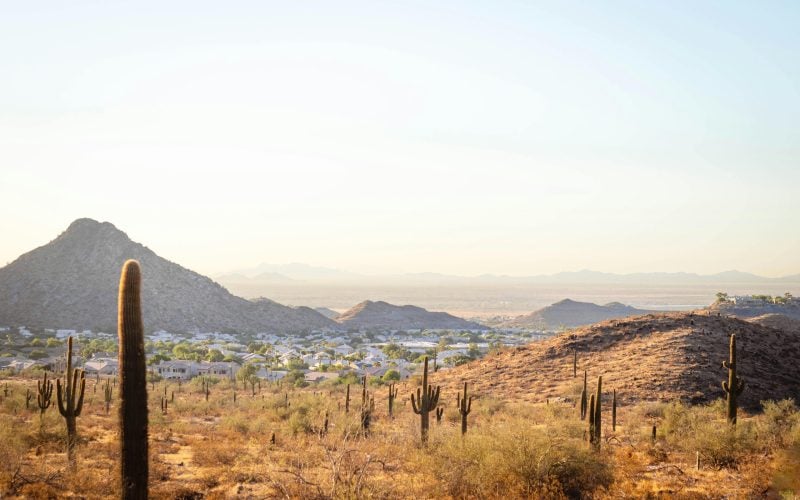
Have you ever considered moving to Arizona? Scottsdale stands out as one of Arizona’s most desirable cities, attracting new residents with its blend of urban amenities, natural beauty, and quality of life.
Whether you’re considering a move for career opportunities, retirement, or a lifestyle change, understanding what awaits you in this Sonoran Desert city helps ensure a successful transition.
Moving to Scottsdale means joining a community that balances upscale living with outdoor recreation, offers strong job markets and schools, and provides year-round sunshine alongside a thriving cultural scene.
The city appeals to families, young professionals, and retirees who want access to golf courses, hiking trails, fine dining, and modern healthcare facilities.
This guide covers everything from navigating the housing market and understanding living costs to finding employment, getting around the city, and integrating into your new community.
You’ll learn about climate expectations, recreational options, and practical tips that make relocating to Scottsdale smoother and more manageable.
Let’s get started:
Why Move To Scottsdale, Arizona?
Scottsdale attracts new residents with its combination of economic opportunities, outdoor recreation, and upscale amenities in a desert setting. The city’s job market, climate, and lifestyle offerings distinguish it from other Arizona communities.
Overview Of Scottsdale’s Appeal
Scottsdale is home to approximately 240,000 residents who benefit from world-class golf courses and high-end shopping at venues like Scottsdale Fashion Square. The city functions as both a popular travel destination and a permanent residence for those seeking desert living.
You’ll find a vibrant downtown and waterfront area that provide entertainment and dining options throughout the year. The local economy supports diverse industries, creating employment opportunities across multiple sectors.
Scottsdale blends modern infrastructure with natural desert landscapes. The city maintains its reputation through consistent investment in public spaces, cultural venues, and recreational facilities that serve both residents and visitors.
Quality Of Life
The Scottsdale area offers year-round sunshine and warm temperatures that enable outdoor activities during most months. You can access hiking trails, bike paths, and parks within minutes of residential neighborhoods.
Abundant amenities and vibrant outdoor activities define daily life in Scottsdale. The city provides access to professional sports, arts venues, and community events that occur regularly throughout the calendar year.
Educational institutions in Scottsdale include public and private schools, along with proximity to higher education options in the Phoenix metropolitan area. Healthcare facilities and medical centers serve the community with specialized services and routine care.
Comparison With Neighboring Cities
Scottsdale maintains a distinct identity compared to Phoenix, Tempe, and Mesa through its focus on upscale development and resort-style living. The city has lower population density in many areas than central Phoenix, offering more spacious residential layouts.
Property values in Scottsdale typically exceed those in neighboring communities, reflecting the premium placed on its location and amenities. You’ll pay more for housing here than in Mesa or parts of Tempe, but receive access to highly-rated services and facilities.
The city’s northeastern position in the Valley provides closer access to mountain recreation areas and Tonto National Forest. Scottsdale emphasizes preservation of desert character while Phoenix and Tempe focus more heavily on urban density and development.
Understanding The Local Housing Market
Scottsdale’s real estate landscape offers diverse property types across distinct neighborhoods, with average home prices reaching $998K as of recent data. The market presents specific considerations for both buyers and renters navigating this upscale Arizona city.
Types Of Homes Available
You’ll find a wide range of housing options in Scottsdale, from luxury estates to more modest single-family homes. The city is known for its sprawling ranch-style properties, modern desert contemporary designs, and Mediterranean-influenced architecture that takes advantage of the Arizona climate.
Condominiums and townhomes are prevalent in central areas, offering lower-maintenance alternatives for those who prioritize convenience. Many of these feature resort-style amenities like pools, fitness centers, and golf course access.
Gated communities are particularly common throughout Scottsdale, providing additional security and exclusive amenities. You’ll also encounter custom-built homes on larger lots in areas like North Scottsdale, where properties often sit on one to five acres or more.
Popular Neighborhoods In Scottsdale
North Scottsdale attracts buyers seeking newer construction and luxury properties, with areas like Troon and Desert Mountain offering premier golf communities. This region typically features higher price points and expansive lots.
Old Town Scottsdale provides walkable urban living with proximity to galleries, restaurants, and nightlife. Properties here range from historic homes to modern condos, appealing to those who want an active downtown lifestyle.
South Scottsdale offers more affordable options compared to northern areas, with a mix of older ranch homes and newer developments. This neighborhood appeals to first-time buyers and those seeking value in the market.
Paradise Valley borders feature some of Scottsdale’s most exclusive properties, with mountain views and privacy as primary selling points. The McDowell Mountains area combines natural beauty with accessible hiking and outdoor recreation.
Average Home Prices And Rent
The Scottsdale housing market shows prices up 15.3% year-over-year, reflecting continued demand in the area. Price variations depend heavily on location, property size, and amenities.
Average Home Prices by Area:
- North Scottsdale: $1.2M – $3M+
- Old Town/Central: $600K – $1.5M
- South Scottsdale: $400K – $800K
- Paradise Valley borders: $2M – $10M+
Rental properties in Scottsdale vary significantly based on size and location. You can expect to pay $1,500-$2,500 monthly for a two-bedroom apartment in standard areas, while luxury rentals in prime locations command $3,000-$6,000 or more.
Single-family home rentals typically range from $2,500 to $5,000 monthly, though high-end properties can exceed $10,000 per month. The rental market remains active as many newcomers test the area before committing to purchase.
Homebuying Versus Renting Considerations
Your decision between buying and renting should account for how long you plan to stay in Scottsdale. Property appreciation has been strong, but the market has shifted to favor buyers more than in previous years.
Buying makes sense if you’re planning to stay at least five years and have stable income to handle higher property costs. Arizona’s property taxes are relatively moderate compared to other states, which can make ownership more affordable long-term.
Renting provides flexibility if you’re unsure about your commitment to the area or want to explore different neighborhoods before buying. You’ll avoid maintenance costs, property taxes, and HOA fees that many Scottsdale communities require.
Working with local real estate experts who understand Scottsdale’s nuances proves valuable regardless of which path you choose. The market’s complexity and neighborhood-specific variations require informed guidance to make optimal decisions.
Cost Of Living In Scottsdale
Scottsdale’s cost of living is 15% higher than the national average, with housing representing the largest expense category. Your monthly bills, food costs, and local taxes will vary based on your lifestyle and location within the city.
Utilities And Monthly Expenses
Your monthly utility costs in Scottsdale will be influenced heavily by air conditioning usage during the hot summer months. Electricity bills typically range from $120 to $250 per month, with peak costs occurring between June and September when temperatures frequently exceed 100°F.
Water and sewer services generally cost $50 to $80 monthly for an average household. Natural gas runs between $30 and $60 per month, though many homes rely primarily on electricity. Internet and cable packages typically range from $60 to $150 depending on your provider and service level.
You should budget for homeowners association (HOA) fees if you’re purchasing property, as many Scottsdale communities charge between $200 and $800 monthly. These fees often cover landscaping, community amenities, and shared utilities.
Groceries And Dining
Grocery costs in Scottsdale align closely with other major Arizona cities. You can expect to spend $300 to $500 monthly per person on groceries at mainstream supermarkets like Safeway, Fry’s, or Albertsons.
Dining out offers a wide price range depending on your preferences. Casual restaurants charge $12 to $20 per person for lunch and $15 to $30 for dinner. Mid-range dining experiences typically cost $25 to $45 per person, while upscale restaurants in areas like Old Town Scottsdale can run $60 to $100 or more per person.
Fast-casual options and food chains are abundant throughout the city, with typical meals costing $10 to $15. Coffee shop visits average $4 to $6 for specialty drinks.
Taxes And Fees
Arizona’s state income tax operates on a graduated scale with rates ranging from 2.55% to 4.50% as of 2026. Scottsdale adds a local sales tax of 1.75% to the state’s 5.6% rate, bringing your total sales tax to 7.35% on most purchases.
Property taxes in Scottsdale are relatively moderate compared to other states, with effective rates around 0.62% to 0.75% of assessed value. Vehicle registration fees in Arizona include a vehicle license tax that decreases as your car ages, starting at approximately $2.80 per $100 of assessed value for new vehicles.
You won’t pay taxes on groceries or prescription medications in Arizona. However, restaurant meals and prepared foods are subject to the full sales tax rate.
Employment And Career Opportunities
Scottsdale participates in the broader Phoenix metropolitan job market, which offers positions across healthcare, technology, finance, and tourism sectors. The city maintains a local unemployment rate that typically tracks below national averages, with both established corporations and growing startups contributing to employment stability.
Major Industries And Employers
Healthcare represents one of Scottsdale’s largest employment sectors. HonorHealth operates multiple facilities throughout the city, including Scottsdale Osborn Medical Center and Scottsdale Shea Medical Center, employing thousands of medical professionals, administrative staff, and support workers.
The tourism and hospitality industry drives significant employment due to Scottsdale’s resort destinations and golf courses. Major resorts like the Fairmont Scottsdale Princess, The Phoenician, and various boutique properties create jobs in hotel management, food service, spa services, and event coordination.
Financial services and technology companies have established operations in Scottsdale’s business corridors. Vanguard, Fidelity Investments, and GoDaddy maintain substantial offices in the area. The city also hosts numerous marketing agencies, software development firms, and consulting businesses that cater to both local and national clients.
Retail and dining establishments throughout Old Town Scottsdale, Scottsdale Quarter, and Kierland Commons provide additional employment opportunities. These commercial districts employ sales associates, restaurant staff, and retail managers year-round.
Job Market Trends
Job opportunities in Scottsdale show strong demand in healthcare, tech, finance, and tourism sectors. The Phoenix metro area continues adding jobs at rates that exceed many other metropolitan regions, with Scottsdale benefiting from this growth pattern.
Technology positions have increased as companies expand their Arizona operations or relocate from higher-cost markets. Software engineers, data analysts, and IT specialists find opportunities with both established firms and emerging tech companies.
Healthcare employment continues expanding due to the region’s growing and aging population. Nurses, physician assistants, medical technicians, and specialized healthcare administrators remain in consistent demand across hospital systems and outpatient facilities.
Average salaries in Scottsdale vary significantly by industry and experience level. Technology and finance positions typically offer compensation packages comparable to other major metropolitan areas, while Arizona’s lower cost of living can increase purchasing power compared to coastal markets.
Remote Work And Entrepreneurship
Remote work has become increasingly common among Scottsdale residents, with many professionals working for companies based in other states while enjoying Arizona’s tax benefits and lifestyle. The city’s reliable internet infrastructure and numerous coworking spaces support distributed teams and digital nomads.
Entrepreneurship thrives in Scottsdale’s business environment. The city hosts startup incubators, networking groups, and resources for small business owners. SkySong, The ASU Scottsdale Innovation Center, provides office space and support services for emerging companies.
You can explore current openings through the City of Scottsdale’s career portal for municipal positions. The city government employs workers across departments including public safety, parks and recreation, planning and development, and administrative services.
Professional networking opportunities exist through chambers of commerce, industry associations, and regular business events. These connections often prove valuable for both job seekers and entrepreneurs building their client base in the local market.
Education And Schools
Scottsdale provides access to quality educational institutions at all levels, from highly rated public schools to respected private academies and nearby universities. The Scottsdale Unified School District serves Central and South Scottsdale with strong academic performance across its campuses.
Public And Private School Options
The Scottsdale Unified School District (SUSD) operates 29 campuses, including five high schools, and has earned an “A” rating from the Arizona Department of Education. While Arizona’s overall public school ranking faces challenges, SUSD stands out as highly ranked within the state.
You should pay close attention to school boundaries when selecting a home, as performance varies by campus. Approximately 97% of Scottsdale residents have graduated from high school, reflecting the community’s educational priorities.
Private and charter school options include BASIS High School, BASIS Scottsdale Primary School, and Great Hearts Academies. These institutions offer alternative curricula and smaller class sizes for families seeking specialized educational environments.
Higher Education Institutions
Arizona State University maintains a presence near Scottsdale, providing higher education opportunities for residents. The university offers undergraduate and graduate programs across multiple disciplines within reasonable commuting distance.
Scottsdale Community College serves as another local option for associate degrees, certificate programs, and continuing education courses. You can access affordable tuition rates while completing general education requirements or pursuing vocational training.
Several other colleges and universities operate in the greater Phoenix metropolitan area, expanding your options for higher education without requiring long-distance relocation.
Specialized Academic Programs
The district and private schools in Scottsdale offer advanced placement courses, gifted programs, and STEM-focused curricula for students with specific academic interests. Charter schools provide specialized approaches including classical education models and inquiry-based learning methods.
You can find programs tailored to students who need additional support or those seeking accelerated academic tracks. The variety of educational philosophies available allows you to match your family’s values and your children’s learning styles with appropriate institutions.
Getting Around Scottsdale
Scottsdale’s transportation landscape centers on personal vehicles, with limited public transit options and a network of major arterial roads connecting neighborhoods. The city’s sprawling desert layout and warm climate create specific considerations for drivers, cyclists, and pedestrians.
Public Transportation Options
Scottsdale has limited public transportation compared to other major cities. Valley Metro operates bus routes throughout the area, with Route 72 serving as the primary north-south corridor along Scottsdale Road.
The city does not have light rail service within its boundaries, though Phoenix’s Valley Metro Rail system terminates near the Scottsdale border. You can access the rail at stations in nearby Tempe and transfer to bus routes heading into Scottsdale.
Available Transit Services:
- Valley Metro bus routes with limited frequency
- Scottsdale Trolley (free service in Old Town and downtown areas)
- Paratransit services for eligible residents
- Regional ride-sharing and taxi services
Most residents rely on personal vehicles for daily transportation. The trolley system primarily serves tourists and downtown visitors rather than commuters.
Commute Times And Major Roadways
Loop 101 (Pima Freeway) runs through Scottsdale’s western edge, providing the main highway access. The SR-51 connects to Phoenix and lies just west of Scottsdale’s border.
Major surface streets include Scottsdale Road, Shea Boulevard, Bell Road, and Frank Lloyd Wright Boulevard. These arterials handle heavy traffic during peak hours, typically 7-9 AM and 4-6 PM on weekdays.
Average commute times within Scottsdale range from 20-30 minutes. Traveling to downtown Phoenix typically takes 30-45 minutes depending on your starting location and traffic conditions.
Traffic congestion concentrates near major intersections and shopping districts, particularly around Scottsdale Fashion Square and along Scottsdale Road. Winter months see increased traffic from seasonal residents and tourists.
Cycling And Walking Routes
Scottsdale maintains over 185 miles of paved multi-use paths and bike lanes. The Arizona Canal Trail and Indian Bend Wash Greenbelt offer continuous paths for cyclists and pedestrians.
Popular Routes:
- Indian Bend Wash: 11-mile path from Tempe to North Scottsdale
- Arizona Canal Trail: connects to regional trail systems
- McDowell Sonoran Preserve: 200+ miles of hiking and biking trails
Summer temperatures exceeding 110°F limit outdoor activity during midday hours. Most cyclists and walkers use paths during early morning or evening hours between October and May.
The city receives recognition as a bike-friendly community, though cycling remains more recreational than practical for daily commuting. Sidewalk availability varies significantly between established neighborhoods and newer developments.
Climate And Weather Expectations
Scottsdale’s desert climate brings extreme summer heat, minimal rainfall, and distinct seasonal patterns that differ significantly from most other U.S. regions. Understanding these weather conditions helps you prepare your home, wardrobe, and daily routines for comfortable desert living.
Typical Temperatures And Seasons
Scottsdale experiences temperatures regularly exceeding 110 degrees from June through September. Summer highs frequently reach 105-115°F, with overnight lows only dropping to the mid-80s or low 90s.
Winter months from December through February bring daytime temperatures between 65-75°F and nighttime lows around 45-55°F. Spring and fall offer the most comfortable weather, with temperatures ranging from 75-95°F during the day.
The area receives approximately 300 days of sunshine annually with less than 10 inches of rain per year. You’ll notice extremely low humidity most of the year, typically between 10-30%, which makes even high temperatures feel more bearable than humid climates.
Seasonal Temperature Ranges:
- Summer (June-September): 105-115°F days, 80-90°F nights
- Fall (October-November): 75-95°F days, 55-65°F nights
- Winter (December-February): 65-75°F days, 45-55°F nights
- Spring (March-May): 80-100°F days, 60-70°F nights
Monsoon Season And Weather Hazards
Monsoon season typically runs from mid-June through September, bringing sudden thunderstorms, dust storms, and flash flooding. These storms develop quickly in the afternoon or evening, producing heavy rainfall, lightning, and strong winds.
Dust storms, called haboobs, can reduce visibility to near zero within minutes and carry sand particles that damage vehicles and outdoor equipment. Flash floods pose serious dangers in low-lying areas, washes, and underpasses even when it’s not raining in your immediate location.
You should never attempt to drive through flooded roadways, as just six inches of moving water can sweep away most vehicles. Stay indoors during severe dust storms and avoid parking under trees or near power lines during thunderstorms.
Tips For Adapting To The Climate
Your home needs proper cooling systems to handle summer heat, with air conditioning costs peaking from June through August. Set your thermostat to 78-80°F during the day and use ceiling fans to reduce energy consumption.
Drink significantly more water than you’re accustomed to, many residents need 80-100 ounces daily during summer months. Schedule outdoor activities before 10 AM or after 6 PM during peak heat months.
Invest in UV-protective window treatments, keep your car’s interior covered, and always carry water in your vehicle. Your skin requires daily sunscreen with SPF 30 or higher, and polarized sunglasses protect your eyes from intense UV exposure.
Store medications and temperature-sensitive items away from windows and hot areas. Plant desert-appropriate landscaping that requires minimal water and thrives in extreme heat.
Lifestyle And Recreation
Scottsdale offers year-round outdoor activities thanks to mild winters and abundant sunshine, along with a vibrant arts community and diverse dining options that cater to various tastes and budgets.
Outdoor Activities And Parks
The desert climate allows you to enjoy outdoor recreation almost every day of the year, with hiking and biking being particularly popular activities. The McDowell Sonoran Preserve features over 30,000 acres of protected desert land with more than 200 miles of trails ranging from easy walks to challenging climbs.
You’ll find numerous parks throughout the city that offer sports facilities, playgrounds, and picnic areas. Many neighborhoods sit near mountain preserves, providing immediate access to desert landscapes and wildlife viewing opportunities.
Golf courses dot the Scottsdale area, with dozens of public and private options available. The warm weather means you can play golf, tennis, and other outdoor sports throughout most of the year. Mountain biking trails cater to different skill levels, while the nearby Salt River offers kayaking and tubing during warmer months.
Arts, Culture, And Events
The Scottsdale arts district hosts numerous galleries, studios, and museums concentrated in the downtown area. Weekly art walks allow you to explore galleries and meet local artists, with many venues offering complimentary refreshments during evening events.
The city hosts several major annual events including the Scottsdale Arabian Horse Show, Barrett-Jackson Collector Car Auction, and WM Phoenix Open golf tournament. These events attract visitors from around the world and contribute to the local economy.
You’ll find performing arts venues that feature theater productions, concerts, and dance performances throughout the year. The Scottsdale Center for the Performing Arts and various outdoor amphitheaters provide entertainment options ranging from classical music to contemporary shows.
Public art installations appear throughout the city, and the Scottsdale Public Art program maintains sculptures and installations in parks, streetscapes, and civic buildings.
Dining And Nightlife Scene
Scottsdale’s patio dining culture thrives year-round thanks to pleasant weather conditions. The restaurant scene ranges from casual taquerias and cafes to upscale steakhouses and innovative fine dining establishments.
Old Town Scottsdale concentrates many dining and entertainment venues within walkable blocks. You’ll find restaurants serving Southwestern cuisine, farm-to-table options, international foods, and classic American fare. Many establishments feature outdoor seating areas that remain comfortable during evening hours.
The nightlife options include cocktail lounges, wine bars, breweries, and nightclubs that cater to different age groups and preferences. Some areas maintain a more subdued atmosphere while entertainment districts offer livelier scenes with music and dancing. Resort hotels often feature upscale bars and lounges with views of the surrounding desert landscape.
Healthcare And Medical Facilities
Scottsdale provides access to nationally recognized medical centers and a comprehensive network of healthcare specialists. The city’s healthcare infrastructure combines advanced medical technology with diverse provider options.
Major Hospitals And Clinics
Scottsdale is home to top-tier healthcare facilities including HonorHealth Scottsdale Osborn Medical Center and Mayo Clinic Scottsdale. These institutions offer comprehensive medical services ranging from emergency care to specialized treatments.
HonorHealth operates multiple facilities throughout Scottsdale, providing emergency departments, surgical centers, and specialized care units. The Mayo Clinic Scottsdale campus is part of the renowned Mayo Clinic system and offers advanced diagnostic services and treatment programs.
Modern medical equipment is readily available throughout Scottsdale’s healthcare facilities, ensuring you have access to current diagnostic tools and treatment options. The city also features numerous urgent care clinics for non-emergency medical needs.
You’ll find medical centers distributed across different parts of the city, making healthcare accessible regardless of which neighborhood you choose to live in.
Healthcare Providers And Specialists
Healthcare service providers in Scottsdale include both public and private sector options, giving you flexibility in choosing care that fits your needs and budget. The cost structure differs between public and private providers.
You should research and establish relationships with primary care physicians soon after your move. Many medical groups and independent practices operate throughout the city, offering family medicine, internal medicine, and pediatric care.
Specialist care is readily available in Scottsdale across disciplines including cardiology, orthopedics, oncology, neurology, and dermatology. The concentration of medical professionals means you typically won’t need to travel outside the city for specialized treatment.
Most major insurance plans are accepted at Scottsdale healthcare facilities. Verify your specific coverage and network providers before scheduling appointments.
Community And Safety
Scottsdale ranks among Arizona’s safest cities with active neighborhood groups and comprehensive support programs for residents. The city provides multiple ways to connect with your community while maintaining security standards that appeal to families and retirees.
Crime Rates And Safety Tips
Scottsdale consistently ranks as one of the safest cities in Arizona with low crime rates compared to other metropolitan areas. The city maintains strong police presence and community policing initiatives that contribute to its reputation for security.
You should update your driver’s license and vehicle registration within ten days of moving, as this is expected of new residents. Basic safety practices include securing your home, being aware of your surroundings in parking areas, and participating in neighborhood watch programs when available.
The city’s safety record makes it particularly attractive for families with children and older adults seeking a secure environment. You can research detailed crime statistics and neighborhood safety maps to understand which areas align with your security preferences.
Neighborhood Associations
Homeowner associations play an active role in Scottsdale communities by organizing social events and maintaining neighborhood standards. These groups provide structured ways to meet your neighbors and stay informed about local issues affecting your area.
Many associations host regular meetings, community gatherings, and seasonal events that help new residents integrate into the neighborhood. Participation in these organizations gives you a voice in community decisions and access to shared amenities like pools, parks, and clubhouses.
Greeting your neighbors is an important unspoken rule in Scottsdale, particularly in smaller residential communities. Most associations communicate through email lists, social media groups, or dedicated apps that keep members updated on meetings and local concerns.
Local Support Services
The City of Scottsdale offers programs for new residents including recreation classes, senior services, and volunteer opportunities that help you establish connections quickly. These resources provide practical support during your transition and ongoing engagement options.
Recreation centers throughout the city offer fitness classes, sports leagues, and educational workshops for all age groups. Senior services include wellness programs, social activities, and transportation assistance for older adults.
Volunteer opportunities range from environmental conservation projects to community events and civic programs. You can connect with these services through the city’s website or by visiting local community centers that serve as hubs for information and activities.
Settling In: Utilities And Local Services
Getting your essential services connected quickly makes the transition to Scottsdale smoother. The city’s utility infrastructure is reliable, and most providers offer online setup options for new residents.
Setting Up Utilities
Scottsdale’s water, wastewater, and solid waste services are managed by the City of Scottsdale for most residential areas. You can establish service by contacting the city’s utility billing department online or by phone at least two business days before you need service activated. You’ll need to provide proof of ownership or a lease agreement, identification, and a deposit may be required depending on your credit check results.
Arizona Public Service (APS) and Salt River Project (SRP) are the two main electricity providers in Scottsdale. Your home’s location determines which company services your property, as each has specific service territories. Contact your provider directly to schedule connection, typically requiring 24-48 hours notice.
Southwest Gas provides natural gas service throughout Scottsdale. You can set up your account online or by phone, and they typically offer same-day or next-day service activation for new customers.
Internet And Cable Providers
Cox Communications is the primary cable and internet provider in Scottsdale, offering bundled packages for internet, TV, and phone services. Their fiber-optic network covers most residential areas with speeds ranging from basic broadband to gigabit connections.
CenturyLink provides DSL and fiber internet services in select Scottsdale neighborhoods. Their availability varies by location, so you should check coverage at your specific address before committing to service.
Satellite options like DIRECTV and DISH Network are available throughout Scottsdale for television service. These providers work well in areas where cable infrastructure may be limited. Several smaller internet service providers operate in Scottsdale, offering wireless or fiber options in specific neighborhoods.
Waste Management And Recycling
The City of Scottsdale provides weekly trash collection and bi-weekly recycling pickup for single-family homes. Your collection day depends on your neighborhood, and you’ll receive a trash container and recycling bin from the city. Local resources for new Scottsdale residents include detailed information about waste services and community programs.
Recycling in Scottsdale accepts paper, cardboard, glass bottles, aluminum cans, and most plastic containers numbered 1-7. You don’t need to sort recyclables, as the city uses single-stream recycling. Green waste collection is available separately for yard trimmings and organic materials.
Bulk trash pickup occurs twice per year for each neighborhood on scheduled dates. You can dispose of large items like furniture, appliances, and mattresses during these collections.
Getting Involved In Scottsdale
Scottsdale provides numerous ways to connect with your community through organized events, local groups, and volunteer programs. You can join neighborhood associations, participate in city-sponsored activities, or contribute your time to causes that matter to you.
Community Events And Organizations
The City of Scottsdale offers programs for new residents including recreation classes, senior services, and volunteer opportunities. Your neighborhood groups and homeowner associations provide direct ways to meet people who live nearby.
Newcomers & Neighbors of the Scottsdale Area welcomes all residents of the greater Scottsdale area who want to make friends and have fun. This established organization helps you build connections through social activities and shared interests.
You can also join The Scottsdale Welcome group, where new residents and locals share their favorite spots and experiences. The city’s online community platform lets you discuss city issues, programs, services, and projects with other residents.
Greeting your neighbors goes a long way in Scottsdale, particularly in smaller communities. Building these relationships early helps you feel at home faster.
Volunteer Opportunities
Scottsdale’s volunteer programs let you give back while meeting people who share your values. The city coordinates volunteer activities across various departments and community needs.
You’ll find opportunities ranging from environmental conservation projects to helping at community centers and assisting with special events. Local nonprofits, schools, and cultural institutions regularly need volunteers for their programs and initiatives.
Parks and recreation facilities often seek volunteers for youth sports programs, trail maintenance, and educational workshops. Arts organizations welcome help during gallery openings, performances, and festivals throughout the year.
Your skills and availability determine which opportunities fit best. Many roles require just a few hours per month, while others offer more regular involvement.
Tips For A Smooth Move
Planning ahead makes your transition to Scottsdale significantly easier. Start by creating a detailed timeline at least two months before your move date.
Book movers early, especially if you’re relocating during summer months when demand peaks. Summer moves can be more expensive due to high demand, so securing your moving company in advance helps lock in better rates.
Declutter before you pack. The desert climate and Scottsdale’s lifestyle may not require some items you currently own, particularly heavy winter clothing and equipment.
Essential moving tasks include:
- Transferring or setting up utilities before arrival
- Registering your vehicle within required timeframes
- Updating your driver’s license
- Researching neighborhoods that match your budget and lifestyle
- Arranging temporary housing if needed
Label boxes clearly by room and contents. This simple step saves hours of frustration when unpacking in your new home.
Consider visiting Scottsdale before your move to scout neighborhoods and establish familiarity with the area. Getting a feel for traffic patterns, shopping areas, and community amenities helps you settle in faster.
Pack a separate box with essentials you’ll need immediately upon arrival. Include toiletries, basic kitchen items, important documents, and medications. You don’t want to search through dozens of boxes for your toothbrush on your first night.
Keep important documents like medical records, school transcripts, and financial paperwork easily accessible during the move. Store these in a folder you transport personally rather than loading them on the moving truck.


