
New or Used? Weighing Equipment Age When Leasing a Truck or Trailer With Super Ego Holding
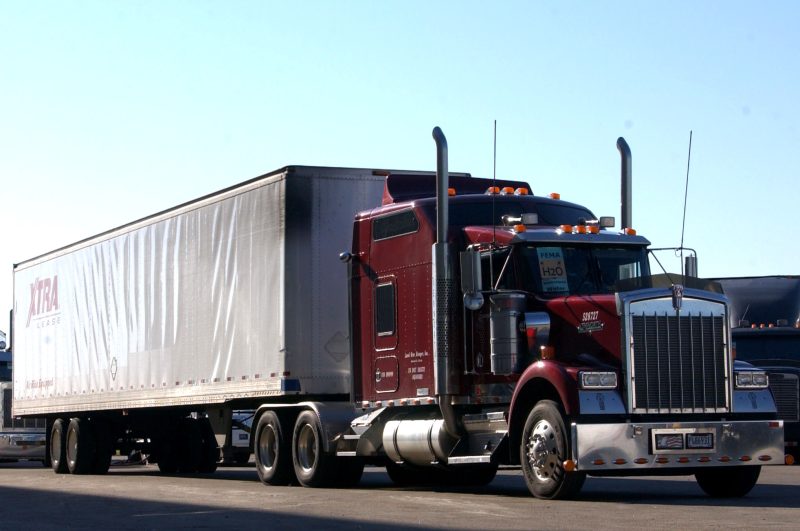
For many carriers, the first real decision in an equipment lease is not which brand to choose or which trailer type to run. It is whether to lease new or used.
Equipment age affects monthly payments, maintenance planning, fuel efficiency, uptime, and how the unit fits into a carrier’s long-term plans.
Super Ego Holding offers both new and used trucks and trailers for lease and purchase, with trailer rental also available.
This guide walks through the factors that typically shape the new-versus-used decision, so owner-operators and fleet owners can match equipment age to the way their business actually runs.
What Super Ego Holding Offers on Both Sides
Super Ego Holding’s tractor lineup includes Kenworth, Peterbilt, Volvo, Mack, and Freightliner, with 53-foot dry van, reefer, and flatbed trailers.
Both new and used units are available. Super Ego Holding’s equipment is thoroughly inspected and professionally maintained before it goes out.
That means the new-or-used question is open for most equipment categories. A carrier can lease a used dry van alongside a newer tractor, or the reverse, depending on where the business wants to put its dollars.
The Case for Leasing New Equipment
New equipment carries clear advantages for certain operations.
- Uptime and reliability. A new tractor has no accumulated wear on major components. For carriers running tight delivery windows or dedicated lanes with demanding customers, fewer unexpected breakdowns can protect both revenue and relationships.
- Current technology. Newer trucks typically come with up-to-date engine and emissions systems, safety features, and driver comfort improvements. For fleets competing to recruit and retain drivers, newer equipment can be a meaningful factor.
- Predictable early maintenance. Maintenance needs on a new unit tend to be routine in the early years, which makes budgeting simpler.
- Long-horizon planning. Carriers that expect to keep a unit for the full lease term, and possibly beyond, often find that new equipment lines up better with that horizon.
The tradeoff is cost. New equipment generally comes with higher monthly lease payments than comparable used units.
The Case for Leasing Used Equipment
Used equipment is the right financial fit for many carriers. It includes:
- Lower monthly payments. Used trucks and trailers generally carry lower lease payments, which can matter a great deal for owner-operators managing cash flow or newer carriers building up a customer base.
- Faster path to adding capacity. For a fleet that needs to add trucks quickly to cover new freight, used equipment from Super Ego Holding’s inventory can make the expansion more affordable.
- Proven condition. A used unit that has been inspected and maintained has a known history, and the carrier can review its year, mileage, and condition before committing.
- Good fit for certain equipment. Trailers in particular often have long service lives. A well-maintained used dry van or flatbed can serve a carrier well for years.
The tradeoff is that used equipment may require more maintenance attention over time, and carriers should factor that into their planning.
How Equipment Age Plays Out by Type
The new-versus-used decision does not have to be made once for the whole fleet. It can vary by equipment type.
- The tractor is where equipment age tends to matter most, because engines, transmissions, and aftertreatment systems carry the highest repair costs. Carriers running high annual mileage often lean toward newer tractors, while those with lower mileage or regional routes may find used tractors from Super Ego Holding very workable.
- Dry vans. Dry vans have relatively simple construction and long service lives. Used dry vans are a common choice for carriers looking to keep trailer costs down.
- A reefer combines a trailer and a refrigeration unit, and the condition of the cooling unit matters as much as the trailer itself. Super Ego Holding’s reefers are rated from minus 80 to plus 100 degrees Fahrenheit, with diesel-powered cooling units and FDA-compliant options. Carriers hauling sensitive loads such as pharmaceuticals or tightly specified food products often weigh the reliability of the refrigeration unit heavily when choosing between new and used.
- Flatbeds are structurally straightforward and durable. Used flatbeds are frequently a practical choice, provided the deck and securement points are in good condition.
It’s important to individually assess each piece of equipment to determine how it suits your needs.
Questions to Ask About Any Unit
Whether a carrier is leaning new or used, it helps to ask Super Ego Holding the same core questions about any specific unit:
- What is the model year and current mileage?
- What inspection and maintenance work was completed before it became available?
- Who is responsible for maintenance and repairs during the lease?
- How does the monthly payment compare to a newer or older alternative?
- What are the lease-end options for this unit?
Comparing two specific units side by side, one newer and one older, is often the clearest way to see what the payment difference buys.
Matching Equipment Age to Business Stage
Equipment age decisions often follow where a business is in its growth.
- New owner-operators frequently prioritize a manageable monthly payment while they establish customers and cash flow. A used unit can make the first lease more sustainable. Zero-down lease options from Super Ego Holding are available to carriers who qualify based on credit and business history, which can also help a new operation get started.
- Growing small fleets often mix new and used equipment, putting newer tractors on their most demanding lanes and using older units elsewhere.
- Established fleets may already own a mix of paid-off equipment. For these operations, Super Ego Holding’s fleet sale-leaseback program offers another option: selling eligible owned trucks and trailers and leasing them back to free up capital, which can then go toward replacing older units with newer ones. Super Ego Holding notes that equipment age, mileage, and mechanical condition are among the factors used to value units in a sale-leaseback.
Remember to regularly re-evaluate your situation, particularly as your business experiences new milestones.
Questions People Actually Ask
Does Super Ego Holding lease both new and used equipment?
Yes. Super Ego Holding offers new and used trucks and trailers for lease and purchase, and trailers for rental.
Is used equipment from Super Ego Holding inspected?
Super Ego Holding states that its equipment is thoroughly inspected and professionally maintained.
Is a used truck always cheaper to lease?
Used equipment generally carries a lower monthly payment, but the total cost depends on maintenance needs, fuel efficiency, and how the unit holds up over the lease term.
Can I mix new and used equipment in my fleet?
Yes. Many carriers pair newer tractors with used trailers, or use newer equipment on their most demanding lanes and older equipment elsewhere
Does equipment age affect zero-down eligibility?
Zero-down options from Super Ego Holding are available to carriers who qualify, with qualification based primarily on credit and business history. Specific terms for a given unit should be confirmed with Super Ego Holding directly
The Bottom Line
There is no single right answer to new versus used. The right choice depends on how many miles a carrier runs, what freight it hauls, how much monthly payment the business can support, and how long it plans to keep the unit.
Super Ego Holding’s mix of new and used inventory lets carriers make that decision equipment type by equipment type, rather than forcing one approach across the whole operation.


