Slab Leak Coverage: Key Features to Consider
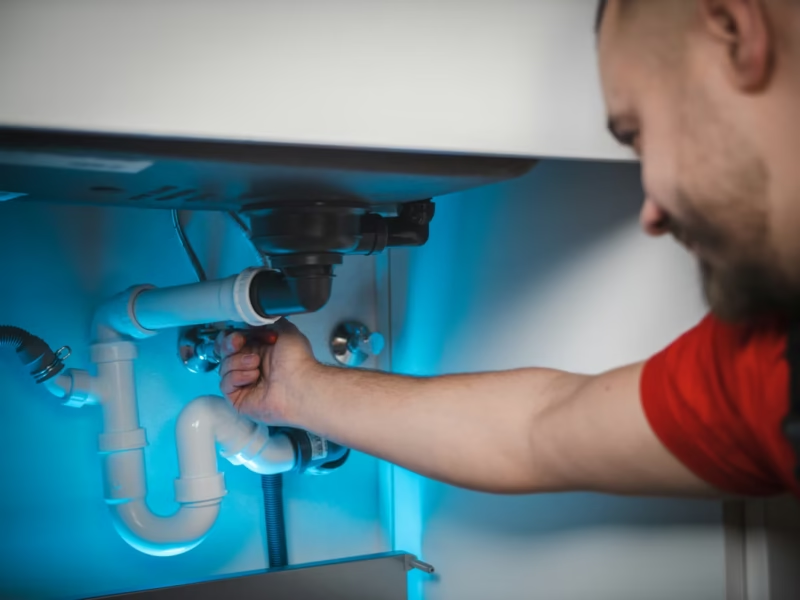
Few plumbing problems hit harder than a slab leak. Water or drain lines buried beneath your home’s concrete foundation develop a break. And by the time there’s any visible sign, the damage is already spreading. Mold, structural deterioration, and water bills that suddenly double—all from a pipe you can’t see and can’t easily reach.
The repair costs match that level of difficulty. Fixing a slab leak runs anywhere from $500 to well over $4,000 once you factor in concrete cutting, excavation, and surface restoration. That range is wide for a reason: the job is rarely simple.
It’s why so many homeowners are looking at specialized coverage before something goes wrong. When you’re comparing plans, knowing what a solid slab leak home warranty actually includes is crucial. Also, understanding where the gaps tend to hide makes all the difference between real protection and a false sense of security.
What Slab Leak Coverage Actually Includes
Not every home warranty treats slab leaks the same way. Some fold them into standard plumbing coverage. Others require a separate add-on that costs extra and is easy to overlook when you’re signing up. The distinction matters because a slab leak repair isn’t a single task — it’s a sequence of them.
Detection, pipe access, the actual repair or replacement, and surface restoration all need to happen. A plan that only covers the plumbing portion can still leave you with a significant bill for everything surrounding it. That’s the part most people don’t realize until they’re already filing a claim.
Key Features to Look For
Let’s explore the key features you should look for in a slab leak coverage plan.
1. Leak Detection Coverage
Finding the leak before fixing it requires specialized equipment: electronic listening devices, pressure tests, and thermal imaging. That diagnostic work alone can run into the hundreds of dollars, and some warranties don’t cover it at all.
Look closely at when the plan’s coverage actually begins. Some only activate once the leak location is confirmed, meaning the homeowner pays for detection out of pocket before the warranty even applies. This can be a meaningful cost to absorb before you’ve seen a single repair done.
2. Access and Excavation
Getting to a buried pipe isn’t gentle work. Depending on where the leak is, a plumber may need to jackhammer through the slab, tunnel under the foundation, or break through finished flooring. It’s slow, disruptive, and expensive in its own right.
Some plans cap access costs at a fixed dollar amount that doesn’t reflect the actual cost of a complicated job. A per-incident cap that bundles access and repair together tends to be more useful, since the two phases can’t really be separated anyway.
3. Pipe Repair vs. Pipe Rerouting
Two approaches exist for fixing a slab leak. You can repair the damaged section directly, or you can reroute the pipe entirely above the slab, bypassing the compromised run altogether. Rerouting is often the smarter long-term call for older copper pipes or homes that have seen leaks before; it avoids cracking into concrete again down the line.
Some plans only authorize direct repairs. Rerouting falls outside what they’ll approve, which limits your options precisely when flexibility matters most. If your home’s plumbing is aging, a plan that treats rerouting as a valid repair option is worth considering.
4. Concrete and Surface Restoration
The plumbing gets fixed. Then the crew leaves, and you’re left with a gaping hole in your tile floor or a rough concrete patch where your kitchen used to be. This is where many warranties quietly fall short.
Covering the pipe repair while excluding surface restoration is more common than it should be. Ask directly: Does the plan include restoration, and does it cover matching materials? A flat per-incident allowance for this work often won’t go far enough, especially with tile or specialty flooring.
5. Coverage Limits and Per-Incident Caps
Annual limits and per-incident caps serve different purposes; for slab leaks, the per-incident figure is what you should examine. A job that runs through detection, concrete removal, pipe replacement, and patching can clear $3,000 without much effort. A plan with a per-incident cap well below that won’t absorb the full cost; it’ll split it with you.
Most people compare annual limits without thinking carefully about what a single large claim looks like. For slab leaks specifically, that’s the wrong number to anchor on.
6. Exclusions That Affect Slab Leak Claims
Secondary damage is commonly excluded mold remediation, flooring replacement outside the direct repair area, and anything deemed cosmetic. Leaks caused by shifting soil, earthquakes, or original construction defects are also off the table in many plans. These exclusions carry real weight if you’re in a region with expansive clay soil or seismic risk.
Pre-existing conditions are another sticking point. Buying a plan after a leak is suspected is a near-guaranteed denial, and the timing of your purchase matters.
How to Compare Plans Effectively
The reality is that most people don’t read the fine print until a claim is denied. Don’t be that person. When reviewing options, request the full list of covered and excluded items in writing. Get clarity on how access work and surface restoration are handled specifically. Confirm whether rerouting qualifies as an approved repair method.
Compare per-incident caps to what repairs actually cost in your area—not a national average that may have little bearing on local labor rates. A plan that looks like a deal can end up costing more when the coverage structure leaves half the repair on your bill.