The 30 Best School Districts in Georgia: Rankings and Performance Analysis

Georgia’s education system includes 194 school districts serving hundreds of thousands of students across diverse communities. These districts vary in size, resources, and academic performance, making the selection process important for families seeking quality education options.
Understanding which districts consistently deliver strong outcomes can help parents make informed decisions about where to establish roots.
The state’s top-performing school districts demonstrate excellence through factors like standardized test scores, college readiness programs, teacher quality, and student resources.
Rankings from various education assessment organizations evaluate districts based on measurable data points that reflect both academic achievement and overall educational experience.
These evaluations provide valuable comparisons across the state’s varied geographic and demographic landscape.
This overview examines 30 distinguished school districts throughout Georgia, highlighting specific districts, individual high schools, and the characteristics that set them apart.
The analysis includes large county systems, smaller city districts, and specialized charter schools that have earned recognition for their educational programs.
Here are the 30 best school districts in Georgia:
1. Gwinnett County School District
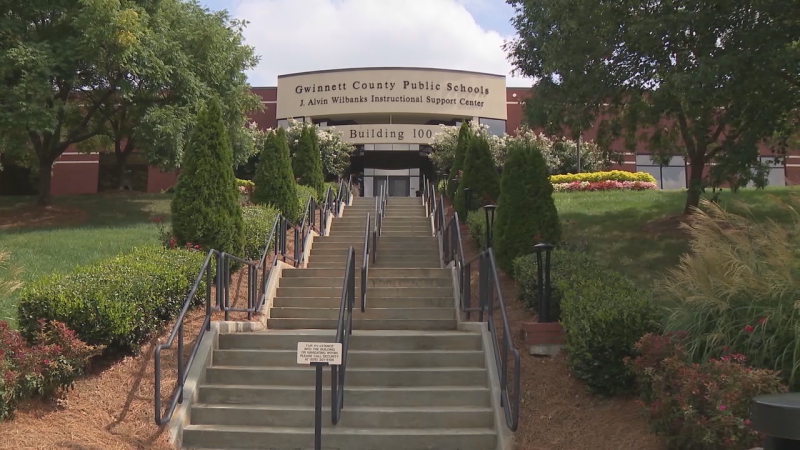
Gwinnett County School District stands as Georgia’s largest school system, operating over 120 school buildings with an enrollment exceeding 188,000 students. The district serves the diverse communities of Gwinnett County with a comprehensive range of educational programs.
The district consistently ranks among the top performers in the state. Notable schools within the system include Gwinnett School of Mathematics, Science and Technology, which regularly receives high marks in state rankings. Level Creek Elementary School and Johns Creek Elementary School also earn recognition for their academic achievements.
Recent assessments place Gwinnett County ahead of 67.5% of districts across Georgia. The district offers varied educational pathways, including specialized magnet programs and traditional public schools. Parents considering the area will find an established system with significant resources dedicated to student success.
2. Cobb County School District
Cobb County School District consistently ranks among Georgia’s top educational systems. The district has earned recognition for its academic performance and exceptional teaching staff.
In 2025, Forbes named Cobb County School District one of America’s Best Large Employers. This achievement adds to the district’s six consecutive years of recognition as one of Georgia’s Best Employers. The district has also secured the top position for best teachers and best places to teach in the state.
Cobb County’s schools demonstrate strong performance across various metrics, including test scores and student achievement. The district ranks better than 73.8% of school districts in Georgia. Several individual schools within the system receive top rankings, such as Marietta Center for Advanced Academics, Timber Ridge Elementary School, and Heards Ferry Elementary School.
3. Fulton County Schools
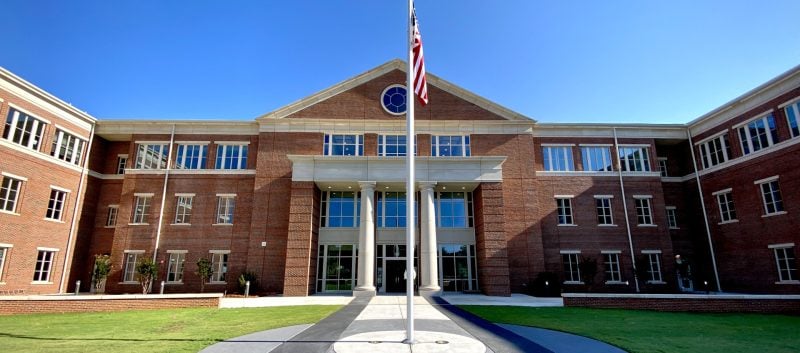
Fulton County Schools serves as Georgia’s fourth largest school system, operating 102 schools with a projected enrollment of 86,031 students for the 2025-26 school year. The district includes 56 elementary schools, 19 middle schools, and 19 high schools throughout the county.
The district’s academic performance ranks in the top 20% of Georgia public schools, with an average testing ranking of 9/10. Students achieve a math proficiency score of 40% and reading proficiency score of 44%, both slightly exceeding state averages.
Fulton County Schools employs more than 10,900 full- and part-time staff members, including over 6,200 certified teachers and educational personnel. The district has shown consistent improvement in statewide rankings, moving up significantly in recent evaluations and now ranking better than 77.2% of Georgia districts.
4. Forsyth County Schools
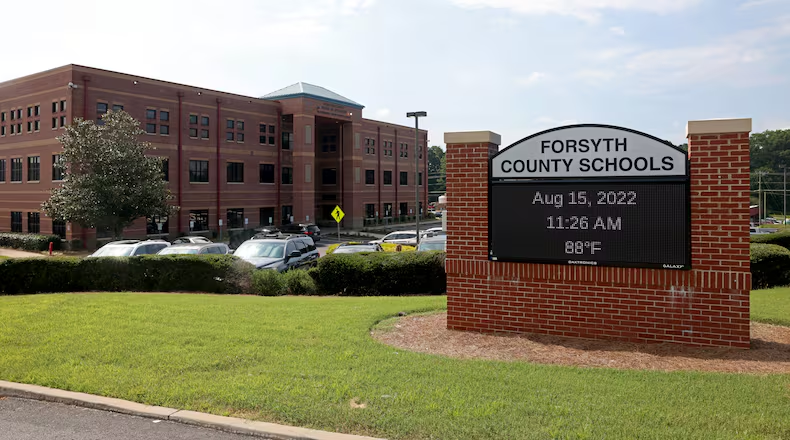
Forsyth County Schools operates 42 public schools serving approximately 55,000 students in the Cumming area. The district consistently ranks among the top school systems in Georgia with an average testing ranking of 10/10, placing it in the top 5% statewide.
The district includes 23 elementary schools, 11 middle schools, and 8 high schools. Schools like Daves Creek Elementary School, Alliance Academy For Innovation, and Big Creek Elementary School are recognized as top performers in the state.
Forsyth County Schools is known for its rigorous academic curriculum and strong parent involvement. The district’s high schools have earned recognition for effectively preparing students for college success, particularly in helping students enroll in and persist through higher education programs.
Teachers throughout the district demonstrate dedication to student achievement, contributing to the system’s reputation as one of Georgia’s premier public school districts.
5. Cherokee County School District
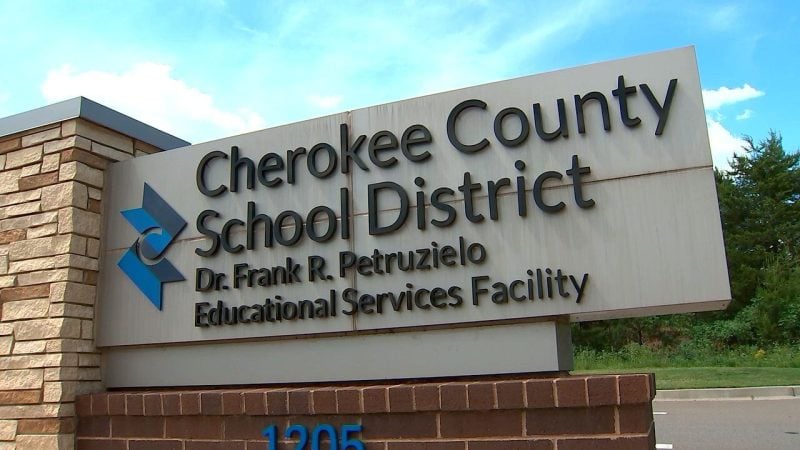
Cherokee County School District ranks among the top performers in Georgia, scoring better than 86.4% of districts statewide. The district has earned recognition for its strong academic programs and college preparation initiatives.
Several elementary schools within the district have received top rankings, including Bascomb Elementary, Hickory Flat Elementary, and Sixes Elementary. These schools consistently demonstrate high test scores and effective teaching practices.
The district emphasizes teacher collaboration through its Superintendent’s Teacher Advisory Council. This initiative allows educators to provide direct feedback on policies and programs.
Cherokee County schools show particular strength in preparing students for college success. The district’s high schools maintain solid graduation rates and help students transition effectively to higher education, including support for students from various economic backgrounds.
6. DeKalb County School District
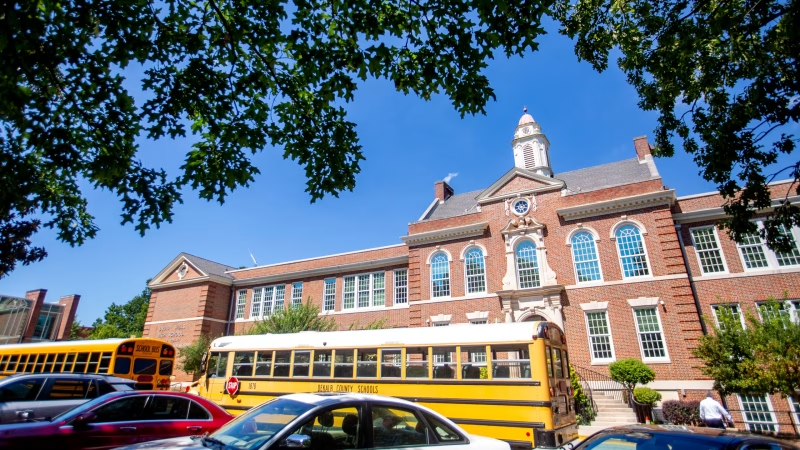
DeKalb County School District serves as one of Georgia’s largest public school systems, with approximately 103,022 students across 196 schools. The district operates as a PreK-12 system focused on preparing students for college and career readiness.
DCSD ranks 147th out of 222 school districts in Georgia based on combined math and reading proficiency scores from the 2022-2023 school year. The district includes several notable magnet schools, such as Kittredge Magnet School and Wadsworth Magnet School for High Achievers, which consistently receive high rankings.
The district’s mission centers on empowering students to become lifelong learners and responsible global citizens. DeKalb County offers specialized programs in STEM, arts, and special education to serve diverse student needs. The system includes four separate school districts within the county boundaries.
7. State Charter Schools – International Charter School of Atlanta
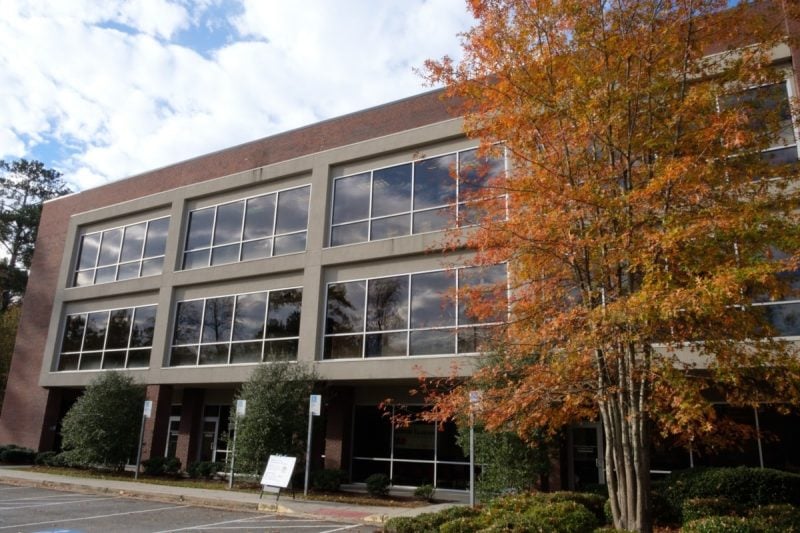
State Charter Schools – International Charter School of Atlanta operates as a single-school district serving students in grades K-8. The district ranks within the top 5% of all 222 school districts in Georgia based on combined math and reading proficiency testing data for the 2022-2023 school year.
The International Charter School of Atlanta is located in Roswell and functions as a state public charter school with a focus on multiculturalism and language learning. The school offers a Gifted & Talented program and International Baccalaureate curriculum.
As a charter school, it operates tuition-free and publicly funded while maintaining autonomy through its charter granted by the State Charter Schools Commission of Georgia. The district’s emphasis on language acquisition and international perspectives distinguishes it from traditional public school systems in the state.
8. Calhoun City School District
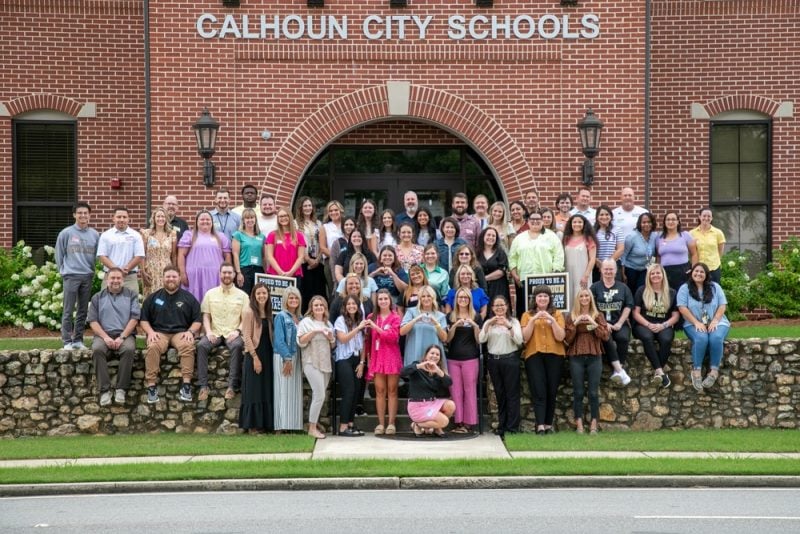
Calhoun City School District serves 4,280 students across five public schools for the 2025-26 school year. The district ranks #60 out of 222 school districts in Georgia, placing it in the top 30% statewide based on combined math and reading proficiency scores.
The district’s average testing ranking is 8/10, demonstrating strong academic performance. This places Calhoun City School District ahead of approximately 60% of other districts in Georgia.
Located in Calhoun, the district has established a reputation for consistent educational quality. Schools within the system focus on preparing students for college success and maintaining competitive testing standards.
The district serves the Calhoun community with a range of elementary, middle, and high school options. Academic achievement remains a priority across all grade levels.
9. Henry County Schools

Henry County Schools stands as the 8th largest school district in Georgia, serving nearly 44,000 students across 53 schools. The district includes 28 elementary schools, 11 middle schools, and 11 high schools.
The district demonstrates strong academic performance with a four-year graduation rate of 86.8%, which exceeds the state’s record-high of 85.4%. For the 2025-26 school year, Henry County Schools has committed to a student-centered budget that allocates $13,867 per student.
The district features several high-performing schools, including Union Grove High School, East Lake Elementary School, and Timber Ridge Elementary School. These schools consistently rank among the top institutions in the region.
Henry County Schools serves a diverse student population and continues to focus on addressing the educational needs of all students within its system.
10. Clayton County Public Schools
Clayton County Public Schools serves over 50,000 students across 67 schools in the metro Atlanta area. The district includes 39 elementary schools, 15 middle schools, and 13 high schools.
Elite Scholars Academy stands out as a top performer, earning a historic Top 5 ranking among Georgia high schools according to U.S. News & World Report. Martha Ellen Stilwell School of the Arts also achieved recognition, ranking 24th in the state.
The district offers specialized programs in performing arts and other focused curricula at select campuses. Kay R Pace Elementary School of the Arts provides arts-integrated education for younger students.
Clayton County faces challenges common to diverse, urban districts, including addressing economic disparities among its student population. The district continues developing initiatives aimed at improving student success and college readiness across all schools.
Now that we’ve got our top ten, did your district make the cut?
11. Douglas County Schools
Douglas County Schools serves over 25,000 students across 35 public schools in the Winston area. The district has shown recent improvement in state rankings, though it currently maintains an average testing ranking that places it in the bottom half of Georgia school districts.
Several elementary schools in the district have earned recognition for their performance. Winston Elementary School, South Douglas Elementary School, and Holly Springs Elementary School rank among the top-performing institutions within the county.
The district offers a range of educational programs across elementary, middle, and high school levels. Families considering Douglas County Schools can access detailed information about individual school ratings, test scores, and enrollment demographics to make informed decisions about their children’s education.
The district continues to work on academic improvements and providing quality educational opportunities for students throughout Douglas County.
12. Cherokee County’s Creekview High School
Creekview High School stands out as one of Cherokee County’s premier educational institutions. The school ranks among the top high schools in Georgia, consistently earning recognition for academic excellence.
Located in the Macedonia community east of Canton, Creekview opened in August 2006. The school has grown to serve students in grades 9-12 within the Cherokee County School District.
Creekview ranks 32nd out of 452 high schools statewide for the 2024-2025 school year. This performance has earned the school a 5-star rating, reflecting strong academic achievement across multiple measures.
The school offers Advanced Placement courses and maintains a Gifted and Talented program. Students benefit from various educational opportunities designed to prepare them for college and career success. The campus is situated directly across from Creekland Middle School, creating a cohesive educational corridor in the community.
13. North Gwinnett High School
North Gwinnett High School in Suwanee ranks within the top 5% of all public schools in Georgia. The school serves over 3,000 students in grades 9-12 and maintains a student-to-teacher ratio of 19:1.
Academic performance at North Gwinnett stands out among Georgia high schools. Test scores significantly exceed both county and state averages, placing it among the top 100 schools statewide.
The school offers Advanced Placement courses and maintains a Gifted & Talented program. Students have access to various athletic programs and academic resources through the Gwinnett County School District.
North Gwinnett operates as part of one of Georgia’s most recognized public school systems. The institution continues to demonstrate strong educational outcomes year after year.
14. Milton High School, Fulton County
Milton High School serves approximately 2,000 students in grades 9-12 in Alpharetta. Established in 2005, the school ranks within the top 5% of all public schools in Georgia.
The school operates as one of 20 high schools within the Fulton County Schools district. Total minority enrollment stands at 41%, with 18% of students classified as economically disadvantaged.
Milton High School offers Advanced Placement courses and maintains a Gifted and Talented program. The athletic department provides 30 different sports for student participation.
The institution’s academic performance and college readiness metrics contribute to its strong statewide ranking. Its location in an affluent area of Fulton County supports robust community engagement and resources.
15. Marietta City Schools
Marietta City Schools serves approximately 8,642 students across 13 public schools in the Marietta area. The district has demonstrated strong performance, ranking better than 76.2% of districts in Georgia.
The district’s average testing ranking places it in the top 50% of public schools statewide. Marietta City Schools has shown recent improvement in state rankings, reflecting its commitment to academic excellence.
The school system operates separately from Cobb County Schools, maintaining its own administrative structure at 368 Wright St SW in Marietta. Students in the district have access to a range of educational programs, including specialized academies like the Marietta Center For Advanced Academics.
The district’s schools consistently perform above state averages across various metrics. This combination of solid academic performance and diverse educational options makes Marietta City Schools a notable choice for families in the area.
16. Rockdale County Public Schools
Rockdale County Public Schools serves over 15,000 students across 18 schools in the metro Atlanta area. The district includes 11 elementary schools, 4 middle schools, and 3 high schools.
Academic performance in Rockdale County falls below state averages. Math proficiency stands at 21% compared to Georgia’s 39%, while reading proficiency reaches 30% against the state’s 40%. The district holds an average ranking of 3-4 out of 10 among Georgia public schools.
Performance varies significantly across individual schools within the district. Some schools demonstrate stronger academic outcomes while others struggle to meet benchmarks. The district focuses on college readiness programs, with certain high schools receiving recognition for supporting students through college enrollment and retention.
Rockdale County Schools operates in Stockbridge and surrounding communities, serving a diverse student population with varying educational needs.
17. Alpharetta City Schools
Alpharetta’s educational system serves students through two primary county districts: Forsyth County Schools and Fulton County Schools. The city hosts 29 public schools, including 16 elementary, 8 middle, and 5 high schools.
Several schools have earned recognition for academic performance. Creek View Elementary School, Lake Windward Elementary School, and Birmingham Falls Elementary School consistently rank among the area’s top-performing institutions. Five Alpharetta-area high schools placed in Georgia’s top 30 according to the 2025-2026 U.S. News & World Report rankings.
The school system benefits from the city’s investment in education and strong community support. DeSana Middle School, which opened in 2016, exemplifies the district’s growth to accommodate increasing enrollment. Students in Alpharetta access programs designed to prepare them for college and career readiness across both county systems.
18. Carroll County School District
Carroll County School District ranks in the top 30 percent of Georgia school districts, placing 51st out of 222 districts statewide. The district has earned recognition from Niche as being in the top 8 percent of Georgia school systems based on academic performance and community reviews.
The district serves students in the Carrollton area with a focus on both academic achievement and student support programs. Test scores reflect combined math and reading proficiency that exceeds many peer districts across the state.
Carroll County Schools has received positive feedback from families and community members regarding its facilities and educational programs. The district offers college preparatory programs designed to help students transition successfully to higher education. Schools within the district emphasize preparing students for post-secondary success through various academic pathways and support services.
19. Douglas County High Schools
Douglas County School District operates five public high schools serving students in grades 9-12. These schools demonstrate varying levels of academic performance across the district.
Chapel Hill High School stands out as the top performer in Douglas County. The school ranked 78th out of 472 high schools statewide, placing it in the top 16% of Georgia schools. This distinction makes it the district’s highest-achieving high school.
Alexander High School and Douglas County High School also rank among the district’s notable institutions. The schools in this system show a range of academic outcomes, with some meeting county and state benchmarks while others work to improve their performance metrics.
Douglas County’s position in state rankings has fluctuated in recent years. The district provides comprehensive high school education options for families throughout the county, with each school serving its local community.
20. Paulding County School District
Paulding County School District serves students in the Dallas area and ranks #71 out of 222 school districts in Georgia. The district operates 37 schools, including 7 high schools, 10 middle schools, and 20 elementary schools.
The Paulding County Board of Education has received Exemplary Status from the Georgia School Board’s Association for six consecutive years. This recognition reflects the district’s commitment to governance and educational standards.
The district’s schools show varied performance, with several institutions recognized for academic achievement. Burnt Hickory Elementary School and C. A. Roberts Elementary School are among the top-ranked schools in the area.
Paulding County School District performs better than approximately 55% of districts in Georgia. The district focuses on preparing students for college readiness and supporting diverse student populations across its schools.
21. Columbia County School District
Columbia County School District serves nearly 29,000 students across 30 schools in the Evans area. The district includes 17 elementary schools, 8 middle schools, and 5 high schools.
The district holds a 5-star rating from SchoolDigger and ranks 13th out of 206 districts statewide. Its average testing ranking places it in the top 10% of public schools in Georgia.
Columbia County schools demonstrate strong academic performance across all grade levels. River Ridge Elementary School, Stevens Creek Elementary School, and North Columbia Elementary School are among the top-ranked institutions in the district.
The district has earned recognition for college preparation programs. Several high schools have received the College Success Award for effectively preparing students for higher education and supporting enrollment persistence, particularly among students from low-income families.
22. Richmond County School System
Richmond County School System operates in Augusta, serving approximately 27,558 students across 49 public schools for the 2025-26 school year. The district includes 30 elementary schools, 8 middle schools, 11 high schools, and 1 alternative school.
The system has received recognition from the Georgia Department of Education, with two schools earning honors as top-performing Title I schools in the state. Notable schools within the district include Davidson Magnet School, Walker Traditional Elementary School, and Johnson Magnet, which consistently rank among the county’s highest-performing institutions.
The district serves students from diverse socioeconomic backgrounds throughout the Augusta area. Richmond County offers various educational programs designed to meet different student needs and learning styles, including magnet and traditional school options.
23. Stone Mountain School District
Stone Mountain’s public schools operate under the DeKalb County School District, which serves the city and surrounding areas. The area contains 24 schools in total, including 13 elementary schools, 4 middle schools, 5 high schools, and 2 alternative schools.
The district serves a diverse student population, with minority enrollment reaching 98% across its schools. A significant portion of students come from economically disadvantaged backgrounds, with approximately 91% qualifying for economic assistance programs.
DeKalb Early College Academy stands out as one of the top-ranked schools in the area. Wynbrooke Elementary School and DeKalb Agriculture Technology and Environment School also receive recognition for their academic programs.
The district focuses on providing educational opportunities that prepare students for college and career success. Schools emphasize both traditional academics and specialized programs to meet varied student needs.
24. Buford City School District
Buford City School District has earned recognition as one of Georgia’s top-performing school systems. The district serves more than 6,100 students across five campuses, including elementary, middle, and high school facilities.
Niche has consistently ranked Buford City Schools as the number one school district in Georgia for over a decade. The district maintains an average student-teacher ratio of 18-to-1, which supports more individualized attention for students.
The schools within the district demonstrate strong academic performance, with several campuses earning high ratings from educational evaluation organizations. Buford City Schools emphasizes innovative instructional practices and maintains a focus on literacy development.
The district’s commitment to high academic standards has positioned it as a leading choice for families in the Buford area. Students benefit from personalized learning strategies designed to meet individual educational needs.
25. East Coweta County Schools
Coweta County School District serves approximately 23,040 students across 29 public schools for the 2025-26 school year. The district has earned recognition for its strong academic performance, ranking in the top 20% of public schools in Georgia with an average testing ranking of 9/10.
All three of the county’s public high schools have received distinctions as top U.S. high schools. This includes East Coweta High School, Northgate High School, and Newnan High School.
The district has shown notable improvement in recent statewide rankings, jumping five positions and now ranking better than 81.1% of districts in Georgia. Schools like Brooks Elementary, Canongate Elementary, and Thomas Crossroads Elementary have been recognized among the top-performing schools in the county.
The district operates within the broader Coweta County School System framework, maintaining consistent academic standards across its schools.
26. Newton County Schools
Newton County Schools serves the Covington area with 22 schools across the district. The system includes 14 elementary schools, 5 middle schools, and 3 high schools that educate a diverse student population.
The district has earned recognition for specific achievements within its schools. Mansfield Elementary School received designation as a Georgia Title I Distinguished School in 2025. Newton County Theme School at Ficquett consistently ranks among the top-performing schools in the district.
Academic performance varies across Newton County’s campuses. The district focuses on college preparedness programs, with several high schools working to improve college enrollment and retention rates for graduates.
The communications team earned 16 state awards for excellence in school public relations in 2025. Newton County Schools maintains active community engagement through regular conversations with parents and residents about district initiatives and improvements.
27. Barrow County Schools
Barrow County Schools serves students in the Barrow County area with a collection of 17 schools, including 4 high schools, 4 middle schools, and 9 elementary schools. The district has shown improvement in recent state rankings, moving up two positions and now performing better than half of Georgia’s school districts.
Top-ranked schools within the district include Dove Creek Elementary School, Mulberry Elementary School, and Barrow Arts and Sciences Academy. These institutions consistently demonstrate strong academic performance across various metrics.
The district evaluates its schools based on actual versus projected test scores, providing a data-driven approach to measuring educational outcomes. Barrow County Schools offers families multiple options across different grade levels, with various programs designed to meet diverse student needs.
28. Marietta High School
Marietta High School serves students in grades 9-12 within the Marietta City school district in Georgia. The school is part of a district that includes 12 total schools across elementary, middle, and high school levels.
The institution features a diverse student body and maintains a faculty focused on academic achievement. Marietta High School offers students access to various educational programs and extracurricular activities typical of comprehensive high schools in the region.
The school’s performance can be evaluated through state testing assessments and enrollment data. As part of the Marietta City school district, it operates alongside several elementary and middle schools that feed into the high school.
Students attending Marietta High School benefit from the resources available within the city school system. The school continues to serve the Marietta community as its primary public high school option.
29. Duluth High School, Gwinnett County
Duluth High School serves grades 9-12 as part of the Gwinnett County Public Schools system. The school operates in Duluth, a suburban area north of Atlanta.
The institution offers Advanced Placement courses and maintains 23 sports programs. Students can also access a Gifted & Talented program. The total minority enrollment reaches 88%, while 66% of students qualify as economically disadvantaged.
Duluth High School is one of 28 high schools within the Gwinnett County School District. The school emphasizes student voice through its Student Advisory Council, Gwinnett Student Leadership Team, and LEAD groups. These organizations meet monthly with local administration and city officials to discuss school and community initiatives.
The school provides standard public education programming for its diverse student population in the northern Atlanta metropolitan area.
30. Roswell High School, Fulton County
Roswell High School serves approximately 2,036 students in grades 9-12 within the Fulton County Schools district. The school ranks within the top 20% of all public schools in Georgia, demonstrating solid academic performance across various metrics.
The student body reflects considerable diversity, with 46% minority enrollment. About 29% of students qualify as economically disadvantaged, indicating a mix of socioeconomic backgrounds within the school community.
Roswell High School is one of 20 high schools operating within Fulton County Schools. The institution focuses on preparing students for college and career readiness while maintaining its position as a competitive public high school in the Atlanta metropolitan area.
The school serves the Roswell community, an established suburb in northern Fulton County known for its strong emphasis on education and family-oriented neighborhoods.
What Makes a School District Stand Out?
Strong school districts share measurable qualities that directly impact student success. These include consistent academic achievement, comprehensive support systems, and highly qualified educators who create effective learning environments.
Academic Performance Metrics
Test scores remain the primary indicator of district quality. Reading and math proficiency rates on state assessments provide objective measures of student learning. Districts that consistently place schools in the top 5% statewide demonstrate sustained academic excellence.
Graduation rates reveal how well districts retain and prepare students for post-secondary success. The strongest districts maintain graduation rates above 90% while also tracking college enrollment and career readiness. Advanced Placement course availability and AP exam performance show commitment to rigorous academics.
Key metrics to evaluate:
- State assessment proficiency rates in math and reading
- High school graduation percentages
- College enrollment rates within one year of graduation
- AP and dual enrollment course offerings
Districts that publish transparent data about student progress across multiple years show accountability. Year-over-year improvement matters as much as current standings, particularly for schools serving diverse populations.
Student Support Services
Counselor-to-student ratios affect how much individual attention students receive. The American School Counselor Association recommends 250 students per counselor, though top districts often exceed this standard. Specialized staff for mental health support has become essential.
Special education services must meet individual student needs through tailored instruction plans. Districts with robust STEM programs, arts curricula, and athletic opportunities provide well-rounded development. Magnet schools and specialized academies offer focused learning paths.
Extracurricular activities build leadership skills and community connections. The best districts invest in diverse programs that engage students beyond core academics.
Teacher Qualifications and Experience
Teacher credentials directly influence classroom effectiveness. Districts that attract educators with advanced degrees and specialized certifications in their subject areas maintain higher instructional standards. The percentage of teachers holding master’s degrees serves as one quality indicator.
Years of teaching experience contribute to better student outcomes. Veteran teachers bring refined classroom management and curriculum expertise. Low teacher turnover rates signal positive working conditions and district stability.
Competitive salaries and professional development opportunities help districts retain quality educators. Districts that invest in ongoing training for teachers show commitment to instructional improvement. Teacher-to-student ratios below 16:1 enable more personalized instruction and assessment.
Benefits of Attending Top School Districts in Georgia
Students in Georgia’s leading school districts gain access to advanced academic programs and comprehensive support systems that directly impact their educational trajectory and future opportunities. These districts consistently demonstrate higher college acceptance rates and stronger student outcomes across multiple measures.
Extracurricular and Enrichment Opportunities
Top-performing Georgia school districts offer extensive extracurricular programs that extend learning beyond the classroom. Students gain access to specialized STEM programs, competitive robotics teams, advanced arts curricula, and championship-level athletic programs. Districts like those in Gwinnett and Fulton counties maintain partnerships with local universities and businesses to provide internship opportunities and dual enrollment options.
These districts typically allocate significant resources toward enrichment activities that support diverse student interests. Music programs feature award-winning bands and orchestras, while debate teams and academic competitions receive substantial coaching and funding. Many top districts operate dedicated facilities for specialized learning, including innovation labs, theater spaces, and athletic complexes.
Students also benefit from extensive Advanced Placement course offerings and International Baccalaureate programs. The concentration of high-achieving peers creates an environment where academic excellence becomes the norm rather than the exception.
Post-Graduation Success Rates
Graduates from Georgia’s premier school districts demonstrate measurably higher college enrollment rates compared to state averages. These students receive stronger college counseling support, including assistance with applications, scholarship searches, and standardized test preparation. The districts maintain relationships with admissions officers at major universities, which can facilitate the application process.
Students from top districts earn higher average SAT and ACT scores, directly correlating with increased scholarship opportunities and admission to selective institutions. Many graduates receive merit-based financial aid packages that significantly reduce college costs. The academic rigor and preparation provided by these districts translates into lower college remediation rates and higher four-year graduation rates.
Career readiness programs in leading districts equip students with practical skills through career and technical education pathways. Graduates enter the workforce or college with clear direction and established professional networks developed through district partnerships.