The 30 Most Beautiful Places in the World to Visit at Least Once
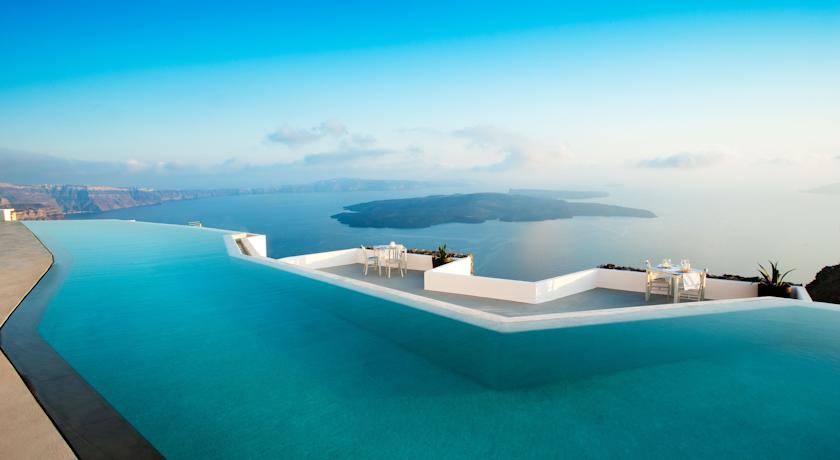
The world offers countless destinations that captivate travelers with their natural beauty, rich history, and unique cultural experiences. From pristine beaches and towering mountain ranges to ancient temples and vibrant cities, these remarkable places represent the diverse beauty found across all continents.
This comprehensive guide explores thirty of the world’s most stunning destinations, featuring everything from tropical paradises and national parks to historic landmarks and natural wonders.
Each location offers distinct experiences, whether travelers seek adventure in the Swiss Alps, relaxation in the Maldives, or cultural immersion in places like Kyoto and Petra.
The article includes practical travel tips and insights into what makes these destinations truly exceptional for visitors planning their next journey.
Here are the 30 most beautiful places in the world to visit:
1. Santorini, Greece
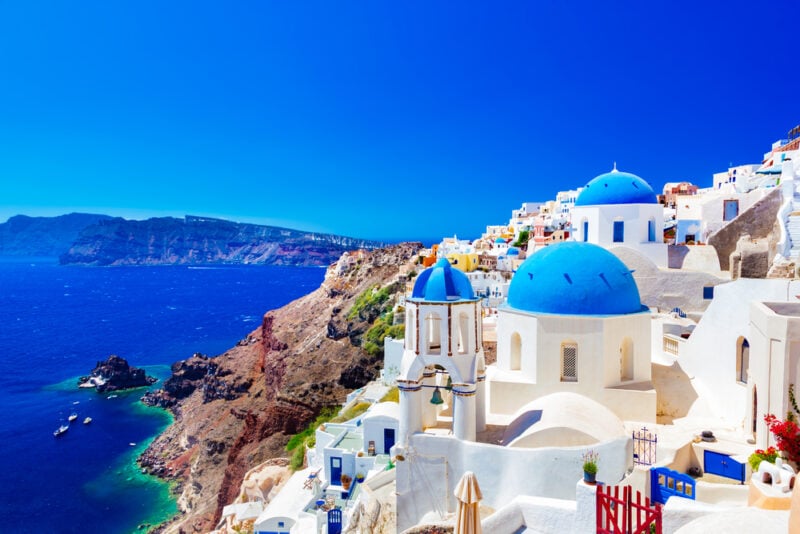
Santorini stands as one of Greece’s most stunning islands in the Aegean Sea. The island features whitewashed villages perched on dramatic volcanic cliffs that overlook deep blue waters.
Oia village offers some of the world’s most famous sunsets. Visitors gather each evening to watch the sun disappear behind the caldera’s rim.
The island’s unique architecture includes traditional blue-domed churches and cave houses carved into cliffsides. These structures create the iconic postcard views Santorini is known for.
Ancient archaeological sites reveal the island’s rich history dating back thousands of years. The volcanic landscape provides a dramatic backdrop for exploration.
Santorini’s beaches offer variety with their distinctive colored sands. Red Beach and Perissa Beach showcase the island’s volcanic origins through their unique shorelines.
The combination of scenic villages, ancient ruins, and pristine coastlines makes Santorini a destination that captures visitors’ attention immediately.
2. Machu Picchu, Peru

Machu Picchu stands as one of the world’s most remarkable archaeological sites. The ancient Inca citadel sits 8,000 feet above sea level in Peru’s Andes Mountains.
This 15th-century fortress city was built with precise stone construction that has survived centuries. The terraced structures and temples showcase advanced Incan engineering techniques.
The site offers breathtaking panoramic views of surrounding mountain peaks and cloud forests. Visitors can explore the main citadel and climb nearby Huayna Picchu for elevated perspectives.
As a UNESCO World Heritage Site, Machu Picchu attracts thousands of travelers annually. The mystical ruins provide insight into Incan civilization and culture.
The dramatic setting combines natural beauty with historical significance. Stone structures blend seamlessly with the mountainous landscape, creating an unforgettable visual experience.
3. Bora Bora, French Polynesia
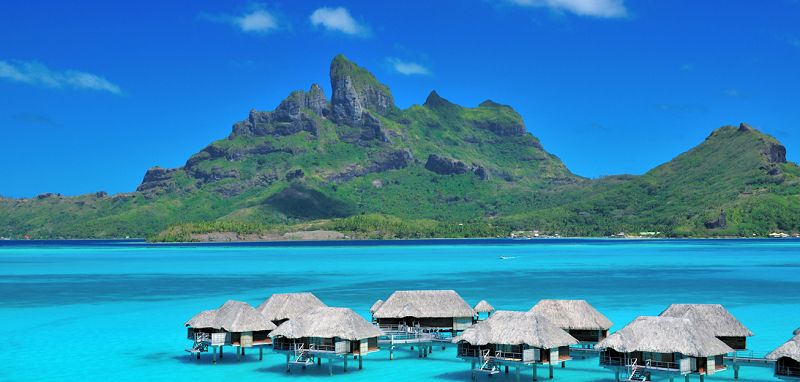
Bora Bora stands as a volcanic island paradise in the South Pacific Ocean. The island features crystal-clear turquoise lagoons surrounding dramatic mountain peaks.
Mount Otemanu dominates the landscape as an ancient volcanic crater. White sand beaches stretch along the coastline, creating perfect contrast against the vivid blue waters.
The island’s lagoon teems with marine life including colorful tropical fish, rays, and reef sharks. Visitors can snorkel directly from many beaches to explore coral gardens.
Overwater bungalows originated in French Polynesia, with Bora Bora offering some of the world’s most luxurious accommodations. These structures provide direct lagoon access from private decks.
Popular activities include lagoon tours, hiking Mount Pahia, and exploring Matira Beach. The island maintains an uncrowded atmosphere despite its fame, as French Polynesia receives fewer visitors than other tropical destinations.
4. The Maldives

The Maldives consists of 1,192 coral islands scattered across the Indian Ocean. These pristine atolls feature white sand beaches and crystal-clear turquoise waters that create perfect tropical scenery.
Male serves as the capital and largest city. Visitors can explore its colorful buildings, ancient mosques, and local fish markets for cultural experiences.
The islands offer diverse underwater adventures. Snorkeling and diving reveal vibrant coral reefs and marine life in some of the world’s clearest waters.
Overwater villas provide luxury accommodations with direct lagoon access. Many resorts occupy private islands, offering exclusive beach experiences and world-class amenities.
The best visiting period runs from November to April. During these months, travelers enjoy dry weather and consistent temperatures around 30 degrees Celsius with minimal rainfall.
5. Banff National Park, Canada
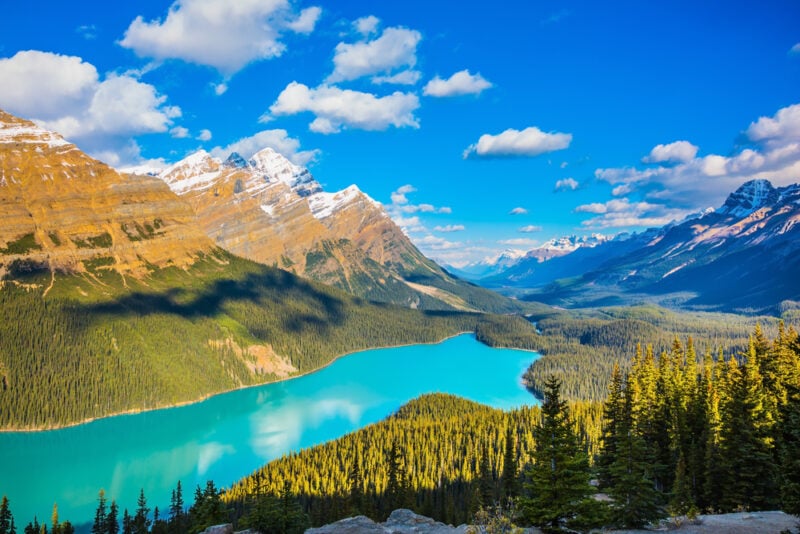
Banff National Park stands as Canada’s oldest national park and one of the world’s most stunning natural destinations. The park features pristine turquoise lakes that have gained international recognition for their exceptional beauty.
Lake Louise showcases crystal-clear waters surrounded by towering snow-capped peaks. The Canadian Rockies provide a dramatic backdrop throughout the park’s landscape.
Wildlife thrives in Banff’s backcountry areas. The park offers some of the best opportunities globally to observe large mammals in their natural habitat.
During winter months, frozen lakes display unique ice bubble formations beneath their surfaces. These natural phenomena create striking visual displays for visitors.
Architectural Digest recently named Banff among the world’s most beautiful places alongside destinations like Machu Picchu and the Grand Canyon. The park combines mountain peaks, diverse wildlife, and sprawling pine forests into one remarkable location.
6. Venice, Italy

Venice stands as one of the world’s most unique cities, built entirely on water across 118 small islands. The city’s intricate network of canals replaces traditional streets, creating an otherworldly urban landscape.
St. Mark’s Square serves as Venice’s magnificent centerpiece. The Byzantine architecture of St. Mark’s Basilica dominates the piazza with its golden mosaics and ornate domes.
The Grand Canal winds through the city like a liquid boulevard. Elegant palazzos line its banks, their Gothic and Renaissance facades reflecting in the water below.
Venice’s countless bridges connect the floating districts. The famous Rialto Bridge offers stunning views of the bustling canal traffic beneath.
Narrow alleyways and hidden courtyards reveal unexpected discoveries around every corner. These quiet passages contrast sharply with the busy main thoroughfares, showcasing Venice’s intimate charm alongside its grand spectacle.
7. Great Barrier Reef, Australia
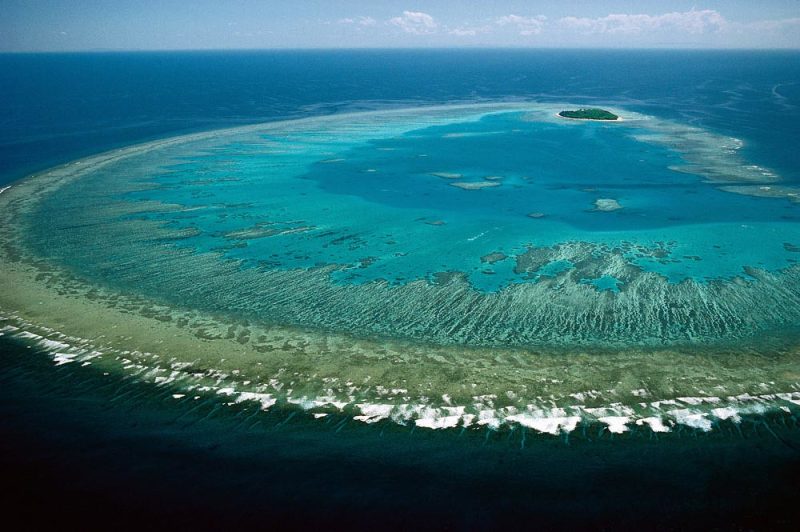
The Great Barrier Reef stretches over 2,300 kilometers along Australia’s eastern coastline. This UNESCO World Heritage site ranks among the original Seven Natural Wonders of the World.
The reef system comprises over 1,000 islands, including coral cays, mangrove islands, and continental islands. Its vibrant turquoise waters and pristine coral formations create an underwater paradise.
Visitors can explore the reef through snorkeling, scuba diving, or glass bottom boat tours. Popular destinations include Cairns, which offers fast accessibility and diverse tour options.
Green Island stands out with its unique combination of coral reef and rainforest. Fitzroy Island provides another excellent base for reef exploration.
The reef spans such a vast area that it remains visible from space. White sand beaches, sea turtles, and colorful marine life await travelers seeking this bucket-list destination.
8. Santorini’s Caldera
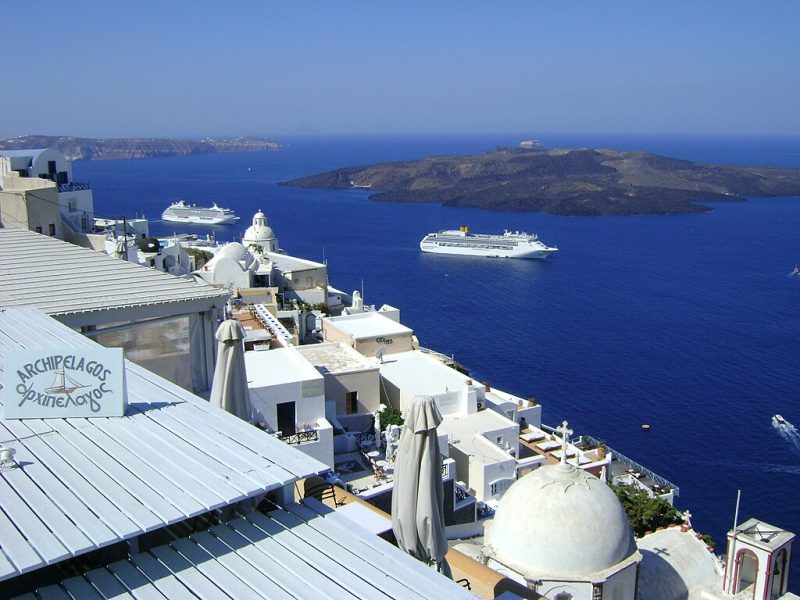
Santorini’s crescent-shaped caldera stands as one of Greece’s most stunning natural formations. This volcanic crater was formed thousands of years ago when a massive eruption reshaped the island’s landscape.
The caldera stretches across the Aegean Sea, creating a dramatic backdrop of deep blue waters surrounded by towering cliffs. White-washed buildings perch along the rim, contrasting beautifully against the dark volcanic rock.
Visitors can admire the caldera from multiple viewpoints throughout the island. The villages of Oia and Fira offer particularly spectacular panoramas, especially during sunset hours.
A boat trip to the volcanic islet of Nea Kameni provides a unique perspective from within the caldera itself. This 15-minute journey from Fira allows travelers to appreciate the full scale of this geological wonder.
The caldera’s combination of volcanic history, pristine waters, and clifftop architecture creates an unforgettable visual experience that attracts photographers and travelers from around the world.
9. Petra, Jordan
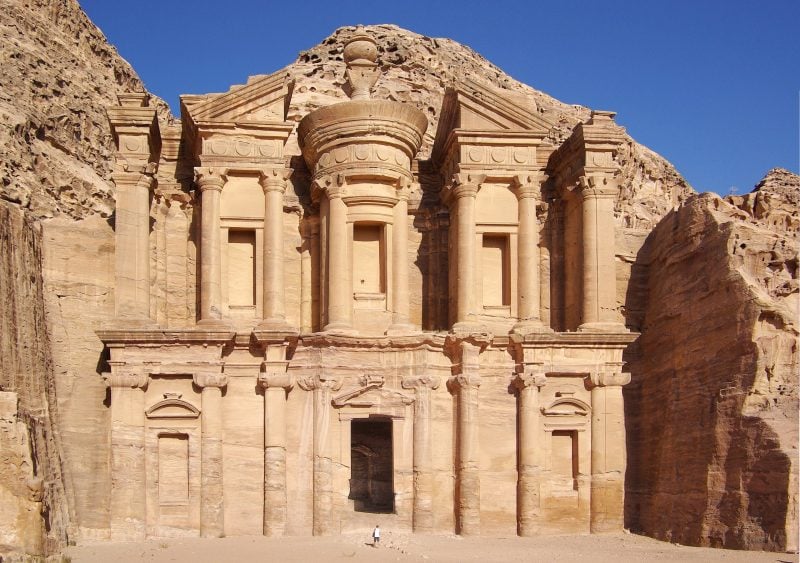
Petra stands as Jordan’s most iconic archaeological wonder, carved directly into rose-colored sandstone cliffs. The ancient Nabatean city dates back over 2,000 years and earned UNESCO World Heritage status for its remarkable preservation.
The Treasury serves as Petra’s most famous landmark. Visitors encounter this magnificent façade after walking through the narrow Siq canyon entrance, creating one of travel’s most dramatic reveals.
The Monastery represents another architectural masterpiece within the site. This massive structure requires a steep hike but rewards visitors with intricate rock-cut details and sweeping desert views.
Ancient tombs, temples, and dwellings fill the expansive archaeological park. The High Place of Sacrifice offers panoramic vistas across the entire complex and surrounding Jordanian landscape.
Petra’s unique rose-red stone creates stunning color variations throughout the day as sunlight shifts across the carved facades.
10. Serengeti National Park, Tanzania
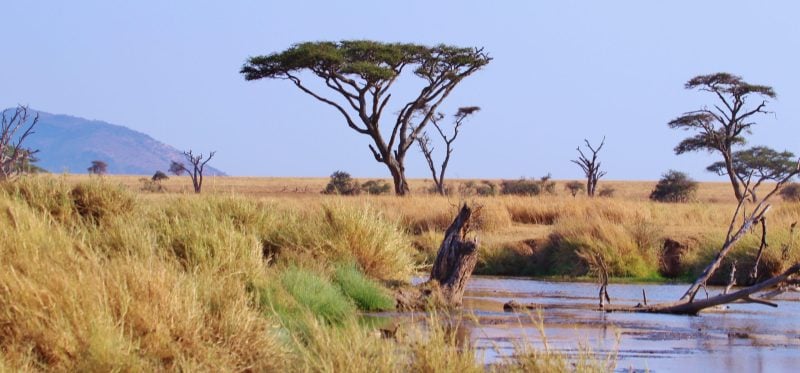
The Serengeti National Park spans the vast plains of northern Tanzania, creating one of Africa’s most spectacular wildlife destinations. This UNESCO World Heritage Site covers approximately 5,700 square miles of pristine savannah and grasslands.
The park is world-renowned for hosting the Great Migration. Each year, over two million wildebeest and zebras journey across the plains in search of fresh grazing areas and water sources.
Visitors can observe the Big Five animals throughout the year, including lions, leopards, elephants, buffalo, and rhinoceros. The central Seronera region offers particularly excellent wildlife viewing opportunities.
The name “Serengeti” comes from the Maasai word “Siringet,” meaning endless plains. These rolling grasslands stretch to the horizon, creating breathtaking landscapes that define the African safari experience.
11. Plitvice Lakes National Park, Croatia
Plitvice Lakes National Park stands as Croatia’s largest and most famous national park. The park features 16 interconnected lakes that cascade into each other through a series of waterfalls.
Designated as Croatia’s first national park in 1949, it later became a UNESCO World Heritage Site in 1979. The park represents the oldest national park in Southeast Europe.
Visitors can explore the turquoise waters via wooden boardwalks suspended above the lakes. The park offers four different hiking trails and seven routes, accommodating various fitness levels and time constraints.
Dense forests surround the terraced lakes, creating a natural wonderland with over 90 waterfalls. The park sits conveniently between major Croatian cities, approximately 2-2.5 hours by car from both Zadar and Zagreb.
Two entrance points provide access to the park’s upper and lower lake sections. Public buses and organized tours connect the park to Croatia’s main urban centers.
12. Kyoto, Japan
Kyoto stands as Japan’s ancient capital and cultural heart. The city preserves thousands of years of history through its temples, shrines, and traditional architecture.
Visitors discover serene Buddhist temples like Kinkaku-ji with its golden pavilion reflecting in peaceful ponds. The famous bamboo groves of Arashiyama create natural tunnels of towering green stalks.
Traditional neighborhoods showcase wooden machiya houses and narrow stone-paved streets. Geishas still walk through the historic Gion district in their colorful kimono.
The city’s gardens display meticulous Japanese landscaping principles. Cherry blossoms transform the landscape each spring while autumn brings brilliant red maple leaves.
Kyoto contains over 2,000 temples and shrines scattered throughout its districts. Many sites hold UNESCO World Heritage status for their cultural significance.
The ancient capital offers glimpses into Japan’s imperial past while maintaining its spiritual atmosphere. Food markets and traditional craft shops line the old streets between sacred sites.
13. Patagonia, Argentina and Chile
Patagonia stretches across the southern regions of both Argentina and Chile, offering some of Earth’s most pristine wilderness. This vast territory encompasses towering mountains, ancient glaciers, and windswept plains.
The Perito Moreno Glacier stands as one of Argentina’s most iconic attractions. Visitors can witness massive ice chunks calving into turquoise waters.
Torres del Paine National Park in Chile features dramatic granite spires rising from emerald lakes. The park provides world-class trekking opportunities through diverse landscapes.
Lake Nahuel Huapi near Bariloche offers scenic boat navigation through crystal-clear waters. The surrounding Andes create a stunning backdrop for outdoor activities.
El Chaltén serves as Argentina’s trekking capital, with trails leading to spectacular viewpoints like Laguna de los Tres. Mount Fitz Roy dominates the skyline with its jagged peaks.
Patagonia combines adventure sports, wildlife viewing, and breathtaking scenery into an unforgettable experience.
14. The Grand Canyon, USA
The Grand Canyon stands as one of America’s most famous natural attractions. This UNESCO World Heritage site draws millions of visitors annually to its 1.2 million acres of dramatic landscape.
The South Rim offers the most accessible viewpoints and remains open year-round. Visitors can explore numerous overlooks that showcase the canyon’s layered rock formations and vast depth.
The North Rim provides a different perspective with fewer crowds and cooler temperatures. It typically operates from mid-May through October due to seasonal weather conditions.
Both rims feature scenic drives and walking trails suitable for various fitness levels. The canyon stretches 277 river miles long and reaches depths of over a mile in some areas.
Helicopter tours offer aerial views of the canyon’s winding passages and towering cliffs. River rafting through the Colorado River provides an entirely different experience from the canyon floor.
15. Phi Phi Islands, Thailand
The Phi Phi Islands consist of two main islands in Thailand’s Krabi province. Phi Phi Don hosts hotels and restaurants while Phi Phi Leh remains uninhabited.
These limestone islands feature turquoise lagoons and pristine beaches. Maya Bay on Phi Phi Leh gained international fame as a filming location.
Visitors can explore vibrant coral reefs through snorkeling and diving. The clear waters of the Andaman Sea provide excellent visibility for underwater activities.
Towering limestone cliffs create dramatic backdrops throughout the archipelago. Several viewpoints offer panoramic views of the surrounding islands and sea.
Day trips from Phuket make the islands accessible by boat. Travelers can also stay overnight on Phi Phi Don to experience the local nightlife and dining scene.
16. Amalfi Coast, Italy
The Amalfi Coast stretches along Italy’s southern coastline, featuring dramatic cliffs that plunge into azure Mediterranean waters. This UNESCO World Heritage Site captivates visitors with its collection of picturesque towns built into mountainous terrain.
Positano stands as the most photographed destination, with its pastel-colored houses cascading down steep hillsides. The town’s narrow streets and stunning coastal views draw millions of visitors annually.
Amalfi town houses the magnificent Cathedral of Saint Andrew, reached by an imposing staircase in the central piazza. The historic cathedral represents one of the coast’s most iconic landmarks.
Ravello perches high above the coastline, offering breathtaking panoramic views across the Tyrrhenian Sea. Smaller villages like Atrani and Furore provide quieter alternatives while maintaining the region’s characteristic beauty.
The coastline combines sparkling waters, terraced lemon groves, and majolica-domed churches to create one of Italy’s most spectacular destinations.
17. The Swiss Alps, Switzerland
The Swiss Alps dominate Switzerland’s landscape with over 200 peaks exceeding 3,000 meters above sea level. These majestic mountains create some of Europe’s most spectacular scenery.
The Matterhorn stands as the region’s most iconic peak. Its distinctive pyramid shape attracts climbers and photographers from around the world.
Charming alpine villages nestle throughout the valleys. These settlements offer traditional Swiss architecture and authentic mountain culture.
The Bernina Express provides stunning rail journeys through the Alps. Passengers witness glaciers, mountain lakes, and dramatic vistas from comfortable train cars.
Winter transforms the region into a premier skiing destination. Summer brings excellent hiking opportunities across well-maintained mountain trails.
Turquoise lakes reflect surrounding peaks throughout the alpine landscape. These pristine waters add brilliant color to the mountain scenery.
The Swiss Alps combine natural beauty with accessible tourism infrastructure, making them appealing to both adventure seekers and casual travelers.
18. Santorini’s Oia Village
Oia sits perched on Santorini’s northern cliff edge, overlooking the deep blue Aegean Sea. The village features iconic whitewashed houses cascading down volcanic cliffs and blue-domed churches that define Greek island architecture.
Forbes recently recognized Oia as one of the world’s most beautiful villages. The recognition stems from its dramatic caldera views and pristine Cycladic design.
Visitors flock to Oia for its legendary sunsets viewed from the Byzantine Castle ruins. The village offers narrow cobblestone paths lined with boutique shops and traditional tavernas.
The contrast between white buildings and azure waters creates stunning photographic opportunities. Oia’s compact size allows exploration on foot within a few hours.
Despite heavy tourism, the village maintains its authentic Greek character. Morning visits provide quieter moments to appreciate the architecture and panoramic views without crowds.
19. Iceland’s Blue Lagoon
Iceland’s Blue Lagoon stands as one of the world’s most recognizable geothermal spas. The lagoon features milky-blue waters heated naturally by underground geothermal activity.
The mineral-rich seawater maintains temperatures between 98-102°F year-round. Silica, algae, and minerals give the water its distinctive blue color and therapeutic properties.
Located on the Reykjanes Peninsula, the lagoon sits surrounded by black lava fields. This contrast creates a surreal landscape that attracts visitors from around the globe.
The spa offers various amenities including in-water massages and silica mud masks. Guests can enjoy these treatments while soaking in the warm waters.
National Geographic recognized the Blue Lagoon as one of 25 wonders of the world. The site transforms the harsh Icelandic environment into a peaceful retreat where relaxation meets natural beauty.
20. Cappadocia, Turkey
Cappadocia stands as one of Turkey’s most extraordinary destinations. The region’s fairy chimneys rise from the landscape like stone towers, formed by millions of years of volcanic activity and erosion.
Hot air balloon rides offer breathtaking sunrise views across the surreal terrain. Hundreds of colorful balloons drift over the valleys each morning, creating an unforgettable spectacle.
The Goreme Open-Air Museum showcases ancient rock-cut churches decorated with Byzantine frescoes. These underground sanctuaries reveal the area’s rich Christian heritage dating back centuries.
Underground cities carved into the soft volcanic rock once sheltered entire communities. Visitors can explore these multi-level complexes that extend deep beneath the surface.
The valleys of Cappadocia feature unique geological formations and hiking trails. Each valley offers distinct rock formations and hidden cave churches waiting to be discovered.
21. Hallstatt, Austria
Hallstatt sits on the western shore of Lake Hallstatt in Austria’s Salzkammergut region. This UNESCO World Heritage Site is home to fewer than 1,000 residents.
The village nestles between crystal-clear lake waters and the towering Dachstein mountains. Steep Alpine peaks create a dramatic backdrop for the historic buildings below.
Traditional Austrian architecture lines the lakefront with colorful houses and church spires. The 16th-century Protestant parish church offers panoramic views across the water.
Visitors can explore ancient salt mines that gave the town its name and wealth. The Hallstatt Salt Mine provides guided tours through centuries-old tunnels.
Lake Hallstatt allows for boat trips and swimming during warmer months. The surrounding mountains offer hiking trails with varying difficulty levels.
The village attracts travelers seeking authentic Alpine charm without the crowds of larger Austrian cities.
22. The Seychelles
The Seychelles archipelago consists of 115 islands scattered across the Indian Ocean. These pristine islands offer some of the world’s most photographed beaches and untouched natural beauty.
Anse Lazio on Praslin Island ranks among the planet’s most stunning beaches. Its powdery white sand meets turquoise waters, framed by distinctive granite boulders that create postcard-perfect scenery.
Anse Source D’Argent delivers equally breathtaking views with its unique rock formations. The beach’s crystal-clear waters and dramatic landscape make it a favorite filming location for international productions.
Praslin Island houses the Vallée de Mai Nature Reserve within Praslin National Park. This UNESCO World Heritage site protects rare endemic species and ancient palm forests.
The islands combine luxury resorts with diverse wildlife experiences. Visitors can explore nature reserves, historic sites, and some of Earth’s most unspoiled coastal environments in a single destination.
23. Lake Louise, Canada
Lake Louise sits in the heart of Banff National Park in the Canadian Rockies. The lake displays stunning turquoise waters that reflect the surrounding snow-capped peaks.
This pristine wilderness destination attracts over 3.6 million visitors annually. The glacial lake maintains its distinctive blue-green color year-round due to fine rock particles suspended in the water.
Visitors can rent canoes to paddle across the calm waters during summer months. The lake offers excellent hiking trails that lead to panoramic viewpoints of the surrounding mountains.
Winter transforms Lake Louise into a frozen wonderland perfect for ice skating and cross-country skiing. The nearby Chateau Lake Louise provides luxury accommodations with direct lake views.
The area serves as a gateway to exploring other notable lakes in the region, including Moraine Lake and Emerald Lake.
24. Dubai, UAE
Dubai stands as one of the world’s most visually striking modern cities. The skyline features the iconic Burj Khalifa, reaching 2,715 feet into the sky as the world’s tallest building.
The city blends futuristic architecture with luxury experiences. Visitors can observe panoramic views from observation decks or admire the towering structures from ground level.
Dubai’s coastline stretches along the Persian Gulf, offering pristine beaches against a desert backdrop. The contrast between golden sand dunes and azure waters creates memorable landscapes.
The city showcases architectural marvels beyond skyscrapers. Luxury hotels feature stunning suites with marble and gold finishes, while shopping destinations offer world-class retail experiences.
Traditional souks provide cultural depth alongside modern attractions. The combination of heritage markets and contemporary developments gives Dubai its unique visual character.
25. Cinque Terre, Italy
Five colorful villages cling to dramatic cliffsides along Italy’s Ligurian coast. This UNESCO World Heritage Site features pastel-colored houses cascading down terraced hillsides to the Mediterranean Sea.
Each village offers distinct character and charm. Monterosso al Mare provides sandy beaches, while Vernazza showcases a picturesque harbor surrounded by medieval architecture.
Ancient hiking trails connect the settlements through vineyards and olive groves. The Sentiero Azzurro offers breathtaking coastal views as it winds between villages.
Narrow cobblestone streets lead visitors through centuries-old neighborhoods. Local restaurants serve fresh seafood and regional specialties like pesto and focaccia.
The dramatic landscape combines rugged coastline with terraced agriculture. Steep cliffs drop directly into crystal-clear waters, creating striking contrasts between land and sea.
Train connections make village-hopping convenient for travelers. The coastal railway provides stunning views while linking all five communities efficiently.
26. New Zealand’s Fiordland National Park
Fiordland National Park covers over 1.2 million hectares in New Zealand’s Southland region. The park features dramatic fjords carved by ancient glaciers and towering vertical cliffs.
Milford Sound stands as the park’s most famous attraction. Visitors can take boat cruises through the fjord to witness cascading waterfalls and steep mountain walls rising from dark waters.
The park contains pristine rainforests and crystal-clear lakes including Te Anau and Manapouri. These bodies of water reflect surrounding peaks and offer additional cruise opportunities.
Te Anau Glowworm Caves provide an underground spectacle. Thousands of glowworms illuminate limestone caverns with natural blue-green light.
Hiking trails wind through diverse ecosystems supporting rare wildlife species. The park’s remote wilderness areas remain accessible primarily by helicopter due to extreme terrain.
Scenic flights offer aerial perspectives of the fjords and mountains. Fixed-wing aircraft, helicopters, and floatplanes provide different vantage points of this UNESCO World Heritage site.
27. Angkor Wat, Cambodia
Angkor Wat stands as the world’s largest religious monument, covering over 400 acres in northwestern Cambodia. This 12th-century temple complex represents the pinnacle of Khmer architecture and artistry.
The main temple features five iconic lotus-shaped towers that rise majestically above the jungle canopy. Intricate stone carvings and bas-reliefs cover nearly every surface, depicting Hindu mythology and historical scenes.
Sunrise at Angkor Wat offers one of the most spectacular views in Southeast Asia. The temple’s silhouette reflects perfectly in the surrounding moat as dawn light illuminates the ancient stones.
The Angkor Archaeological Park contains over 1,000 temples beyond the main structure. Notable temples include Bayon with its giant stone faces and Ta Prohm, where massive tree roots intertwine with ancient walls.
This UNESCO World Heritage site attracts millions of visitors annually, making it Cambodia’s premier tourist destination.
28. Morocco’s Chefchaouen
Chefchaouen sits nestled in Morocco’s Rif Mountains, earning recognition as the country’s “Blue Pearl.” The entire medina showcases buildings painted in striking shades of blue, creating a dreamlike atmosphere.
The historic medina forms a maze of narrow cobblestone streets and alleys. Visitors discover traditional markets, local cafes, and artisan shops throughout the old town.
Chefchaouen ranks 30th among the world’s 50 most beautiful villages in 2025 according to travel experts. The blue-washed walls contrast beautifully against the rugged mountain backdrop.
The Cascades d’Akchour waterfalls provide a popular day trip destination from the city. These natural pools offer swimming opportunities surrounded by mountain scenery.
The peaceful atmosphere attracts travelers seeking a quieter Moroccan experience. Local cats often rest on the painted blue steps, adding charm to the photogenic streets.
29. Whitehaven Beach, Australia
Whitehaven Beach stretches seven kilometers along Whitsunday Island in Queensland. The beach earned recognition as the world’s best beach for 2025 by Lonely Planet.
The sand consists of 98.9% pure silica, creating its distinctive white appearance. This fine sand produces a squeaking sound when walked on barefoot.
Crystal-clear turquoise waters contrast with the pristine white shoreline. The beach remains largely unspoiled and protected within the Whitsunday Islands National Park.
Access requires boat transportation from the mainland. Various tour operators offer day trips and sailing excursions to the beach.
Hill Inlet provides an elevated viewing point where visitors can observe swirling patterns of sand and water. The beach offers swimming, snorkeling, and photography opportunities in its protected marine environment.
30. Tulum, Mexico
Tulum sits on Mexico’s Caribbean coast in the Yucatan Peninsula. This coastal town combines ancient Mayan history with pristine tropical beaches.
The Tulum Archaeological Site features well-preserved ruins overlooking turquoise waters. These clifftop structures represent one of the last cities built by the Mayan civilization.
Cenotes Dos Ojos offers world-class diving and snorkeling experiences. These natural sinkholes provide crystal-clear freshwater swimming in underground cave systems.
Mayan Beach stretches along the coastline with white sand and calm waters. The beach provides an ideal setting for relaxation after exploring historical sites.
The town attracts visitors seeking both cultural experiences and beach destinations. Tulum’s location in Quintana Roo makes it easily accessible from other Mexican Caribbean attractions.
Ancient ruins, cenotes, and beaches create a unique combination rarely found in single destinations. This blend of history and natural beauty establishes Tulum as a distinctive travel location.
What Makes a Destination Beautiful?
Beauty in travel destinations stems from three core elements: breathtaking natural formations that showcase Earth’s geological artistry, cultural landmarks that reflect human creativity across centuries, and diverse ecosystems that support unique wildlife and plant species.
Natural Wonders and Landscapes
Geological formations create some of the world’s most striking visual experiences. The limestone cliffs of the Amalfi Coast stretch 50 kilometers along Italy’s Sorrento Peninsula, while glacial lakes in places like Banff National Park reflect snow-capped peaks with mirror-like precision.
Coastal beauty captivates travelers through dramatic contrasts. Greece’s Santorini combines volcanic black beaches with white-washed buildings perched on clifftops. Australia’s Great Barrier Reef offers underwater landscapes visible from above through crystal-clear waters.
Mountain ranges provide grandeur through sheer scale and diverse terrain. The Swiss Alps showcase jagged peaks, pristine valleys, and alpine meadows that change dramatically with seasons.
Unique landforms like Iceland’s geysers, Jordan’s red sandstone valleys, and China’s rainbow mountains demonstrate nature’s artistic capabilities through unusual colors, textures, and formations that exist nowhere else on Earth.
Cultural and Architectural Significance
Historical architecture transforms destinations into living museums. Ancient temples in Cambodia’s Angkor Wat complex span over 400 square kilometers, while European cathedrals like Malta’s Baroque structures showcase centuries of craftsmanship.
Urban design creates beauty through planned cityscapes. Singapore’s fusion of futuristic buildings with preserved colonial architecture demonstrates how modern development can enhance rather than diminish aesthetic appeal.
Traditional settlements offer authentic cultural experiences. Morocco’s medinas, with their intricate tile work and maze-like streets, preserve architectural techniques passed down through generations.
Cultural landscapes blend human activity with natural settings. Japan’s terraced rice fields and Tuscany’s vineyard-covered hills show how agricultural practices can create stunning visual harmony between people and environment.
Biodiversity and Unique Ecosystems
Endemic species make destinations irreplaceable for nature enthusiasts. Madagascar hosts lemurs found nowhere else, while the Galápagos Islands shelter unique tortoise populations that shaped evolutionary science.
Ecosystem diversity within single locations maximizes wildlife viewing opportunities. Costa Rica’s cloud forests transition from tropical rainforests to mountain environments within short distances, supporting everything from colorful birds to rare mammals.
Marine environments offer underwater beauty that rivals terrestrial landscapes. The Maldives’ coral atolls create natural aquariums where tropical fish, rays, and sharks thrive in protected lagoons.
Seasonal phenomena create temporary but spectacular displays. Kenya’s annual wildebeest migration and Japan’s cherry blossom season demonstrate how timing transforms already beautiful locations into extraordinary experiences.
Travel Tips for Visiting Iconic Destinations
Planning visits to the world’s most beautiful destinations requires careful timing, environmental awareness, and photography preparation. Success depends on understanding seasonal patterns, minimizing ecological impact, and mastering location-specific photography techniques.
Best Times to Visit
Tropical destinations like the Maldives and Bora Bora perform best during dry seasons from November to April. Visitors avoid heavy rainfall and benefit from calmer seas ideal for water activities.
European classics such as Santorini and the Swiss Alps offer distinct seasonal advantages. April through June provides mild weather and fewer crowds, while September through October delivers pleasant temperatures with autumn colors.
Desert locations including Jordan’s Petra and Morocco’s Sahara require careful timing. October through March offers comfortable daytime temperatures and cool evenings, avoiding scorching summer heat that can exceed 120°F.
Monsoon-affected regions like India’s Kerala and Southeast Asian destinations have specific windows. Thailand’s best weather occurs from November to February, while India’s hill stations shine from March to June.
Arctic destinations such as Iceland and Norway’s fjords demand winter visits for Northern Lights viewing between September and March. Summer months from June to August provide midnight sun experiences and accessible hiking trails.
Responsible Tourism and Conservation
Reef protection requires reef-safe sunscreen containing zinc oxide or titanium dioxide. Chemical sunscreens with oxybenzone and octinoxate cause coral bleaching and are banned in many marine parks.
Wildlife viewing demands maintaining prescribed distances from animals. Galapagos Islands enforce 6-foot minimums from wildlife, while African safari guidelines require staying in vehicles unless guides permit otherwise.
Local economies benefit when travelers book locally-owned accommodations and hire certified local guides. These choices keep tourism revenue within communities rather than flowing to international chains.
Waste reduction involves carrying reusable water bottles, shopping bags, and utensils. Many remote destinations lack recycling facilities, making waste prevention critical for environmental preservation.
Trail etiquette follows Leave No Trace principles including staying on marked paths, packing out all trash, and avoiding shortcut creation that causes erosion.
Capturing Stunning Photos
Golden hour timing occurs during the first hour after sunrise and final hour before sunset. This soft, warm light enhances landscape colors and reduces harsh shadows that plague midday photography.
Weather diversity creates dramatic photo opportunities beyond sunny conditions. Storm clouds, fog, and snow add mood and atmosphere to iconic landmarks that appear ordinary in standard weather.
Composition techniques include the rule of thirds, leading lines, and foreground elements. Placing horizons on third-lines rather than center creates more dynamic images, while rocks or vegetation in foregrounds add depth.
Equipment essentials vary by destination type:
- Wide-angle lenses capture expansive landscapes
- Polarizing filters reduce water glare and enhance sky contrast
- Tripods enable sharp long-exposure shots of waterfalls and night skies
- Extra batteries combat cold weather power drain in arctic locations
Local restrictions must be researched beforehand. Many temples prohibit flash photography, while some national parks restrict drone usage or require photography permits for commercial equipment.