The 30 Most Expensive Places to Live in the U.S. Ranked by Cost of Housing, Transportation and Daily Expenses
Living costs across the United States vary dramatically, with certain metropolitan areas commanding premium prices that far exceed the national average.
Housing, transportation, food, and services in these high-cost regions often create financial challenges for residents while also offering unique opportunities and amenities.
Understanding which cities rank among the most expensive helps individuals and families make informed decisions about relocation, career moves, and financial planning.
From coastal California cities to major East Coast metropolitan areas, these expensive locations span diverse geographic regions and reflect different economic factors that drive up living costs.
Here are the 30 most expensive places to live in the U.S.
1. Manhattan, New York City, NY
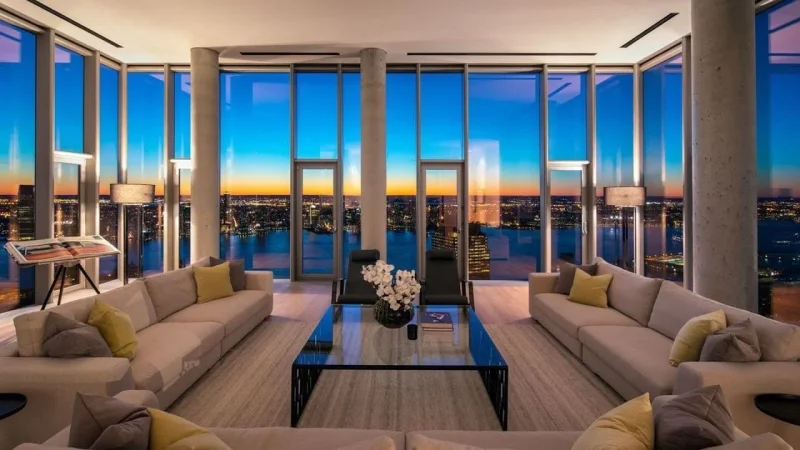
Manhattan remains America’s most expensive real estate market. The borough dominates New York City’s priciest neighborhoods with seven of the top ten spots.
NoHo holds the distinction as the most expensive neighborhood in the city. Luxury new development sales at buildings like 40 Bleecker Street drove prices to record highs.
Hudson Yards, Tribeca, and SoHo consistently rank among the top five costliest areas. These neighborhoods feature multimillion-dollar homes and exclusive amenities.
The Upper East Side and Little Italy also command premium prices. Manhattan’s median sale prices significantly exceed national averages across all its luxury districts.
Despite Brooklyn gaining ground with more neighborhoods in the top 50, Manhattan retains its position as the ultimate luxury destination. The borough’s real estate market continues attracting wealthy buyers seeking prestigious addresses.
2. San Francisco, California
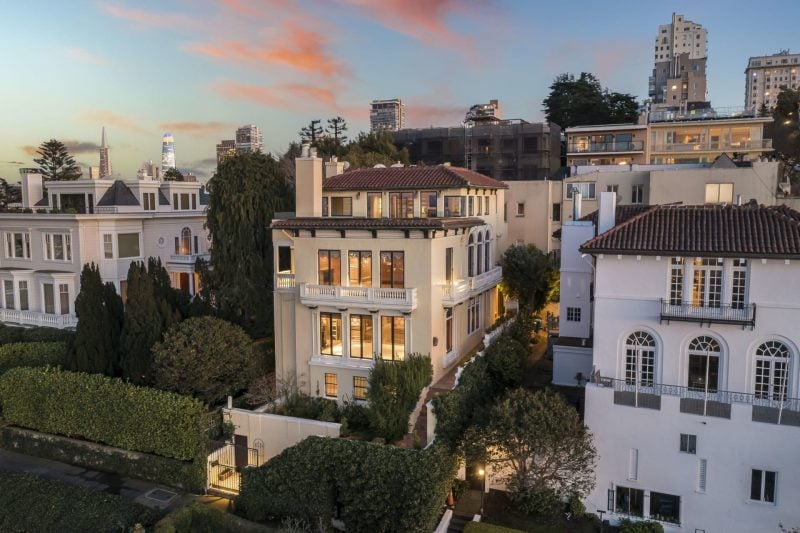
San Francisco stands as one of America’s most expensive cities, ranking consistently in the top tier nationwide. The average cost of living reaches approximately $3,781 per month, placing it among the world’s most costly urban areas.
Housing costs drive the city’s expensive reputation. The median home price sits around $1.29 million citywide, with average home values reaching $1.35 million according to recent data.
The city’s luxury neighborhoods far exceed these benchmarks. Areas like Pacific Heights, Presidio Heights, and Russian Hill command premium prices due to their prime locations and scenic views.
San Francisco ranks as the second most expensive major city in California and holds similar standing nationally. The combination of limited housing supply, high demand, and the city’s desirability as a tech hub maintains these elevated costs.
3. Honolulu, Hawaii

Honolulu ranks as the 15th most expensive city in the United States out of 99 cities analyzed. Residents need to earn $66.62 per hour to live comfortably in this Pacific island metropolis.
Hawaii maintains a cost of living index of 168.9, significantly higher than the national average. This makes the entire state the most expensive place to live in America.
Housing costs drive much of Honolulu’s high expenses. Median home prices in Hawaii are 95% more expensive than cities like San Francisco.
The city’s remote location in the Pacific Ocean contributes to elevated costs for imported goods and services. Nearly everything must be shipped thousands of miles from the mainland.
Despite high living costs, Honolulu residents benefit from lower property taxes compared to many mainland cities. The tropical climate and island lifestyle attract residents willing to pay premium prices for paradise living.
4. San Jose, California
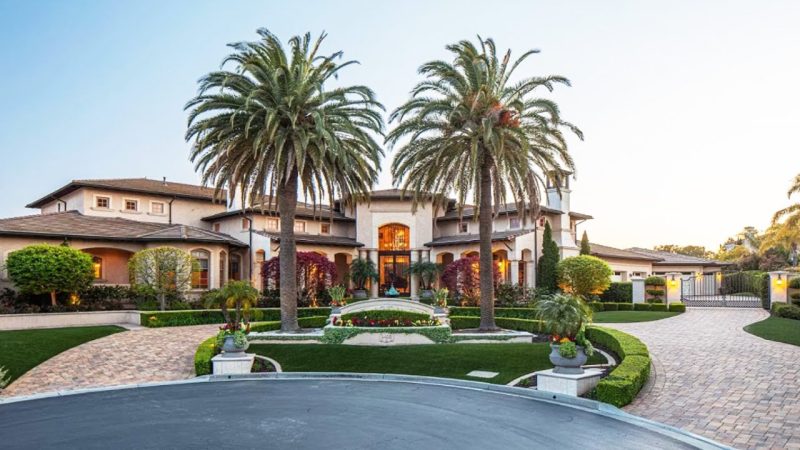
San Jose has claimed the top spot as the most expensive city in the United States, surpassing New York City. A single adult needs $147,430 annually to live comfortably in this Bay Area metropolis.
Families face even steeper costs. A family of four requires $371,571 per year to maintain a comfortable lifestyle in San Jose.
The housing market drives much of the expense. The median home price approaches $1.43 million, making San Jose the most expensive metro area for homebuyers nationwide.
Rental costs remain equally challenging. Even though renting costs less than buying, tenants still pay premium prices in one of America’s most expensive rental markets.
San Jose’s position in Silicon Valley contributes to these elevated living costs. High-paying tech jobs create demand that pushes housing and general living expenses to record levels.
5. Boston, Massachusetts

Boston ranks as the second most expensive city for rent in the world for one-bedroom apartments. The average rent near the city center reaches approximately $3,115 per month.
The city costs about 12.8% less than New York City overall. Boston consistently places among the top five most expensive places to live globally.
Home prices in the Boston metro area have reached record heights. Many surrounding suburbs command median home prices exceeding $1 million.
The Massachusetts capital attracts residents despite high costs due to its strong job market and educational institutions. Location factors heavily into the premium pricing throughout the greater Boston area.
Housing affordability remains a significant challenge for buyers in this market. Both rental and purchase prices continue to reflect the city’s desirable location and economic opportunities.
6. Washington, D.C.
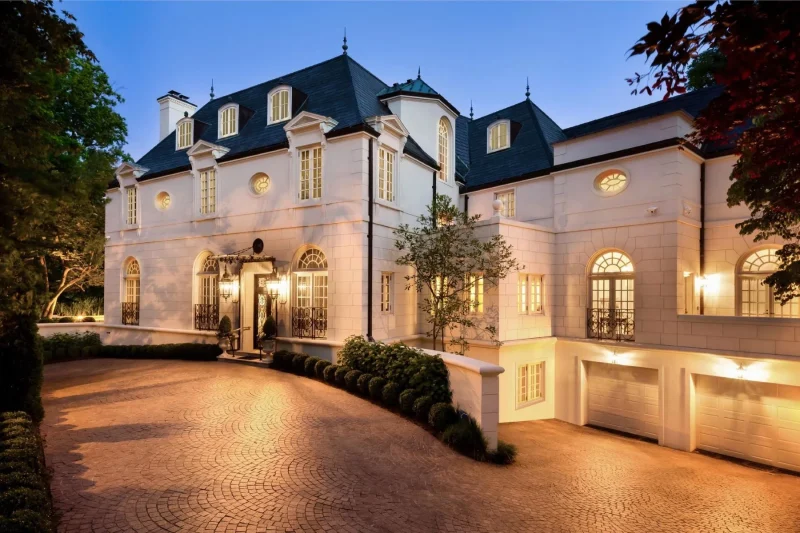
The nation’s capital ranks among the top expensive cities in America. Washington, D.C. consistently places fourth on national cost of living rankings.
Housing costs drive much of the expense in the D.C. area. Real estate prices and property taxes remain among the highest nationwide.
Daily necessities add to the financial burden. Groceries and gas cost significantly more than the national average.
The D.C. metro area ranks in the top 10 globally for cost of living according to recent international comparisons. This puts the region among the world’s most expensive places to live.
Different neighborhoods within Washington vary in cost. Some areas command premium prices that reflect the city’s economic opportunities and proximity to government centers.
The combination of high housing costs and elevated prices for everyday goods makes Washington, D.C. one of America’s most expensive metropolitan areas.
7. Los Angeles, California
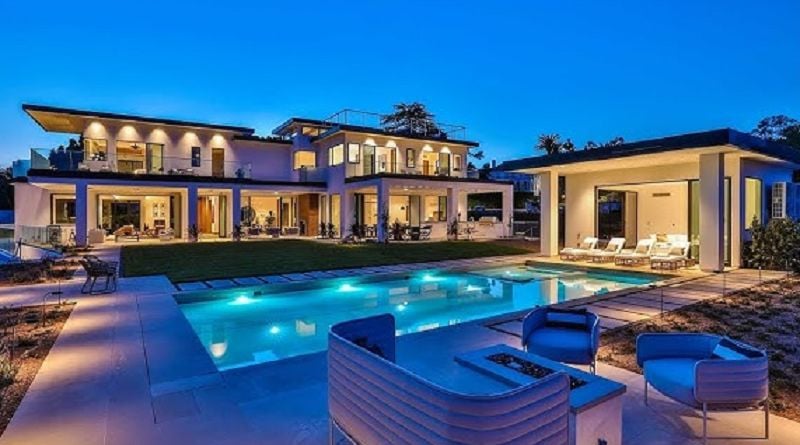
Los Angeles stands as one of America’s most expensive cities, driven by its desirable climate and entertainment industry presence. The city attracts wealthy residents seeking luxury properties and celebrity neighborhoods.
Beverly Hills, Malibu, and Santa Monica rank among the county’s priciest areas. These neighborhoods feature exclusive zip codes with sky-high median home prices that exceed most other U.S. markets.
The coastal location provides year-round sunshine and beach access. Properties in premium areas offer large parcels, privacy, and stunning views of mountains or ocean.
Real estate prices reflect the city’s status as an entertainment capital. Luxury homes command premium prices due to location, amenities, and proximity to Hollywood studios.
Downtown’s South Park neighborhood represents the more affordable end at $419 per square foot. However, the city’s wealthiest areas significantly exceed this baseline pricing.
8. Seattle, Washington
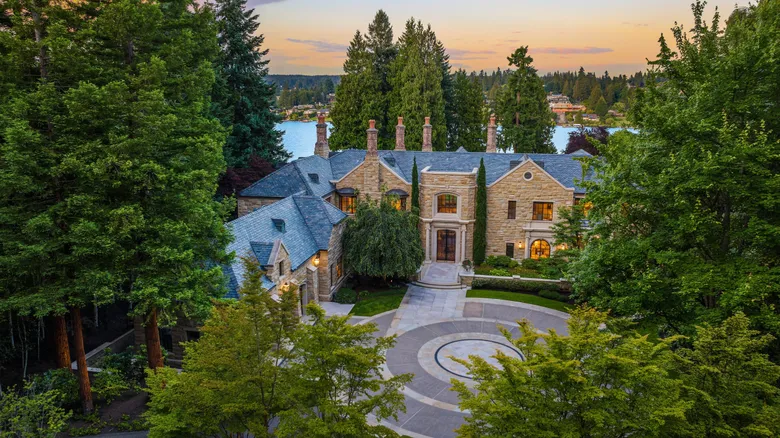
Seattle ranks as the 9th most expensive city to live in across the United States. The average cost of living reaches $3,162 per month, placing it in the top 1% globally.
Housing costs drive much of Seattle’s expense, running more than double the national average. The city’s most expensive neighborhoods like Denny Blaine feature median home prices around $2.2 million.
Beyond housing, residents face elevated prices for food, healthcare, and utilities. Utilities represent the cheapest category but still exceed national averages.
Two nearby cities, Kent and Everett, also rank among America’s 25 most expensive places to live. This reflects the broader Puget Sound region’s high cost structure.
Despite the financial burden, Seattle continues attracting residents drawn to its economic opportunities and cultural amenities.
9. San Diego, California
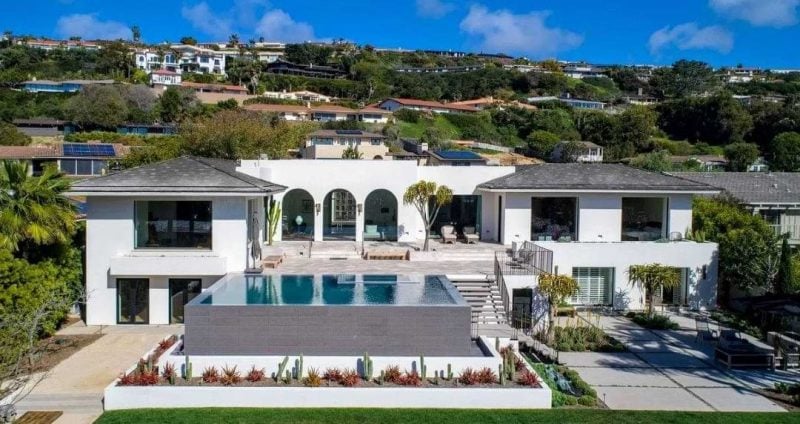
San Diego recently claimed the top position as the most expensive place to live in the United States according to U.S. News & World Report’s 2023-2024 rankings. The city moved up dramatically from its previous 10th place ranking.
Housing costs drive much of San Diego’s expense. The city’s real estate market ranks among the nation’s priciest, with both home values and rental prices reaching exceptional levels.
San Diego’s desirable features contribute to its high costs. The city offers year-round sunny weather, pristine beaches, and a balanced lifestyle between suburban comfort and urban amenities.
The elevated cost of living affects various groups differently. Businesses considering expansion, families choosing where to settle, and remote workers must carefully evaluate San Diego’s economic landscape when making relocation decisions.
10. Oakland, California
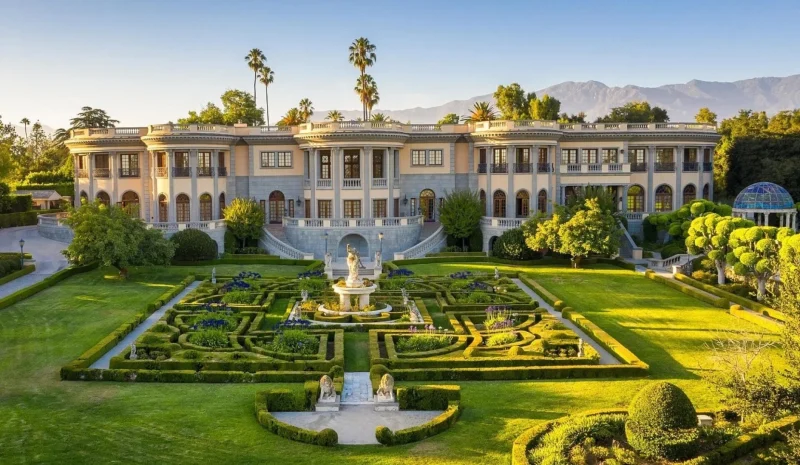
Oakland ranks among America’s most expensive cities with a cost of living score of 195.5. This means living expenses are 95.5% higher than the national average.
Housing costs drive much of Oakland’s expense. A single person pays an average of $1,711 monthly for housing, while families of four face $3,137 in monthly housing expenses.
The city’s neighborhoods show dramatic price variations. Crocker Highland stands as the wealthiest area based on median income data. Premium neighborhoods feature some of California’s highest real estate and rental prices.
Monthly living costs excluding rent reach $1,474 for individuals and $5,384 for families of four. Oakland costs about 4.7% less than Seattle but remains significantly above national averages.
The Bay Area location contributes to Oakland’s high expenses across groceries, services, and transportation.
11. Miami, Florida
Miami ranks as the fourth most expensive city to reside in according to U.S. News reports. The average median home price reaches $490,162 while the average salary sits at $54,790.
The city attracts young professionals to Miami proper. Miami Beach maintains its reputation for nightlife and entertainment.
Monthly rent averages approximately $2,930 throughout the metropolitan area. Housing costs represent the primary expense driver for residents.
The Miami metro area features some of Florida’s highest real estate prices. Waterfront properties and luxury developments contribute significantly to the elevated costs.
Cost of living expenses extend beyond housing to groceries, goods, and services. The combination of these factors places Miami among the nation’s most expensive cities for 2025.
12. Newark, New Jersey
Newark stands out as one of America’s most overpriced cities according to recent real estate analysis. The city has experienced significant transformation from its industrial past into high-end residential neighborhoods.
Housing costs in Newark have reached levels that place it among the nation’s most expensive markets. Some neighborhoods within the city command premium prices that rival major metropolitan areas.
The most expensive Newark neighborhoods feature some of New Jersey’s highest real estate and rental prices. These areas include costs for groceries, goods, services, and housing that exceed most residents’ budgets.
Newark’s proximity to New York City contributes to its elevated living costs. The city benefits from its location while developing its own high-value residential markets that attract affluent buyers seeking alternatives to Manhattan pricing.
13. Jersey City, New Jersey
Jersey City has emerged as one of America’s most expensive places to live. The city sits directly across the Hudson River from Manhattan, making it a prime location for professionals working in New York City.
Average rental prices reach approximately $5,500 per month according to recent data. This positions Jersey City among the nation’s costliest rental markets.
The city’s proximity to Manhattan drives much of its appeal and expense. Residents enjoy easy access to New York’s financial district and cultural amenities while living in New Jersey.
High-end neighborhoods within Jersey City command some of the highest real estate prices in the state. These areas attract wealthy professionals seeking luxury accommodations with Manhattan views.
The combination of location, amenities, and limited housing supply continues to push costs upward in this Hudson River city.
14. Santa Barbara, California
Santa Barbara ranks among California’s most expensive cities with an average cost of living of $3,450 monthly. The coastal city places 26th out of 319 California cities for overall expenses.
Housing costs drive the high living expenses. Single residents pay approximately $1,583 monthly for housing, which is 31.9% higher than the national average. Families of four face housing costs around $2,902 per month.
The Santa Barbara metropolitan area leads luxury real estate markets nationally. Ten percent of the most expensive property listings start at $8,950,000.
Real estate remains highly competitive with soaring prices and limited housing supply. The city’s beachfront location and scenic coastal setting contribute to sustained demand despite premium costs.
Santa Barbara’s proximity to beaches and desirable climate justify the elevated living expenses for many residents willing to pay for the lifestyle.
15. Nassau County, New York
Nassau County ranks among America’s most expensive residential areas. The median home value reaches $676,200, doubling the national average of $338,100.
This Long Island county benefits from proximity to Manhattan. Most neighborhoods sit within 30 to 45 minutes of New York City by car or train.
The cost of living index stands at 160.6, nearly 60% above the national average. The median household income of $143,408 significantly exceeds the U.S. median of $74,580.
Brookville leads as the wealthiest community with mean household incomes of $617,173. Other affluent areas include Hewlett Bay Park and Centre Island.
High-earning professionals drive demand for luxury housing while maintaining Manhattan careers. Strategic positioning near transportation corridors attracted this demographic over decades.
16. Arlington, Virginia
Arlington ranks among America’s most expensive places to live, with housing costs driving the premium. The Virginia county sits just across the Potomac River from Washington, D.C.
Families need approximately $143,640 annually to live comfortably in Arlington. This represents 121.7% more than the national average.
Housing prices per square foot place Arlington in the top 20 nationwide. The proximity to federal jobs and excellent schools maintains consistent demand.
Arlington County dominates Virginia’s luxury market with 14 of the state’s top 25 most expensive neighborhoods. Lyon Village stands as one of the most prestigious areas.
Country Club Hills offers ultra-exclusive living near Washington Golf and Country Club. These neighborhoods feature some of Northern Virginia’s most beautiful homes.
The high cost extends beyond housing to groceries, services, and general living expenses throughout the area.
17. Cambridge, Massachusetts
Cambridge ranks among Massachusetts’ most expensive cities for housing in 2025. The city’s proximity to Harvard University and MIT drives significant demand from academics, students, and technology professionals.
Real estate prices in Cambridge include some of the highest in Massachusetts. Many neighborhoods feature costs well beyond typical buyer budgets due to limited housing supply and strong educational institutions.
The city attracts residents seeking access to world-class universities and research facilities. Technology companies and startups also contribute to the area’s economic strength and housing demand.
Cambridge’s rental market reflects similar pricing pressures as the sales market. Graduate students, professors, and tech workers compete for limited housing options near major employers and academic centers.
Location advantages include public transportation access to Boston and proximity to innovation hubs. These factors maintain consistent property values despite high entry costs for new residents.
18. Boulder, Colorado
Boulder stands among Colorado’s most expensive cities and ranks in the top 25 most costly places to live nationwide. The city combines stunning mountain views with vibrant culture and abundant outdoor recreation opportunities.
Housing costs drive Boulder’s high expenses, with average home prices around $736,000. The median household income sits just over $72,000, creating significant housing affordability challenges for many residents.
The city attracts high-earning professionals and outdoor enthusiasts who value its proximity to hiking, skiing, and other mountain activities. Boulder’s economy benefits from technology companies, the University of Colorado, and research institutions.
Living costs extend beyond housing, with dining, entertainment, and services priced at premium levels. The city’s desirability and limited developable land continue pushing prices upward across all expense categories.
19. Berkeley, California
Berkeley ranks among California’s most expensive housing markets. Home prices in the city significantly exceed the state average of $772,924.
The East Bay city attracts residents with its proximity to San Francisco and prestigious University of California campus. This demand drives up real estate costs considerably.
Berkeley’s housing market outpaces similar-sized cities across the nation. The city’s desirable location and educated population contribute to sustained high property values.
Rental costs also reflect Berkeley’s expensive status. The city consistently ranks among California’s priciest rental markets alongside San Francisco and Los Angeles.
The combination of limited housing supply and strong demand from tech workers and university affiliates maintains Berkeley’s position as one of America’s most expensive places to live.
20. Austin, Texas
Austin has become one of Texas’s most expensive cities due to rapid population growth and a booming tech industry. The city attracts major companies and high-paying jobs, driving up housing costs significantly.
Home prices in Austin have reached some of the highest levels in Texas. Many neighborhoods now command premium prices that rival major metropolitan areas across the country.
The cost of living extends beyond housing to groceries, services, and entertainment. Young professionals and families face mounting pressure from rising rental prices and property values.
Certain Austin neighborhoods rank among the most expensive in the entire state. These areas feature luxury homes and upscale amenities that cater to affluent residents.
The city’s popularity continues to fuel demand while housing supply struggles to keep pace.
21. Chicago, Illinois
Chicago ranks as one of the most expensive places to live in the United States according to U.S. News and World Report. The city’s high cost stems from both elevated rent prices and general living expenses.
As the third-largest city in America with 2.75 million residents, Chicago’s expensive status reflects typical big-city economics. Housing costs drive much of the financial burden for residents.
The Chicago metropolitan area contains some of Illinois’ priciest real estate markets. Neighborhoods feature a mix of renovated brownstones, historic homes, and modern condos that command premium prices.
Living costs extend beyond housing to include transportation, dining, and entertainment expenses typical of major urban centers. The city’s desirable amenities and job opportunities contribute to sustained high demand and pricing.
22. Portland, Oregon
Portland stands as one of Oregon’s most expensive housing markets. The city attracts residents with its natural beauty and urban amenities.
Home prices in Portland have reached significant heights. The metro area includes some of the state’s priciest neighborhoods and suburbs.
Lake Oswego and Happy Valley rank among Oregon’s most expensive places to live. These Portland-area communities command premium prices for their desirable locations.
The city offers high-end amenities and scenic neighborhoods. Portland’s real estate market reflects strong demand for housing in the Pacific Northwest.
Buyers face affordability challenges as home values continue climbing. The metro area’s expensive housing costs place it among the nation’s pricier markets for homeownership.
23. Denver, Colorado
Denver ranks among the top 25 most expensive cities in the United States according to U.S. News and World Report. The Mile High City has experienced significant cost increases as construction booms continue throughout the metropolitan area.
Housing costs drive much of Denver’s expense. The median home price hovers around $580,000, requiring buyers to have substantial six-figure incomes to afford homeownership in the area.
The city’s desirable location and growing economy attract new residents despite high costs. Denver offers access to outdoor recreation, a vibrant job market, and cultural amenities that justify the premium pricing for many residents.
Rental costs also contribute to Denver’s expensive reputation. The combination of high housing demand and limited inventory keeps both purchase and rental prices elevated compared to national averages.
24. Scottsdale, Arizona
Scottsdale stands as one of Arizona’s most expensive cities to live in. The city attracts affluent residents with its luxury real estate market and upscale amenities.
High-end neighborhoods throughout Scottsdale feature some of the highest property values in Arizona. These exclusive communities offer resort-style living with premium amenities.
The cost of living extends beyond housing to include expensive dining and shopping options. Residents pay premium prices for goods and services throughout the city.
Scottsdale’s desert location provides stunning landscapes that contribute to its desirability. The city maintains its reputation as a luxury destination within the Phoenix metropolitan area.
Prospective buyers with substantial budgets find numerous elegant communities offering five-star hotel-level amenities. The city continues attracting high-income professionals and retirees seeking upscale desert living.
25. Anchorage, Alaska
Anchorage ranks as Alaska’s most expensive city to live in. The cost of living significantly exceeds the national average due to elevated housing, healthcare, and transportation expenses.
The city’s average monthly cost of living reaches $2,408. This places Anchorage in the top 11% of the world’s most expensive cities globally.
Housing costs drive much of the expense in Anchorage. The city contains some of Alaska’s highest real estate and rental prices across its various neighborhoods.
Despite the high costs, Anchorage maintains a strong local economy. The city offers residents access to urban amenities while remaining surrounded by Alaska’s wilderness.
Transportation costs add to the overall expense of living in Anchorage. The city’s remote location increases the price of goods and services compared to the continental United States.
26. Santa Monica, California
Santa Monica stands as one of California’s most expensive coastal cities. The beachside community sits directly on the Pacific Ocean in western Los Angeles County.
The median home price reaches $3,230,000, placing it among the priciest locations in LA County. This coastal premium reflects the city’s desirable oceanfront location and high-end real estate market.
Living costs in Santa Monica exceed national averages by 61.7%. The average cost of living totals $3,595, ranking it among the top 0.3% of most expensive cities globally.
The city offers iconic attractions like Santa Monica Pier and vibrant downtown areas. These amenities contribute to sustained housing demand and elevated property values.
Santa Monica’s combination of urban convenience and coastal lifestyle commands premium prices. The location attracts residents willing to pay significantly more for beachside living within the greater Los Angeles area.
27. Virginia Beach, Virginia
Virginia Beach offers a unique coastal living experience with housing costs that sit 13.5% higher than the national average. A single person can expect to pay around $1,362 monthly for housing, while families of four typically spend $2,497.
The city maintains a BestPlaces Cost of Living score of 104.8. This means total living expenses run 4.8% above the national average.
Despite higher housing costs, Virginia Beach provides reasonable value compared to other coastal cities. The area features beautiful oceanfront properties and established neighborhoods that have shown consistent appreciation.
Certain neighborhoods like Bay Colony demonstrate strong market performance. These communities attract residents seeking coastal amenities without proximity to major metropolitan economic centers.
Virginia Beach balances higher housing expenses with attractive beach access and community features. The city’s cost structure reflects its desirable coastal location while remaining more accessible than many comparable seaside markets.
28. Napa, California
Napa ranks among America’s most expensive places to live, with an average monthly cost of living reaching $3,504 per person. The city places in the top 0.4% globally for living expenses.
Families need approximately $13,770 per month to maintain a comfortable lifestyle in Napa. This translates to $165,240 annually, representing 155% more than the national average.
The renowned wine region attracts affluent residents and drives up housing costs significantly. Home values in Napa County consistently rank among California’s highest outside major metropolitan areas.
Napa’s position as a world-class wine destination creates sustained demand for luxury housing. The city’s proximity to San Francisco Bay Area employment centers adds additional upward pressure on real estate prices.
Living costs extend beyond housing, with dining, entertainment, and basic services commanding premium prices throughout the valley.
29. Palm Beach, Florida
Palm Beach ranks among Florida’s most expensive places to live. This barrier island city attracts wealthy residents and seasonal visitors.
The median household income reaches $190,800, making it the richest city in Florida. Home prices reflect this affluence significantly.
The median home price in Palm Beach sits at approximately $2,475,000. Average home selling prices reached $3,869,877 in 2023.
Monthly owner costs exceed $4,000 for residents. The city’s year-round population of 9,521 swells by 25,000 during peak season from November to April.
Palm Beach houses an estimated 30 billionaires among its residents. The area features one of Florida’s most expensive zip codes.
Beachfront mansions and pristine white sand beaches define the landscape. The city’s reputation as a luxury destination drives high living costs throughout the community.
30. Bridgeport, Connecticut
Bridgeport ranks as one of Connecticut’s most expensive cities, with housing costs significantly above national averages. The city’s cost of living scores 138.6 on the BestPlaces index, making it 38.6% more expensive than the U.S. average.
Home prices in Bridgeport exceed the state average of $393,792. The city sits within the Bridgeport-Stamford-Norwalk metropolitan area, which contains multiple high-cost communities.
Despite being 24% lower than Connecticut’s overall average cost of living, Bridgeport remains expensive by national standards. The city’s proximity to New York City drives much of its housing demand.
Connecticut ranks as the 8th most expensive state nationally. Bridgeport benefits from this broader economic environment while serving as a major urban center with a substantial population base.
Key Factors Influencing High Cost of Living
The most expensive places to live in the U.S. share common characteristics that drive up living costs significantly above national averages. Housing markets, taxation policies, and premium amenities create perfect storms of elevated expenses.
Real Estate Market Dynamics
Housing costs represent the largest expense factor in high-cost cities. Manhattan leads with median home prices exceeding $1.5 million, while San Francisco follows closely with similar price points.
Limited land availability drives prices higher in geographically constrained areas. Cities like San Francisco and Manhattan cannot expand outward, creating artificial scarcity that inflates property values.
Key Price Drivers:
- Supply constraints from zoning restrictions and development limitations
- Foreign investment inflating luxury property markets
- Tech industry concentration creating bidding wars for housing
- Historic preservation reducing available development sites
Rental markets mirror purchase prices in expensive cities. New York’s average rental cost reached $4,340 in 2025, reflecting the broader housing shortage affecting both ownership and rental markets.
Construction costs in major metropolitan areas often exceed $400 per square foot. Labor shortages and stringent building codes contribute to these elevated development expenses.
Local Tax Rates and Utility Costs
State and local tax burdens vary dramatically across expensive cities. New York residents face combined state and city income taxes reaching 13.3% for high earners.
Property taxes compound housing expenses beyond purchase or rental costs. Counties in New Jersey and New York often impose effective property tax rates exceeding 2% annually.
Sales taxes add daily expense burdens in expensive cities. California’s combined state and local sales taxes can reach 10.75% in some areas.
Tax Impact Examples:
- New York: 8.82% state income tax plus city taxes
- California: 13.3% top state rate plus local assessments
- Hawaii: 4% general excise tax on most transactions
Utility costs reflect both usage patterns and regional pricing structures. Hawaiian residents pay among the nation’s highest electricity rates due to imported fuel dependency.
Demand for Luxury Amenities
High-income residents in expensive cities expect premium services and amenities. These expectations drive up costs for dining, entertainment, and personal services across entire metropolitan areas.
Restaurant prices reflect both higher commercial rents and elevated labor costs. Fine dining establishments in Manhattan and San Francisco charge 40-60% more than comparable restaurants in mid-tier cities.
Premium grocery stores and specialty food retailers dominate expensive neighborhoods. Whole Foods and similar chains command higher prices while serving affluent customer bases seeking organic and artisanal products.
Luxury Service Premiums:
- Personal training: $100-200 per session
- Childcare services: $25-35 per hour
- House cleaning: $150-300 per visit
- Concierge services: $50-100 monthly fees
Cultural attractions and entertainment venues price tickets according to local income levels. Broadway shows, professional sports, and concert venues adjust pricing to match what affluent residents can afford.
Private schools and exclusive clubs maintain waiting lists with annual fees reaching five figures. These amenities attract wealthy residents while simultaneously increasing the overall cost structure for entire communities.
How High Costs Impact Daily Life
Living in expensive cities fundamentally alters how residents manage their finances and make daily decisions. Housing typically consumes 40-50% of household income, while transportation costs can add another 15-20% to monthly expenses.
Housing Affordability Challenges
Rent burden affects the majority of residents in expensive cities. Many households spend over 30% of their income on housing, with some paying 50% or more in cities like San Francisco and New York.
The average monthly rent for a one-bedroom apartment exceeds $3,000 in Manhattan and San Francisco. This forces residents to make difficult choices between location, space, and financial stability.
Homeownership becomes nearly impossible for middle-income earners. Median home prices in these cities often require household incomes of $150,000 or more to qualify for mortgages.
Young professionals frequently share apartments well into their thirties. Multi-generational living arrangements become common as families pool resources to afford housing costs.
The “drive until you qualify” phenomenon pushes workers to live hours away from employment centers. This creates longer commutes but provides access to more affordable housing options.
Transportation and Commuting Costs
Public transportation costs add significant monthly expenses. Monthly transit passes range from $100-200 in major cities, not including occasional ride-sharing or taxi fees.
Car ownership in expensive cities involves multiple cost layers. Parking spots can cost $200-600 monthly, while gas and insurance rates exceed national averages by 20-40%.
Commute times extend as workers seek affordable housing farther from city centers. Average round-trip commutes of 2-3 hours become standard, reducing quality of life and increasing transportation expenses.
Bridge tolls, congestion pricing, and premium parking fees create additional daily costs. Workers in Manhattan might pay $15-25 daily just for bridge crossings and parking.
The combination of housing distance and transportation costs often equals the savings from cheaper rent. This creates a financial trap where residents cannot easily relocate to more affordable areas.