The 30 Richest High Schools in the Northern U.S.: Elite Educational Institutions
The northern United States contains a remarkable concentration of wealthy high schools that combine substantial endowments, expensive facilities, and prestigious reputations.
These institutions, primarily consisting of elite private schools and well-funded academies, represent some of the most financially robust educational environments in the country.
These schools demonstrate how significant financial resources can shape educational opportunities through advanced facilities, extensive extracurricular programs, and generous scholarship offerings.
From historic New England preparatory schools to innovative academies across the northern states, these institutions showcase the intersection of wealth and education in American high schools.
Here are the 30 richest high schools in the Northern U.S.
1. The Hotchkiss School, Connecticut
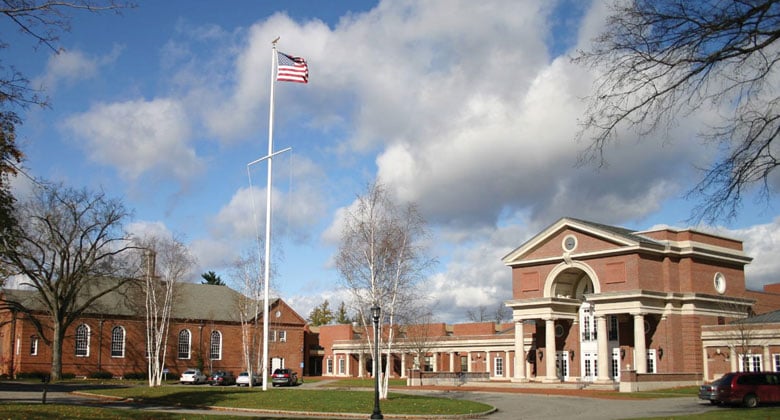
The Hotchkiss School stands as Connecticut’s most prestigious boarding institution. Located in Lakeville, this private preparatory school serves approximately 600 students in grades 9-12 plus postgraduates.
Founded in 1891, Hotchkiss was among the first English-style boarding schools in America. The institution pioneered student financial aid programs from its inception.
Niche ranked Hotchkiss as the top private high school and boarding school in America for 2026. The school also earned recognition as Connecticut’s best high school for STEM programs.
The campus combines academic excellence with substantial endowment resources. Students benefit from extensive college preparatory programs and impressive university acceptance rates.
Hotchkiss maintains its position among Connecticut’s wealthiest educational institutions through decades of strong alumni support and strategic financial management.
2. Phillips Exeter Academy, New Hampshire
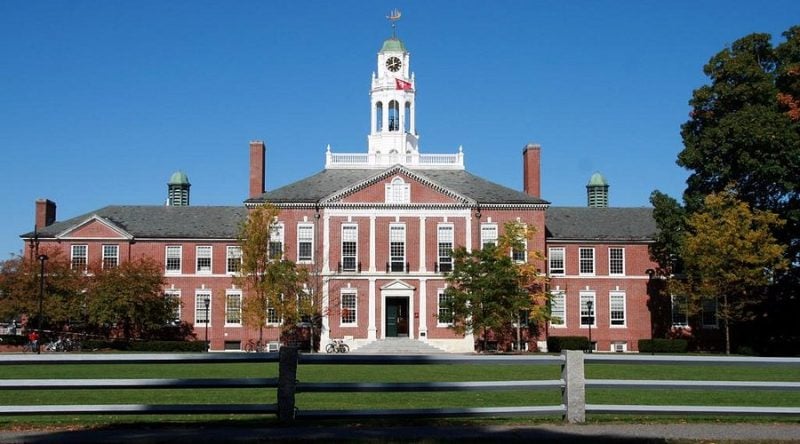
Phillips Exeter Academy stands as one of America’s most prestigious boarding schools. Founded in 1781 by John and Elizabeth Phillips, it holds the distinction of being the nation’s sixth-oldest boarding school.
The school serves approximately 1,100 students in grades 9-12, plus postgraduate students. Located in Exeter, New Hampshire, it operates as a coeducational residential institution.
Students come from across the United States and 37 foreign countries. The academy maintains both boarding and day student populations.
Phillips Exeter Academy consistently ranks within the top 20% of private schools in New Hampshire. The institution has built a centuries-old tradition of academic excellence through its college-preparatory curriculum.
The school’s founder, John Phillips, was a Harvard graduate who became a successful merchant and banker. His nephew Samuel Phillips had established Phillips Academy in Andover, Massachusetts three years earlier.
3. Lawrenceville School, New Jersey
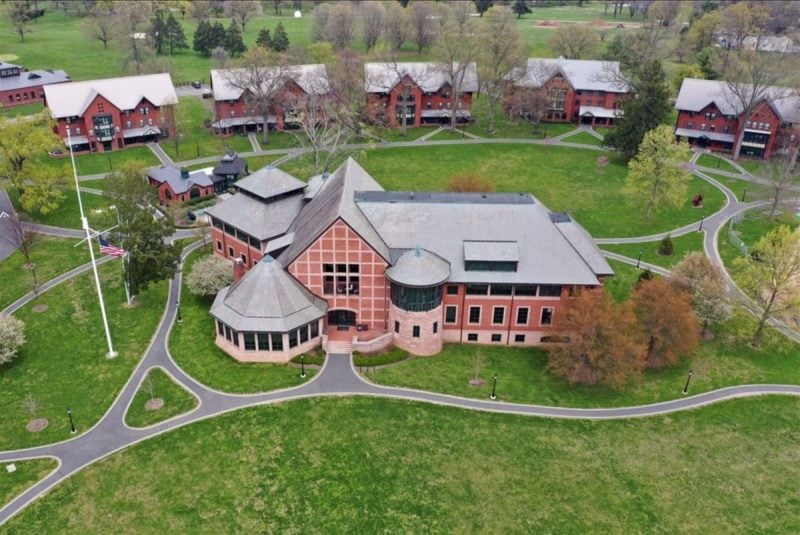
The Lawrenceville School stands as one of New Jersey’s most prestigious and expensive private institutions. Founded in 1810, this elite boarding and day school maintains substantial financial resources that support its world-class facilities and programs.
The school serves 818 students in grades 9-12 with a remarkable 7-to-1 student-teacher ratio. This low ratio reflects the institution’s significant investment in quality education and personalized attention.
Lawrenceville operates on the traditional English public school model with 18 residential houses. Each house functions as a distinct community where students live and compete academically and athletically.
The school consistently ranks among New Jersey’s top high schools and sends numerous graduates to elite universities including Harvard, Princeton, and MIT. This track record attracts wealthy families willing to pay premium tuition rates.
The institution’s substantial endowment and high tuition fees place it among the wealthiest high schools in the northern United States.
4. Groton School, Massachusetts
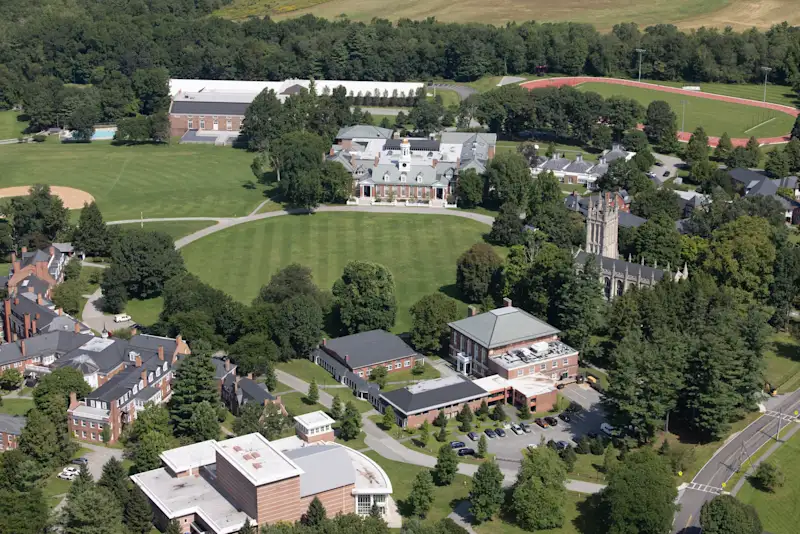
Groton School stands as one of Massachusetts’ most prestigious private institutions. The Episcopal-affiliated boarding and day school sits on 282 Farmer’s Row in Groton.
The school serves 379 students across grades 8-12. It operates as a college-preparatory institution with both residential and day enrollment options.
Groton School ranks among the wealthiest private schools in Massachusetts. Its substantial endowment places it fifth nationally among the richest private schools. The school’s financial resources support its position as a top-tier educational institution.
Rankings consistently recognize Groton’s academic excellence. Niche named it the best private high school in Massachusetts. The school typically places second on the state’s top private high school lists, trailing only Phillips Academy.
The institution charges tuition exceeding $68,000 annually. This reflects both its elite status and the comprehensive educational experience it provides to students.
5. The Taft School, Connecticut
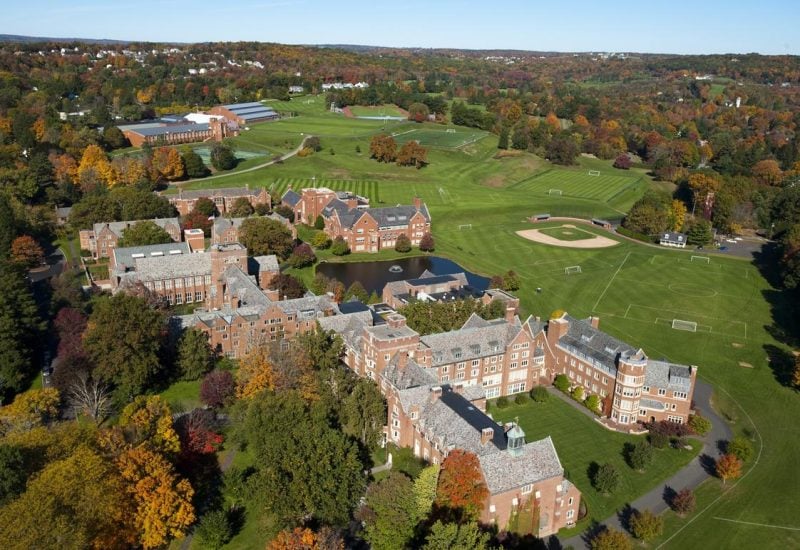
The Taft School stands as one of Connecticut’s most prestigious boarding institutions. Located in Watertown at 110 Woodbury Road, this co-educational preparatory school serves grades 9-12.
The school charges annual tuition of $53,500. A complete four-year education costs $214,000, placing it among the most expensive high schools in America.
Nearly 600 students from 44 countries and 33 states attend The Taft School. The campus spans 226 acres in New England’s countryside.
Academic rigor defines the school’s approach to college preparation. Students choose from more than 200 academic courses with an average class size of 11 students.
Connecticut maintains the nation’s highest private school tuition costs. The state’s average private high school tuition exceeds the national average by more than double.
6. Choate Rosemary Hall, Connecticut
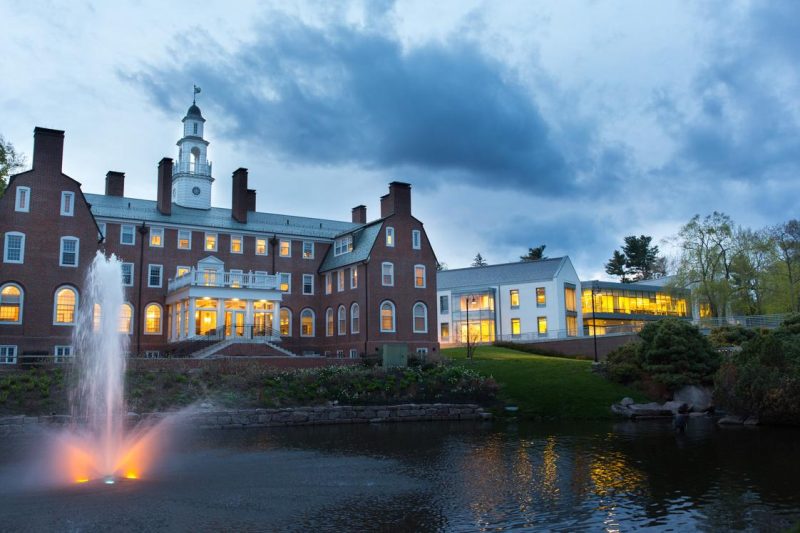
Choate Rosemary Hall stands as one of Connecticut’s most prestigious private boarding schools. Located in Wallingford, the institution serves approximately 865-868 students in grades 9-12 and postgraduate.
The school charges $69,370 for tuition at its highest grade level. This places it among the most expensive secondary schools in New England.
Founded in 1890, Choate became coeducational in 1978 following the merger of The Choate School for boys and Rosemary Hall for girls. The campus attracts students from wealthy families seeking elite college preparation.
Rankings consistently place Choate among the top private schools nationally. Various education websites rank it as the third-best private high school in the United States and the best in Connecticut.
The school’s selectivity and high tuition costs ensure its student body primarily consists of children from affluent backgrounds.
7. St. Paul’s School, New Hampshire
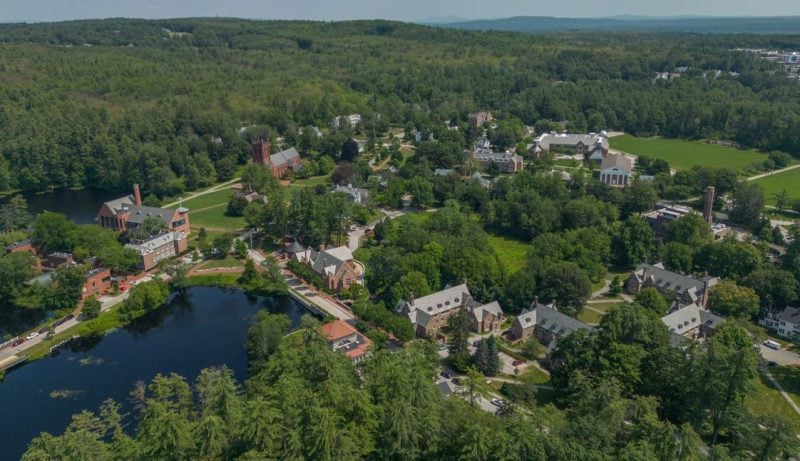
St. Paul’s School stands as one of New Hampshire’s wealthiest educational institutions with an endowment of $759.3 million as of June 2024. Located in Concord on a 2,000-acre campus, this Episcopal-affiliated boarding school serves 540 students in grades 9-12.
Founded in 1856, the school operates as a 100% boarding institution. Students come from 37 states and 30 countries, with 22% being international students.
The annual tuition reaches $62,000, though the school provides substantial financial aid. Nearly 40% of students receive financial assistance, with families earning up to $150,000 annually often qualifying for full tuition support.
St. Paul’s ranks among the top 20% of private schools in New Hampshire. The school’s significant endowment places it among the richest boarding schools in New England, reflecting its long-standing commitment to academic excellence and accessibility.
8. Regis High School, New York
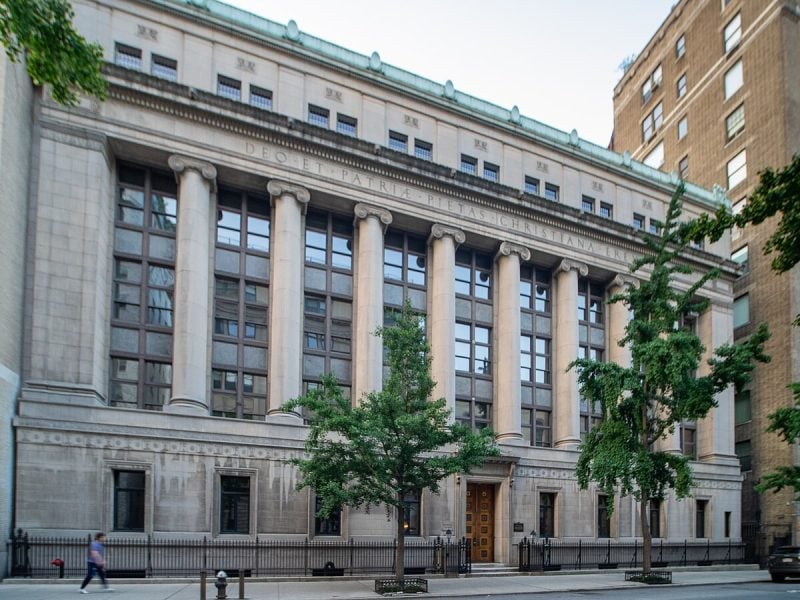
Regis High School stands as one of New York’s most prestigious private institutions. Located on Manhattan’s Upper East Side, this Jesuit school serves 535 students in grades 9-12.
The school was founded in 1914 through a generous bequest from Julia M. Grant, widow of New York City mayor Hugh J. Grant. She specifically requested the establishment of a tuition-free Catholic school for boys.
Regis maintains its commitment to providing free education to academically gifted Catholic students. The school focuses on boys who demonstrate outstanding academic and leadership potential, particularly those who might not otherwise afford private Catholic education.
The institution ranks within the top 20% of private schools in New York. With a student-teacher ratio of 9:1, Regis provides personalized attention that contributes to its academic excellence and reputation among elite educational institutions.
9. The Loomis Chaffee School, Connecticut
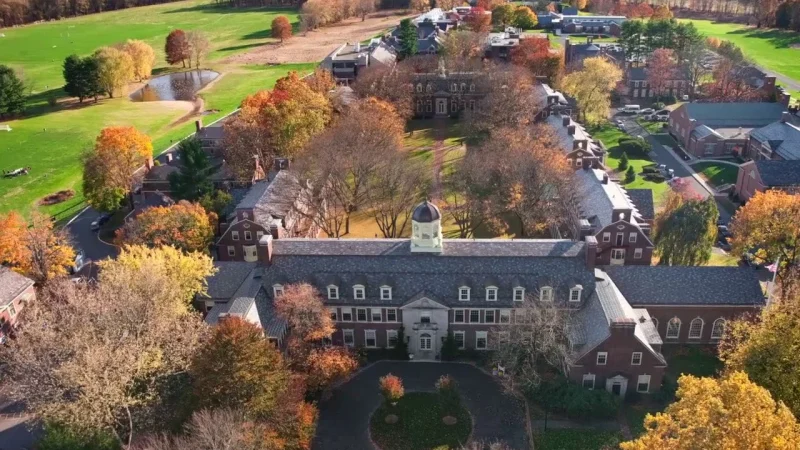
The Loomis Chaffee School operates as an independent college preparatory institution in Windsor, Connecticut. The school serves grades 9-12 along with postgraduate students on its 300-acre campus.
Founded in 1914, Loomis Chaffee enrolls 742 students for the 2024-2025 academic year. Seventy percent of students board on campus while thirty percent attend as day students.
The school maintains a 5:1 student-to-faculty ratio. Students represent 51 countries and 27 U.S. states, creating an internationally diverse community.
Loomis Chaffee holds membership in the Ten Schools Admission Organization. This prestigious association includes some of the most selective preparatory schools in the United States.
The institution combines rigorous academics with comprehensive athletic and arts programs. Its location seven miles north of Hartford provides access to New England’s educational and cultural resources while maintaining a distinct campus environment.
10. Deerfield Academy, Massachusetts
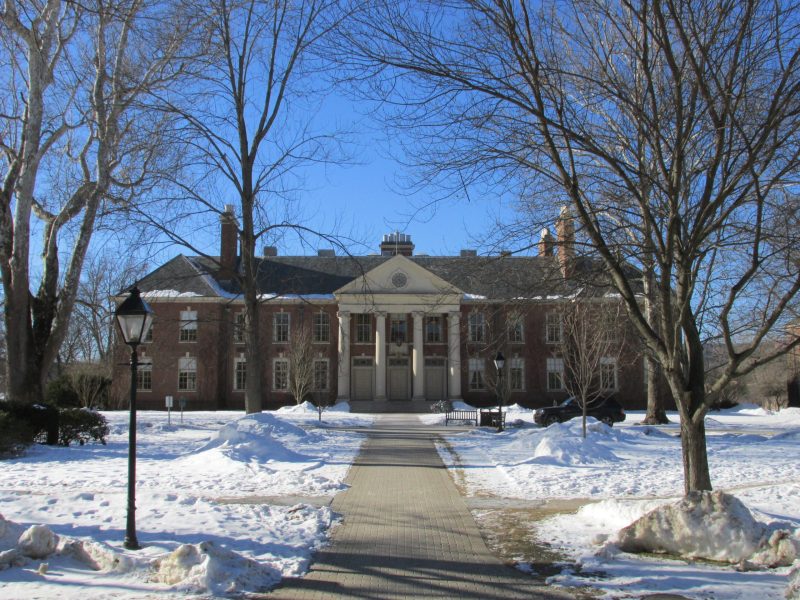
Deerfield Academy stands among Massachusetts’ wealthiest private schools with substantial endowment resources. The institution ranks fourth among the richest prep schools in the state.
Founded in 1797, Deerfield operates as one of America’s oldest secondary schools. The boarding and day school serves grades 9-12 plus postgraduate students on its 330-acre campus in Deerfield, Massachusetts.
The school recently expanded its financial aid program with a 6% budget increase. Families earning up to $150,000 annually now receive free tuition, fees, and boarding costs.
Deerfield maintains high academic standards with a 100% graduation rate and average SAT scores of 1450. Students commonly apply to prestigious universities including Harvard, Yale, and Brown.
The institution enrolls approximately 589 boarding students and 77 day students. More than 25% of campus space supports athletic facilities and programs.
11. Belmont Hill School, Massachusetts
Belmont Hill School operates as an all-boys private institution in Belmont, Massachusetts. The school serves 471 students across grades 7-12.
Founded in 1923, Belmont Hill ranks within the top 20% of private schools in Massachusetts. The institution maintains selective admissions with a 28% acceptance rate.
The school offers both day school and five-day boarding options. Students benefit from single-sex education focused on developing character and academic excellence.
Belmont Hill holds accreditation from the New England Association of Schools and Colleges. The school maintains memberships in prestigious organizations including the National Association of Independent Schools and the International Boys’ Schools Coalition.
The institution emphasizes critical thinking, creativity, and resilience in its educational approach. Students participate in programs designed to cultivate both academic achievement and personal growth.
12. Brunswick School, Connecticut
Brunswick School stands as one of Connecticut’s most prestigious educational institutions. Founded in 1902 by George B. Carmichael, this private college-preparatory school serves boys from Pre-Kindergarten through Grade 12.
Located in Greenwich, Connecticut, Brunswick enrolls 1,045 students. The school ranks as the second largest private high school in Connecticut and holds the 276th position nationally.
The institution maintains consistently high academic standards. Its facilities, faculty, and academic programs regularly place within the top 20 schools nationally according to various rankings.
Brunswick operates as an independent day school focused on character-based education. The curriculum emphasizes rigorous traditional learning, self-discipline, and individual character development for each student.
The school’s location in Greenwich, one of Connecticut’s wealthiest communities, contributes to its reputation among elite educational institutions. Brunswick has maintained its commitment to excellence for over 120 years.
13. Fessenden School, Massachusetts
The Fessenden School operates as an independent all-boys institution in West Newton, Massachusetts. The school serves students from pre-kindergarten through grade 9, offering both day and boarding programs.
Founded over a century ago, Fessenden combines traditional educational approaches with modern innovation. The campus welcomes approximately 541 students across its grade levels.
The school ranks within the top 20% of private schools in Massachusetts. Fessenden offers boarding options specifically for students in grades 5 through 9, while day programs extend to younger students.
The institution emphasizes character education alongside academics, focusing on core values of honesty, compassion, and respect. Students benefit from extensive athletic programs and planned weekend activities.
Fessenden maintains a technology-rich environment with comprehensive arts and academic curricula. The school’s location near Boston provides additional educational and cultural opportunities for its student body.
14. Harvard-Westlake School, California (Northern region considered)
Harvard-Westlake School operates as an independent, co-educational college preparatory institution serving grades 7-12 in the Los Angeles area. The school maintains two distinct campuses with approximately 1,600 students enrolled.
The middle school campus sits in Holmby Hills, while the upper school operates in Studio City. This private institution maintains an impressive 8:1 student-teacher ratio across both locations.
Harvard-Westlake ranks within the top 20% of private schools statewide in California. The school demonstrates significant financial strength compared to peer institutions throughout Southern California.
As the sixth largest private high school in California, Harvard-Westlake holds substantial resources and endowment funds. The institution focuses on college preparation while maintaining high academic standards.
The school’s financial position reflects its ability to attract affluent families and maintain extensive facilities across two premium Los Angeles locations.
15. Cushing Academy, Massachusetts
Cushing Academy stands as one of Massachusetts’ premier private boarding schools, founded in 1865. The institution serves 400 students in grades 9-12 with an additional post-graduate year option.
Located in Ashburnham, Massachusetts, the school sits approximately one hour west of Boston. This strategic location provides access to urban resources while maintaining a focused academic environment.
The academy ranks within the top 20% of private schools in Massachusetts. Among boarding schools specifically, Cushing holds the 13th position out of 35 institutions statewide.
Cushing Academy has gained recognition for producing more professional athletes than any other high school in Massachusetts. Graduates have advanced to careers in major professional sports leagues including the MLB, NBA, NHL, and NFL.
The school operates as a coeducational college preparatory institution, emphasizing academic excellence and character development. Its rigorous programs prepare students for competitive university admission and future leadership roles.
16. Thompson Valley High School, New York
Thompson Valley High School stands among New York’s wealthiest educational institutions. The school serves students in grades 9-12 with significant financial resources.
Located in an affluent area of New York state, the school benefits from substantial property tax revenue. This funding allows for advanced academic programs and modern facilities.
The school’s endowment supports various educational initiatives. These funds help maintain small class sizes and specialized programs.
Thompson Valley attracts families who prioritize educational excellence. The community’s high median income contributes to the school’s financial stability.
Faculty members often hold advanced degrees from prestigious universities. The school invests heavily in teacher compensation and professional development.
Technology resources include modern computer labs and digital learning tools. The science facilities feature state-of-the-art equipment for student research projects.
The school’s wealth enables extensive extracurricular offerings. Students have access to competitive athletic programs and arts facilities.
17. Boston Latin School, Massachusetts
Boston Latin School stands as America’s oldest public school, operating continuously since 1635. The institution serves 2,401 students in grades 7-12 in Boston.
The school consistently ranks as Massachusetts’ top public high school. U.S. News & World Report places it 27th nationally among approximately 25,000 public schools reviewed.
Boston Latin maintains exceptional academic performance with a 98% graduation rate. An impressive 94% of students successfully pass at least one Advanced Placement exam.
The magnet school operates as a Latin grammar institution, preserving its historical educational focus. It ranks within the top 5% of all Massachusetts public schools.
Students benefit from rigorous academic programs that prepare them for competitive colleges. The school’s long-standing reputation attracts families seeking premium public education without private school costs.
18. Shady Side Academy, Pennsylvania
Shady Side Academy stands as Pittsburgh’s premier private preparatory school, serving students from pre-kindergarten through grade 12. Founded in 1883, the institution operates across four campuses in the Greater Pittsburgh area.
The academy enrolls 1,138 students and offers both day and boarding options for high school students. Its Fox Chapel location provides a 5- or 7-day boarding experience for grades 9-12.
Niche rankings recognize the school’s excellence, ranking it as the best private school in its region. The academy earned second place for Most Diverse Private High School and fourth place for Best High Schools for Athletes.
The institution maintains four age-specific campuses designed to serve different grade levels. This structure allows for specialized resources and programming tailored to students’ developmental needs.
19. The Brearley School, New York
The Brearley School stands as one of Manhattan’s most prestigious all-girls private institutions. Located on the Upper East Side, the school serves approximately 770 students from kindergarten through 12th grade.
Annual tuition reaches around $65,000, placing it among the most expensive private schools in New York. This hefty price tag reflects the school’s elite status and comprehensive educational offerings.
The institution maintains small class sizes with a student-teacher ratio of 8:1. Each grade typically enrolls 50 to 65 students, ensuring personalized attention and academic rigor.
Brearley consistently ranks within the top 20% of New York private schools. The school has earned recognition as the top private K-12 institution in America according to some rankings.
Founded to challenge girls of diverse backgrounds, Brearley emphasizes critical thinking and creativity. The school’s mission focuses on preparing students for leadership roles in an increasingly complex world.
20. Hotchkiss Winter Boarding Program, Connecticut
The Hotchkiss School operates one of Connecticut’s most exclusive boarding programs in Lakeville. Founded in 1891, this independent school serves approximately 600 students across grades 9-12 plus postgraduates.
The winter boarding experience commands premium tuition rates of $71,170 annually. This positions Hotchkiss among Connecticut’s costliest private institutions, reflecting its elite status in New England education circles.
Students benefit from an exceptional 4:1 student-teacher ratio during winter terms. The intimate class sizes enable personalized instruction that wealthy families specifically seek for their children.
The school’s rigorous winter academic program maintains college-preparatory standards year-round. One hundred percent of graduates advance to four-year universities, with many attending highly selective institutions.
Hotchkiss attracts students from across the United States and internationally. The winter boarding program provides these affluent families with consistent academic excellence during Connecticut’s harshest months.
21. The Masters School, New York
The Masters School operates as a private coeducational boarding and day school in Dobbs Ferry, New York. Located in Westchester County, the institution sits on a 96-acre campus just 35 minutes north of Manhattan.
Founded in 1877 by Eliza Bailey Masters as an all-girls school, the institution began admitting male students in 1996. The school serves 693 students across grades 5-12 with a student-teacher ratio of 7:1.
Masters offers both day and boarding programs, attracting students from 10 U.S. states and 26 countries. Nearly 60 international students contribute to the campus diversity at any given time.
The school ranks within the top 20% of private schools in New York. It features Advanced Placement courses, 27 sports programs, and uses the Harkness teaching method across all subjects.
22. Friends School of Baltimore, Maryland
Friends School of Baltimore stands as Maryland’s oldest educational institution, founded in 1784. This independent Quaker school serves approximately 760 students from pre-K through 12th grade.
The school ranks within the top 20% of private schools in Maryland. Its long history spans over 240 years of continuous operation in Baltimore.
Friends School maintains accreditation through the Middle States Association of Colleges and Schools. The institution also holds approval from the Maryland State Board of Education and the Association of Independent Maryland Schools.
As a college preparatory institution, the school emphasizes Quaker values including simplicity, peace, integrity, and community. These principles guide its educational approach and campus culture.
The coeducational day school operates from its Baltimore campus, serving families throughout the metropolitan area.
23. Garrison Forest School, Maryland
Garrison Forest School operates as a private, independent girls’ school in Owings Mills, Maryland. The institution sits on a 110-acre campus in Baltimore County.
Founded in 1910, the school serves students from prekindergarten through 12th grade. It offers coeducational programs for three-year-olds and prekindergarten, with single-gender education for girls in kindergarten through high school.
The school provides both day and boarding options. Approximately 20% of upper school students live on campus, with flexible boarding arrangements available.
Garrison Forest maintains accreditation from the Middle States Association of Colleges and Secondary Schools. The institution reports that 100% of graduates gain acceptance to four-year colleges and universities.
The school features signature programs including WISE, a partnership with Johns Hopkins University. Students can pursue academics, athletics, and visual and performing arts programs on the campus.
24. Concord Academy, Massachusetts
Concord Academy stands as one of Massachusetts’ most prestigious private boarding schools. Founded in 1922, the institution serves approximately 415 students in grades 9-12.
The school operates as a coeducational college-preparatory institution located in historic Concord, Massachusetts. Its campus sits on Main Street, less than 20 miles from Boston.
Concord Academy ranks within the top 20% of private schools in Massachusetts. The school maintains high academic standards while serving both boarding and day students.
The institution generates an estimated revenue of $140.2 million with 623 employees. About 13% of its student body consists of international students from various countries.
Massachusetts hosts some of the wealthiest private schools in the nation, with many featuring substantial tuition costs. Concord Academy continues this tradition of elite private education in one of America’s most education-focused states.
25. The Williston Northampton School, Massachusetts
The Williston Northampton School operates as a private co-educational boarding and day school in Easthampton, Massachusetts. The institution serves students in grades 7-12 and postgraduate year.
The school maintains a student-teacher ratio of 8:1, providing personalized attention in small classroom settings. This ratio supports rigorous academic programming designed for college preparation.
Williston ranks as the 22nd largest private high school in Massachusetts. The school combines both boarding and day student populations on its campus.
The institution offers comprehensive college-preparatory curricula across multiple grade levels. Students benefit from both residential and commuter educational options.
Academic programs emphasize preparation for higher education through challenging coursework. The school’s structure supports students through their high school and postgraduate years.
Williston Northampton maintains its position among established New England preparatory schools. The institution serves families seeking independent school education in western Massachusetts.
26. Noble and Greenough School, Massachusetts
Noble and Greenough School, commonly known as Nobles, operates as a prestigious private institution in Dedham, Massachusetts. The school serves 620 to 638 students across grades 7-12 on its expansive 187-acre campus.
Founded in 1866, Nobles functions as both a day school and five-day boarding school. The campus borders the Charles River in this Boston suburb.
The school maintains a remarkably low student-teacher ratio of 5:1, enabling personalized attention for its students. Nobles ranks within the top 20% of private schools in Massachusetts.
As the 11th largest private high school in the state, the institution emphasizes both arts and science programs. Students participate in community service initiatives, clubs, and athletic programs as part of their comprehensive education.
The coeducational, nonsectarian school requires typical private school admission materials including transcripts, recommendation letters, and application essays.
27. Pomfret School, Connecticut
Pomfret School stands as a prestigious independent boarding and day school in northeastern Connecticut. Founded in 1894, the institution serves approximately 350-368 students in grades 9-12 plus post-graduates.
The school occupies a sprawling 500-acre hilltop campus in rural Pomfret. Students come from 29 states and 29 countries, creating a diverse academic community.
Pomfret ranks within the top 20% of private schools in Connecticut. The school maintains small class sizes averaging 11 students per class, ensuring personalized attention from faculty.
The institution offers extensive Advanced Placement and advanced-level courses. This academic rigor places Pomfret among the top 20 boarding schools for course offerings in the region.
Located less than an hour from Boston, Hartford, and Providence, Pomfret provides convenient access to major northeastern cities. New York City sits just three hours away, offering students cultural and educational opportunities.
28. Pingry School, New Jersey
The Pingry School operates as a private college preparatory institution serving grades K-12 across three campuses in Short Hills, Basking Ridge, and Pottersville. The school enrolls approximately 1,129 students from more than 100 communities throughout New Jersey.
Niche rankings place Pingry as the top private high school in New Jersey and the second-best private K-12 school nationally for 2025. The institution ranks within the top 20% of private schools statewide.
The school’s academic reputation attracts families seeking rigorous preparation for elite universities. Recent graduating classes have sent six students to Princeton University and multiple graduates to MIT.
Pingry maintains a student-written Honor Code that guides campus culture across all three locations. The Lower School occupies the Short Hills campus, while Middle and Upper School students attend the Basking Ridge facility.
29. Emma Willard School, New York
Emma Willard School holds the distinction of having the highest endowment among private high schools in New York, valued at $196.0 million. The all-girls boarding and day school serves 365 students in grades 9-12.
Founded in 1814, the institution operates as one of the nation’s leading college-preparatory schools for young women. The campus spans 137 acres in Troy, New York, featuring twenty-three buildings near the state capital of Albany.
The school maintains accreditation through The New York State Association of Independent Schools and holds membership in several prestigious educational organizations. Emma Willard offers rigorous academic programming with Advanced Placement courses and Advanced Studies opportunities.
The institution draws students from around the globe, creating an internationally diverse student body of approximately 350 students across all grade levels.
30. Portledge School, New York
Portledge School operates as an independent college-preparatory day school in Locust Valley, New York. The institution serves approximately 585 students from nursery through 12th grade.
Located on Long Island, the school maintains a competitive academic environment. Portledge ranks within the top 20% of private schools in New York state.
The school offers Advanced Placement courses and maintains 16 athletic programs. Students benefit from small class sizes and individualized attention throughout their academic journey.
Portledge’s location in affluent Locust Valley attracts families from wealthy Long Island communities. The area’s high property values and exclusive neighborhoods contribute to the school’s expensive tuition structure.
The institution focuses on preparing students for admission to competitive colleges and universities. Faculty members provide rigorous academic instruction across all grade levels from pre-nursery through senior year.
Defining Wealth in High Schools
Measuring high school wealth involves analyzing multiple financial indicators and resource availability. Private institutions typically demonstrate wealth through higher tuition rates, while public schools rely on property taxes and endowments.
Factors Used to Measure School Affluence
Endowment Size represents the most direct measure of institutional wealth. Schools like Sidwell Friends School maintain multi-million dollar endowments that fund operations and scholarships.
Annual Operating Budgets reveal spending capacity per student.
These budgets include:
- Faculty salaries and benefits
- Facility maintenance costs
- Technology infrastructure
- Athletic program funding
Tuition Rates serve as primary wealth indicators for private institutions. The most expensive schools charge over $60,000 annually for tuition alone.
Physical Assets include campus facilities, laboratories, libraries, and athletic complexes. Wealthy schools invest heavily in state-of-the-art buildings and equipment.
Alumni Networks contribute significantly through donations and ongoing financial support. Strong alumni connections often correlate with sustained institutional wealth.
Differences Between Private and Public Institutions
Private School Funding comes primarily from tuition payments and private donations. These schools control their revenue streams and can accumulate substantial endowments over time.
Public School Resources depend on local property tax revenues and state funding formulas. Wealthy districts generate more tax revenue, creating significant disparities between communities.
Spending Flexibility differs dramatically between sectors. Private institutions allocate funds based on institutional priorities, while public schools must follow government budget requirements and regulations.
Average Costs vary by region, with Vermont private schools averaging $23,922 annually compared to Iowa’s $5,542 average.
Impact of Wealth on Student Experience
Wealthy high schools provide students with significantly enhanced educational environments through superior facilities and expanded opportunities. The financial resources available to these institutions create measurable differences in daily academic experiences and long-term educational outcomes.
Access to Advanced Facilities and Technology
Students at well-funded high schools benefit from state-of-the-art laboratory equipment that mirrors university-level research facilities. These schools often feature specialized science labs with advanced microscopy equipment, 3D printers, and molecular modeling software.
Technology integration extends beyond basic computer access. Many wealthy institutions provide 1:1 device programs with latest-generation tablets or laptops for every student. High-speed internet infrastructure supports seamless digital learning experiences.
Athletic facilities at these schools include regulation-sized gymnasiums, Olympic-standard swimming pools, and professional-grade fitness centers. Students access training equipment typically found at collegiate or professional levels.
Library resources often exceed those of smaller colleges, featuring extensive digital databases, rare book collections, and dedicated research librarians. Study spaces include collaborative work areas and individual quiet zones designed for different learning styles.
Specialized facilities support diverse academic interests. These may include recording studios, television production facilities, greenhouse complexes, and automotive repair shops with modern diagnostic equipment.
Extracurricular and Academic Opportunities
Wealthy high schools offer extensive Advanced Placement programs with 20-30 course options compared to 3-5 at less funded schools. Students can pursue college-level coursework in multiple disciplines before graduation.
International exchange programs connect students with schools in Europe, Asia, and other continents. These schools often maintain partnerships with prestigious universities for dual enrollment opportunities and research internships.
Arts programs feature professional-grade theaters, concert halls, and visual arts studios. Students work with equipment used in professional productions and receive instruction from practicing artists and performers.
Robotics teams, debate societies, and academic competitions receive substantial funding for travel, equipment, and specialized coaching. Many programs employ professional coaches or industry experts as mentors.
Leadership development occurs through model United Nations programs, student government initiatives, and community service projects with established nonprofit partnerships.