The 30 Richest High Schools in the Southern U.S: Elite Educational Institutions
Private high schools across the Southern United States represent some of the nation’s most financially well-endowed educational institutions, with annual tuitions often exceeding $30,000 and endowments reaching hundreds of millions of dollars.
These schools typically feature extensive campuses, state-of-the-art facilities, and resources that rival many universities.
The wealthiest Southern high schools combine substantial endowments, high tuition rates, and affluent alumni networks to create educational environments with exceptional resources and opportunities.
From Virginia’s historic boarding schools to Texas’s modern day academies, these institutions span multiple states and educational philosophies while maintaining their status as financial powerhouses in the private school landscape.
Here are the 30 richest high schools in the Southern, U.S.
1. Ravenscroft School, Raleigh, NC
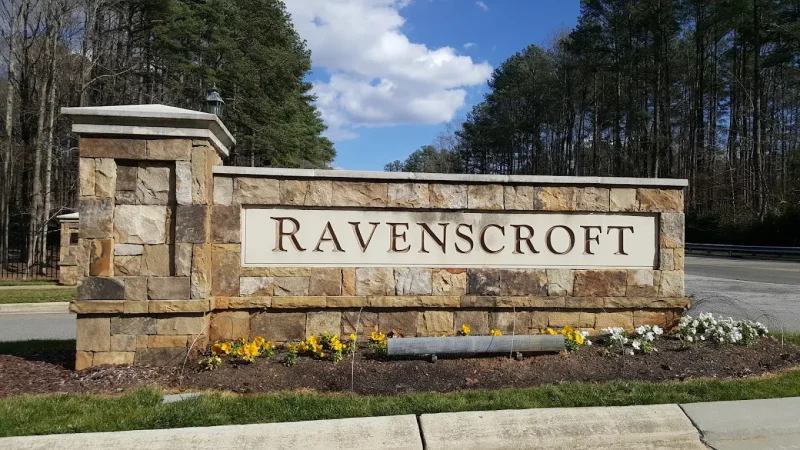
Ravenscroft School stands as one of North Carolina’s most prestigious independent institutions. Located on 135 wooded acres in North Raleigh, the school serves 1,254 students from Pre-Kindergarten through 12th grade.
The school ranks within the top 20% of private schools in North Carolina. It has evolved into one of the leading independent schools in the southern United States with strong community support.
Ravenscroft attracts families from diverse economic backgrounds, including those from extremely wealthy households. The student body includes children from prominent families with recognizable names in the region.
The campus features state-of-the-art facilities including the Olander Center for Student Life and dedicated PreKindergarten centers. Faculty members deliver challenging curricula emphasizing collaboration, respect, and moral leadership.
The school’s location provides convenient access, sitting approximately 15 minutes from downtown Raleigh and Raleigh-Durham International Airport.
2. Woodberry Forest School, VA
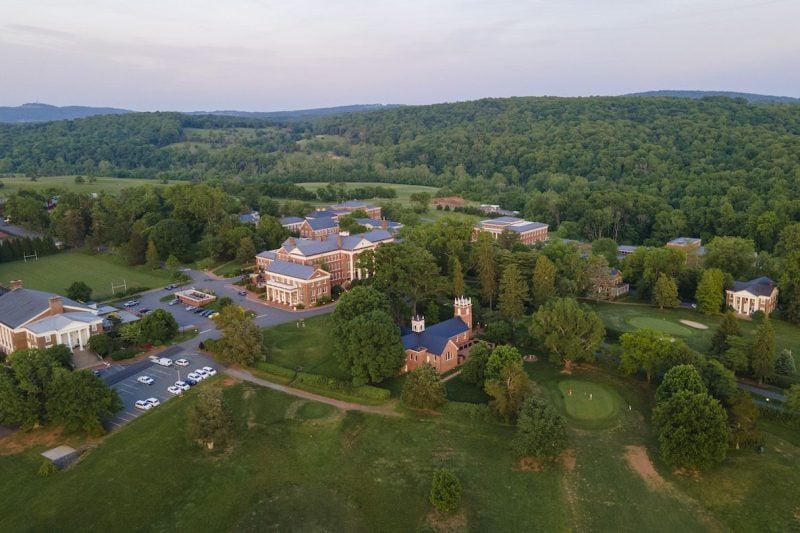
Woodberry Forest School stands as one of Virginia’s wealthiest private institutions with an endowment of $432 million as of June 2023. The all-boys boarding school was founded in 1889 and operates on a sprawling 1,200-acre campus in Madison County.
The school serves 391 students from grades nine through twelve. Students represent 34 U.S. states, Washington D.C., and 36 countries, creating a diverse international community.
Comprehensive tuition reaches $65,350 for the 2023-2024 academic year. Despite the high cost, 41% of students receive financial assistance.
Woodberry Forest offers extensive programs with 19 sports teams and 30 extracurricular activities. The school maintains its distinction as one of the few remaining all-boys, all-boarding institutions in the United States.
3. St Andrew’s Sewanee Academy, TN
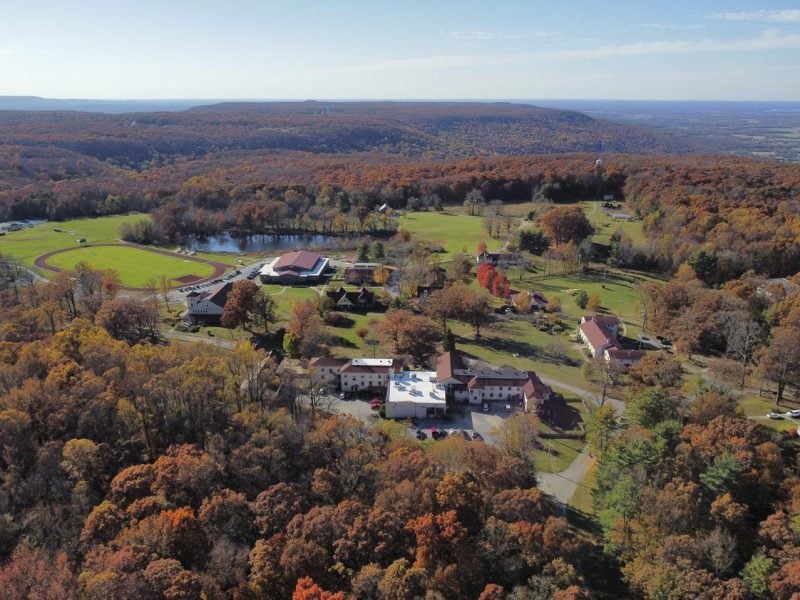
St. Andrew’s-Sewanee School operates as a private Episcopal boarding and day school in Sewanee, Tennessee. The institution serves approximately 215-250 students in grades 6-12 across 550 acres on the Cumberland Plateau.
The school maintains a student-teacher ratio of 6-7 to 1, reflecting significant investment in personalized education. Tuition reaches $56,300 for the highest grade level, positioning it among the most expensive secondary schools in Tennessee.
St. Andrew’s-Sewanee sits adjacent to the University of the South, both sharing Episcopal Church affiliation. The campus location between Nashville and Chattanooga provides strategic access to major metropolitan areas.
The institution reports that 97% of graduates continue to four-year colleges. This college preparatory focus, combined with boarding facilities and premium tuition rates, attracts families seeking comprehensive educational experiences in the South.
4. Episcopal High School, Alexandria, VA
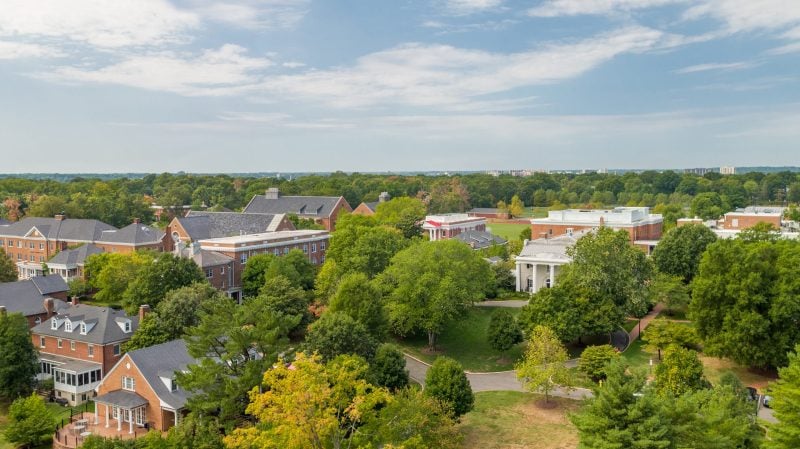
Episcopal High School stands as one of Virginia’s wealthiest educational institutions with an endowment of $214 million. The school’s endowment per student exceeds $600,000, reflecting its substantial financial resources.
Founded in 1839, this private boarding school operates on a 130-acre campus known as “The Holy Hill.” The institution serves approximately 440 students from grades 9-12, representing 30 states and 17 countries.
Episcopal High School maintains its distinction as a 100-percent boarding school. It ranks among only four all-boarding schools in the United States and the only one located in a major metropolitan area.
Annual tuition reaches $66,360, placing it among Virginia’s most expensive private schools. The school maintains small class sizes with an average of 11 students per class.
Located in Alexandria, Virginia, the school leverages its proximity to Washington, D.C. for enhanced educational opportunities and real-world learning experiences.
5. Hargrave Military Academy, Chatham, VA
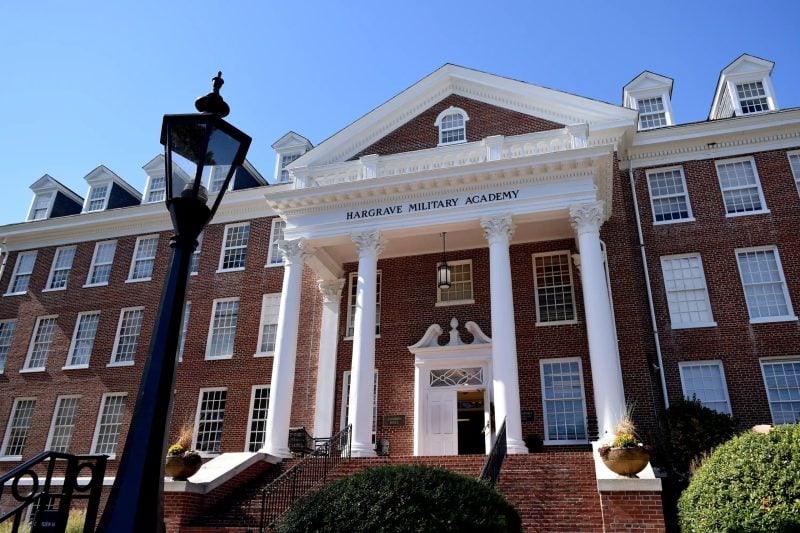
Hargrave Military Academy stands as Virginia’s premier all-male military boarding school. Located in Chatham, the academy serves students in grades 7-12 plus post-graduate programs.
Founded in 1909 as the Chatham Training School, Hargrave has built a reputation for developing leaders of character. The school maintains affiliation with the Baptist General Association of Virginia and emphasizes Christian values throughout its programs.
The academy currently enrolls approximately 186 students with a student-teacher ratio of 7:1. This small class size allows for personalized attention and intensive college preparation programs.
Hargrave ranks within the top 20% of private schools in Virginia. The school holds accreditation from Character.org, making it the only high school in Virginia with this distinction.
The academy’s comprehensive leadership program prepares students for both college success and potential service academy admission.
6. St. Andrew’s Episcopal School, Ridgeland, MS
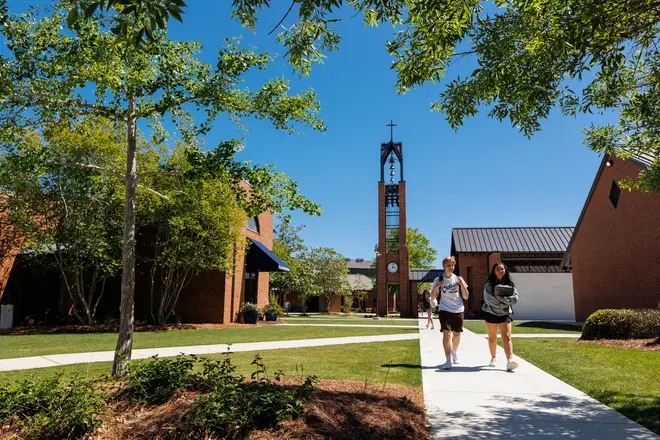
St. Andrew’s Episcopal School operates as an independent, coeducational college preparatory day school in Ridgeland, Mississippi. The institution serves approximately 1,100 students from infants through twelfth grade across two campuses.
The school draws students from an 80-mile radius around metropolitan Jackson, attracting families from both urban and rural areas throughout central Mississippi. This extensive geographical reach indicates strong regional appeal and resources.
St. Andrew’s ranks within the top 20% of private schools in Mississippi and leads the state in numerous academic achievement categories. The school offers Advanced Placement courses and maintains 31 different sports programs.
The institution holds accreditation from the Southern Association of Colleges and Schools and belongs to the National Association of Independent Schools. It maintains affiliation with St. Andrew’s Episcopal Cathedral in Jackson and participates in the Mississippi High School Activities Association.
7. Mount Vernon Presbyterian School, Atlanta, GA
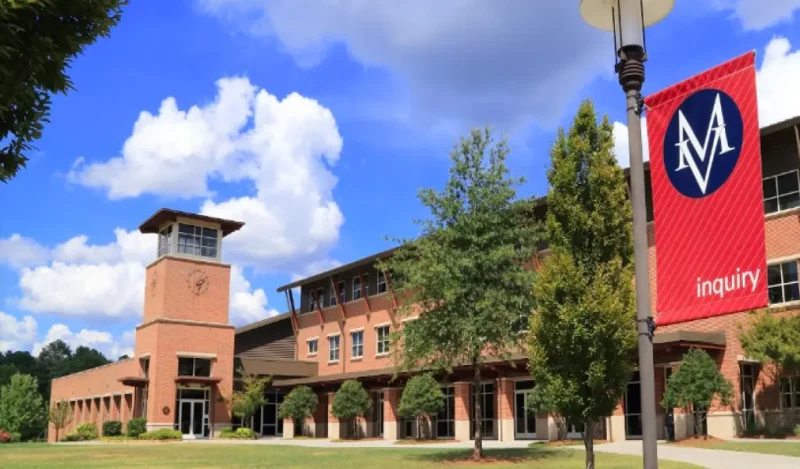
Mount Vernon Presbyterian School stands as one of Georgia’s premier private institutions. The school serves 1,240 students from prekindergarten through 12th grade in Sandy Springs.
Founded in 1972, this coeducational day school maintains an impressive 8:1 student-teacher ratio. The school employs 131 full-time teachers across its campus.
Mount Vernon ranks within the top 20% of private schools in Georgia. It holds the distinction of being the 6th largest private high school in the state and ranks 152nd nationally.
The school opened a new upper school building in August 2019. This facility features advanced STEM spaces, a makerspace, and a college counseling suite.
Mount Vernon Presbyterian School operates as a college preparatory institution grounded in Christian values. The school focuses on developing students who are college ready and globally competitive.
8. The Westminster Schools, Atlanta, GA
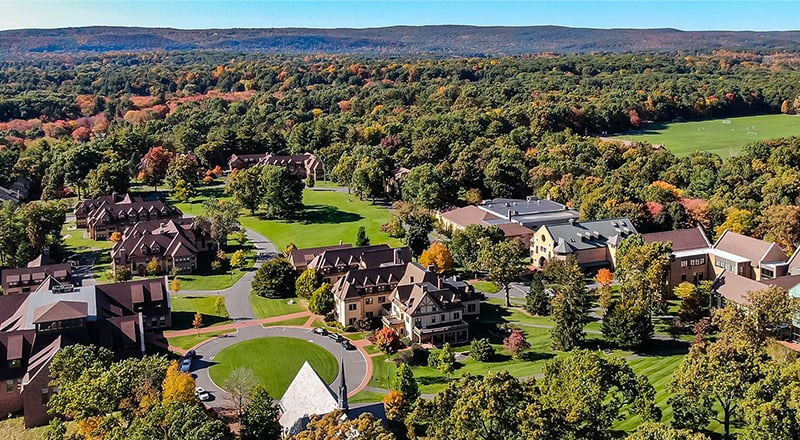
The Westminster Schools stands as one of Georgia’s most prestigious private educational institutions. Founded in 1951, this coeducational Christian day school serves 1,900 students from pre-first through 12th grade.
The school maintains an impressive 6:1 student-teacher ratio. Annual tuition reaches $34,106, reflecting its position among the state’s most expensive private schools.
Westminster consistently ranks within the top 20% of private schools in Georgia. The institution holds the distinction of being named the best private high school in the state according to education research platforms.
The curriculum emphasizes experiential learning, design thinking, and character development. Students benefit from comprehensive programs spanning arts, athletics, and advanced academic subjects.
The school’s substantial enrollment makes it the second-largest private high school in Georgia. This scale allows Westminster to offer extensive resources and facilities that support its wealthy student body.
9. Charlotte Latin School, NC
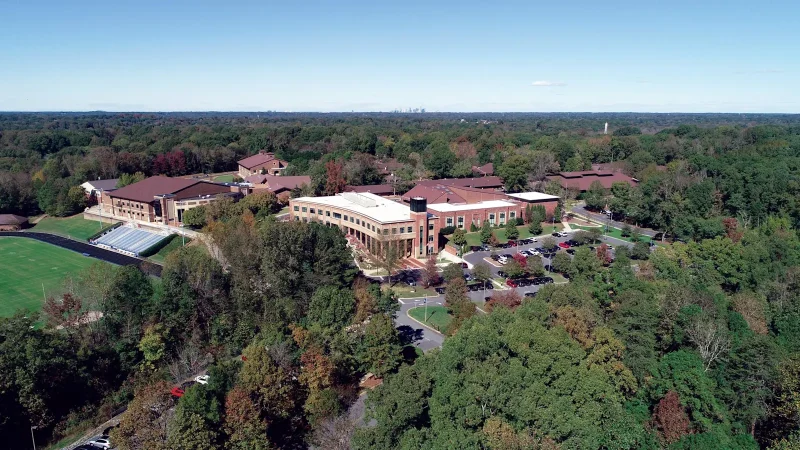
Charlotte Latin School stands as one of North Carolina’s most prestigious private institutions. Founded in 1970, the school serves approximately 1,500 students from transitional kindergarten through twelfth grade.
The independent, coeducational day school operates as a non-sectarian college-preparatory institution. It holds accreditation from multiple organizations including the Southern Association of Colleges and Schools.
Charlotte Latin ranks within the top 20% of private schools in North Carolina. The school represents the fourth largest private high school in the state and ranks 76th nationally by enrollment size.
The institution attracts families seeking rigorous academic preparation and comprehensive educational programs. Charlotte Latin’s reputation extends throughout the Charlotte metropolitan area as a leading choice for college-bound students.
The school’s substantial enrollment and competitive academic standards position it among the region’s most influential educational institutions.
10. St. Stephen’s Episcopal School, Austin, TX
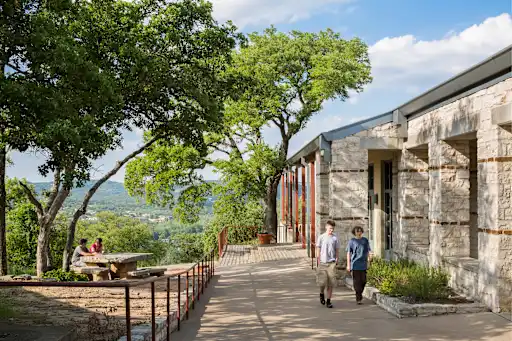
St. Stephen’s Episcopal School stands as one of Texas’s most prestigious private institutions. The school was founded in 1950 by the Episcopal Dioceses of Texas and holds significant historical importance.
The campus spans 370-374 acres along the Colorado River in Austin. This expansive property sits just minutes from downtown Austin, providing students with both natural beauty and urban access.
St. Stephen’s serves approximately 700 students across grades 6-12. The student body includes both day and boarding students, with enrollment drawing from 23 Texas cities, 7 states, and 19 countries.
The school maintains a student-teacher ratio of 8:1, ensuring personalized attention. St. Stephen’s was notably the first coeducational Episcopal school in the United States and the first integrated boarding school in the South.
The institution offers a rigorous college preparatory curriculum alongside comprehensive programs in athletics and the arts.
11. Pinewood School, Summerville, SC
Pinewood Preparatory School stands as one of South Carolina’s premier independent institutions. Founded in 1952, the college preparatory school serves students from Pre-K through 12th grade.
The school operates on a sprawling 43-acre campus located four miles west of downtown Summerville. This positions it approximately 30 minutes from Charleston, providing access to both suburban tranquility and urban opportunities.
Pinewood maintains a student body of approximately 600-800 students with a favorable 12:1 student-teacher ratio. The school holds dual accreditation from the Southern Association of Independent Schools and the Southern Association of Colleges and Schools.
The institution emphasizes academic excellence through rigorous college preparatory curricula. Core values of risk, truth, and exploration guide the educational philosophy at this co-educational day school.
12. Holy Innocents’ Episcopal School, Atlanta, GA
Holy Innocents’ Episcopal School stands as a prestigious private institution in Sandy Springs, Georgia. The school serves approximately 1,400 students from prekindergarten through 12th grade.
With annual tuition reaching $37,560 for the highest grade level, HIES ranks among Georgia’s most expensive educational institutions. The school maintains an impressive 5-to-1 student-teacher ratio.
HIES holds the distinction of being the nation’s largest Episcopal parish day school. It was also Georgia’s first Round Square International School, emphasizing global education and leadership development.
The institution boasts a 100% college acceptance rate for graduates. Students benefit from comprehensive programs spanning academics, arts, athletics, and spiritual formation.
Holy Innocents’ operates with an estimated annual revenue of $35 million and employs over 400 staff members. The school consistently ranks within the top 20% of private schools statewide.
13. Mercy High School, Louisville, KY
Mercy Academy stands as one of Louisville’s most prestigious private educational institutions. The all-girls Catholic high school operates on a sprawling 30-acre campus in the heart of Kentucky’s largest city.
Founded in 1885 by the Sisters of Mercy, the school maintains a strong tradition of academic excellence. The institution serves approximately 508 students across grades 9-12, drawing from 45 different zip codes and 95 prior schools.
Mercy Academy ranks within the top 20% of private schools in Kentucky. The school offers Advanced Placement courses and maintains 12 competitive sports programs for student athletes.
The academy focuses on college preparatory education with faith-based learning principles. Students benefit from comprehensive transportation services with 30 bus stops throughout the greater Louisville metropolitan area.
Mercy Academy’s reputation for developing young women leaders contributes to its status among Kentucky’s wealthiest educational institutions.
14. Lawrence Academy, Groton, NC
Lawrence Academy stands as one of North Carolina’s established private institutions, serving students from Pre-K through 12th grade. The school operates from its campus at 148 Avoca Farm Road in Merry Hill, North Carolina.
Founded in 1968, Lawrence Academy has maintained its position as a college preparatory independent day school for over five decades. The institution draws students from a seven-county area in northeastern North Carolina.
Current enrollment sits at approximately 228 students across all grade levels. The high school division serves 96 students in grades 9-12, maintaining a student-teacher ratio of 10:1.
Katrina Ford serves as the school’s headmaster. Lawrence Academy operates as one of four high schools in Bertie County, providing families with private educational alternatives in the region.
The academy emphasizes its commitment to making education accessible through financial aid programs, reflecting its dedication to serving diverse student populations.
15. Episcopal School of Dallas, Dallas, TX
The Episcopal School of Dallas stands as one of Texas’s most well-funded private institutions. Founded in 1974, this coeducational college preparatory school serves approximately 1,170 students from age 3 through grade 12.
The school operates on a sprawling 42-acre campus in North Dallas. Its state-of-the-art facilities reflect significant financial investment in educational infrastructure.
ESD maintains a favorable student-teacher ratio of 7:1, indicating substantial investment in faculty resources. This low ratio allows for personalized attention and smaller class sizes.
The institution ranks within the top 20% of private schools in Texas. It serves as the 15th largest private high school in the state, demonstrating its substantial operational scale.
The school’s diverse student body benefits from extensive resources and programs. Its college preparatory focus prepares students for competitive university admission processes.
16. Saint Mary’s Episcopal School, Memphis, TN
Saint Mary’s Episcopal School stands as Memphis’s oldest private institution and one of the oldest girls’ schools in the mid-south region. The independent school serves approximately 785 students from age 2 through 12th grade.
The all-girls school maintains an impressive 8-to-1 student-teacher ratio. Annual tuition reaches $27,800 for the highest grade level offered.
Saint Mary’s demonstrates exceptional academic outcomes with 100% of graduates attending four-year colleges. The school ranks within the top 20% of private institutions in Tennessee.
Located on Perkins Extended, the Episcopal school has earned national recognition for its educational programs. The institution serves families from diverse backgrounds while maintaining its commitment to academic excellence.
The school’s mascot is the Turkeys, with navy blue and white as official colors.
17. Roland Park Country School, Baltimore, MD
Roland Park Country School stands as one of Maryland’s most prestigious private institutions. Founded in 1900, this all-girls preparatory school serves students from kindergarten through 12th grade.
The school enrolls approximately 620-710 students on its Baltimore campus. It ranks within the top 20% of private schools in Maryland and holds the #3 position among all-girls high schools in the Baltimore area.
Roland Park Country School offers Advanced Placement courses as part of its college preparatory curriculum. The institution operates as a nonsectarian day school, welcoming students from diverse backgrounds.
The school also features a coeducational preschool program called Little Reds. This program serves children from 6 weeks through 5 years old, expanding the school’s educational reach beyond its primary all-girls model.
Located at 5204 Roland Avenue, the school maintains its commitment to academic excellence in Baltimore’s Roland Park neighborhood.
18. Providence Day School, Charlotte, NC
Providence Day School stands as one of Charlotte’s most prestigious private institutions. Founded in 1970, this co-educational college preparatory school serves students from prekindergarten through 12th grade.
The school enrolls approximately 1,820 students across its campus in Charlotte, North Carolina. It holds the distinction of being the largest private high school in North Carolina and ranks 41st nationally by size.
Providence Day School consistently ranks within the top 20% of private schools in North Carolina. The institution leads Niche.com’s rankings of Charlotte’s best private K-12 schools for 2026.
The school maintains rigorous academic standards with over 60 percent of faculty holding advanced degrees in their fields. Providence Day School receives accreditation from the Southern Association of Colleges and Schools.
The student body reflects diversity with a minority enrollment of 34.2 percent, contributing to the school’s comprehensive educational environment.
19. The Lovett School, Atlanta, GA
The Lovett School stands as one of Georgia’s wealthiest private institutions with a $140 million endowment. Founded in 1926, this independent coeducational school serves 1,659 students from kindergarten through 12th grade.
Located on Paces Ferry Road in north Atlanta, Lovett maintains an 8:1 student-teacher ratio. The school enrolls 609 high school students and ranks within the top 20% of private schools in Georgia.
Annual tuition reaches approximately $37,050 for high school students, making it Atlanta’s most expensive secondary school. Despite high costs, the substantial endowment enables numerous financial aid programs for families.
The school emphasizes developing students of honor, faith, and wisdom. Its significant financial resources support comprehensive academic programs and facilities that attract families throughout the Atlanta metropolitan area.
20. Foxcroft School, Middleburg, VA
Foxcroft School stands as an exclusive all-girls boarding and day school located in Middleburg, Virginia. Founded in 1914 by Charlotte Haxall Noland, the institution serves students in grades 9-12 and postgraduate programs.
The school operates on a sprawling 500-acre campus situated in the foothills of the Blue Ridge Mountains. This prime location places it near the affluent horse country of northern Virginia.
Foxcroft maintains a highly selective student body of approximately 159-173 students. The school’s student-teacher ratio of 6:1 ensures personalized attention and small class sizes.
The institution ranks within the top 20% of private schools in Virginia. It offers Advanced Placement courses and maintains accreditation through the Virginia Association of Independent Schools.
As of 2022, Foxcroft employed 120 staff members to support its academic and residential programs. The school’s combination of traditional values and modern facilities attracts families seeking premium educational opportunities.
21. Charlotte Country Day School, Charlotte, NC
Charlotte Country Day School serves 1,738 students from Junior Kindergarten through 12th grade across two campuses in Charlotte, North Carolina. This private, nonsectarian institution maintains an 8-to-1 student-teacher ratio.
The school charges $28,010 in tuition for its highest grade level. This places it among Charlotte’s most expensive educational institutions.
Charlotte Country Day School ranks within the top 20% of private schools in North Carolina. The institution holds accreditation from both the Southern Association of Colleges and Schools and the Southern Association of Independent Schools.
Students have access to Advanced Placement courses and can participate in 23 different sports programs. The school reports that 100% of its graduates attend four-year colleges after graduation.
The institution stands as the second-largest private high school in North Carolina and ranks 51st nationally by enrollment size.
22. Hillgrove High School, Powder Springs, GA
Hillgrove High School serves 2,290 students in grades 9-12 in Powder Springs, Georgia. The school operates within the Cobb County School District and maintains a student-teacher ratio of 18 to 1.
The school ranks within the top 10% of public schools in Georgia. It holds the 44th position among the largest public high schools in the state and ranks 1,072nd nationally by enrollment size.
Academic performance shows 67% of students achieving proficiency in math and 66% in reading based on state test scores. The school offers Advanced Placement courses and operates a Gifted & Talented program.
Hillgrove High School consistently ranks among the top 34 high schools in Cobb County. The school has earned a 5-star rating from SchoolDigger over the past three years.
The campus is located at 4165 Luther Ward Road in Powder Springs. Joseph Boland serves as the school’s principal.
23. Furman University High School Program, Greenville, SC
Furman University operates a selective high school preparation program in Greenville, South Carolina. The program serves academically gifted students from economically disadvantaged backgrounds through its Bridges to a Brighter Future initiative.
Students spend three years in the high school program after completing preparatory coursework. The program operates independently from Furman University’s funding structure and does not require graduates to attend the university.
The initiative focuses on college preparation for bright students who might otherwise lack access to quality educational opportunities. Program participants receive intensive academic support designed to prepare them for higher education success.
Furman’s location in Greenville provides students access to resources from one of South Carolina’s oldest private liberal arts institutions. The university was founded in 1826 and maintains strong academic programs with small class sizes averaging 14 students.
24. Brimmer and May School, Boston, MA
Brimmer and May School operates as a prestigious private day school serving students from Pre-K through 12th grade. The institution maintains its location in Chestnut Hill, Massachusetts, within the greater Boston metropolitan area.
The school enrolls approximately 404 students across all grade levels. Founded in 1880, Brimmer and May has established itself among the top 20% of private schools in Massachusetts.
The coeducational institution emphasizes high academic standards while fostering innovative educational approaches. Faculty focus on developing lifelong learners who become informed and ethical citizens.
Brimmer and May welcomes a diverse student body without discrimination based on race, religion, gender identity, sexual orientation, or national origin. The school’s tuition and fees reflect its position as an elite preparatory institution serving affluent families in the Boston area.
25. The Walker School, Marietta, GA
The Walker School stands as a prestigious private college preparatory institution in Marietta, Georgia. Located on Cobb Parkway, the school serves 909 students from Pre-K3 through 12th grade.
This independent school ranks within the top 20% of private schools in Georgia. The comprehensive curriculum prepares students for college admission while fostering academic excellence.
The school operates from its campus in what was originally Sprayberry High School. Walker offers extensive programs in academics, arts, and athletics across all grade levels.
Faculty members work closely with students in a nurturing environment that emphasizes character development. The school encourages exploration through various extracurricular activities and competitive sports programs.
Walker maintains a diverse and inclusive community that attracts families seeking rigorous academic preparation. The institution’s commitment to educational excellence has established its reputation among Georgia’s premier private schools.
26. Trinity Episcopal School, Natchez, MS
Trinity Episcopal Day School serves students from preschool through twelfth grade in Natchez, Mississippi. The private institution maintains accreditation from the Mississippi State Department of Education and the Southern Association of Colleges and Schools.
The school operates as a college preparatory institution with 363 students across all grade levels. Trinity emphasizes small class sizes to provide individualized attention to each student.
Located at 1 Mallan G Morgan Drive, the school sits south of Natchez on U.S. Highway 61. The current facility was built on land donated by Frederick Schurchardt.
Trinity’s athletic teams compete under the Saints nickname. The school has maintained its Episcopal identity while focusing on academic excellence through student-centered learning approaches.
The institution has operated for over five decades, graduating hundreds of students during its history. Trinity participates in the Private School Universe Survey conducted by the National Center for Education Statistics.
27. Virginia Episcopal School, Lynchburg, VA
Virginia Episcopal School stands as a prestigious college preparatory institution serving grades 9-12 in Lynchburg, Virginia. The school combines both boarding and day programs on its 160-acre campus.
With approximately 248 students enrolled, VES maintains an impressive 6-to-1 student-teacher ratio. The student body consists of 52% male and 48% female students, with 20% coming from international backgrounds.
Tuition reaches $57,000 for the highest grade level, reflecting the school’s premium educational offerings. This places VES among the more expensive private schools in Virginia.
The school achieves remarkable college placement results, with 98% of graduates attending four-year colleges. VES ranks within the top 20% of private schools statewide.
The institution operates as a coeducational Episcopal school, with boarding students comprising 70% of enrollment and day students making up the remaining 30%.
28. Montgomery Bell Academy, Nashville, TN
Montgomery Bell Academy stands as Nashville’s premier all-boys preparatory school, serving 850 students in grades 7-12. Founded in 1867, this exclusive institution charges $33,500 in annual tuition for its highest grade level.
The school maintains an impressive 8-to-1 student-teacher ratio with 161 faculty and staff members. MBA operates from multiple facilities across Middle Tennessee, reflecting its substantial financial resources and expansion capabilities.
Located in Nashville’s affluent Whitland Area neighborhood, the academy focuses on developing “Gentlemen, Scholars, Athletes.” The school achieves a 100% four-year college acceptance rate for its graduates.
MBA ranks within the top 20% of Tennessee private schools and holds membership in prestigious international academic networks. The institution’s rigorous academic standards and traditional approach attract families willing to invest significantly in their sons’ education.
29. The Episcopal School of Louisville, Louisville, KY
The Episcopal School of Louisville stands among Kentucky’s most prestigious private institutions. The school maintains strong ties to the Episcopal Diocese of Louisville while serving students from diverse backgrounds.
Annual tuition at the school reaches approximately $27,500 for upper school students in grades 6-12. Lower grade levels have varying fee structures, with costs increasing by grade level.
The school emphasizes small class sizes and personalized attention. Faculty members focus on both academic excellence and character development through Episcopal values.
Campus facilities include modern classrooms and extensive extracurricular programs. The school’s college preparatory curriculum consistently produces graduates who gain admission to competitive universities.
Episcopal traditions influence daily school life through regular worship services and community activities. Students participate in service learning projects that reflect the school’s commitment to developing civic responsibility.
The institution attracts families seeking rigorous academics within a faith-based environment. Its location in Louisville provides access to cultural and educational opportunities throughout the metropolitan area.
30. Christ the King School, Jacksonville, FL
Christ the King Catholic School serves 336 to 385 students in grades prekindergarten through eighth grade in Jacksonville, Florida. The private Catholic institution was founded in 1954 and maintains a student-teacher ratio of 14 to 1.
Annual tuition reaches $7,758 for the highest grade offered. The school ranks within the top 20% of private schools in Florida and claims to be among the top 10% nationally.
Christ the King welcomes students from all backgrounds seeking Catholic values-based education. The institution offers 10 sports programs and serves families throughout the Jacksonville area.
The school operates alongside Christ the King Catholic Church, which conducts masses in English, Spanish, and Vietnamese. An early learning center provides additional educational services for younger children in the community.
Factors Influencing Wealth in Southern High Schools
Wealth disparities among southern high schools stem from three primary factors: institutional endowments and active fundraising programs, established alumni networks that provide ongoing financial support, and the economic strength of their surrounding communities.
Role of Endowments and Fundraising
Private schools across the South rely heavily on endowments to maintain their competitive edge. These permanent funds generate annual income that supports facility upgrades, technology investments, and enhanced academic programs.
Schools like Episcopal High School in Virginia and The Westminster Schools in Georgia maintain endowments exceeding $100 million. This financial foundation allows them to offer need-based aid while maintaining premium facilities and small class sizes.
Active fundraising campaigns supplement endowment income. Annual giving programs typically target three donor categories:
- Current parents contributing $1,000-$10,000 annually
- Alumni donors providing $500-$50,000 based on graduation year
- Corporate sponsors funding specific programs or facilities
Capital campaigns for major projects often raise $20-50 million over multi-year periods. These efforts fund new science centers, athletic complexes, and performing arts facilities that distinguish wealthy schools from their peers.
Impact of Alumni Networks
Strong alumni networks create self-perpetuating cycles of wealth and influence. Graduates from prestigious southern schools often achieve significant professional success, particularly in finance, law, and business.
Alumni contribute through multiple channels beyond direct donations. They provide internship opportunities for current students, serve on school boards, and facilitate connections for college admissions and career placement.
Legacy admissions maintain these networks across generations. Children of alumni receive admission preferences, ensuring continued family investment in school success.
Geographic concentration enhances network effectiveness. Alumni clusters in major southern cities like Atlanta, Dallas, and Charlotte create regional support hubs that extend the school’s influence and fundraising reach.
Location and Local Economy
Community wealth directly impacts school resources through property tax funding for public schools and local support for private institutions. Affluent suburbs consistently produce the wealthiest school districts.
Texas exemplifies this pattern, where districts in wealthy areas receive substantially more per-pupil funding than rural or urban counterparts. The state’s oil economy and technology sector create pockets of extreme wealth that benefit local schools.
Private school concentration correlates with regional economic strength. Cities with strong financial sectors, energy industries, or technology companies support multiple elite institutions competing for the same donor pool.
Rural areas face particular challenges due to limited local tax bases and fewer high-income families. This geographic disadvantage creates persistent funding gaps between urban and rural southern schools.
Academic and Extracurricular Advantages
Wealthy Southern high schools leverage substantial endowments to provide comprehensive college preparation programs and forge exclusive partnerships with prestigious universities. These institutions offer specialized resources that significantly enhance students’ academic outcomes and university admission prospects.
College Preparation Resources
Elite Southern high schools typically maintain dedicated college counseling centers with ratios as low as 1 counselor per 25 students. Students receive personalized guidance throughout the application process.
Many schools offer comprehensive test preparation programs for SAT, ACT, and AP examinations. These programs often include individual tutoring sessions and specialized workshops led by certified instructors.
Advanced academic programs feature extensive AP course catalogs with 25-30 offerings across all subject areas. Students frequently access dual enrollment opportunities with nearby prestigious universities.
Research facilities at these institutions rival those found at colleges. Students conduct independent research projects with dedicated faculty mentors and present findings at regional academic competitions.
Academic support services include writing centers, peer tutoring programs, and study skills workshops. These resources ensure students maintain high academic standards while managing rigorous coursework.
Exclusive Programs and Partnerships
Top Southern private schools maintain formal partnerships with elite universities including Duke, Vanderbilt, and Emory. These relationships provide students with preferential admission consideration and early exposure to college-level academics.
Specialized academic tracks such as International Baccalaureate programs, engineering academies, and pre-medical tracks prepare students for specific career paths. These programs feature industry partnerships and internship opportunities.
Many schools offer unique cultural and international programs. Students participate in semester abroad experiences, Model United Nations conferences, and cultural exchange programs with international schools.
Distinguished speaker series bring renowned academics, industry leaders, and politicians to campus regularly. Students engage directly with influential figures across various fields.
Arts programs at these institutions feature professional-grade facilities and instruction from practicing artists and musicians. Students regularly perform at prestigious venues and compete in national competitions.